
“I am inspired by Black people and Mexican people, my two peoples.”
What makes a work of art revolutionary? For the artist and educator Elizabeth Catlett, the answer depended on _who_ the work addressed. Motivated by a conviction “to put art to the service of people,” Catlett produced sculptures and prints across her more than six-decade career that drew on her personal experiences as an African American woman, mother, and émigré living in Mexico. Directly addressing people whose perspectives and experiences, like hers, had historically been excluded from artistic representation, Catlett developed a distinctive visual language defined by its carefully delineated forms and strong compositional focus. Merging the political with the personal, her work influenced younger generations of artists, including many associated with the Black Arts movement of the 1960s and ’70s, who shared her activist principles and commitment to harnessing art for Black liberation. Catlett was born in Washington, DC, in 1915. Despite the racial and gender barriers limiting educational and career opportunities for Black women at the time, Catlett decided at an early age to become an artist. She enrolled at Howard University in 1931, taking courses in design, drawing, printmaking, and art history. After a stint as an art teacher, Catlett attended the University of Iowa, becoming the first student to receive a Master in Fine Arts degree from the University. It was during this period that she began making sculptures in wood, plaster, clay, and bronze, encouraged by her instructor, American Regionalist painter Grant Wood, who, she recalled, advised her to make art about “something you know the most about.” Wood’s directive fueled Catlett’s artistic output, inspiring her to represent women, Black people, and the working class, the subjects she knew best. In 1946, Catlett traveled to Mexico with a Julius Rosenwald Fellowship, proposing to complete “a series of lithographs, paintings, and sculptures of Negro women in the fight for democratic rights in the history of America.” Realized as 15 linoleum cuts, her series The Black Woman depicts the everyday realities, achievements, and fears of Black women, as well as matriarchal figures, including abolitionists Sojourner Truth and Harriet Tubman and author Phillis Wheatley. Collectively, the prints offer an expansive view of Black womanhood, while at the same time inviting viewers to intimately connect with and act as surrogates for Catlett’s subjects through the first-person narrative captions that accompany each image. In both form and content, the series was heavily influenced by the paintings of Mexican muralists of the era and the revolutionary graphic arts produced at El Taller de Gráfica Popular (the People’s Graphic Workshop), a reform-minded print workshop committed to collaboration, accessibility, and social causes. Catlett made the series at the Taller, an experience that shaped her understanding of printmaking as a consciously political practice. Although Catlett originally envisioned her stay in Mexico as a brief visit, she permanently relocated to the country in 1947, marrying fellow artist Francisco Mora, with whom she had three sons. Catlett likely drew on her experiences as a mother when making the terracotta _Mother and Child_, which recasts the white Madonna and Child) iconography with Black subjects. Offering a vision of Black maternal love, Catlett pictures the mother and child in a close embrace, their quiet repose and introspective tenderness lending the sculpture an air of gravity, even monumentality, despite its intimate scale. Catlett employed a pre-Hispanic method of sculpting that she learned from the artist Francisco Zúñiga to make the work, using coils of terra cotta to build the hollow form. With this and thematically related works, Catlett became one of the first African American artists to consistently visualize Black motherhood. Despite being at a geographic remove, Catlett remained keenly aware of and involved in Black peoples’ political efforts in the United States throughout the 1960s and ’70s. Such works as _Malcolm X Speaks for Us_ declare her support for the Civil Rights movement and solidarity with those fighting for equality. Her leftist political involvement led the US to label her an “undesirable alien,” and for over a decade, she was barred from entering the country of her birth (her US citizenship was not reinstated until 2002). Catlett remained undeterred. Unable to obtain a visa to attend a conference held in her honor at Northwestern University in 1970, Catlett gave her remarks by phone, declaring, “I have been, and am currently, and always hope to be a Black Revolutionary Artist, and all that it implies!”
Kiko Aebi, Curatorial Associate, Department of Drawings and Prints, 2024
Note: The opening quote is from Elizabeth Catlett, quoted in Marc Crawford, “My Art Speaks for Both My Peoples,” _Ebony 25_, no. 3 (January 1970): 94.
Works in Collection
22 works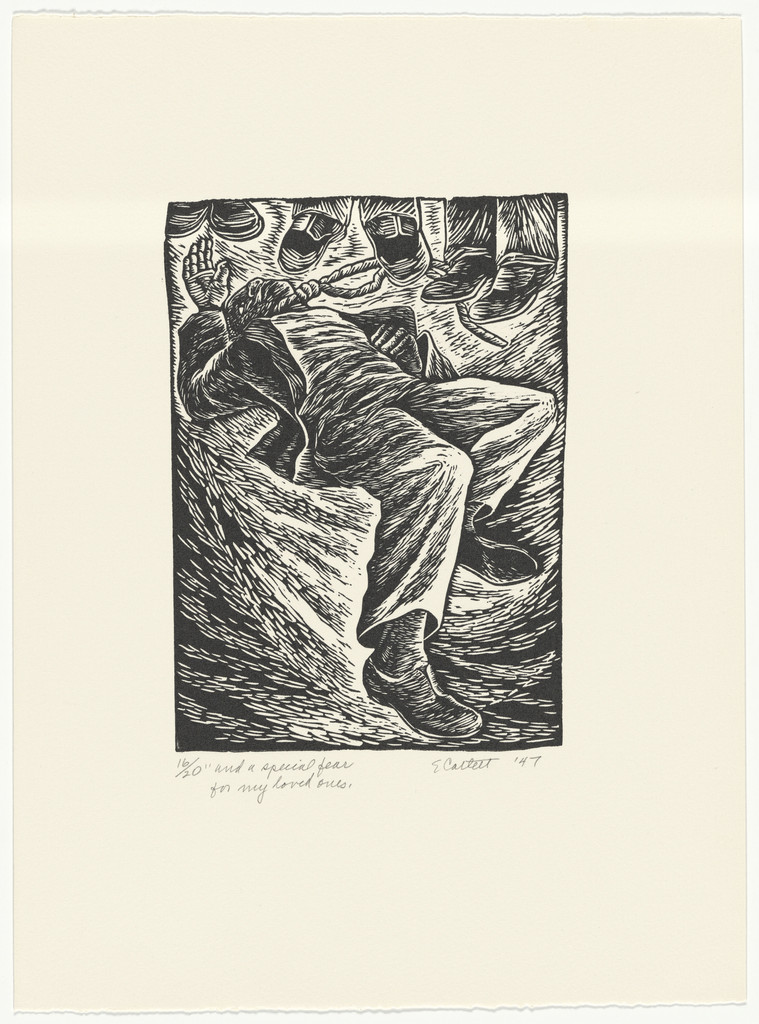
And a Special Fear for My Loved Ones from the series The ...
Elizabeth Catlett
1947, printed 1989
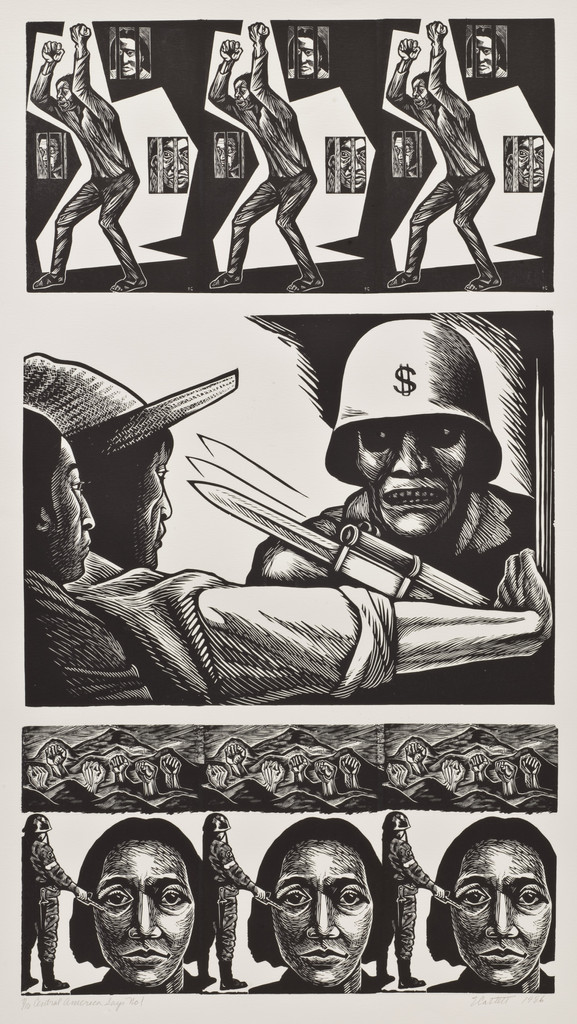
Central America Says No!
Elizabeth Catlett
1986
For My People
Elizabeth Catlett
1992
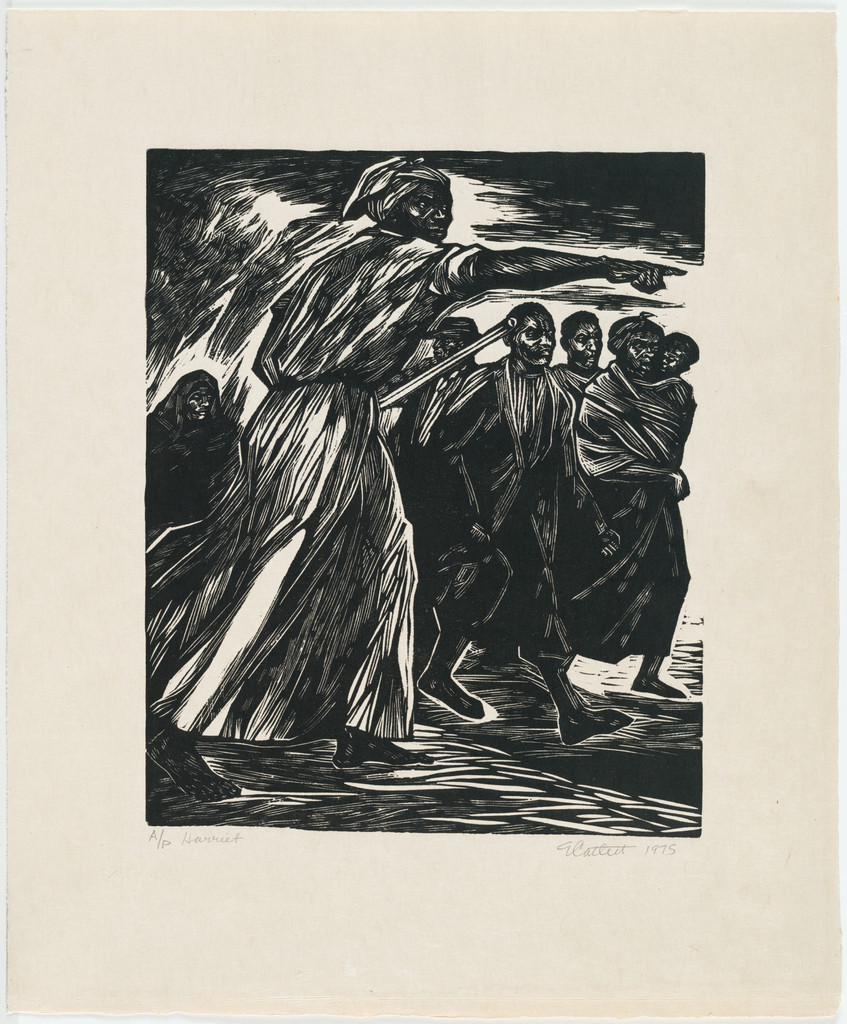
Harriet
Elizabeth Catlett
1975
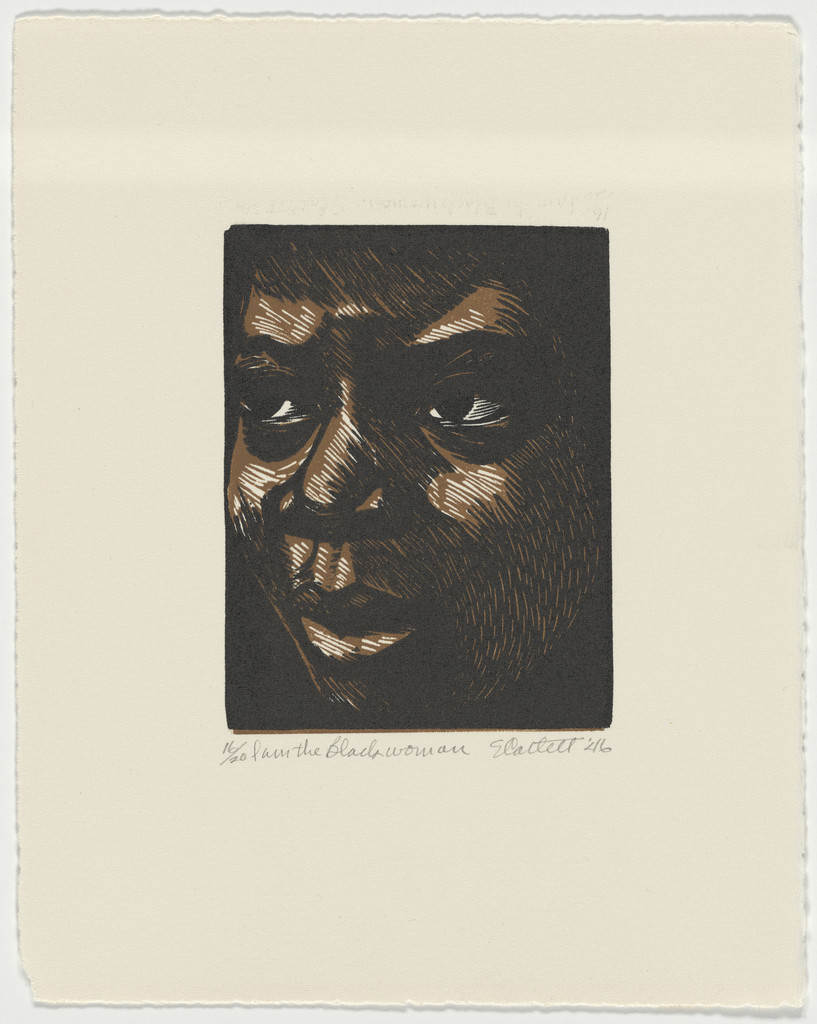
I Am The Black Woman from the series The Black Woman
Elizabeth Catlett
1946, printed 1989
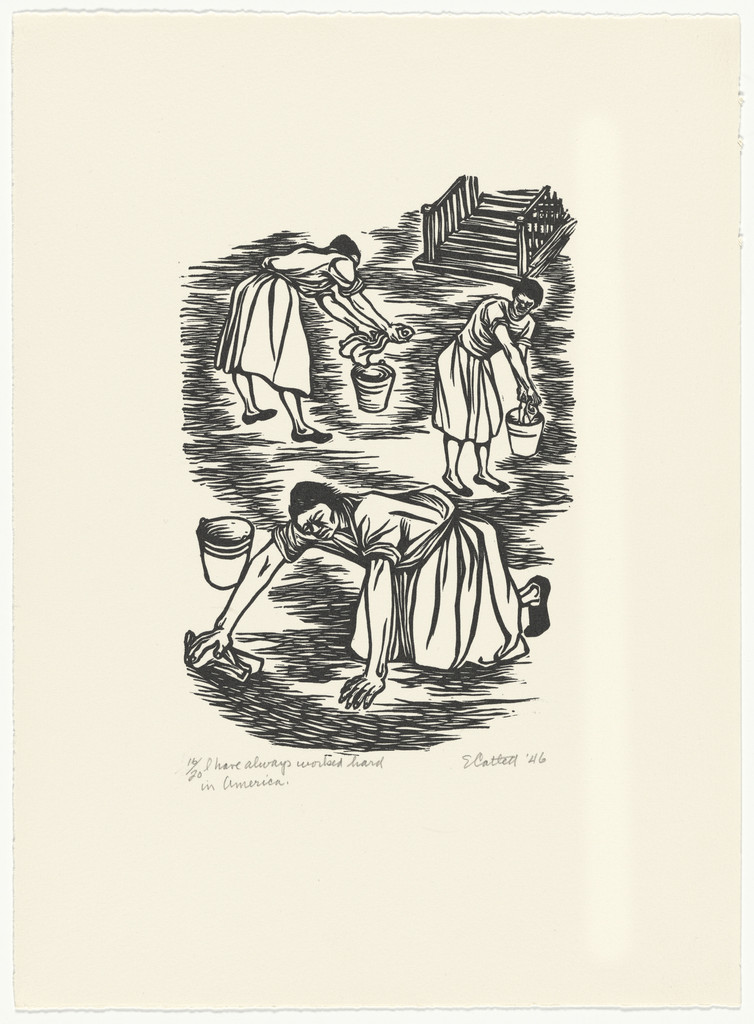
I Have Always Worked Hard in America from the series The ...
Elizabeth Catlett
1946, printed 1989
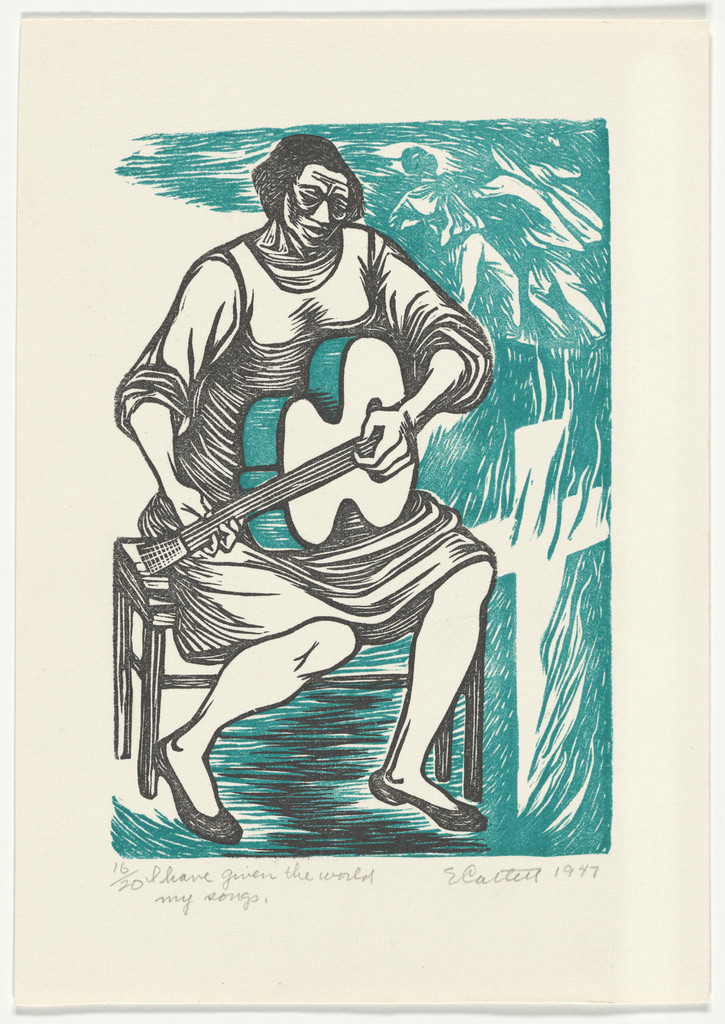
I Have Given the World My Songs from the series The Black...
Elizabeth Catlett
1947, printed 1989
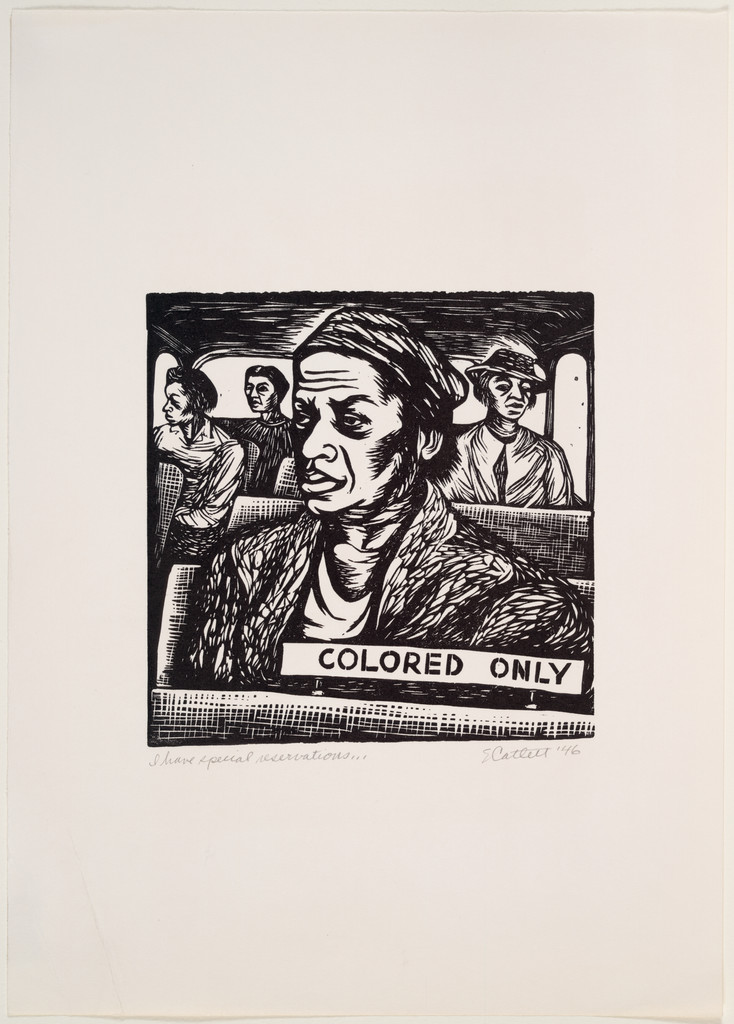
I Have Special Reservations
Elizabeth Catlett
1946
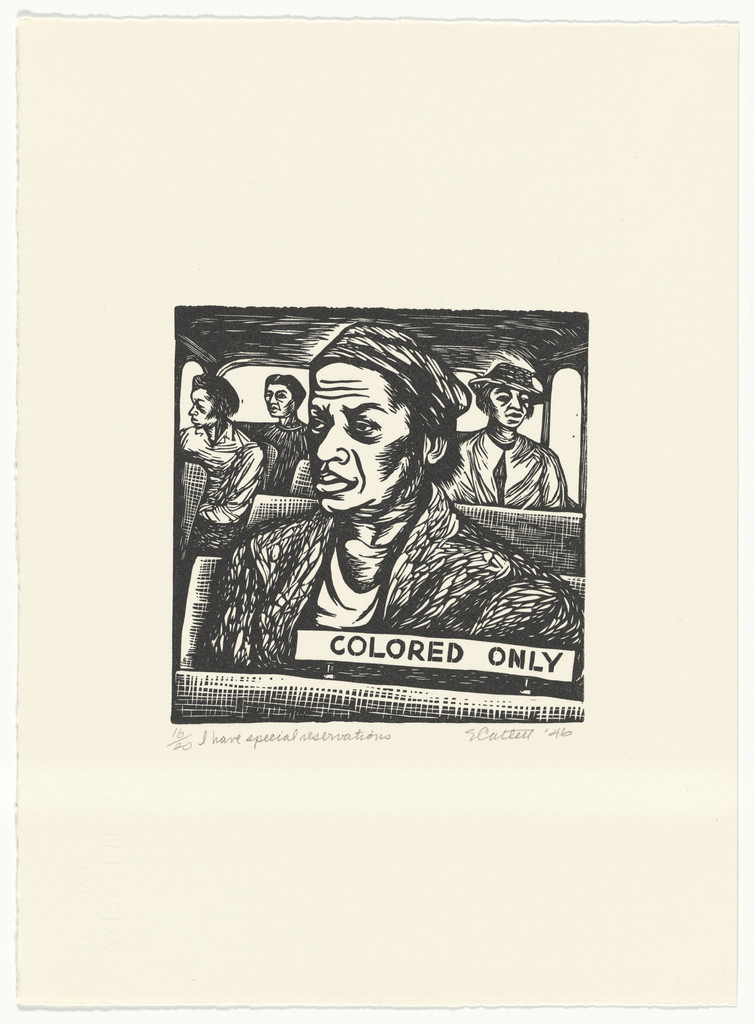
I Have Special Reservations from the series The Black Woman
Elizabeth Catlett
1946, printed 1989
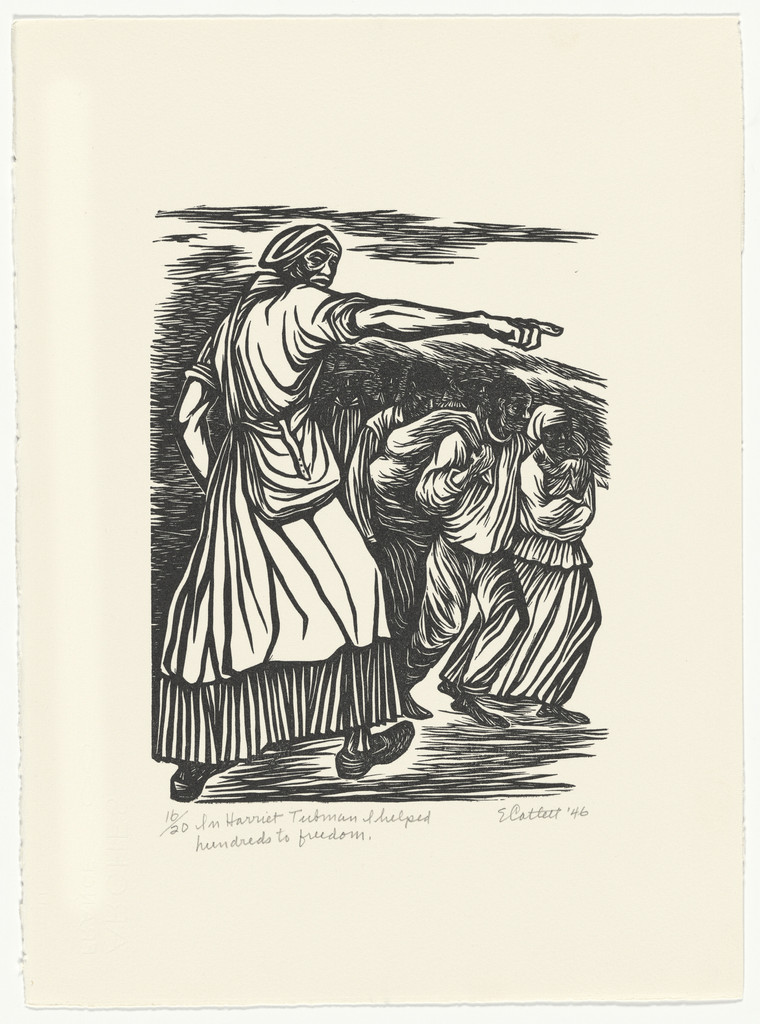
In Harriet Tubman I Helped Hundreds to Freedom from the s...
Elizabeth Catlett
1946, printed 1989
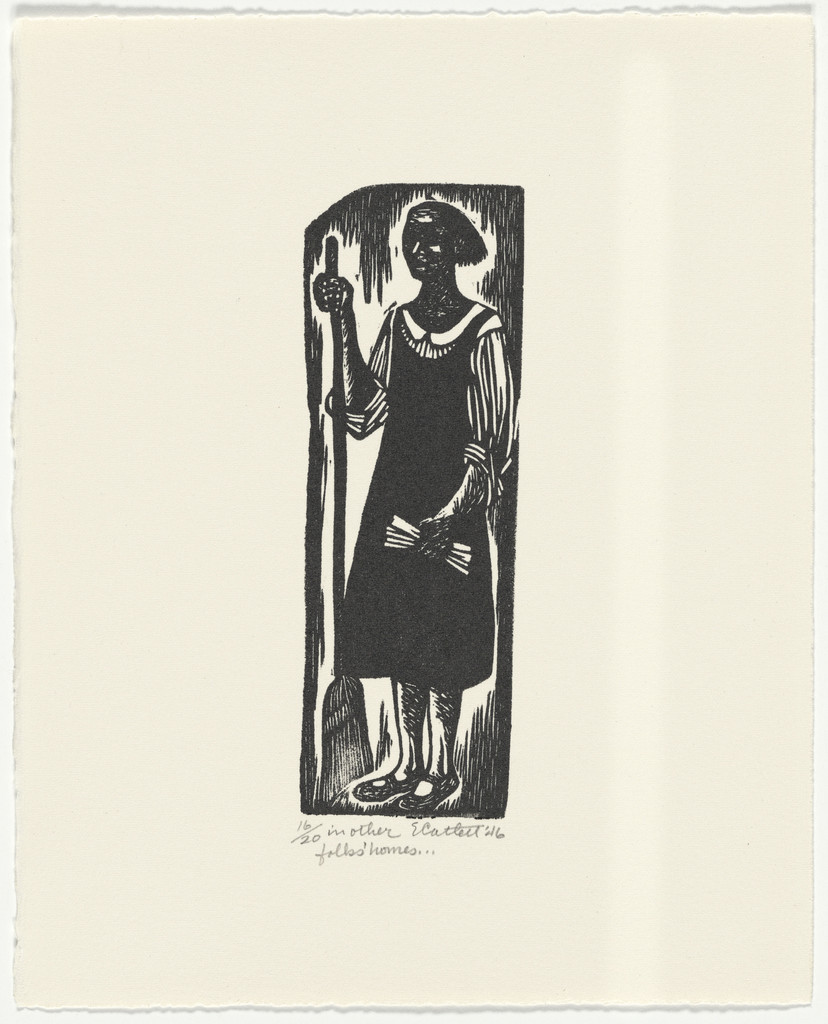
In Other Folks’ Homes… from the series The Black Woman
Elizabeth Catlett
1946, printed 1989
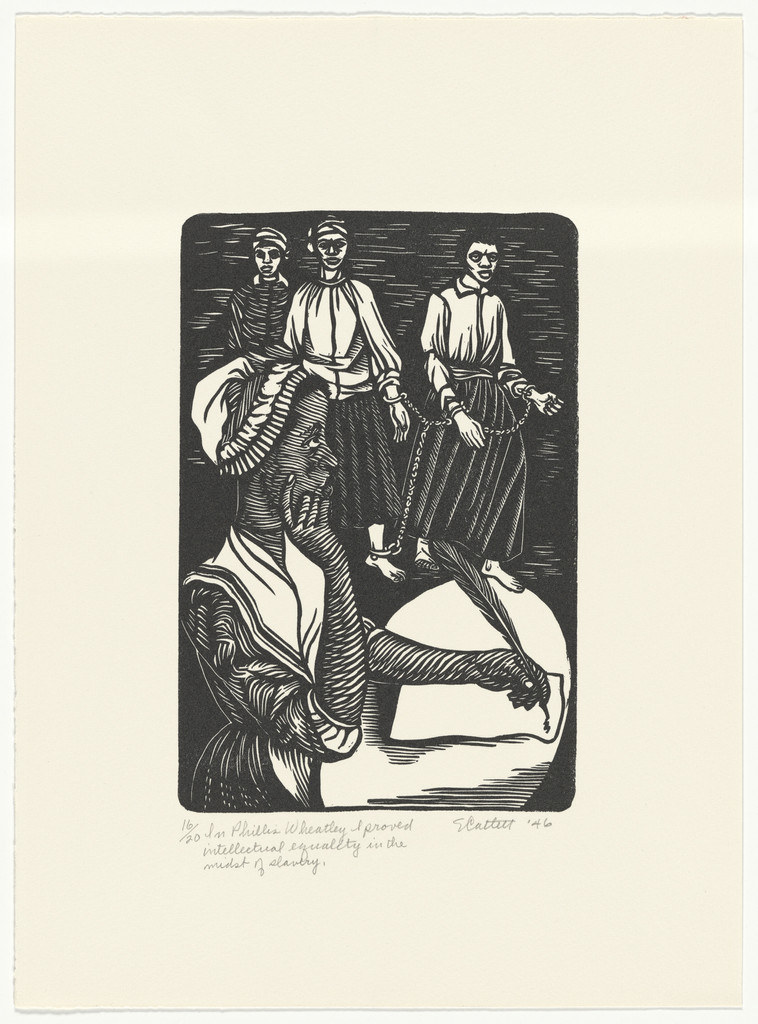
In Phillis Wheatley I Proved Intellectual Equality in the...
Elizabeth Catlett
1946, printed 1989
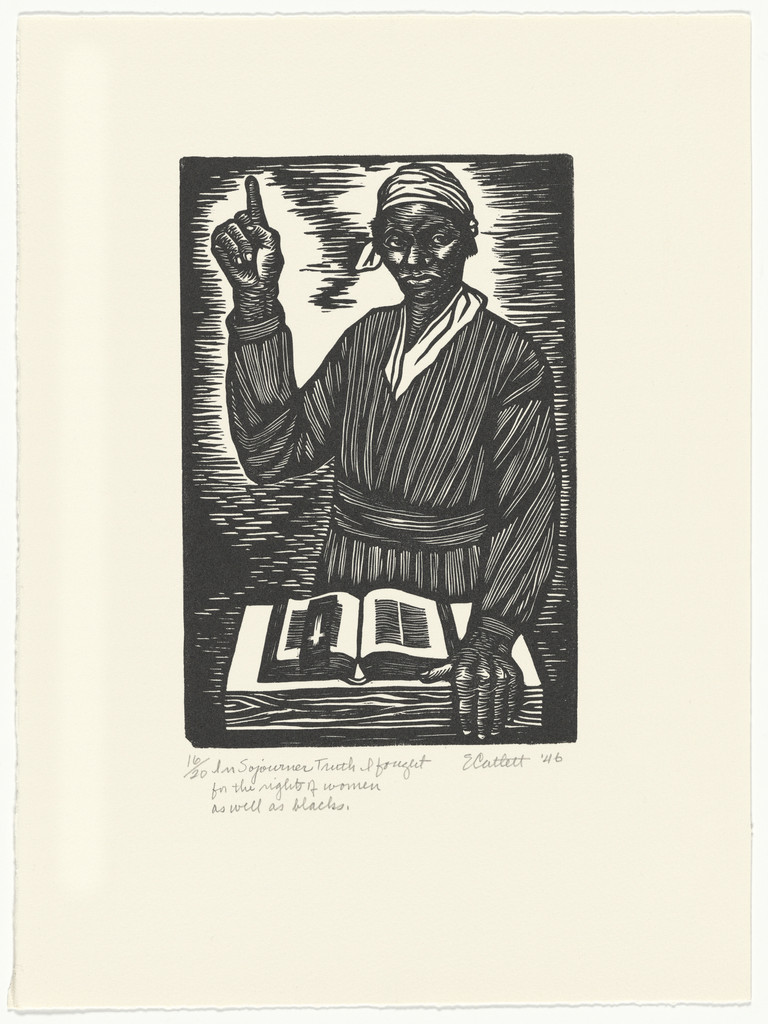
In Sojourner Truth I Fought for the Rights of Women as We...
Elizabeth Catlett
1946, printed 1989
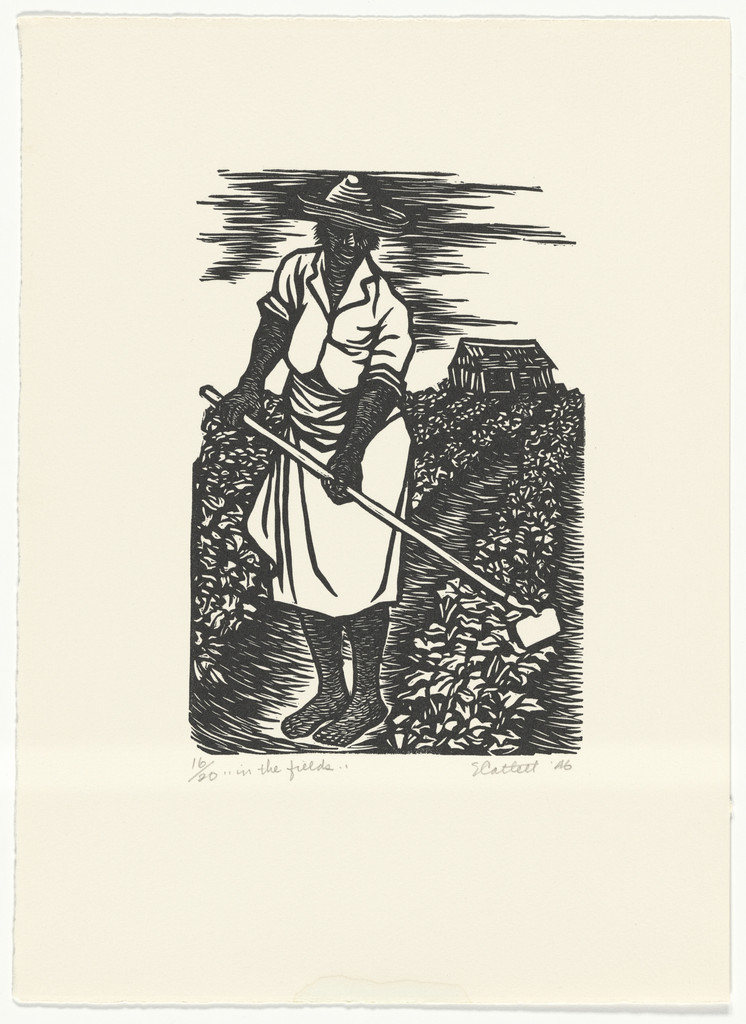
In the Fields… from the series The Black Woman
Elizabeth Catlett
1946, printed 1989
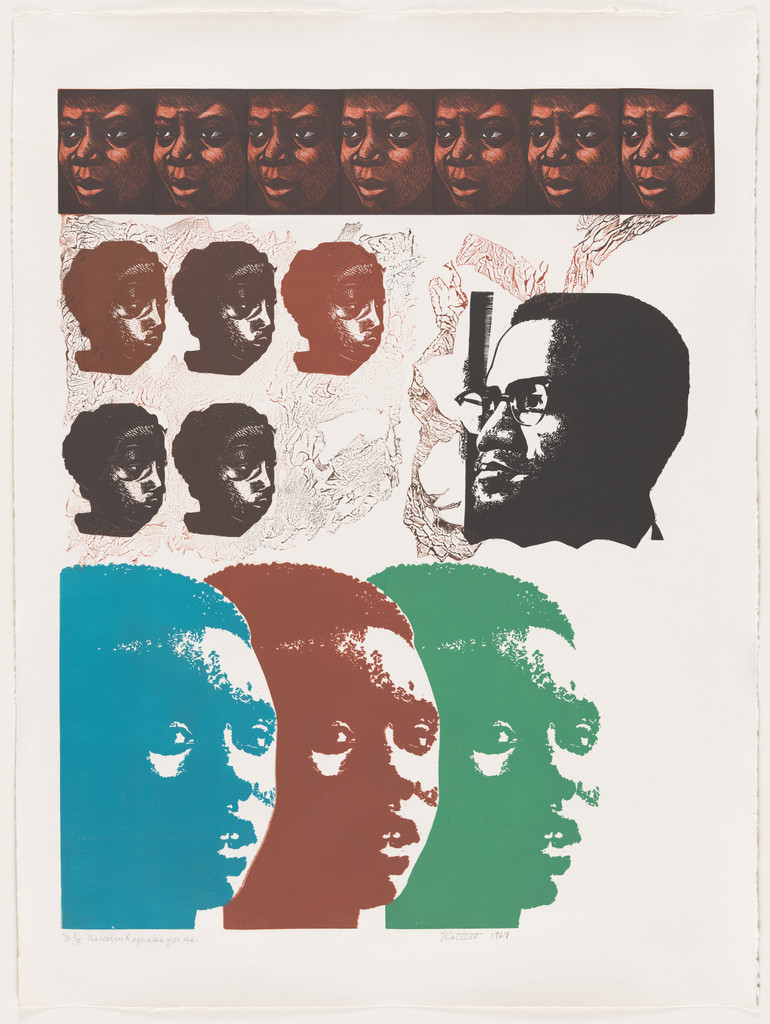
Malcolm X Speaks for Us
Elizabeth Catlett
1969
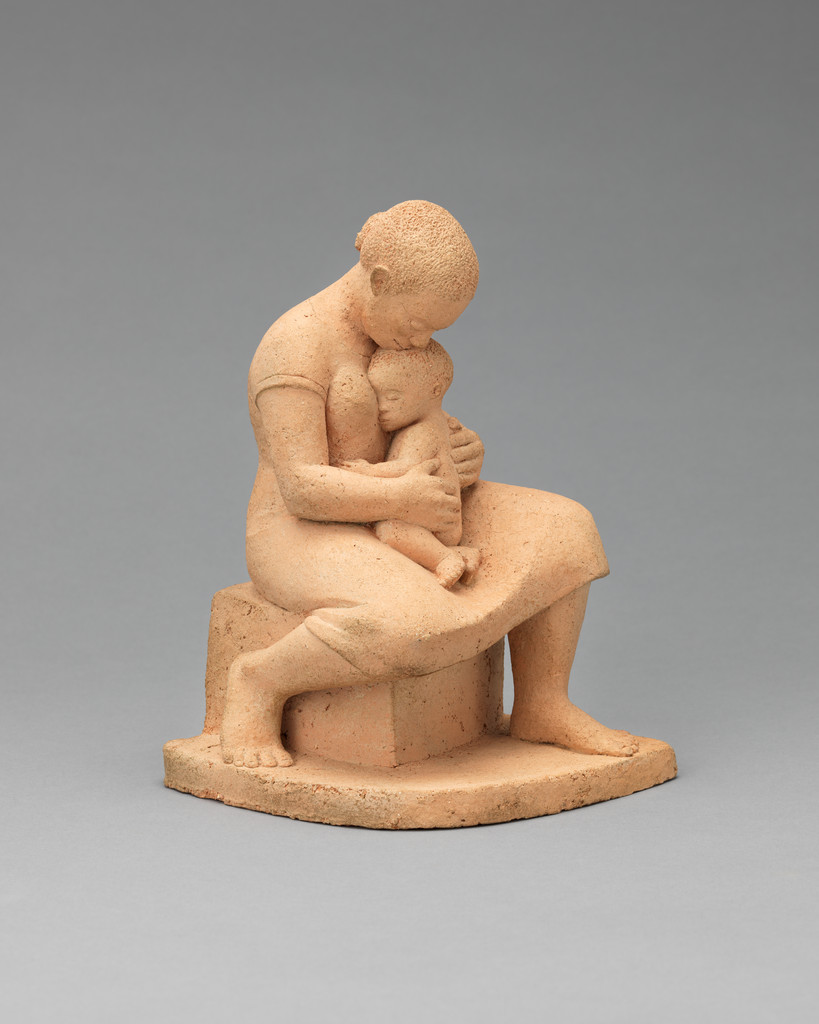
Mother and Child
Elizabeth Catlett
1956
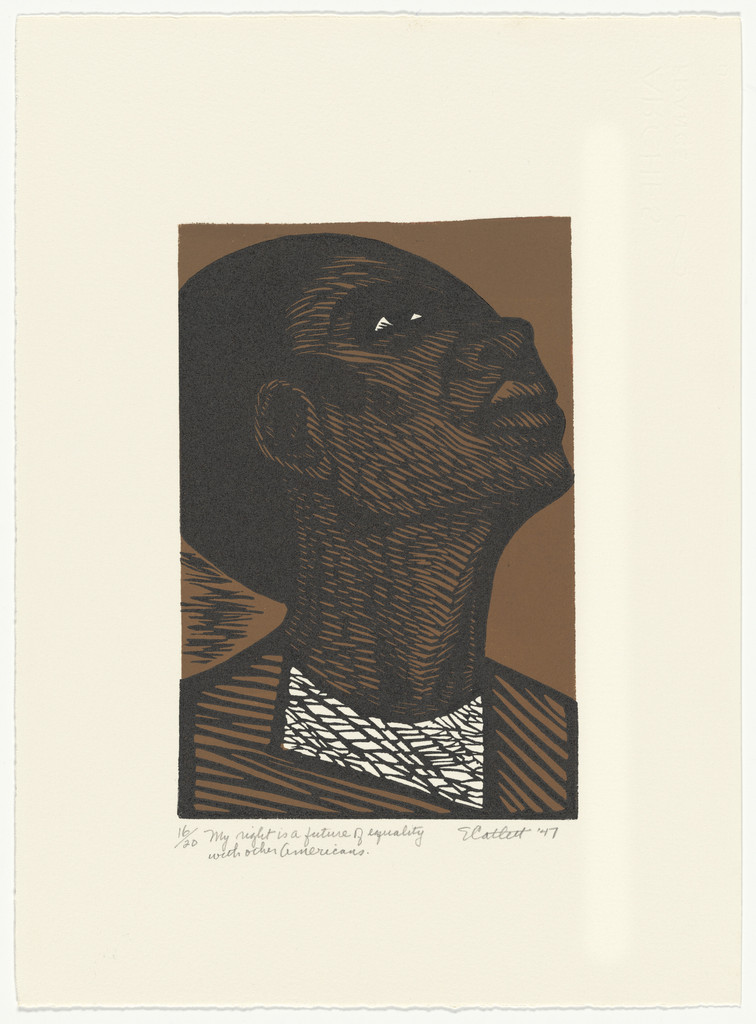
My Right Is a Future of Equality with Other Americans fro...
Elizabeth Catlett
1947, printed 1989
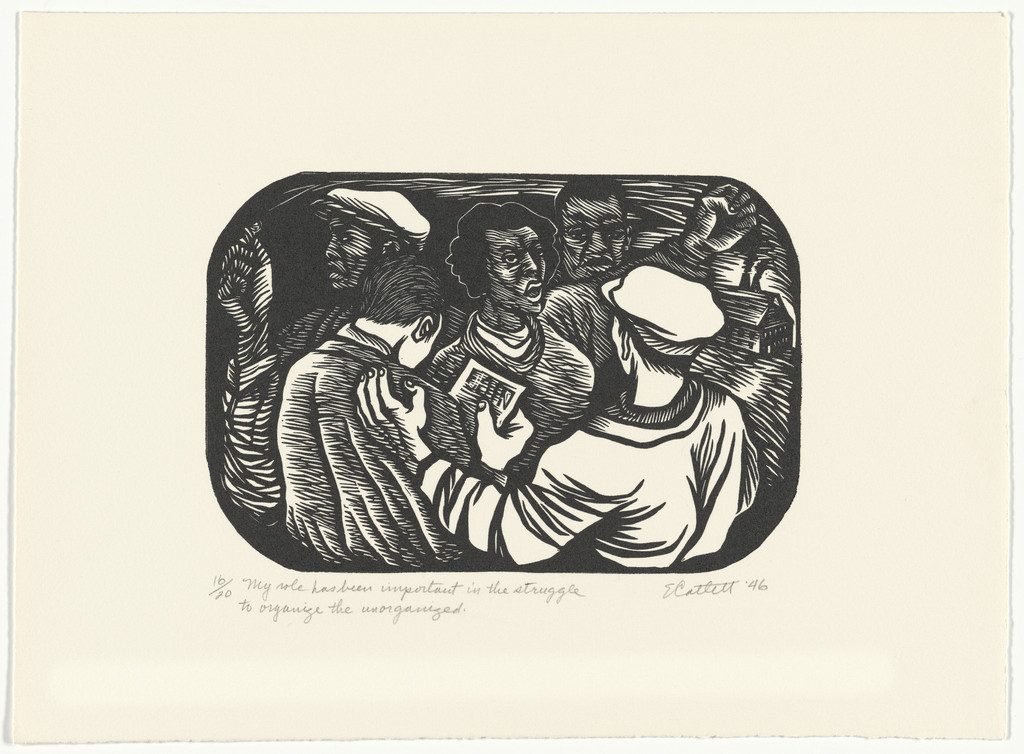
My Role Has Been Important in the Struggle to Organize th...
Elizabeth Catlett
1946, printed 1989
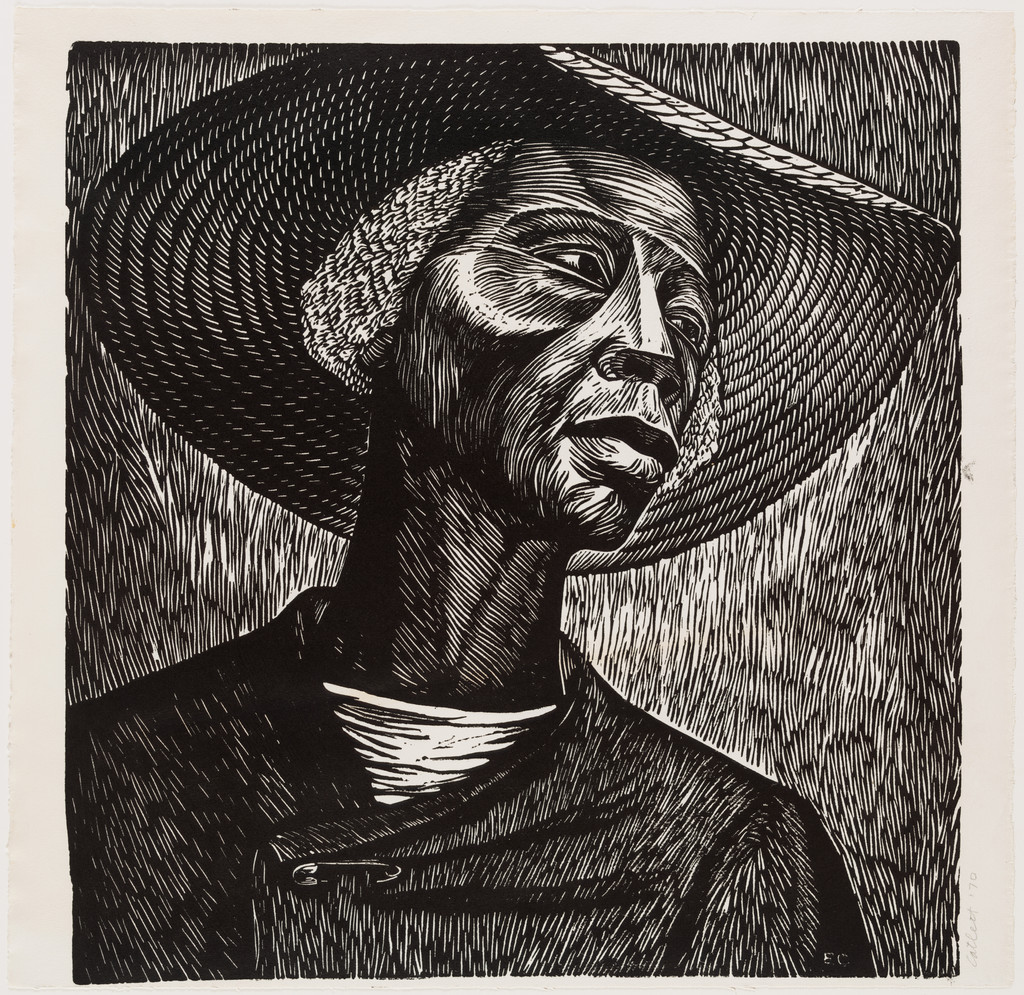
Sharecropper
Elizabeth Catlett
1952, published 1968–70
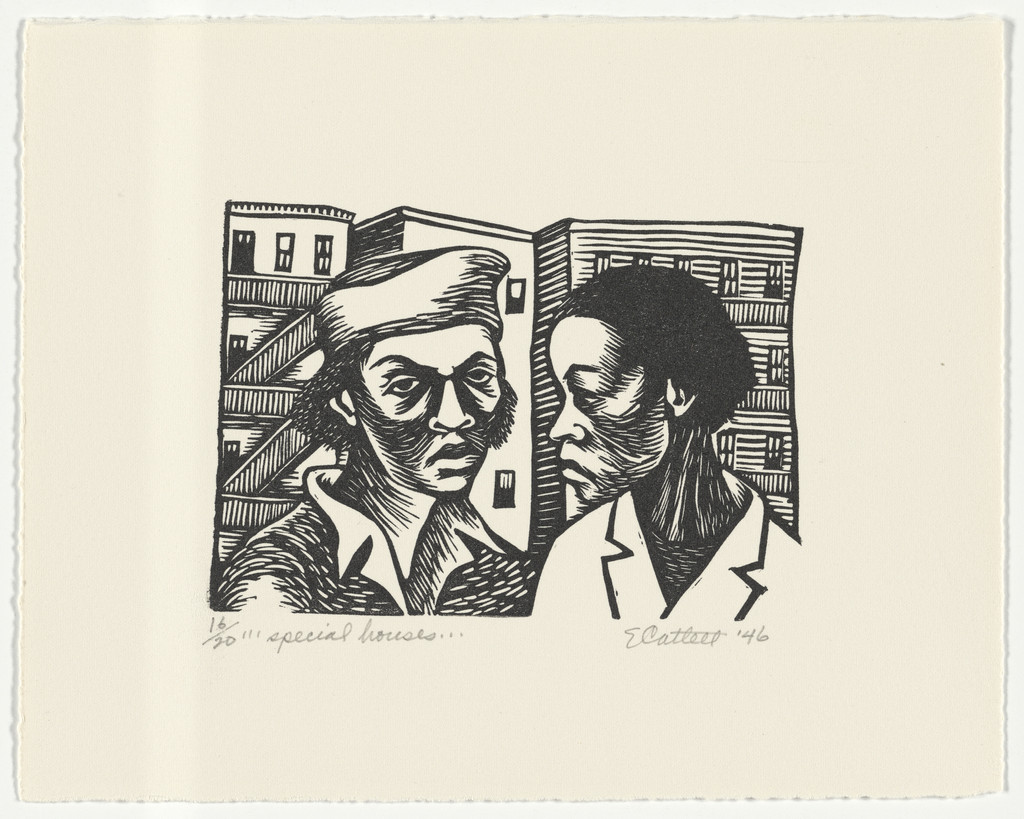
Special Houses… from the series The Black Woman
Elizabeth Catlett
1946, printed 1989
The Black Woman (previously titled The Negro Woman)
Elizabeth Catlett
1946-47, printed 1989
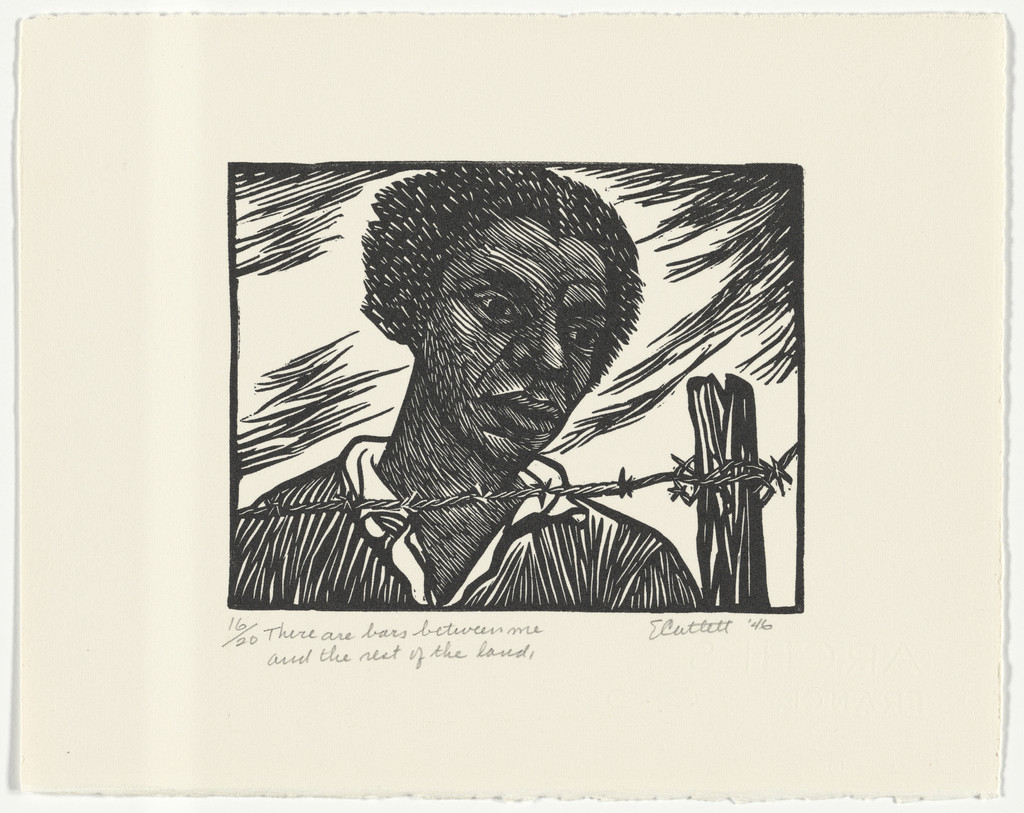
There Are Bars Between Me and the Rest of the Land from t...
Elizabeth Catlett
1946, printed 1989