
“We are...only at the beginning of color research (full of mysteries still to be discovered)....” — Sonia Delaunay
Red and green, blue and orange, yellow and violet: these color combinations were vital to the artistic practice and theory of Sonia Delaunay, whose vast body of work—paintings and drawings, prints and illustrations, textiles and furnishings, clothing and accessories—enthralled its earliest viewers, users, and wearers. While living in Paris in the 1910s, Delaunay and her husband, Robert Delaunay, began to explore the visual properties of contrasting colors—colors opposite one another on the color wheel. The pairing of two such colors, they realized, heightened the optical intensity, making both colors appear more vivid than they would on their own. Studying color inside and outside of the studio, in their own creations and in Parisian museums, galleries, and exhibitions, Delaunay and Delaunay pursued a shared passion for hues made brilliant, even dynamic through their relationships to each other. “[19]12, [19]13, [19]14, what rich and explosive years for Robert and me!” Delaunay later recalled. “We had rediscovered the moving principle of any work of art: the light, the movement of color.” Delaunay’s lifelong fascination with color emerged during her childhood in the Ukrainian village of Gradizhsk, where she was born Sara Stern in 1885. In a memoir published the year before her death, she would write of “memories of the peasant weddings of my country, where the red and green dresses, ornamented with many ribbons, flew about in dancing.” Sara became Sonia at the age of seven, when her working-class parents sent their youngest daughter to live with wealthy relatives in St. Petersburg. In the household of Henri Terk, her maternal uncle, Sonia Terk enjoyed a privileged upbringing replete with private schools, international travel, and art lessons. With the support of her uncle, she left St. Petersburg for Germany as a teenager to advance her study of art. “There is just one thing I need: to have a place where I can be alone, even if only for one hour a day,” she recorded in her diary shortly before leaving Russia. “I have already decided that, as soon as possible, I will settle in Paris or London, life is broader and happier there.” As planned, Terk moved to Paris following her studies in Germany. And as predicted, life in the French capital proved “broader and happier.” After painting seriously for several years, Terk held her first individual exhibition in 1908; she married Robert Delaunay in 1910. Together, the couple developed what they called “simultanéisme” (“Simultanism”), a mode of art centered not on the representation of real-world figures, objects, or scenes but rather on the “simultaneous contrast” of colors. According to Delaunay, the phrase “simultaneous contrast” came from a 19th-century scientific treatise on color theory that her husband admired, but that she felt was less significant to her own practice than sustained experiments in collage. Using pieces of brightly colored paper and fabric, the artist created quilts, curtains, and lampshades for her home, as well as “simultaneous dresses” that she herself wore around Paris. In 1913, Delaunay announced the publication of the “first simultaneous book.” A collaboration between her and the writer Blaise Cendrars, La Prose du Transsibérien et de la Petite Jehanne de France (Prose of the Trans-Siberian and of Little Joan of France) extends Simultanism from the realm of color into the realm of words and images, and space and time. The book comprises a lengthy sheet that unfolds to reveal Cendrars’s poem at right and Delaunay’s illustrations at left, an unusual format that allows for the synchronous contemplation of both art forms while also evoking the lengthy, trans-Siberian train journey that provides the book’s plot. Moreover, both the poem and the illustrations juxtapose near and far, past and present—juxtapositions that critics and scholars have related to new technologies in transportation and communication. From the 1910s to the 1970s, Delaunay applied her Simultanism to painting, design, and fashion. Portuguese Market, undertaken when the artist and her family lived in Portugal during World War I, depicts a towering heap of fruits and vegetables. Yet the true protagonist of the painting is color: at center, a luscious orb—perhaps a melon—rendered in rounded stripes of orange, yellow, green, and red; to either side, bold arrangements of sometimes glossy, sometimes matte pigments that suggest the sights, smells, and sounds of a bustling marketplace. Unsurprisingly, color is a prominent feature of Delaunay’s descriptions of Portugal. “The light was not intense,” she later remembered, “but it enhanced all the colors—the multicolor or dazzling white houses of sober design, the peasants in folk costumes, the materials, the ceramics that had amazingly pure lines of ancient beauty.” The Iberian country reminded Delaunay of Ukraine, and these reminiscences would shape her work in subsequent years. Whether she was devising fabrics for department stores, costumes for plays, or murals for international exhibitions, Delaunay looked back to the craft traditions—in particular, the vibrant colors and rhythmic patterns—of her childhood. At the same time, she looked ahead to the future. In a 1926 lecture on fashion delivered at the Sorbonne University, for instance, Delaunay argued that modern women needed modern clothing. Out with corsets, and in with comfortable, colorful garments that enabled active lives. “We are, however, only at the beginning of color research (full of mysteries still to be discovered), which is the basis of the modern vision,” the artist concluded. “We can enrich, complete, develop this color vision further—others besides ourselves can continue it—but we cannot return to the past.”
Annemarie Iker, independent scholar, 2022
Works in Collection
48 works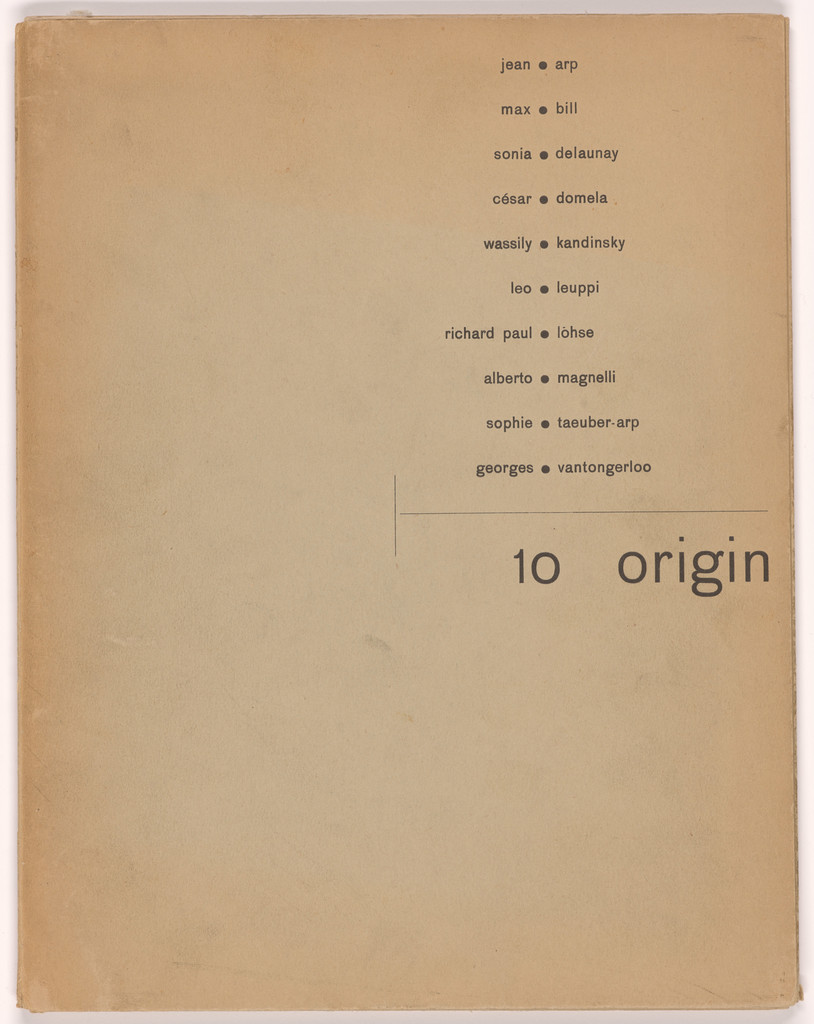
10 Origin
Jean (Hans) Arp
1942
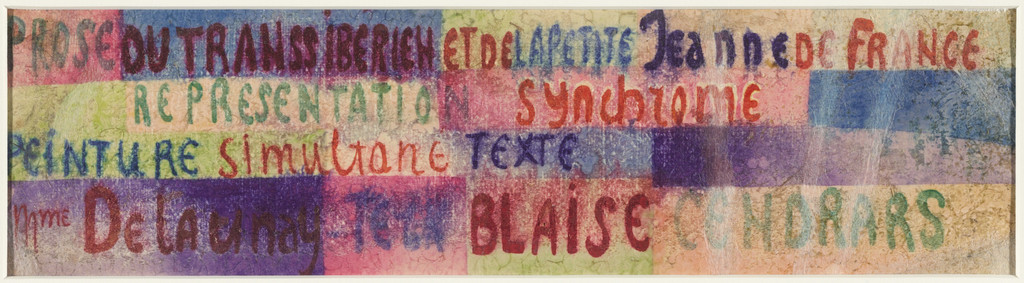
Announcement for La Prose du Transsibérien et de la Petit...
Sonia Delaunay
1913
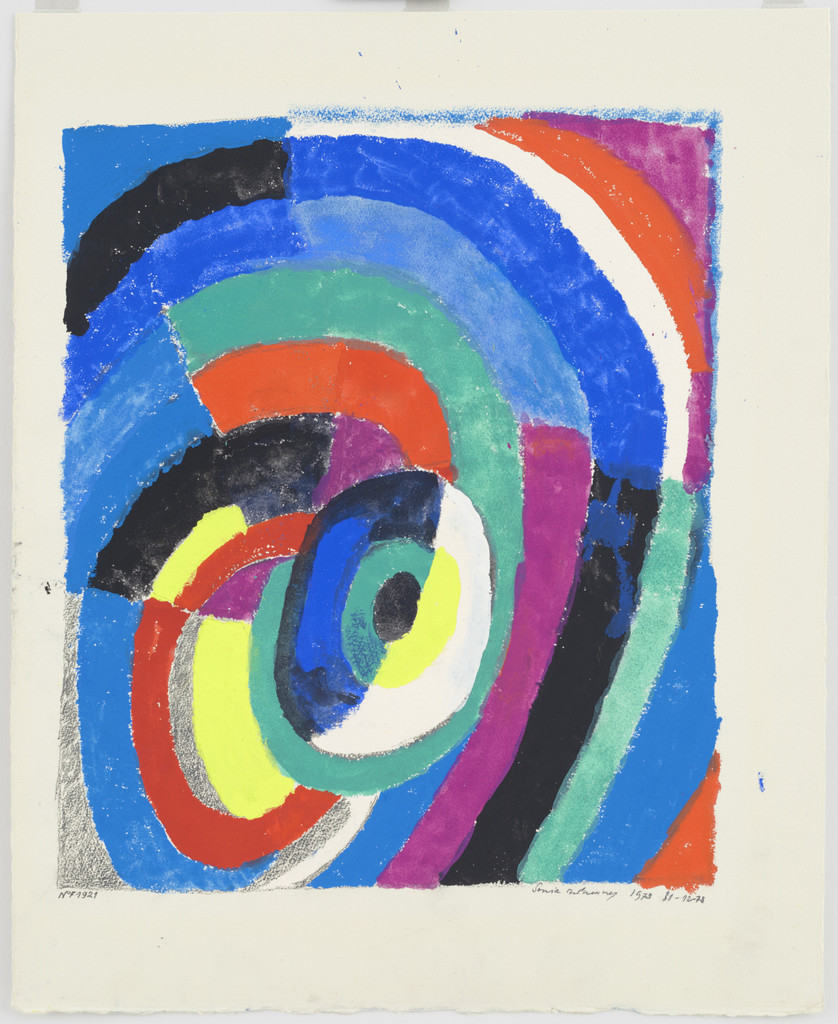
Color Rhythm No. 1921-1973
Sonia Delaunay
1973
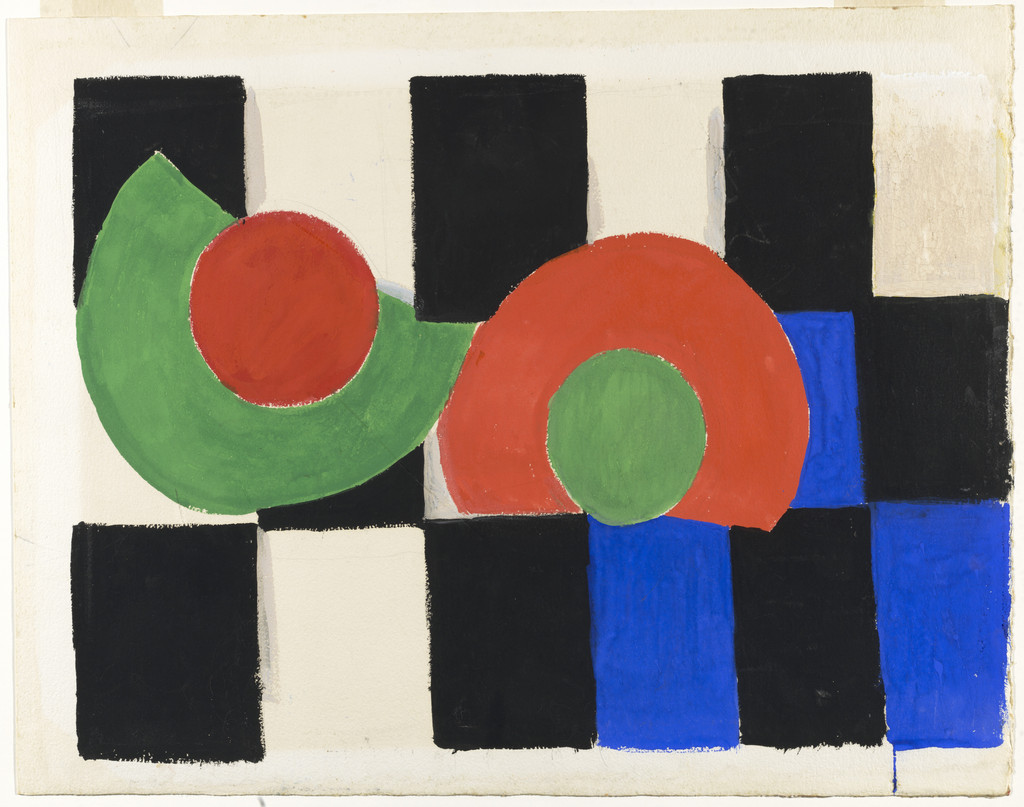
Colored Rhythm
Sonia Delaunay
1953
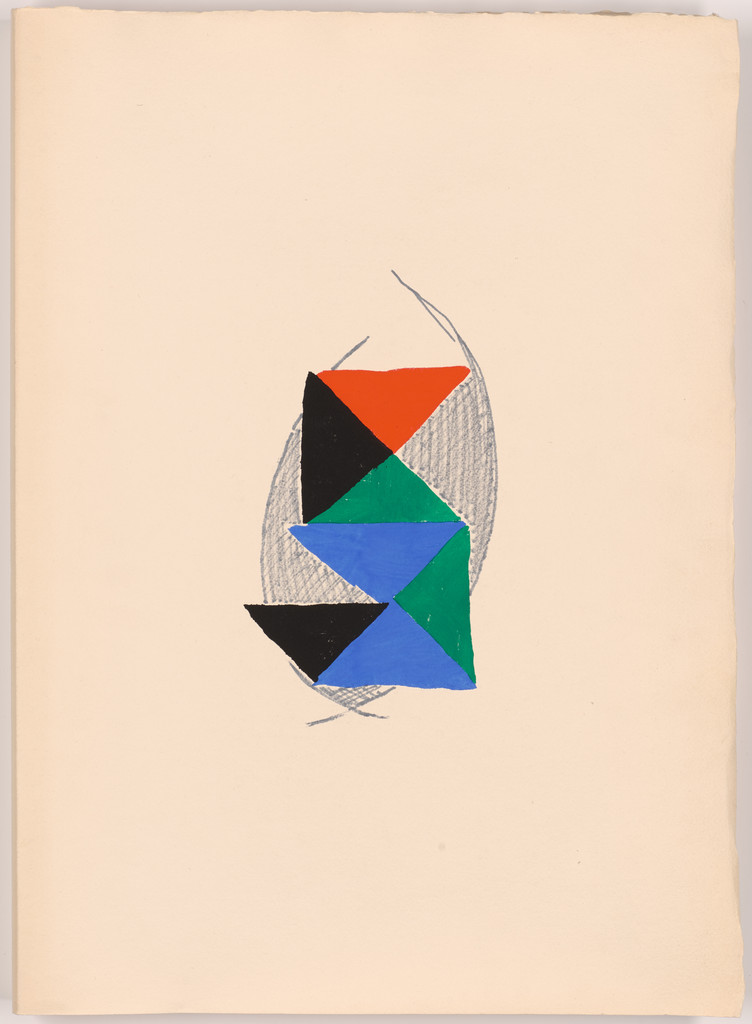
Cover from Rythmes-Couleurs
Sonia Delaunay
1966
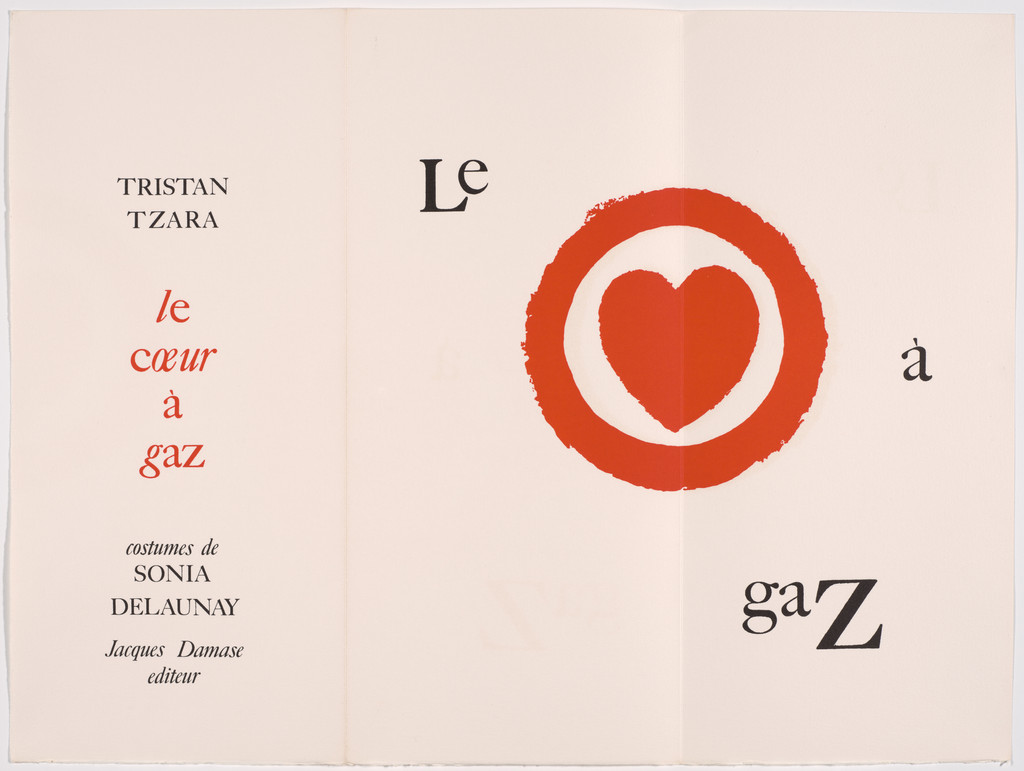
Double page half title from Le Coeur à Gaz (The Gas Heart)
Sonia Delaunay
1923, published 1977
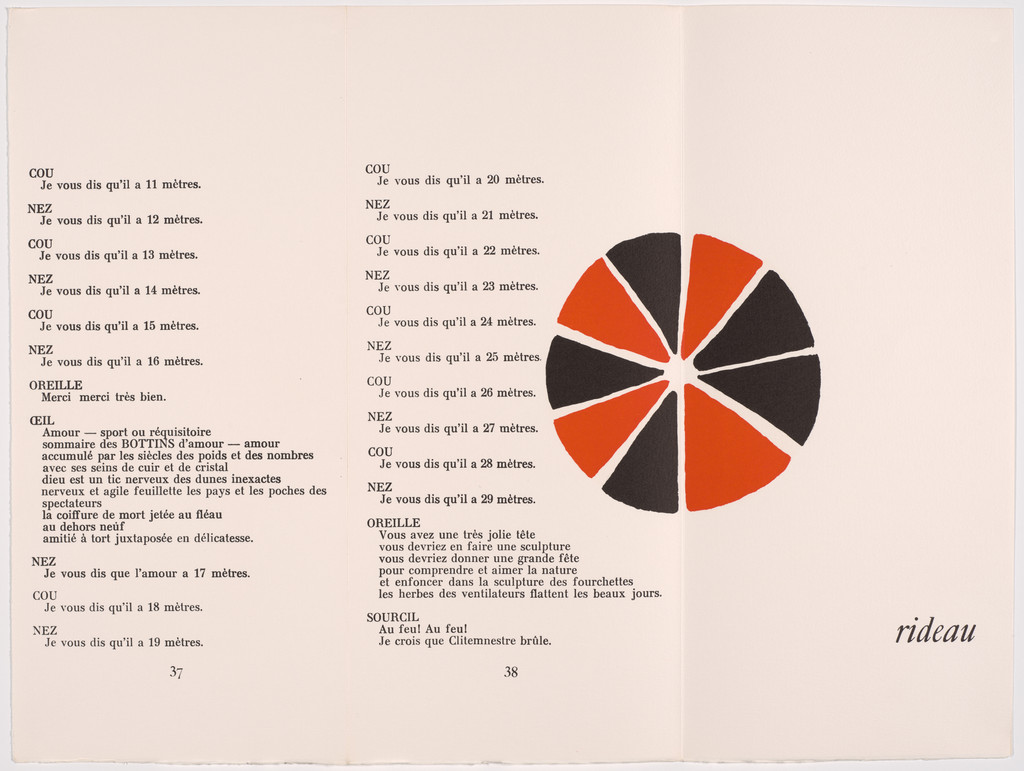
Double page in-text plate (pages 38 and 39) from Le Coeur...
Sonia Delaunay
1923, published 1977
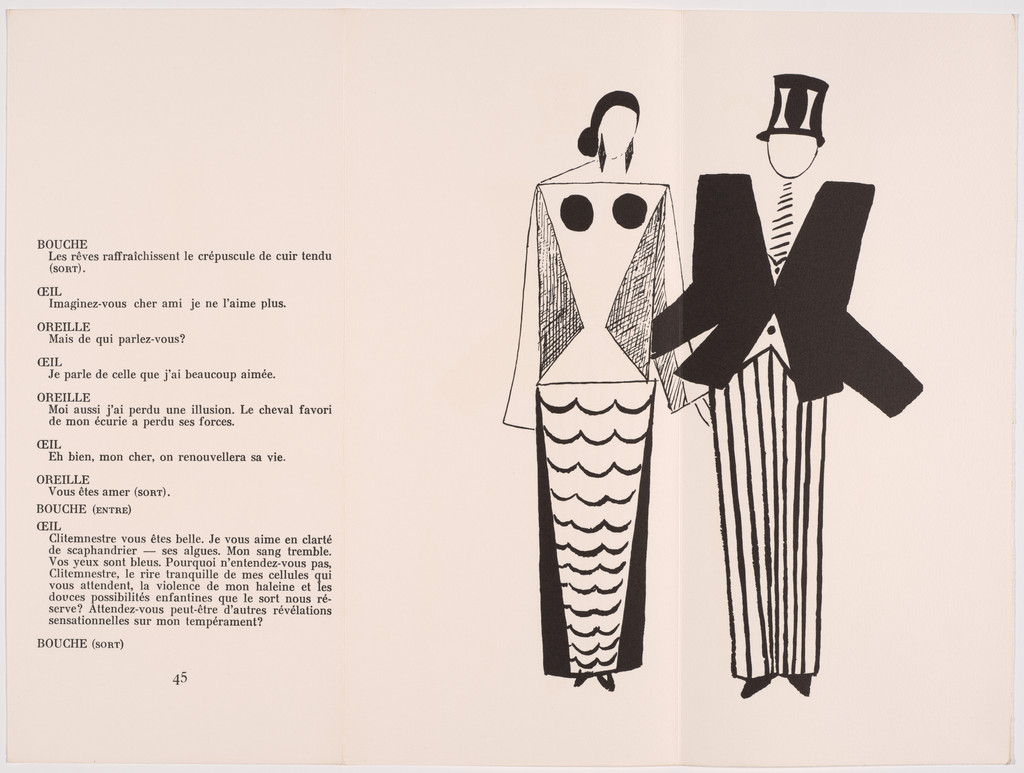
Double page plate (pages 46 and 47) from Le Coeur à Gaz (...
Sonia Delaunay
1923, published 1977
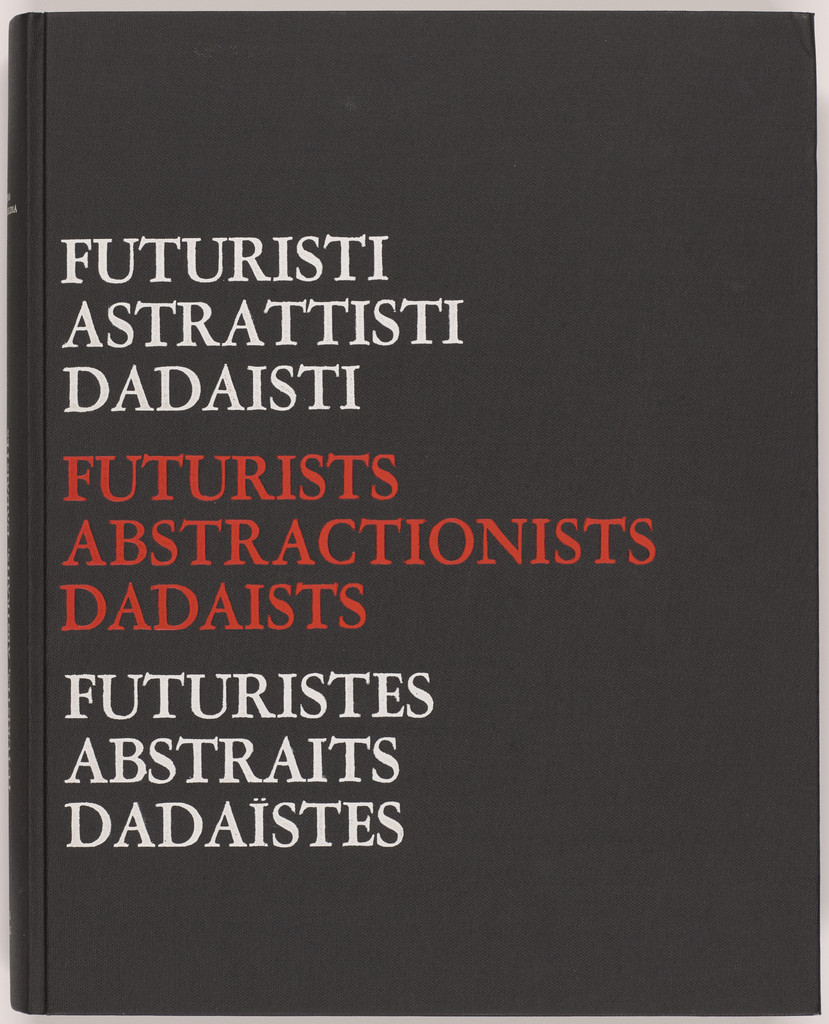
Futurists, Abstractionists, Dadaists: the Forerunners of ...
Josef Albers
1961–62, published 1962
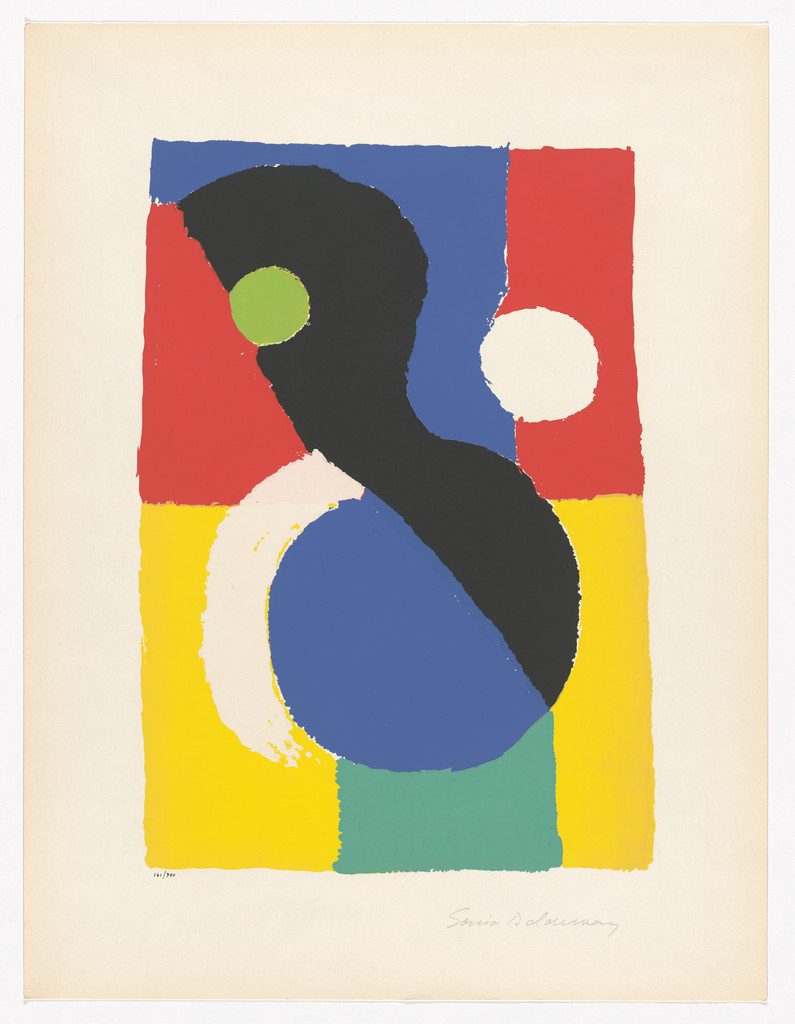
Gouache from Art of Today, Masters of Abstract Art (Art d...
Sonia Delaunay
1953 (original executed in 1950)
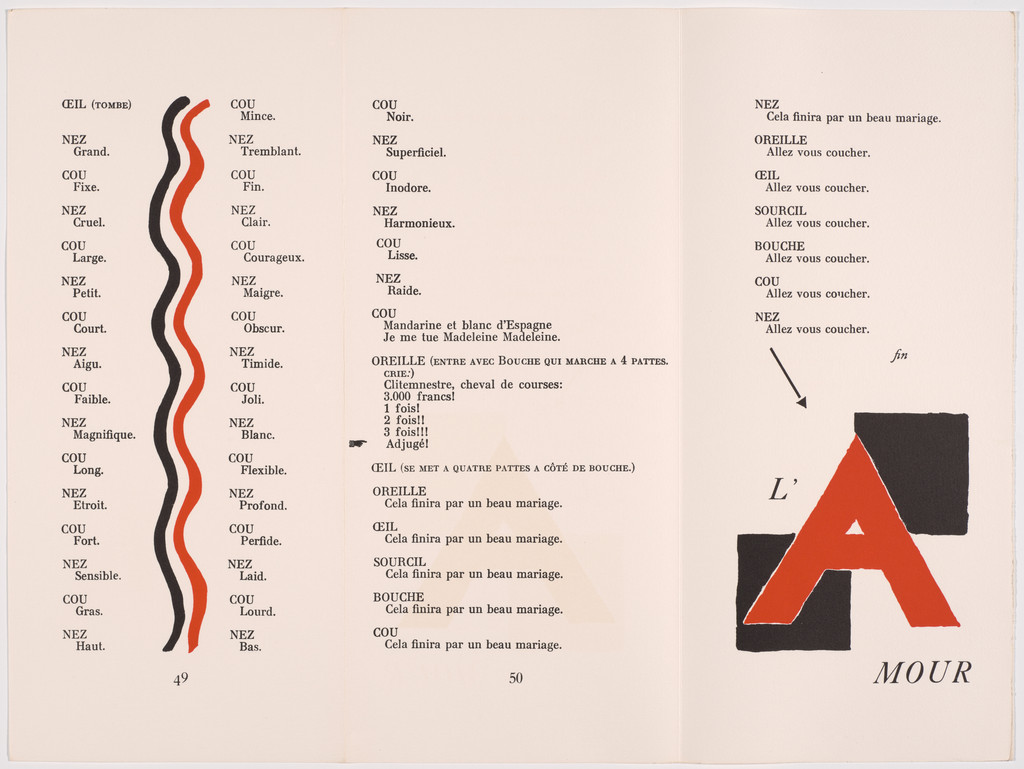
In-text plate (page 49) from Le Coeur à Gaz (The Gas Heart)
Sonia Delaunay
1923, published 1977
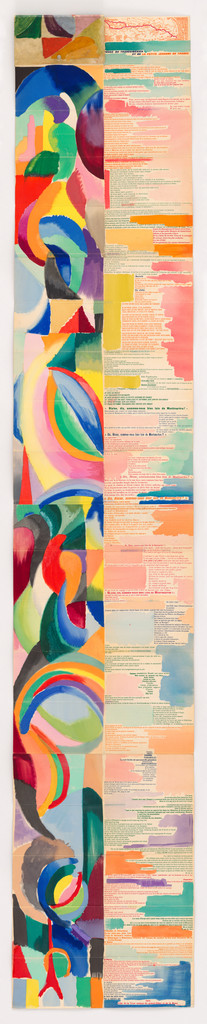
La Prose du Transsibérien et de la Petite Jehanne de Fran...
Sonia Delaunay
1913
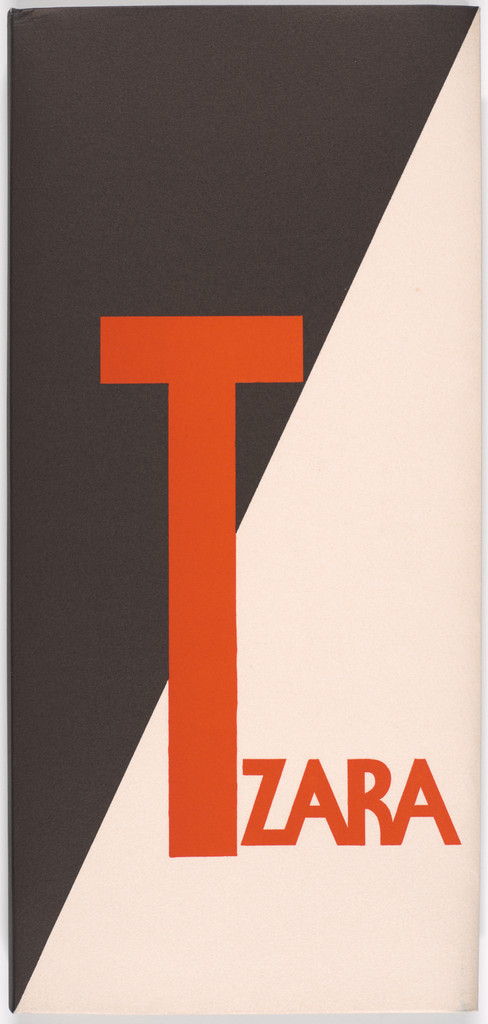
Le Coeur à Gaz (The Gas Heart)
Sonia Delaunay
1923, published 1977
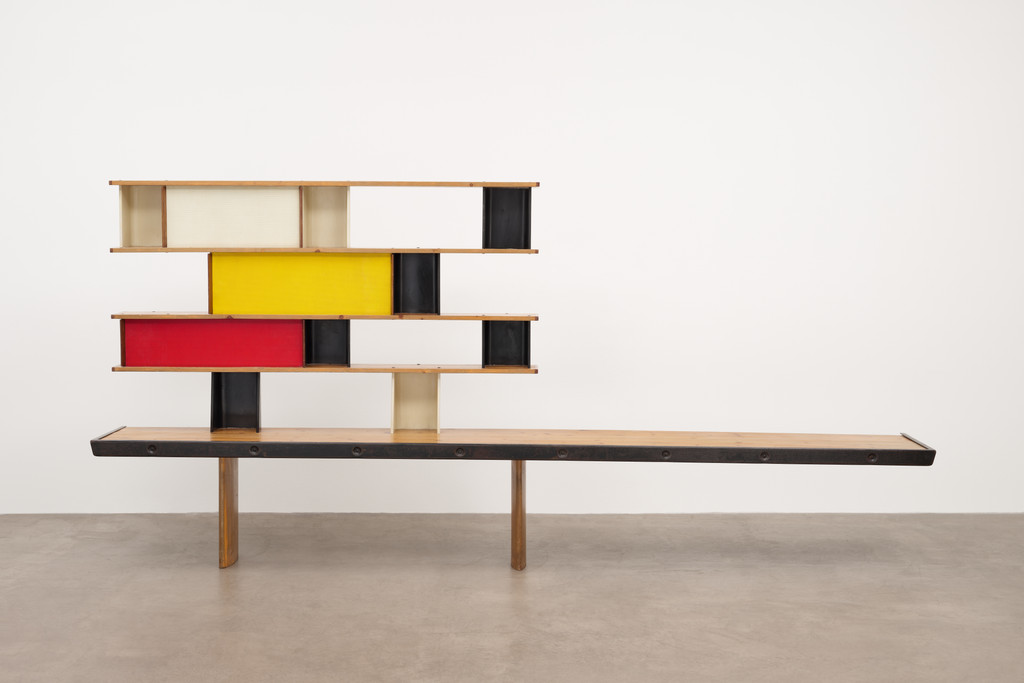
Maison de la Tunisie Bench-Bookshelf
Sonia Delaunay
1952
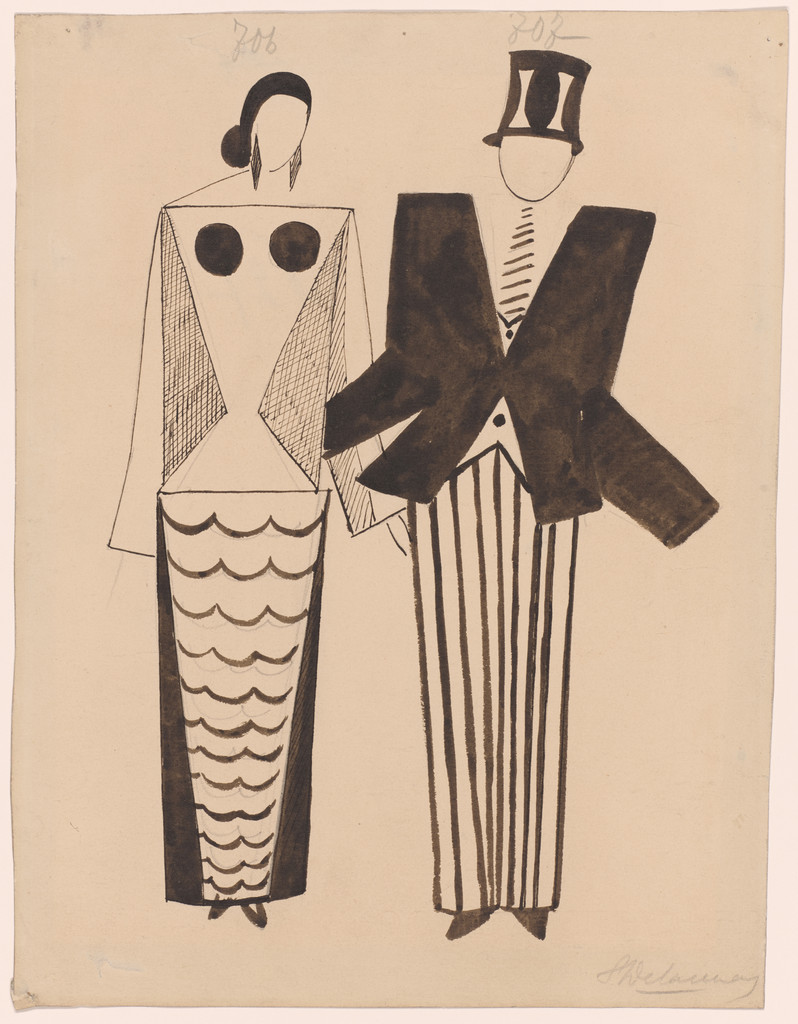
Miss Mouth and Mr. Eye. Costume design for the play Le Co...
Sonia Delaunay
1923
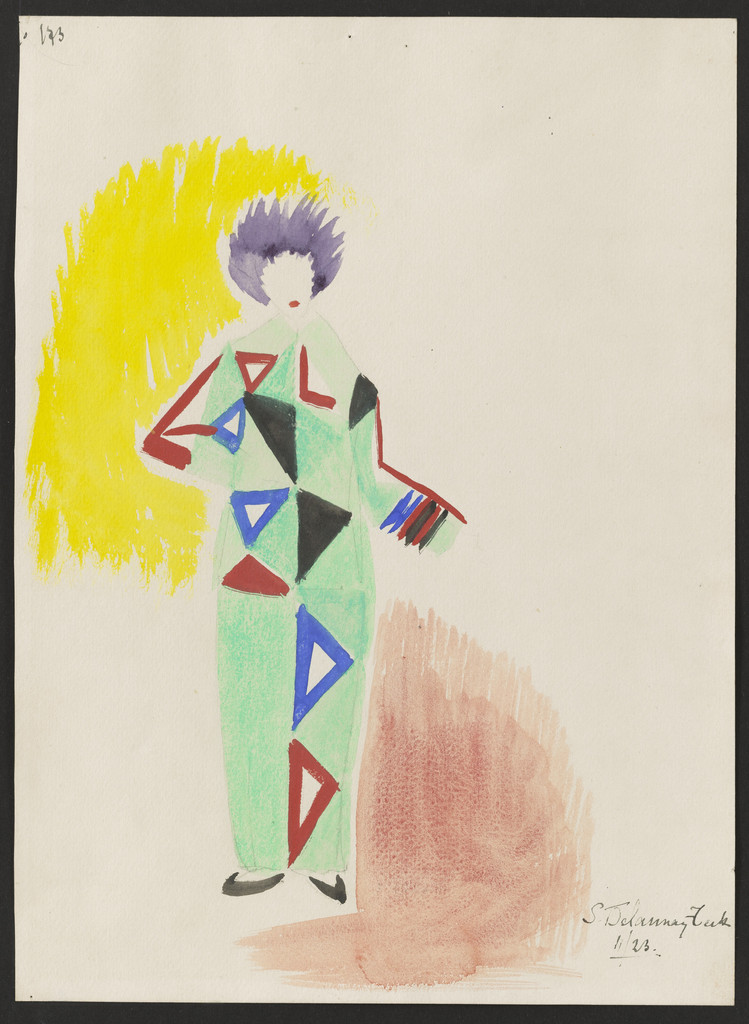
Pajamas for Tristan Tzara
Sonia Delaunay
1923
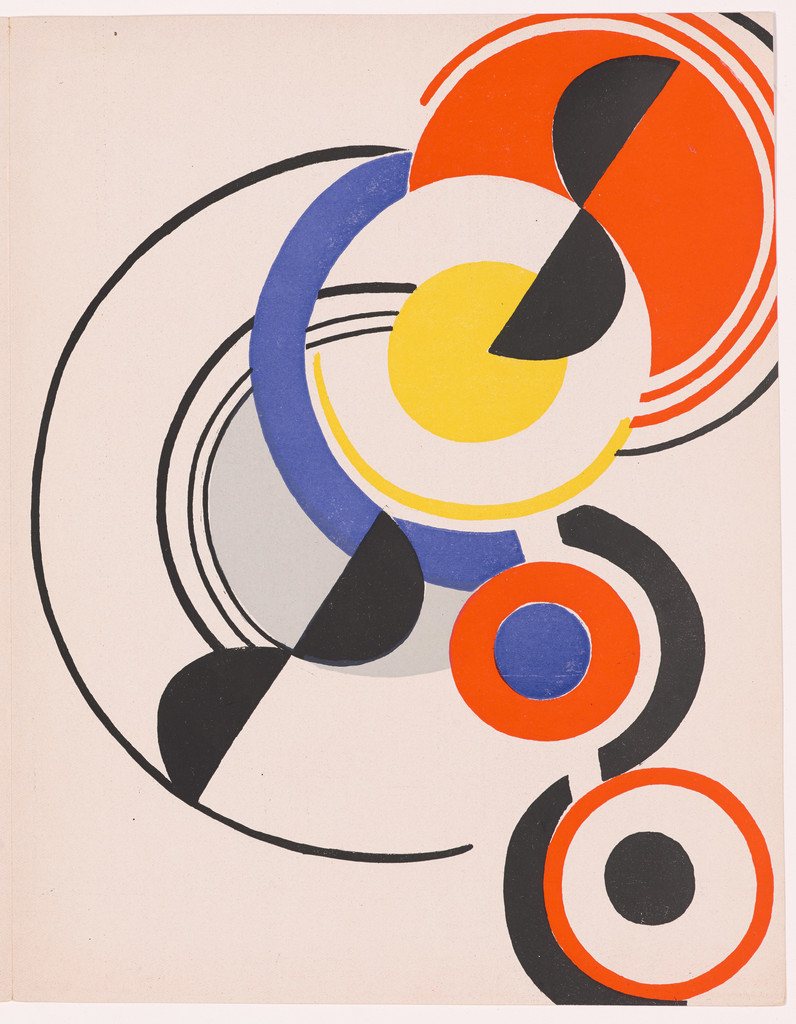
Plate (folio 8) from 10 Origin
Sonia Delaunay
1942
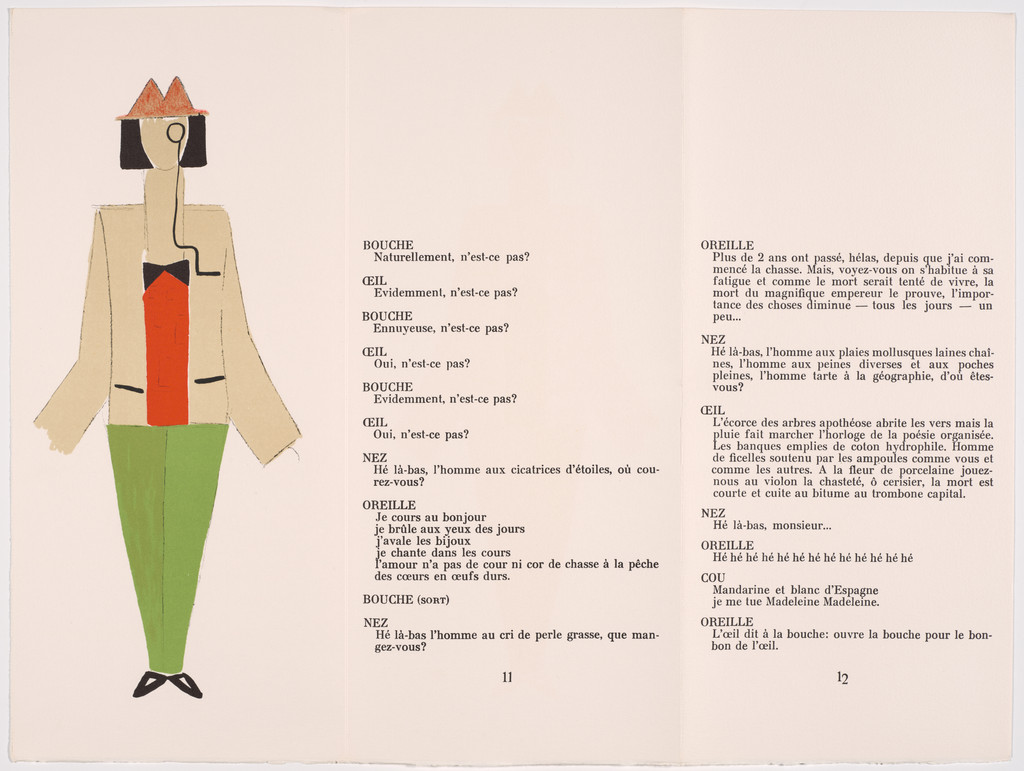
Plate (page 10) from Le Coeur à Gaz (The Gas Heart)
Sonia Delaunay
1923, published 1977
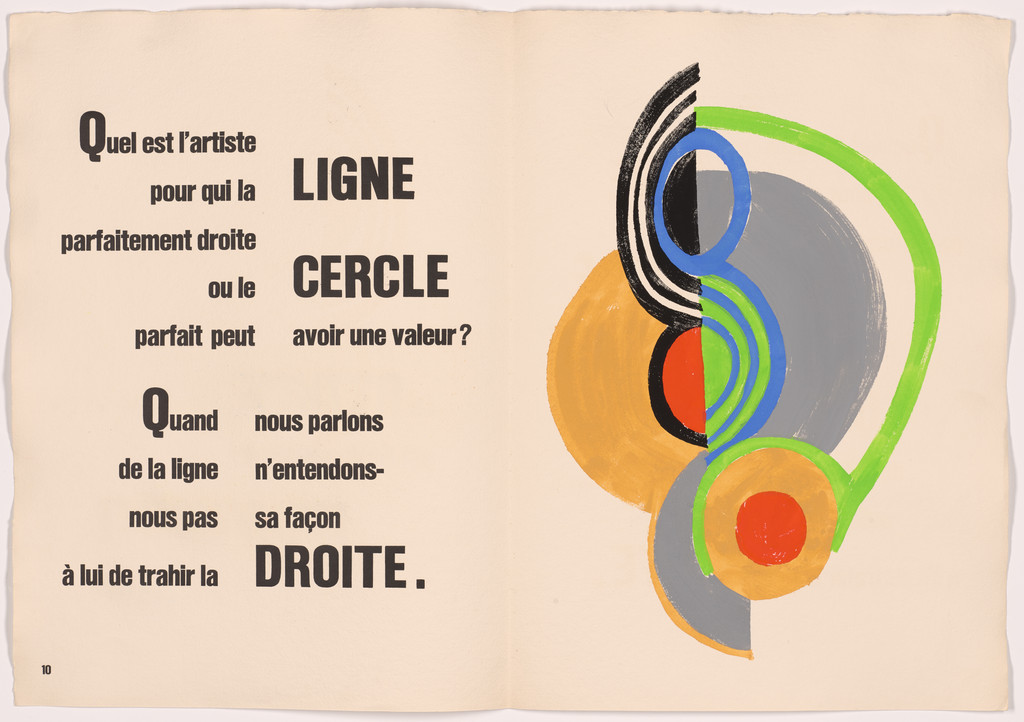
Plate (page 11) from Rythmes-Couleurs
Sonia Delaunay
1966
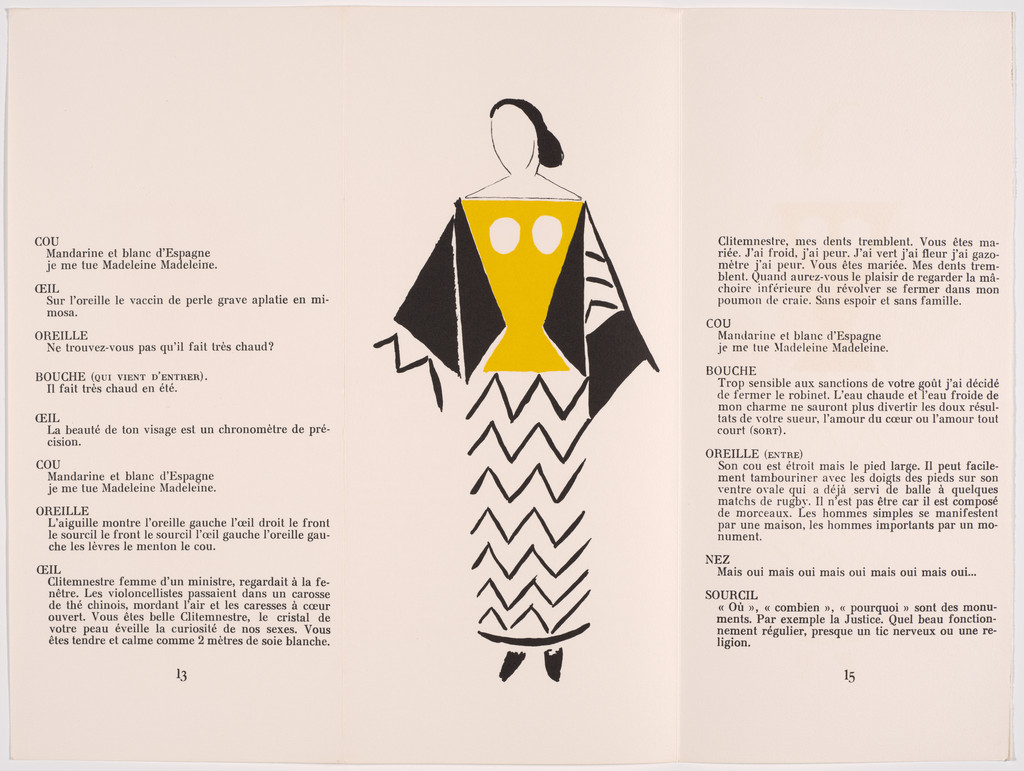
Plate (page 14) from Le Coeur à Gaz (The Gas Heart)
Sonia Delaunay
1923, published 1977
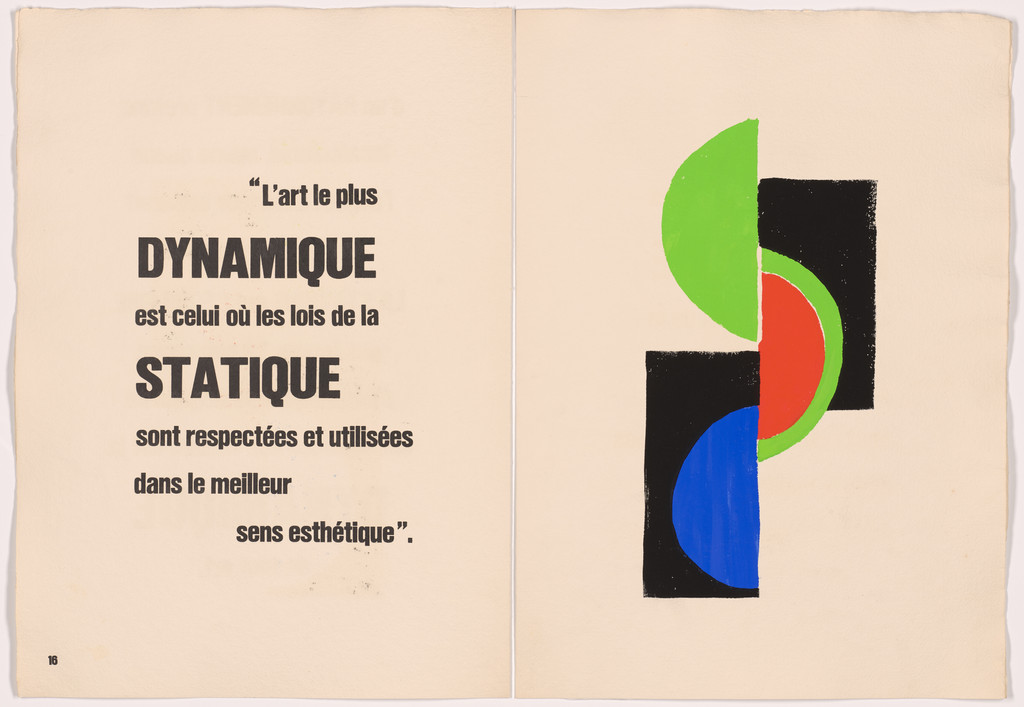
Plate (page 17) from Rythmes-Couleurs
Sonia Delaunay
1966
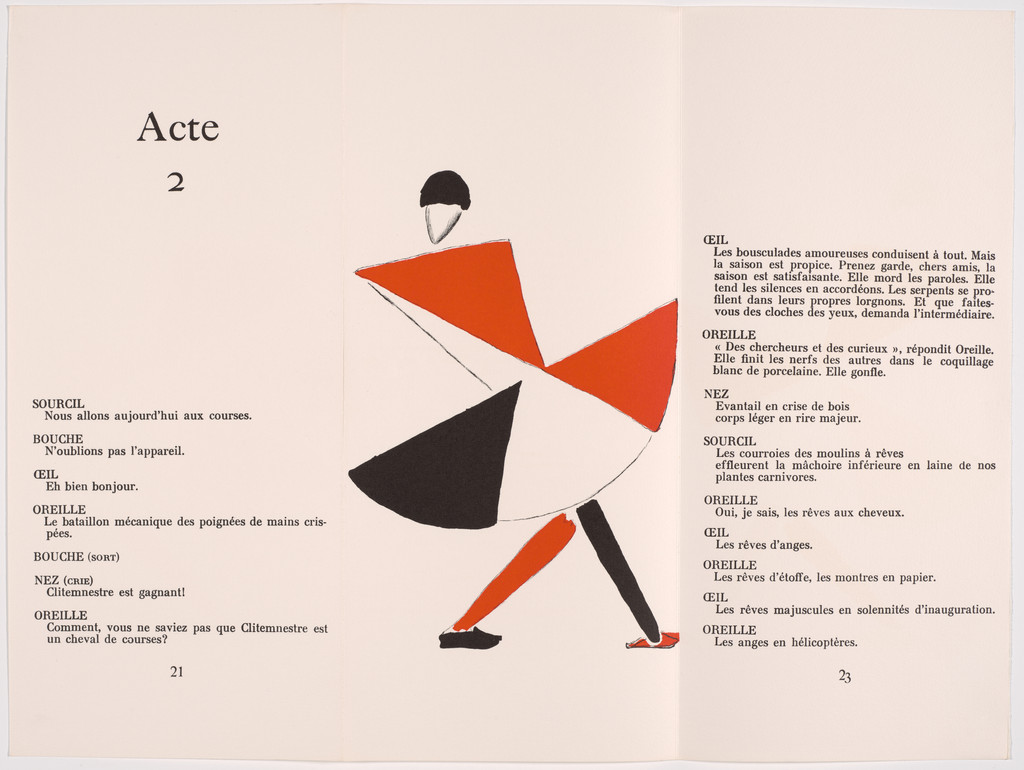
Plate (page 22) from Le Coeur à Gaz (The Gas Heart)
Sonia Delaunay
1923, published 1977
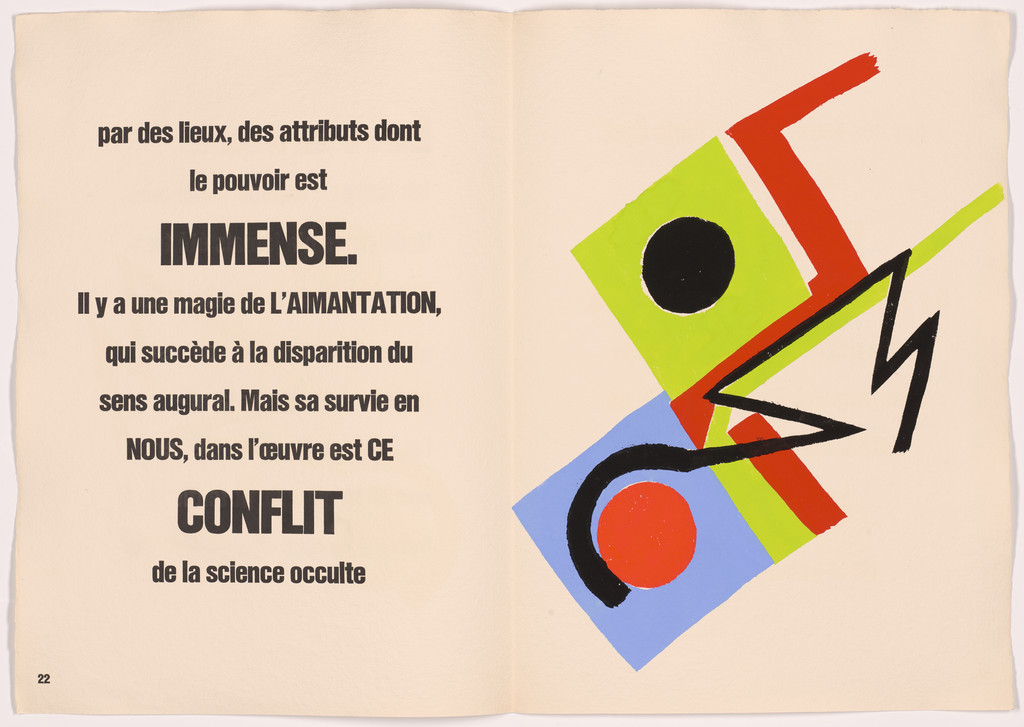
Plate (page 23) from Rythmes-Couleurs
Sonia Delaunay
1966
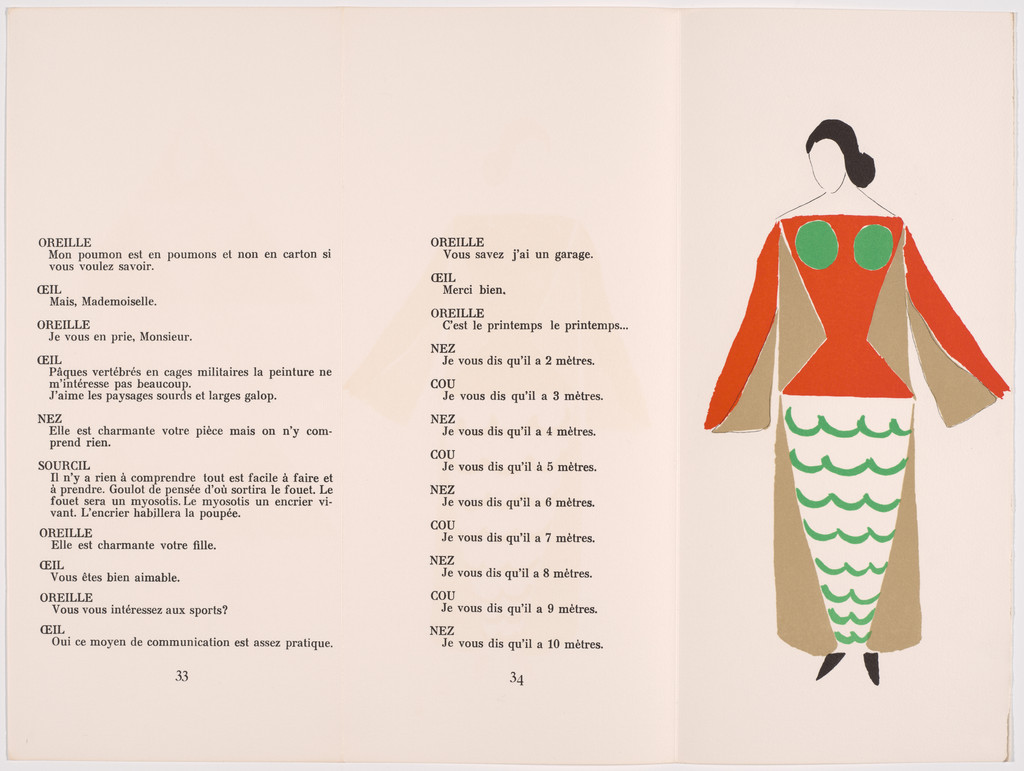
Plate (page 25) from Le Coeur à Gaz (The Gas Heart)
Sonia Delaunay
1923, published 1977
Exhibitions
13 exhibitionsNov 30, 1955 – Feb 22, 1956
Recent Acquisitions
44 artists
Jan 25, 1968 – Mar 10, 1968
Word and Image: Posters and Typography from the Graphic Design Collection of the Museum of Modern Art, 18791967
197 artists · 1 curator
Jul 28, 1971 – Nov 01, 1971
Ways of Looking
132 artists · 1 curator
Nov 19, 1973 – Jan 13, 1974
Painters for the Theatre: An Invitation to the Theatre Arts Collection
30 artists · 1 curator
Jul 22, 1977 – Sep 20, 1977
Extraordinary Women
15 artists · 1 curator
Sep 20, 1977 – Dec 04, 1977
Abstraction-Création, Art Non-Figuratif
34 artists · 1 curator
Apr 28, 1978 – Jul 04, 1978
A Treasury of Modern Drawing: The Joan and Lester Avnet Collection
89 artists · 1 curator
Jul 10, 1978 – Oct 03, 1978
Artists and Writers
62 artists · 1 curator
Nov 14, 1979 – Jan 22, 1980
Art of the Twenties
167 artists · 1 curator
Mar 19, 1981 – Jun 02, 1981
Recent Acquisitions: Drawings
65 artists · 1 curator
Oct 02, 1985 – Jan 07, 1986
Contrasts of Form: Geometric Abstract Art, 19101980
107 artists · 2 curators
Nov 17, 1988 – Mar 26, 1989
Abstractions
77 artists · 1 curator
Jul 14, 1989 – Nov 01, 1989
Painters for the Theater
51 artists · 1 curator