
“Can one make works that are not ‘of art’?” — Marcel Duchamp
When Marcel Duchamp created his most famous work—the industrially produced urinal _Fountain_—it was largely ignored. “Of course, it had to be scandalous,” Duchamp later recalled of his readymade, but its provocation went deeper than a cheap bit of toilet humor. _Fountain_ was the high point of Duchamp’s campaign to dismantle and expand the boundaries of what constitutes a work of art; it had begun four years earlier, when he asked, “Can one make works that are not ‘of art’?” Readymades were ordinary, pre-existing objects like urinals, bicycle wheels, and snow shovels elevated to the status of high art simply by the artist’s act of presentation. “In other words, I reduce the idea of aesthetic consideration to the choice of the mind, not the ability or cleverness of the hand,” Duchamp explained. The choice of a readymade was to be guided by a kind of “aesthetic indifference” with the intention to “avoid emotion, to have the driest possible feeling toward it.” On occasion the works were given a title like _In Advance of the Broken Arm_. Often humorous or even nonsensical, the titles poked fun at the seriousness of high art. This attitude, which later became known as “anti-art,” was not Duchamp’s starting point. He had been born into a family of artists in Blainville, Normandy, in 1887 and, like his older brothers, Jacques Villon and Raymond Duchamp-Villon, and his younger sister, Suzanne Duchamp, he began his artistic career as a painter. In his early years, he painted pictures of his family like _Portrait of Yvonne Duchamp_ and bright, impressionistic scenes of the landscapes around Rouen. Later, he began to paint portraits and imaginary scenes in a style closer to the Fauvism of Henri Matisse. In 1966, reflecting back on this early period, Duchamp described this series of stylistic changes as his “swimming lessons,” in which he internalized and worked through the philosophies and limitations of the past three decades of modernist painting. In the early 1910s, Duchamp moved to Paris and settled on a Cubist style, characterized by a machine-like depiction of the human body and a muted color palette of browns, ochres, and grays. Working alongside his brothers, he produced several of his most inventive paintings, including _Nude Descending a Staircase (No. 2)_. Its abstraction and erotic subject matter caused a scandal when it was shown in New York at the Armory Show in 1913. Sexual iconography remained a staple of Duchamp’s work for the rest of his career. His most adventurous painting, _The Bride Stripped Bare by Her Bachelors, Even_ (also known as the _Large Glass_) (1915–23), takes up the subject of sex directly. Made on two panes of glass, the painting depicts the erotic encounter between a bride, whose nebulous body occupies the painting’s upper panel, and a cluster of nine bachelors on the left of the lower section. The two parties communicate through a series of enigmatic mechanical devices—pistons, sieves, toboggans, etc.—whose inner workings were explained (partially) in the artist’s scrawled, haphazard notes, which he later compiled into _The Green Box_ (1932). Duchamp originally did not consider the work finished; only after it broke in transit did he declare it complete. Avant-garde transgression and the playful overturning of customs (artistic, societal, or otherwise) became central to Duchamp’s practice. Challenging expectations about gender identity, he created a glamorous female alter ego, Rrose Sélavy. “I thought it was much more basic to change from a man into a woman than to change from a religion to another,” Duchamp reported. Rrose’s name was a pun—when said out loud, it sounds like _“Eros, c’est la vie”_ (“Eros, that’s life.”) Rrose was the creator of many of Duchamp’s works in the 1920s and ’30s, including his kinetic sculpture _Rotary Demisphere (Precision Optics)_ and his experimental Dadaist film _Anemic Cinema_, which she signed with her thumbprint. Duchamp was always caught between France and New York, and he moved back and forth across the Atlantic several times. He finally settled in the US after World War II and worked in New York for the rest of his life. From 1952, he began working in secret on his final and most scandalous work, _Étant donnés: 1. La chute d'eau, 2. Le gaz d'éclairage (Given: 1. The Waterfall, 2. The Illuminating Gas)_. Now located at the Philadelphia Museum of Art, the installation is reminiscent of a diorama. Looking through a peephole, the viewer sees the body of a nude female mannequin holding a gas lamp and stretched out in a landscape. Inspired by Gustave Courbet’s infamous erotic painting _Origin of the World_ (1866), Duchamp positioned the viewer at the feet of the nude figure, forcing them into an uncomfortable voyeuristic encounter. Despite his place as a central figure in numerous artistic groups in both countries—including Cubism, Dada, and Surrealism—Duchamp resisted categorization, prioritizing creative individuality. Though he’s primarily remembered as an artist, he was also a curator, conservator, art advisor, professional chess player, writer, inventor, and celebrity. While Duchamp was fond of referring to himself as simply a _respirateur_ or “breather,” his lifelong friend, the photographer Henri-Pierre Roché, summed up these so-called “marginal” activities when he said the best thing about Duchamp was the “use of his time.”
Benjamin Price, Mellon-Marron Research Consortium Fellow, Department of Painting and Sculpture, 2023–24
Works in Collection
179 works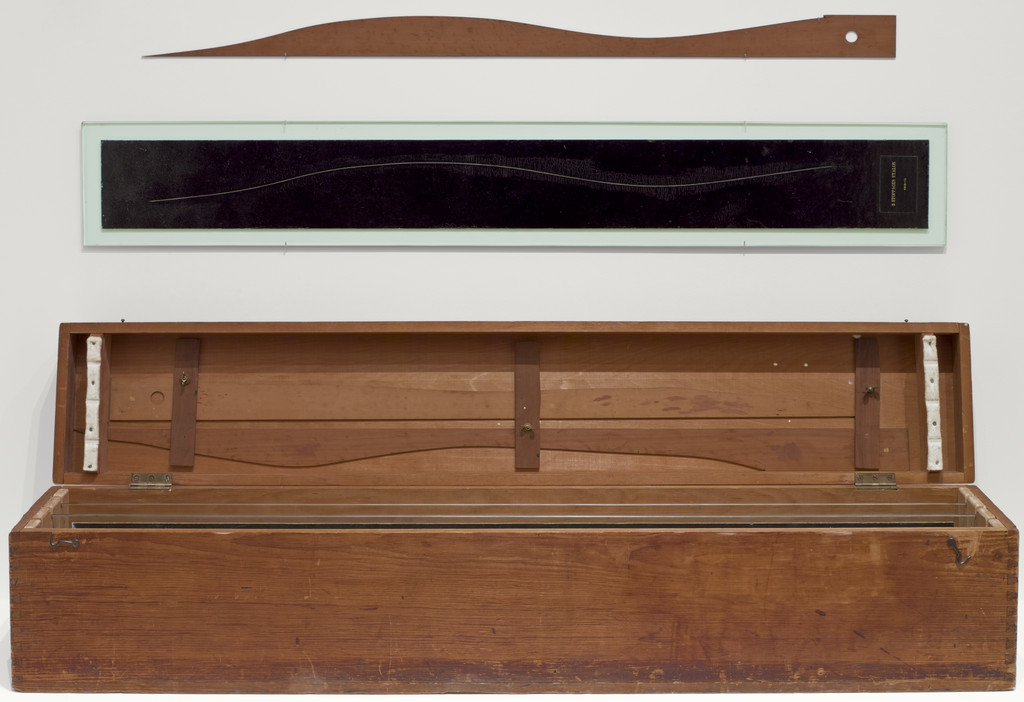
3 Standard Stoppages
Marcel Duchamp
Paris 1913-14
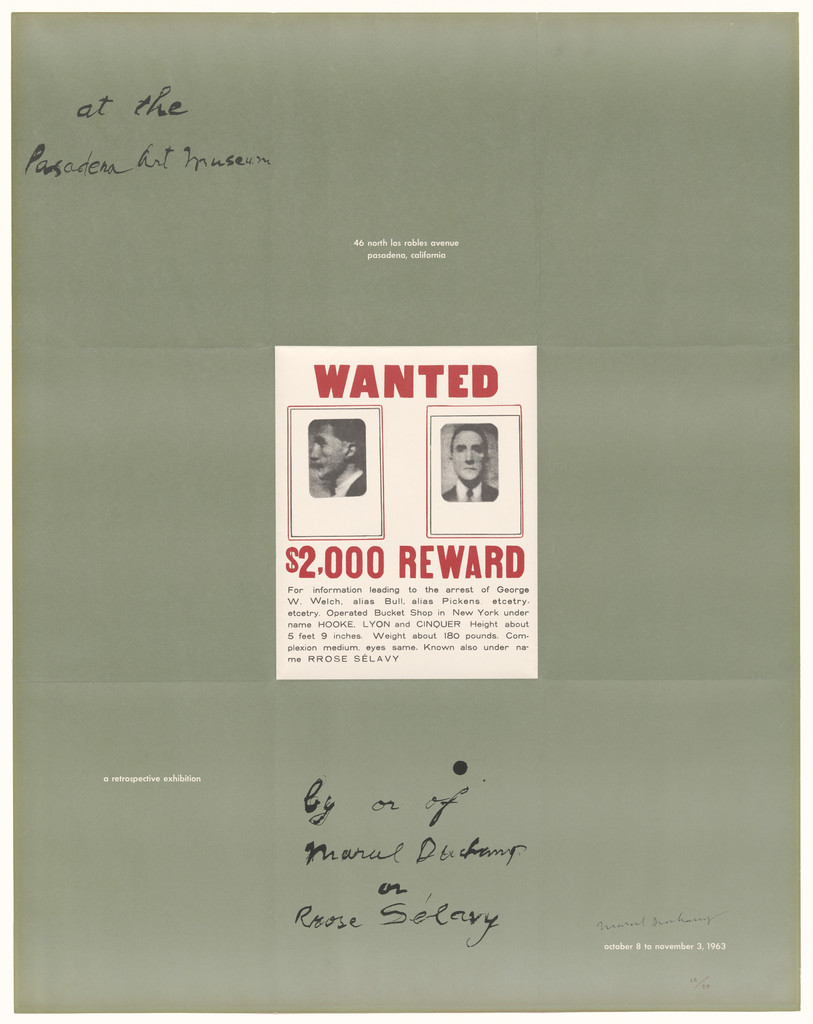
A Poster Within a Poster
Marcel Duchamp
1963
![Appearance and Apparition from À l'Infinitif (La Boîte Blanche) (In the Infinitive [The White Box])](https://www.moma.org/media/W1siZiIsIjI4ODk5NyJdLFsicCIsImNvbnZlcnQiLCItcmVzaXplIDEwMjR4MTAyNFx1MDAzZSJdXQ.jpg?sha=c64854340f081c2d)
Appearance and Apparition from À l'Infinitif (La Boîte Bl...
Marcel Duchamp
1912–20, published 1966
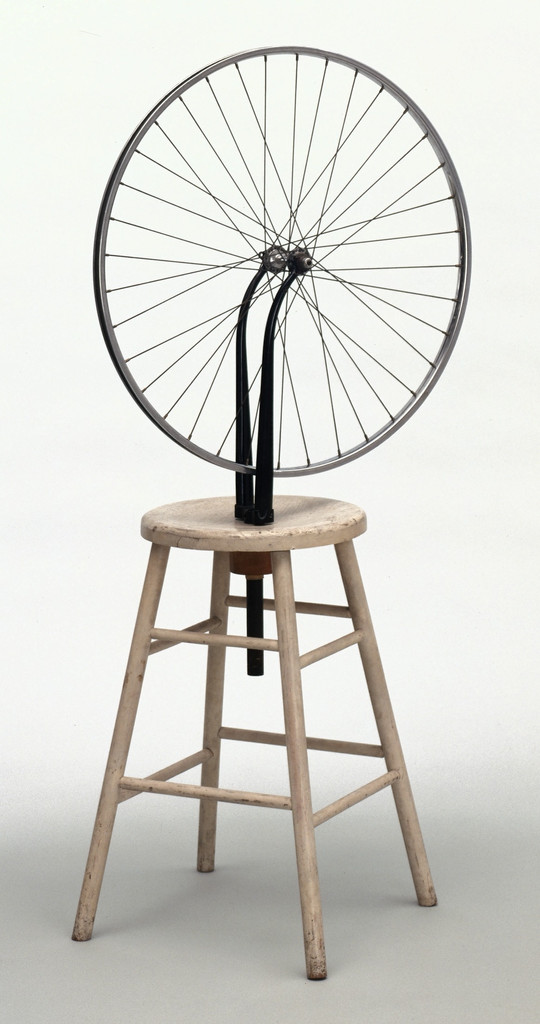
Bicycle Wheel
Marcel Duchamp
New York, 1951 (third version, after lost original of 1913)
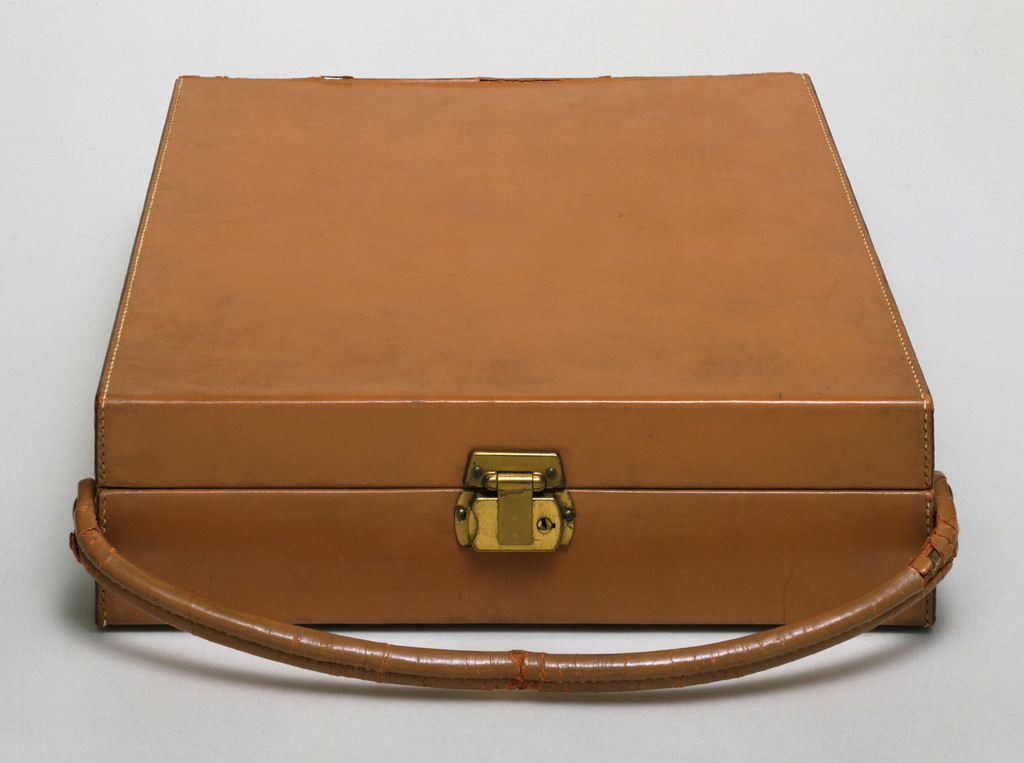
Box in a Valise (From or by Marcel Duchamp or Rrose Sélavy)
Marcel Duchamp
1935-41
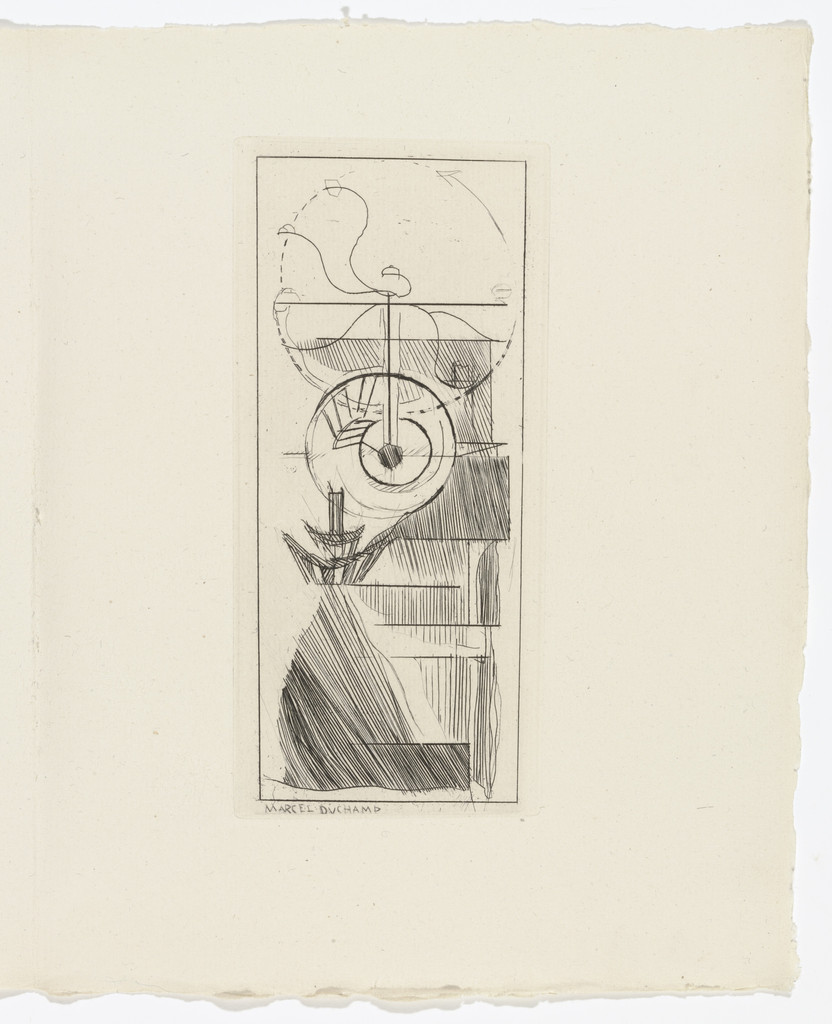
Coffee Mill (page 85) from Du Cubisme (On Cubism)
Marcel Duchamp
1947
![Color from À l'Infinitif (La Boîte Blanche) (In the Infinitive [The White Box])](https://www.moma.org/media/W1siZiIsIjI4ODk5NSJdLFsicCIsImNvbnZlcnQiLCItcmVzaXplIDEwMjR4MTAyNFx1MDAzZSJdXQ.jpg?sha=b8935f1d38433e4c)
Color from À l'Infinitif (La Boîte Blanche) (In the Infin...
Marcel Duchamp
1912–20, published 1966
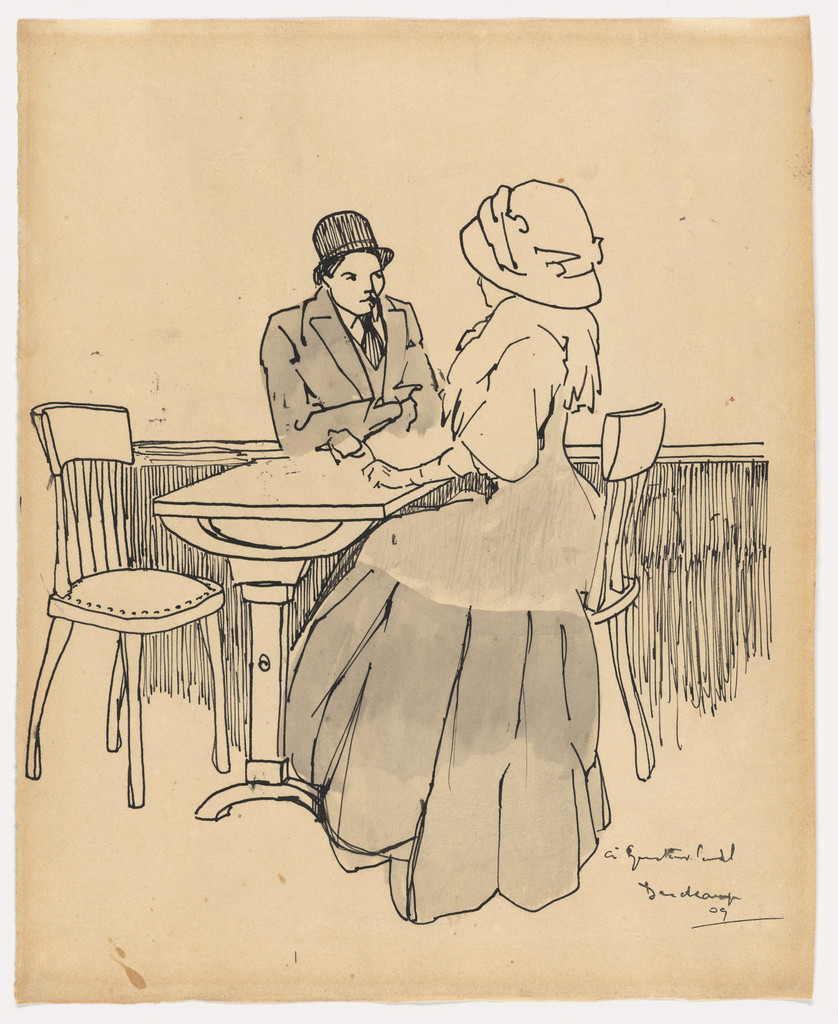
Conversation
Marcel Duchamp
1909
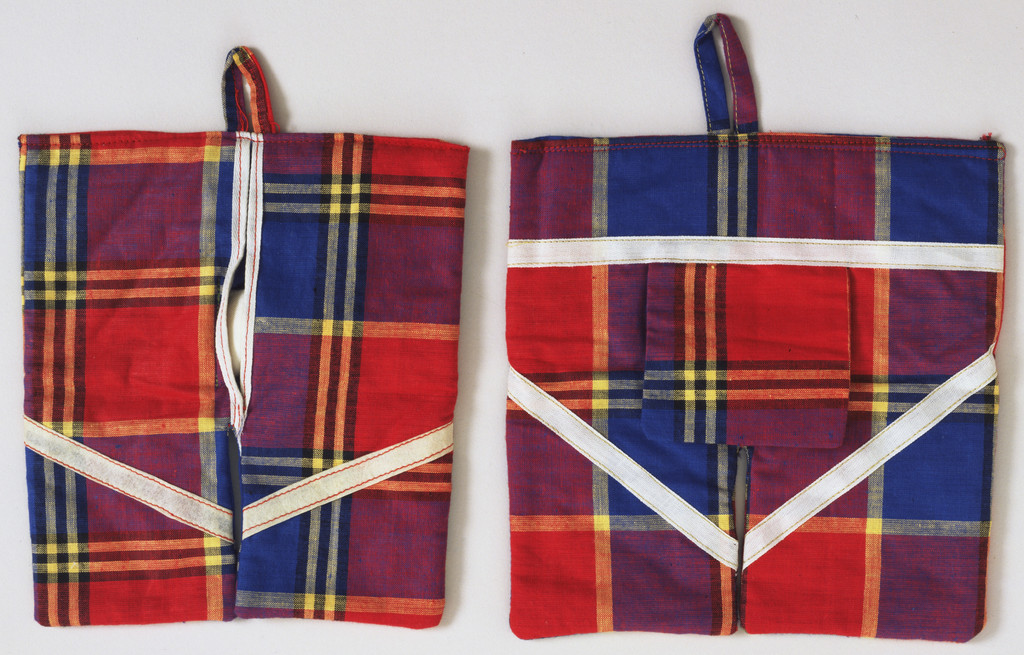
Couple of Laundress' Aprons
Marcel Duchamp
1959
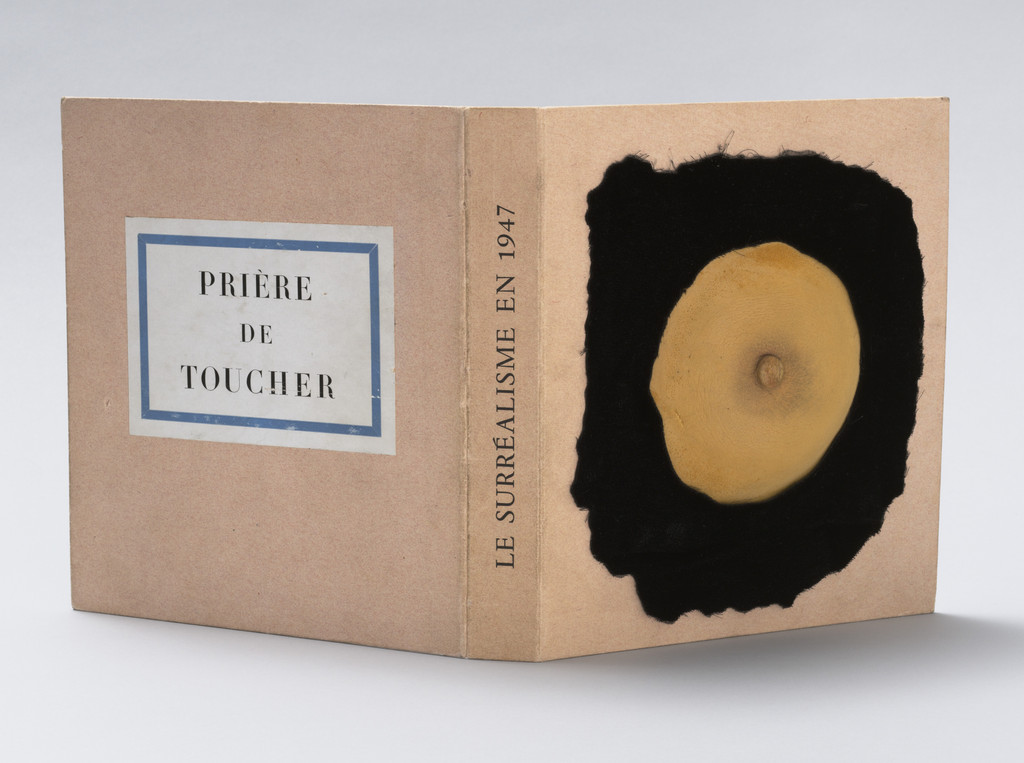
Cover for Le Surréalisme en 1947
Marcel Duchamp
1947
![Cover for À l'Infinitif (La Boîte Blanche) (In the Infinitive [The White Box])](https://www.moma.org/media/W1siZiIsIjI4ODk1OCJdLFsicCIsImNvbnZlcnQiLCItcmVzaXplIDEwMjR4MTAyNFx1MDAzZSJdXQ.jpg?sha=fe9c5d0a3debf2ae)
Cover for À l'Infinitif (La Boîte Blanche) (In the Infini...
Marcel Duchamp
1966
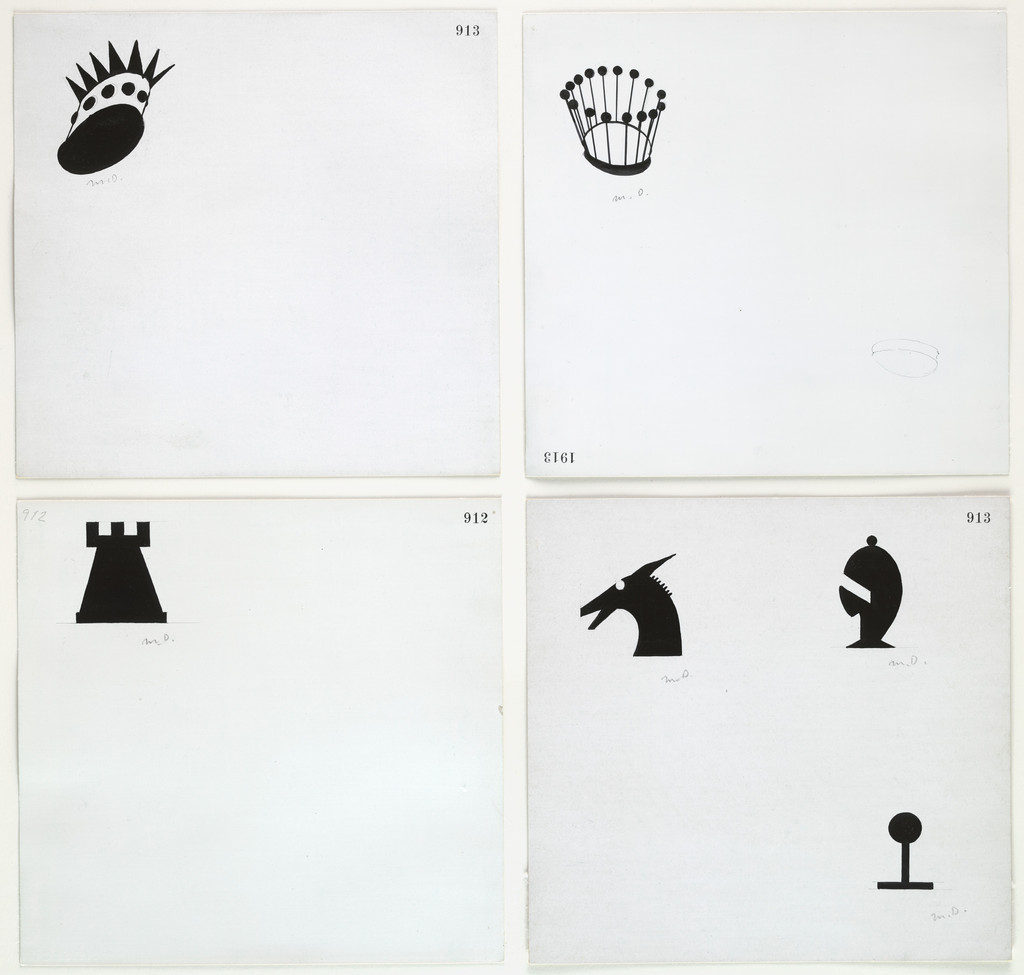
Designs for Chessmen
Marcel Duchamp
c. 1920
![Dictionaries and Atlases from À l'Infinitif (La Boîte Blanche) (In the Infinitive [The White Box])](https://www.moma.org/media/W1siZiIsIjI4ODk4NSJdLFsicCIsImNvbnZlcnQiLCItcmVzaXplIDEwMjR4MTAyNFx1MDAzZSJdXQ.jpg?sha=d2fb6b54d10af9fd)
Dictionaries and Atlases from À l'Infinitif (La Boîte Bla...
Marcel Duchamp
1912–20, published 1966
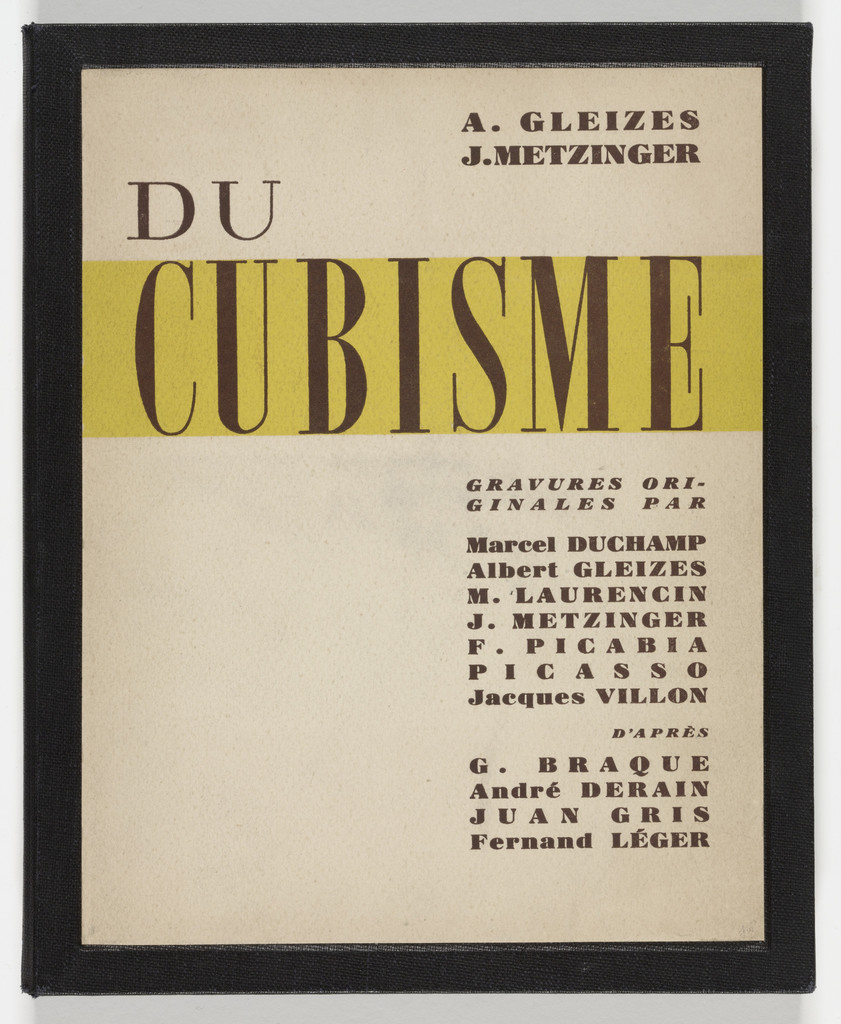
Du Cubisme (On Cubism)
Georges Braque
1907–47, published 1947
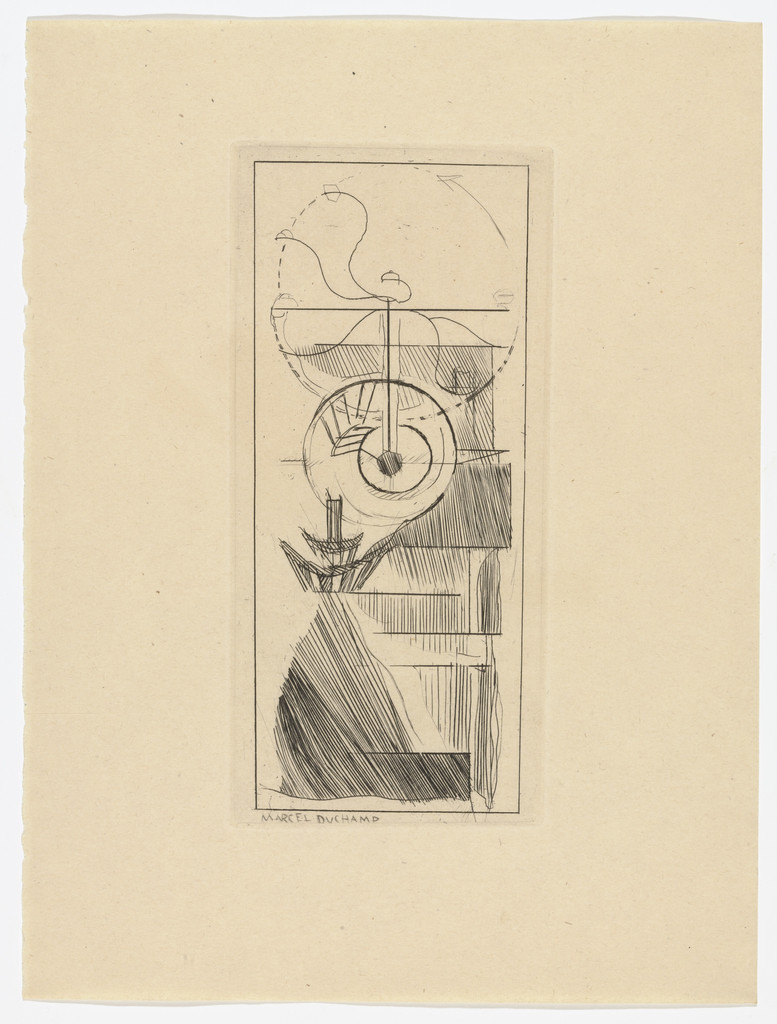
Duplicate of Coffee Mill from Du Cubisme (On Cubism)
Marcel Duchamp
1947
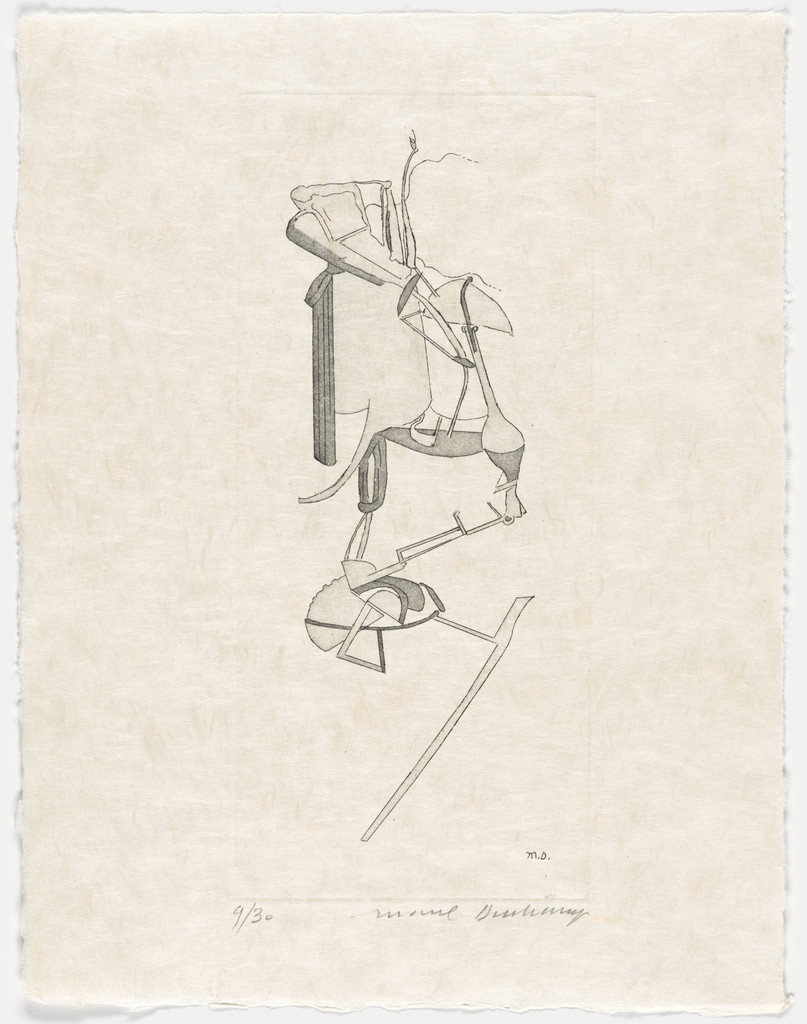
Duplicate of The Bride (supplementary suite, plate 4) fro...
Marcel Duchamp
1965, published 1967
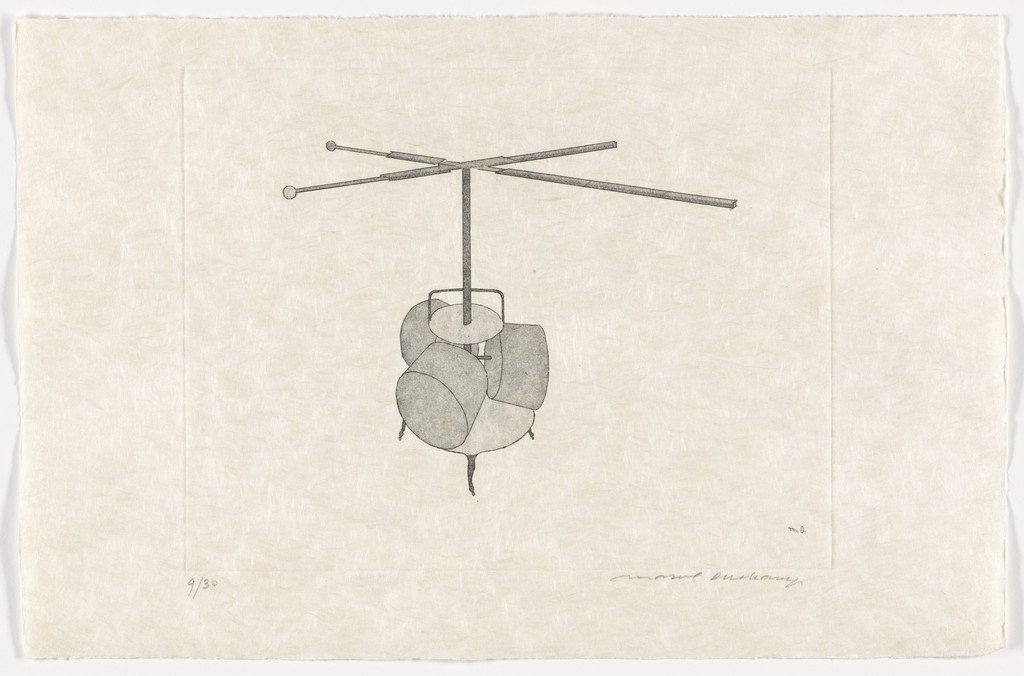
Duplicate of The Chocolate Grinder and The Scissors (supp...
Marcel Duchamp
1965, published 1967
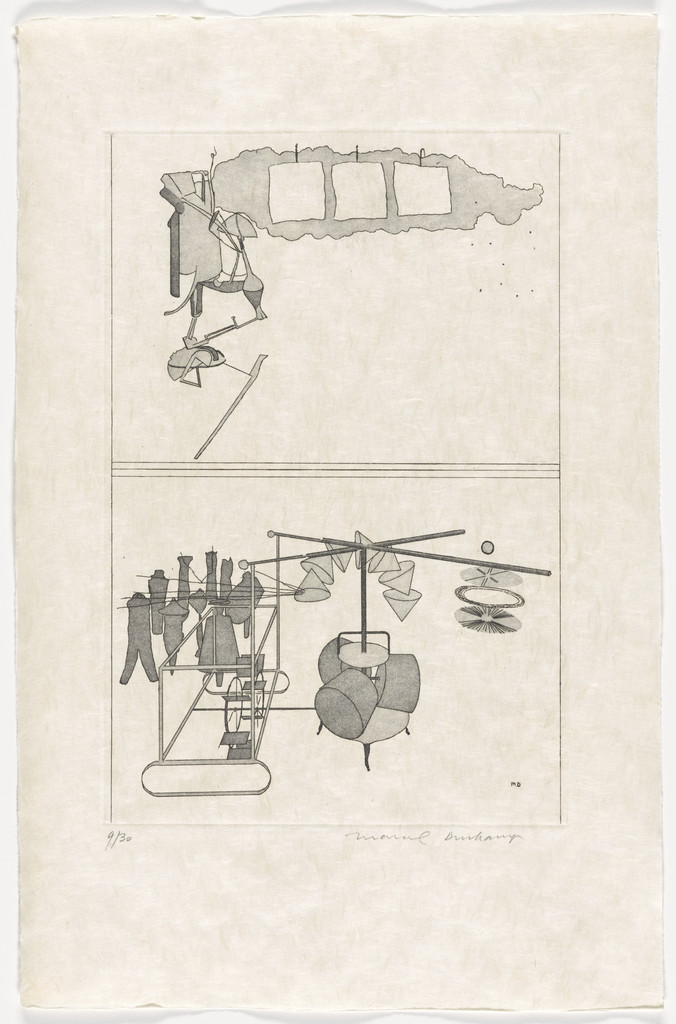
Duplicate of The Large Glass (supplementary suite, plate ...
Marcel Duchamp
1965, published 1967
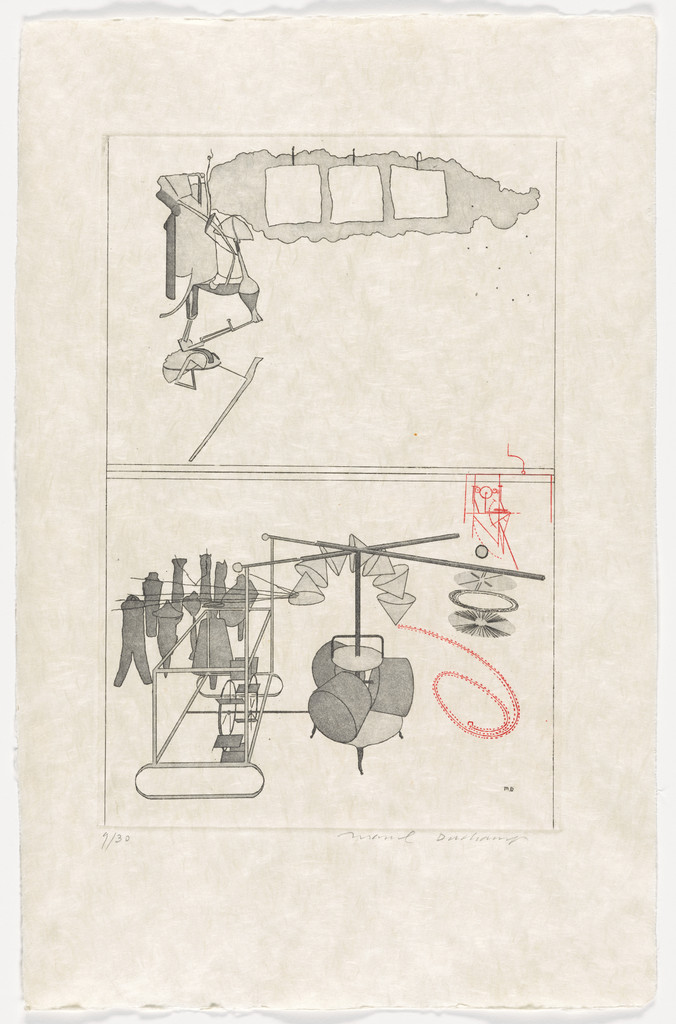
Duplicate of The Large Glass, with missing elements added...
Marcel Duchamp
1965, published 1967
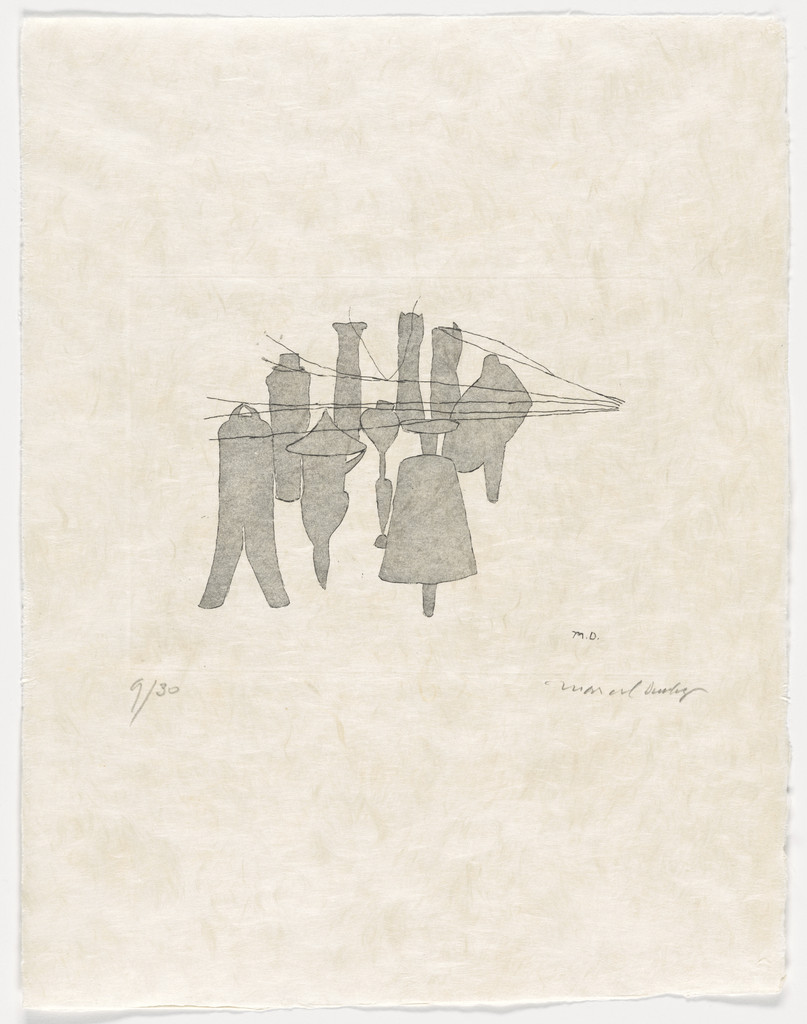
Duplicate of The Nine Malic Moulds and The Capillary Tube...
Marcel Duchamp
1965, published 1967
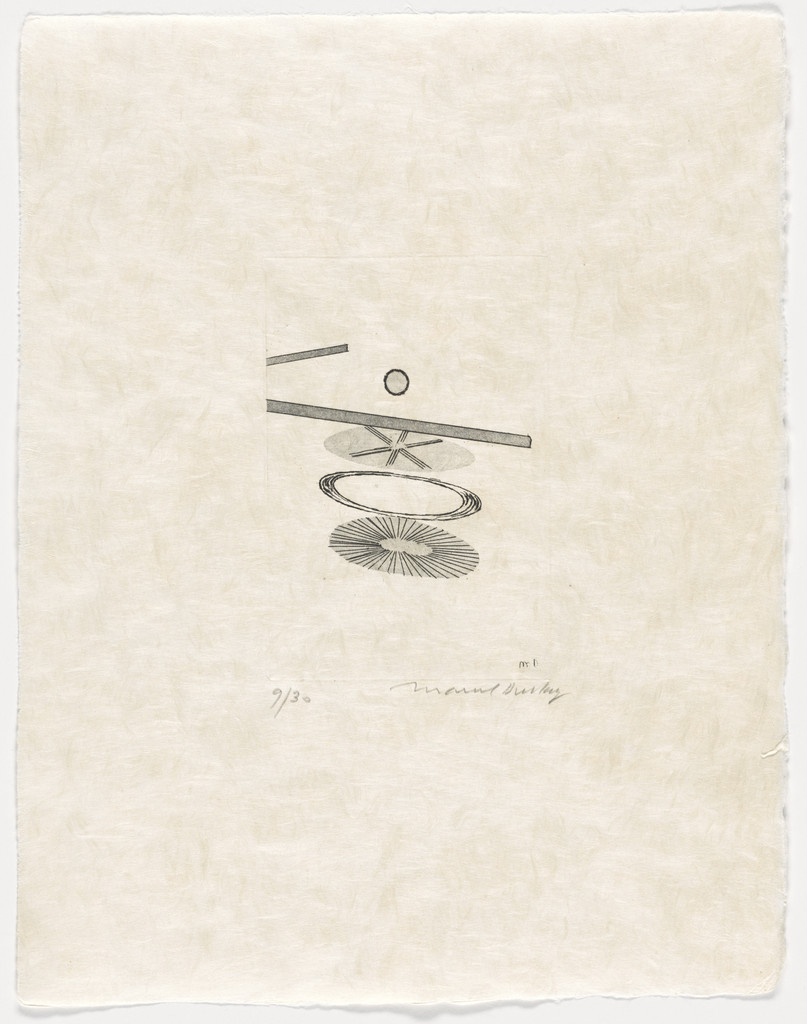
Duplicate of The Oculist Witnesses (supplementary suite, ...
Marcel Duchamp
1965, published 1967
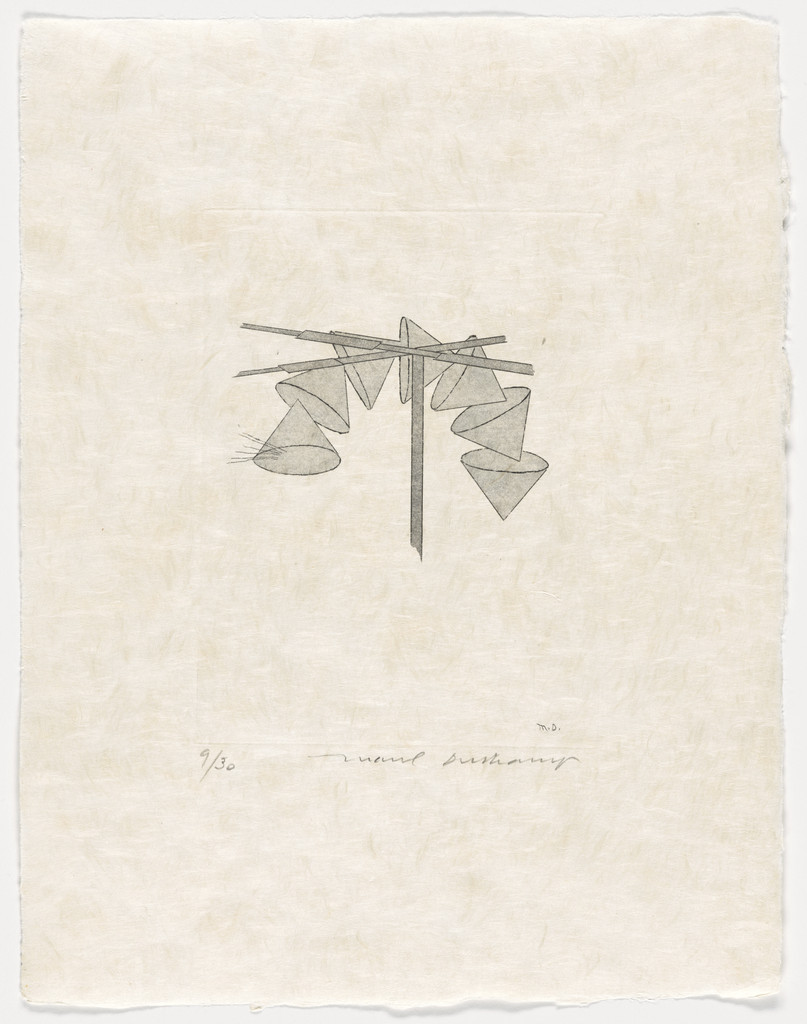
Duplicate of The Sieves or Parasols (supplementary suite,...
Marcel Duchamp
1965, published 1967
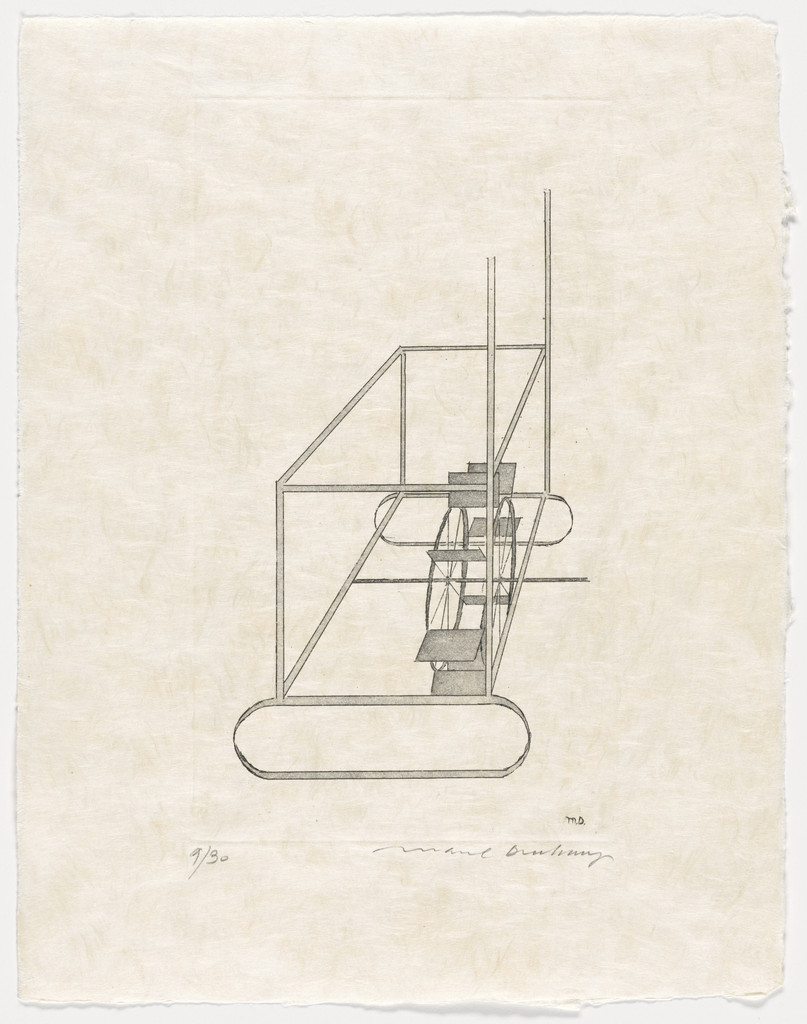
Duplicate of The Water-Mill (supplementary suite, plate 1...
Marcel Duchamp
1965, published 1967
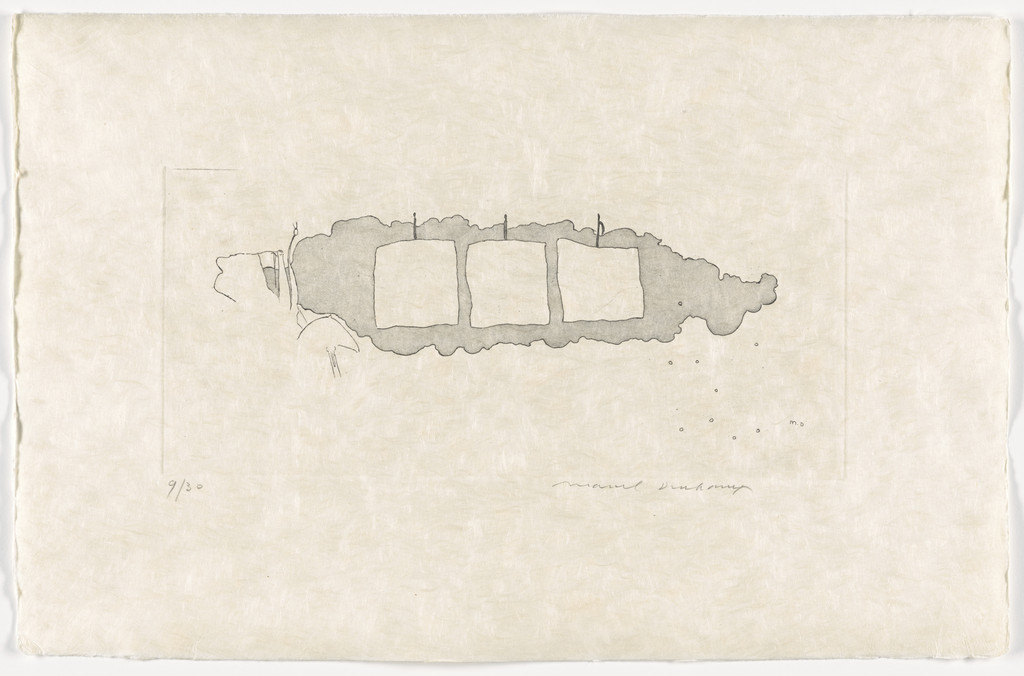
Duplicate of Top Inscription or Milky Way with The Nine S...
Marcel Duchamp
1965, published 1967
Exhibitions
49 exhibitionsNov 19, 1934 – Jan 20, 1935
Modern Works of Art: 5th Anniversary Exhibition
117 artists
Mar 02, 1936 – Apr 19, 1936
Cubism and Abstract Art
113 artists · 1 curator
Dec 07, 1936 – Jan 17, 1937
Fantastic Art, Dada, Surrealism
179 artists · 1 curator
May 10, 1939 – Sep 30, 1939
Painting, Sculpture, Prints
154 artists
Jan 12, 1940 – Mar 03, 1940
Paintings and Sculpture from the Museum Collection
55 artists
Jul 23, 1941 – Sep 29, 1941
New Acquisitions: Fantastic Art, Dada, Surrealism
18 artists
Dec 09, 1942 – Jan 24, 1943
Twentieth Century Portraits
159 artists · 1 curator
Aug 18, 1943 – Sep 19, 1943
Action Photography
44 artists · 1 curator
Feb 16, 1944 – May 10, 1944
Modern Drawings
120 artists · 3 curators
May 24, 1944 – Oct 15, 1944
Painting, Sculpture, Prints
133 artists · 1 curator
Feb 06, 1946 – Feb 24, 1946
Recent Acquisitions in Painting and Sculpture
11 artists
Feb 19, 1946 – May 05, 1946
The Museum Collection of Painting
67 artists
Jul 02, 1946 – Sep 12, 1954
Paintings, Sculpture, and Graphic Arts from the Museum Collection
112 artists · 1 curator
Sep 21, 1948 – Dec 05, 1948
Collage
39 artists · 1 curator
Jun 20, 1951 – Jul 15, 1951
Modern Relief
15 artists
Mar 04, 1952 – May 11, 1952
Posters by Painters and Sculptors
41 artists
Aug 12, 1952 – Sep 21, 1952
Works from the Museum Collection
29 artists · 1 curator
Jun 23, 1953 – Oct 04, 1953
Summer Exhibition: New Acquisitions; Recent American Prints, 19471953; Katherine S. Dreier Bequest; Kuniyoshi and Spencer; Expressionism in Germany; Varieties of Realism
100 artists · 2 curators
Oct 19, 1954 – Feb 06, 1955
XXVth Anniversary Exhibition: Paintings from the Museum Collection
260 artists
Mar 05, 1955 – Apr 24, 1955
Painting and Sculpture from the Museum Collection: New Acquisitions
22 artists · 1 curator
May 04, 1960 – Sep 18, 1960
Portraits from the Museum Collection
92 artists · 1 curator
Oct 04, 1961 – Nov 12, 1961
The Art of Assemblage
144 artists · 1 curator
May 27, 1964
Painting and Sculpture from the Museum Collection
169 artists
Feb 16, 1965 – Apr 25, 1965
Recent Acquisitions: Painting and Sculpture
87 artists
Nov 22, 1966 – Feb 06, 1967
Art in the Mirror
30 artists · 1 curator
Apr 28, 1967 – Apr 30, 1967
The Artist as His Subject
46 artists · 2 curators
Jun 06, 1967 – Sep 17, 1967
The Artist as His Subject
49 artists
Jan 17, 1968 – Mar 04, 1968
The Sidney and Harriet Janis Collection
55 artists · 1 curator
Jan 25, 1968 – Mar 10, 1968
Word and Image: Posters and Typography from the Graphic Design Collection of the Museum of Modern Art, 18791967
197 artists · 1 curator
Mar 27, 1968 – Jun 09, 1968
Dada, Surrealism and their Heritage
94 artists · 1 curator
Oct 22, 1968 – Nov 17, 1968
Tribute to Marcel Duchamp
2 artists
Nov 05, 1969 – Jan 02, 1973
Painting and Sculpture from the Museum Collection
35 artists
Mar 13, 1971 – Apr 26, 1971
Recent Acquisitions: 20th-Century Pioneers
5 artists · 1 curator
Jul 28, 1971 – Nov 01, 1971
Ways of Looking
132 artists · 1 curator
Oct 18, 1972 – Jan 07, 1973
Philadelphia in New York: 90 Modern Works from the Philadelphia Museum of Art
41 artists · 2 curators
Mar 07, 1973 – Jun 04, 1973
Works on Paper
58 artists
Dec 28, 1973 – Feb 24, 1974
Marcel Duchamp
1 artist · 2 curators
May 10, 1974 – Aug 11, 1974
Printed, Cut, Folded, and Torn
32 artists · 1 curator
Jun 13, 1974 – Sep 08, 1974
Seurat to Matisse: Drawing in France
79 artists · 1 curator
Mar 21, 1975 – Jun 15, 1975
In the Twenties
51 artists · 1 curator
Jul 10, 1978 – Oct 03, 1978
Artists and Writers
62 artists · 1 curator
Nov 14, 1979 – Jan 22, 1980
Art of the Twenties
167 artists · 1 curator
Feb 13, 1980 – Apr 01, 1980
Printed Art: A View of Two Decades
82 artists · 1 curator
Aug 20, 1981 – Oct 06, 1981
Words and Pictures
49 artists · 1 curator
Mar 08, 1982 – Mar 01, 1983
Masterpieces from the Collection
19 artists · 2 curators
May 17, 1984
Selections from the Permanent Collection: Painting and Sculpture
59 artists · 2 curators
Jul 23, 1986 – Dec 07, 1986
Naked/Nude: Contemporary Prints
26 artists · 1 curator
Oct 24, 1987 – Mar 01, 1988
European Drawing Between the Wars
59 artists · 1 curator
Nov 03, 1988 – Feb 28, 1989
Collage: Selections from the Permanent Collection
42 artists · 2 curators