
“Design is for living.” — Charles and Ray Eames
Everything was architecture to Charles and Ray Eames: the construction plans for a chair, the layout of an exhibition pavilion, the structure of a film, even the placement of silverware, plates, flowers, and objects on a dining table. Their home in the Pacific Palisades neighborhood of Los Angeles—known as Case Study House No. 8—bears witness to the blurring of boundaries between their personal and professional personas, with their iconic plywood designs, textiles, and photographs coexisting with family portraits, paintings, masks, and sculptures bought on travels around the world. The house served as the couple’s carefully designed showroom, too. Lined up on a shelf behind the couch in the living room, a file of magazines showed the couple’s celebrated plywood chairs on the covers. As historian Beatriz Colomina has observed, “All Eames architecture can be understood as set design.” And they designed it all: chairs, toys, houses, exhibitions, movies, and even orthopedic supports. “Design is for living,” they once said. “That’s what we do.” The Eameses’ personal and professional partnership began at the Cranbrook Academy of Art, when Ray-Bernice Alexandra Kaiser assisted Charles Eames and Eero Saarinen on their submission for MoMA’s Competition for Organic Design in Home Furnishings. Charles was the school’s head of Industrial Design; Ray, a student seeking to expand her creative toolkit. A painter at the time, Ray had contributed to the founding of the American Abstract Artists group. Charles and Ray married the following year, sparking a lifelong partnership. When asked about abandoning her painting career, Ray replied that “[she] never gave up painting, just changed [her] palette.” The Eameses’ prolific and multifaceted productions transformed North American consumers’ relationship with design, in a context marked by postwar manufacturing developments, a boom in domestic appliances, and the early stages of information design. At the core of their philosophy was an attempt to bring affordable design to the American household. The Eameses eagerly embraced novel materials and manufacturing techniques, experimenting with molded plywood, fiberglass, and plastics. The Eames Plywood Chair is a testament to their expertise in combining creativity with practicality, showcasing the transformative potential of materials in design. Beyond their tangible creations, they also played a crucial role as cultural ambassadors of the US in the early Cold War years, notably through their installation at the 1959 American Exhibition in Moscow, centered around their film Glimpses of the USA. Through their fertile collaboration, the work of their office transitioned “from industrial to informational production, from furniture to film,” working for corporations such as Polaroid, IBM, and Boeing. With Powers of Ten (1977)—a cinematic journey from the microstructure of atoms in the human body to the entire universe—they achieved celebrity status. The Eameses’ multifaceted approach to design remains fresh and captivating more than 60 years after their first designs appeared on the market. Their pursuit of innovation, coupled with an understanding of the interplay between utility and aesthetics, continues to shape our interaction with the world today.
Paula Vilaplana de Miguel, Curatorial Assistant, Department of Architecture and Design, 2023
Works in Collection
40 works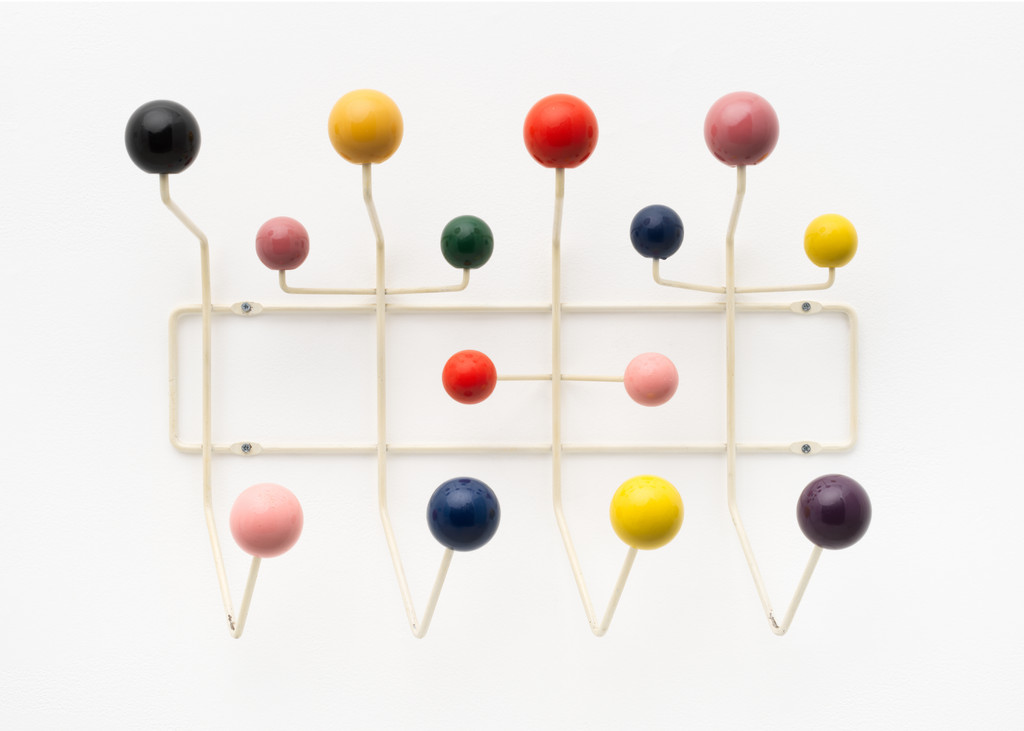
"Hang-it-All" clothes hanger
Charles Eames
1953

American Abstract Artists
Ilya Bolotowsky
1937
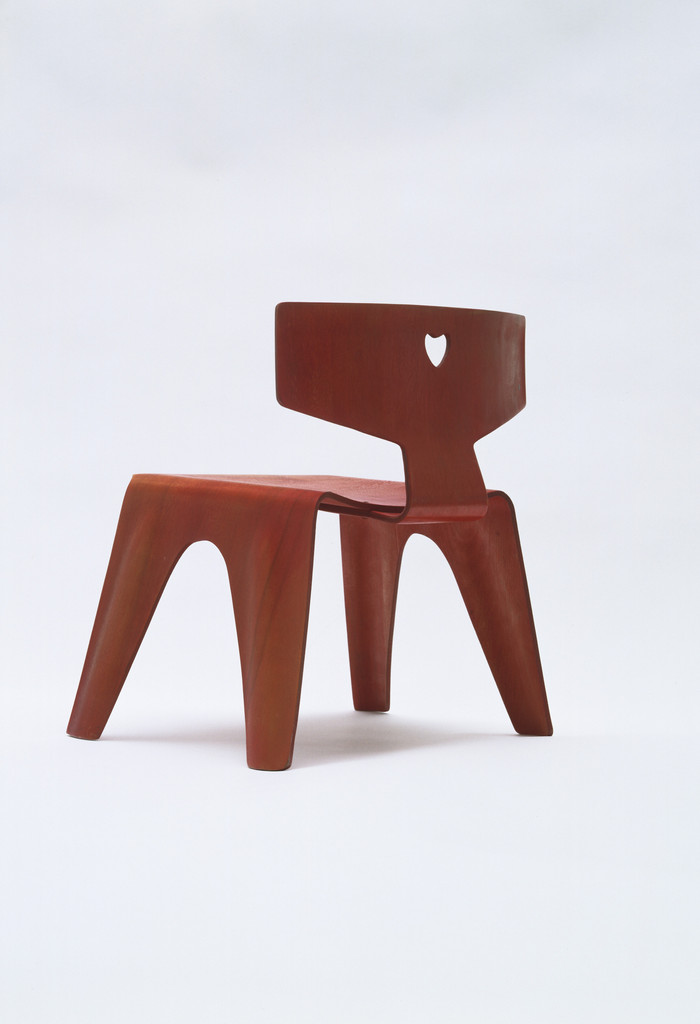
Child's chair
Charles Eames
c. 1944
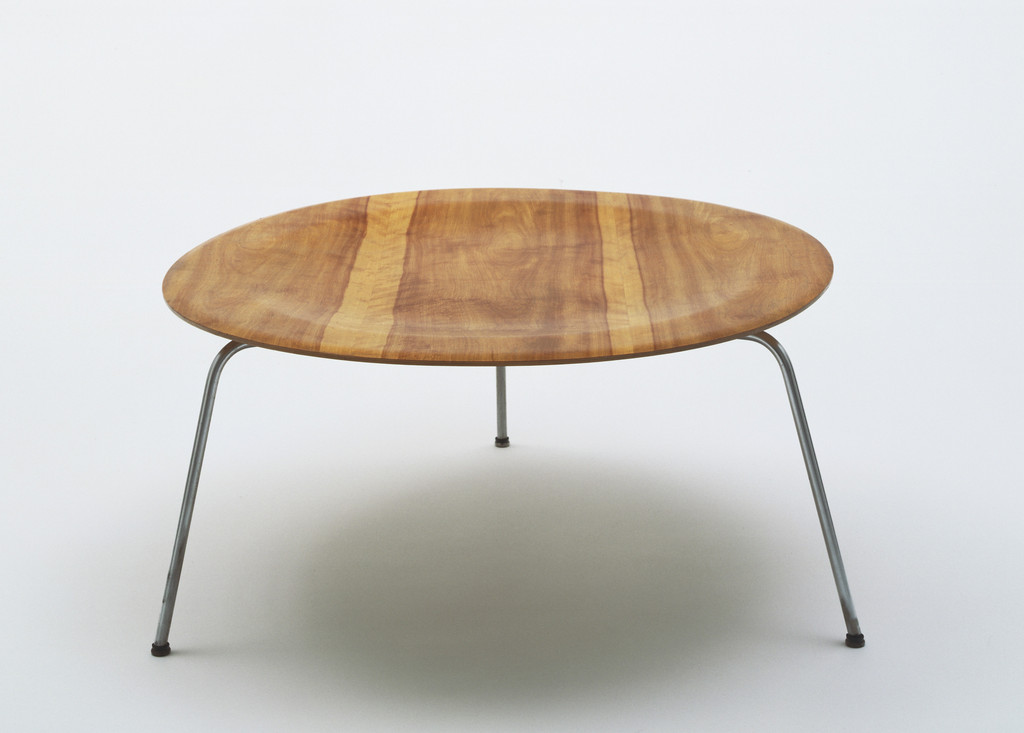
Coffee Table
Charles Eames
1946
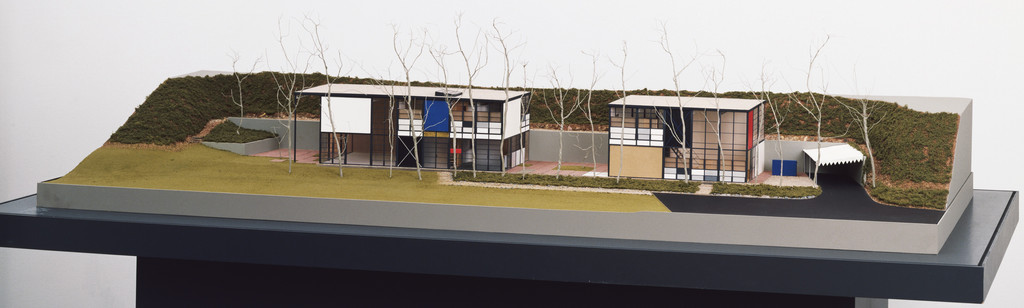
Eames House, Los Angeles, California (Scale model, 3/8" =...
Charles Eames
1949
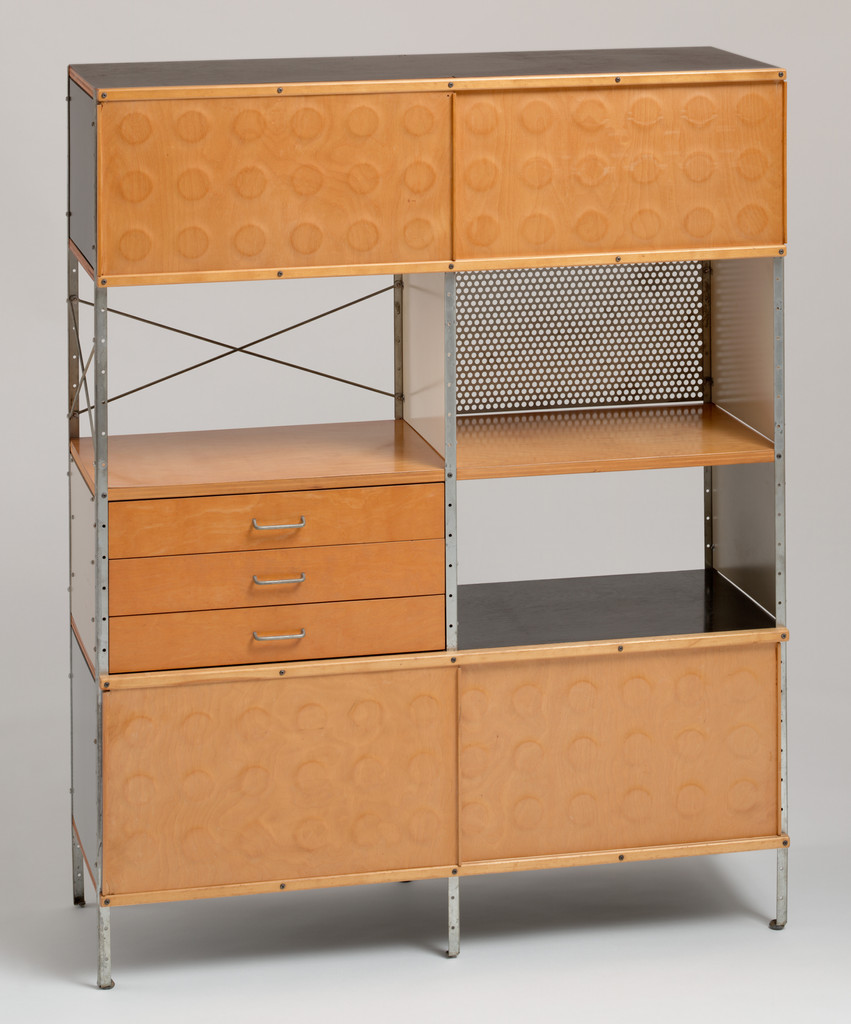
Eames Storage Unit (ESU)
Charles Eames
1950
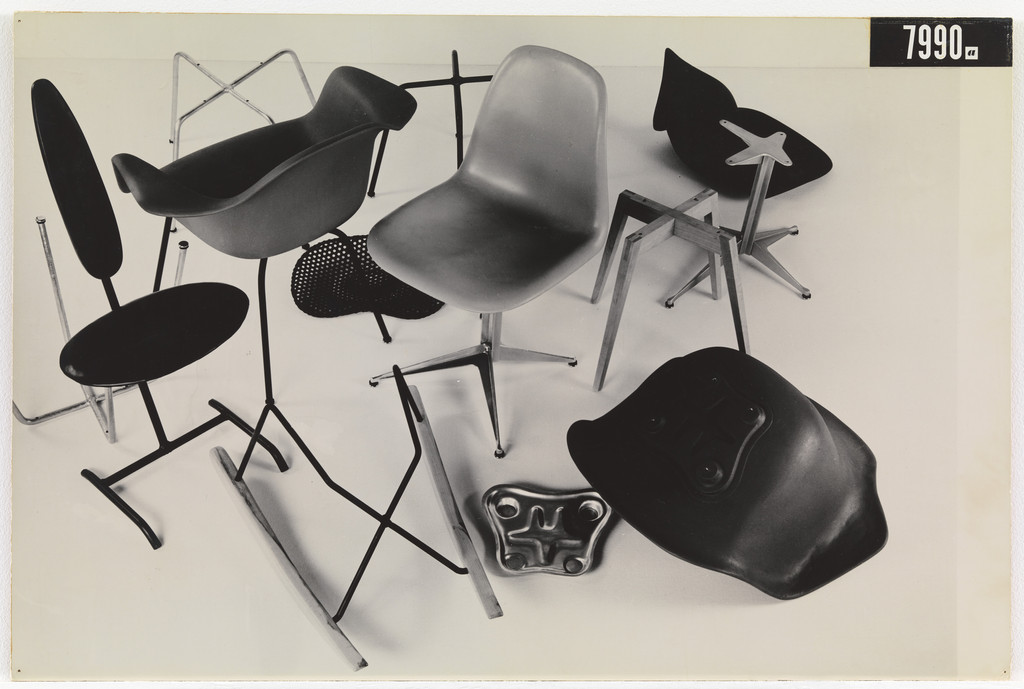
Entry Panel for MoMA International Competition for Low-Co...
Charles Eames
1949
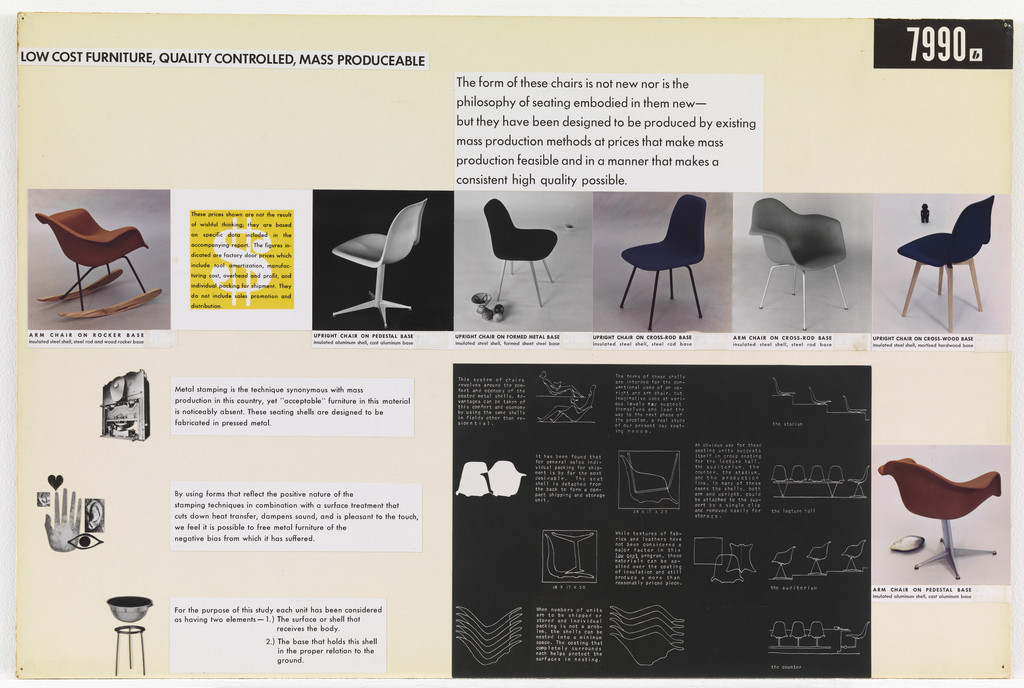
Entry Panel for MoMA International Competition for Low-Co...
Charles Eames
1949
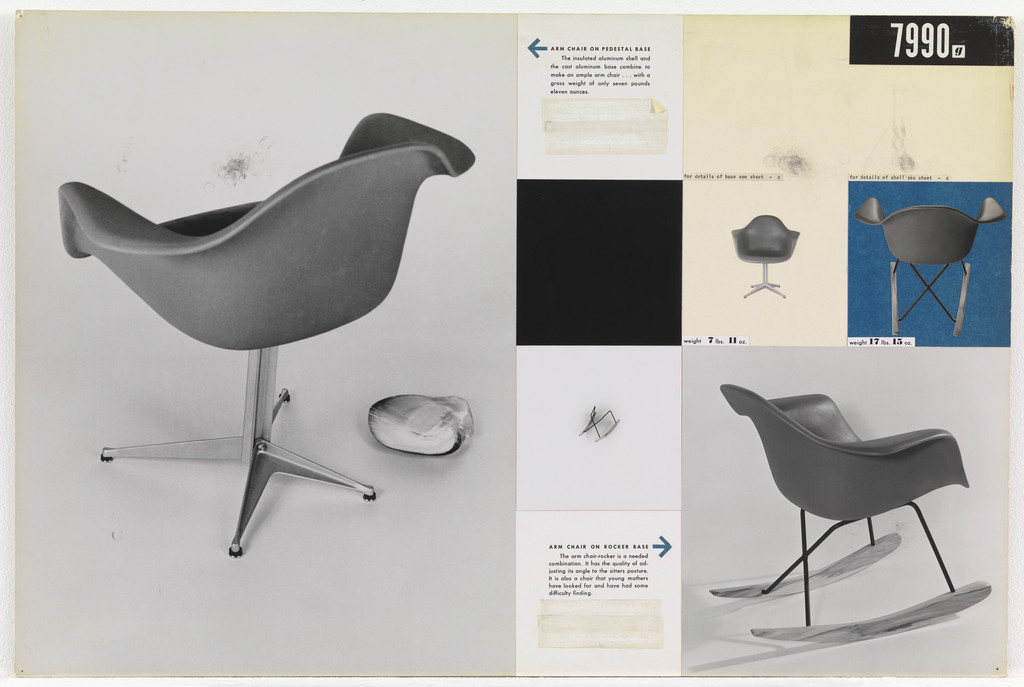
Entry Panel for MoMA International Competition for Low-Co...
Charles Eames
1949
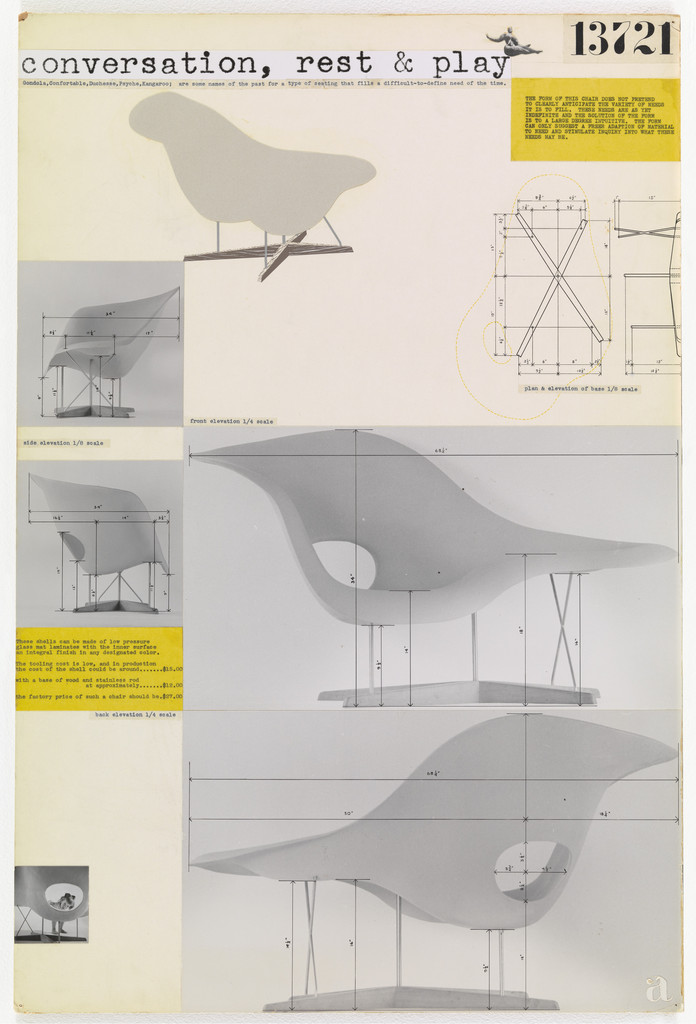
Entry Panel for MoMA International Competition for Low-Co...
Charles Eames
1949
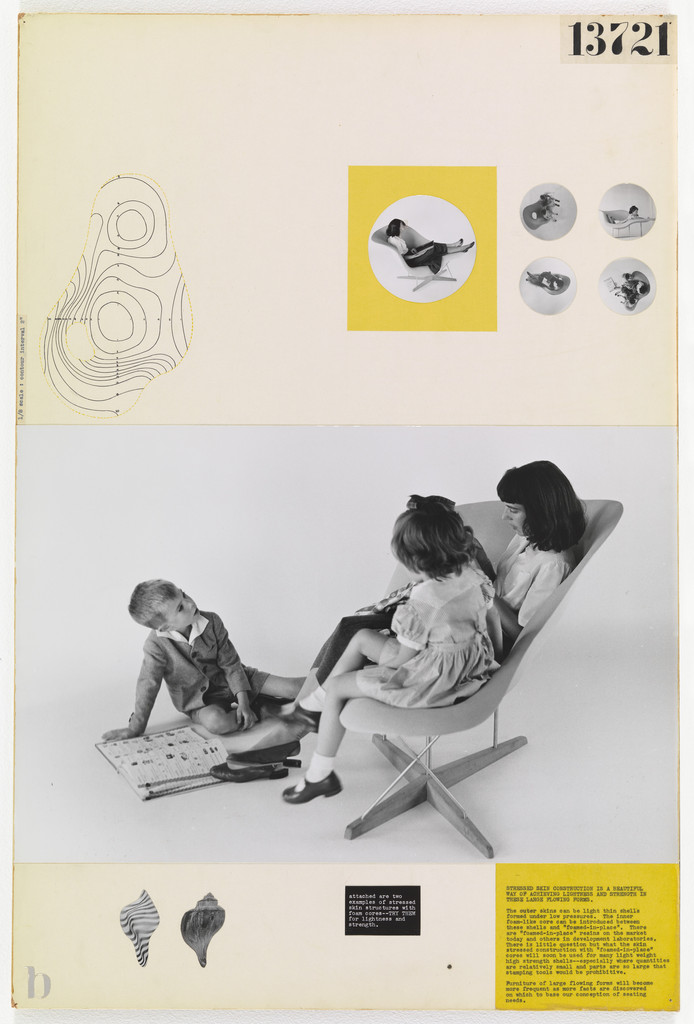
Entry Panel for MoMA International Competition for Low-Co...
Charles Eames
c. 1950
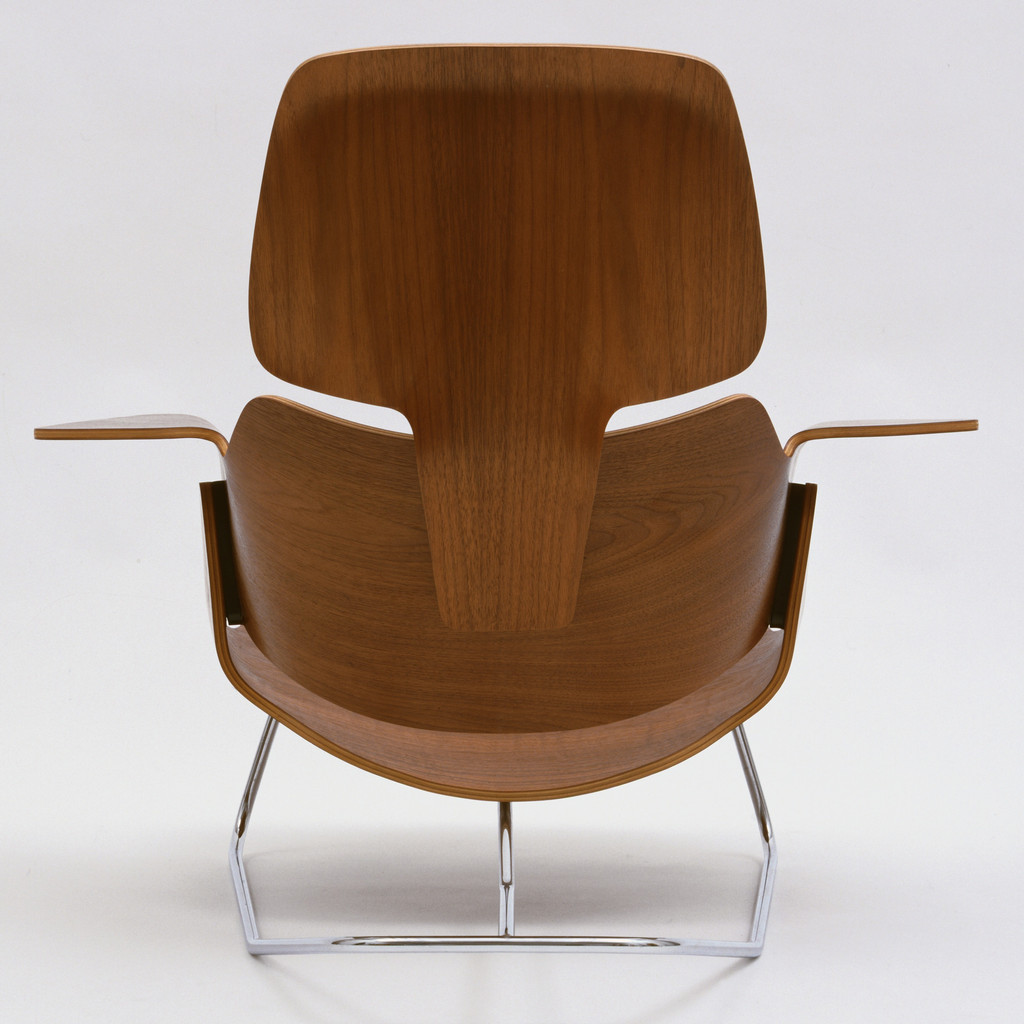
Experimental Lounge Chair
Charles Eames
c. 1944
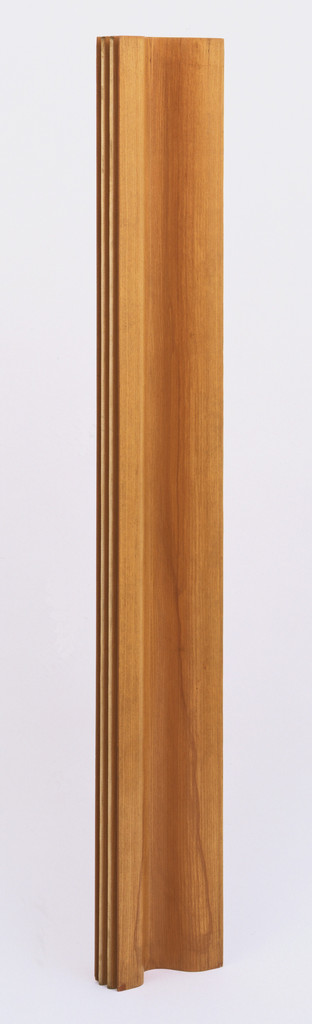
Folding Screen
Charles Eames
1946
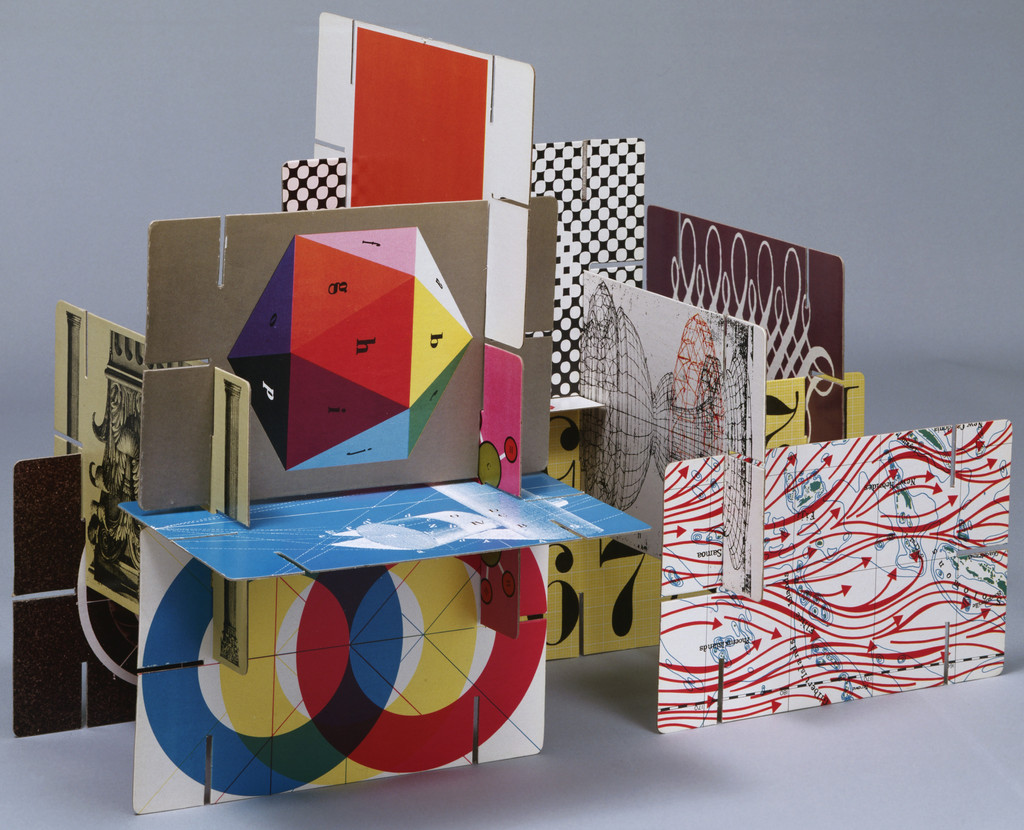
House of Cards (giant size)
Charles Eames
1954
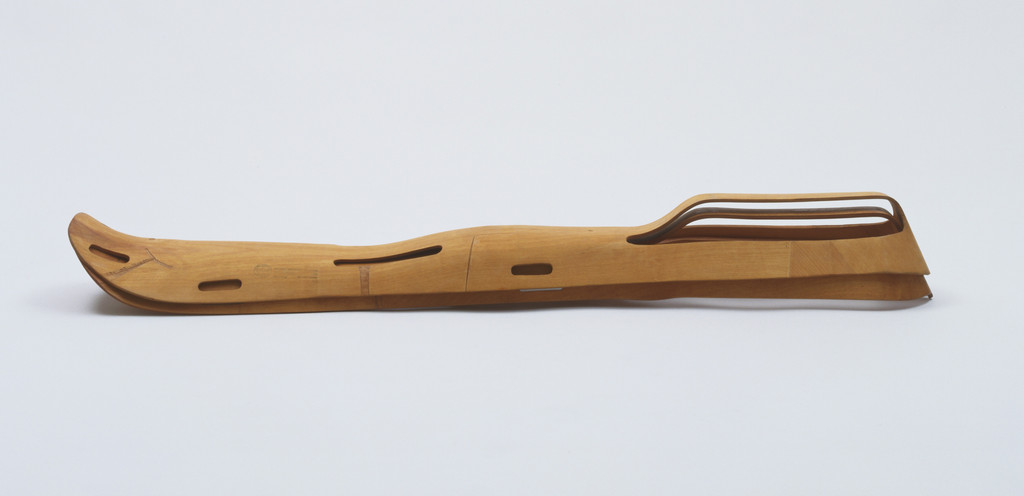
Leg Splint
Charles Eames
1942
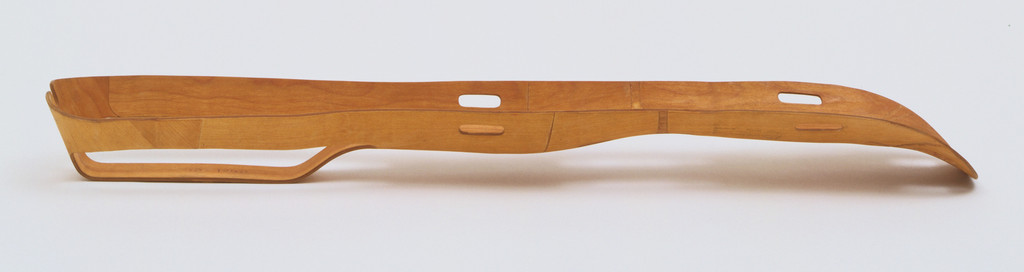
Leg Splint
Charles Eames
1942
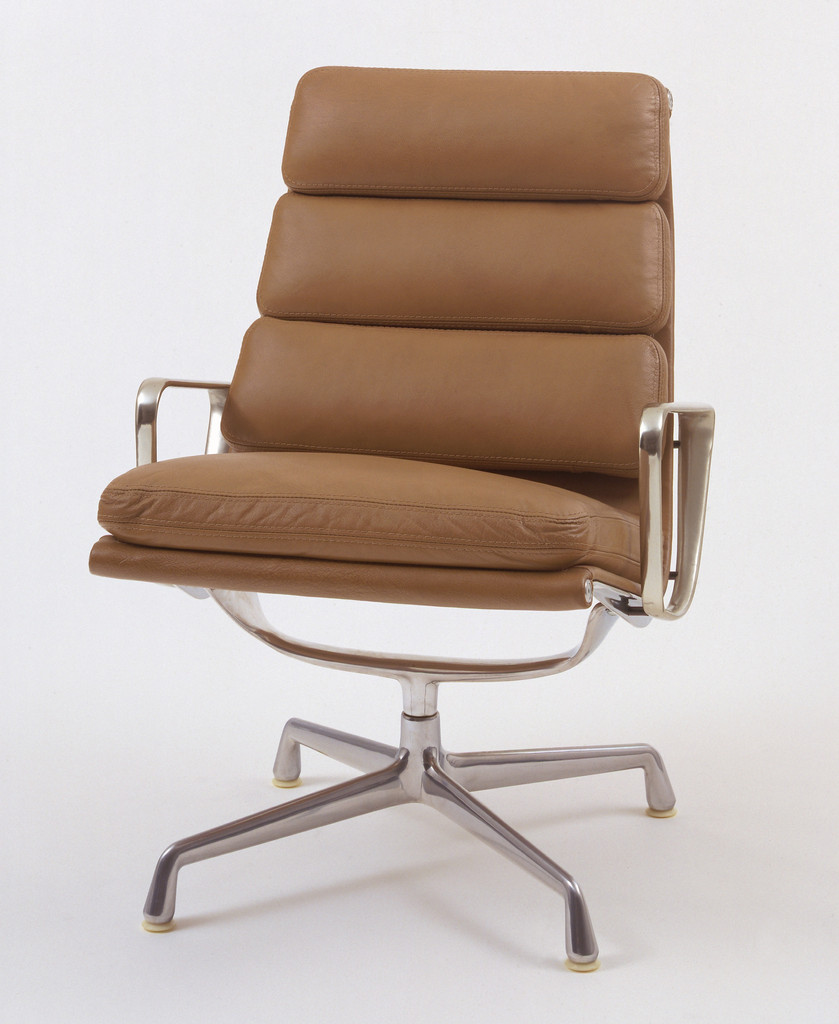
Lounge Chair
Charles Eames
1969
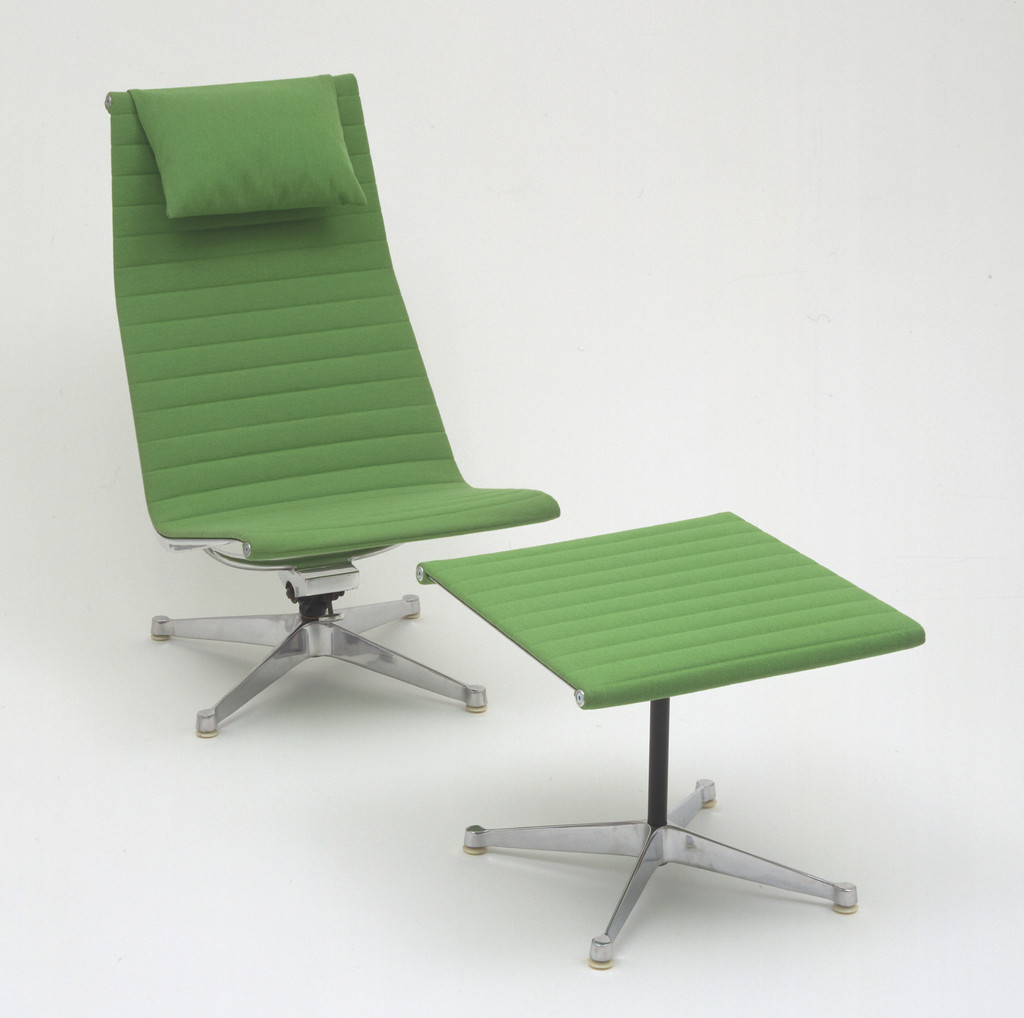
Lounge Chair
Charles Eames
1958
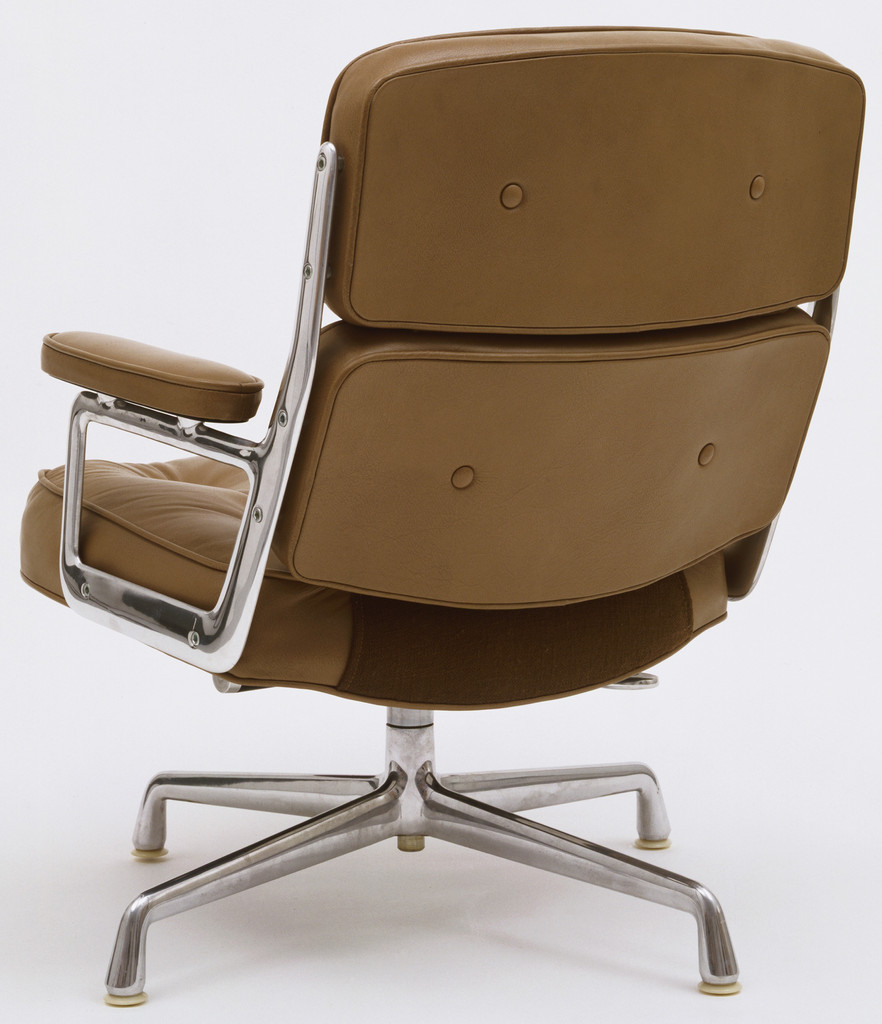
Lounge Chair
Charles Eames
1960
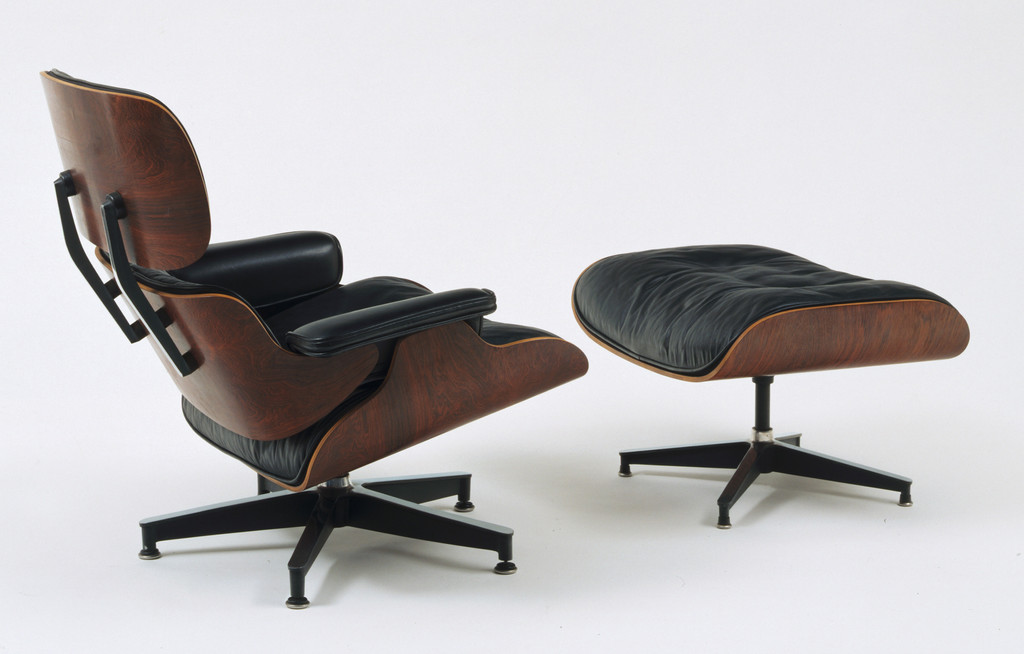
Lounge Chair and Ottoman
Charles Eames
1956
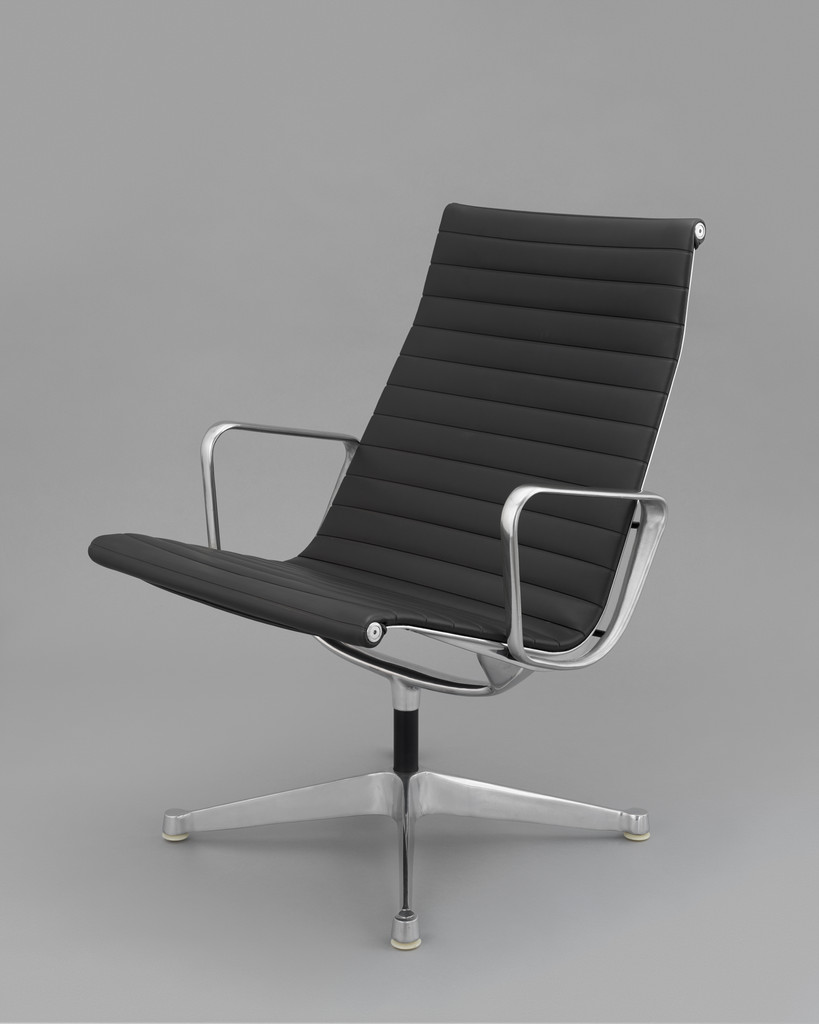
Lounge chair
Charles Eames
1958
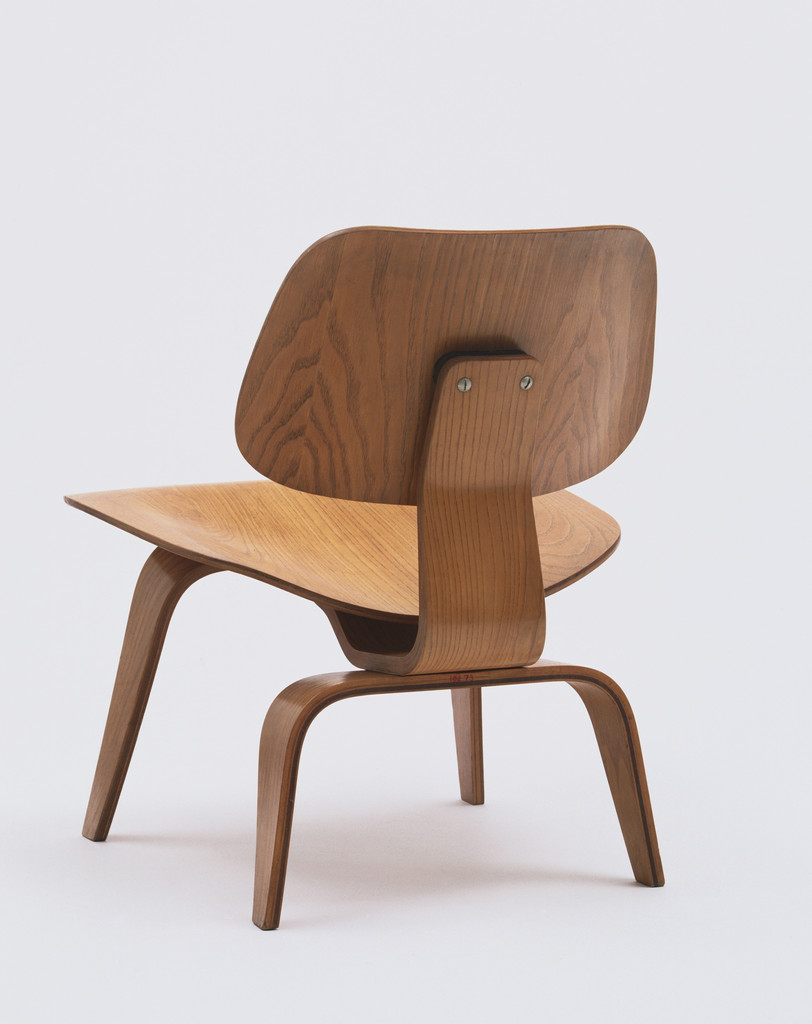
Low Side Chair
Charles Eames
1946
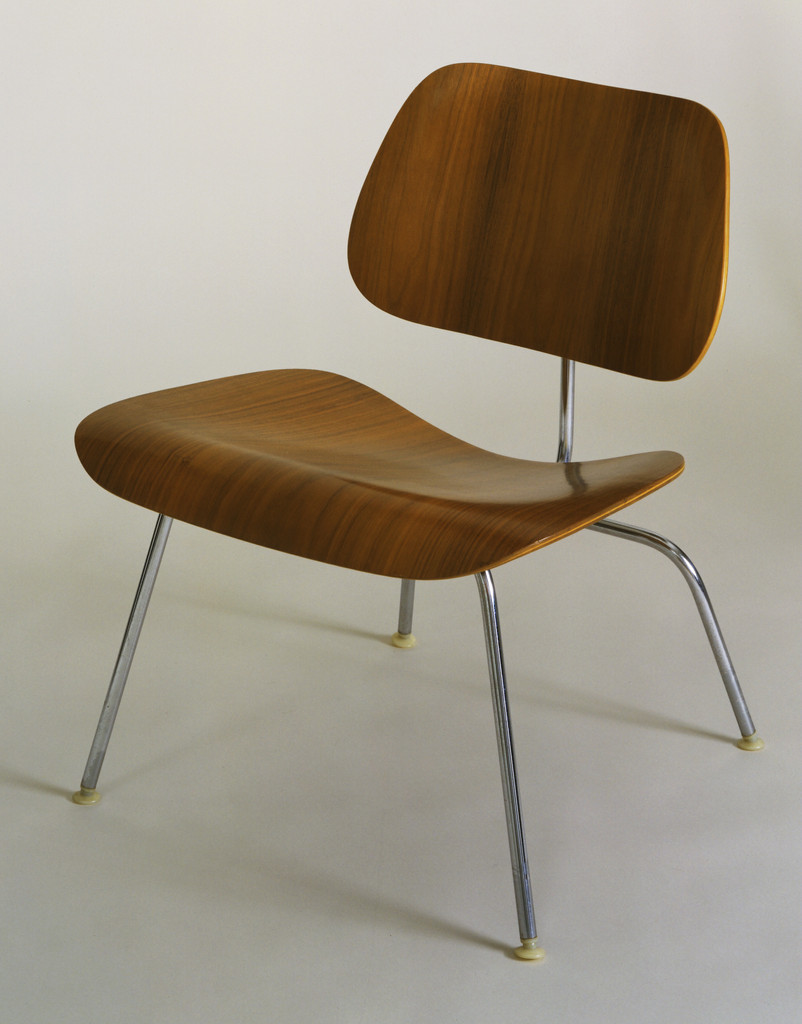
Low Side Chair (model LCM)
Charles Eames
1946
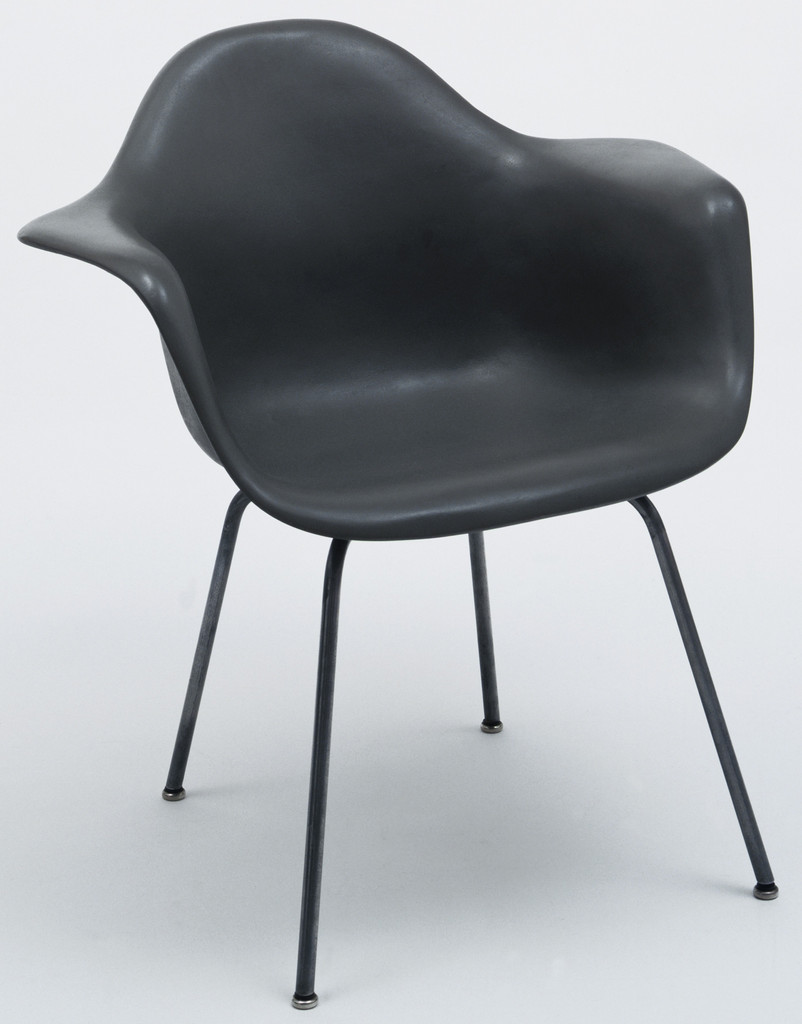
Prototype for Armchair
Charles Eames
1948