
“To visualize a solution is what matters: to make visible that which still does not exist outside of me.” — Gego
###Leer en español Figura emblemática de la abstracción en las décadas de 1960 y 1970 en Venezuela, Gego (Gertrud Goldschmidt) nació en 1912 en Hamburgo, Alemania, y en 1938 se graduó en ingeniería y arquitectura en la Universidad de Stuttgart. Tras el estallido de la Segunda Guerra Mundial, emigró a Venezuela y en 1939 se instaló en Caracas. Gego comenzó su carrera artística en la década de 1950. Por entonces, la abstracción geométrica se había convertido en símbolo de la modernidad artística en Venezuela, como se puede ver en el creciente prestigio internacional de los artistas venezolanos Alejandro Otero, Jesús Rafael Soto y Carlos Cruz-Diez. Gego desarrolló un particular acercamiento a la abstracción geométrica, un estilo muy personal que refleja su formación en arquitectura e ingeniería. Su obra se caracteriza por el uso de delicadas líneas tridimensionales, generalmente de alambre de acero. Interactuando mediante un complejo sistema de nudos, estas líneas se expanden en el espacio definiendo un volumen y revelando, al mismo tiempo, la construcción de la obra. En 1957, cuando varios de sus contemporáneos empezaron a realizar obras cinéticas, Gego emprendió una serie de esculturas con las que intentaba desafiar las convenciones de las obras de arte estáticas. Aunque sus esculturas parecen estar en movimiento, en realidad se trata de una impresión producida por el movimiento del espectador. Este efecto, conocido como paralaje, es particularmente evidente en Split (1959) y Sphere (1959), dos obras que emplean enérgicas líneas gráficas que se repiten siguiendo distintas paralelas. La gran Reticulárea de Gego, creada en 1969 en el Museo de Bellas Artes de Caracas, consiste en una extensa y modular red de alambre que se despliega en el espacio de la galería a lo largo del suelo, las paredes y el techo, invitando a los visitantes a sumergirse en su inquietante estructura en forma de constelación. Esta obra señaló el inicio de un período importante en la carrera de la artista, en el que se dedicó a una serie de complejas composiciones tridimensionales y bidimensionales. Estas piezas tienen un carácter orgánico y etéreo, formado por cuadrículas frágiles, casi inestables. Las formas y los títulos de algunas hacen pensar en fenómenos naturales, como Streams (Chorros), Trunks (Troncos), Weavings (Tejeduras) y Meshes (Mallas).
A leading figure of Venezuelan abstraction of the 1960s and 1970s, Gego (Gertrud Goldschmidt) was born in Hamburg, Germany in 1912, and graduated with a degree in engineering and architecture from the University of Stuttgart in 1938. With the advent of World War II, she migrated to Venezuela, settling in Caracas in 1939. Gego began her artistic career in the 1950s. At that time, geometric abstraction had become the symbol of artistic modernity in Venezuela, as evidenced by the growing international reputations of Venezuelan artists Alejandro Otero, Jesús Rafael Soto, and Carlos Cruz-Diez. Gego developed a distinctive approach to geometric abstraction, and this signature style reflects her training in architecture and engineering. Her work is characterized by the use of delicate three-dimensional lines, often made of steel wire. Through their interaction with a complex system of knots, these lines expand into space, both defining a volume and exposing the work's construction. In 1957, as many of her contemporaries began making kinetic work, Gego initiated a series of sculptures with which she attempted to challenge the conventions associated with static artworks. Though her sculptures appear to be in motion, this is an illusion produced by the movement of the viewer. This effect, known as parallax, is particularly evident in Split (1959) and Sphere (1959), two works that use bold graphic lines replicated along different parallels. Gego’s large Reticulárea, created at the Museo de Bellas Artes in Caracas in 1969, consists of an expansive, modular wire grid that unfolds into the gallery space across the floor, walls, and ceiling, welcoming visitors to immerse themselves in its disorienting, constellation-like structure. This work marked the beginning of a major chapter in the artist’s career, during which she turned to a series of complex three- and two-dimensional compositions. These have an organic and ethereal character, with fragile, almost precarious grids. Some, in their shapes and titles, are reminiscent of natural phenomena, such as Streams (Chorros), Trunks (Troncos), Weavings (Tejeduras), and Meshes (Mallas).
Catalina Acosta-Carrizosa, asistente de investigación del Departamento de Dibujos y Grabados, 2016.
Traducción al español por Carmen M. Cáceres
Note: The opening quote is from María Fernanda Palacios, “Conversación con Gego,” in Ideas, Revista de diseño y comunicación visual (Caracas, Venezuela), May 1972, 26.
Catalina Acosta-Carrizosa, Research Assistant, Department of Drawings and Prints, 2016
Works in Collection
72 works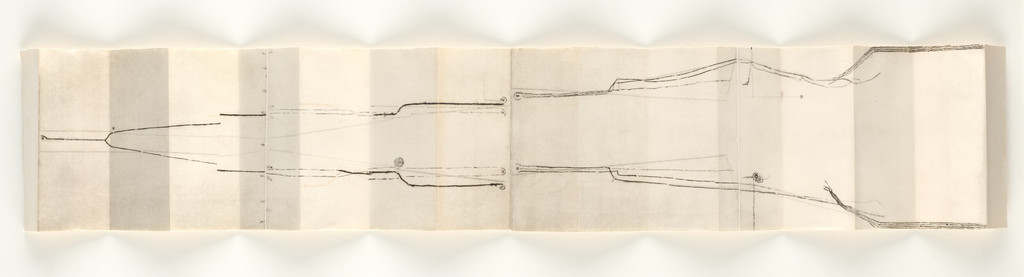
Autobiography of a Line (Autobiografía de una línea)
Gego (Gertrud Goldschmidt)
1964–65
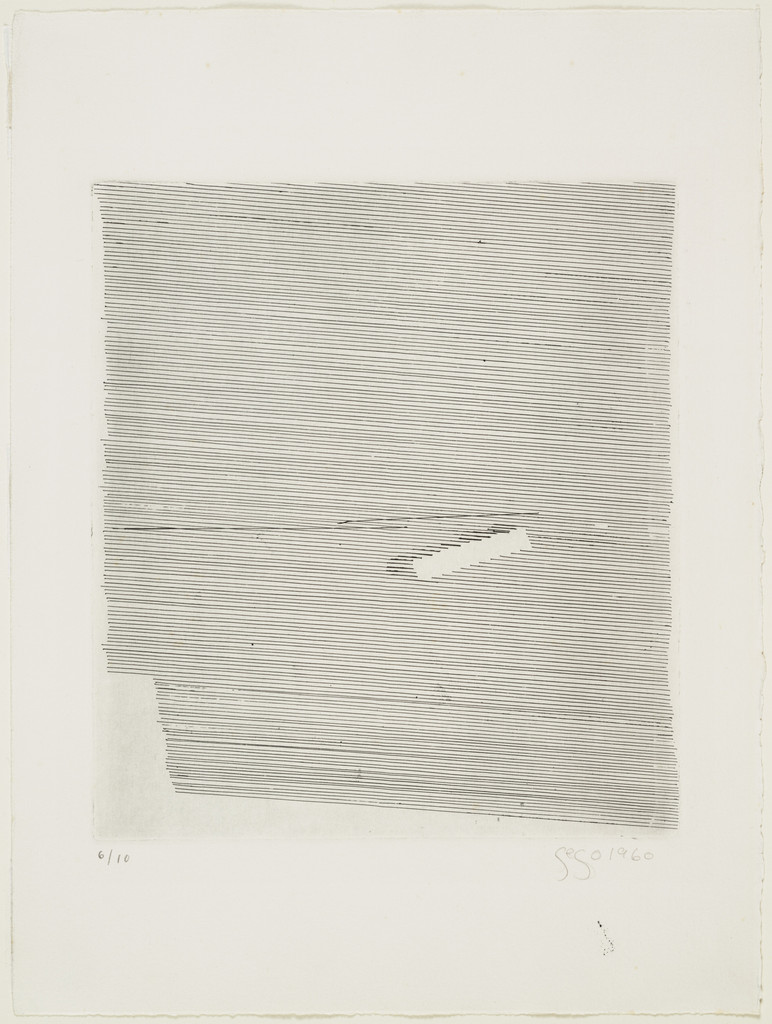
Balance
Gego (Gertrud Goldschmidt)
1960
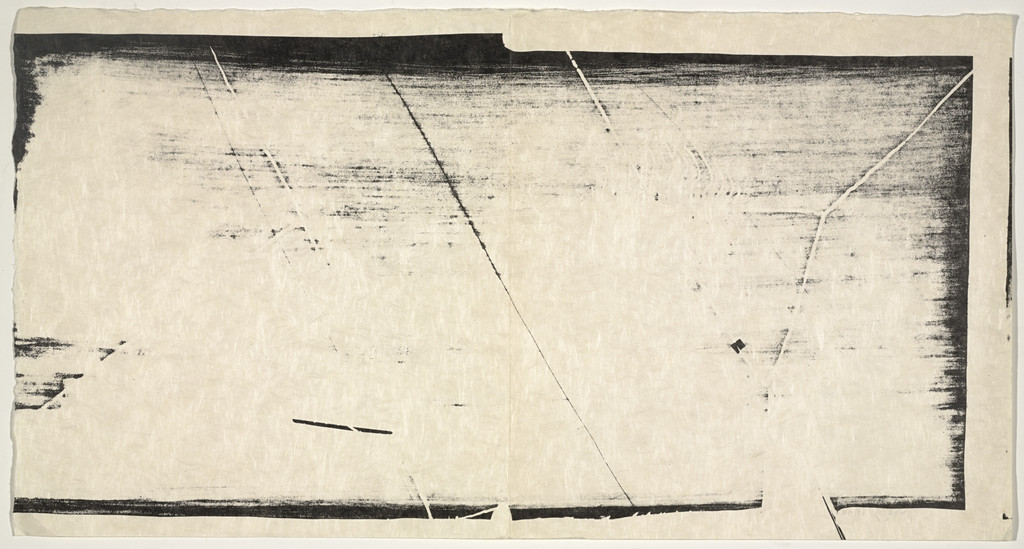
Cover from an untitled portfolio
Gego (Gertrud Goldschmidt)
1966
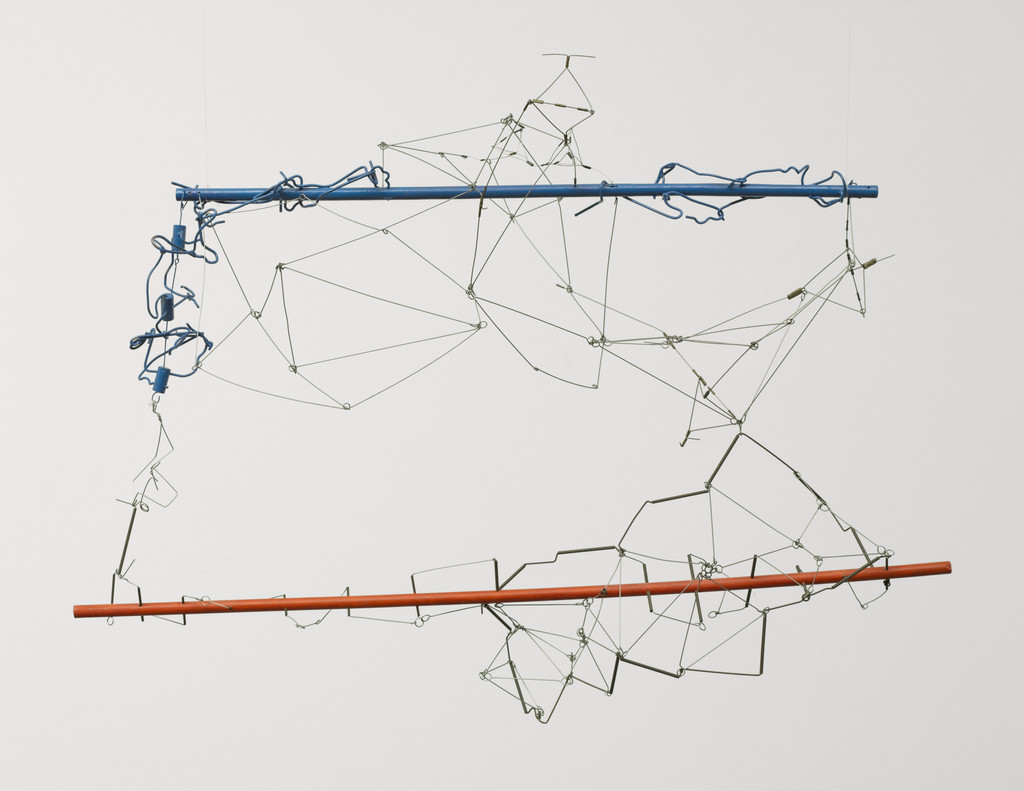
Drawing without Paper 84/25 and 84/26
Gego (Gertrud Goldschmidt)
1987
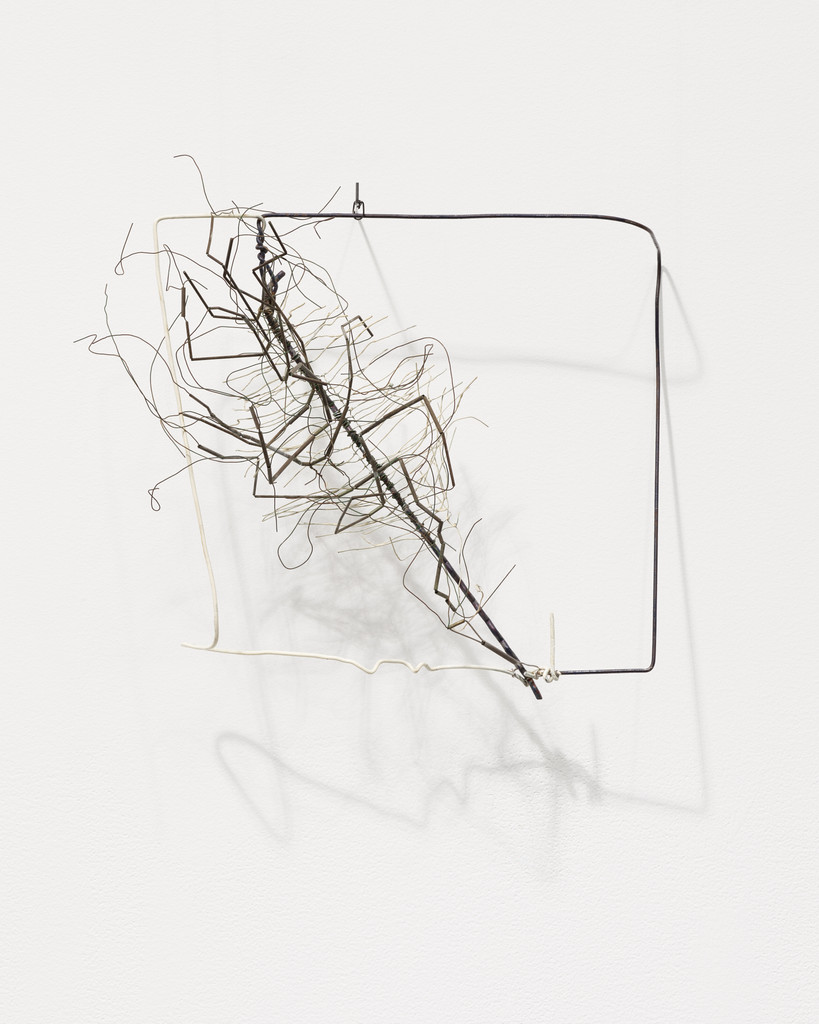
Drawing without Paper 85/19
Gego (Gertrud Goldschmidt)
1985
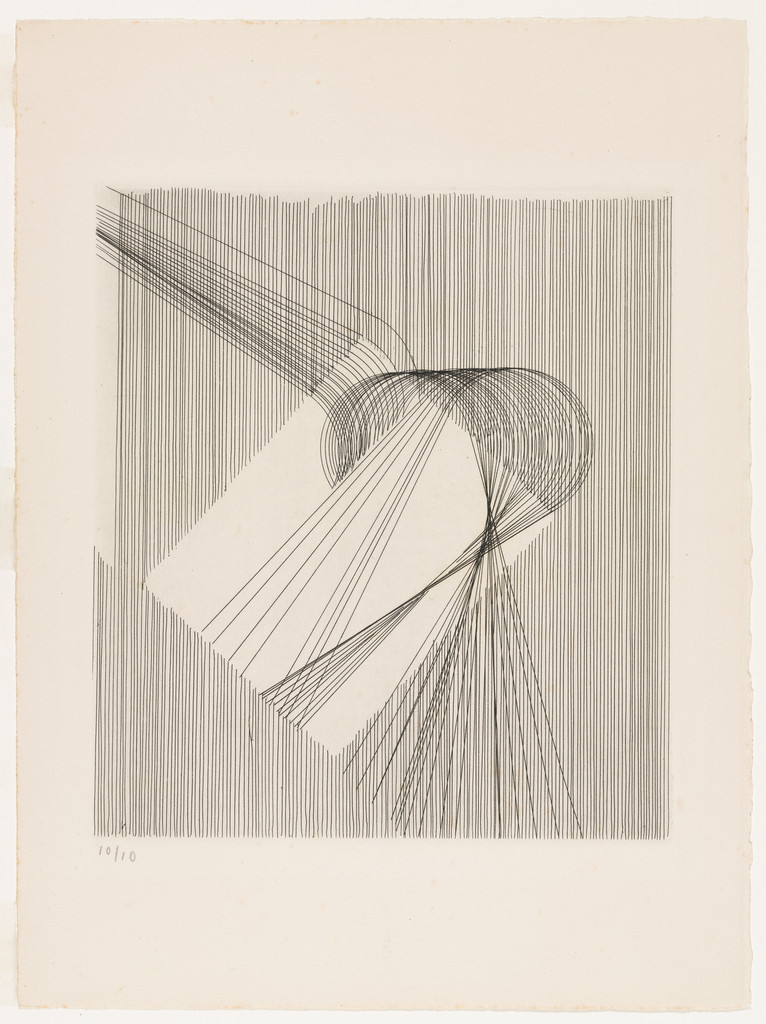
Dynamic Movement (Movimiento dinámico)
Gego (Gertrud Goldschmidt)
1960
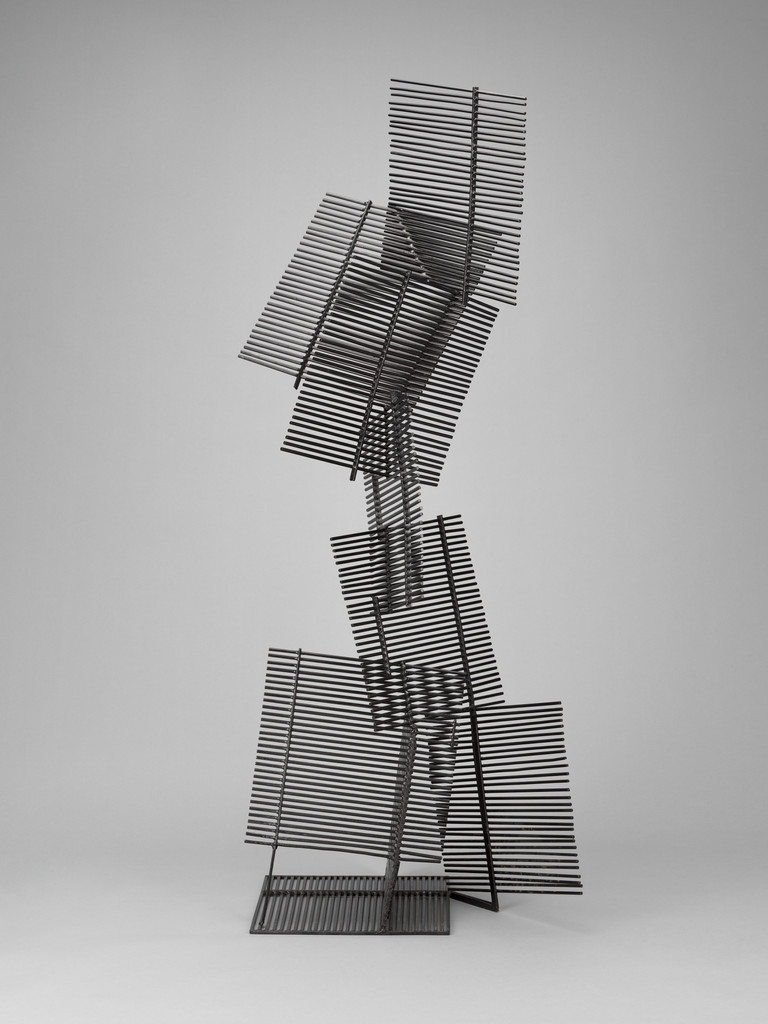
Eight Squares
Gego (Gertrud Goldschmidt)
1961
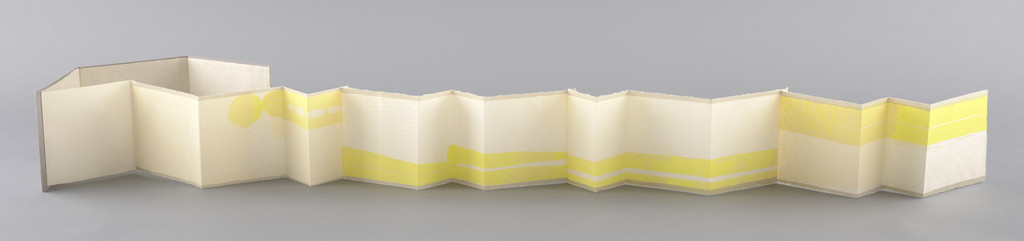
Folded Lithograph (Litografía plegada)
Gego (Gertrud Goldschmidt)
1966
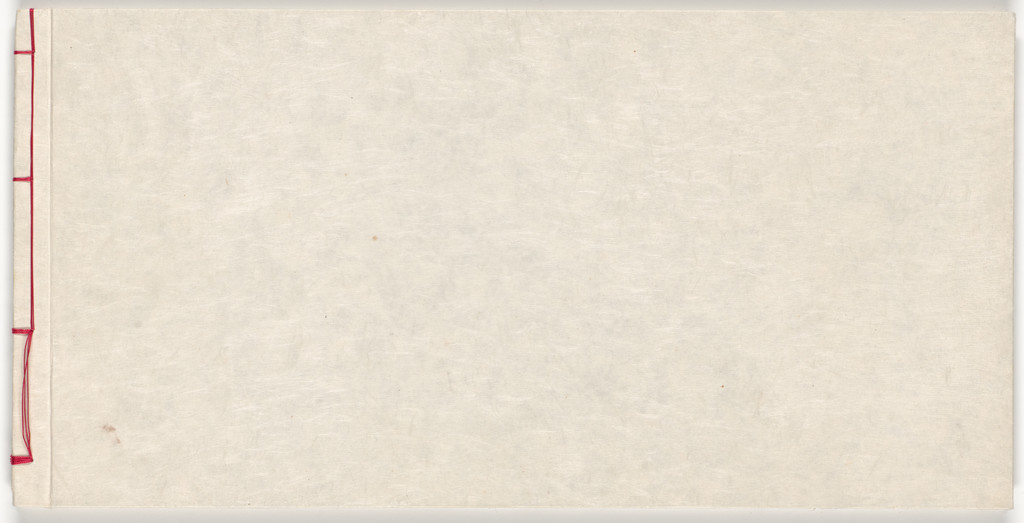
Lines
Gego (Gertrud Goldschmidt)
1966
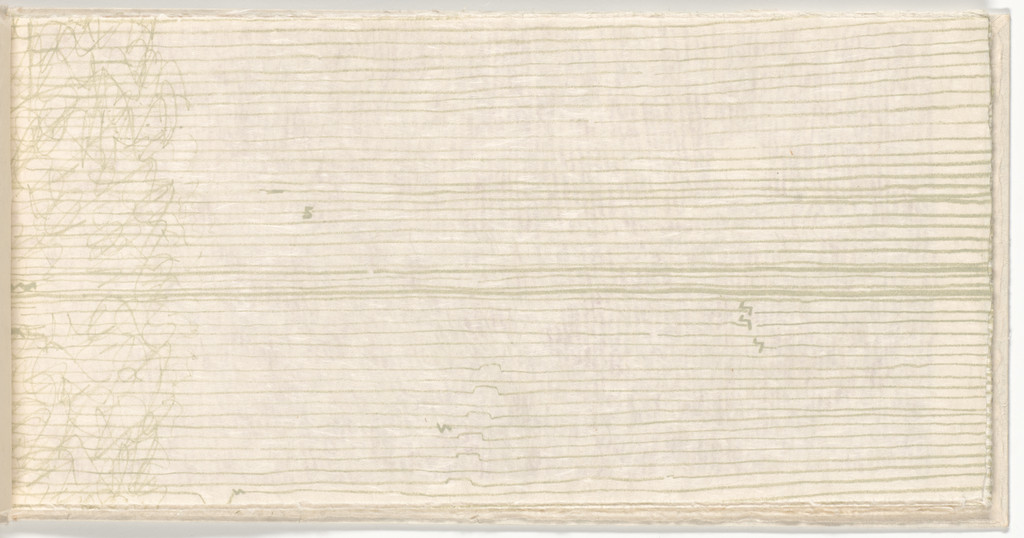
Lines I (folio 3) from Lines
Gego (Gertrud Goldschmidt)
1966
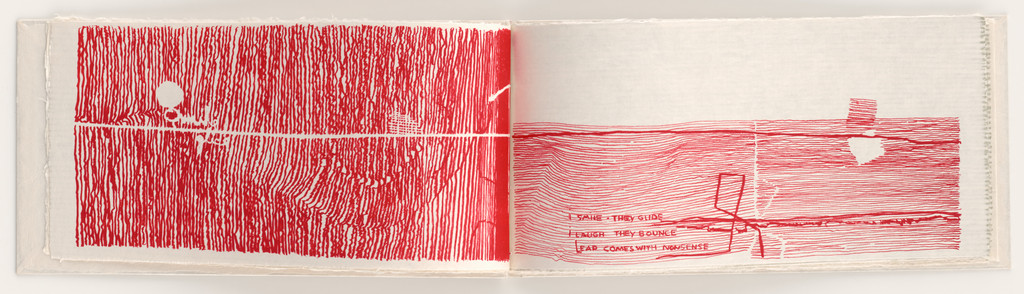
Lines II (folio 3 verso) from Lines
Gego (Gertrud Goldschmidt)
1966
Lines III (folio 4) from Lines
Gego (Gertrud Goldschmidt)
1966
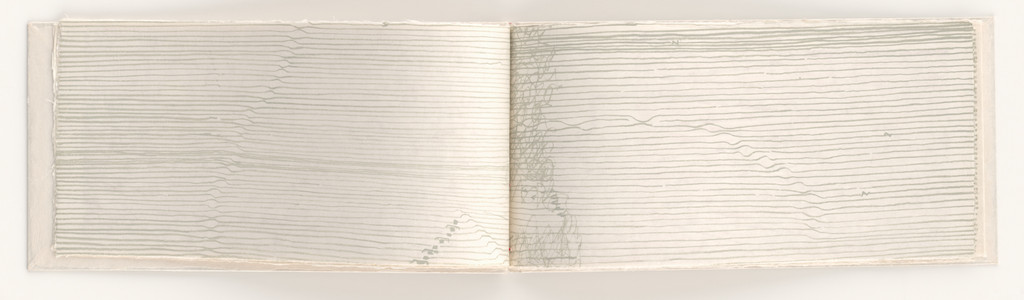
Lines IV (folio 4 verso) from Lines
Gego (Gertrud Goldschmidt)
1966
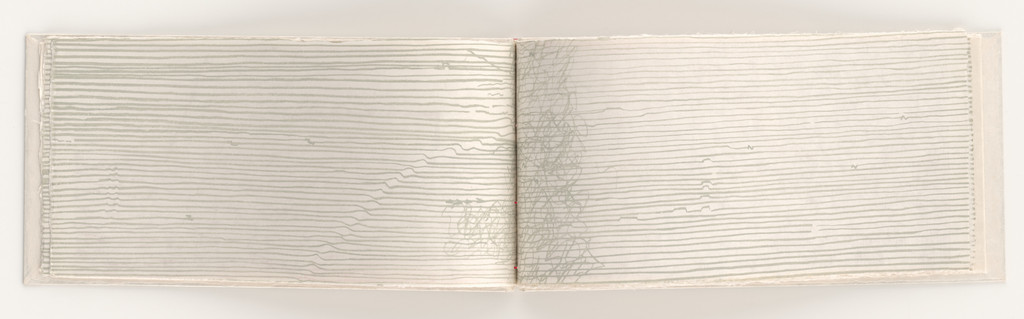
Lines IX (folio 7) from Lines
Gego (Gertrud Goldschmidt)
1966
Lines V (folio 5) from Lines
Gego (Gertrud Goldschmidt)
1966
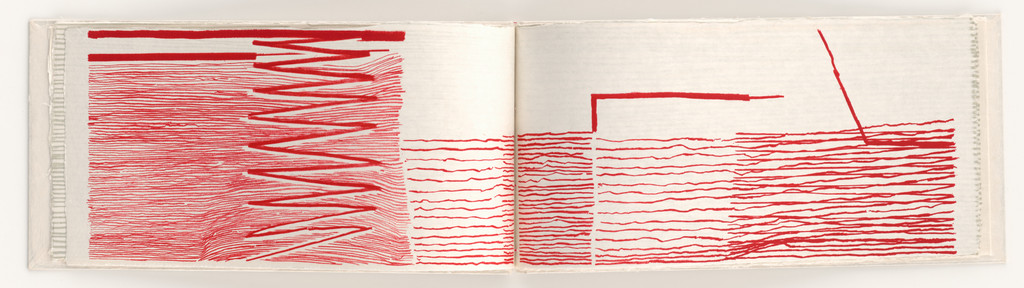
Lines VI (folio 5 verso) from Lines
Gego (Gertrud Goldschmidt)
1966
Lines VII (folio 6) from Lines
Gego (Gertrud Goldschmidt)
1966
Lines VIII (folio 6 verso) from Lines
Gego (Gertrud Goldschmidt)
1966
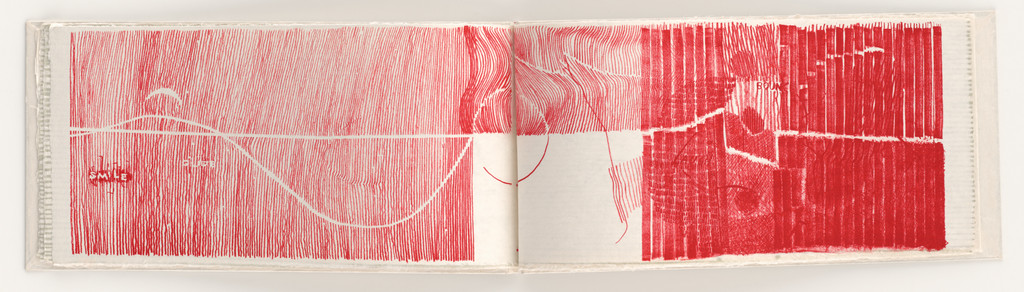
Lines X(folio 7 verso) from Lines
Gego (Gertrud Goldschmidt)
1966
Lines XI (folio 8) from Lines
Gego (Gertrud Goldschmidt)
1966
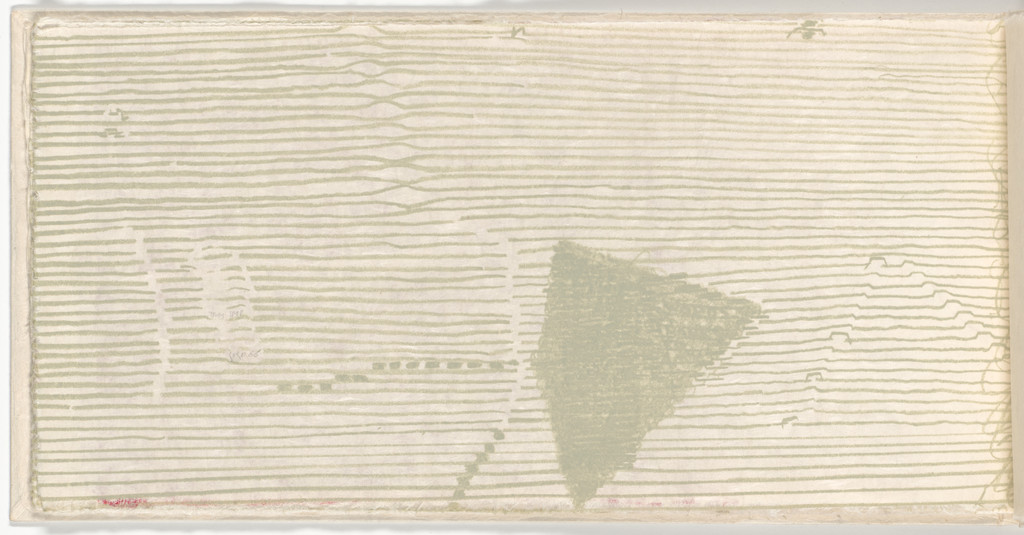
Lines XII (folio 8 verso) from Lines
Gego (Gertrud Goldschmidt)
1966
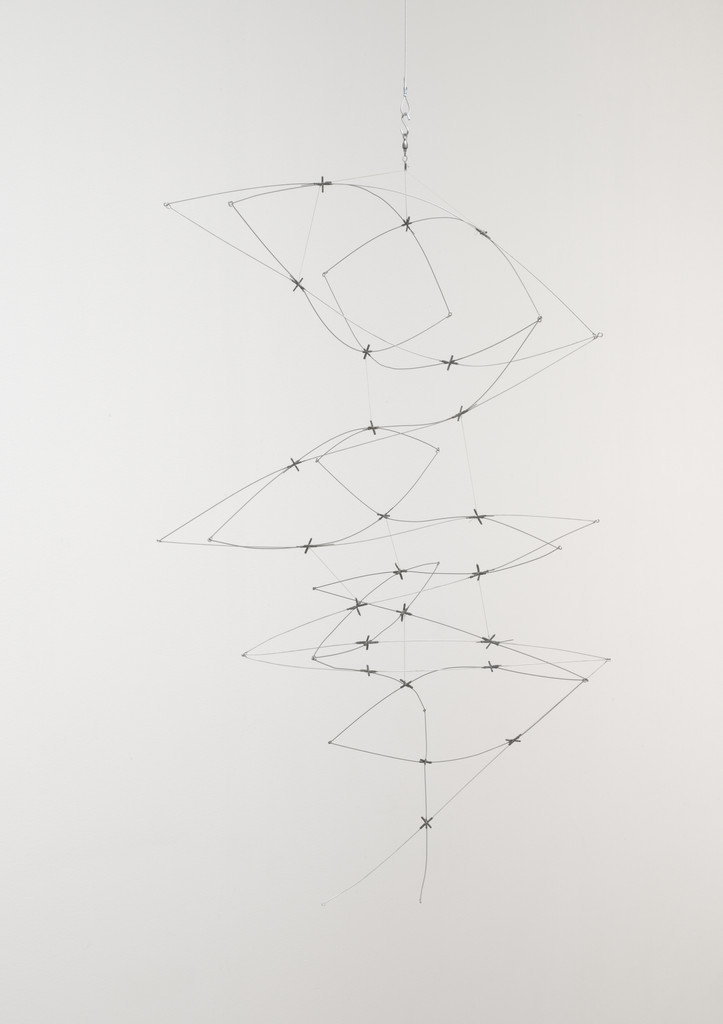
Reticularea 1973-1976
Gego (Gertrud Goldschmidt)
1975
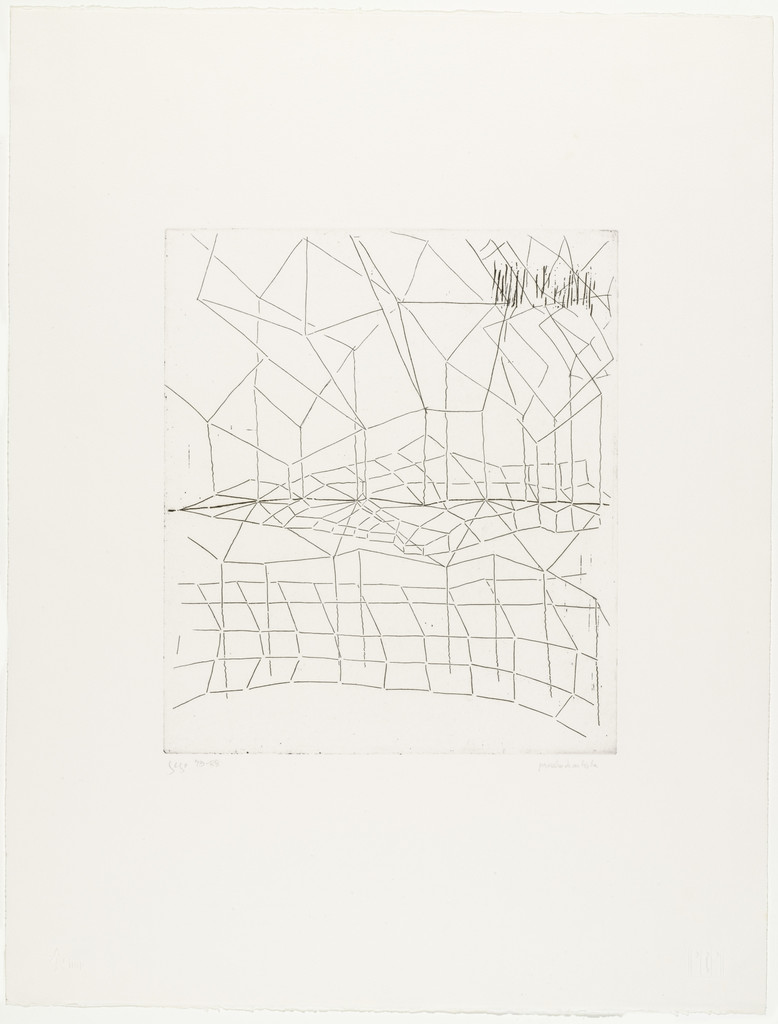
Reticulárea
Gego (Gertrud Goldschmidt)
1973, printed 1988
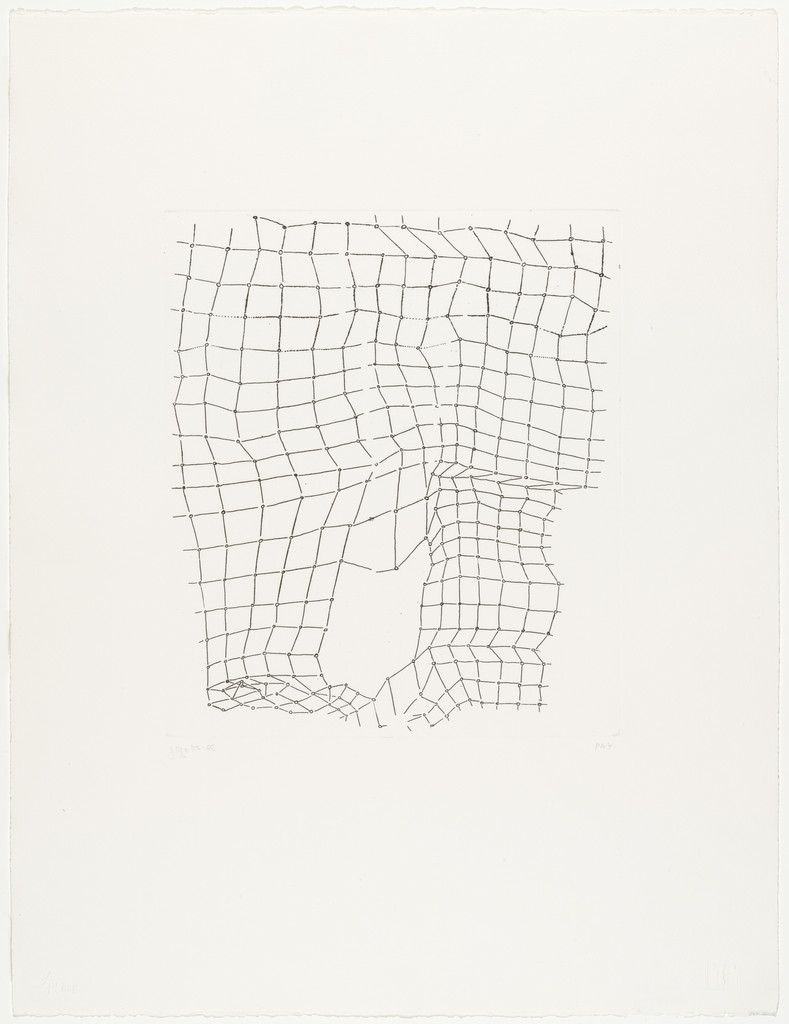
Reticulárea
Gego (Gertrud Goldschmidt)
1973, printed 1988
Exhibitions
4 exhibitionsDec 21, 1960 – Feb 05, 1961
Recent Acquisitions
222 artists · 3 curators
Feb 25, 1965 – Apr 25, 1965
The Responsive Eye
95 artists · 1 curator
Mar 17, 1967 – Jun 04, 1967
Latin-American Art, 19311966, from the Museum Collection
37 artists · 2 curators
May 10, 1974 – Aug 11, 1974
Printed, Cut, Folded, and Torn
32 artists · 1 curator