
“An abstract painting is an argument drawn to conclusion.” — John D. Graham
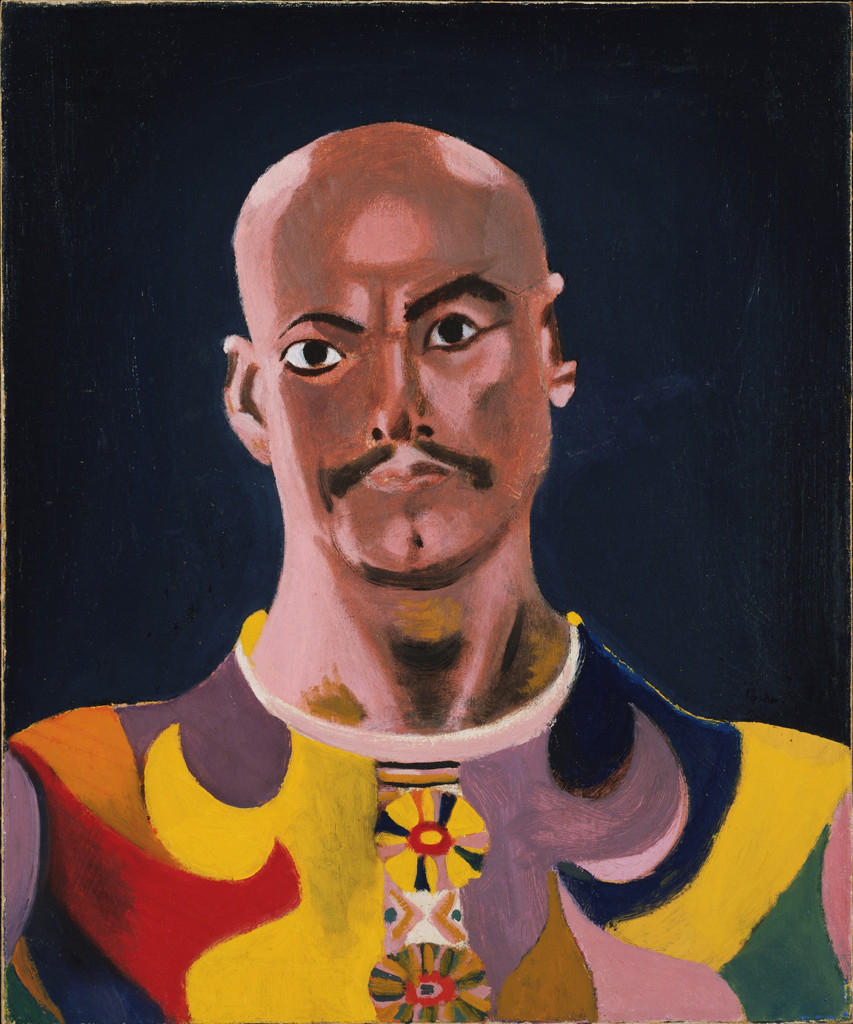
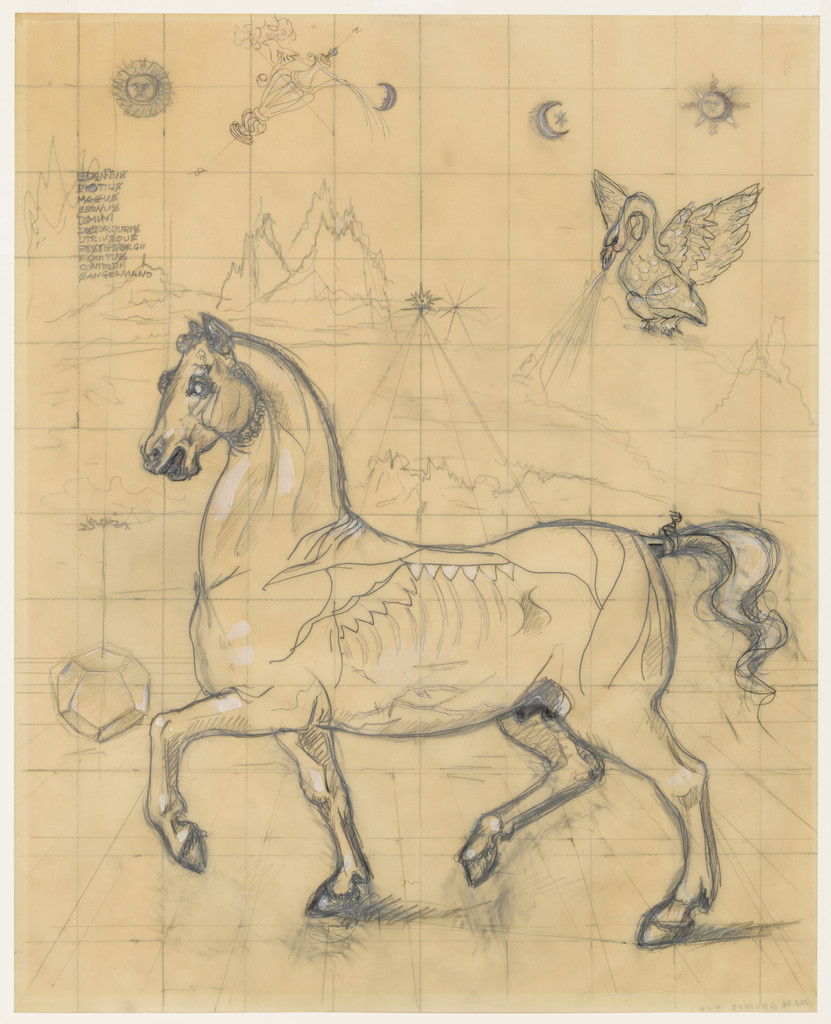
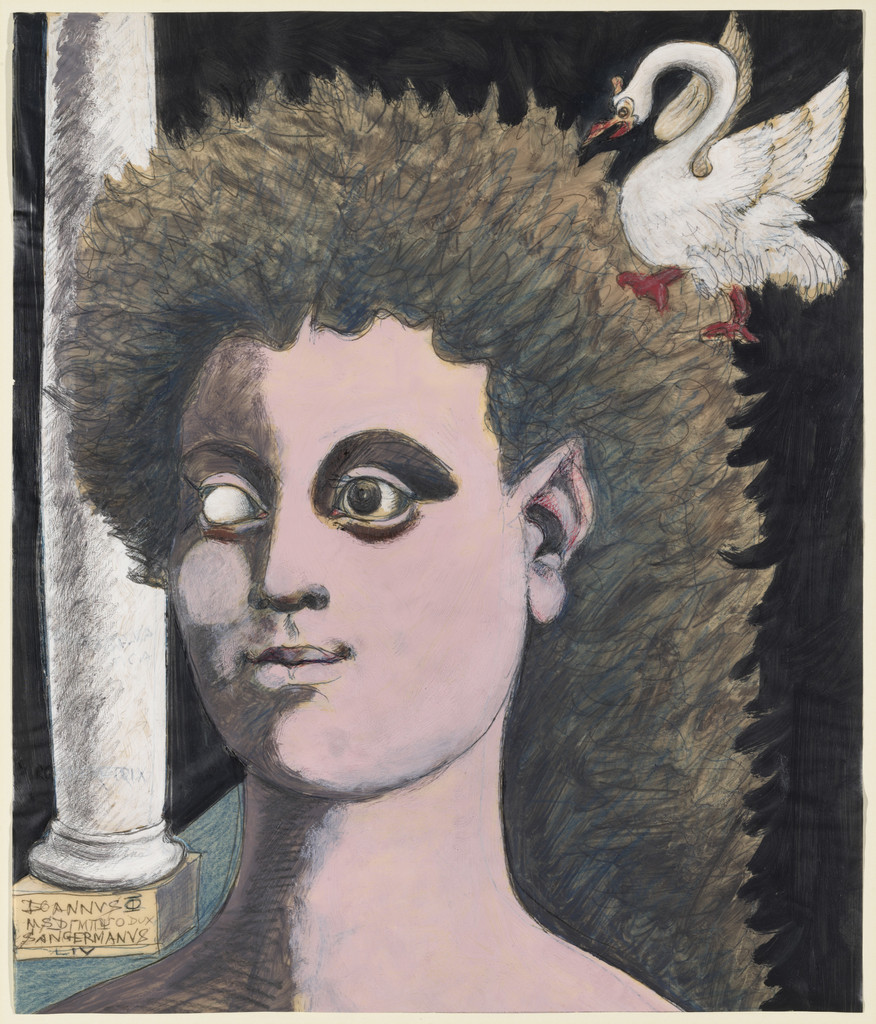
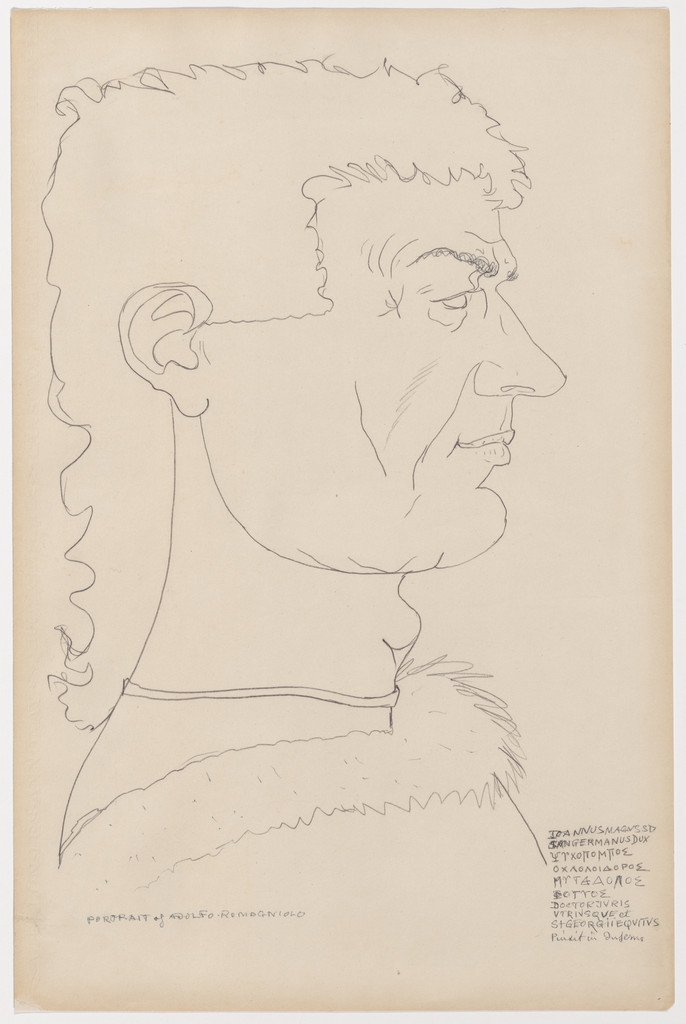
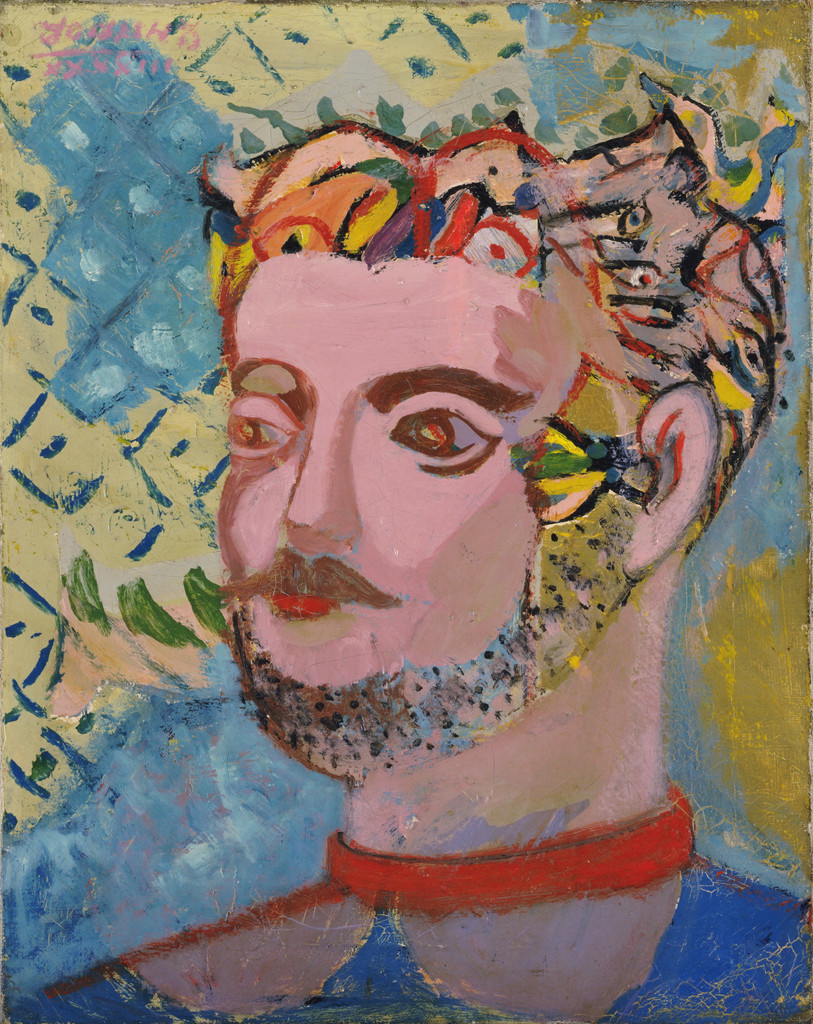
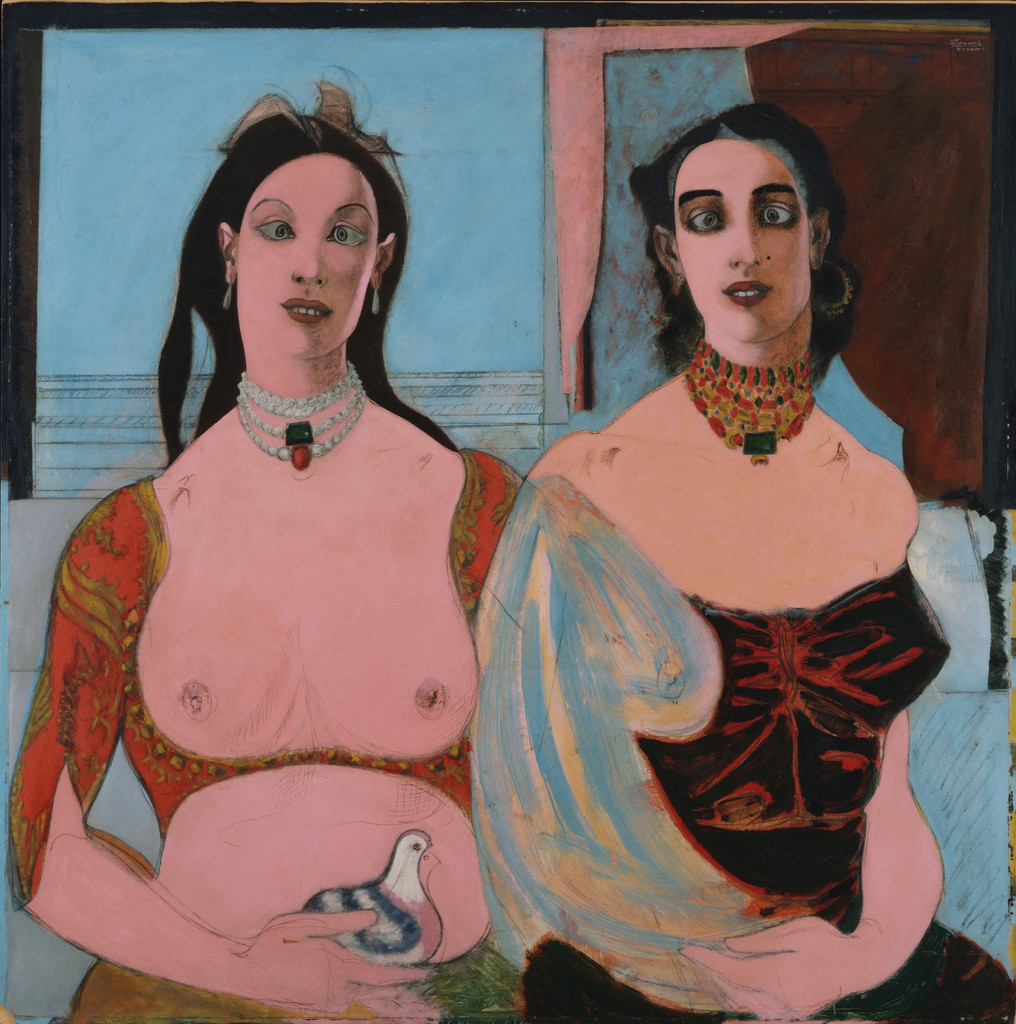
“My paintings have more tension than Raphael,” wrote John D. Graham, “but, then, I live in a more tense age.” A key figure in the New York art world in the mid-20th century, Graham—an artist, writer, collector, and advocate—was born Ivan Gratianovich Dombrowski in 1886 to an aristocratic family in Kiev. There, he studied law and then served as a cavalry officer under Czar Nicholas II during World War I. Briefly imprisoned after the Russian Revolution, he fled to Warsaw upon his release and later joined the counter-revolutionaries in Crimea. When the resistance efforts collapsed there, he obtained a passport for the United States, arriving in New York with his second wife in 1920. Graham began his first formal art training at the Art Students League in Manhattan. There he studied with John Sloan, a figurative painter associated with the Ashcan School, and quickly gained attention for his paintings after leaving art school in 1924; during a brief stint in Baltimore shortly thereafter, he became acquainted with the collector Duncan Phillips, who gave him his first American solo exhibition at his Washington, DC, gallery in 1929. He officially adopted the name John D. Graham upon becoming a United States citizen in 1927. Throughout the 1930s, Graham painted in a primarily abstract Cubist style and also worked as a curator, helping to develop a collection of African art for Vanity Fair magazine editor Frank Crowinshield. (Graham would go on to collect traditional African art himself, eventually developing a portion of his studio at 57 Greenwich Avenue into what he called the “Primitive Arts Gallery.”) During this period, he befriended then-little-known artists Arshile Gorky, David Smith, Dorothy Dehner, and Willem de Kooning, among others, and championed their work. He frequently traveled to Paris and had ties to many artists working there; in this way he served as a crucial conduit between the European and American avant-gardes. In 1937, Graham published a book on aesthetics, titled System and Dialectics of Art, in which he defined art as “a creative process of abstracting” from nature in order to reveal the essence of things, and advocated for the importance of delving into the unconscious mind for inspiration. An articulation of the ideas that he and his modernist artist friends were discussing in bars and each other’s studios across the city, this text was widely read by artists—notably, Jackson Pollock—who would come to be associated with the so-called New York School, or Abstract Expressionism. Despite his crucial influence on American abstract art at midcentury, Graham abandoned abstraction in the 1940s in favor of a figurative approach drawn from the Italian Renaissance and French Neoclassicism. He turned first to portraits of Russian soldiers and self-portraits (often in a harlequin’s costume), and, by the mid-1940s, to large portraits of seated women with crossed eyes, all rendered in a signature modernist style characterized by a flatness and compressed sense of space. For Graham, the crossed eyes were a formal device, rather than an expressive one, allowing him to anchor space to a fixed point and create more tension in his compositions. In his late work, Graham incorporated iconography from alchemy, astrology, and the occult into his paintings and drawings. A longtime practitioner of yoga and a self-proclaimed mystic, he readily adapted signs and symbols into his visual vocabulary.
Note: Opening quote is from Graham, John, and Marcia Allentuck, System and Dialectics of Art (Baltimore: Johns Hopkins Press, 1971), 106.
Cara Manes, Associate Curator, Department of Painting and Sculpture, 2022
Works in Collection
8 works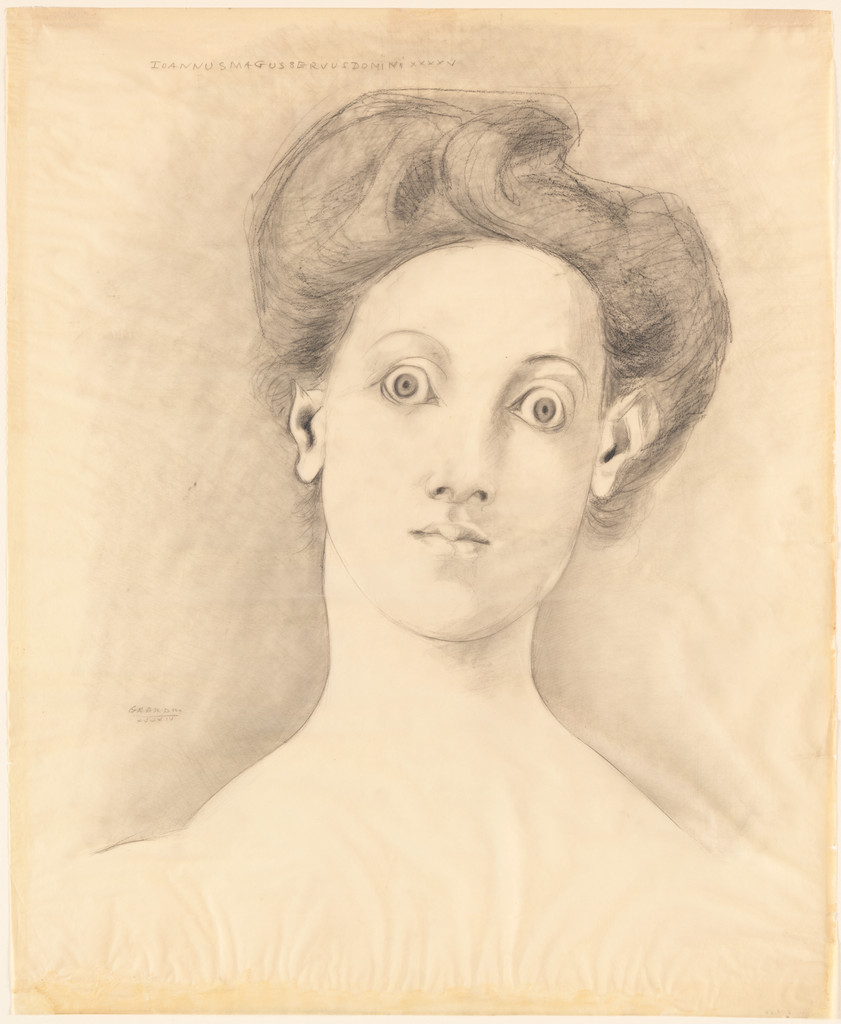
Exhibitions
16 exhibitionsAug 04, 1941 – Oct 15, 1941
Techniques of Painting
16 artists
Mar 15, 1949 – Apr 17, 1949
The 28th Annual Exhibition of Advertising and Editorial Art of the New York Art Directors Club
295 artists
Feb 16, 1965 – Apr 25, 1965
Recent Acquisitions: Painting and Sculpture
87 artists
Aug 02, 1966 – Oct 02, 1966
20 Drawings: New Acquisitions
20 artists · 1 curator
Oct 31, 1966 – May 08, 1967
Drawings from the Museum Collection
53 artists
Jun 26, 1967 – Nov 22, 1967
Drawings: Recent Acquisitions
45 artists
Aug 13, 1968 – Oct 13, 1968
John Graham
1 artist · 1 curator
May 11, 1971 – Oct 19, 1971
A Selection of Drawings and Watercolors from the Museum Collection
58 artists · 1 curator
Jul 28, 1971 – Nov 01, 1971
Ways of Looking
132 artists · 1 curator
Mar 01, 1972 – May 29, 1972
Drawn in America
44 artists · 1 curator
Mar 07, 1973 – Jun 04, 1973
Works on Paper
58 artists
Dec 27, 1973 – Feb 24, 1974
Portraits
47 artists · 1 curator
Mar 28, 1974 – Apr 28, 1974
Recent Acquisition: Painting and Sculpture
4 artists · 1 curator
Aug 20, 1981 – Oct 06, 1981
Words and Pictures
49 artists · 1 curator
Oct 26, 1983 – Jan 03, 1984
The Modern Drawing: 100 Works on Paper from The Museum of Modern Art
81 artists · 1 curator
Jun 25, 1987 – Oct 13, 1987
Drawing since 1940
58 artists · 1 curator