“I had some wild concept that you could change space—which you can.” — Jan Groover
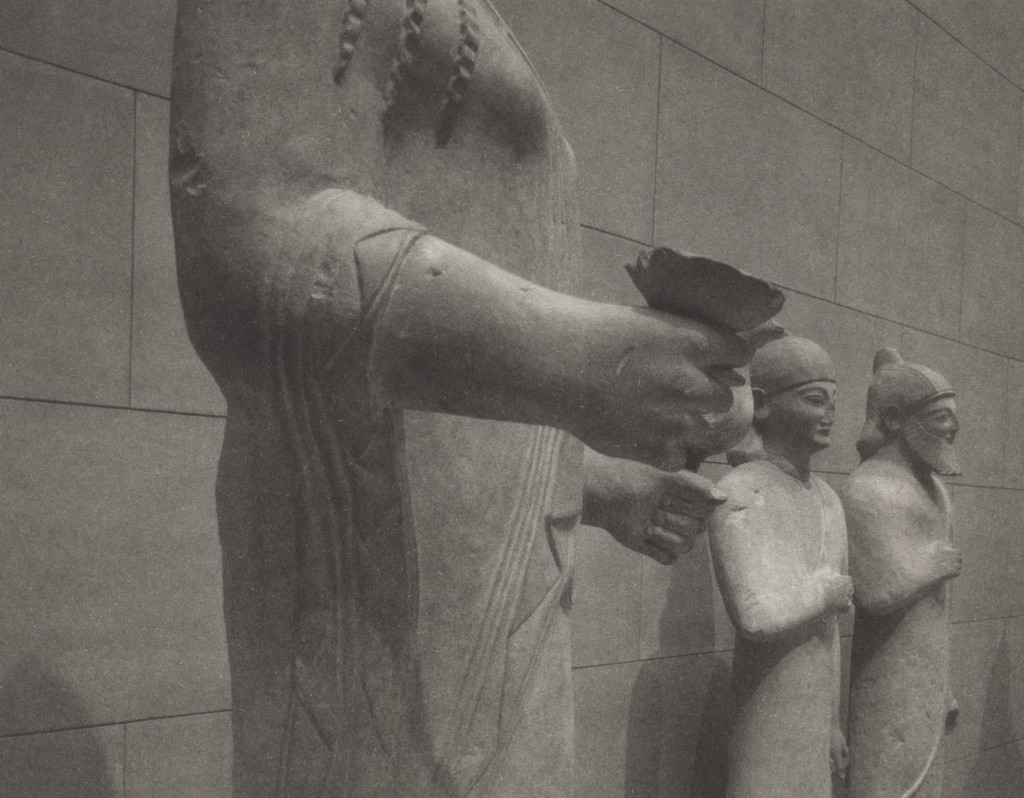
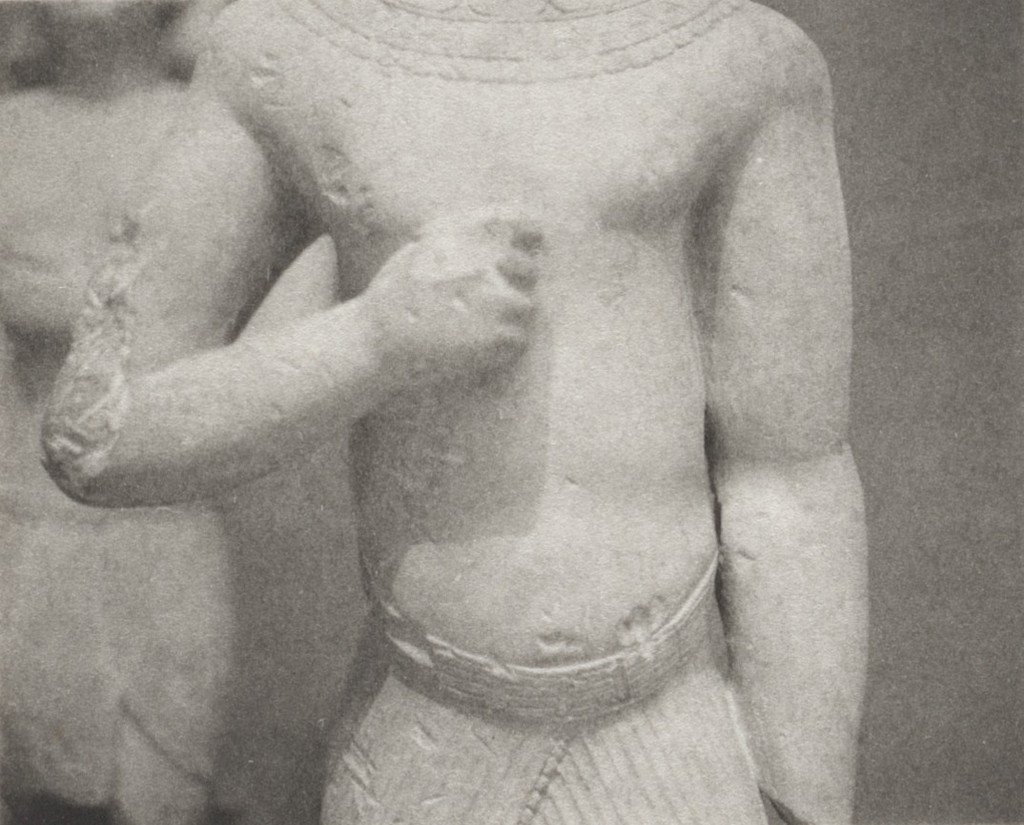
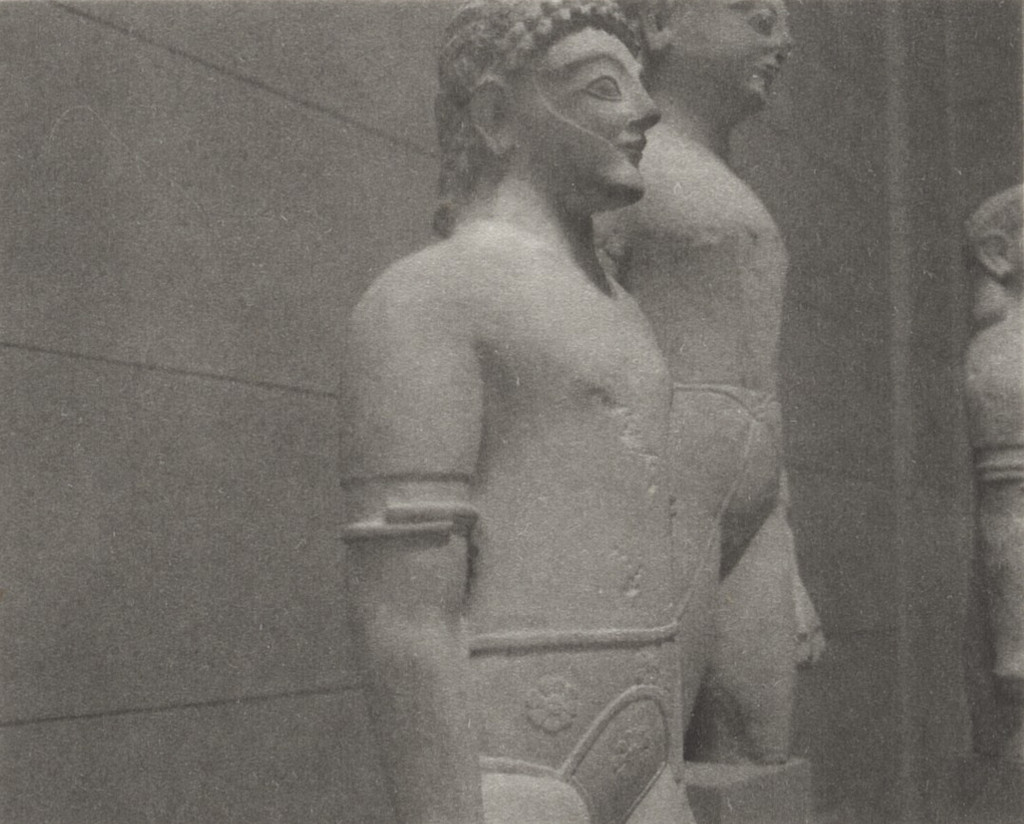
In the early 1970s, after years spent painting, artist Jan Groover turned to photography. “With photography I didn’t have to make things up,” she said, explaining the change of medium. “Everything was already there.” But Groover’s experience as a painter remains present: her photographs reference the histories of painting and photography. Some of her earliest photographic works are diptychs and triptychs, forms made popular in medieval and Renaissance art, though her street scene subjects are unquestionably more modern (moving cars passing by in a blur, suburban houses, and windows of empty storefronts). Groover’s primary focus—one that she returned to throughout her career—was the still life, a subject long practiced by painters. Her still lives evoke the work of Paul Cézanne and Giorgio Morandi, but her roots in minimalism are apparent, too. The carefully arranged tableaux of bottles, utensils, and various fruits and vegetables showcase Groover’s dedication to formal composition. The shadows, reflections, and the sumptuous colors of the staged objects and their surroundings create dramatic, mysterious scenes that leave us wondering whether the recognizable objects are actually figments of our imagination. It is also significant that Groover often made the choice to shoot color film. Early color photography pioneers of the 1970s were still trying to legitimize their place in the art world, and in the art market, which had traditionally valued black-and-white photographs over color. Many people at that time associated color work with commercial photography or with snapshots taken by amateurs, but Groover helped it to be recognized as art. On the occasion of Groover’s solo exhibition at MoMA in 1987, critic Andy Grundberg wrote in the New York Times, “In 1978 an exhibition of her dramatic still-life photographs of objects in her kitchen sink caused a sensation. When one appeared on the cover of Artforum magazine, it was a signal that photography had arrived in the art world—complete with a marketplace to support it.” In the late 1970s, Groover turned to the photographic method of platinum-palladium, a time-consuming black-and-white process that was popular a hundred years earlier, in the 1870s. This process had been made all but obsolete by faster, cheaper darkroom processes in the the wake of World War I. Groover’s return to this slower process added to her thoughtful arrangement of still life scenes, many of which she shot with large-format view cameras, which had also fallen into disuse with the innovation of more compact, lightweight cameras. In Groover’s photographs, every element is seemingly carefully controlled and constructed, including composition, lighting, and scale. Her deliberate constructions harken back to her painterly sensibilities, but her devotion to the medium of photography is equally apparent.
The research for this text was supported by a generous grant from The Modern Women's Fund.
Note: opening quote is from the 1994 documentary film Jan Groover: Tilting at Space, directed by Mark Trottenberg and produced by Tina Barney, and as quoted in Randy Kennedy, “Jan Groover, Postmodern Photographer, Dies at 68.” The New York Times, January 12, 2012. https://www.nytimes.com/2012/01/12/arts/design/jan-groover-postmodern-photographer-dies-at-68.html.
Jane Pierce, Carl Jacobs Foundation Research Assistant, Department of Photography
Works in Collection
78 works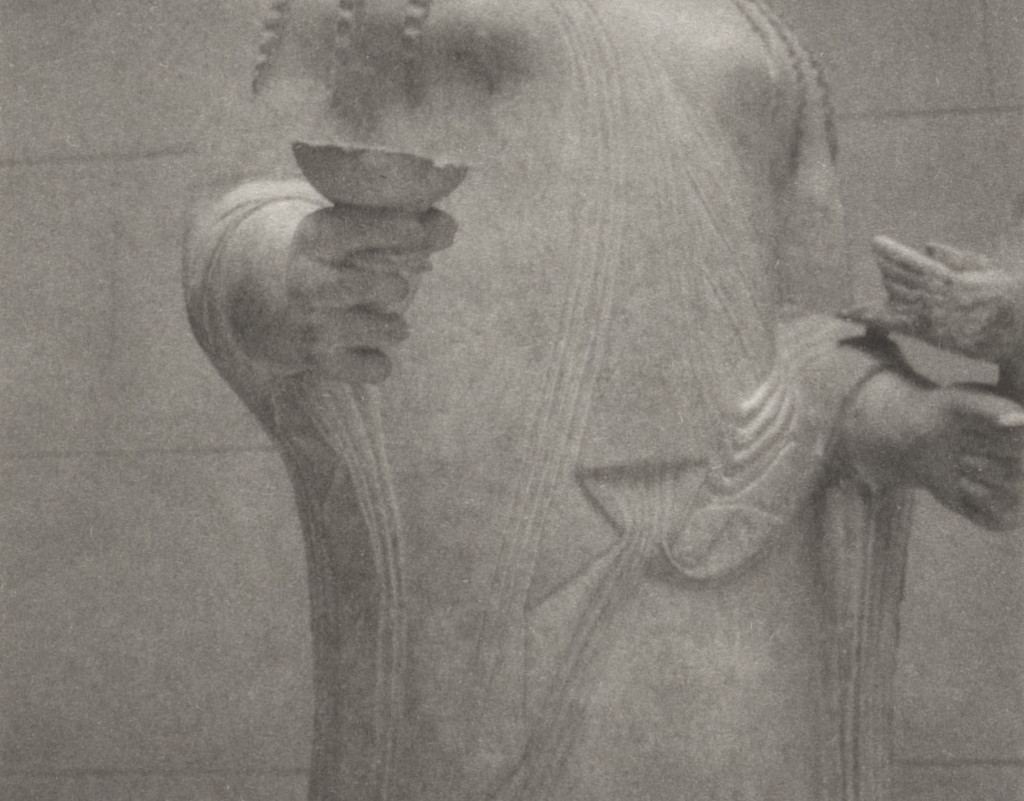
Greeks
Jan Groover
1984
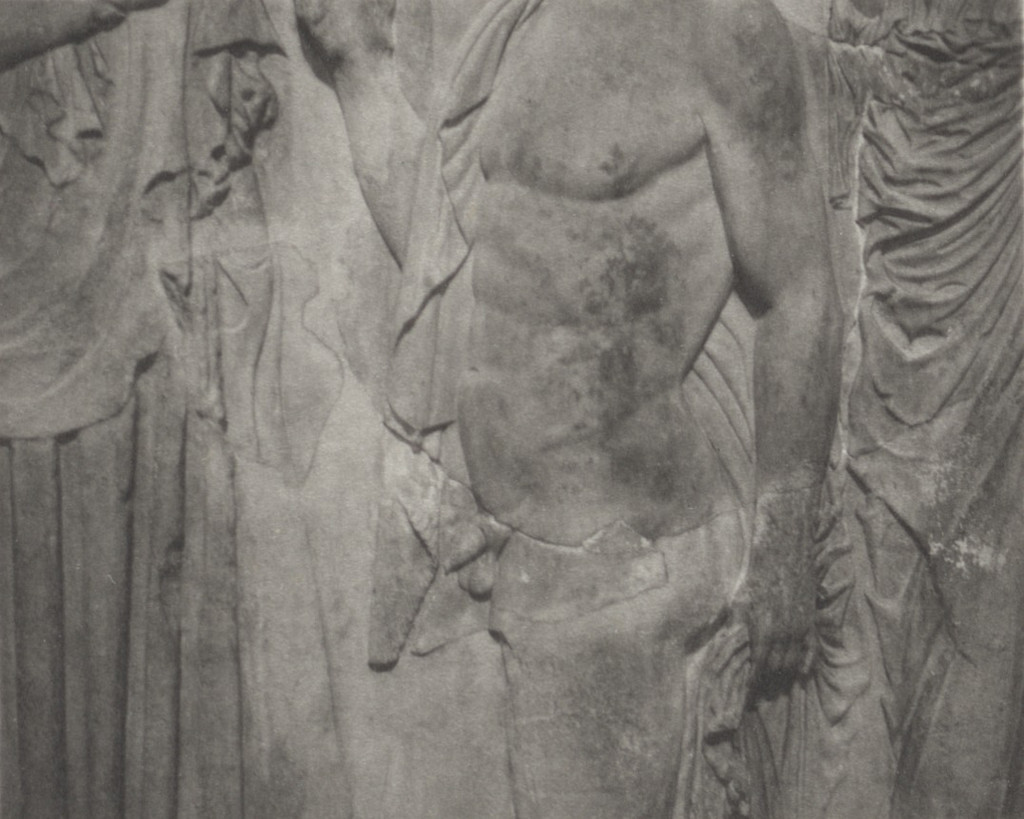
Greeks
Jan Groover
1984
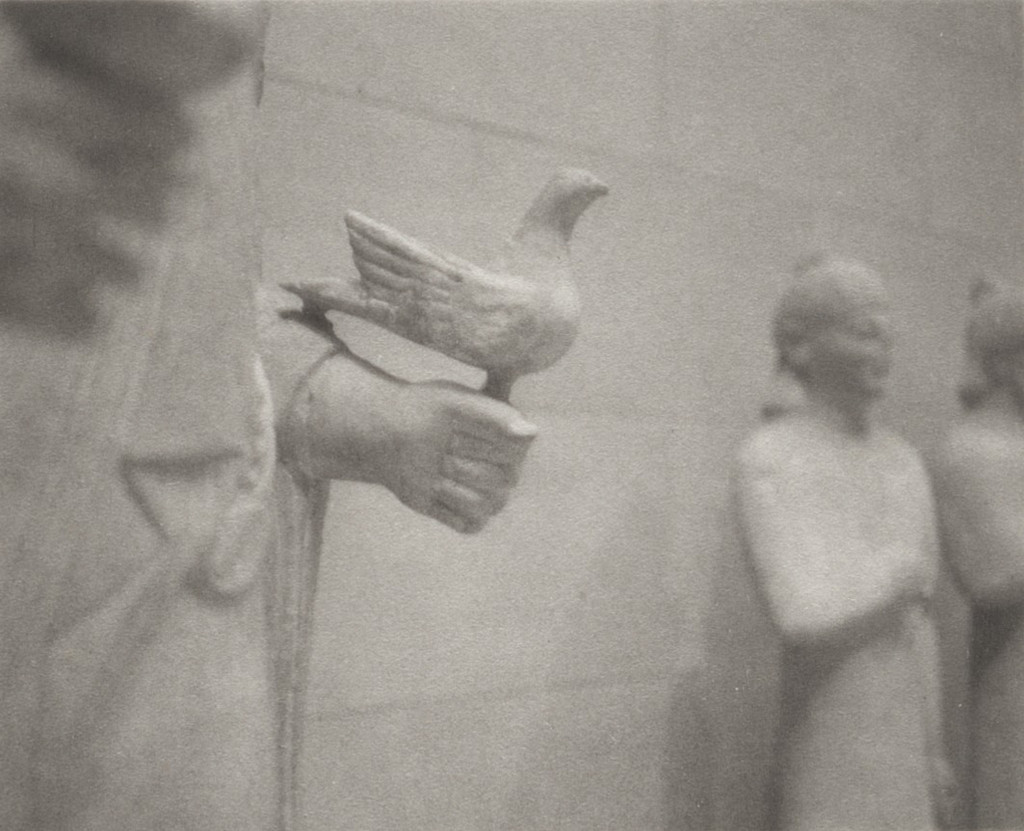
Greeks
Jan Groover
1984
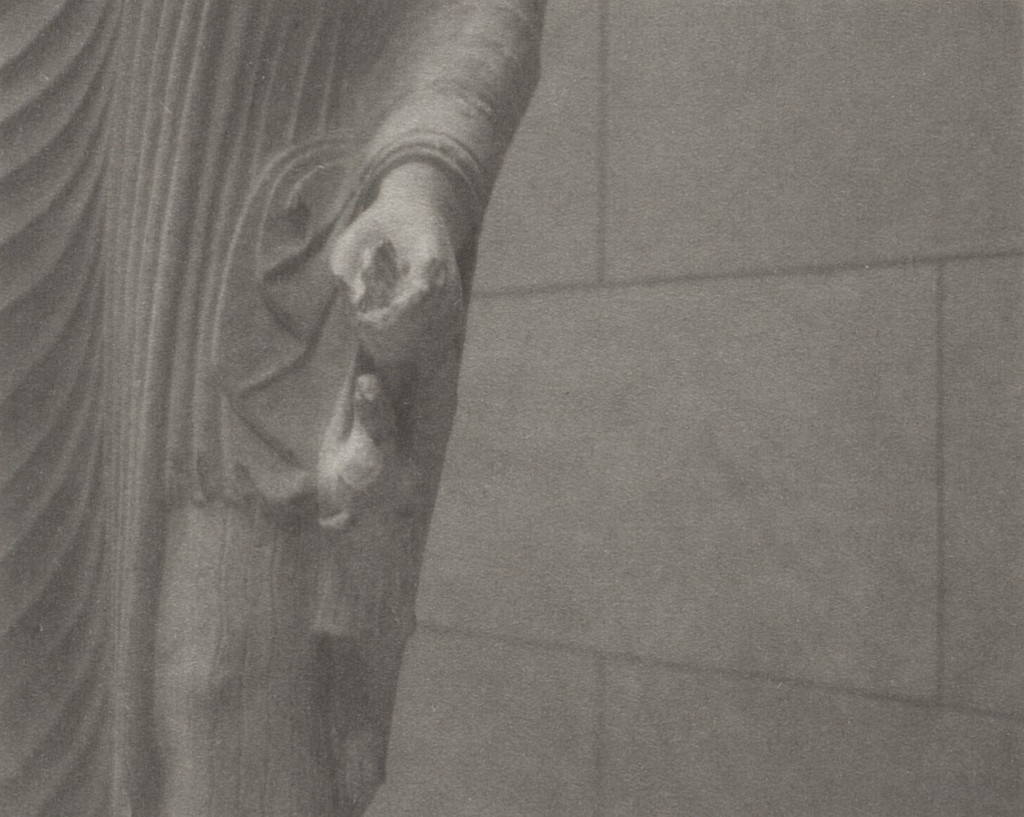
Greeks
Jan Groover
1984
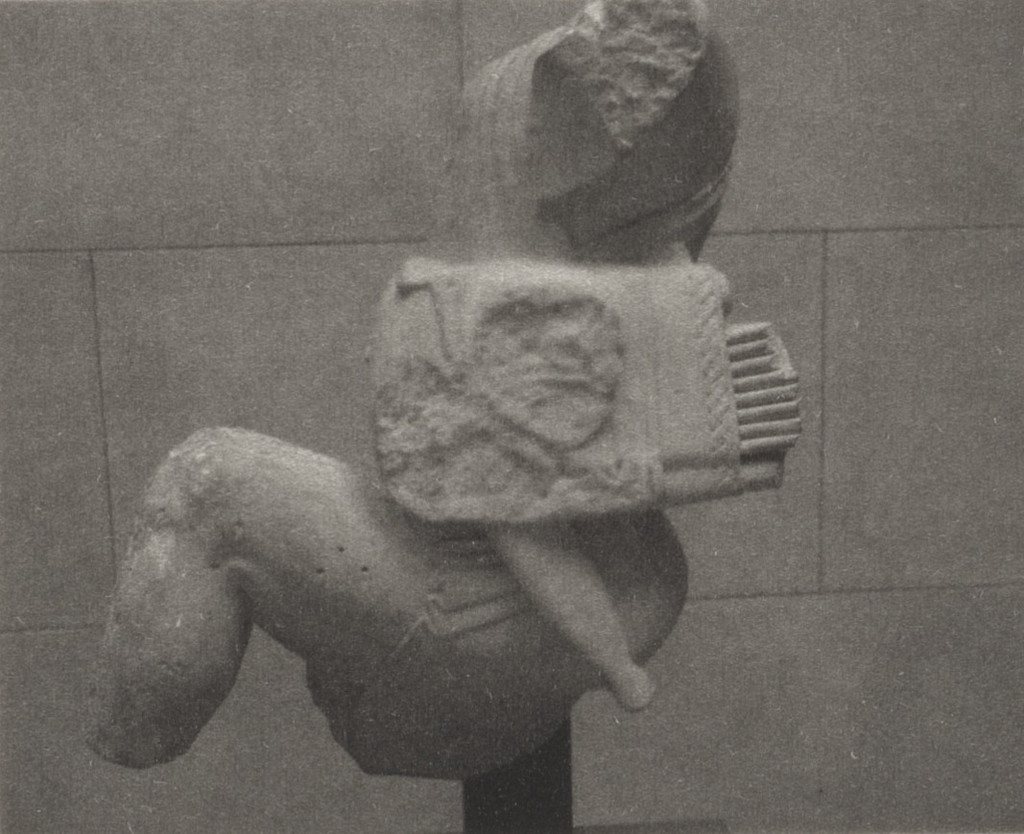
Greeks
Jan Groover
1984
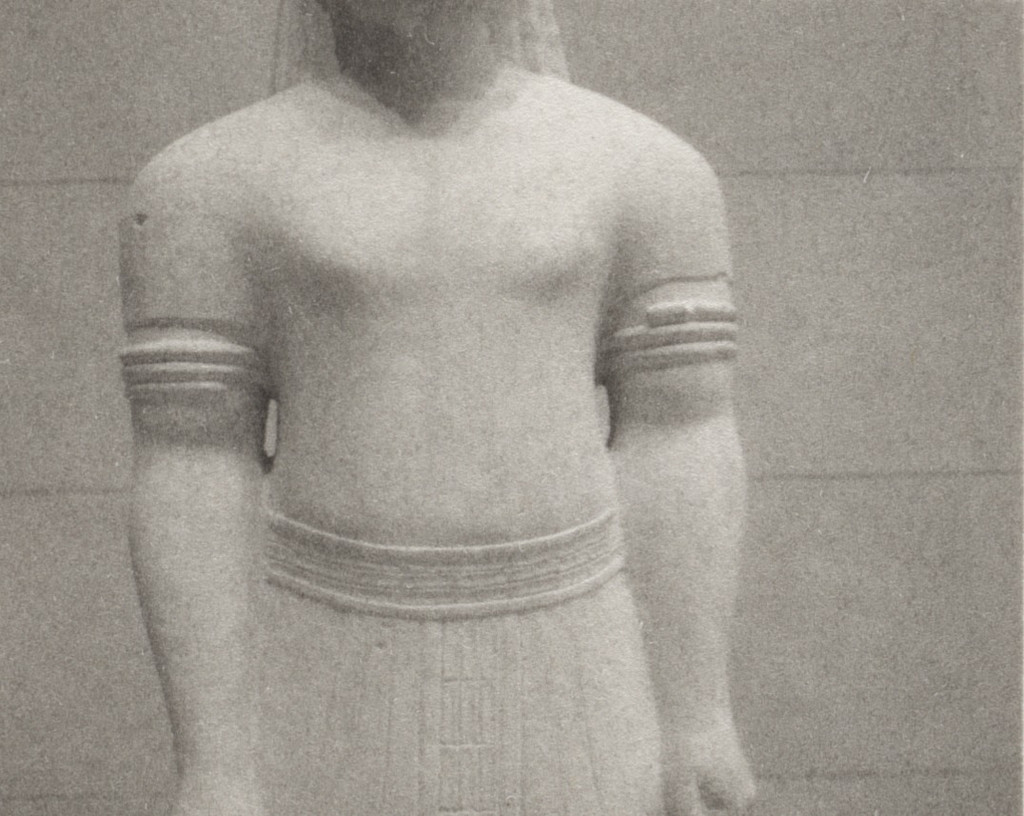
Greeks
Jan Groover
1984
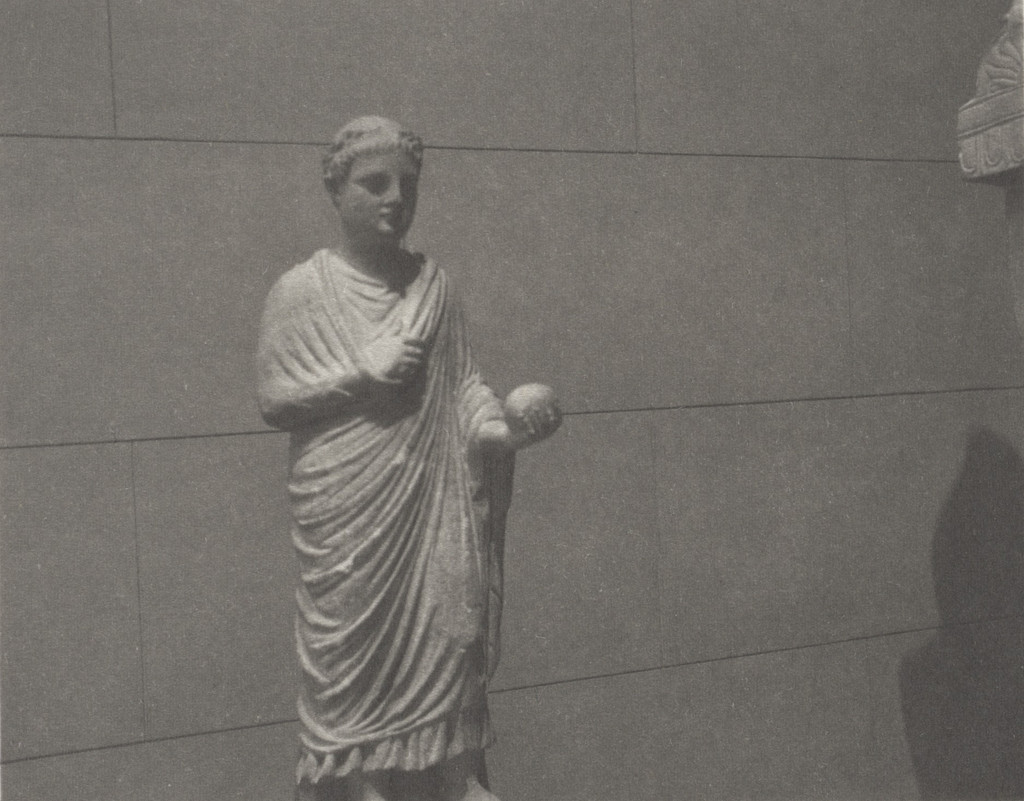
Greeks
Jan Groover
1984
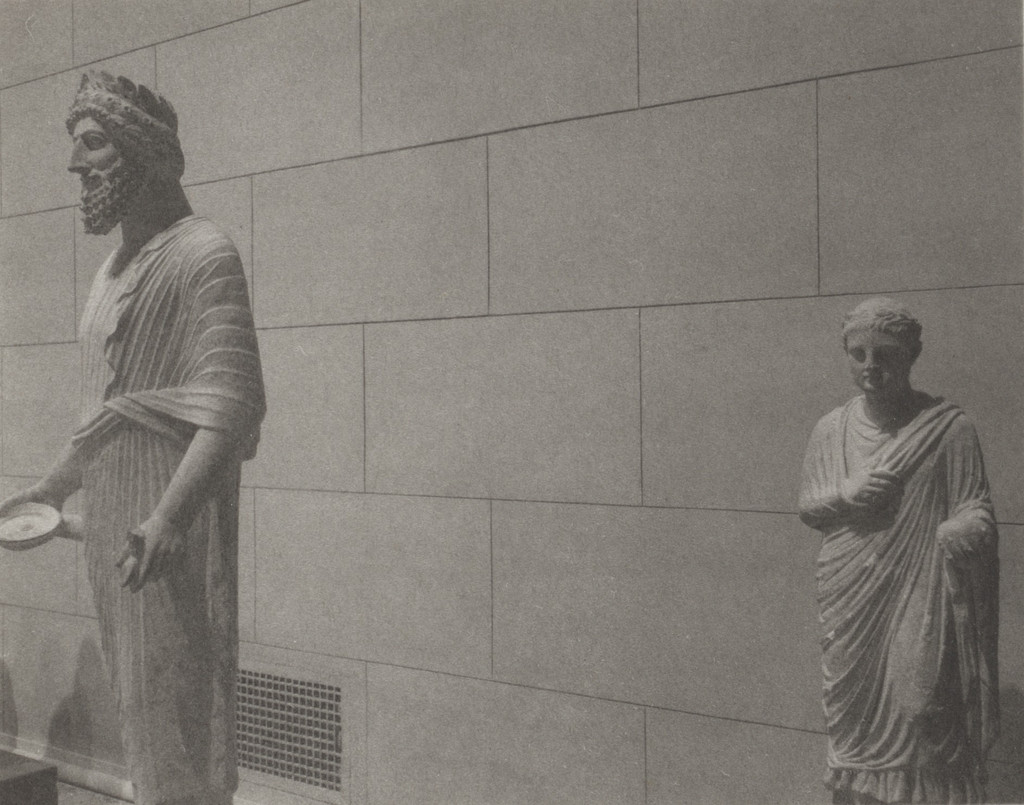
Greeks
Jan Groover
1984
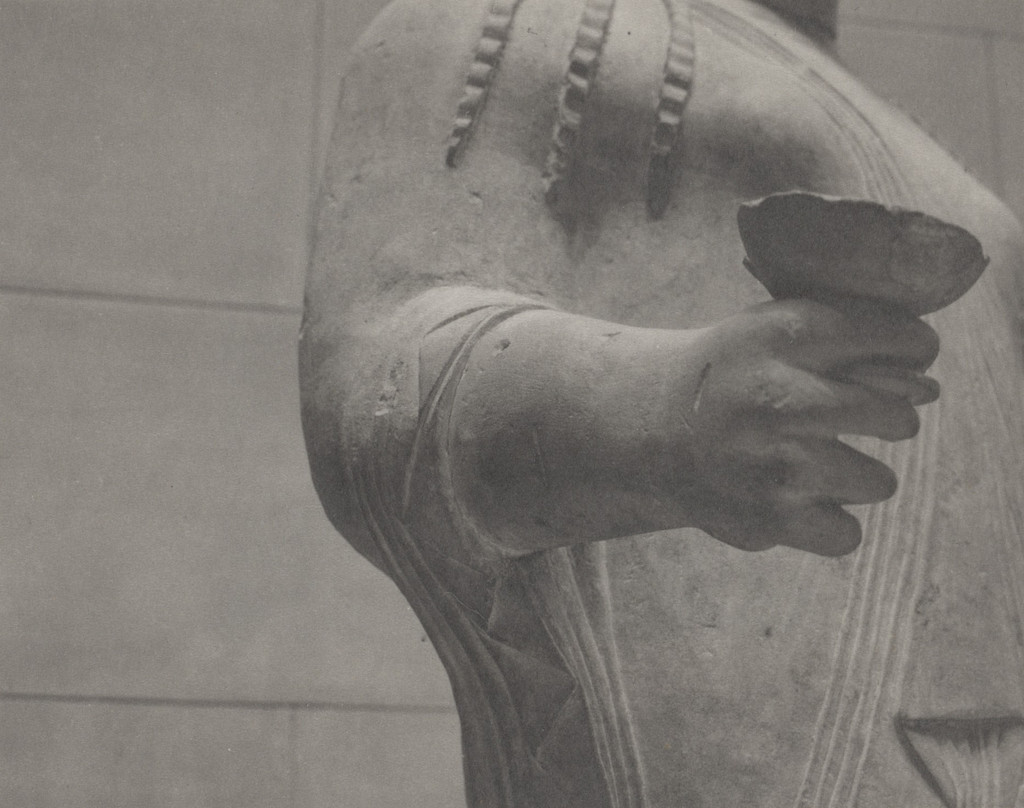
Greeks
Jan Groover
1984
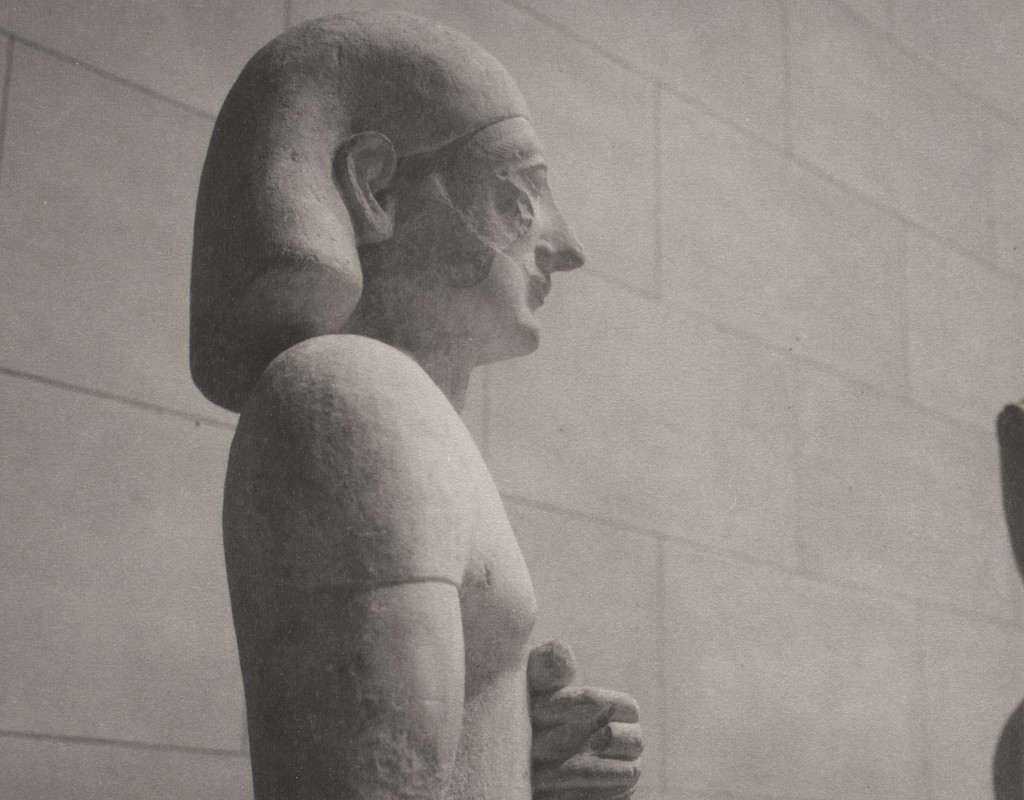
Greeks
Jan Groover
1984
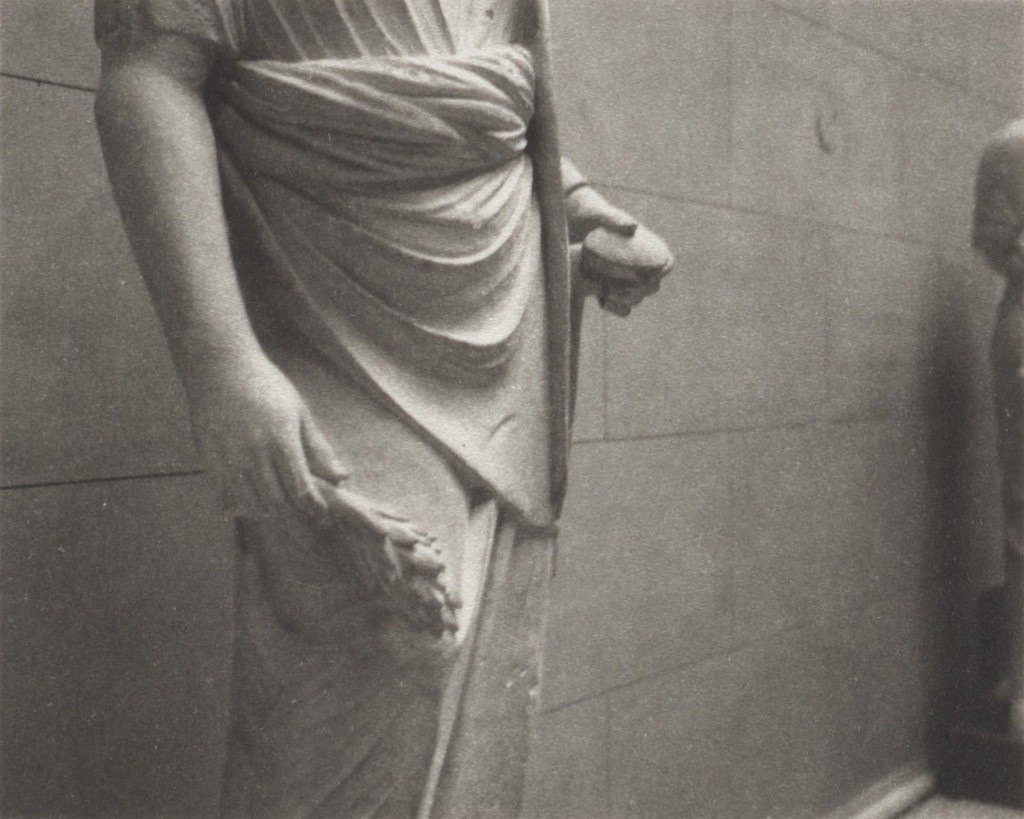
Greeks
Jan Groover
1984
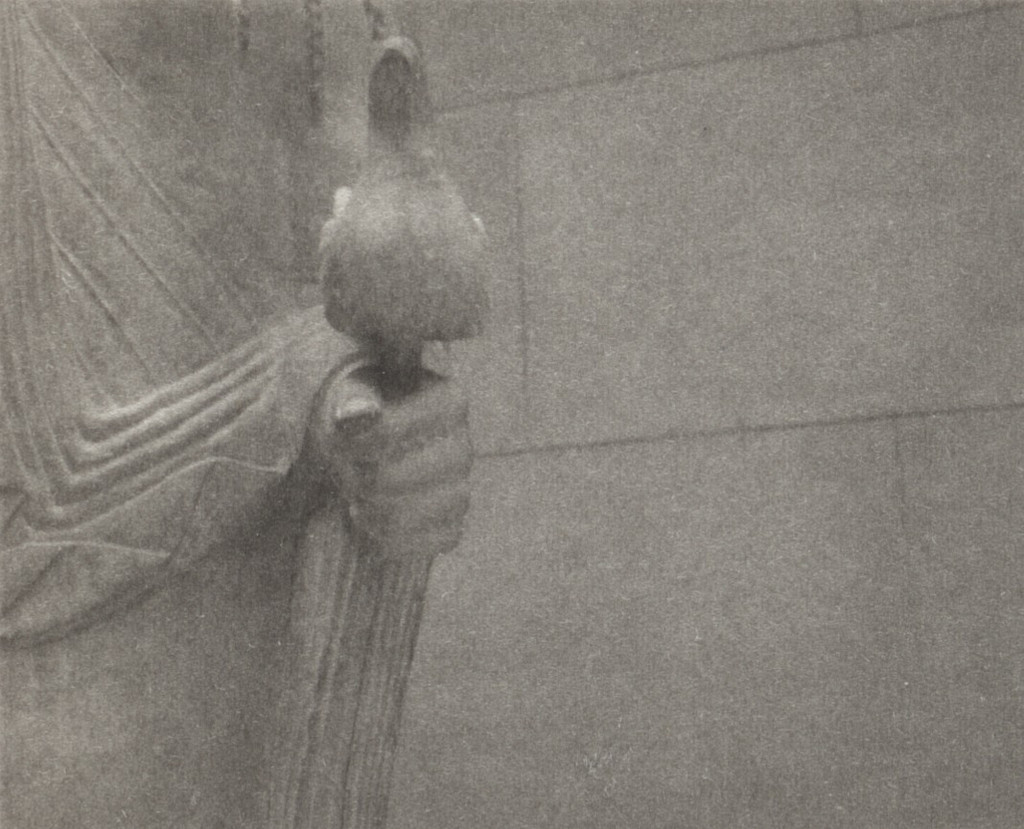
Greeks
Jan Groover
1984
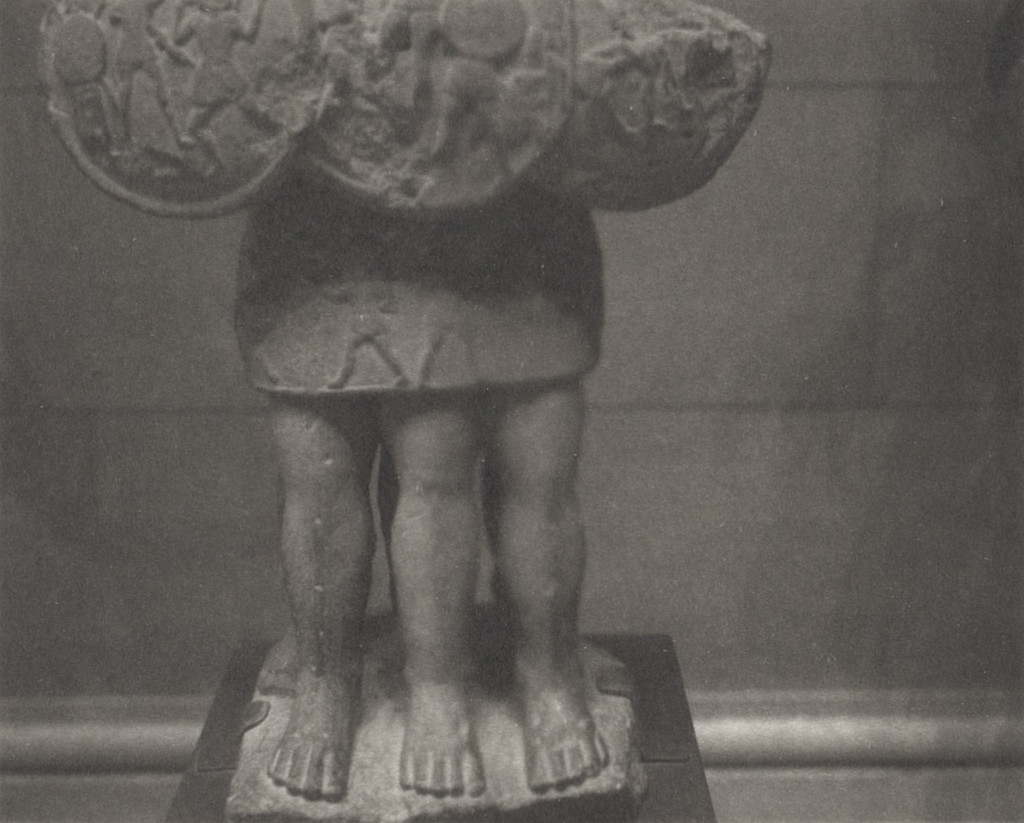
Greeks
Jan Groover
1984
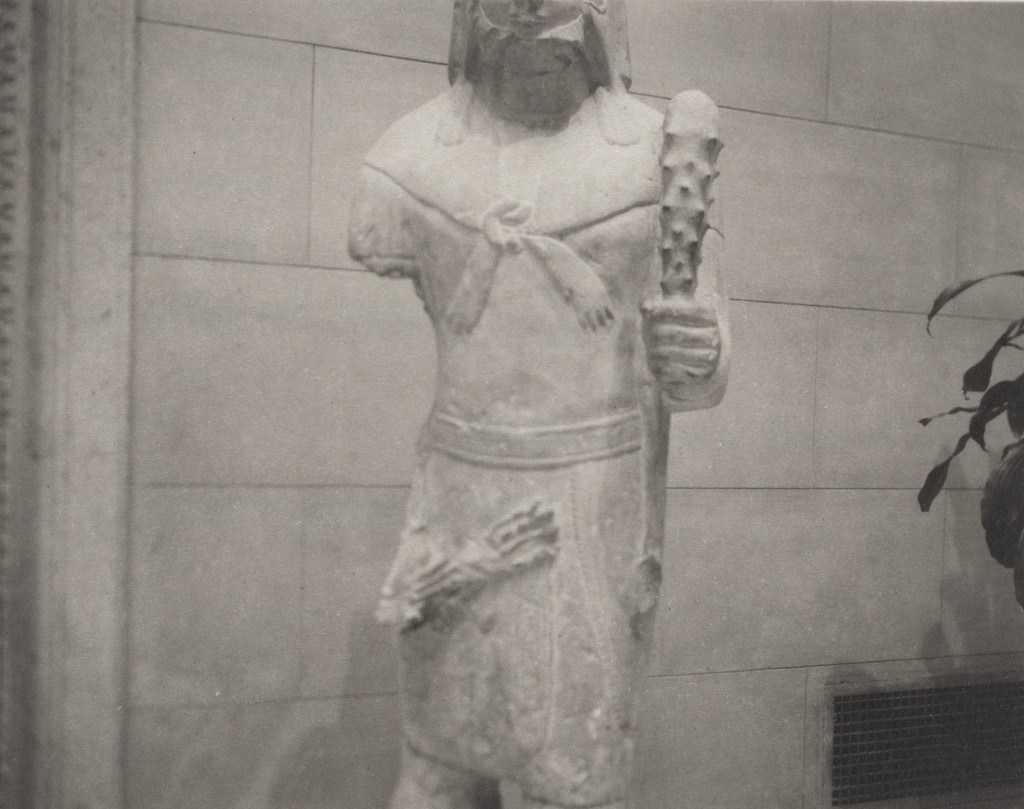
Greeks
Jan Groover
1984
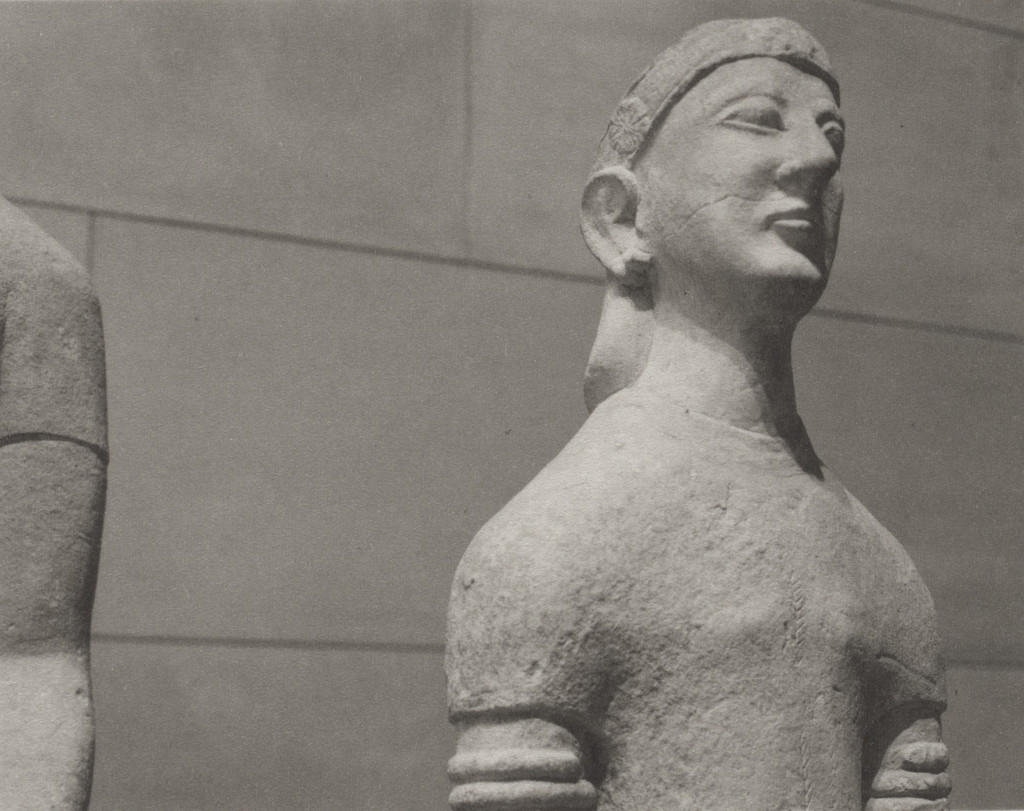
Greeks
Jan Groover
1984
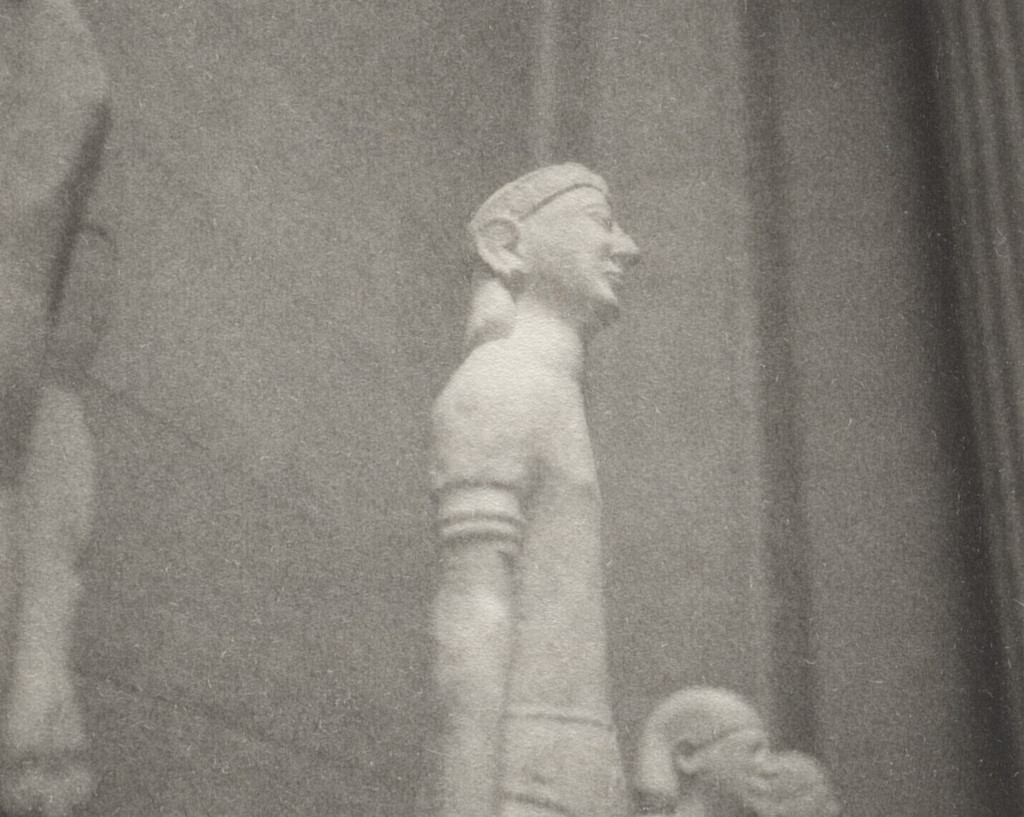
Greeks
Jan Groover
1984
Greeks
Jan Groover
1984
Greeks
Jan Groover
1984
Greeks
Jan Groover
1984
Greeks
Jan Groover
1984
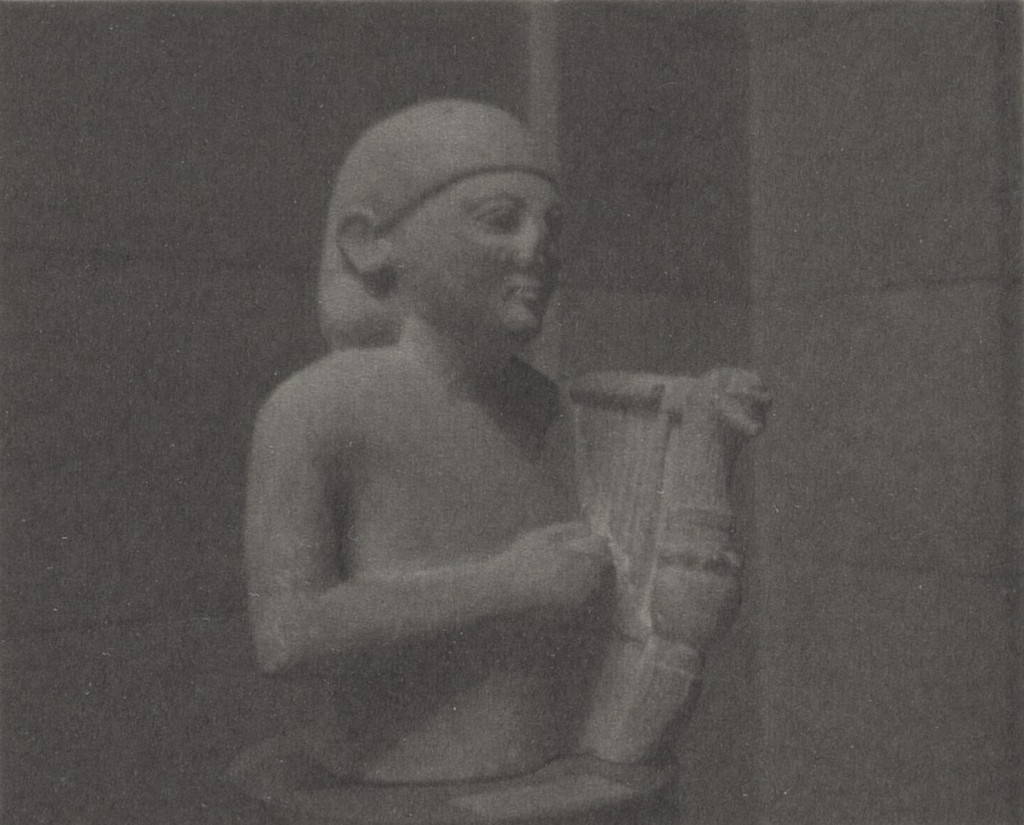
Greeks
Jan Groover
1984
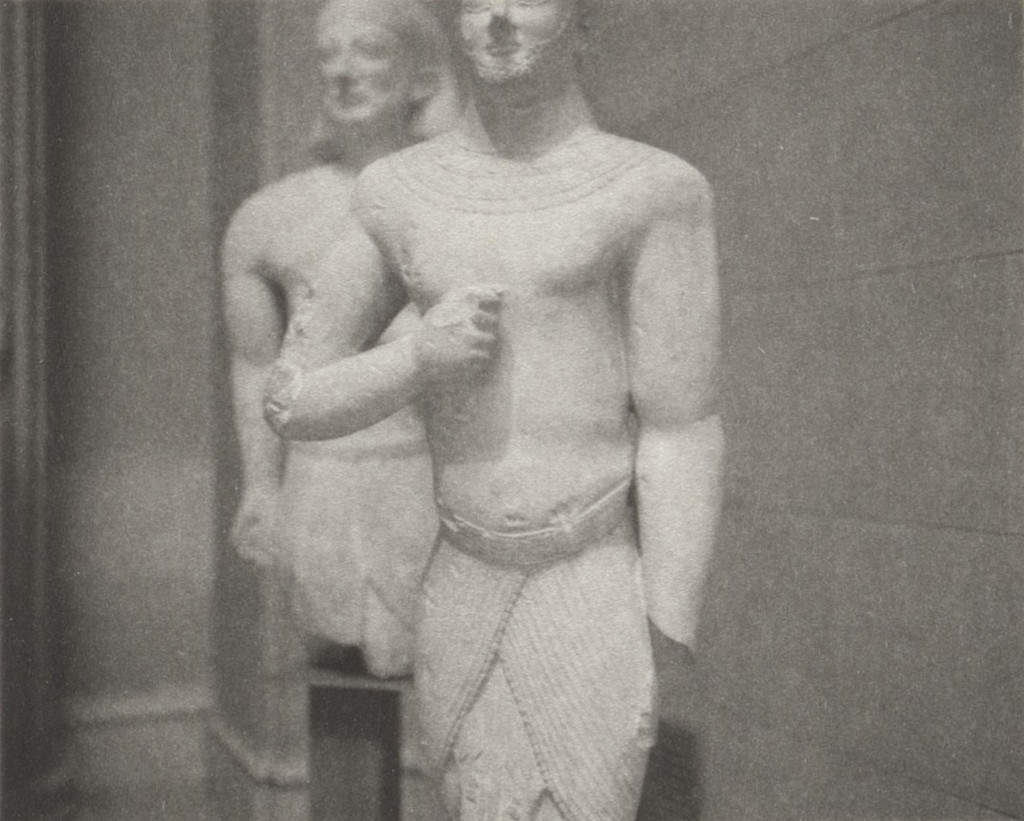
Greeks
Jan Groover
1984
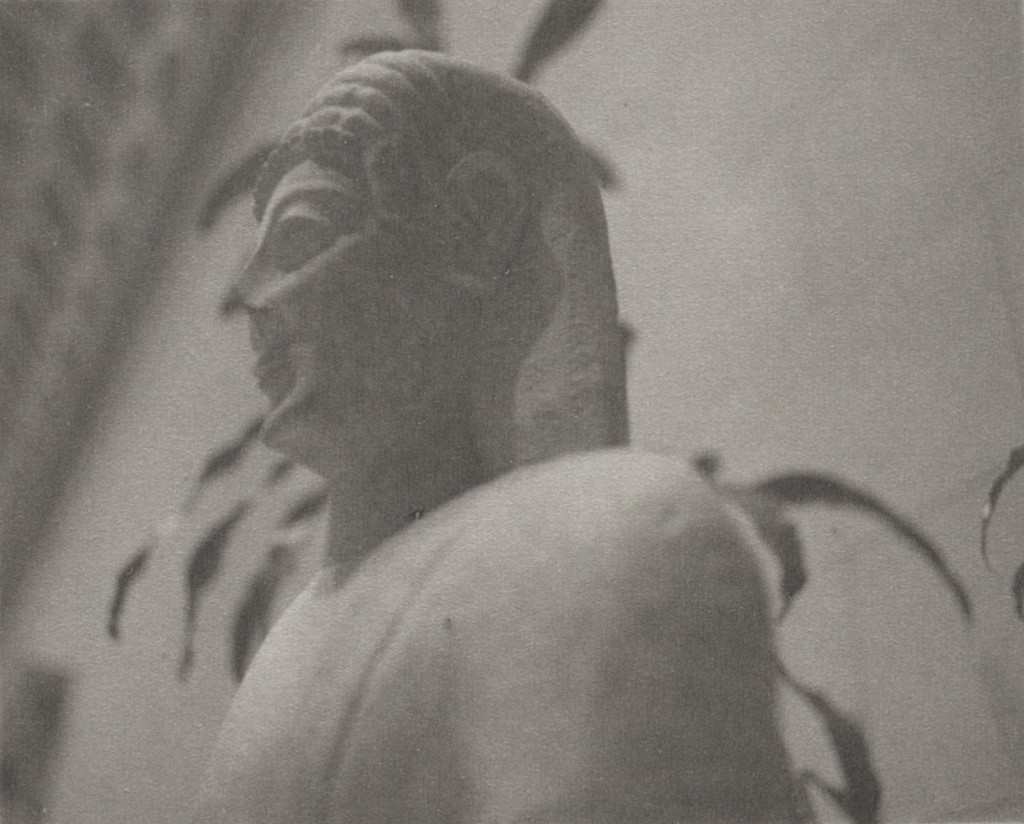
Greeks
Jan Groover
1984
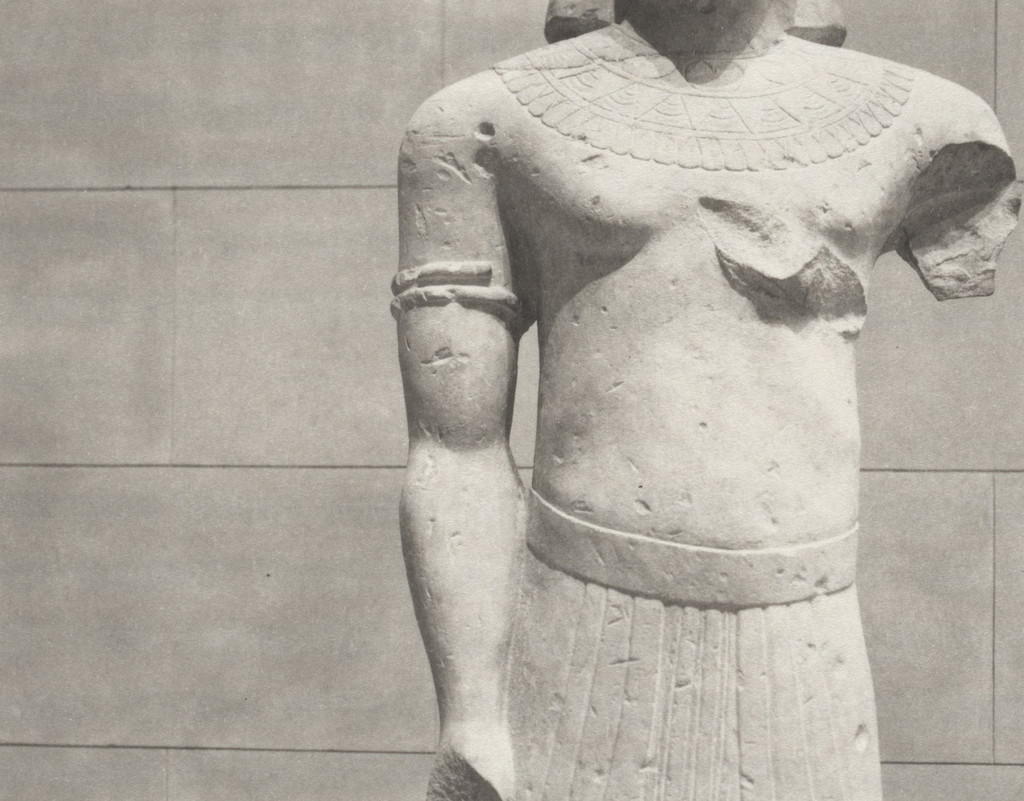
Greeks
Jan Groover
1984
Exhibitions
12 exhibitionsFeb 13, 1977 – Apr 09, 1978
New Art for the New Year
33 artists
Jul 26, 1978 – Oct 02, 1978
Mirrors and Windows: American Photography Since 1960
101 artists · 1 curator
Jun 04, 1979 – Jul 30, 1979
Views over America
35 artists · 1 curator
Dec 06, 1979 – Feb 10, 1980
Movin'
27 artists · 1 curator
Dec 21, 1979
Edward Steichen Photography Center Reinstallation
102 artists · 1 curator
Oct 23, 1980
Reinstallation of the Collection
129 artists
Jun 11, 1981 – Sep 15, 1981
Summer Light
24 artists
Oct 08, 1981 – Jan 03, 1982
Still Life
29 artists · 1 curator
Apr 13, 1983 – Jun 28, 1983
Big Pictures by Contemporary Photographers
33 artists · 2 curators
Aug 18, 1984 – Nov 06, 1984
Color Photographs: Recent Acquisitions
30 artists · 1 curator
Apr 07, 1986 – Jun 18, 1986
Contemporary Photography Reinstallation
29 artists · 1 curator
Mar 05, 1987 – Jun 02, 1987
Jan Groover
1 artist · 1 curator