
“I want a surface that resists, like a wall, not opens, like a gate.” — Grace Hartigan
“I can hear my mother ever since I was a child saying ‘Grace you're so dissatisfied—so restless,’” the artist Grace Hartigan recalled. This impulse to search, question, and change is a recurrent theme in Hartigan’s life and work. She alternated between abstraction and representation, flouting the art world’s expectations by embracing subjects deemed anathema in the early 1950s: people, clichés, and snippets from modern life. “I want an art that is not ‘abstract’ and not ‘realistic,’” she wrote, at a time when these choices were seen to exist in opposition. Born in Newark, New Jersey, in 1922, Hartigan was unable to afford college, so she married at age 17 and had a baby nine months later. When her husband went off to war, she got a job as a mechanical draftsman in an airplane factory, taking night courses at the local engineering college. A coworker showed her the work of Henri Matisse and she was “hooked.” She started studying with Newark painter Isaac Lane Muse, and in 1945 they moved together with her young son to New York. Twenty years her senior, Muse introduced Hartigan to several painters associated with Abstract Expressionism. Bitterly poor, living on “oatmeal and bacon ends,” Hartigan didn’t let anything get in the way of her work. In 1948 she saw Jackson Pollock’s early “drip” paintings and was “mesmerized.” Taken with Pollock’s scale, process, and approach—“painting was not an activity but a total life”—Hartigan sought out his guidance, along with the help of his wife, the painter Lee Krasner. Likewise, Hartigan was drawn to the de Koonings—particularly the sensuality of Willem’s paintings and Elaine’s expertise as both an artist and a critic. Hartigan would soon be classified as a “second generation” Abstract Expressionist, part of a group of young artists who experienced the impact of World War II, looked to their elders, and reaped the benefits of the emerging American art world. Hartigan gained recognition for her large-scale, sensuous, abstract paintings in 1950. Uncomfortable with the status quo, in 1952 she embarked on a study of Spanish Old Master painters, including Diego Velasquez and Francisco de Goya. This resulted in works like The Persian Jacket, in which a seated figure, drawn from a female model, is depicted with slashing brushstrokes, bold colors, and strong contrasts of light and dark. Using cheap house painters’ brushes, Hartigan gave the figure weight and volume while denying the illusion of space. “I want a surface that resists, like a wall, not opens, like a gate,” she wrote. In scenes taken from her life on the Lower East Side, including mannequins posed in bridal shop windows, Hartigan explored contemporary ritual and the societal expectations placed on women. “I have found my ‘subject,’” she declared. “It concerns that which is vulgar and vital in American modern life.” Though she rejected the association, her interest in “low” culture was in line with the emerging Pop art movement. But in contrast with the Pop artists, Hartigan foregrounded her materials. In the almost fully abstract Shinnecock Canal, which she painted after moving to Long Island in the late 1950s, large swaths of color converge in dynamic movement, as if to illustrate her remark, “Yes, we were in love with paint.” Hartigan used the name George when exhibiting until 1954, later explaining that it was an homage to 19th-century women writers like George Eliot. The choice was practical—men’s work was more valued—but it can also be seen as an expression of her belief that identity is multiple. She cursed like a sailor, often dressed in men’s clothing, and prized work over family life; so if being a woman meant behaving in a certain way, then she was also a man. In 1960 Hartigan moved to Baltimore, where she taught for the next five decades, only regaining recognition late in life. Unlike other painters of her generation, she never adopted a signature style. “No rules,” she demanded, “I must be free to paint anything I feel.”
Romy Silver-Kohn, Research Assistant, Department of Painting and Sculpture, 2021
Works in Collection
38 works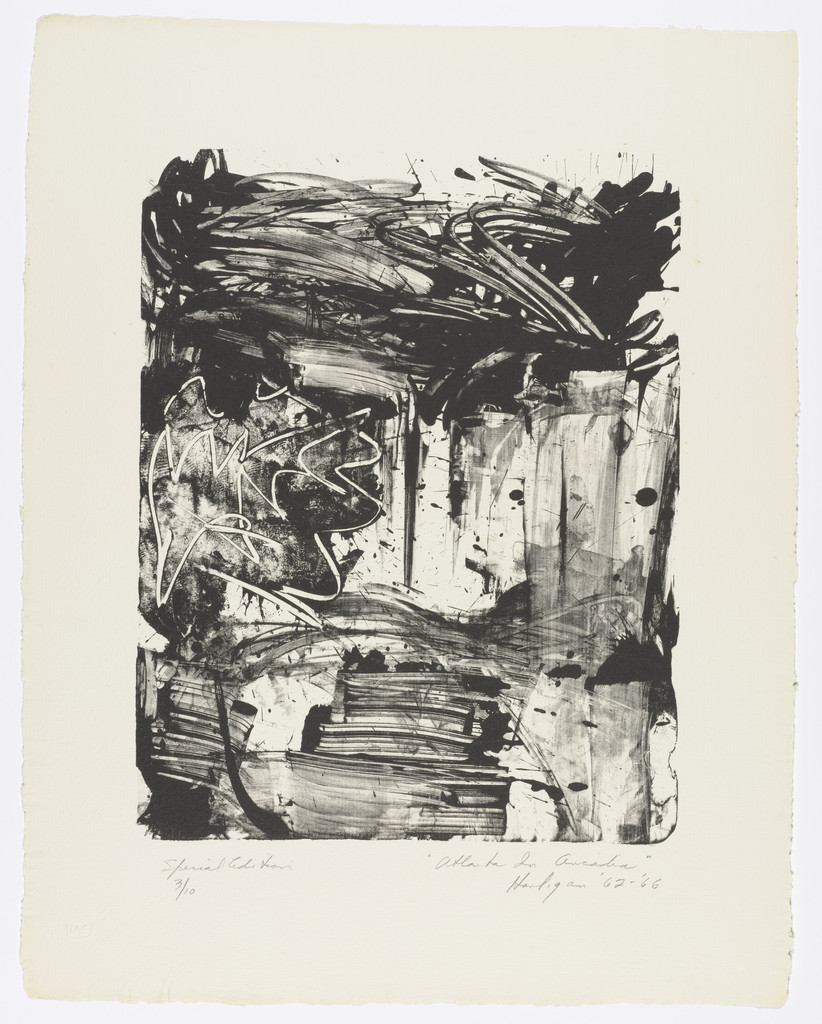
Atlanta in Arcadia from The Archaics
Grace Hartigan
1962–66
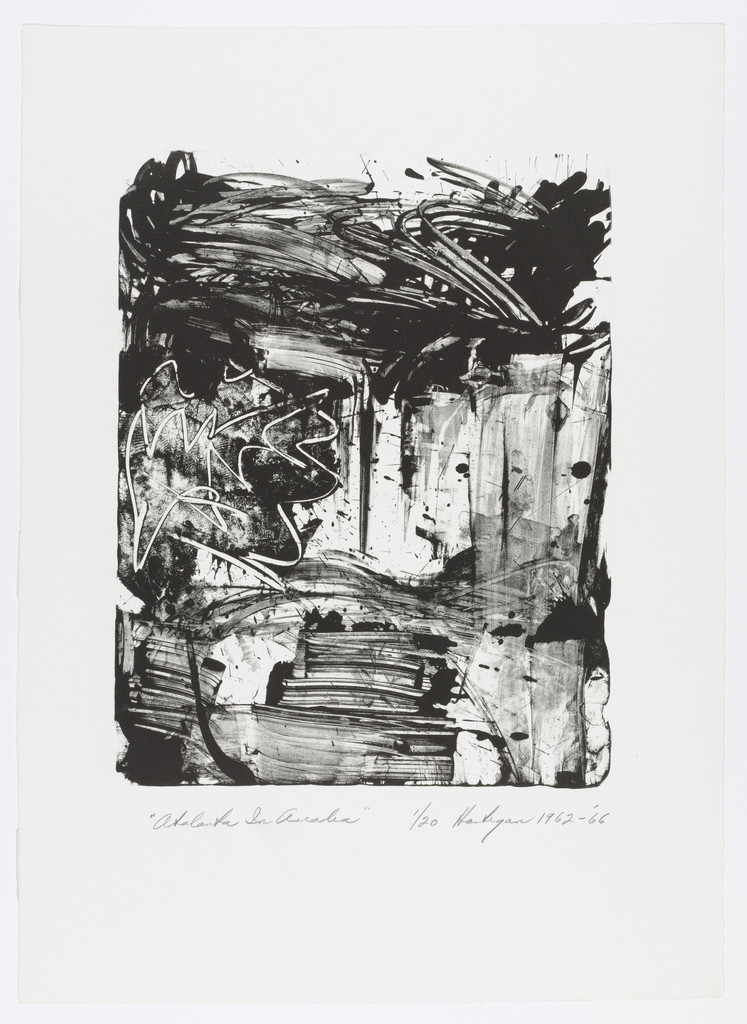
Atlanta in Arcadia from The Archaics
Grace Hartigan
1962–66
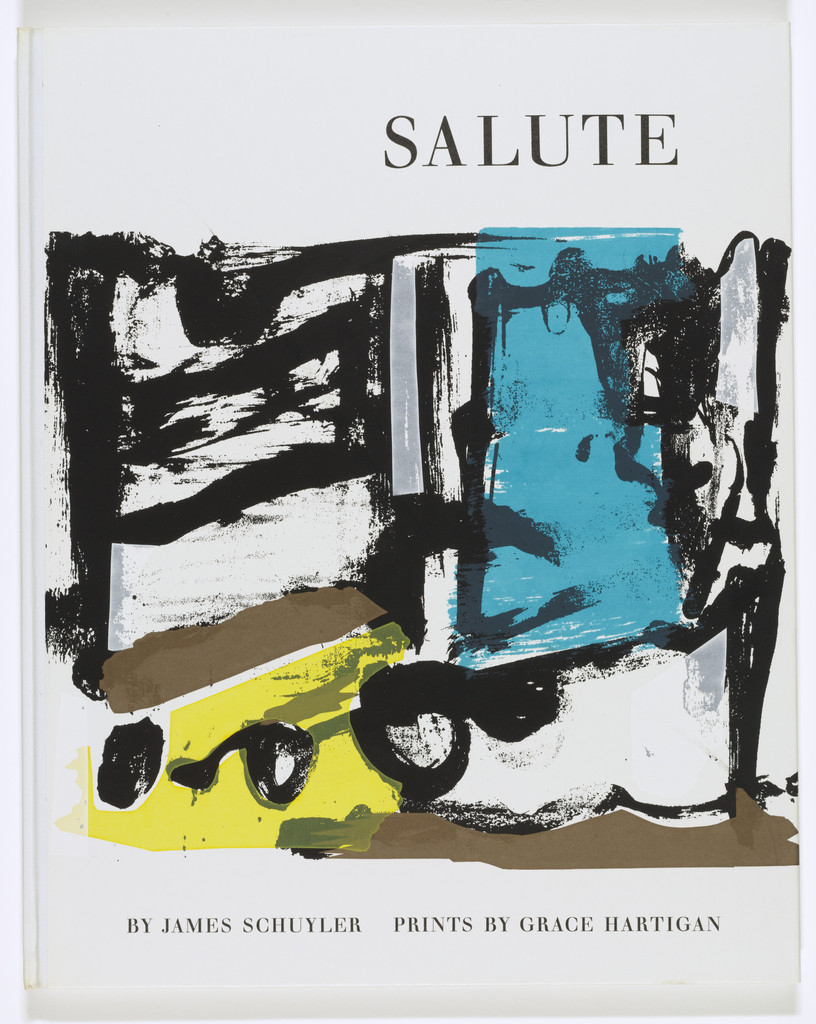
Cover from Salute
Grace Hartigan
1960
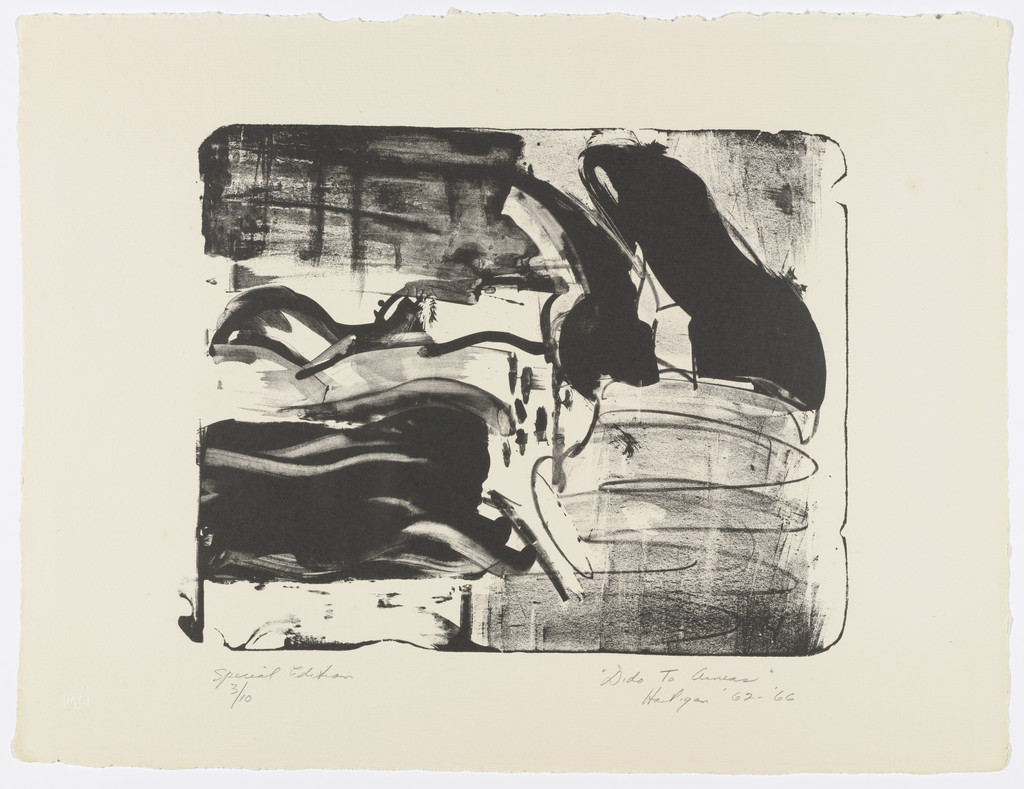
Dido to Aeneas from The Archaics
Grace Hartigan
1962–66
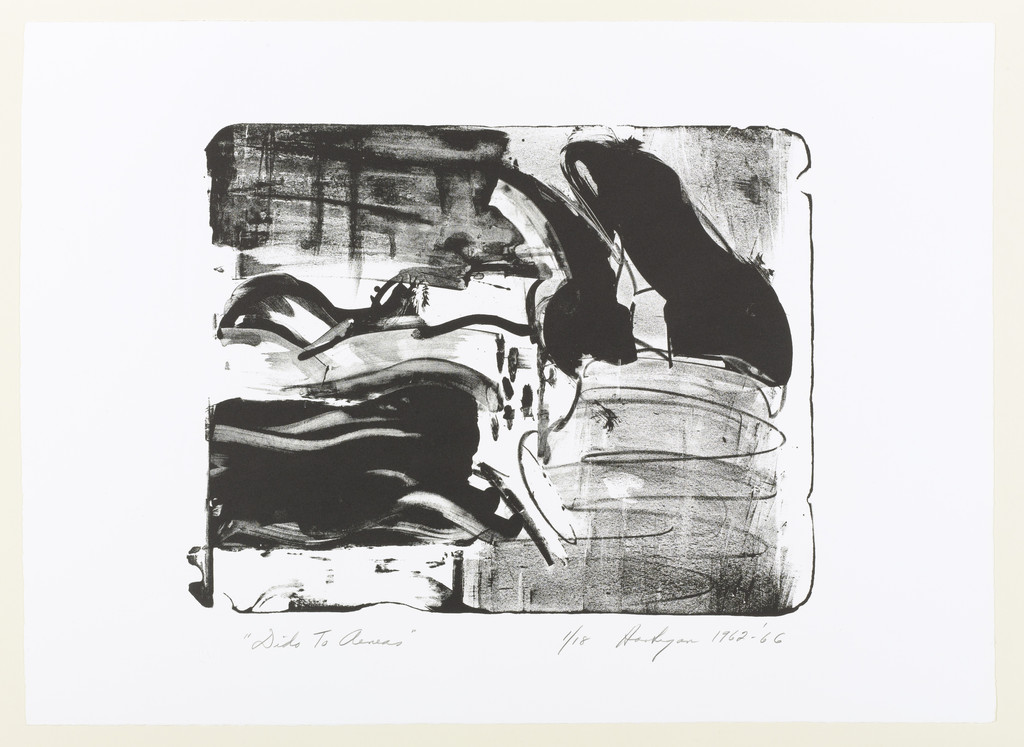
Dido to Aeneas, Dido to Aeneas from the series The Archaics
Grace Hartigan
1962–66
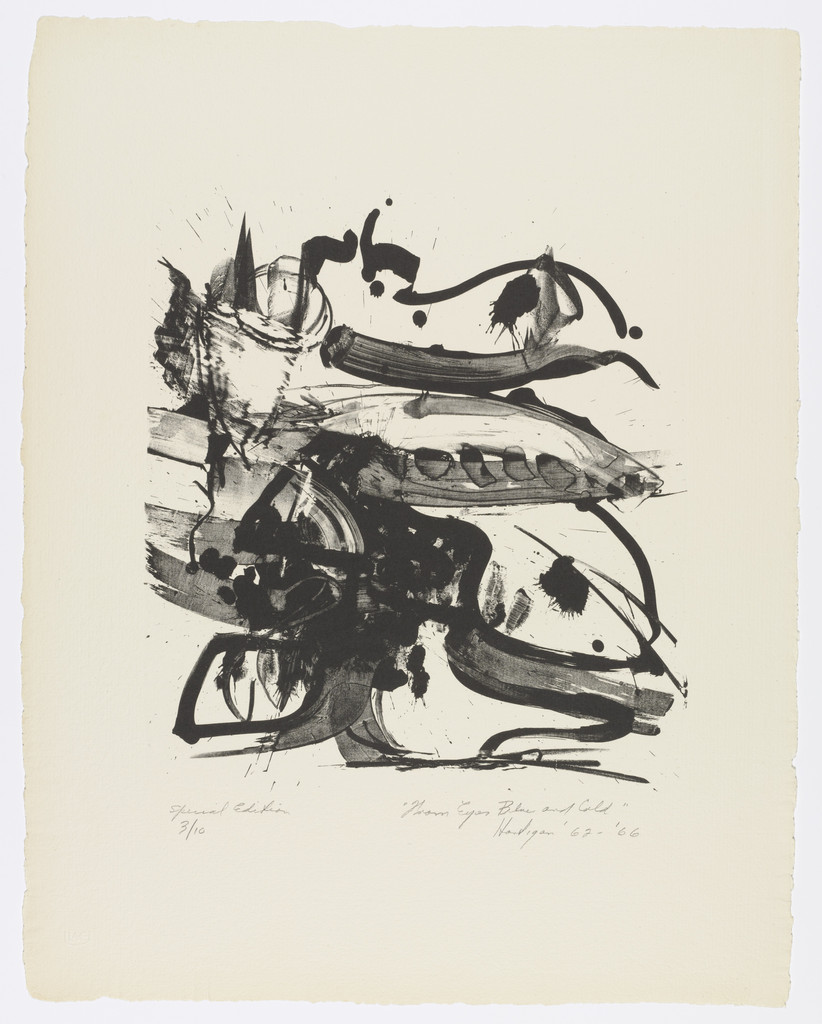
From Eyes Blue and Cold from The Archaics
Grace Hartigan
1962–66
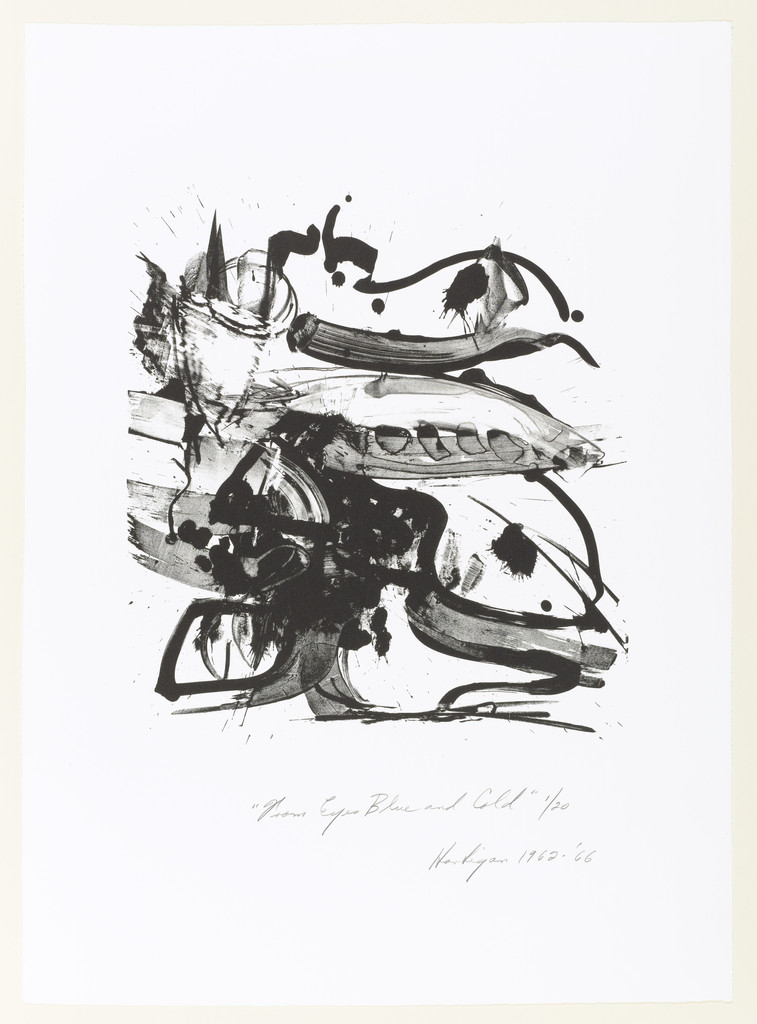
From Eyes Blue and Cold, From Eyes Blue and Cold from the...
Grace Hartigan
1962–66
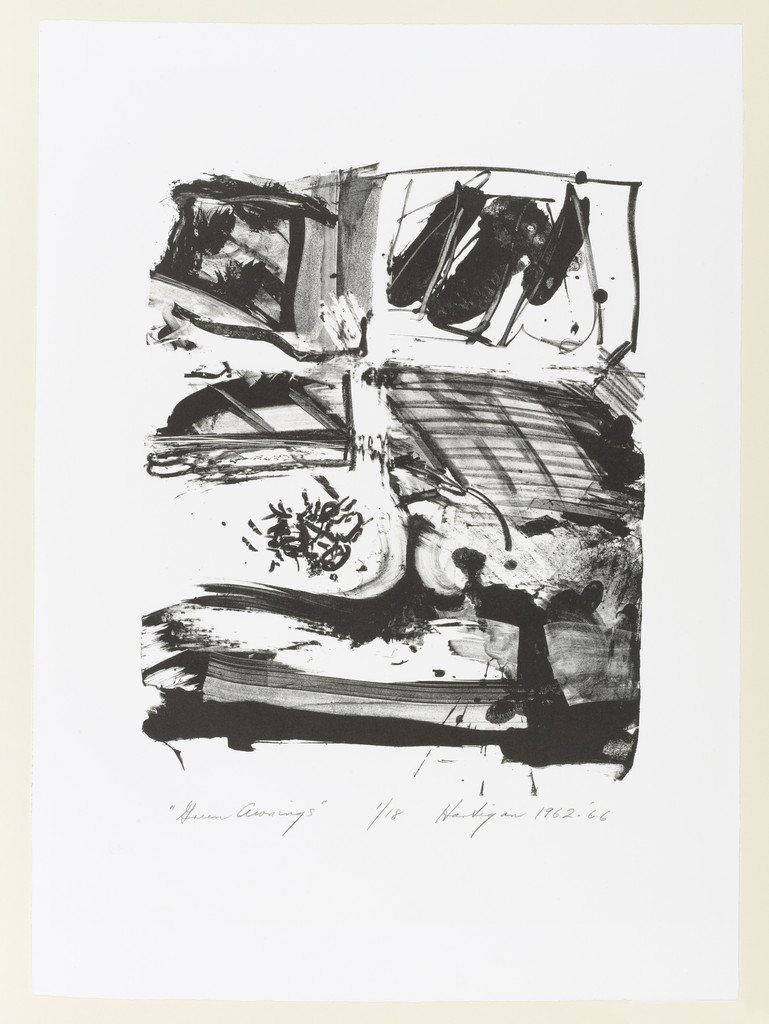
Green Awnings
Grace Hartigan
1962–66
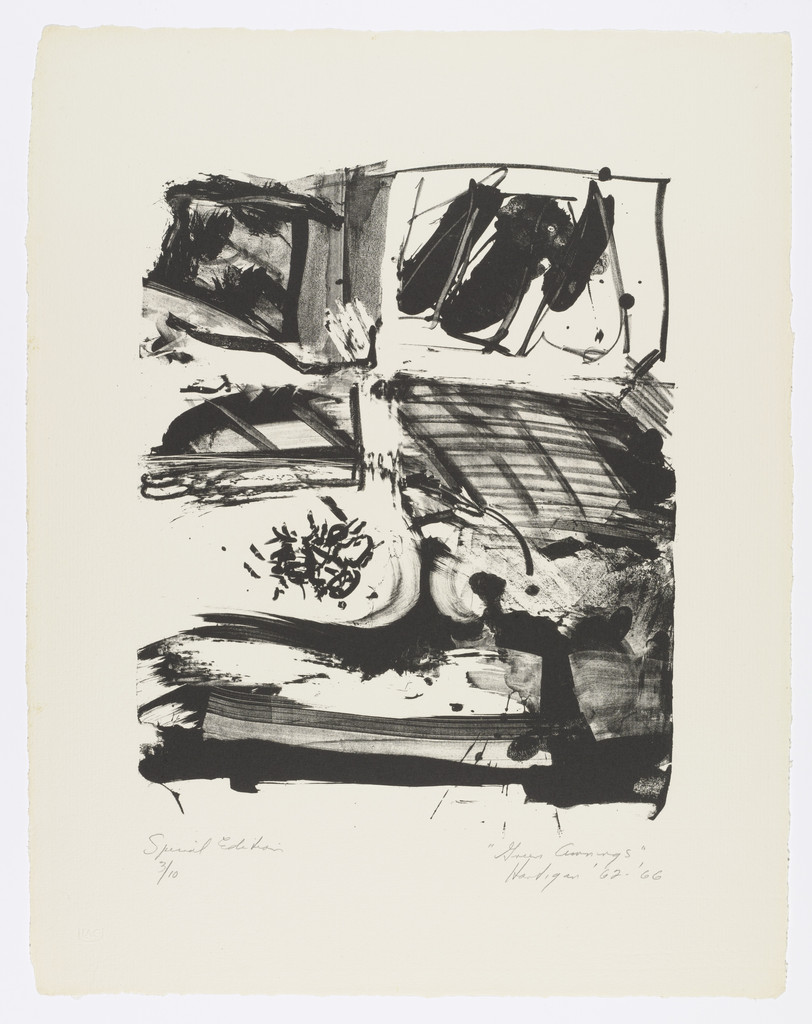
Green Awnings from The Archaics
Grace Hartigan
1962–66
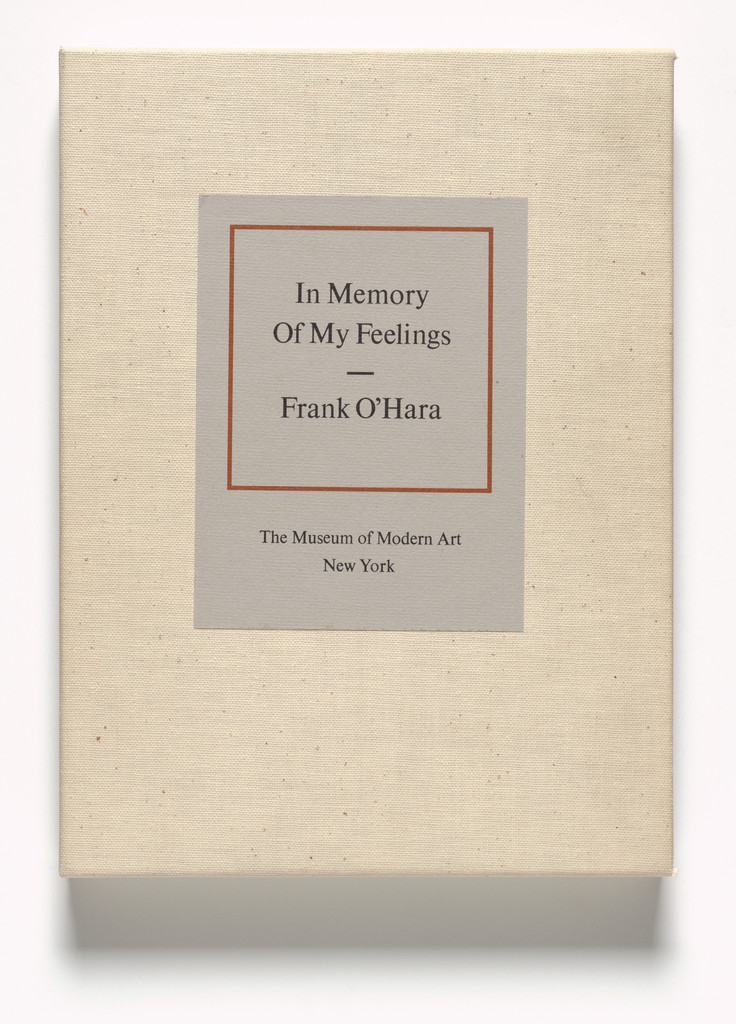
In Memory of My Feelings
Nell Blaine
1967
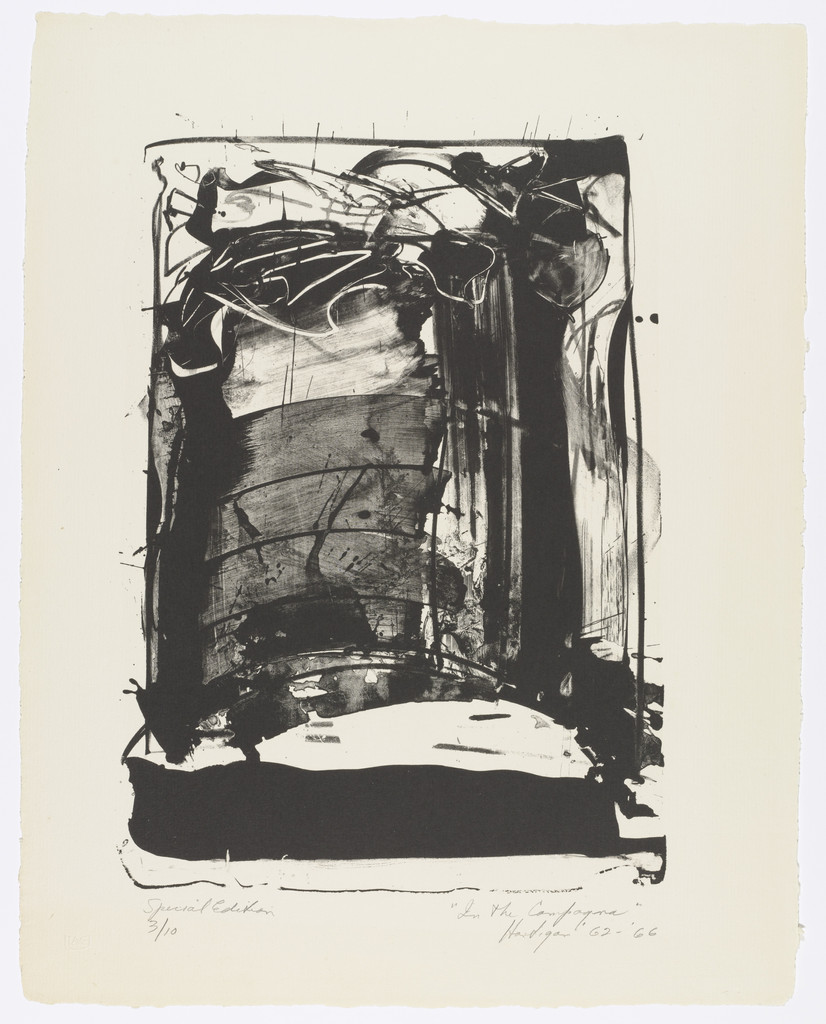
In the Campagna from The Archaics
Grace Hartigan
1962–66
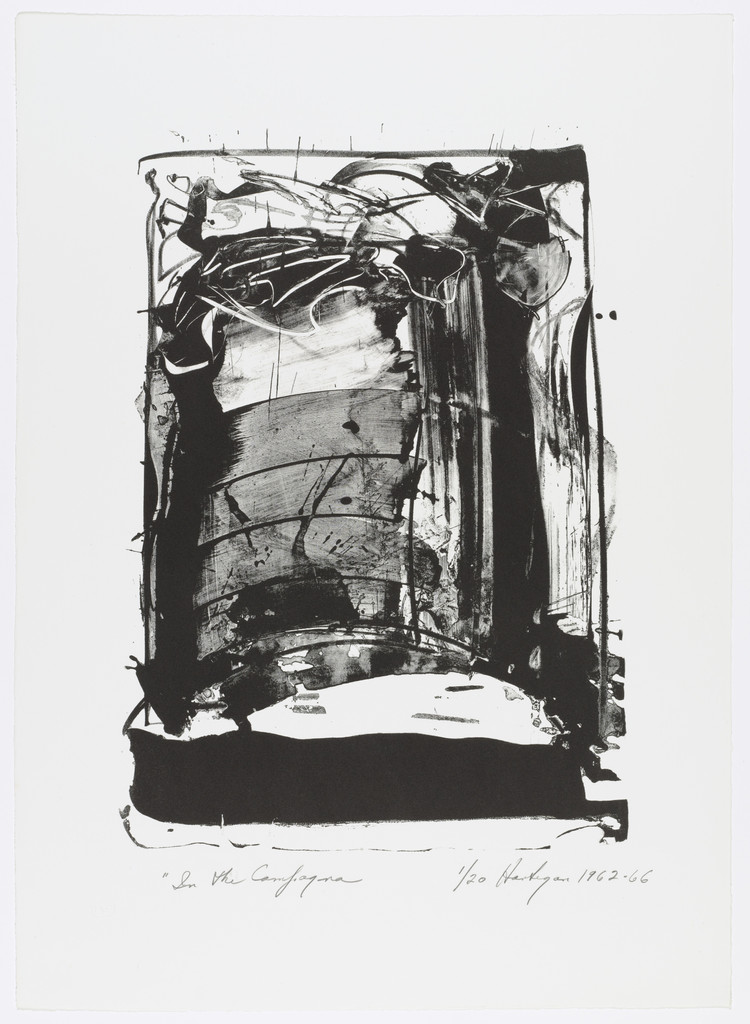
In the Campagna from The Archaics
Grace Hartigan
1962–66
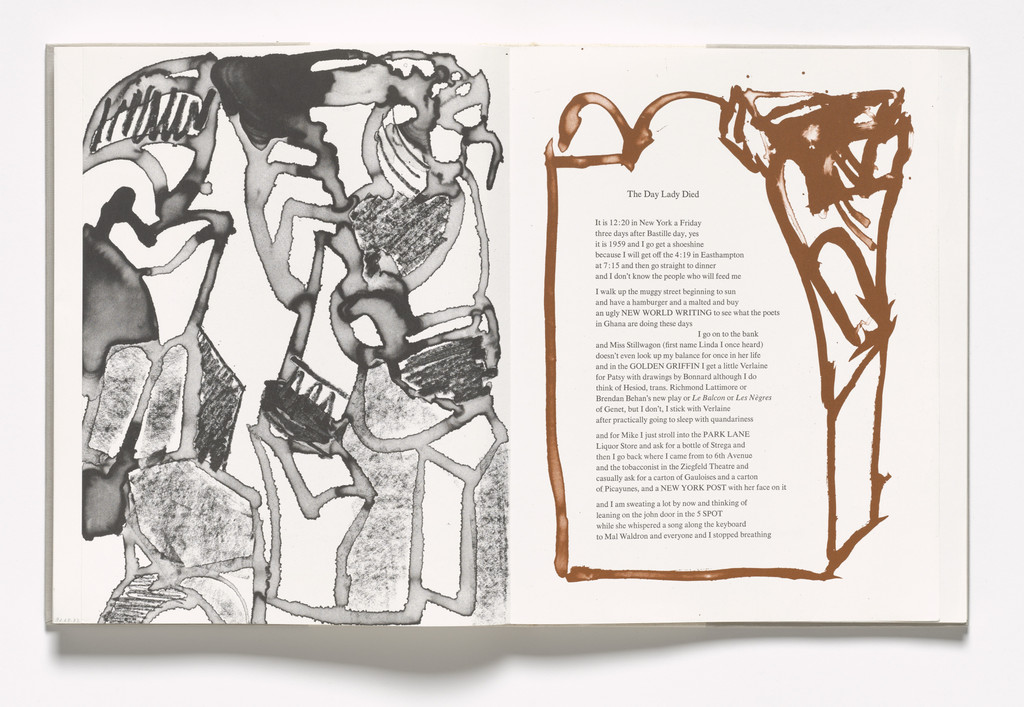
In-text plate (folios 79 verso and 80 recto) from In Memo...
Grace Hartigan
1967
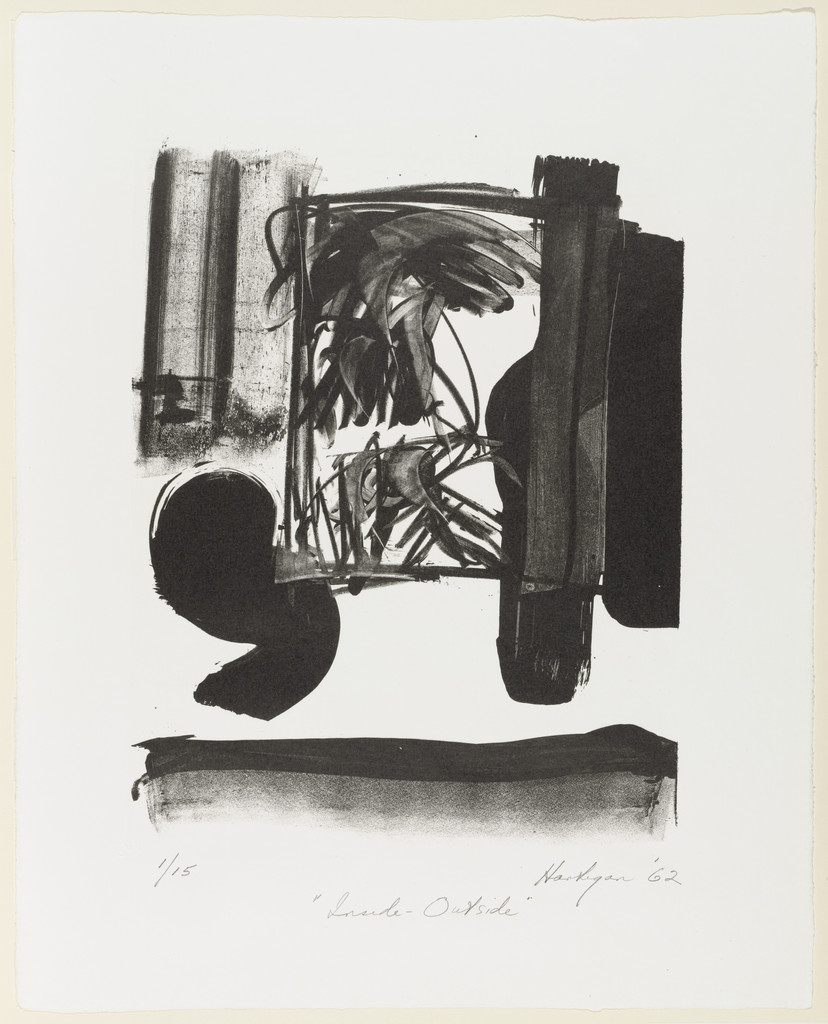
Inside - Outside
Grace Hartigan
1962
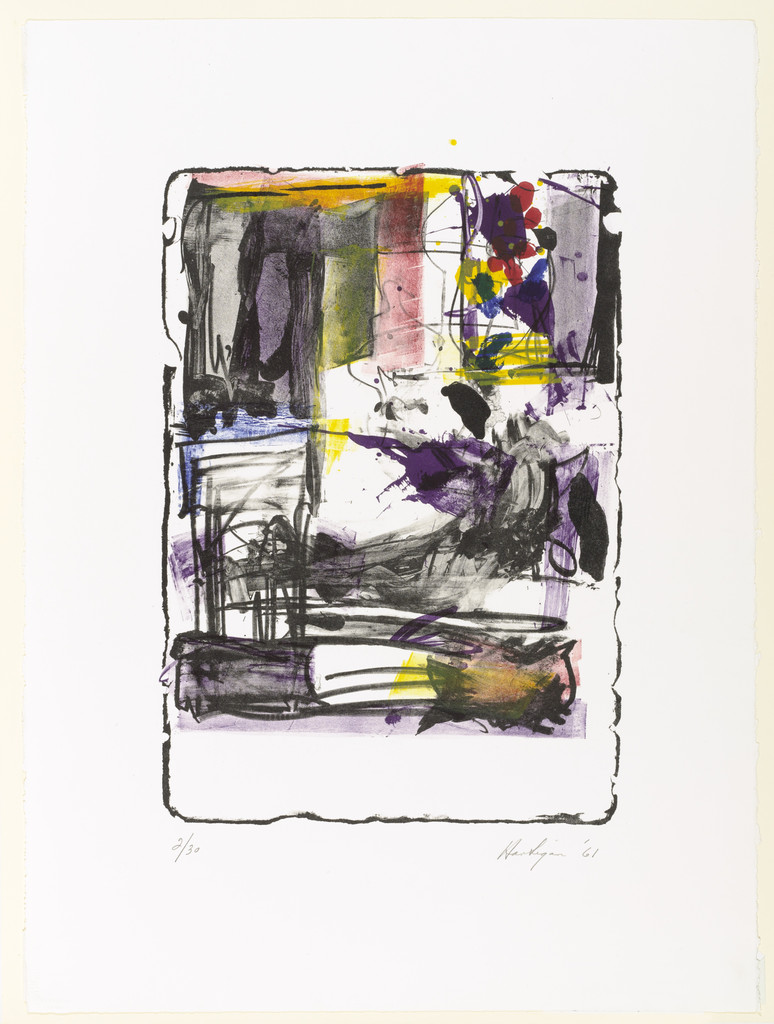
Pallas Athene
Grace Hartigan
1961
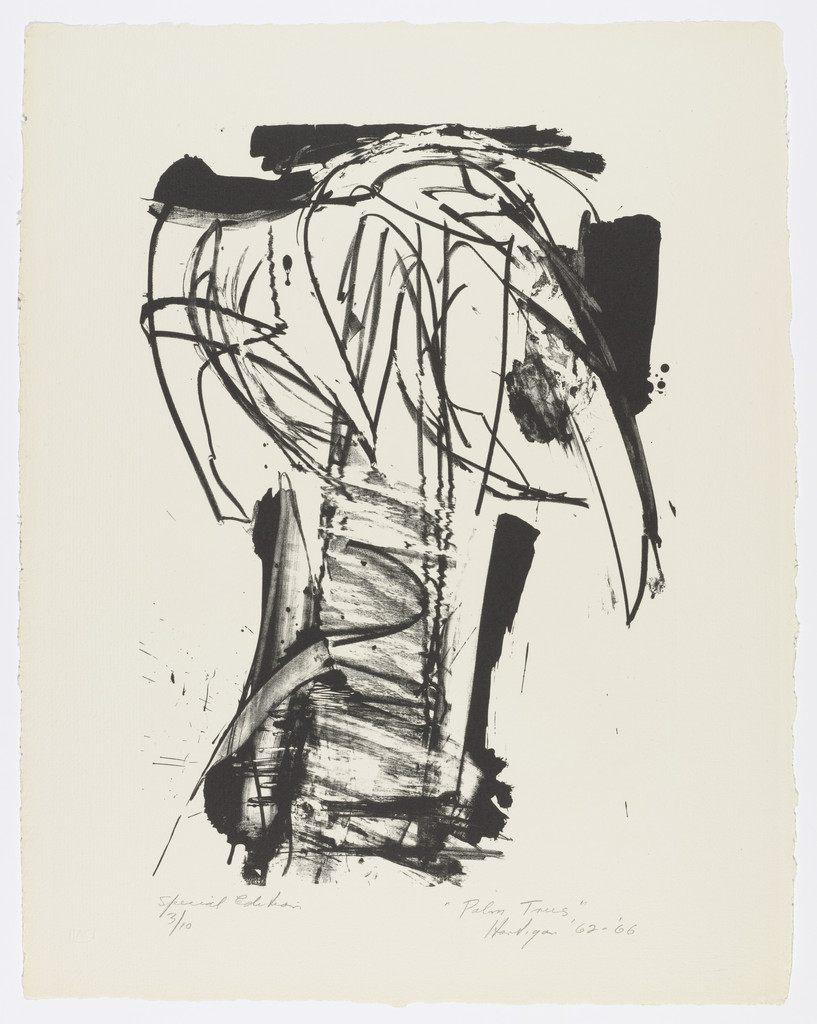
Palm Trees from The Archaics
Grace Hartigan
1962–66
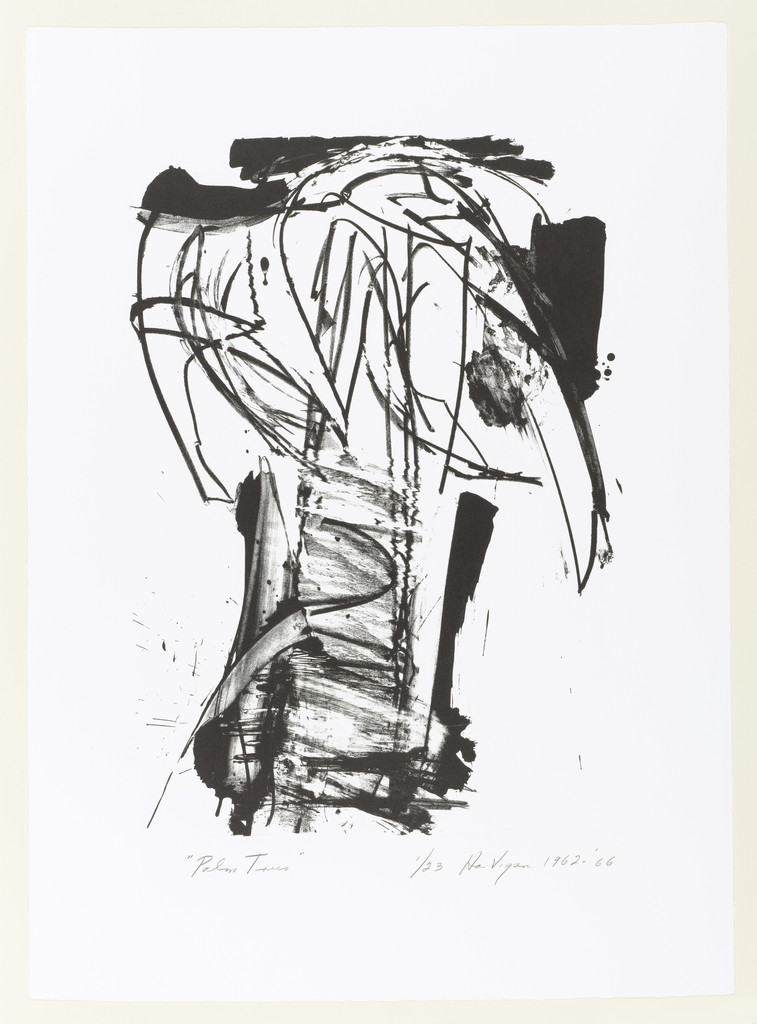
Palm Trees, Palm Trees from the series The Archaics
Grace Hartigan
1962–66
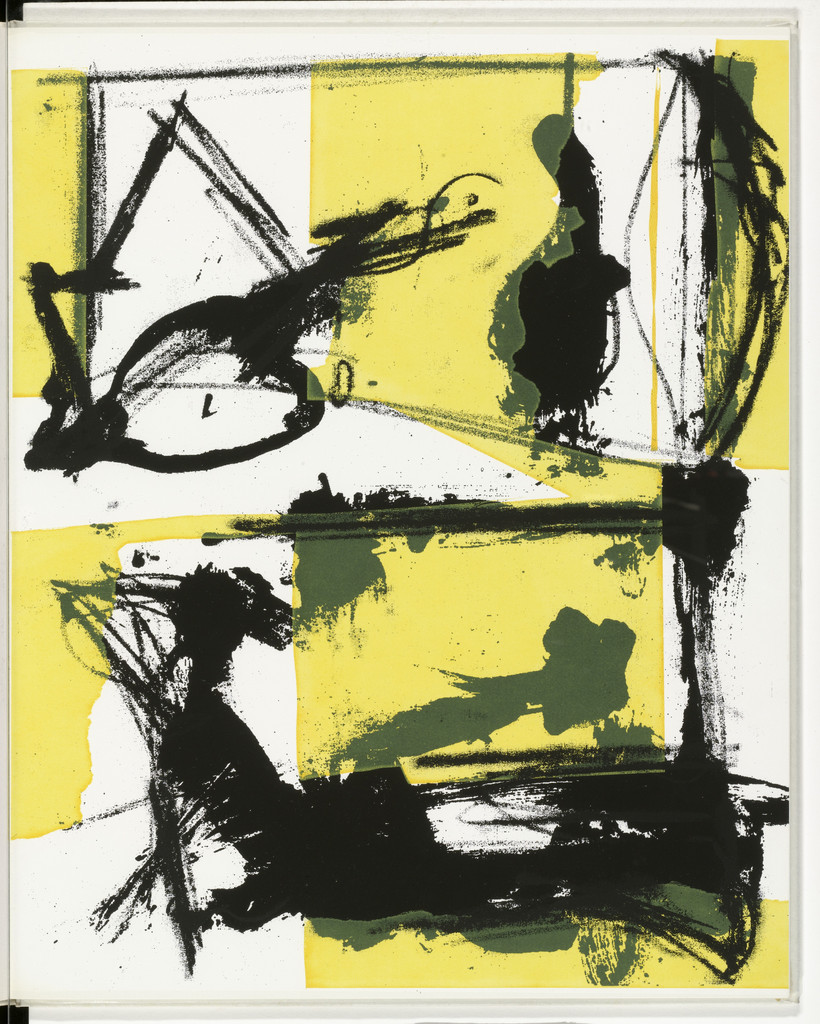
Plate (folio 12) from Salute
Grace Hartigan
1960
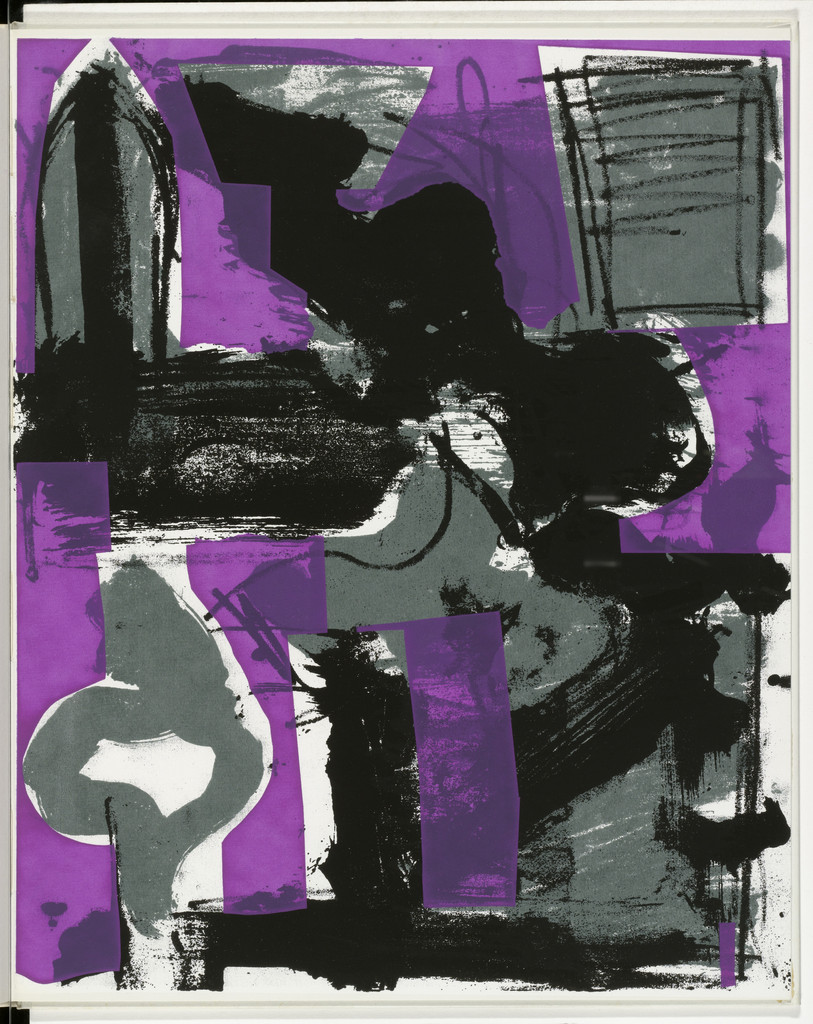
Plate (folio 15) from Salute
Grace Hartigan
1960
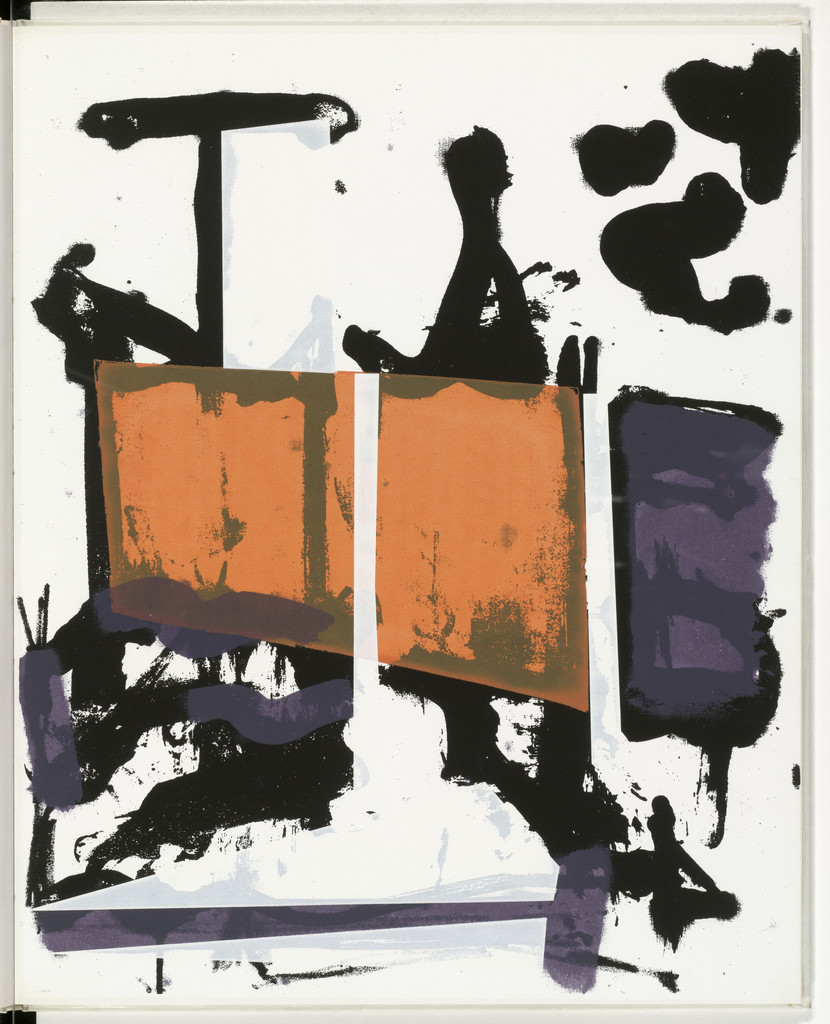
Plate (folio 8) from Salute
Grace Hartigan
1960
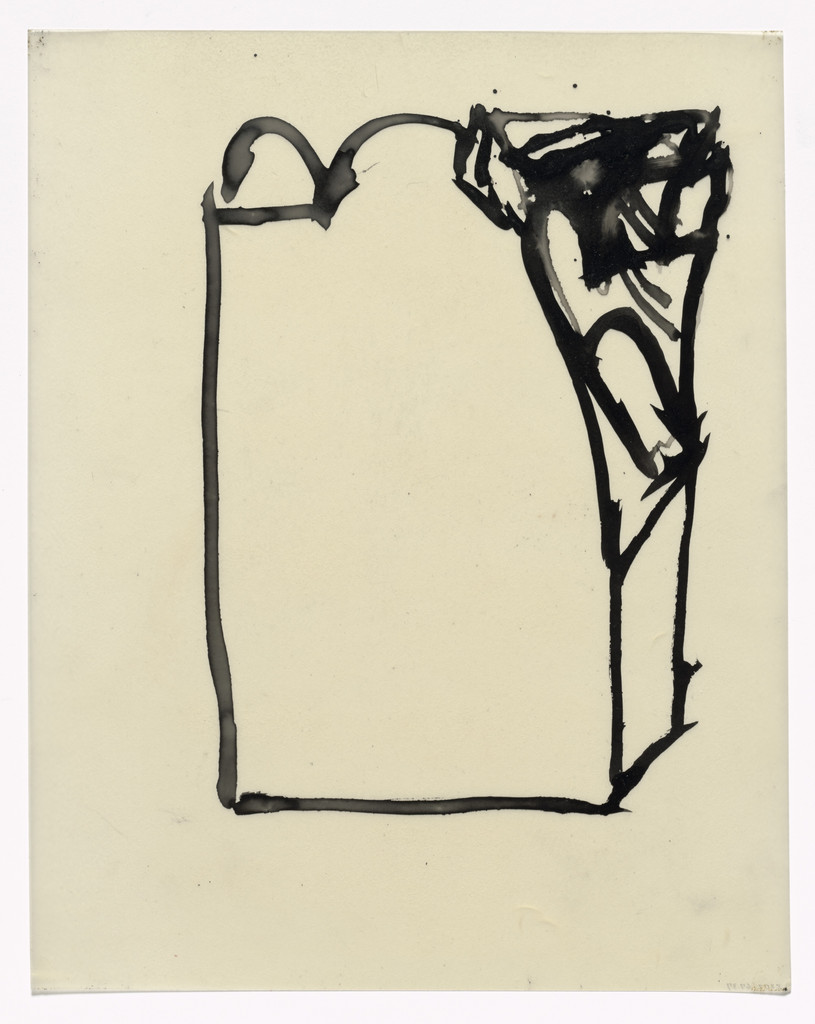
Preparatory drawing for In Memory of My Feelings
Grace Hartigan
1967
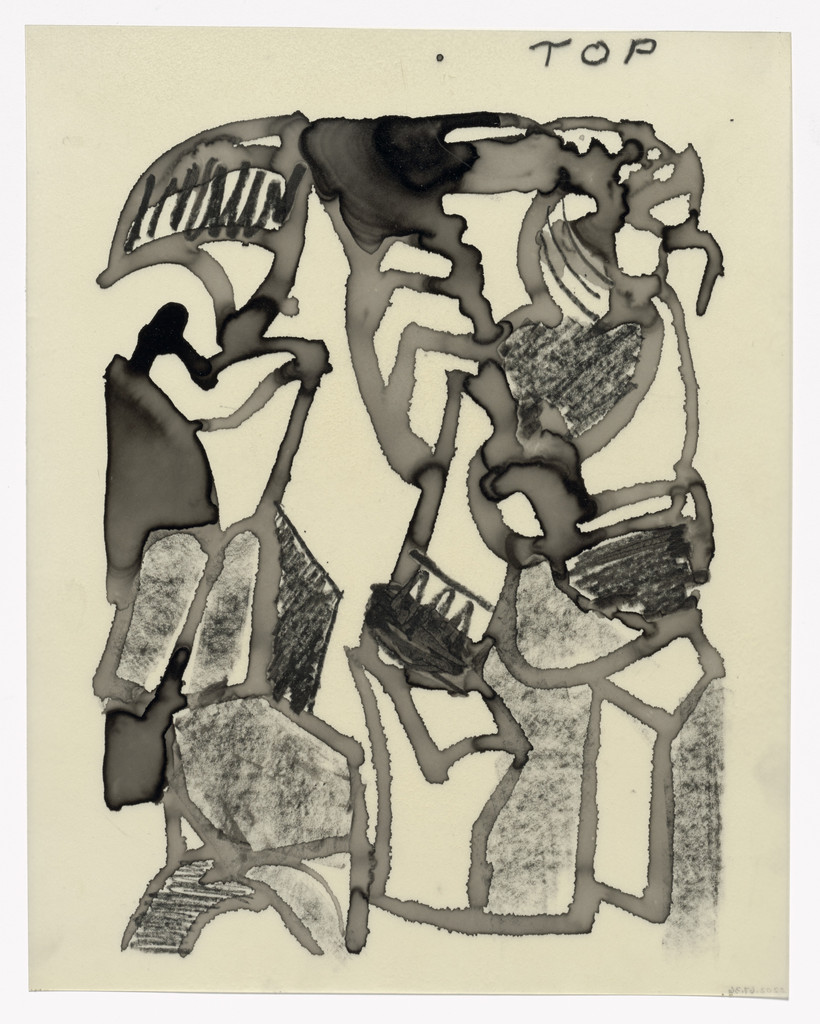
Preparatory drawing for In Memory of My Feelings
Grace Hartigan
1967
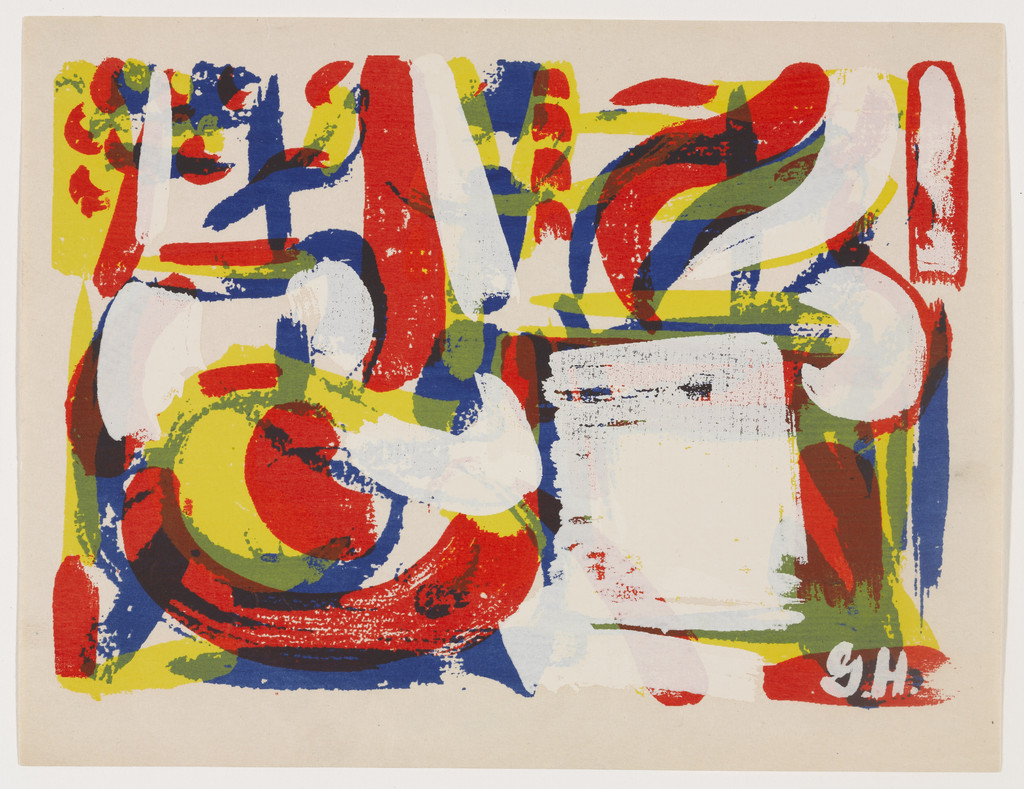
Proof for Untitled from Folder, Vol. I, No. I
Grace Hartigan
1953
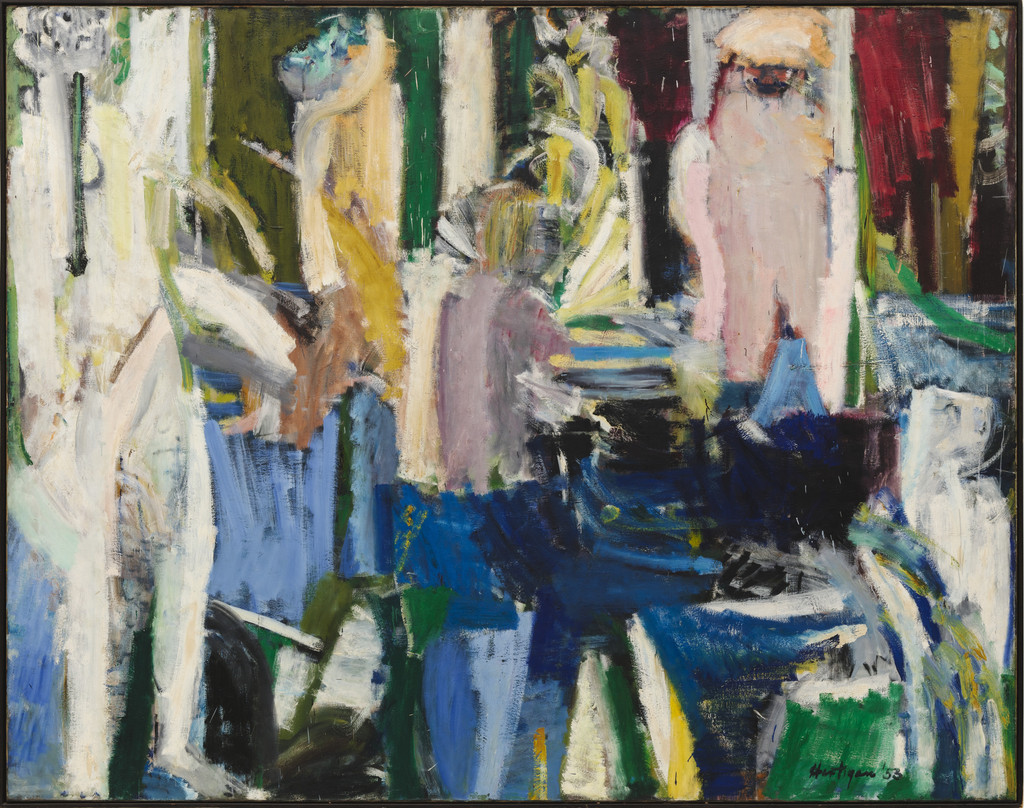
River Bathers
Grace Hartigan
1953
Exhibitions
12 exhibitionsOct 19, 1954 – Feb 06, 1955
XXVth Anniversary Exhibition: Paintings from the Museum Collection
260 artists
May 30, 1956 – Sep 08, 1956
Twelve Americans
12 artists · 1 curator
May 28, 1959 – Sep 08, 1959
The New American Painting as Shown in Eight European Countries 19581959
17 artists · 1 curator
Jan 27, 1960 – Mar 20, 1960
Art Lending Service Retrospective
54 artists · 1 curator
Feb 01, 1961 – Mar 04, 1961
Painting and Sculpture from the James Thrall Soby Collection
37 artists
Dec 19, 1961 – Feb 25, 1962
Recent Acquisitions
88 artists
May 27, 1964 – Jul 29, 1964
American Painters as New Lithographers
11 artists · 1 curator
Dec 04, 1967 – Sep 10, 1968
Frank O'Hara/In Memory of My Feelings
31 artists · 2 curators
May 28, 1969 – Sep 01, 1969
Twentieth-Century Art from the Nelson Aldrich Rockefeller Collection
119 artists · 1 curator
Apr 26, 1971 – Sep 06, 1971
Younger Abstract Expressionists of the Fifties
9 artists
Jun 17, 1982 – Oct 14, 1982
For 25 Years: Prints from ULAE
19 artists · 1 curator
Sep 12, 1985 – Feb 04, 1986
Tatyana Grosman Gallery Inaugural Installation
19 artists · 1 curator