
E. McKnight Kauffer, popularly known as the “poster king,” was one of the most influential graphic designers of the early 20th century. What set him apart was his ability to make modern art accessible to the public through commercial design. Kauffer developed a bold visual language that bridged the worlds of art and advertising, firmly believing that a designer “must remain an artist. He must be more interested in [commercial] art as an art than as a business.” His innovative approach transformed how the viewers encountered modernist principles in their daily lives, revolutionizing traditional advertising methods in this process.
McKnight Kauffer was born in December 1890 in Great Falls, Montana, where his father worked as a theater orchestra musician; the family soon moved to Evansville, Indiana, where Kauffer spent his childhood. After studying at the Art Institute in Chicago, he received sponsorship from a patron named Joseph E. McKnight—whose surname he adopted in gratitude—to study in Europe, and he trained in Munich and Paris before moving to London in 1914, remaining there until 1940 and forging a distinctive style.
Kauffer would synthesize elements of Cubism, Futurism, and Vorticism, bringing avant-garde sensibilities into the realm of mass communication. Kauffer embraced Cubism’s approach of transforming subjects into geometric forms, simplifying everyday objects into bold, recognizable shapes visible from a distance. He drew on Futurism to convey motion and dynamic energy, making static advertisements come alive with vitality. He even described the posters as “not unlike a terse telegram that gets to the point quickly.” His Vorticist influences brought angular, machine-age designs and fragmented compositions, reflecting modernism's fascination with industrial power and the urban environment.
As Kauffer noted in 1938, “The artist in advertising is a new kind of being…. His responsibilities are to my mind very considerable. It is his business constantly to correct values, to establish new ones, to stimulate advertising and help to make it something worthy of the civilization that needs it.” For Kauffer, “correcting values” meant raising the visual standards of commercial culture by introducing modernist designs that experimented with line, form, space, and color in unexpected places. He established new values in mass media, proving that advertising could be both commercially effective and artistically ambitious. This mission extended across his interdisciplinary work, including book covers, rugs, and theatrical designs and revealing the vast potential of modernist design across various mediums.
While his revolutionary poster designs for the Underground Electric Railways Company of London—more than 125 designs in total—and for Shell Oil remain his most iconic, Kauffer’s creative reach extended well beyond graphic design. He designed sets and costumes for plays, ballets, and operas on the London stage, including Ernest Milton’s 1932 production of Othello at St. James’s Theatre. He also produced innovative book jackets, notably for Virginia Woolf’s Hogarth Press, where his geometric compositions, such as the cover for The Common Reader (1925), became visual hallmarks of the press’s identity. Kauffer found his collaborations with literary figures especially meaningful. Roger Fry of the Bloomsbury Group championed his work, further cementing his role at the intersection of modernist art, literature, and design.
Kauffer also collaborated with Langston Hughes, a leading voice of the Harlem Renaissance. In 1927, he designed the dust jacket for Fine Clothes to the Jew, Hughes’s poetry collection. The cover featured bold, geometric patterns inspired by African textiles, rendered in vibrant colors that visually echoed the book’s exploration of Black diasporic identity and experience. As Roger Fry observed, Kauffer, through his book illustrations, was able to “embroider the author’s ideas, or rather to execute variations on the author’s theme, which will not pretend to be one with the text but are rather, as it were, a running commentary.” Hughes and Kauffer’s partnership continued with Shakespeare in Harlem (1942), for which Kauffer created a frontispiece and 12 full-page illustrations.
After returning to the United States in 1940 to flee the Second World War, Kauffer initially struggled to adapt to the commercial art scene. He later recalled that he had never felt quite at home in his own country. Despite these early challenges, Kauffer had already achieved a notable milestone: a solo exhibition, Posters by E. McKnight Kauffer, at The Museum of Modern Art in 1937, which featured 85 of his posters. It was only the second solo exhibition at MoMA devoted to a poster artist (the first, featuring the work of A.M. Cassandre, was held in 1936). The show was a critical success and marked the beginning of a productive relationship with the Museum. In the foreword to the catalogue, novelist Aldous Huxley highlighted Kauffer’s unique vision, noting his “affinity with all artists who have ever aimed at expressiveness through simplification, distortion, and transposition.” Huxley went on to recognize Kauffer’s significant contribution to the field, stating, “It is McKnight Kauffer’s distinction that he was among the first, as he still remains among the best, of the interesting and significant contemporary artists to apply these principles to the design of advertisements.”
Over the following decade, Kauffer became MoMA’s most frequently exhibited and collected commercial artist, and his work was featured in group shows, traveling exhibitions, and educational projects. MoMA’s director of exhibitions and publications, Monroe Wheeler, also commissioned Kauffer to create posters, preview cards, and catalogue covers for several important exhibitions, including Organic Design in Home Furnishings, La pintura contemporánea norteamericana (a traveling exhibition), and Americans 1942: 18 Artists from 9 States. Beyond his work with MoMA, Kauffer produced extensive campaigns for American Airlines, the New York Subway Advertising Company, and the Container Corporation of America. Throughout his career, he remained committed to the idea that commercial art carried a public duty. As he put it, “The poster designer is not working for a limited public…he is working for the public, for everyman.”
Amanda Forment, Curatorial Associate, Department of Architecture and Design, 2025
Works in Collection
172 works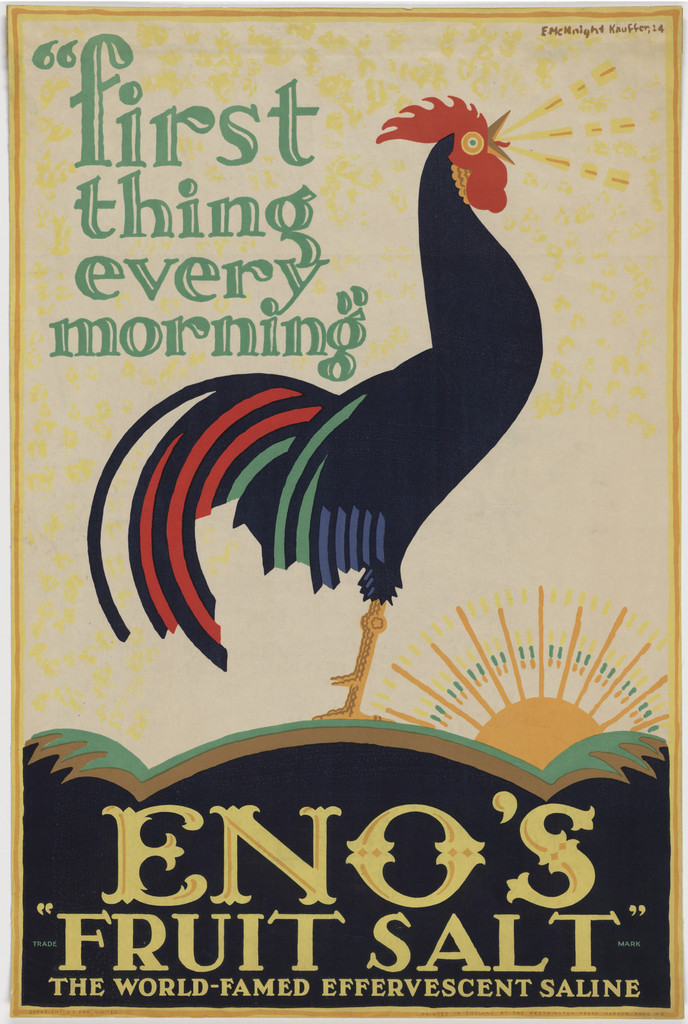
"First Thing Every Morning", Eno's "Fruit Salt", The Worl...
E. McKnight Kauffer
1924
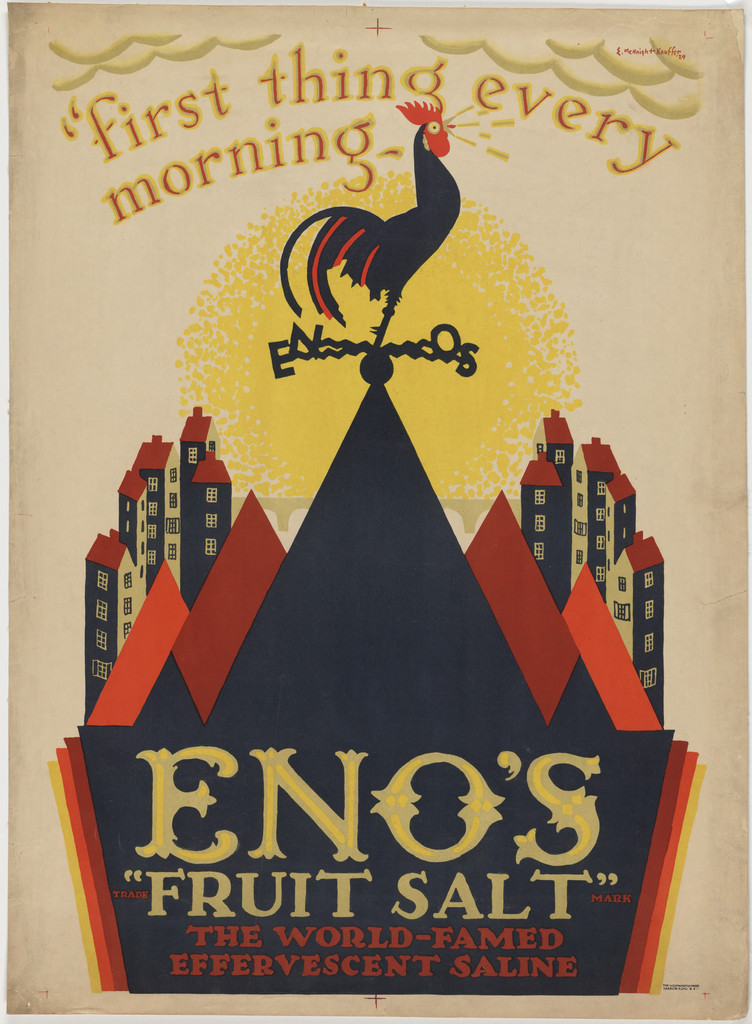
"first thing every morning", Eno's "Fruit Salt", The Worl...
E. McKnight Kauffer
1924
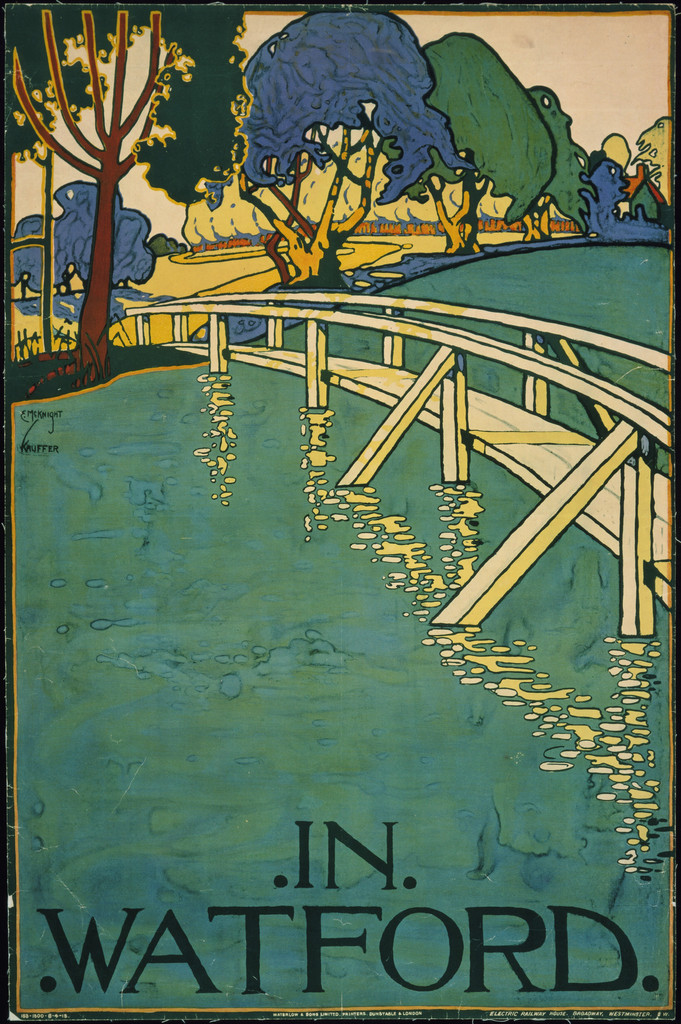
. IN . / . WATFORD . 1915
E. McKnight Kauffer
1915
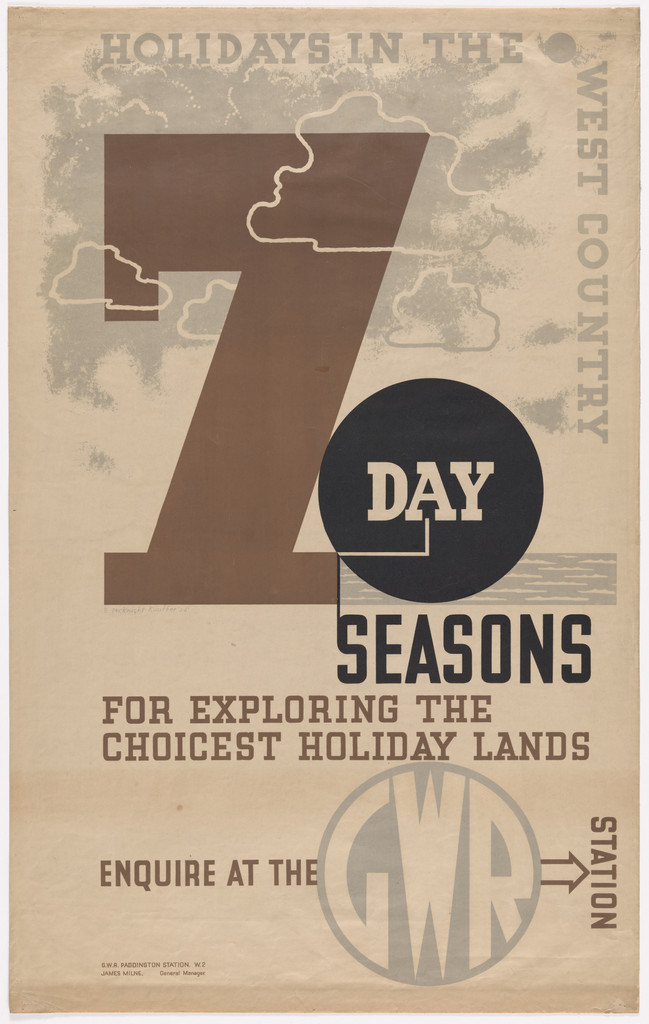
7 Day Seasons (Poster for London Transport)
E. McKnight Kauffer
1934
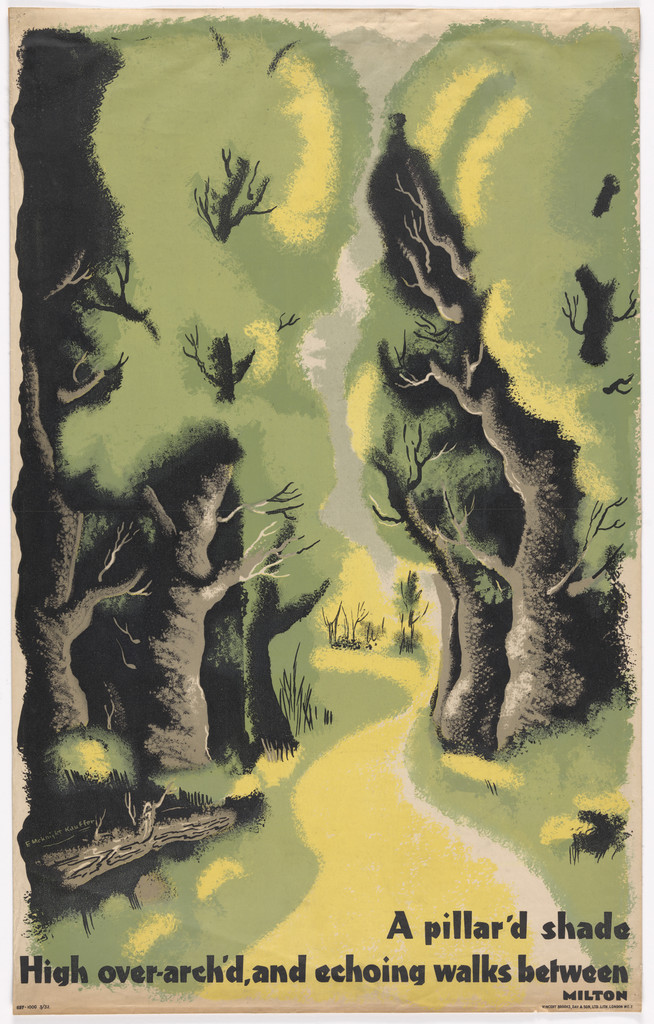
A Pillar'd Shade (Poster for Underground Electric Railway...
E. McKnight Kauffer
1932
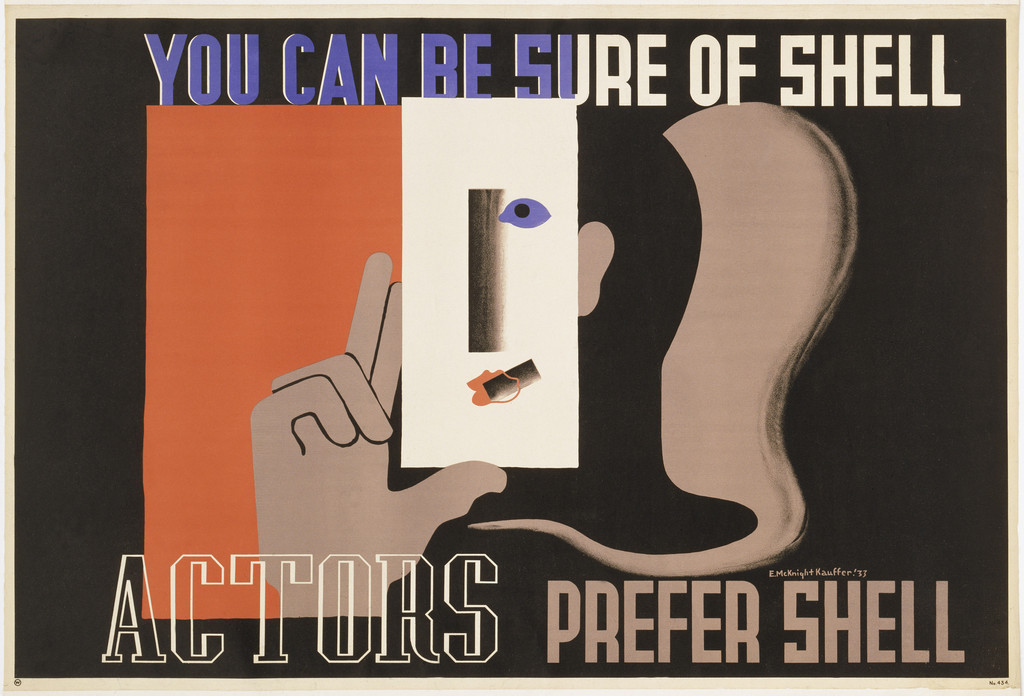
Actors Prefer Shell, You Can Be Sure of Shell
E. McKnight Kauffer
1933
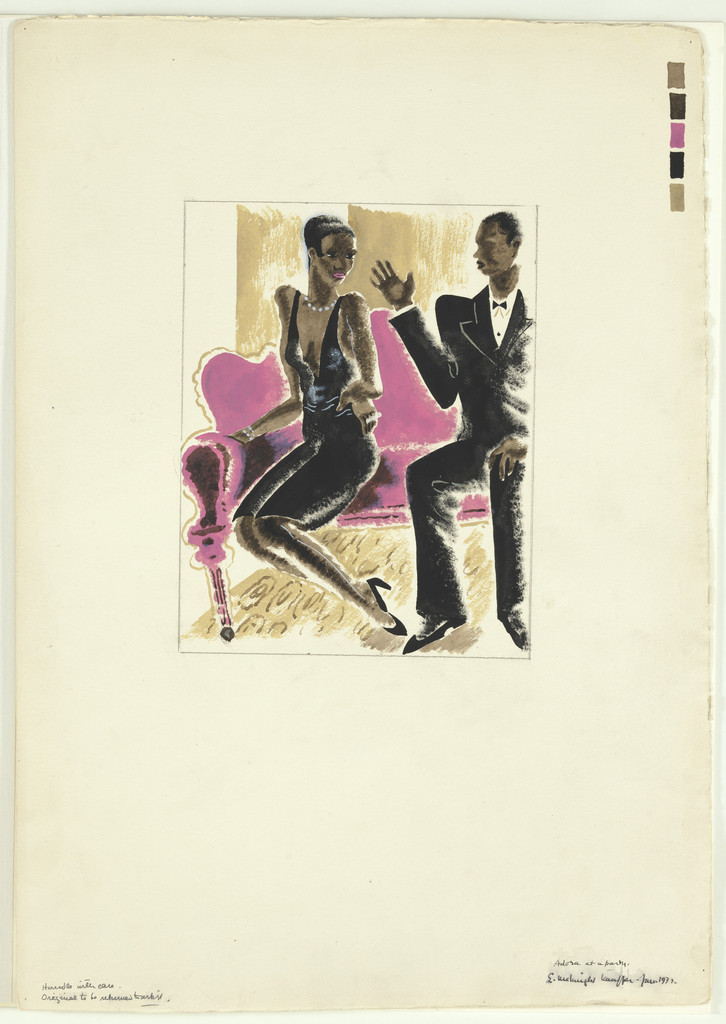
Adora at a Party from Nigger Heaven (Illustration from Ca...
E. McKnight Kauffer
1931
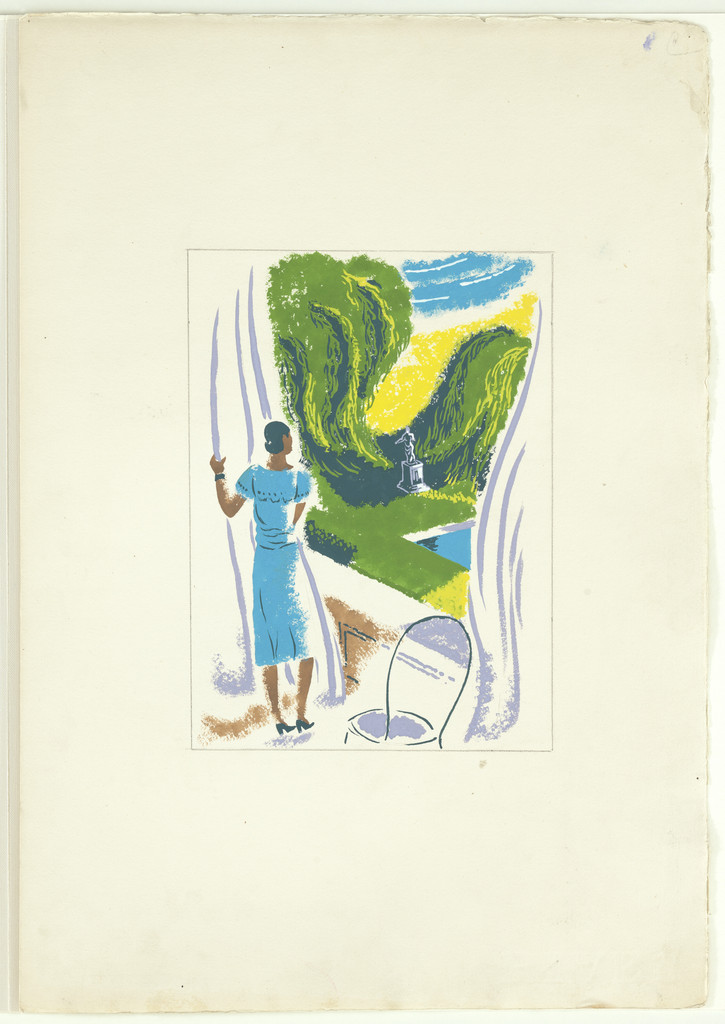
Adora's House in the Country. Mary at Window from Nigger ...
E. McKnight Kauffer
1931
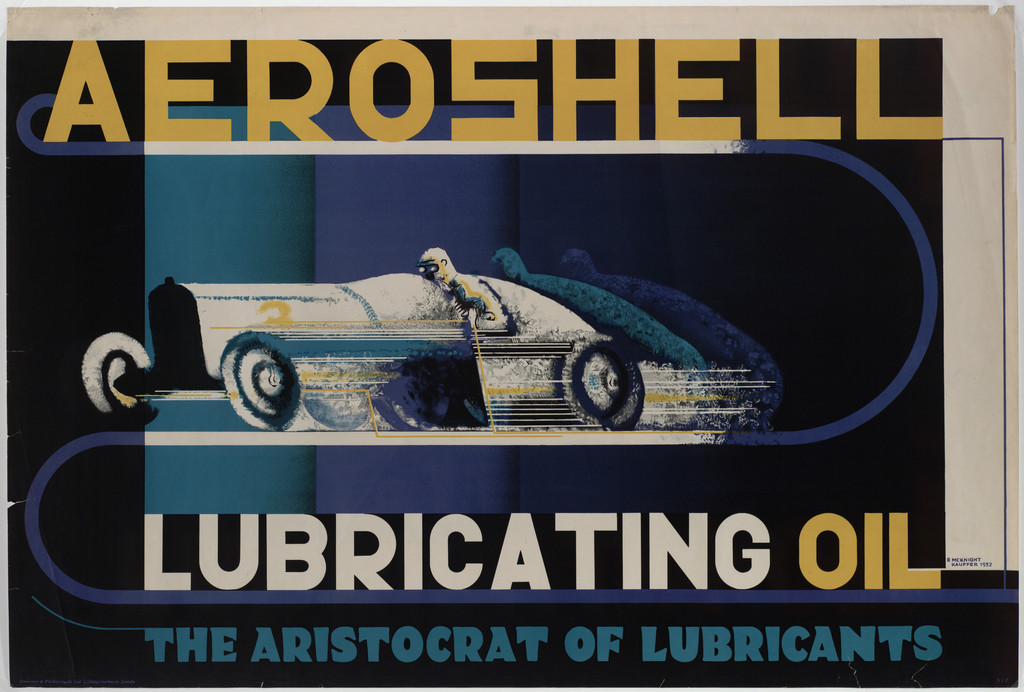
Aeroshell Lubricating Oil, The Aristocrat of Lubricants
E. McKnight Kauffer
1932
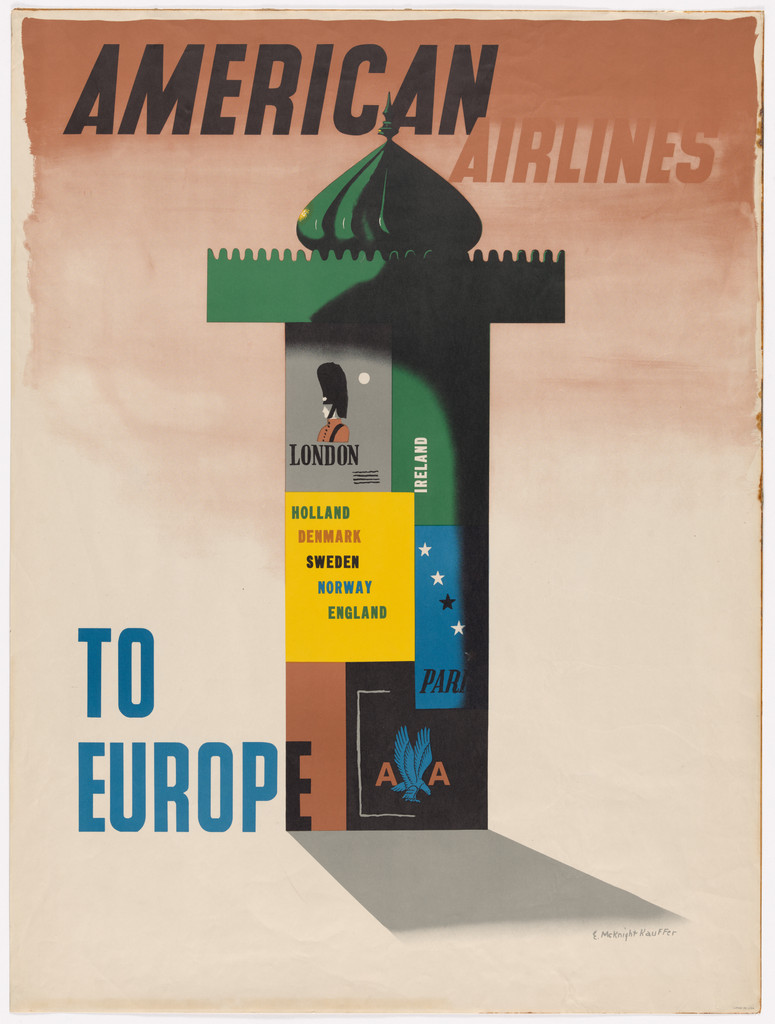
American Airlines to Europe
E. McKnight Kauffer
1948
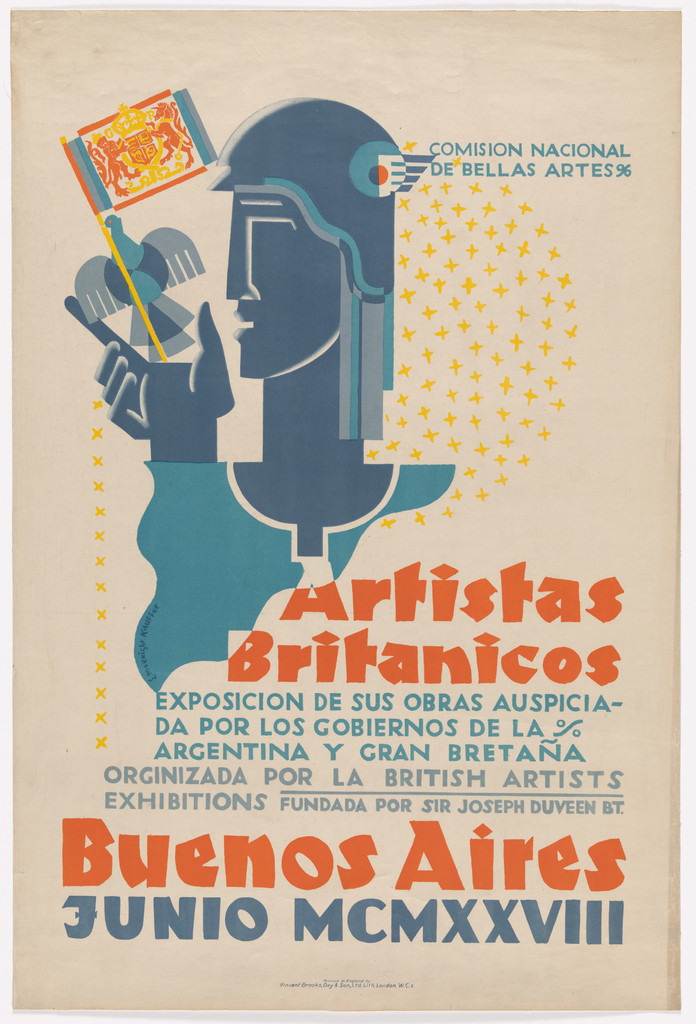
Artistsas Britanicos - Buenos Aires
E. McKnight Kauffer
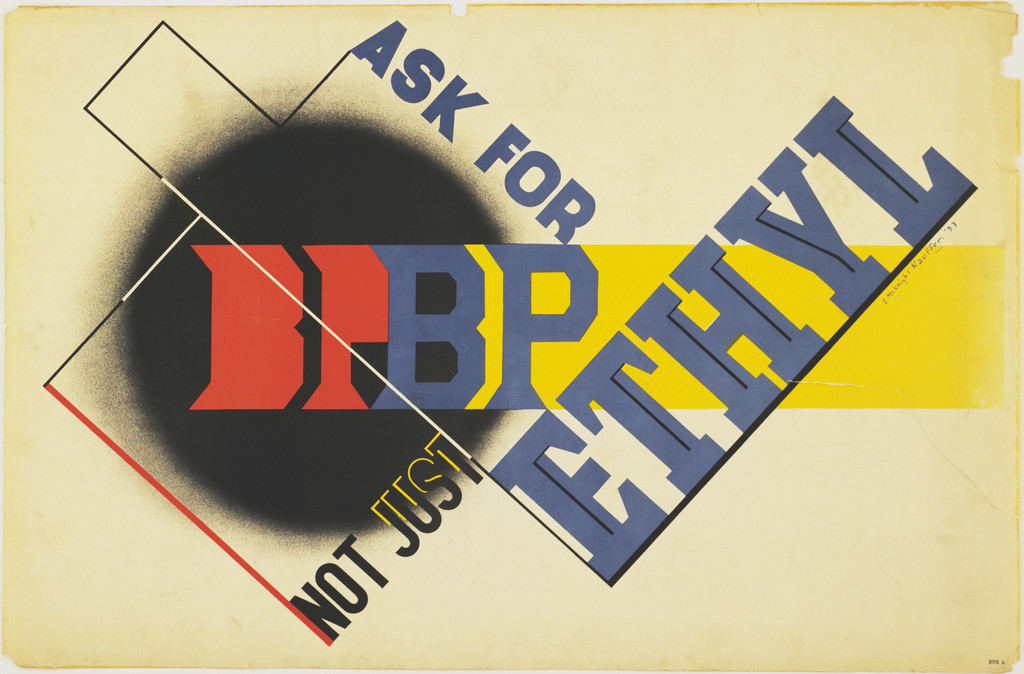
Ask For BP Not Just Ethyl
E. McKnight Kauffer
1933
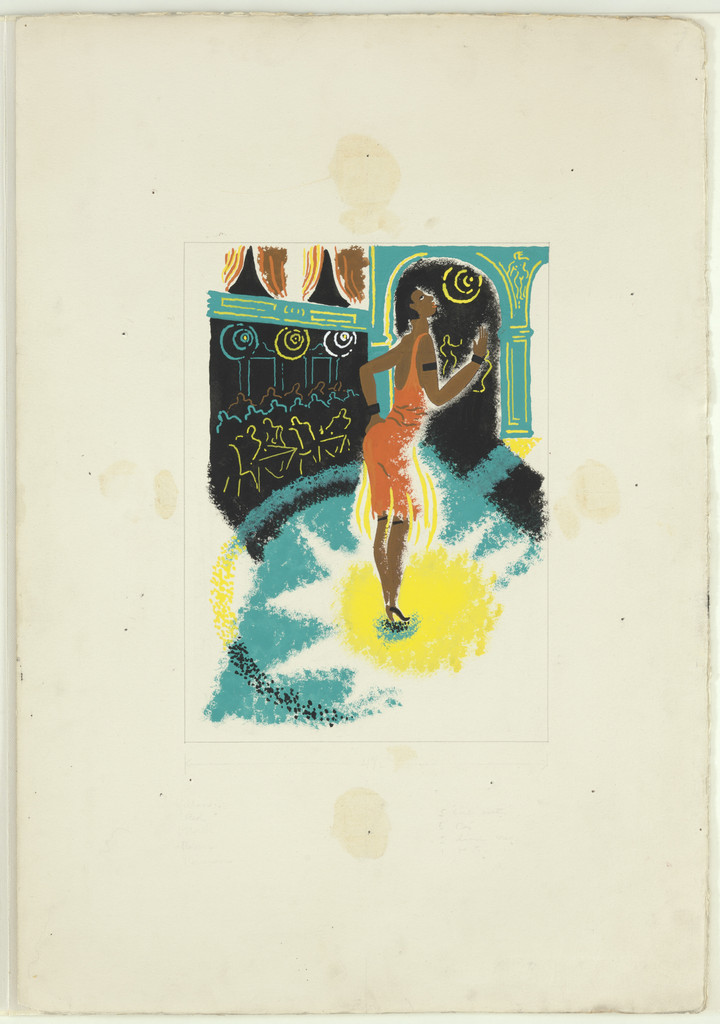
At the Winter Palace from Nigger Heaven (Illustration fro...
E. McKnight Kauffer
1931
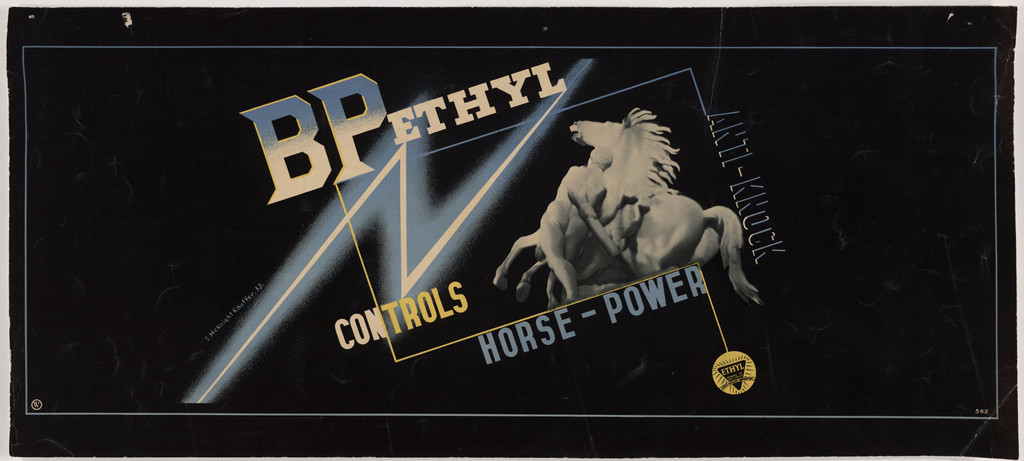
B.P. Ethyl Anti-Knock Controls Horse-Power
E. McKnight Kauffer
1933
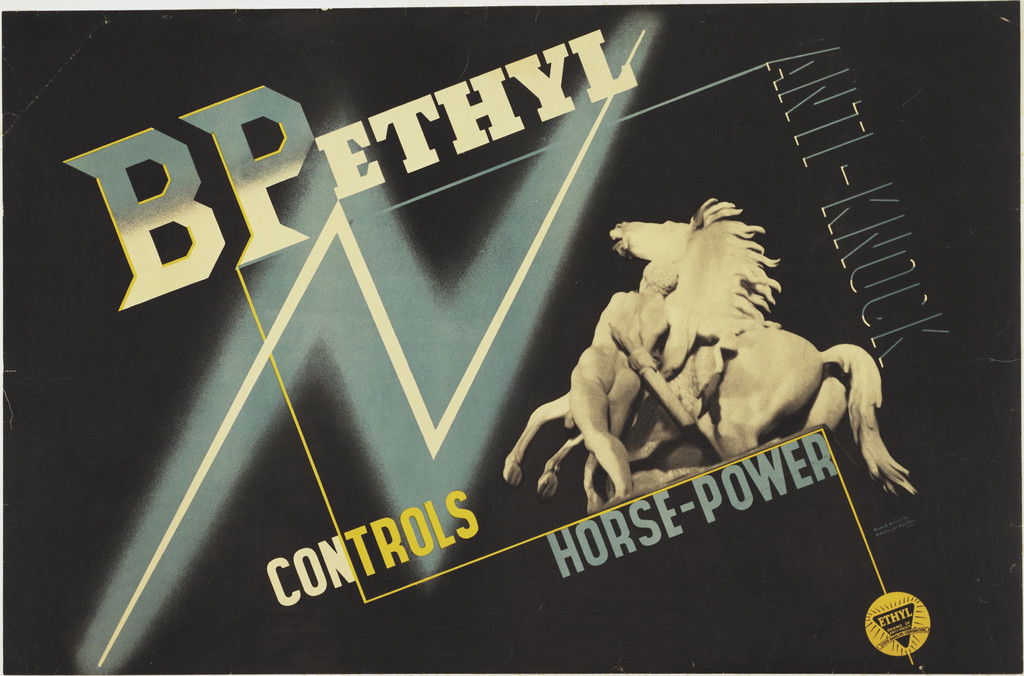
BP Ethyl Anti-Knock Controls Horse-Power
E. McKnight Kauffer
1933
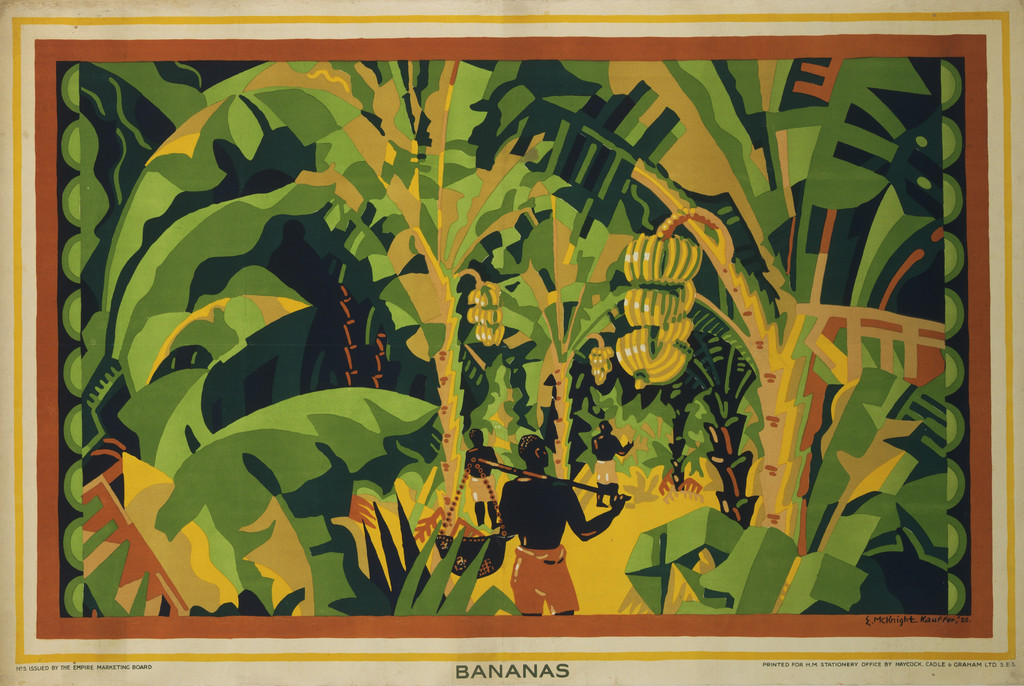
Bananas
E. McKnight Kauffer
1926
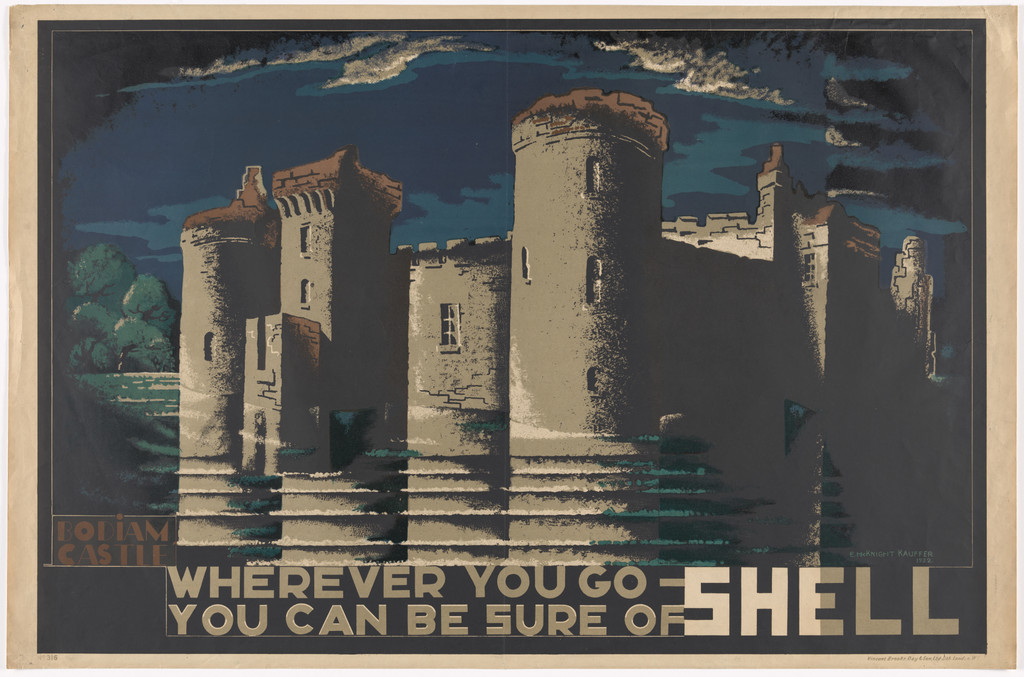
Bodiam Castle - Wherever You Go You Can Be Sure of Shell
E. McKnight Kauffer
1932
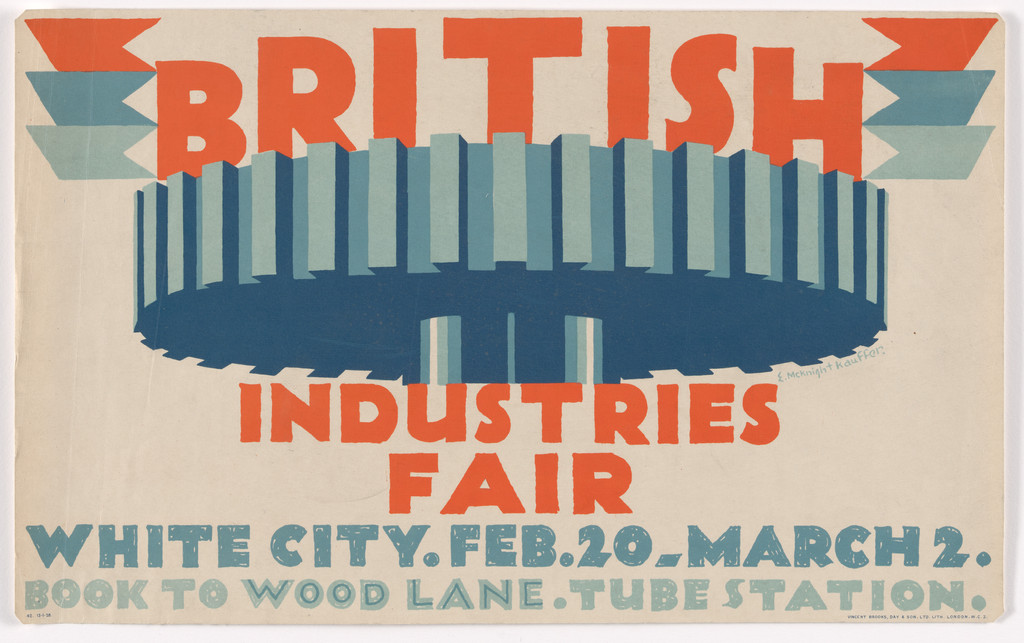
British Industries Fair, White City, Feb. 20 - March 2
E. McKnight Kauffer
1925
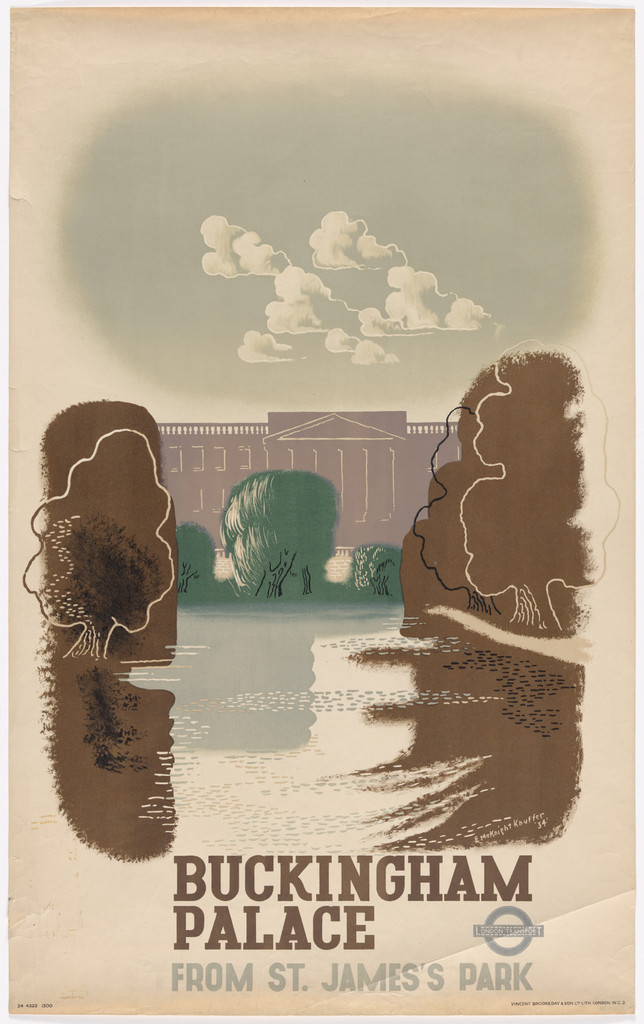
Buckingham Palace from St. James Park
E. McKnight Kauffer
1934
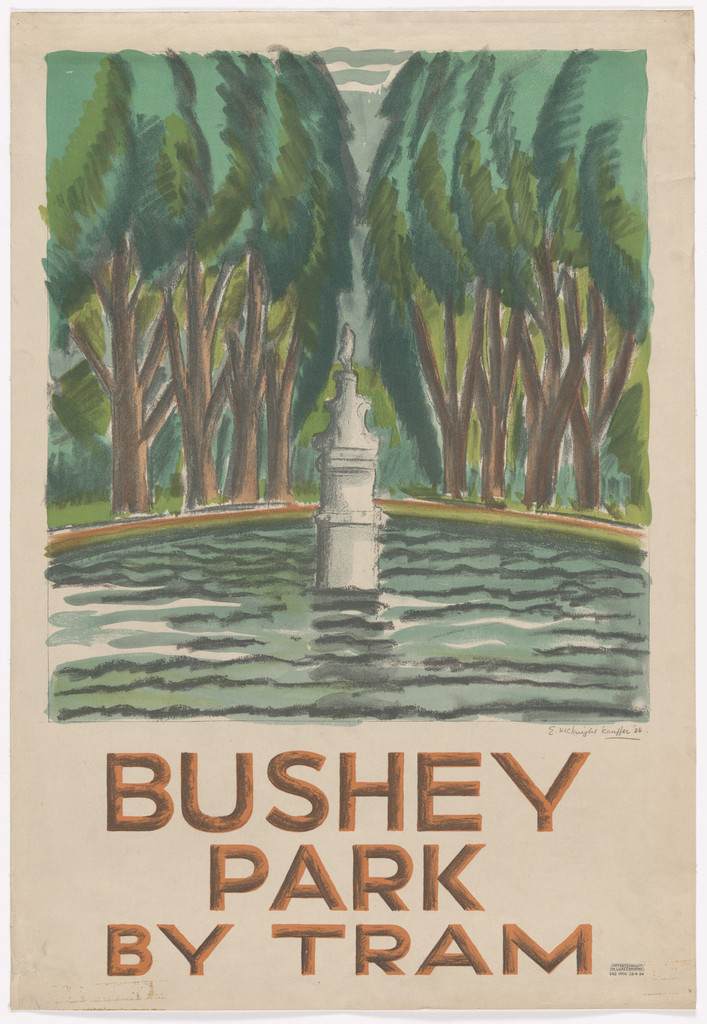
Bushey Park by Tram (Poster for London Transport)
E. McKnight Kauffer
1924
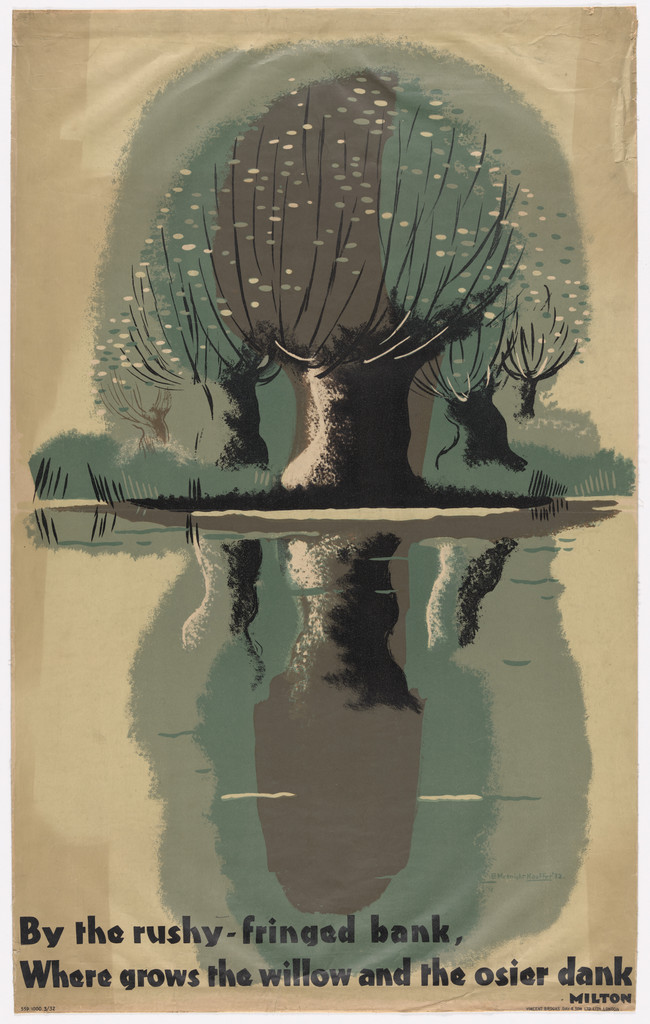
By the rushy-fringed bank, Where grows the willow and the...
E. McKnight Kauffer
1932
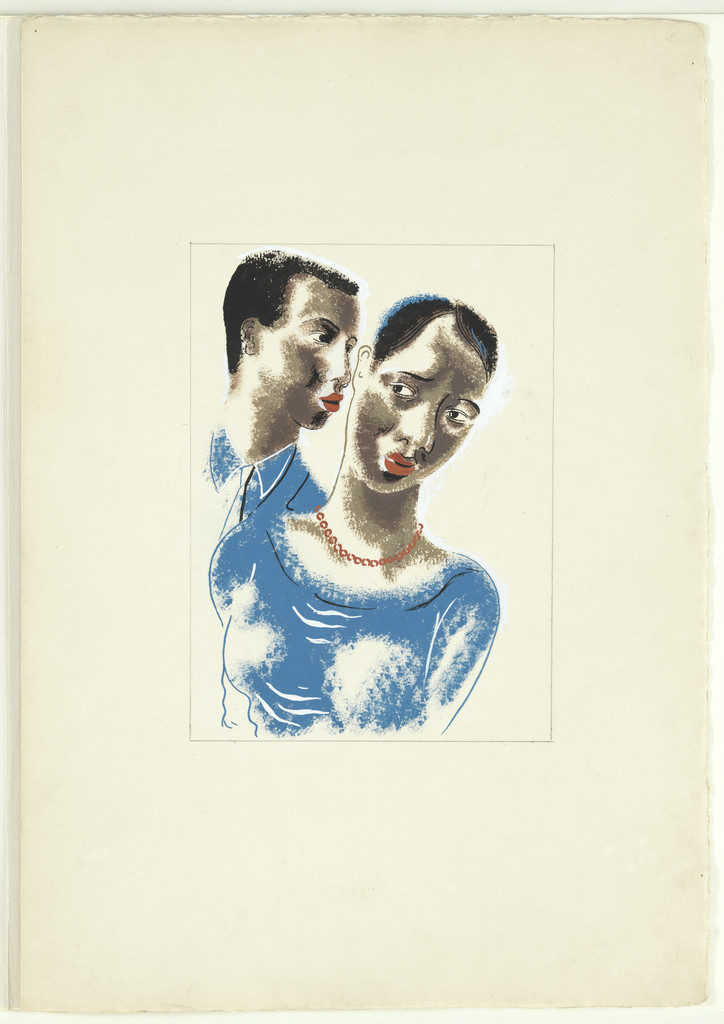
Byron & Mary from Nigger Heaven (Illustration from Carl v...
E. McKnight Kauffer
1931
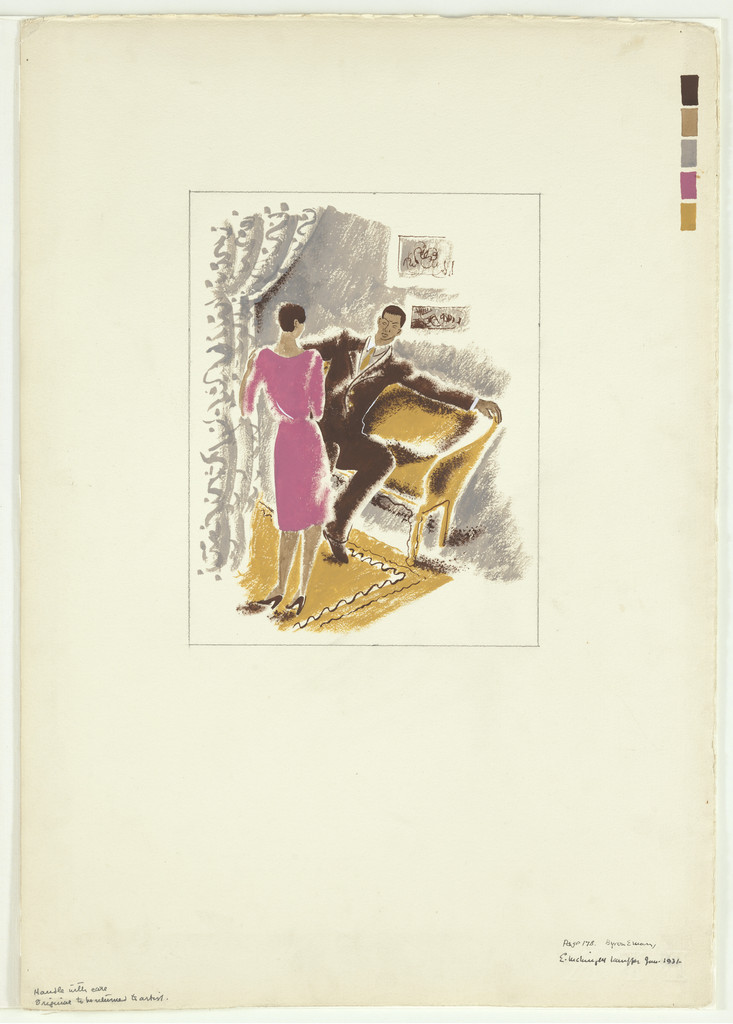
Byron & Mary from Nigger Heaven (Illustration from Carl v...
E. McKnight Kauffer
1931
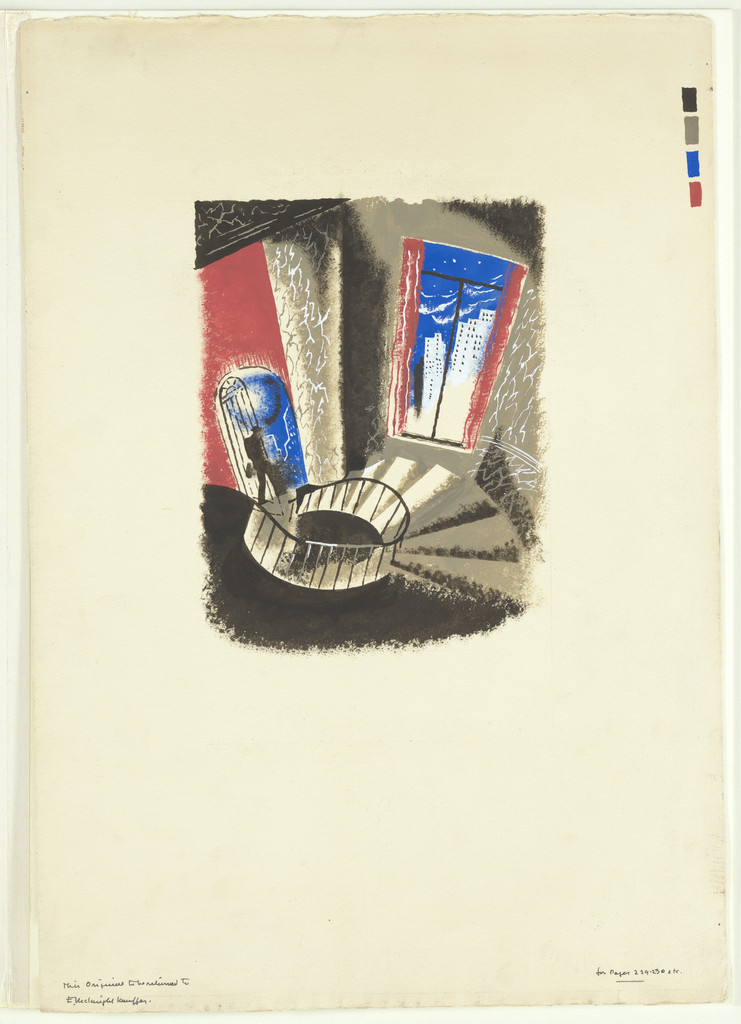
Byron Leaves Lasca's Apartment from Nigger Heaven (Illust...
E. McKnight Kauffer
1931
Exhibitions
18 exhibitionsMar 02, 1936 – Apr 19, 1936
Cubism and Abstract Art
113 artists · 1 curator
Apr 27, 1936 – Sep 02, 1936
Modern Painters and Sculptors as Illustrators
100 artists · 1 curator
Feb 10, 1937 – Mar 07, 1937
Posters by E. McKnight Kauffer
1 artist · 1 curator
Jun 11, 1941 – Jun 26, 1941
A History of the Modern Poster
28 artists
Aug 12, 1941 – Aug 25, 1941
American Watercolors; Lettering and Arrangements in Poster Design
13 artists
Dec 03, 1941 – Dec 07, 1941
Introduction to Modern Painting: Modern Posters
7 artists
Jun 30, 1942 – Aug 09, 1942
New Rugs by American Artists
11 artists
Dec 09, 1942 – Jan 24, 1943
Twentieth Century Portraits
159 artists · 1 curator
May 24, 1944 – Sep 17, 1944
Posters
37 artists · 1 curator
Oct 05, 1949 – Dec 04, 1949
Modern Art in Your Life
164 artists · 1 curator
Oct 11, 1949 – Nov 20, 1949
New Posters from 16 Countries
43 artists · 1 curator
Mar 06, 1957 – Apr 07, 1957
Travel Posters
40 artists · 1 curator
Dec 14, 1960 – Feb 23, 1961
Film Posters
28 artists · 1 curator
Jan 25, 1968 – Mar 10, 1968
Word and Image: Posters and Typography from the Graphic Design Collection of the Museum of Modern Art, 18791967
197 artists · 1 curator
Dec 01, 1970 – Jan 31, 1971
Recent Acquisitions: Design Collection
101 artists · 2 curators
Jul 01, 1971 – Sep 27, 1971
The Artist as Adversary
140 artists · 1 curator
Mar 26, 1976 – May 19, 1976
Posters from the Collection
49 artists · 1 curator
Nov 14, 1979 – Jan 22, 1980
Art of the Twenties
167 artists · 1 curator