
“I like a canvas to breathe and be alive. Be alive is the point.” — Lee Krasner
Lee Krasner was a force of nature, always pushing abstraction forward. Her work over 50 years suggests perpetual, restless reinvention, encompassing portraits, Cubist drawings, collage, assemblage, and large-scale abstract painting. A pioneer of Abstract Expressionism, she was also one of the key crusaders for Jackson Pollock’s legacy. As the art historian Helen Harrison, now the director of the Pollock-Krasner House in Springs, NY, once wrote, Krasner “squeezed the juice out of her imagery.” Krasner was born in 1908, to Russian-Jewish refugees in Brooklyn. She always wanted to study and make art, and attended the Women’s Art School at Cooper Union and the National Academy of Design. When The Museum of Modern Art opened in 1929, Krasner said, “It was like a bomb that exploded…nothing else ever hit me that hard, until I saw Pollock’s work.” She became a mural painter for the Works Progress Administration, the Depression-era public art project, and an arts activist. In 1937, she studied with the influential teacher and artist Hans Hofmann and joined the American Abstract Artists group; she went dancing to jazz with Piet Mondrian. In many ways, she was at the center of the burgeoning New York art world. As one dealer remarked, Krasner “knew more about painting than anyone in the United States, except John Graham.” It was the artist Graham who brought Krasner and Jackson Pollock together. In 1942, both were included in his major exhibition French and American Painting at an antique furniture store in midtown New York. Krasner was inspired to knock on Pollock’s apartment door to check out his work. It was the start of a tempestuous relationship that would be a central and at times eclipsing presence in her own career. Krasner introduced Pollock to many artists and gallerists, including Willem de Kooning, Hans Hoffman, and Sidney Janis, and most importantly to the art critic Clement Greenberg, who became a champion of Pollock’s work. In 1945, Krasner and Pollock married and moved out to Springs, East Hampton, on the East End of Long Island, to get away from the city scene. (Pollock was already suffering from debilitating alcoholism.) There they clammed, rode bikes, and painted. Krasner, working in her upstairs bedroom studio, began her breakthrough Little Images series—its canvases small enough to fit on a bedside table—and made mosaiced tabletops. She imagined the dense compositions of her Little Images as unreadable hieroglyphics, thick with paint sometimes applied directly from the tube. Krasner also began working on collages—using paper and scraps from canvases she and Pollock had discarded—that demonstrated her admiration for Henri Matisse. In 1956, while Krasner was in Europe, Pollock died in a car crash. A year later, Krasner moved into the barn studio that Pollock had used on their property, and the scale and energy of her paintings expanded. Nature became an immersive theme: _The Seasons_ (1957) stretched 17 feet wide, and _Gaea_ (1966), after the Greek earth goddess, shows her moving toward broad swaths of color and rhythm. In 1965, she had her first solo exhibition at Whitechapel Gallery in London, and in 1975, at the Whitney Museum of American Art. She died in 1984, just a few months before her retrospective opened at MoMA.
Note: opening quote is from oral history interview with Lee Krasner, 1964, Nov. 2, 1968–Apr. 11. Archives of American Art, Smithsonian Institution. https://www.aaa.si.edu/collections/interviews/oral-history-interview-lee-krasner-12507.
Prudence Peiffer, Managing Editor, Creative Team
The research for this text was supported by a generous grant from The Modern Women's Fund.
Works in Collection
11 works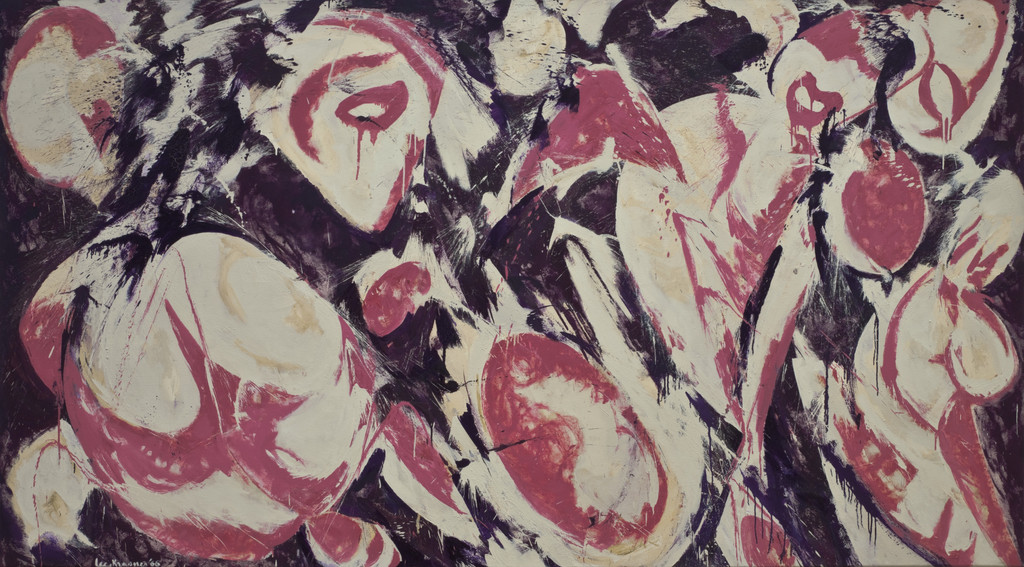
Gaea
Lee Krasner
1966
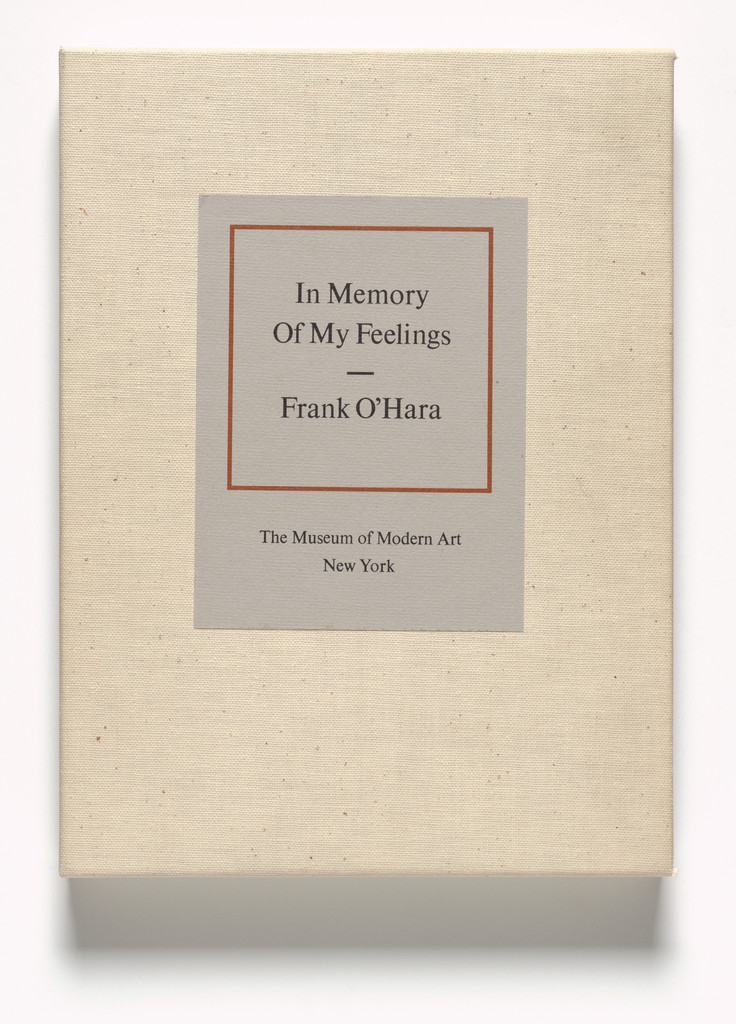
In Memory of My Feelings
Nell Blaine
1967
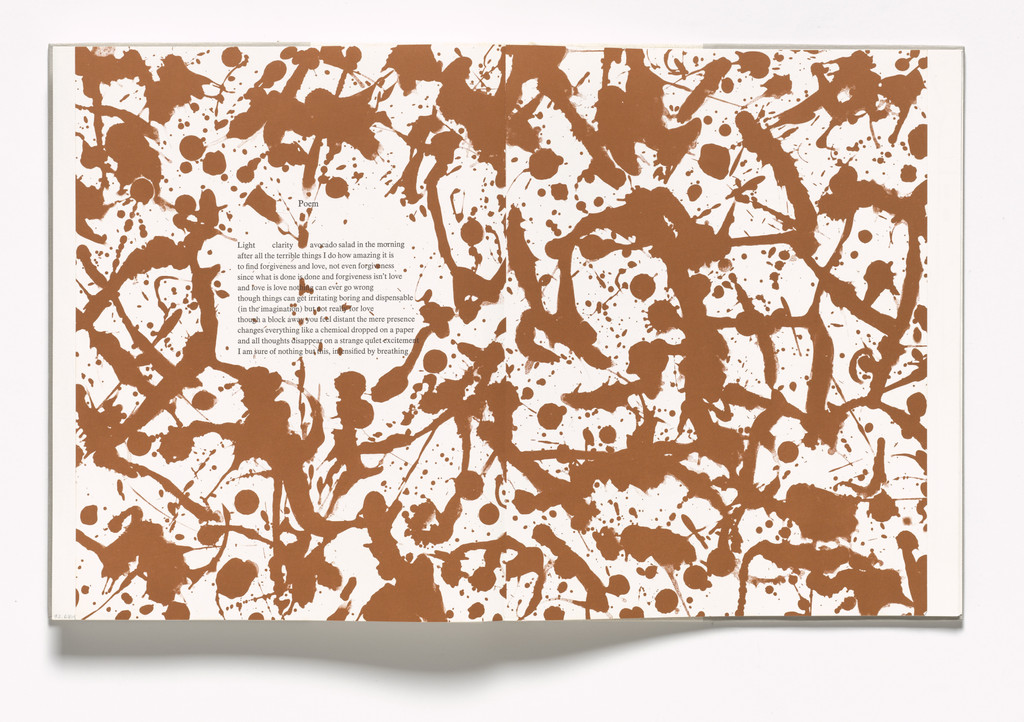
In-text plate (folios 99 verso and 100 recto) from In Mem...
Lee Krasner
1967
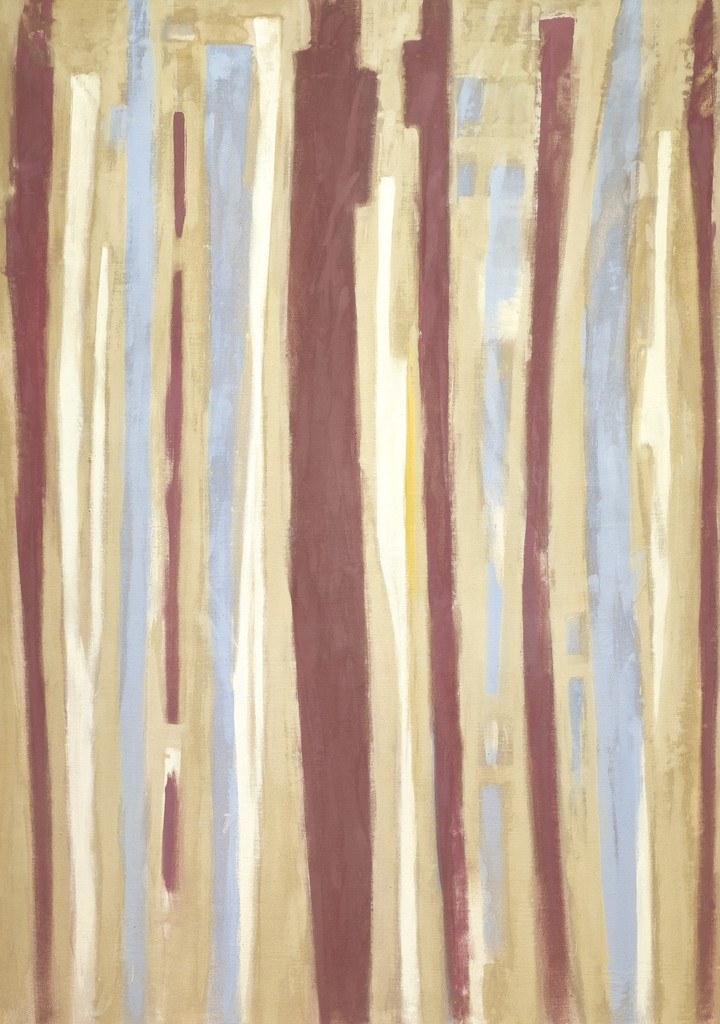
Number 3 (Untitled)
Lee Krasner
1951
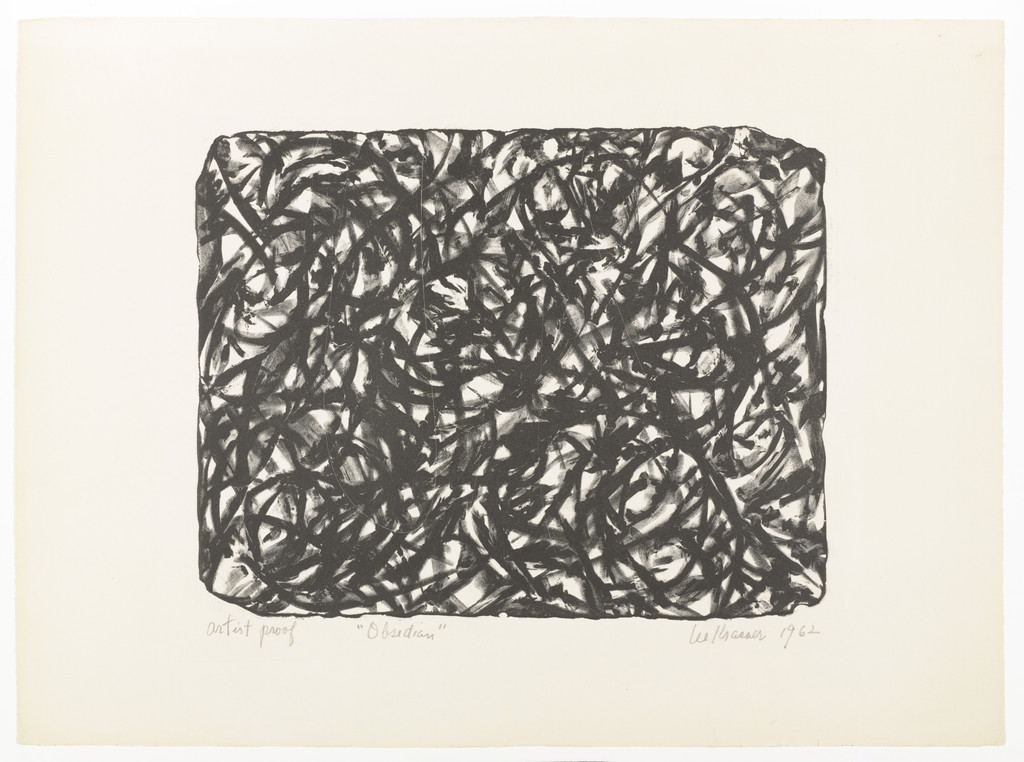
Obsidian
Lee Krasner
1962
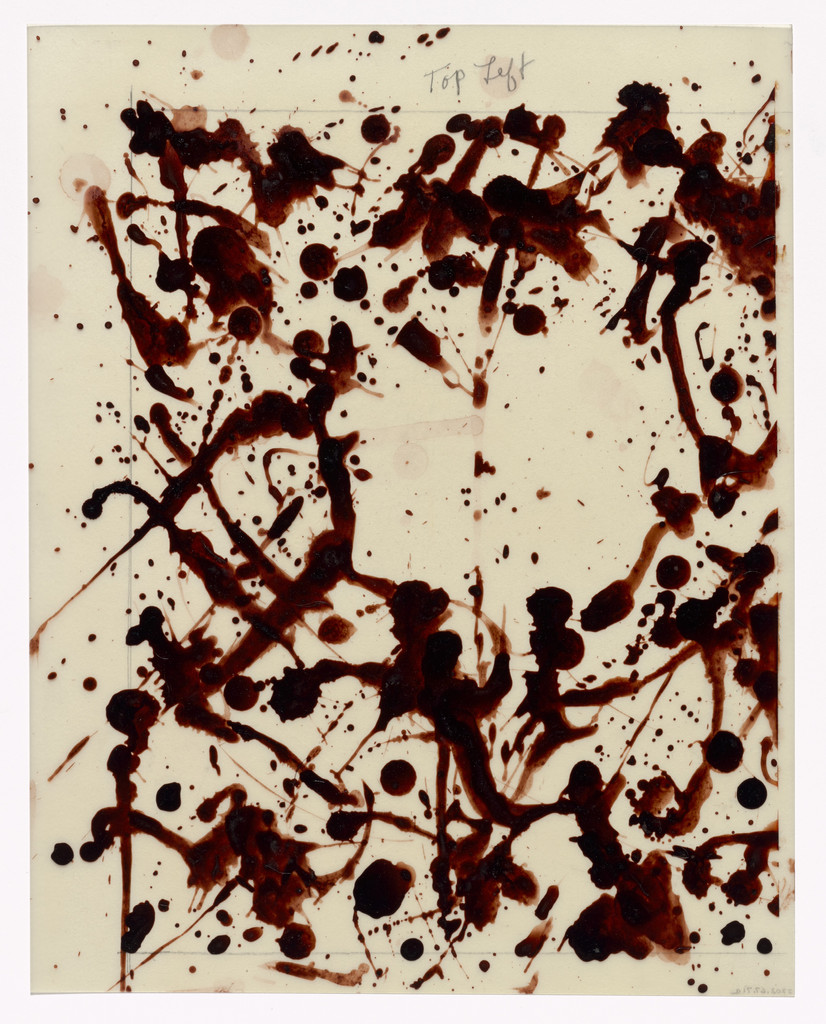
Preparatory drawing for In Memory of My Feelings
Lee Krasner
1967
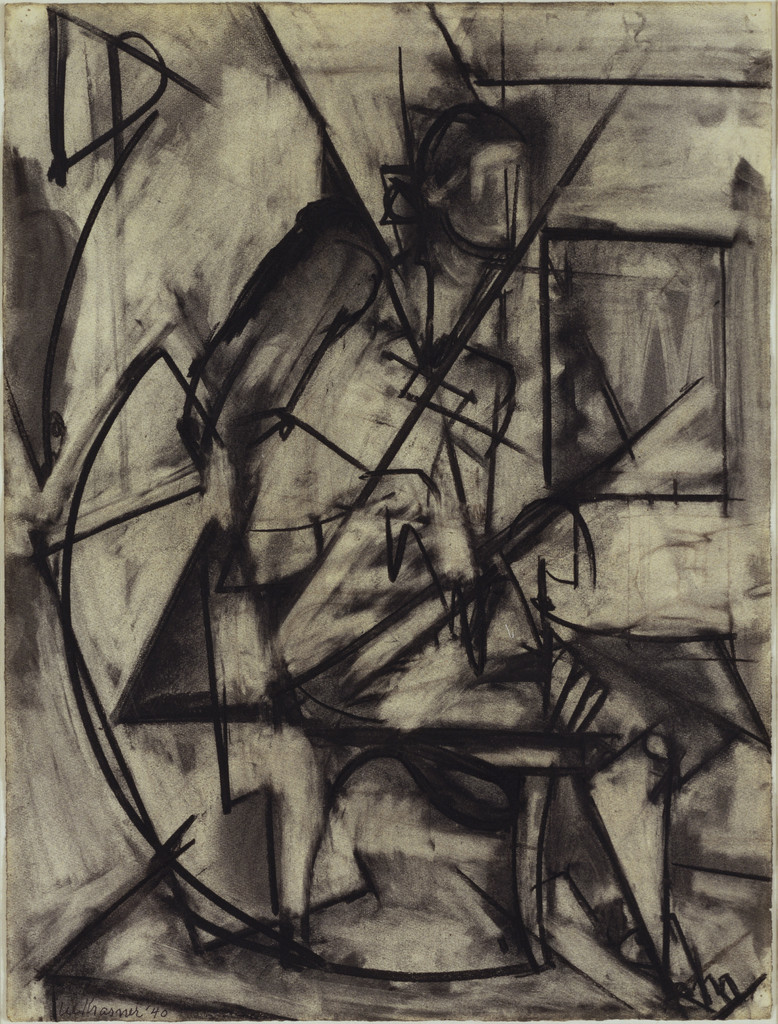
Seated Nude
Lee Krasner
1940
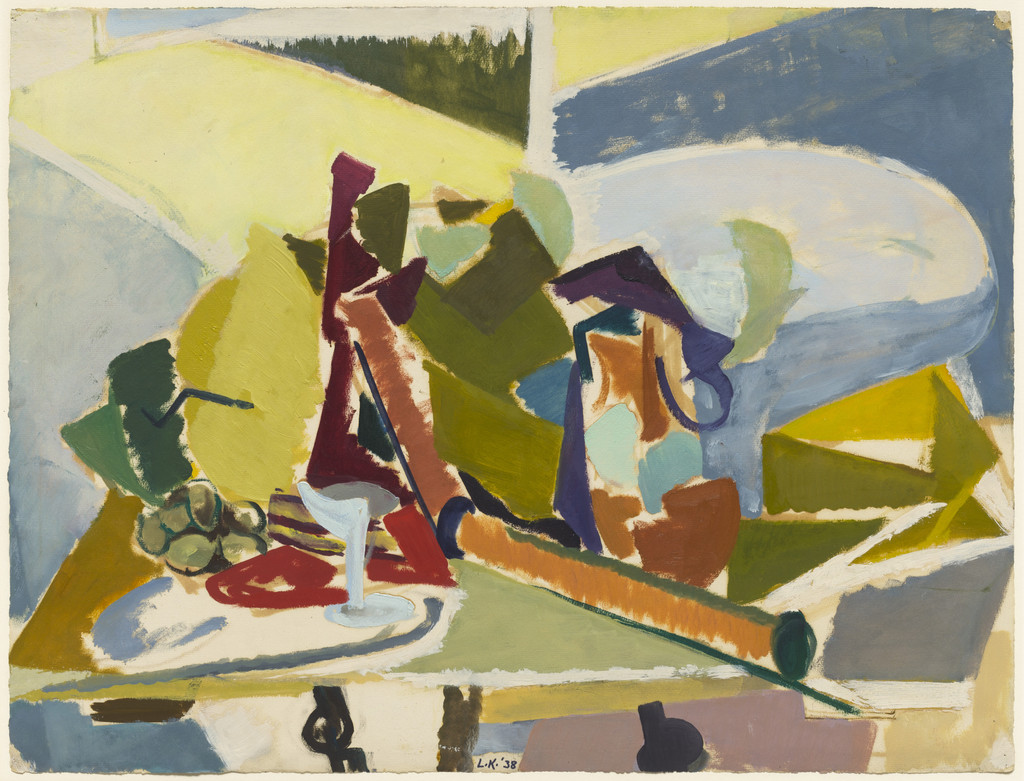
Still Life
Lee Krasner
1938
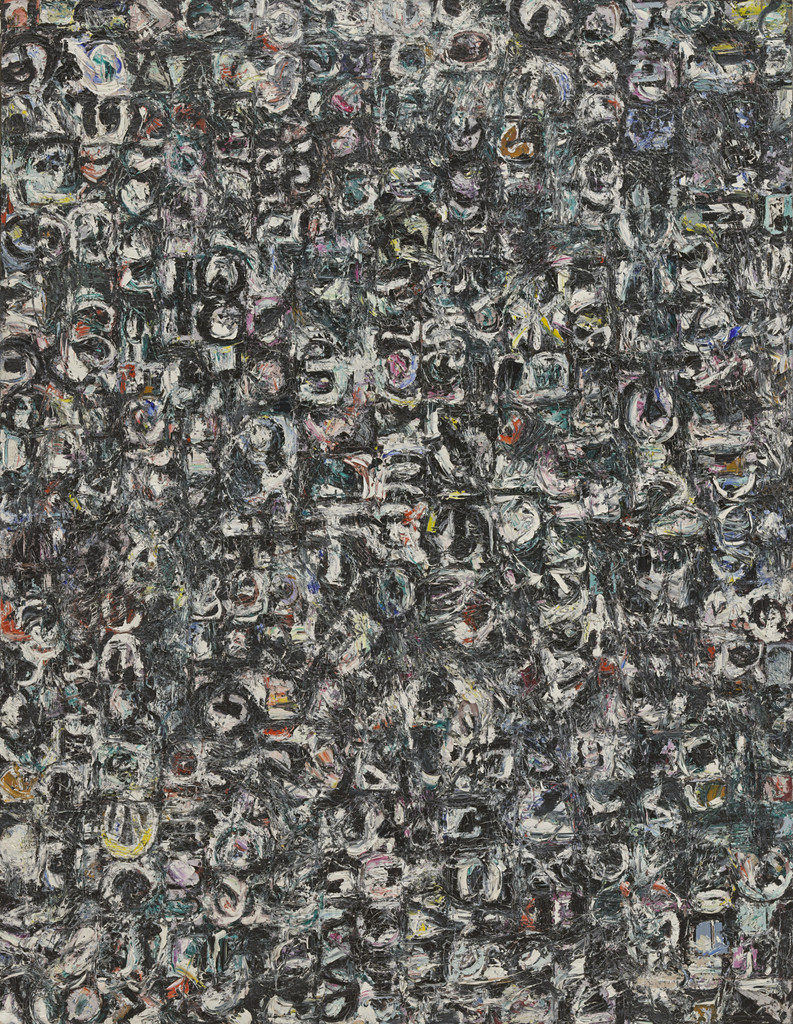
Untitled
Lee Krasner
1949
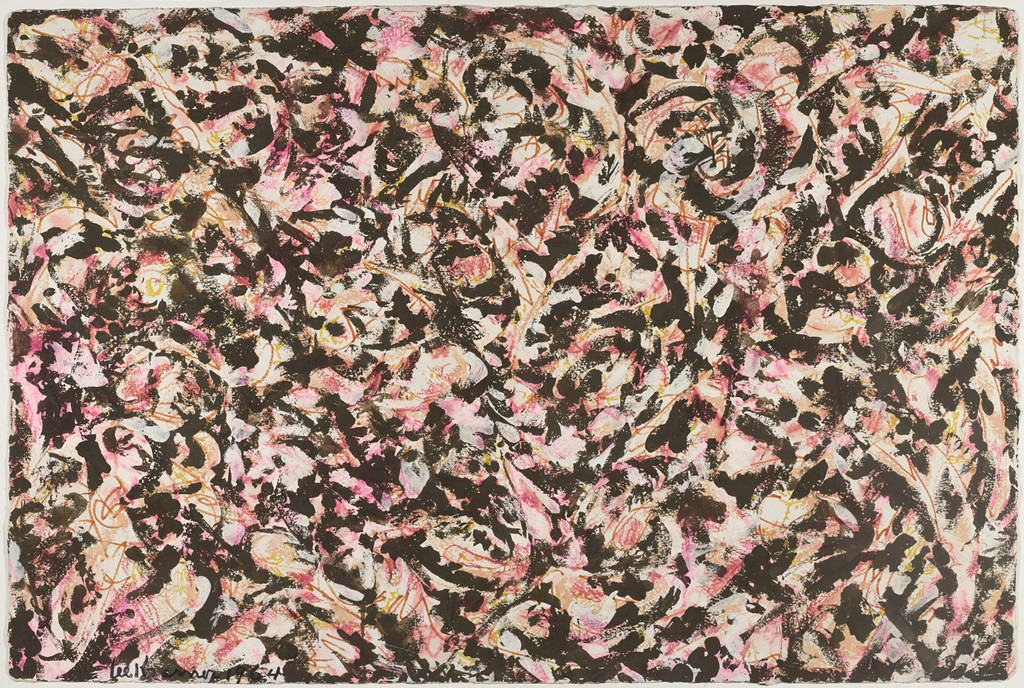
Untitled
Lee Krasner
1964
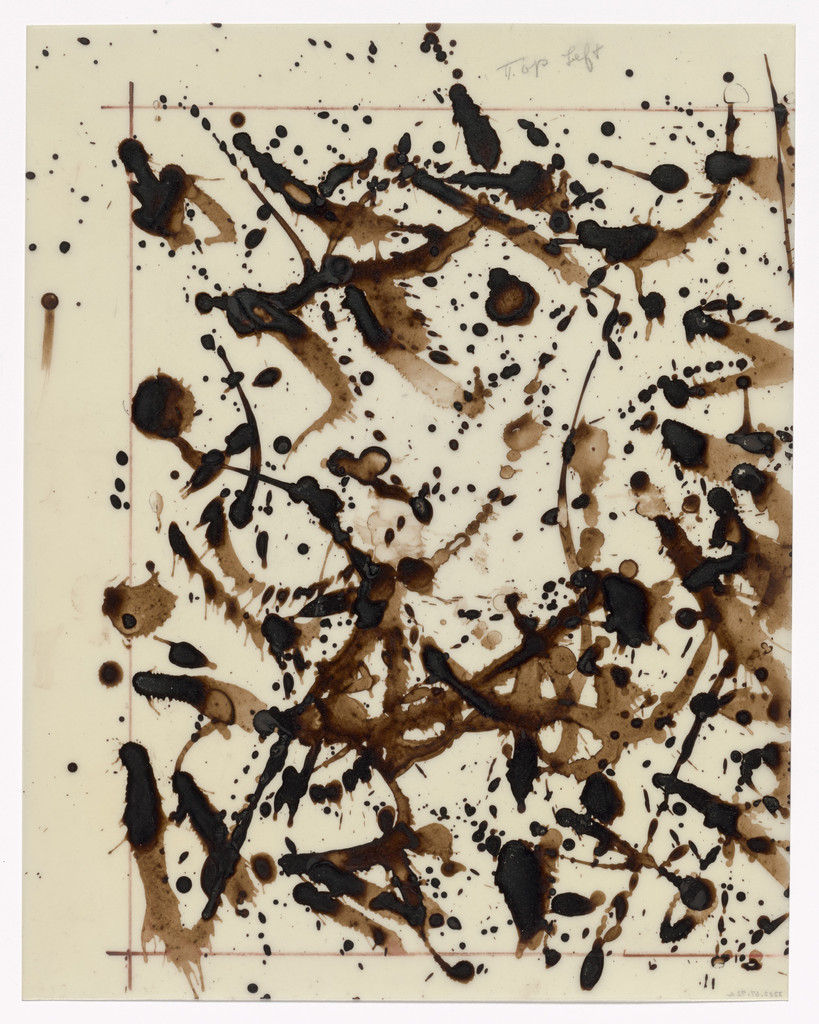
Unused preparatory drawing for In Memory of My Feelings
Lee Krasner
1967
Exhibitions
8 exhibitionsDec 04, 1967 – Sep 10, 1968
Frank O'Hara/In Memory of My Feelings
31 artists · 2 curators
Jun 18, 1969 – Oct 05, 1969
The New American Painting and Sculpture: The First Generation
43 artists · 2 curators
Jul 19, 1976 – Sep 12, 1976
Some American Drawings: Recent Acquisitions
14 artists · 1 curator
Jul 22, 1977 – Sep 20, 1977
Extraordinary Women
15 artists · 1 curator
Sep 20, 1977 – Dec 04, 1977
American Drawn and Matched
35 artists · 1 curator
Sep 12, 1978 – Nov 26, 1978
Recent Acquisitions: Painting and Sculpture
13 artists · 1 curator
Jul 22, 1984 – Aug 18, 1984
Lee Krasner, 1911-1984: Memorial
1 artist
Dec 20, 1984 – Feb 12, 1985
Lee Krasner: A Retrospective
1 artist · 2 curators