
“Although almost anything seemed to be fair subject matter for art... commercial art and particularly cartooning were not considered to be among those possibilities.” — Roy Lichtenstein
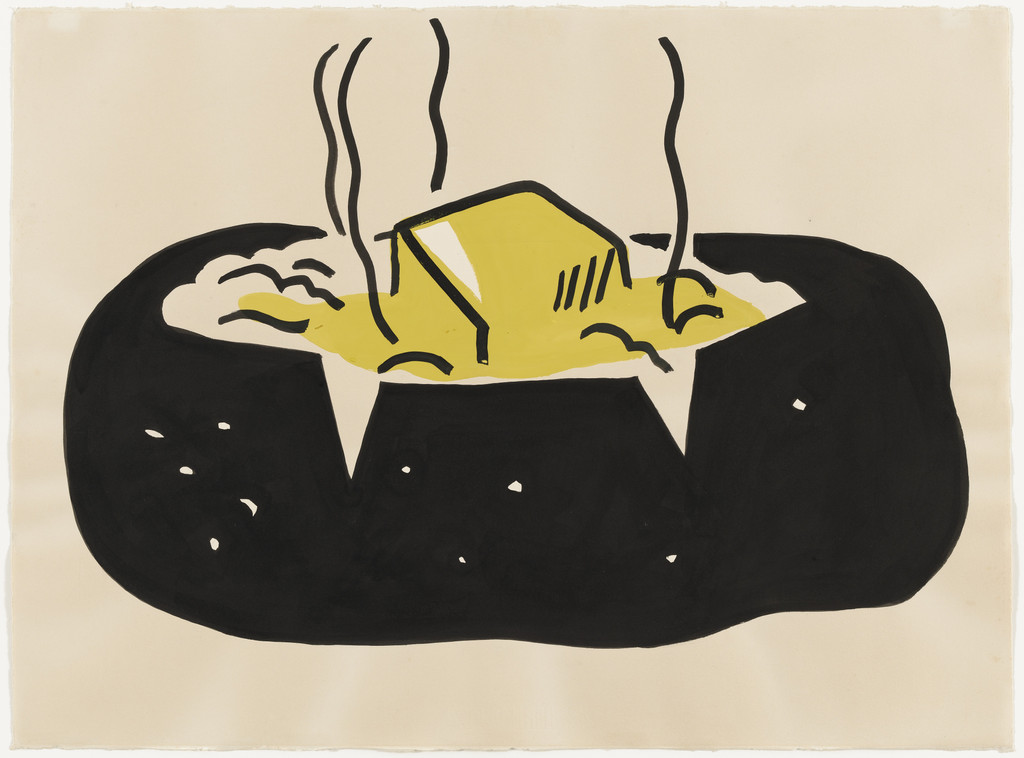
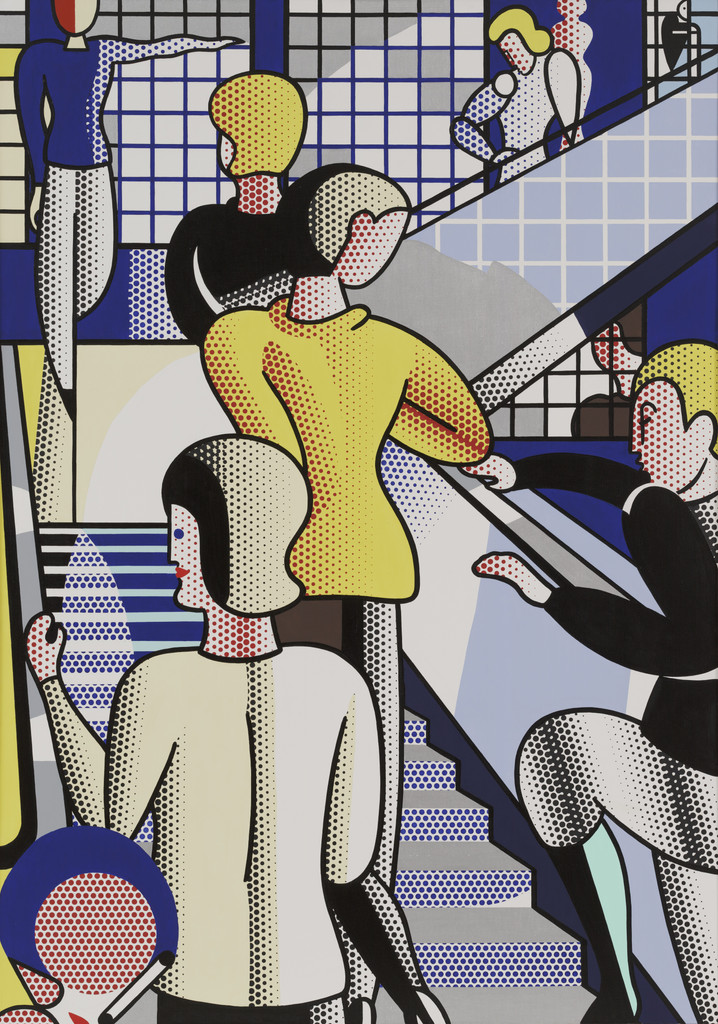
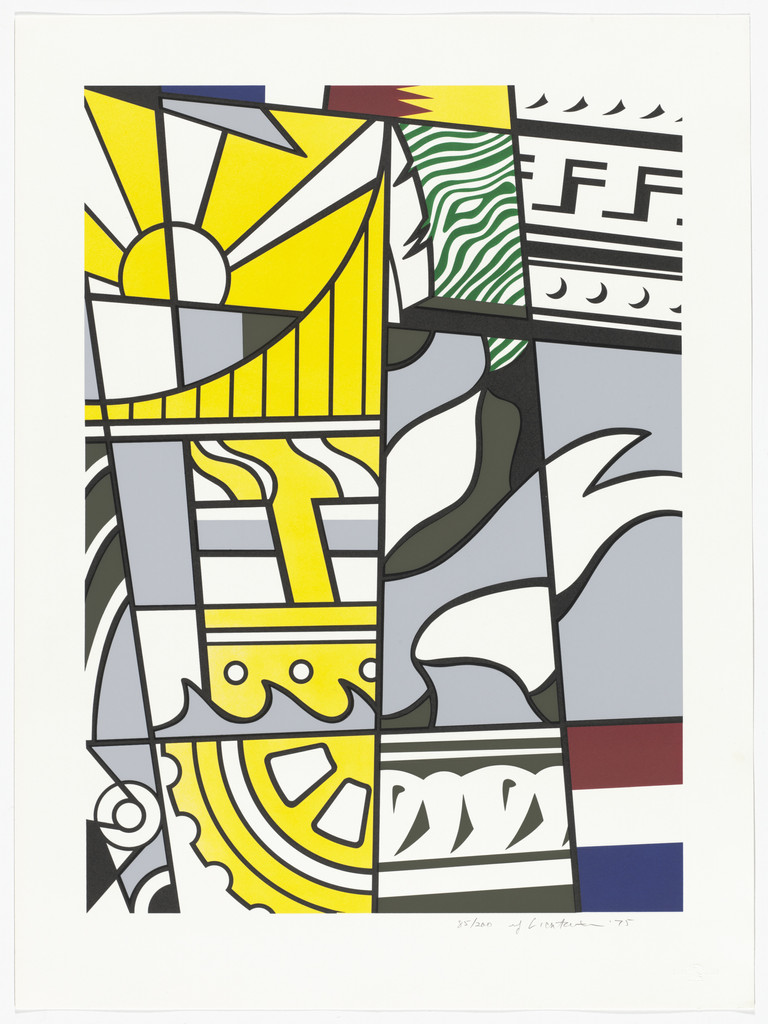
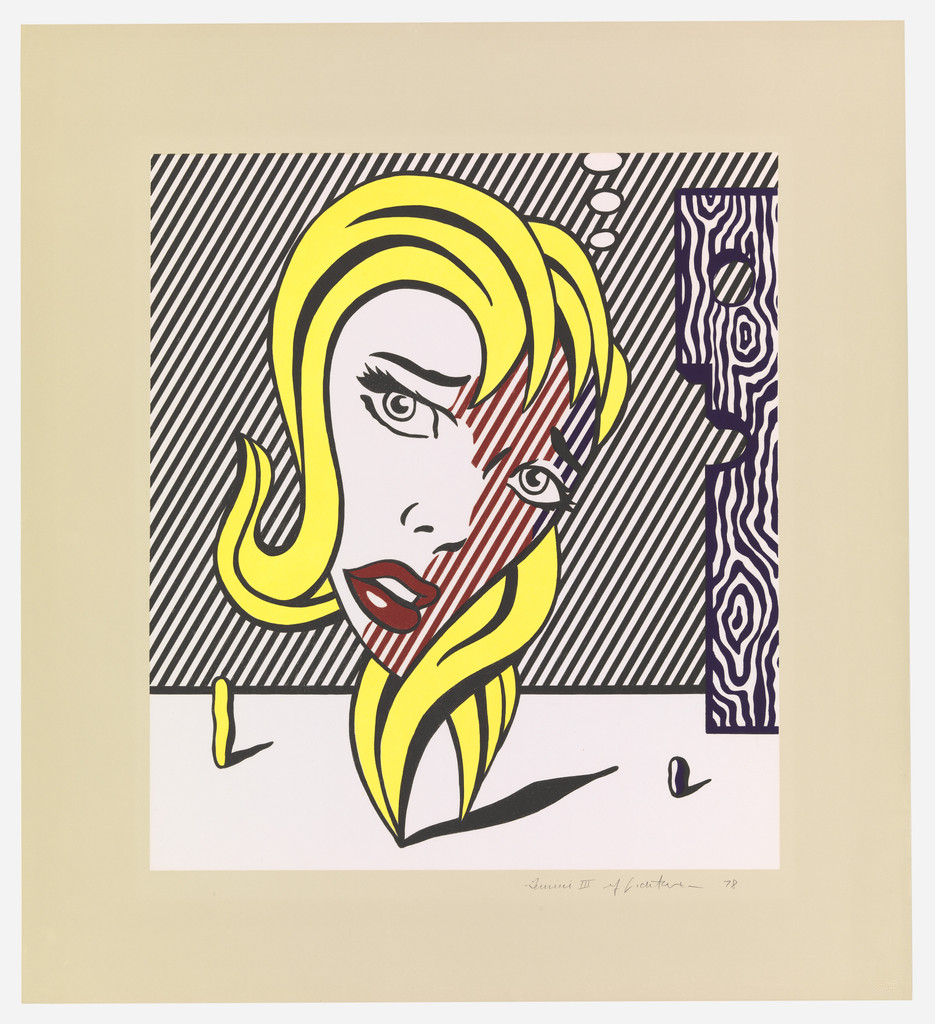
A key figure in the Pop art movement and beyond, Roy Lichtenstein grounded his profoundly inventive career in imitation—beginning by borrowing images from comic books and advertisements in the early 1960s, and eventually encompassing those of everyday objects, artistic styles, and art history itself. Referring to Lichtenstein’s equalizing treatment of the subjects he chose for his art, Richard Hamilton, a fellow Pop artist, wrote in 1968: “Parthenon, Picasso or Polynesian maiden are reduced to the same kind of cliché by the syntax of the print: reproducing a Lichtenstein is like throwing a fish back into water.” Lichtenstein later recalled that 1961, the year he completed Girl with Ball, marked a break with both his own abstract style and “prevailing taste” in the art world. “Although almost anything seemed to be fair subject matter for art,” he recalled, “commercial art and particularly cartooning were not considered to be among those possibilities.” The figure from Girl with Ball came from a printed advertisement for the Mount Airy Lodge, in Pennsylvania’s Pocono Mountains, and he based another painting, Drowning Girl, on a comic book cover. In these two paintings and throughout his other work, Lichtenstein would copy the source image by hand, adjusting its composition to suit his narrative or formal aims, and then trace this altered sketch onto the canvas, aided by a projector. In this rigorously manual process, he used perforated templates to replicate and often exaggerate the dot patterning commonly used in printing imagery. Known as Ben-Day dots, this patterning became a signature element of his style, which incorporated the look of mechanical reproduction into the fine-art world of painting. His transformations of the source image typically included reducing the color palette to saturated primaries, eliminating incidental details, heightening contrasts, and “emphasizing the pictorial clichés and graphic codes of commercially printed imagery.” In Drowning Girl, for example, Lichtenstein cropped out much of the original scene and modified the statement in the text bubble, amplifying this image of a damsel in distress. Lichtenstein soon turned his attention from the clichés of commercial print culture to the aesthetic clichés of high art. With bold, graphic simulations of brushstrokes in prints like Brushstroke and Brushstrokes, for example, he parodied the autographic mark-making of Abstract Expressionism. Yet where Jackson Pollock had been seen to imbue his skeins of paint with a bravura energy and force, Lichtenstein turned that device into something clichéd, commercial, and reproducible. “Visible brushstrokes in a painting convey a sense of grand gesture; but in my hands, the brushstroke becomes a depiction of a grand gesture,” he later said. Art history proved an enduringly rich field for Lichtenstein’s transformations. Concurrent with his Brushstrokes series were explorations of the landscape genre and, in 1969, two volleys at Claude Monet. Monet had also worked serially, devoting multiple canvases to a sustained study of the changing sun as it moved across the facade of the Rouen Cathedral or haystacks in a field. With his Cathedral Series and Haystack Series, Lichtenstein reprised those motifs in his signature Ben-Day dots, making Impressionism, in his words, “industrial.” In Artist's Studio “The Dance”, Henri Matisse’s Dance (II) fills the back of a studio suffused with additional references to the artist, from the lemons (a favored motif) to the blanched driftwood (echoing the dancers’ sinewy bodies) to the musical notes streaming in the open window. In other paintings from this series, Lichtenstein included reproductions of his own work, beginning a lasting practice of self-quotation. In 1992, Lichtenstein expanded his representational system into a room-sized canvas, Interior with Mobile. Painted in almost exclusively primary colors outlined in solid black, with space described in planes of unmodulated color, stripes, and Ben-Day dots, it was relentlessly flat, yet large enough to walk into—an artificial space that pretended, through its size, to be real. Throughout his career, Lichtenstein confounded such oppositions—between reality and artificiality, high art and mass culture, abstraction and figuration, and the manual and mechanical—to reveal their interdependence.
Natalie Dupêcher, independent scholar, 2018
Works in Collection
134 works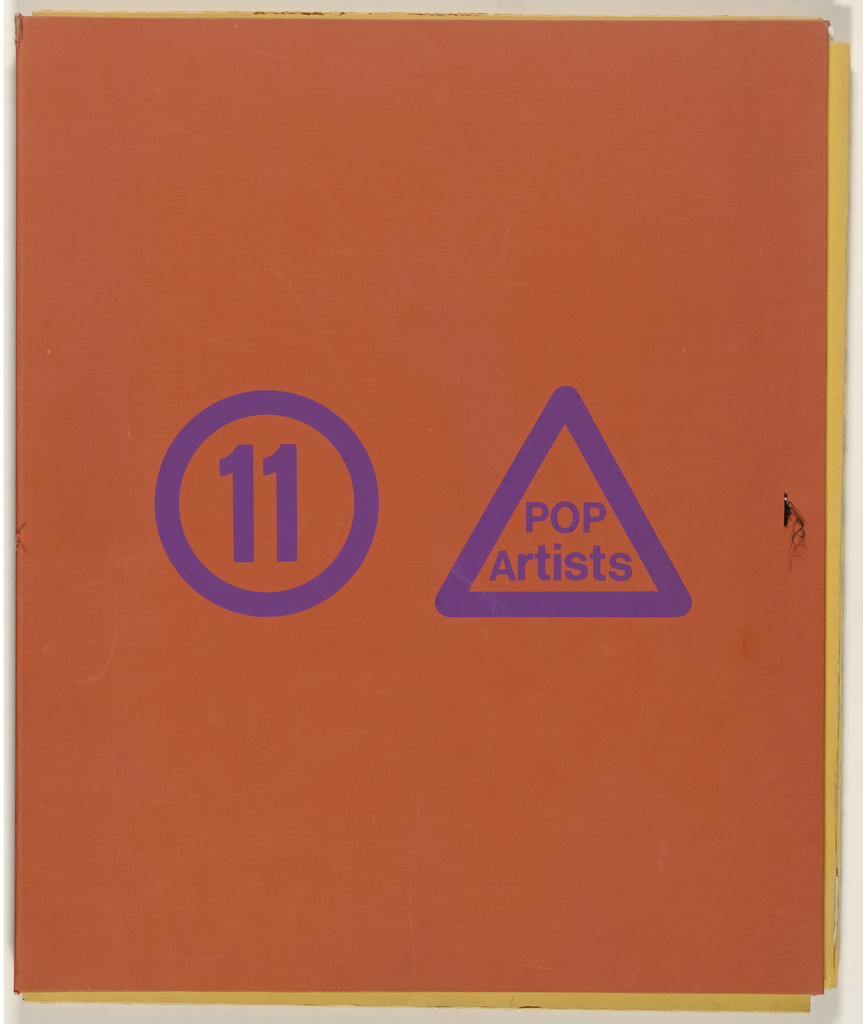
11 Pop Artists
Allan D'Arcangelo
1966
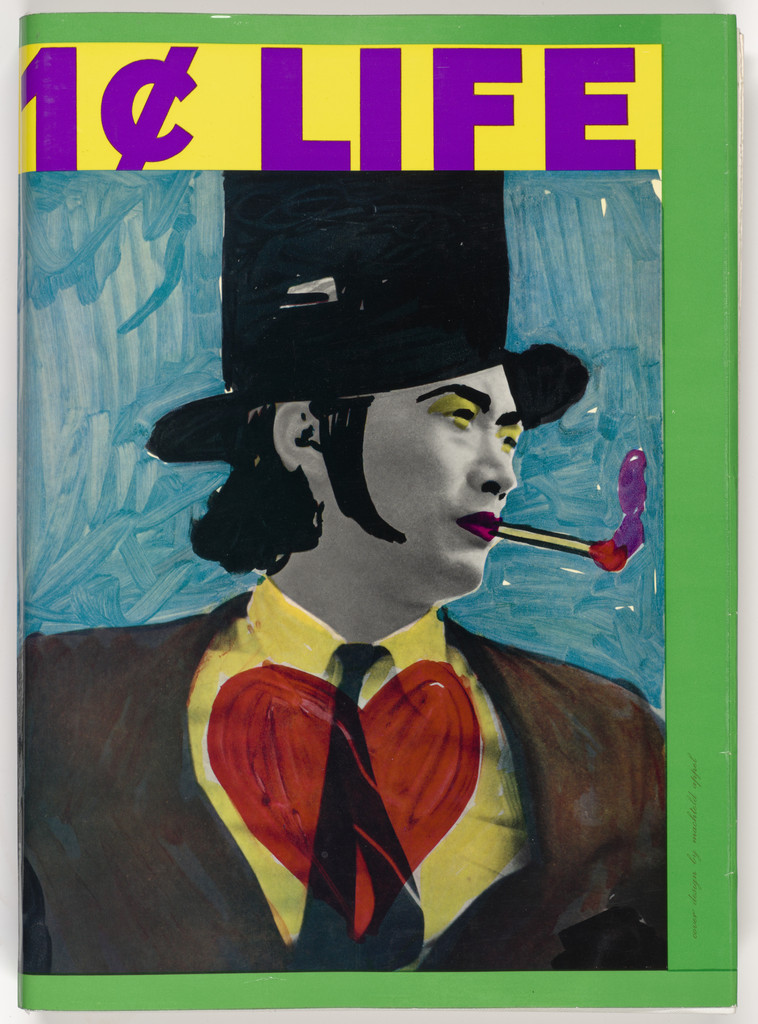
1¢ Life
Pierre Alechinsky
1963–64, published 1964
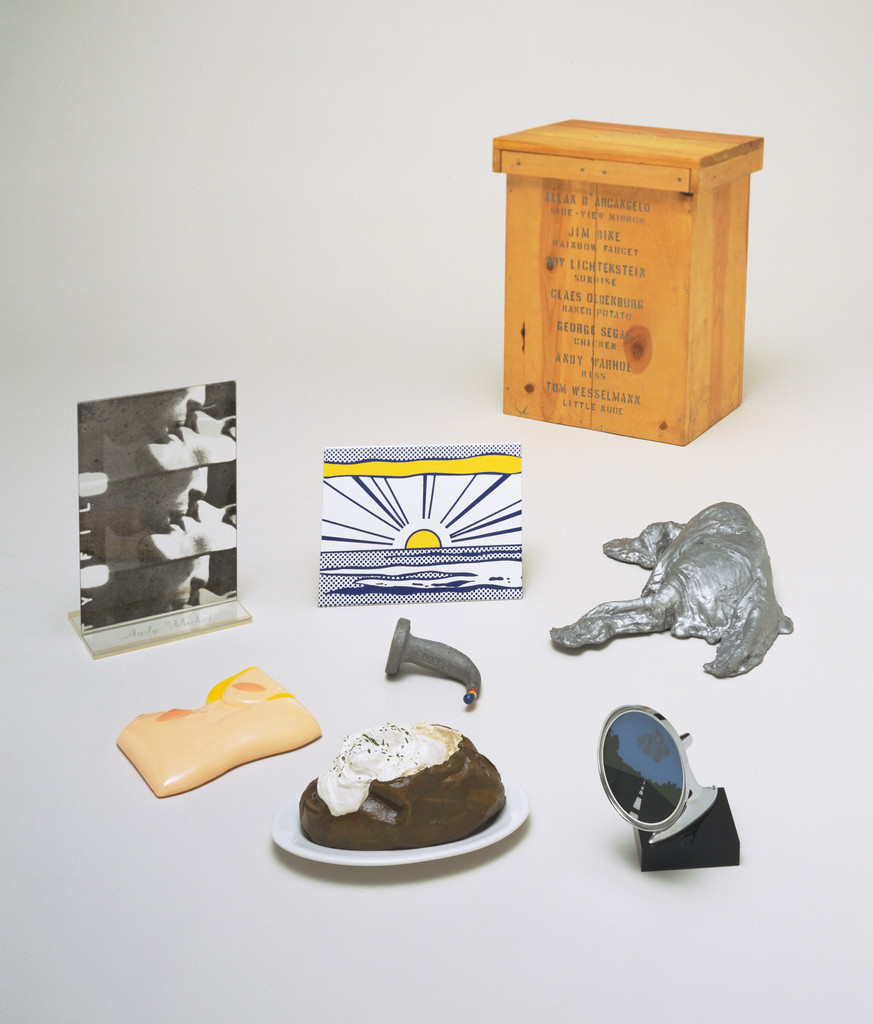
7 Objects in a Box
Allan D'Arcangelo
1965–66, published 1966
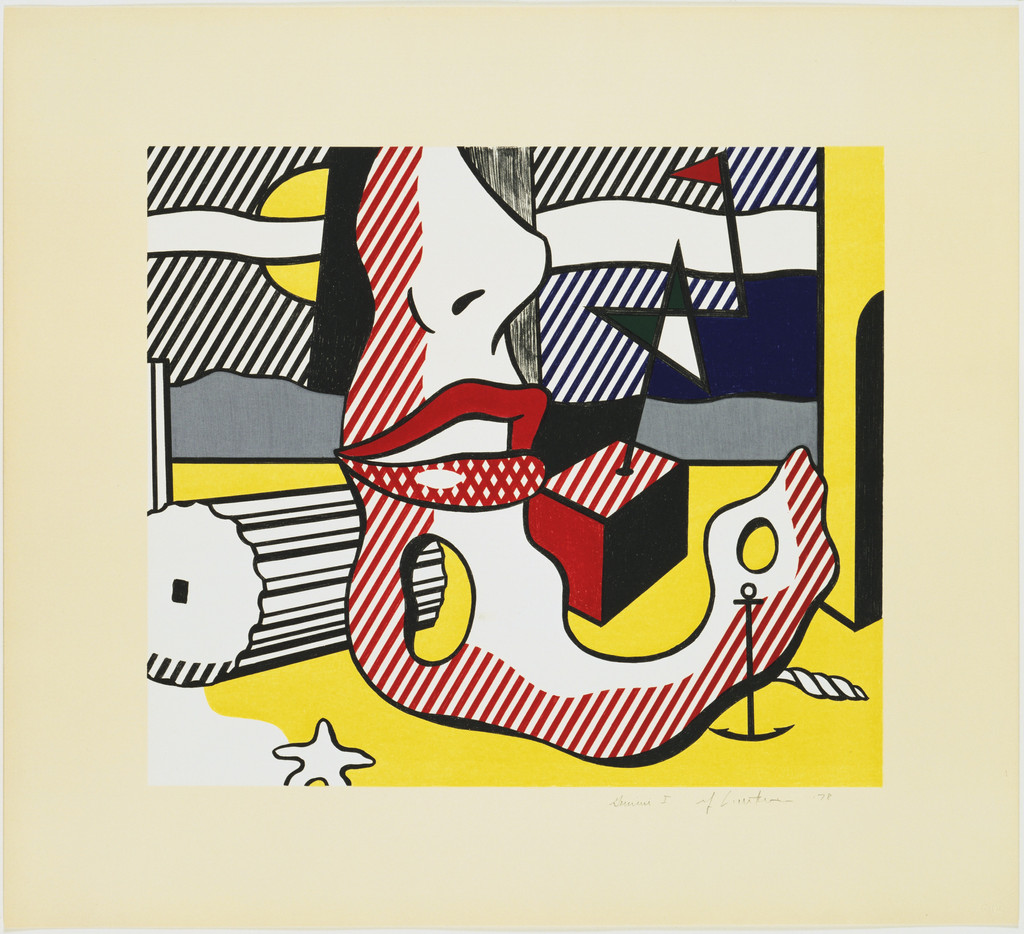
A Bright Night from the Surrealist Series
Roy Lichtenstein
1978
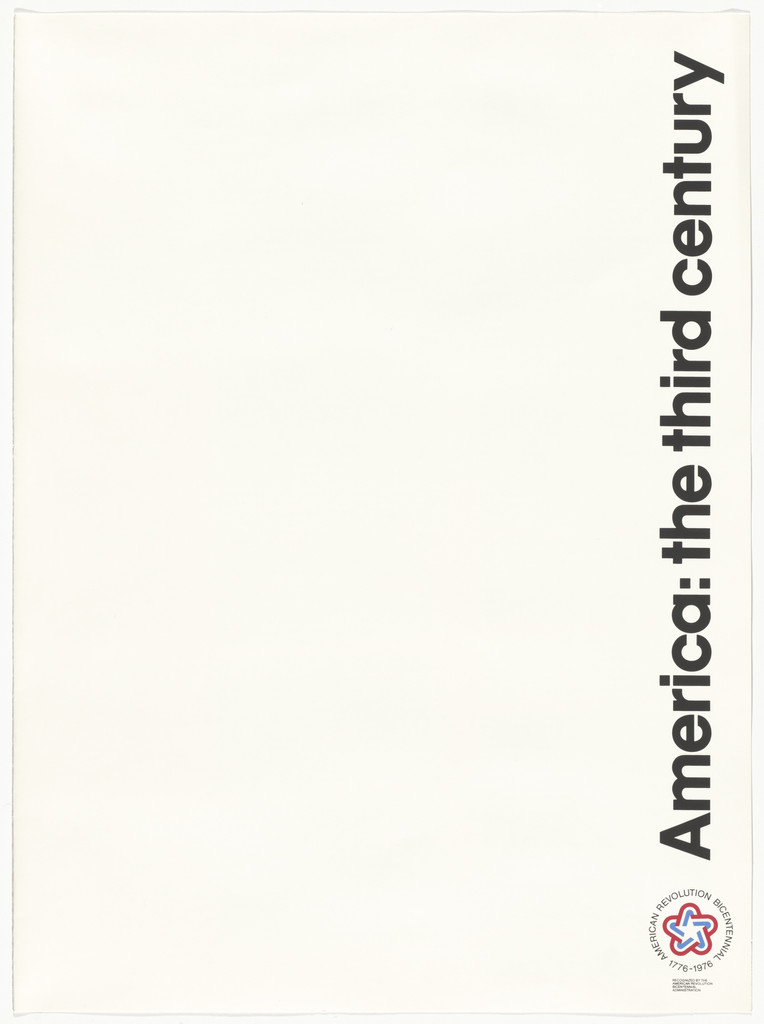
America: The Third Century
William Bailey
1975
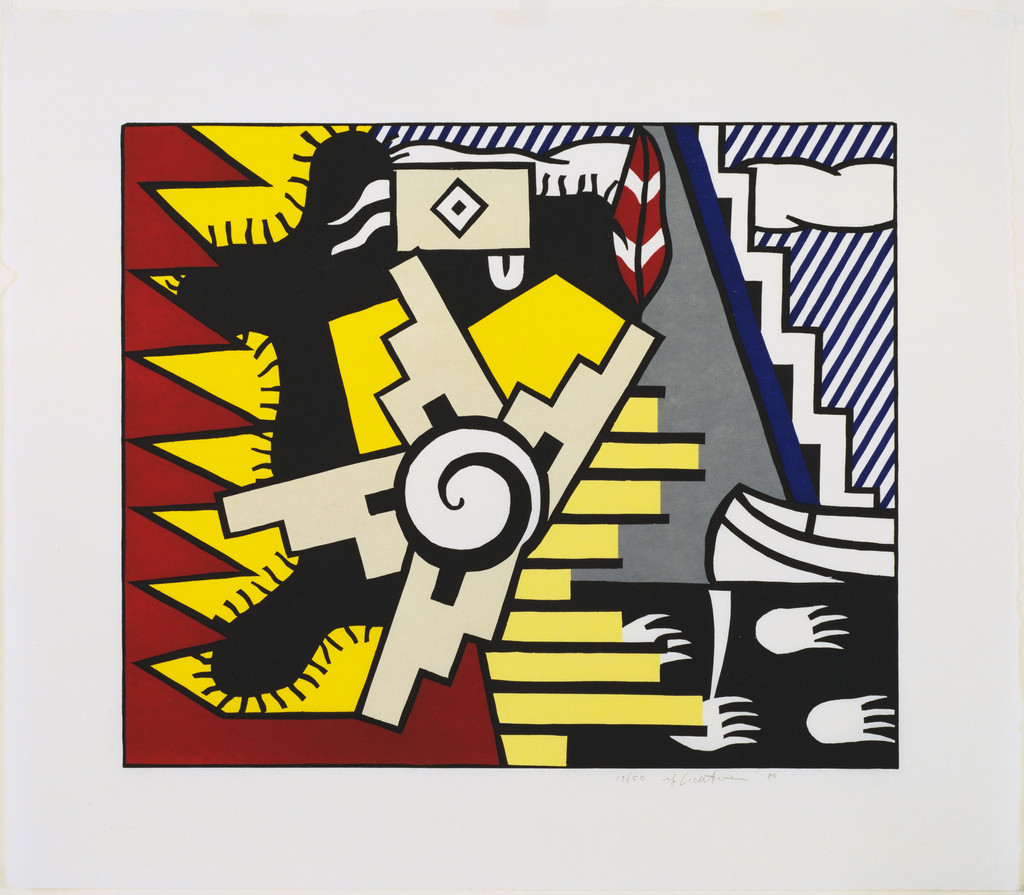
American Indian Theme II
Roy Lichtenstein
1980
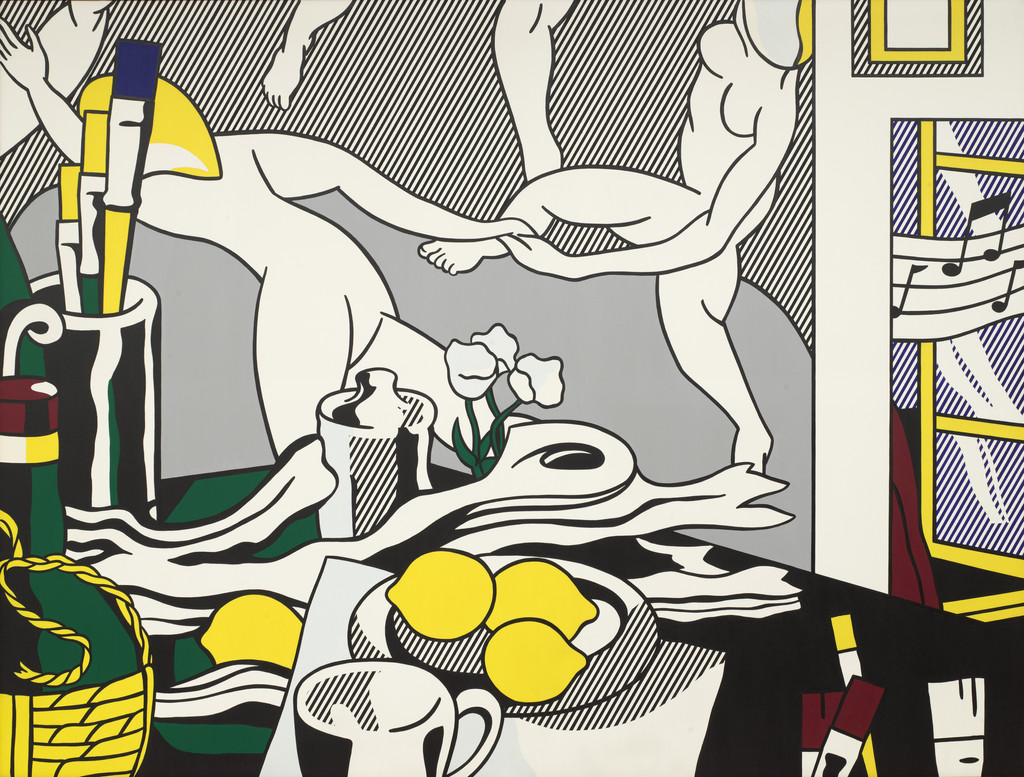
Artist's Studio "The Dance"
Roy Lichtenstein
1974
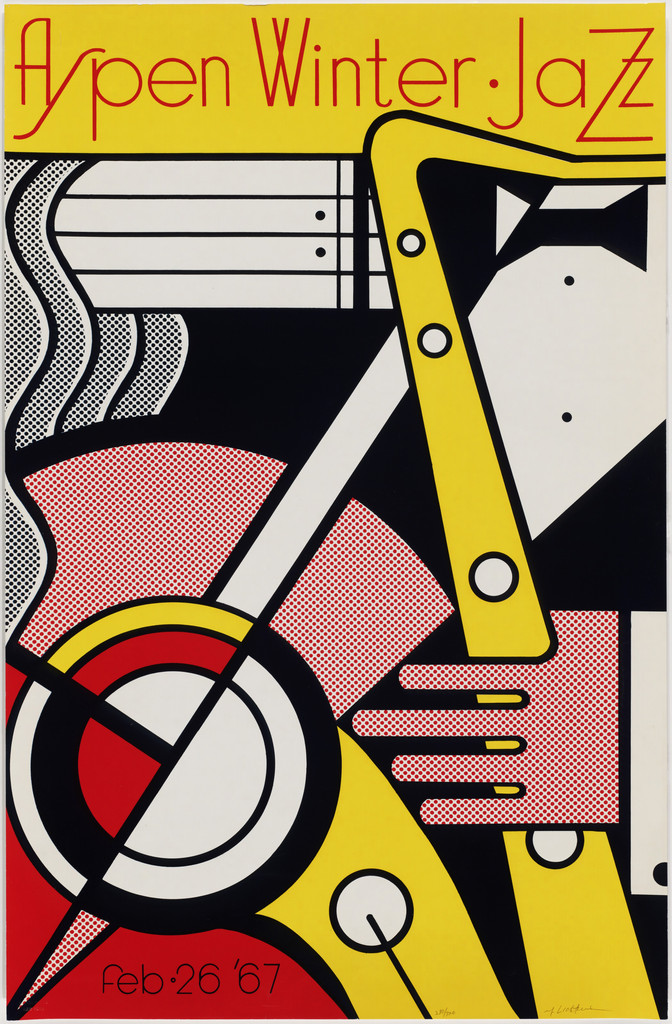
Aspen Winter Jazz
Roy Lichtenstein
1967
Baked Potato
Roy Lichtenstein
1962
Bauhaus Stairway
Roy Lichtenstein
1988
Bicentennial Print from America: The Third Century
Roy Lichtenstein
1975
Blonde from the Surrealist Series
Roy Lichtenstein
1978
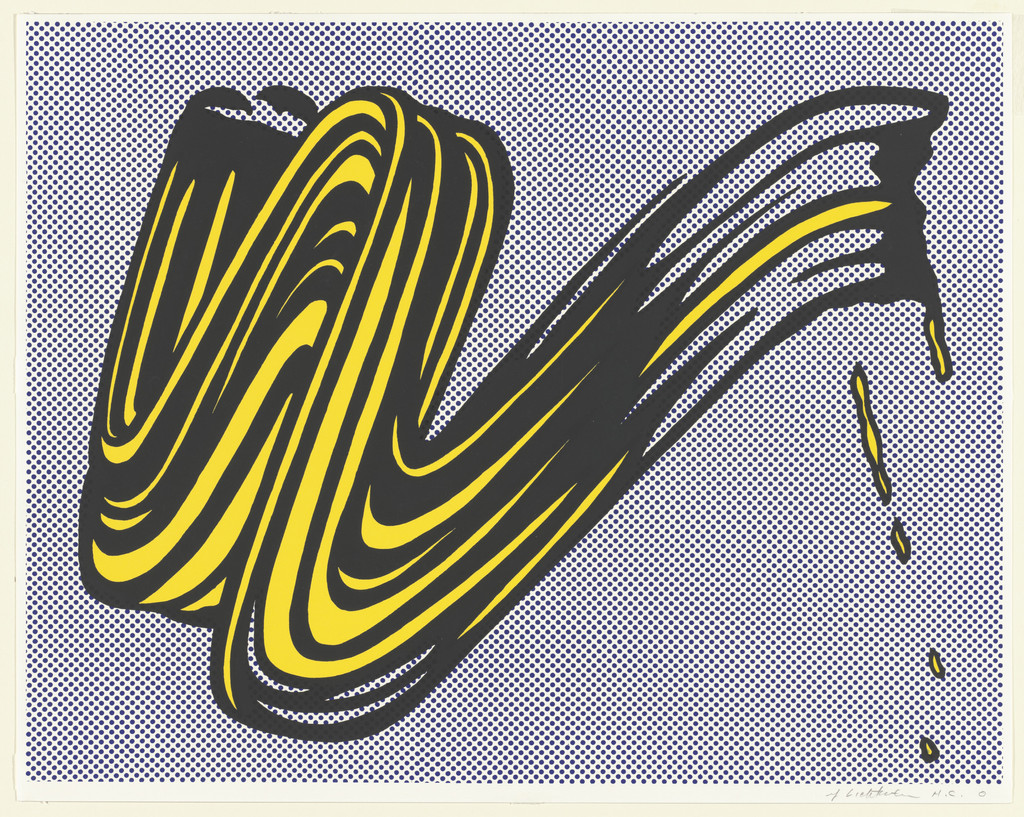
Brushstroke
Roy Lichtenstein
1965
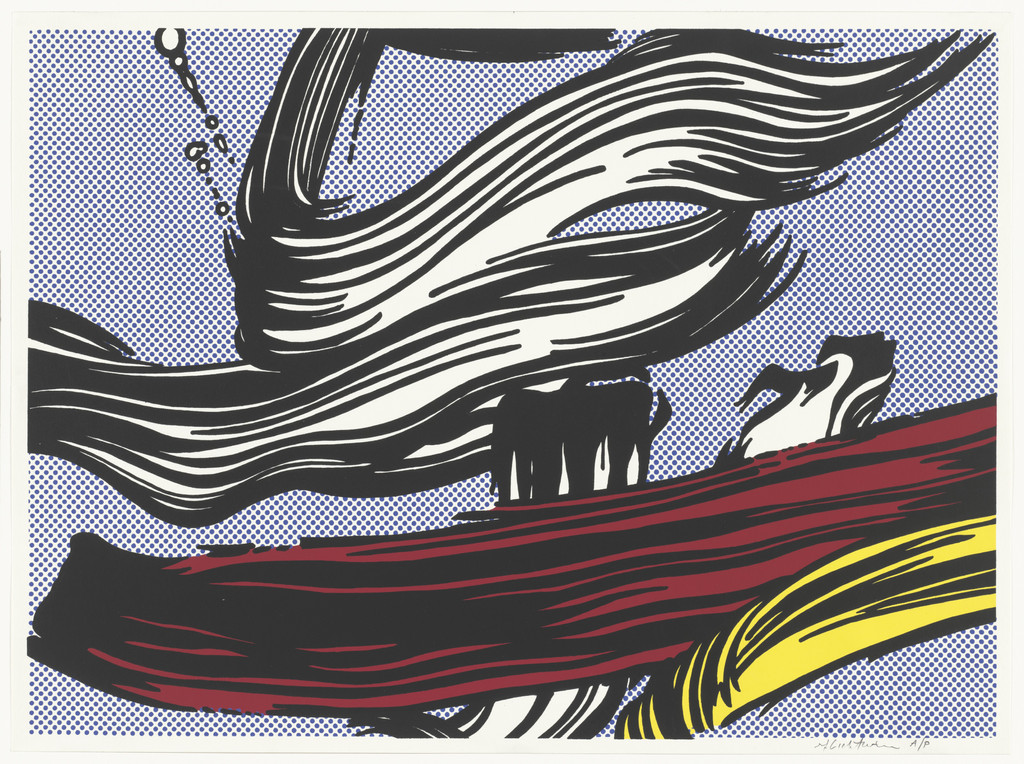
Brushstrokes
Roy Lichtenstein
1967
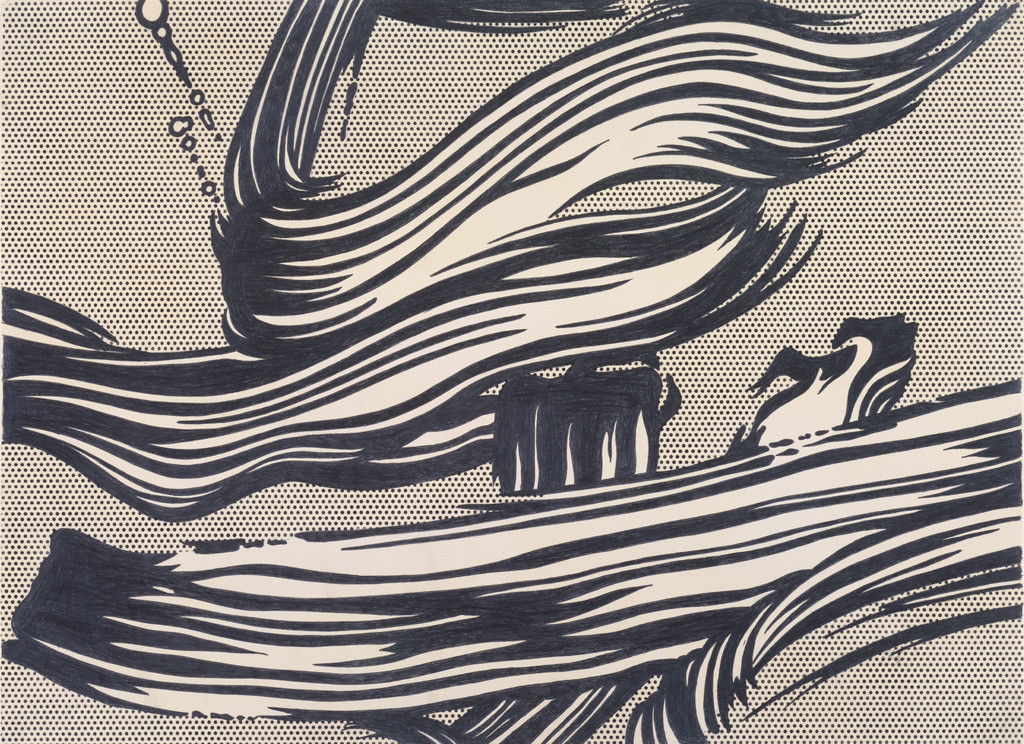
Brushstrokes
Roy Lichtenstein
1966–68
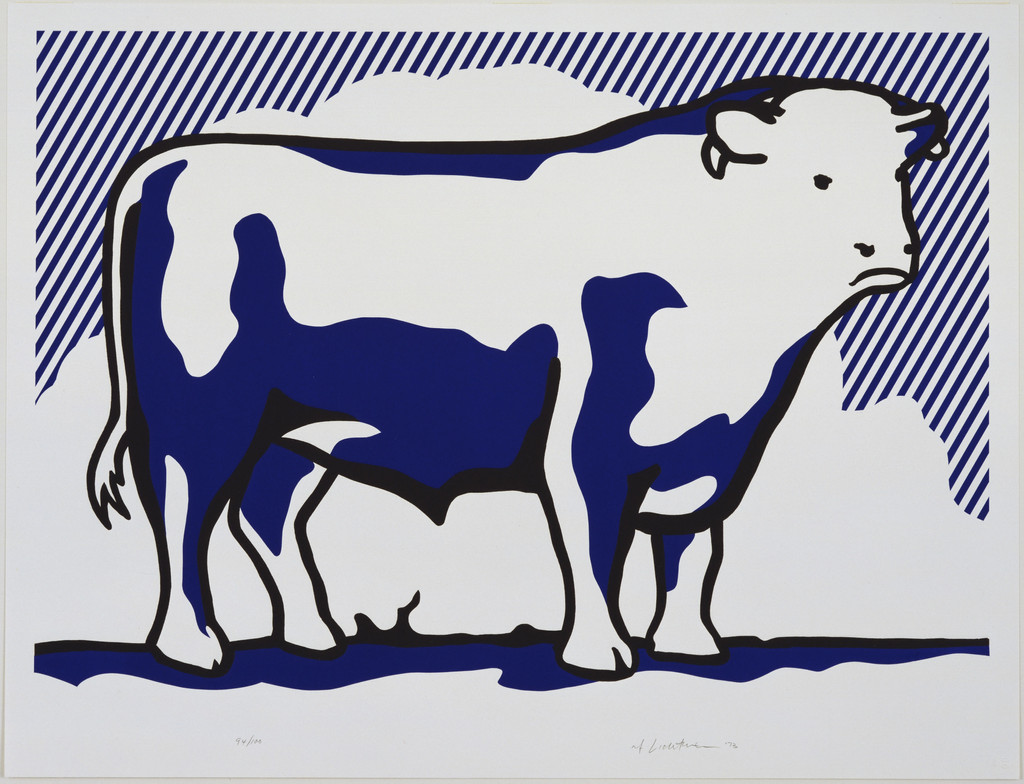
Bull II from Bull Profile Series
Roy Lichtenstein
1973
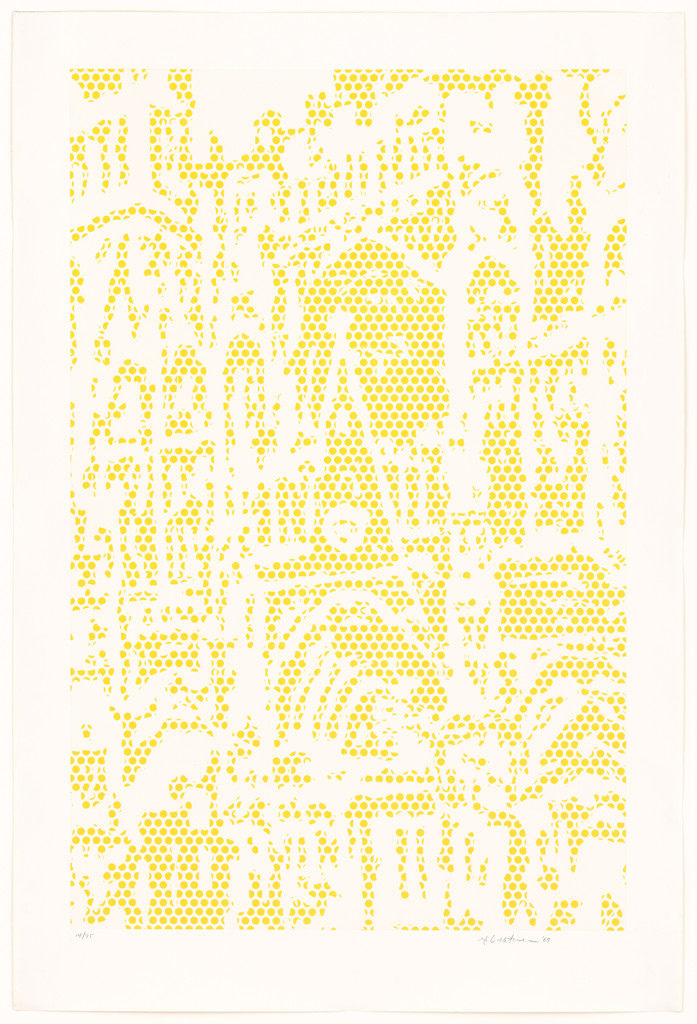
Cathedral #1 from Cathedral Series
Roy Lichtenstein
1969
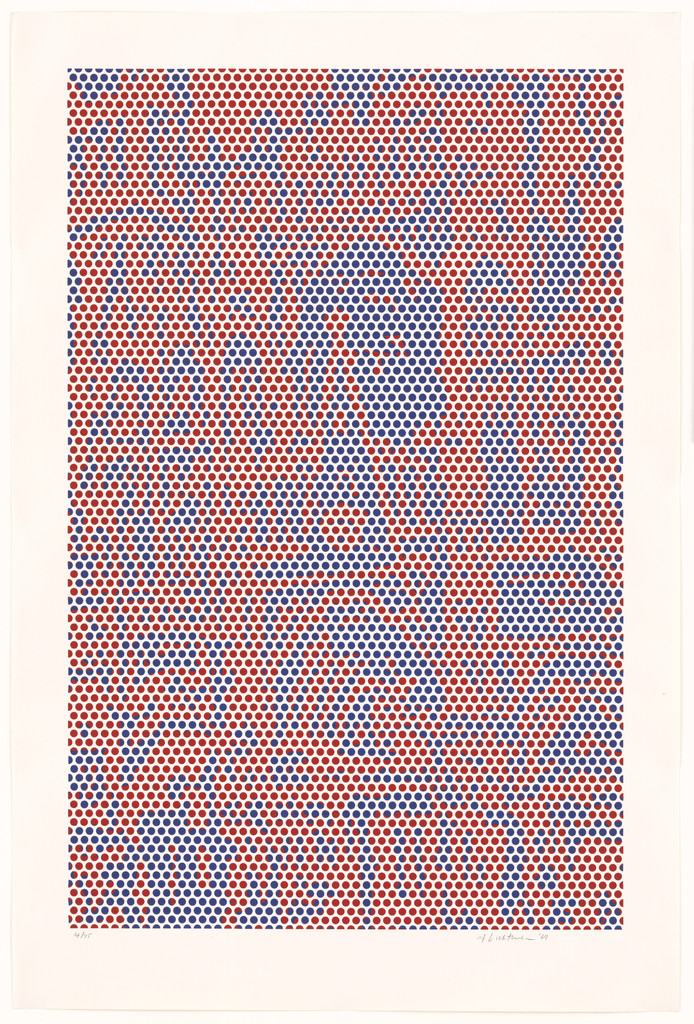
Cathedral #2 from Cathedral Series
Roy Lichtenstein
1969
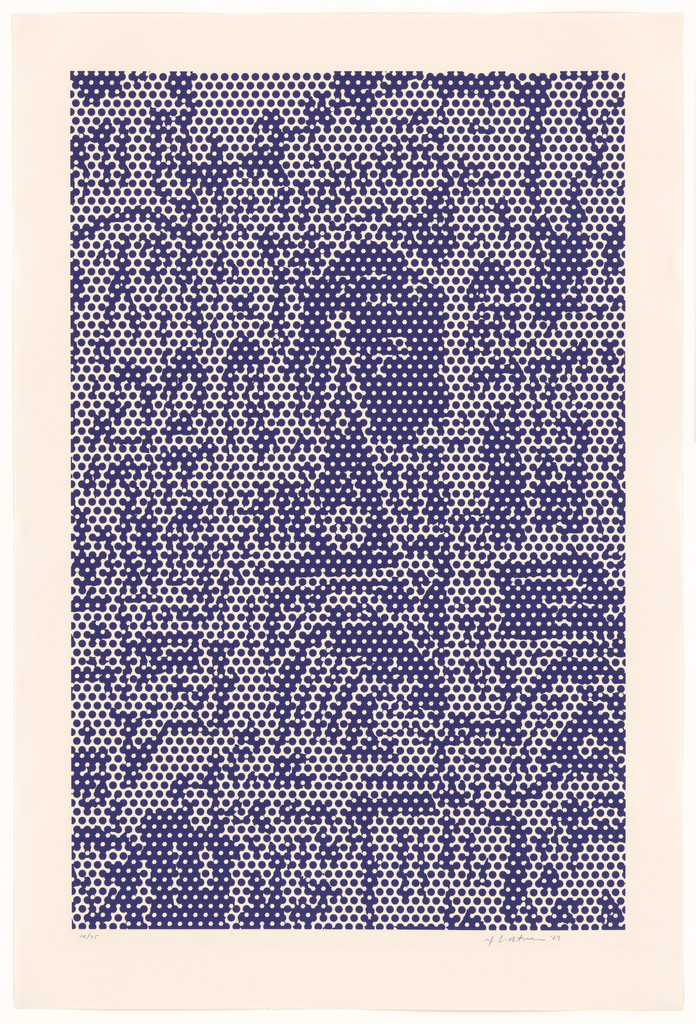
Cathedral #3 from Cathedral Series
Roy Lichtenstein
1969
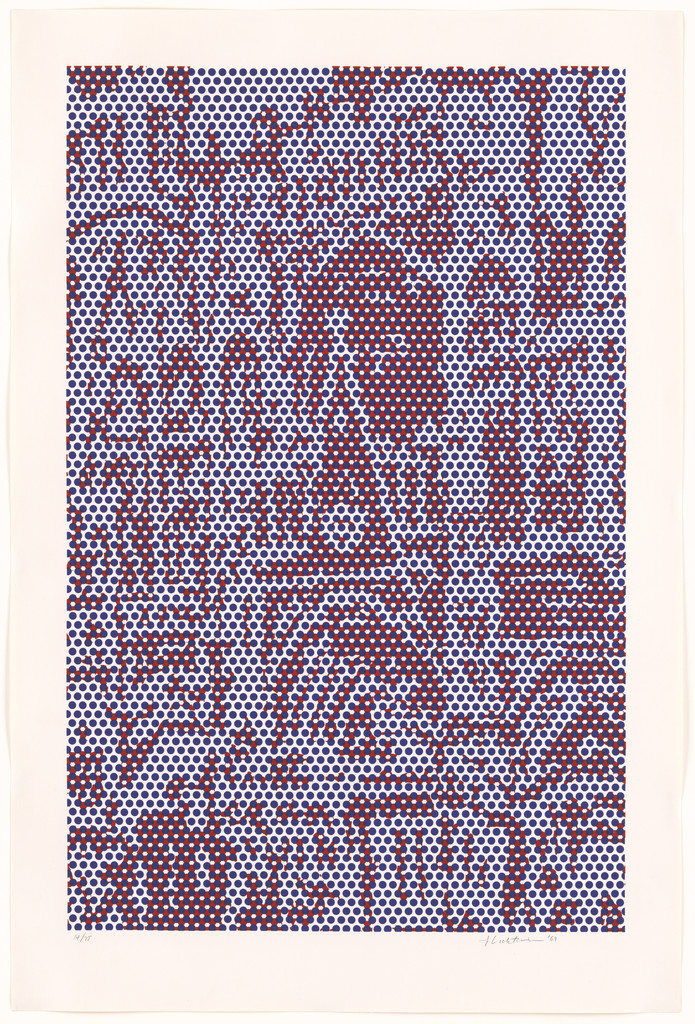
Cathedral #4 from Cathedral Series
Roy Lichtenstein
1969
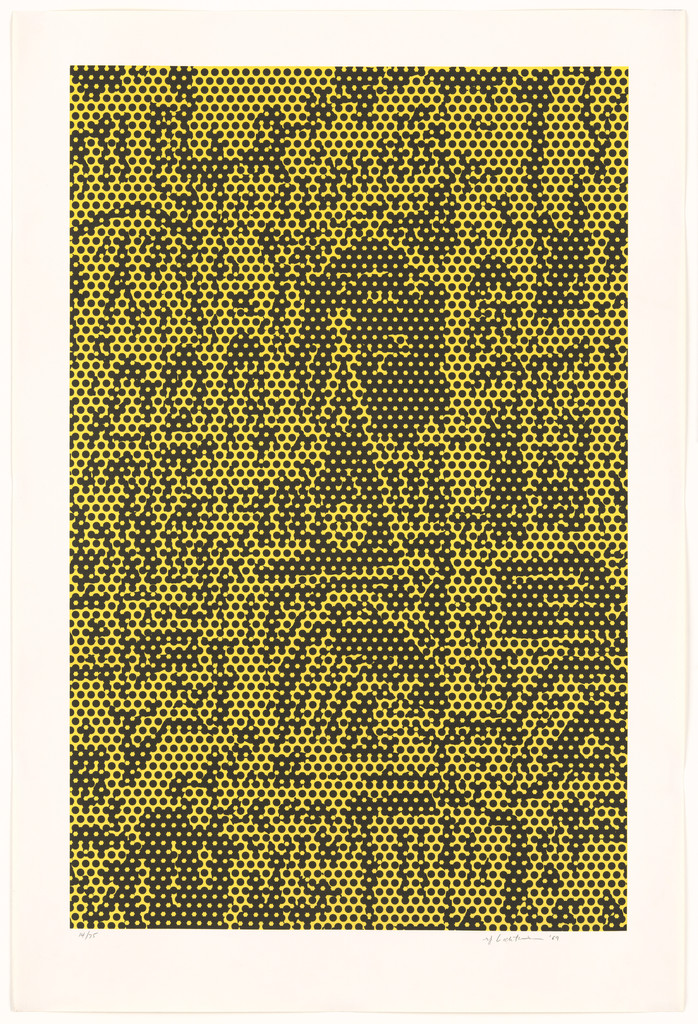
Cathedral #5 from Cathedral Series
Roy Lichtenstein
1969
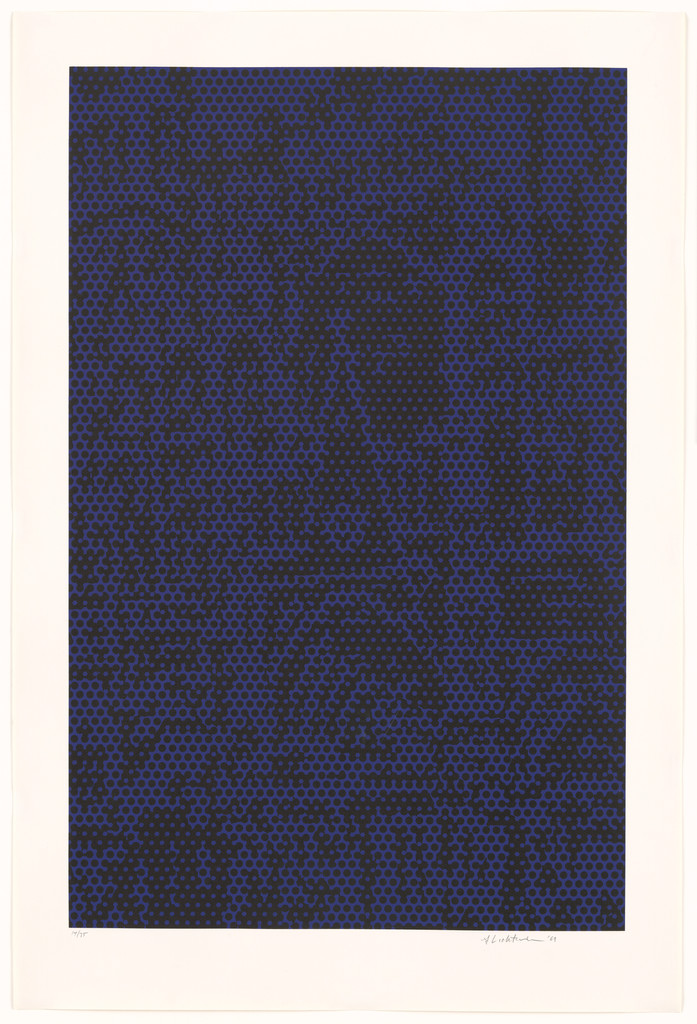
Cathedral #6 from Cathedral Series
Roy Lichtenstein
1969
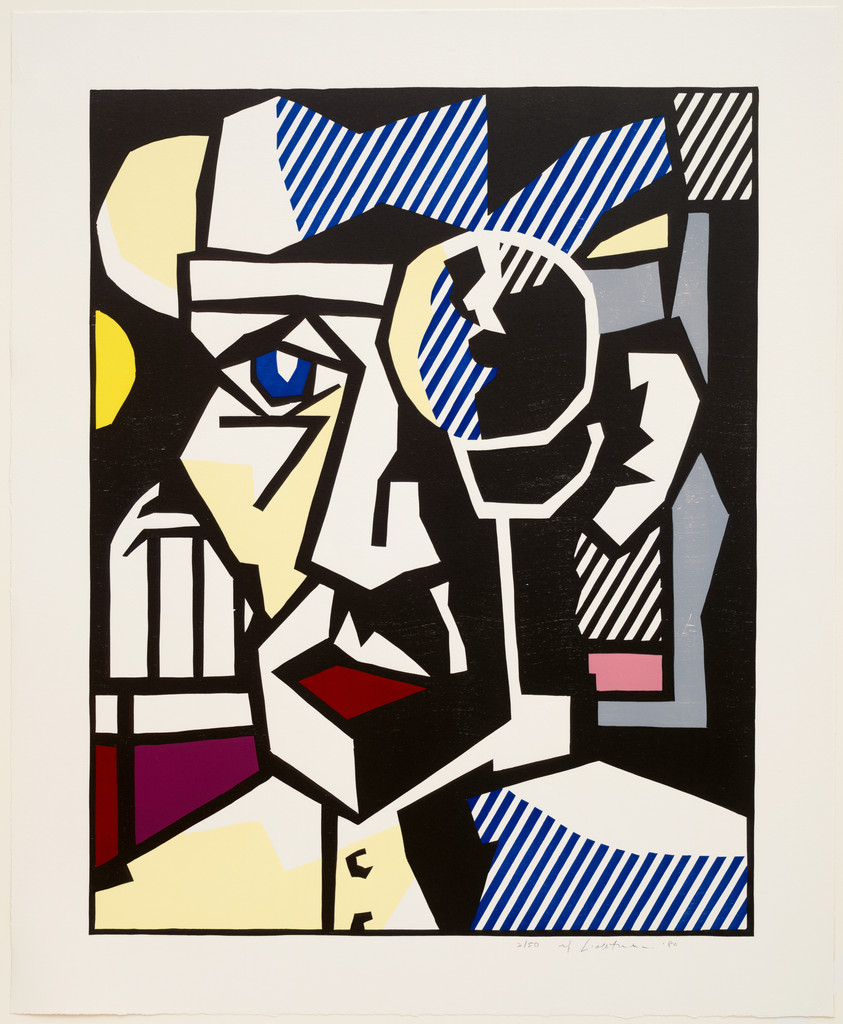
Dr. Waldmann from Expressionist Woodcuts
Roy Lichtenstein
1980
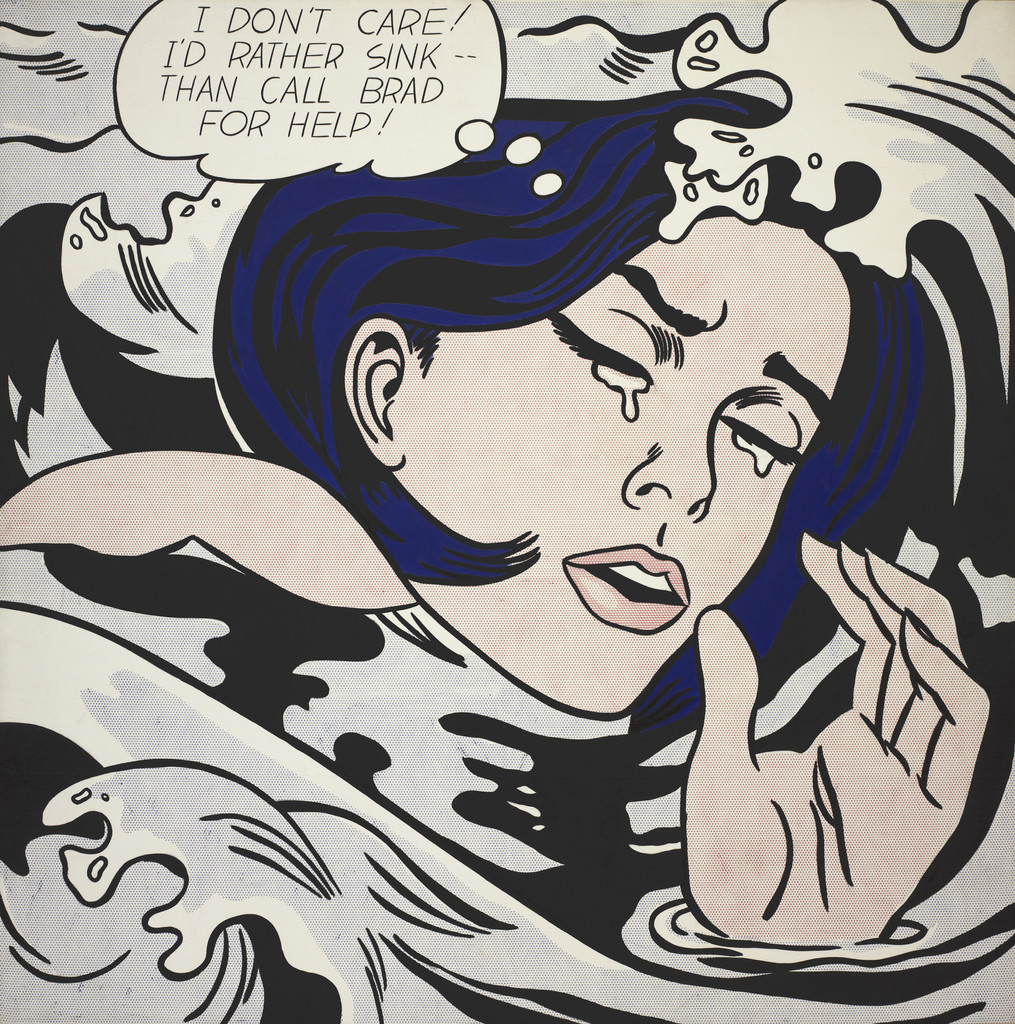
Drowning Girl
Roy Lichtenstein
1963
Exhibitions
57 exhibitionsMar 01, 1966 – May 08, 1966
Greetings!
60 artists · 1 curator
Mar 03, 1966
Paul J. Sachs Gallery Print Re-installation
28 artists
Apr 06, 1966 – Jun 12, 1966
Recent Acquisitions: Painting and Sculpture
70 artists · 2 curators
Sep 13, 1966 – Nov 02, 1966
London/New York/Hollywood: A New Look in Prints
16 artists · 1 curator
Nov 01, 1966 – Nov 09, 1966
Americans Today: 25 Painters as Printmakers
19 artists · 1 curator
Nov 22, 1966 – Feb 06, 1967
Art in the Mirror
30 artists · 1 curator
Mar 27, 1967 – May 25, 1967
Members Collect
17 artists · 1 curator
Jun 28, 1967 – Sep 24, 1967
The 1960s: Painting and Sculpture from the Museum Collection
107 artists · 2 curators
Dec 04, 1967 – Sep 10, 1968
Frank O'Hara/In Memory of My Feelings
31 artists · 2 curators
Jan 17, 1968 – Mar 04, 1968
The Sidney and Harriet Janis Collection
55 artists · 1 curator
Jan 25, 1968 – Mar 10, 1968
Word and Image: Posters and Typography from the Graphic Design Collection of the Museum of Modern Art, 18791967
197 artists · 1 curator
May 28, 1969 – Sep 01, 1969
Twentieth-Century Art from the Nelson Aldrich Rockefeller Collection
119 artists · 1 curator
May 23, 1970 – Aug 31, 1970
Pop Art Prints, Drawings, and Multiples
25 artists · 1 curator
May 23, 1970 – Aug 31, 1970
Popular Mechanics in Printmaking
25 artists · 1 curator
Feb 11, 1971 – Mar 11, 1971
Recent American Acquisitions
16 artists · 1 curator
May 05, 1971 – Jul 06, 1971
Technics and Creativity: Selections from Gemini G.E.L.
14 artists · 1 curator
Jul 06, 1971 – Sep 15, 1971
Summer Show
52 artists · 1 curator
Nov 03, 1971 – Nov 08, 1971
American Prints from the International Program
41 artists
Oct 25, 1972 – Feb 05, 1973
Etchings Etc.
26 artists · 1 curator
Mar 22, 1973 – May 09, 1973
Prints of the Sixties
12 artists · 1 curator
Jun 15, 1973 – Sep 25, 1973
Recent Acquisitions, 19681973
62 artists · 1 curator
Jul 11, 1973 – Sep 11, 1973
Collage and the Photo-Image
40 artists · 5 curators
Sep 25, 1974 – Oct 20, 1974
Works from Change, Inc.
18 artists
Oct 03, 1975 – Jan 18, 1976
Printsequence
16 artists · 1 curator
Jan 23, 1976 – Mar 09, 1976
Drawing Now: 19551975
45 artists · 1 curator
Nov 23, 1976 – Feb 20, 1977
Prints: Acquisitions, 19731976
81 artists · 1 curator
Dec 07, 1976 – Feb 06, 1977
Rooms
32 artists
Jan 21, 1977 – Mar 23, 1977
Posters by Painters
22 artists · 1 curator
Dec 01, 1977 – Feb 06, 1978
Posters in the Penthouse
9 artists
Apr 17, 1978 – Jul 04, 1978
Art for Corporations
34 artists
Nov 16, 1978 – Jan 02, 1979
Painting and Sculpture Collection: Reinstallation of the East Wing
13 artists
Nov 20, 1978 – Feb 19, 1979
Gold
29 artists
May 18, 1979 – Aug 07, 1979
Contemporary Sculpture: Selections from the Collection of The Museum of Modern Art
55 artists · 1 curator
Feb 13, 1980 – Apr 01, 1980
Printed Art: A View of Two Decades
82 artists · 1 curator
Mar 23, 1980 – May 12, 1980
Selections from the Art Lending Service
20 artists
May 14, 1980 – Sep 30, 1980
Around Picasso
23 artists
Oct 15, 1981 – Jan 03, 1982
Prints: Acquisitions 19771981
74 artists · 1 curator
Mar 08, 1982 – Mar 01, 1983
Masterpieces from the Collection
19 artists · 2 curators
Mar 03, 1983 – May 15, 1983
Prints from Blocks: Gauguin to Now
128 artists · 1 curator
May 17, 1984
Selections from the Permanent Collection: Prints and Illustrated Books
99 artists · 2 curators
May 17, 1984
Selections from the Permanent Collection: Painting and Sculpture
59 artists · 2 curators
May 17, 1984
Selections from the Permanent Collection: Drawings
61 artists · 2 curators
Dec 08, 1984 – May 20, 1985
Contemporary Drawings
38 artists · 1 curator
Apr 10, 1985 – Oct 27, 1985
Philip Johnson: Selected Gifts
20 artists · 2 curators
Nov 08, 1985 – Jan 21, 1986
Made in India
20 artists · 1 curator
Nov 21, 1985 – Apr 01, 1986
Contemporary Works from the Collection
40 artists · 1 curator
Nov 25, 1985 – Apr 15, 1986
Large Drawings
28 artists · 1 curator
Apr 11, 1986 – Oct 09, 1986
Contemporary Works from the Collection
51 artists · 1 curator
Nov 06, 1986 – Mar 31, 1987
Contemporary Works from the Collection
46 artists · 1 curator
Mar 15, 1987 – Jun 02, 1987
The Drawings of Roy Lichtenstein
1 artist · 1 curator
May 22, 1987 – Jul 26, 1987
American Prints, 19601985
25 artists · 1 curator
Jun 25, 1987 – Oct 13, 1987
Drawing since 1940
58 artists · 1 curator
Apr 01, 1988 – May 15, 1988
In Honor of Toiny Castelli: Drawings from the Toiny and Leo Castelli Collection
12 artists · 1 curator
Apr 06, 1989 – Aug 08, 1989
Master Prints from the Collection
102 artists · 1 curator
Jun 24, 1989 – Mar 18, 1990
Contemporary Works from the Collection
28 artists · 1 curator
Aug 18, 1989 – Nov 07, 1989
Recent Acquisitions
32 artists · 1 curator
Nov 09, 1989 – Feb 13, 1990
Drawings of the Eighties from the Collection, Part I
35 artists · 1 curator