
“Our life is half natural and half technological. Half-and-half is good.” — Nam June Paik
“I come from a very poor country and I am poor. I have to entertain people every second,” Nam June Paik has said. The tongue-in-cheek, self-deprecating nature of the quip is characteristic of Paik’s attitude toward art making. A member of the international avant-garde Fluxus movement, Paik is best known for creating massive sculptural installations dominated by television monitors. His prediction that we would one day develop international telecommunications networks has prompted scholars to dub him a visionary, while his early experiments with the emerging technology of video have earned him the oversize epithet “father of video art.” Paik’s career began in music. Born in 1932 to a wealthy family of textile manufacturers, Paik trained as a classical pianist in Seoul before fleeing to Japan with his parents and siblings upon the outbreak of the Korean War. He enrolled at the University of Tokyo, where he wrote a thesis on the German composer Arnold Schoenberg, then moved to West Germany to pursue graduate studies at Munich University. An electrifying encounter in 1958 with the composer John Cage inspired Paik to incorporate objects, theatrical interruptions, and pre-recorded sounds into his compositions. Termed “action music,” works like Étude for Pianoforte (1960)—which concluded when Paik leapt into the audience and cut off Cage’s tie—caught the attention of artists like Karlheinz Stockhausen, who wrote a part for Paik in Originale (1961), and George Maciunas, who invited Paik to join Fluxus. In 1964, Paik moved to New York, where he met the cellist Charlotte Moorman. The pair embarked on a decades-long partnership that generated performances including Variations on a Theme by Saint-Saëns (1964) and Opera Sextronique (1967), during which they were arrested for indecent exposure. Paik made his first foray into video in 1963 with an exhibition in Wuppertal, West Germany, that featured Zen for TV (1963/1981) and other television sets whose receptions he had altered. With the engineer Shuya Abe, Paik began to develop more advanced technical interventions, such as Robot K-456 (1964), a remote-controlled robot that “defecated” dried beans while playing snatches of John F. Kennedy speeches, and the Paik/Abe Video Synthesizer (1969), which enabled anyone to distort the color and shape of video images in real time. Later experiments with the medium spawned films like Global Groove (1973) as well as installations like Fin de Siècle II (1989) and sculptures like Untitled (1993). As with his incursions into performance, many of these pieces drew on or honored Paik’s collaborative relationships with other artists. In the two-part homage Merce by Merce by Paik (1975–76, 1978), for example, Paik worked with filmmaker Charles Atlas and fellow video pioneer Shigeko Kubota (to whom Paik was married) to celebrate the artist Marcel Duchamp and the choreographer Merce Cunningham. Until his death in 2006, Paik believed in technology’s ability to foster connections among people, between nations, and across cultures. His politics emerge in the mock documentary Guadalcanal Requiem (1977/1979)—in which Paik and Moorman perform an antiwar tribute on the site of the first major World War II offensive mounted by US troops against Japan—and in the international satellite broadcast Good Morning Mr. Orwell (1984), a live program that aired simultaneously in the US, France, Germany, and South Korea on New Year’s Day 1984, in rebuttal to George Orwell’s dystopian projections. But Paik’s love for technology was always mediated by his commitment to humanity. “Our life is half natural and half technological,” he declared in 1986. “Half-and-half is good. You cannot deny that high-tech is progress. We need it for jobs. Yet if you make only high-tech, you make war. So we must have strong human element to keep modesty and natural life.”
Oriana Tang, Intern, Department of Publications
Works in Collection
102 works
3 F Truck
Nam June Paik
1977
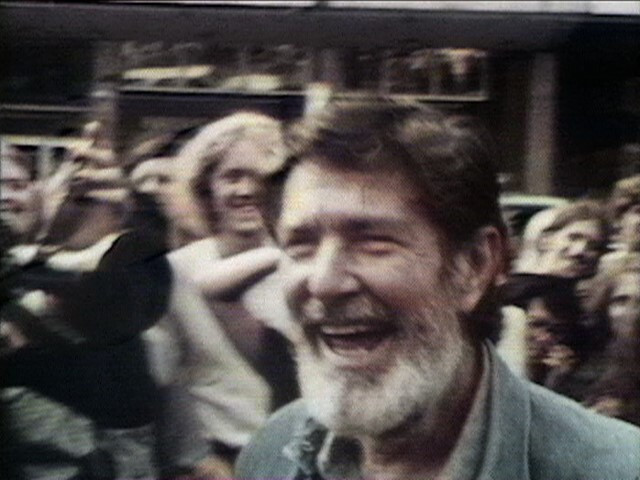
A Tribute to John Cage
Nam June Paik
1973/1976
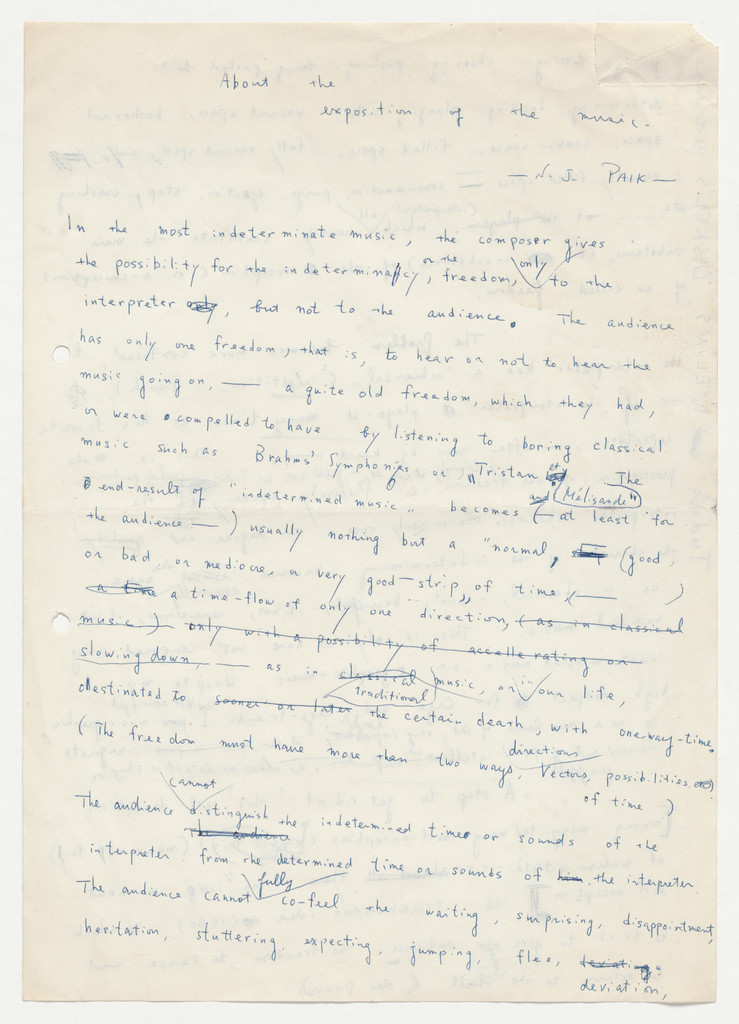
About the Exposition of the Music
Nam June Paik
c. 1962
Allan 'n' Allen's Complaint
Shigeko Kubota
1982
An Anthology
George Brecht
1962
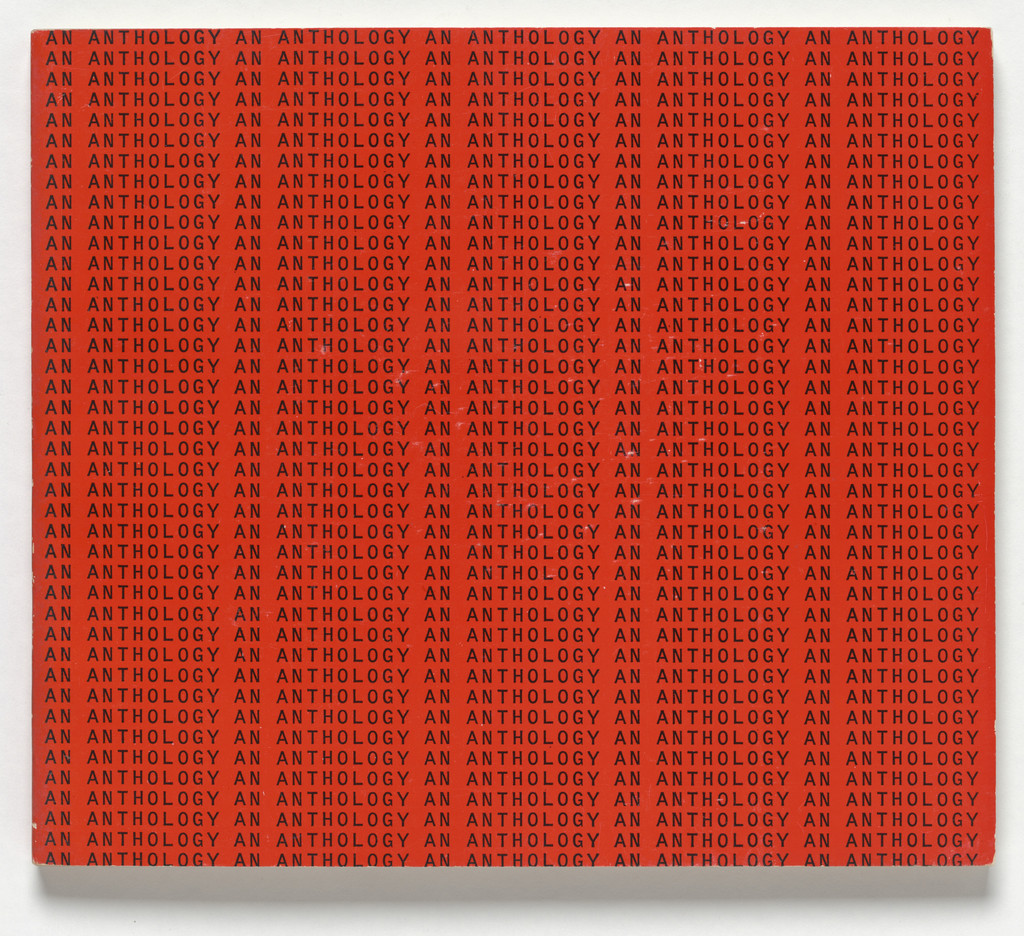
An Anthology of chance operations, concept art, anti art,...
George Brecht
1963
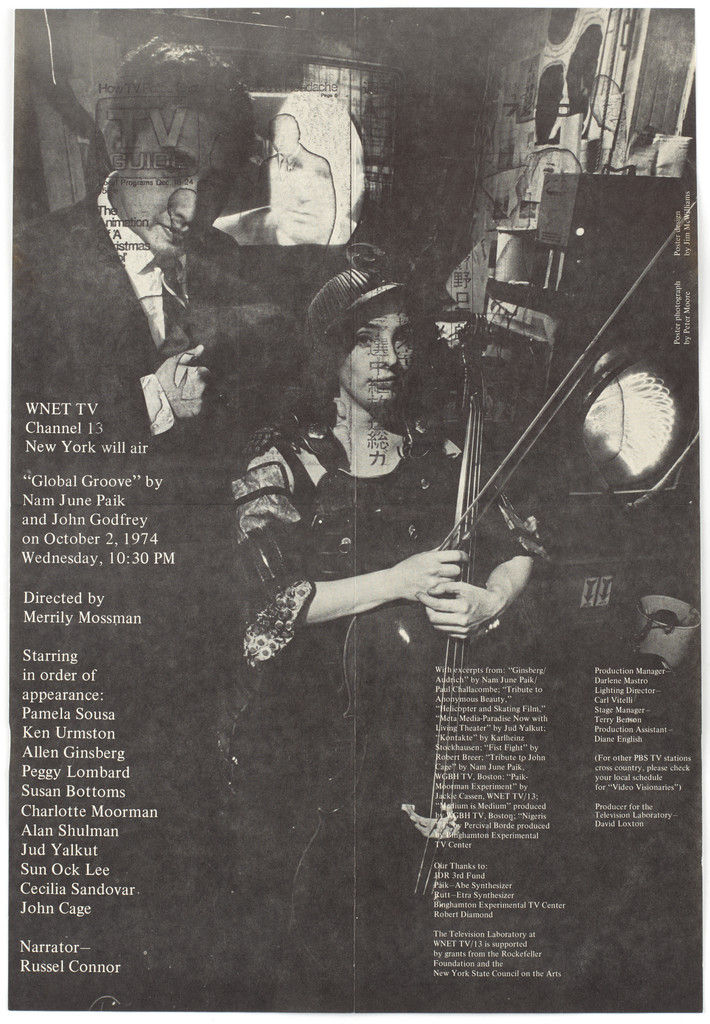
Announcement for the airing of Global Groove by Nam June ...
Nam June Paik
1974
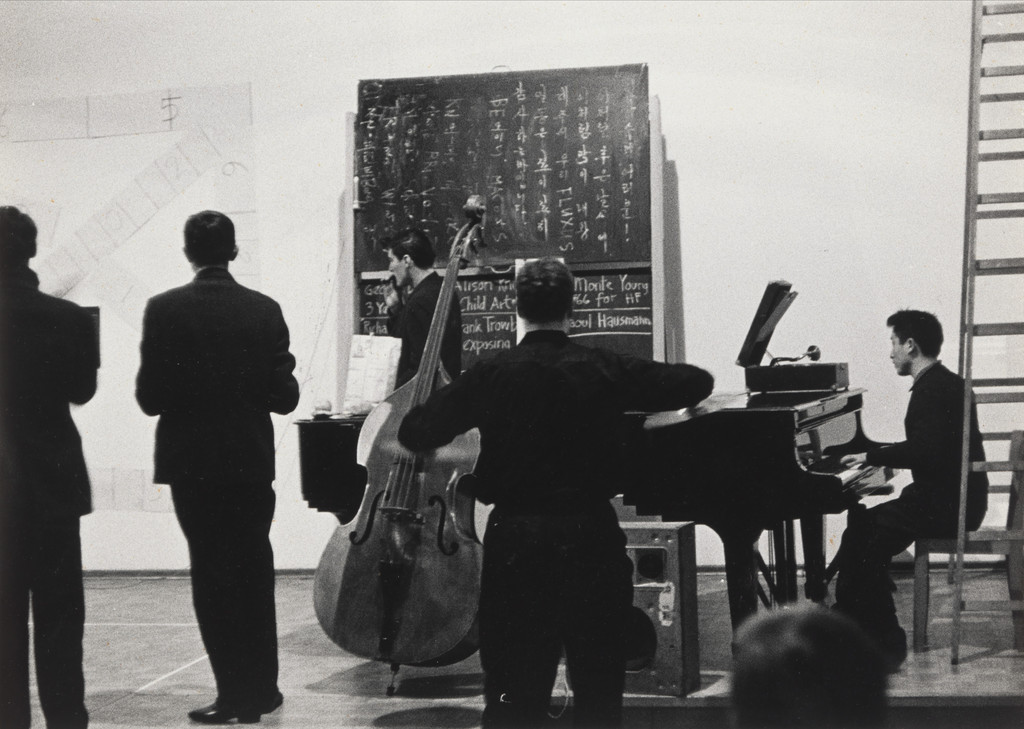
Arabic Numeral (Any Integer) for Henry Flynt, and other s...
Nam June Paik
1963
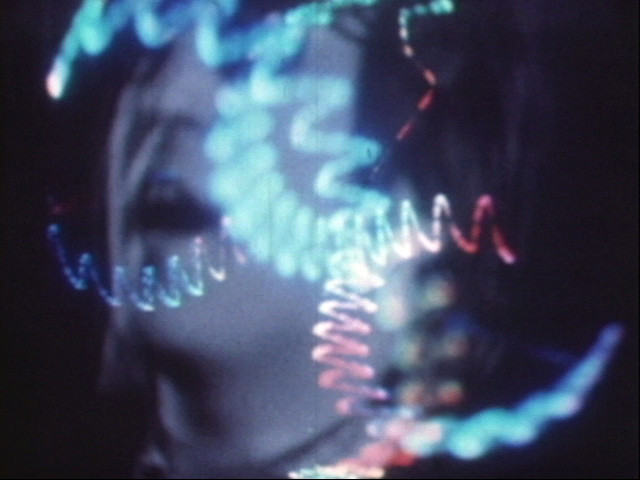
Beatles Electroniques
Nam June Paik
1966-1972/1992
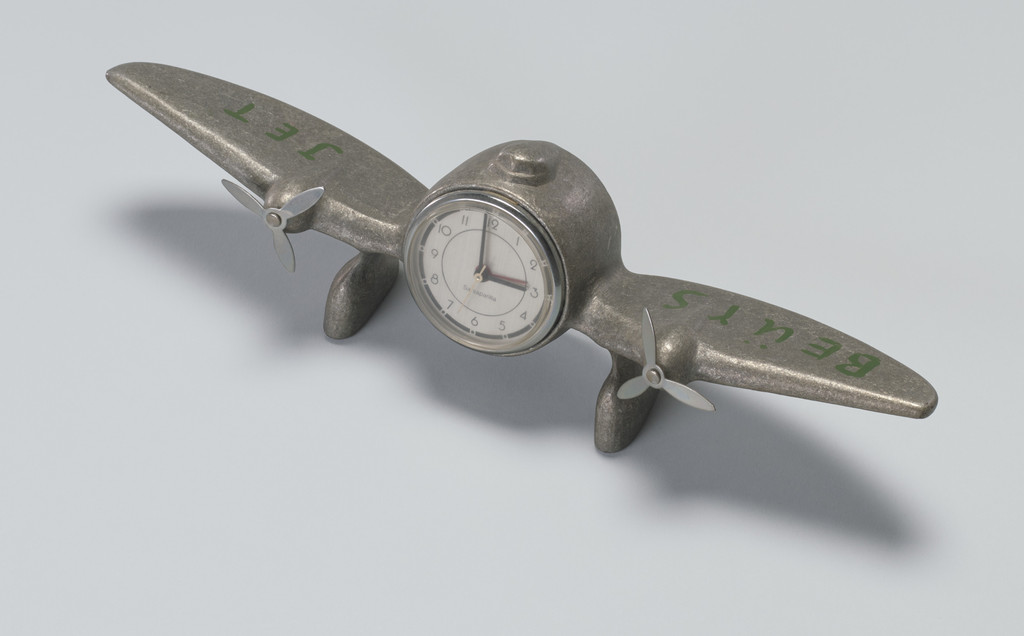
Beüys Jet
Nam June Paik
1985
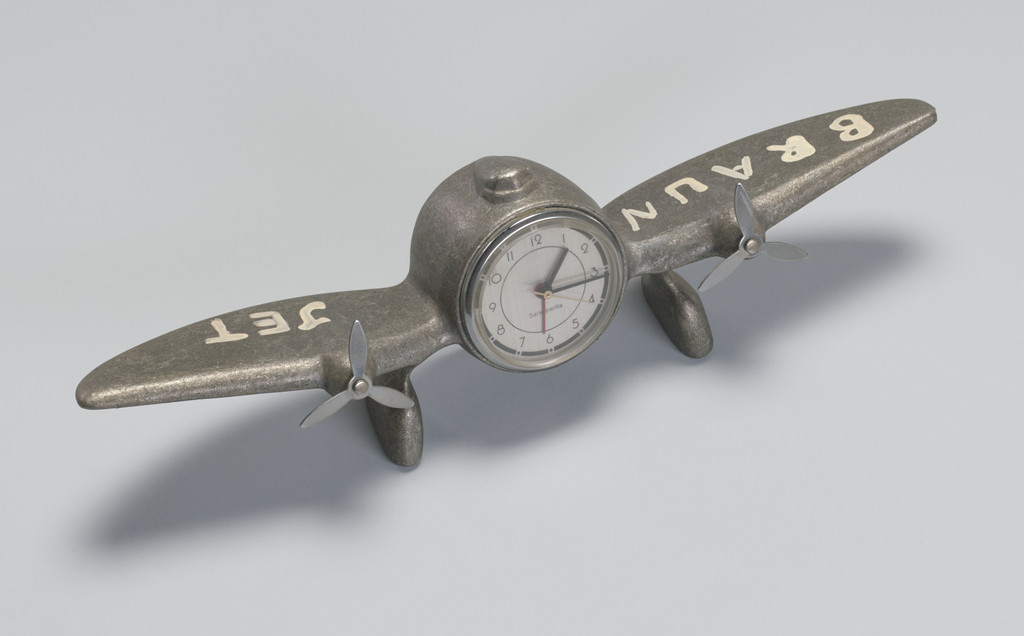
Braun Jet
Nam June Paik
1985
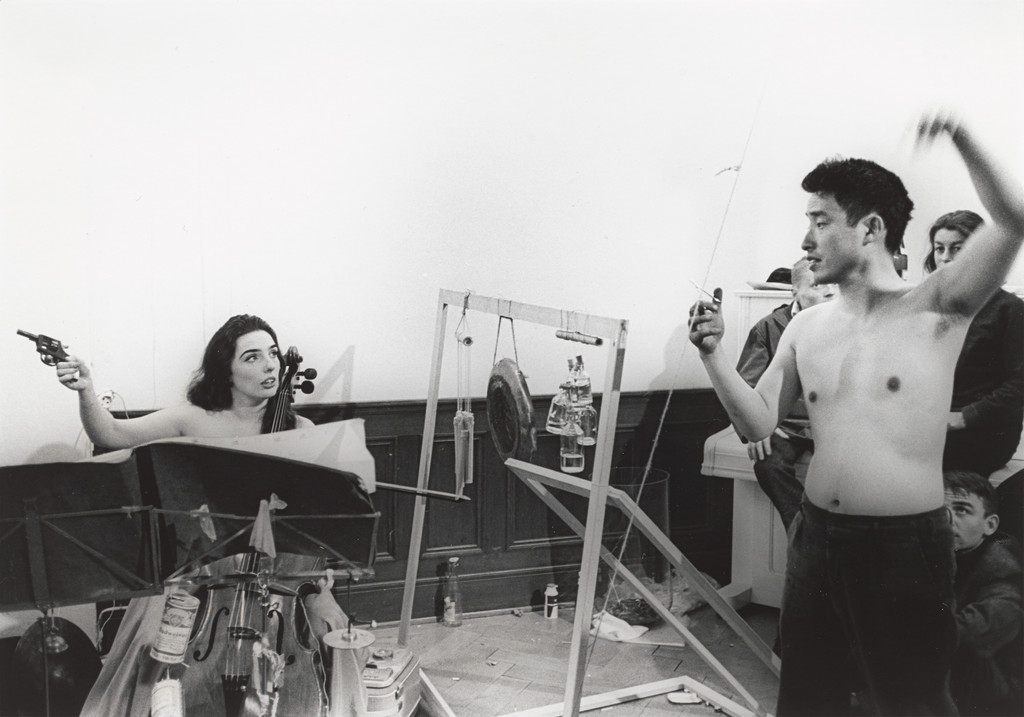
Charlotte Moorman and Nam June Paik performing at 24 Stun...
Nam June Paik
1965
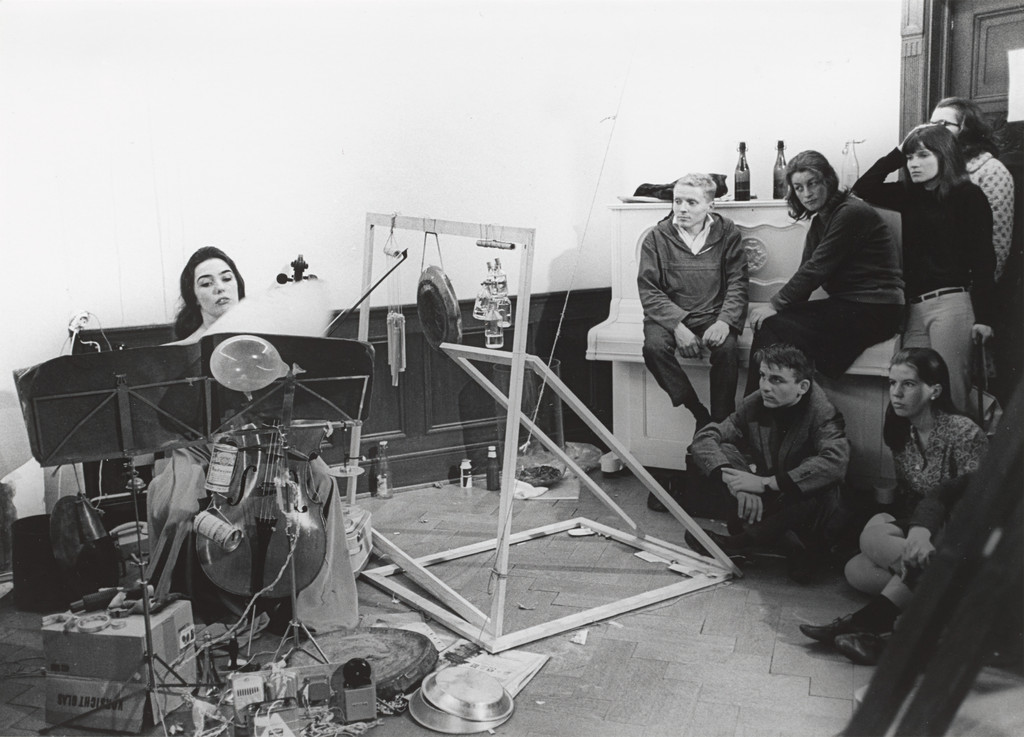
Charlotte Moorman performing at 24 Stunden (24 Hours), Ga...
Nam June Paik
1965
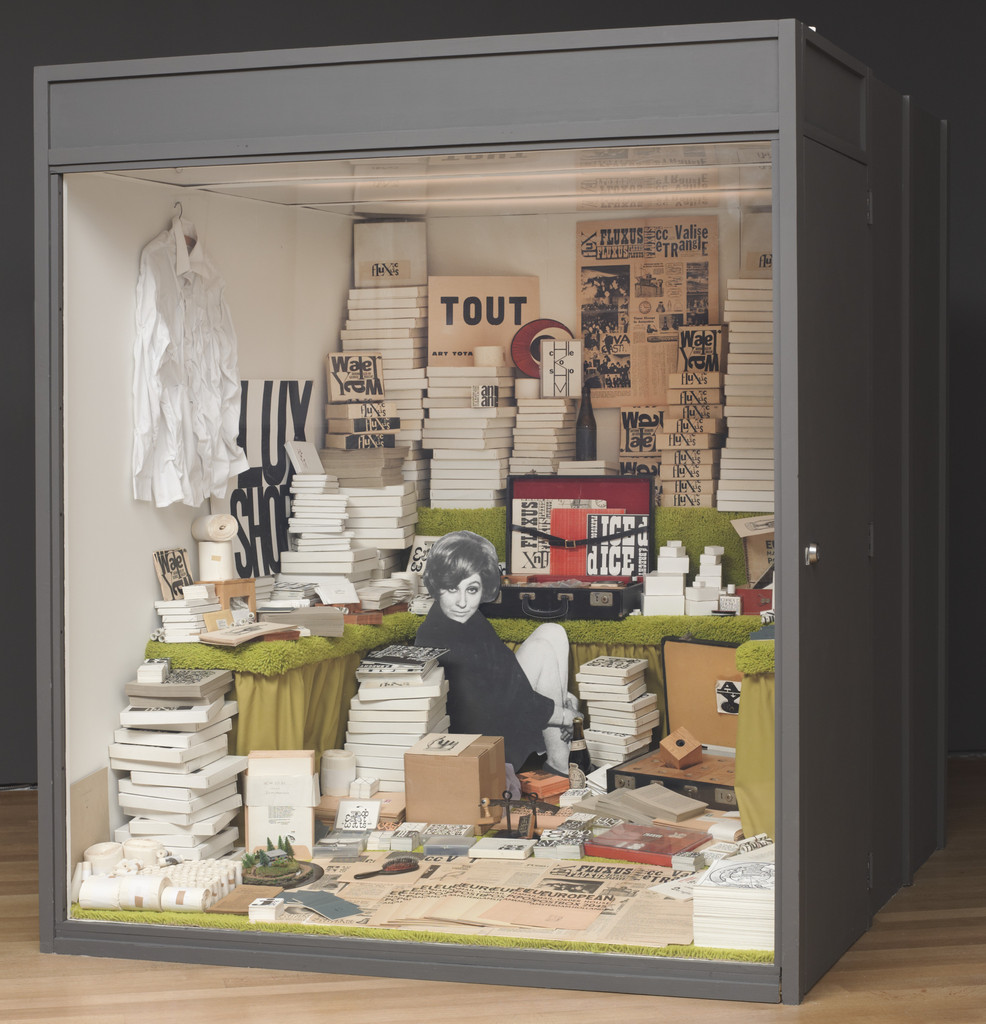
Construction of European Mail-order Warehouse/Fluxshop
Ay-O
1984 construction after 1964-65 photograph
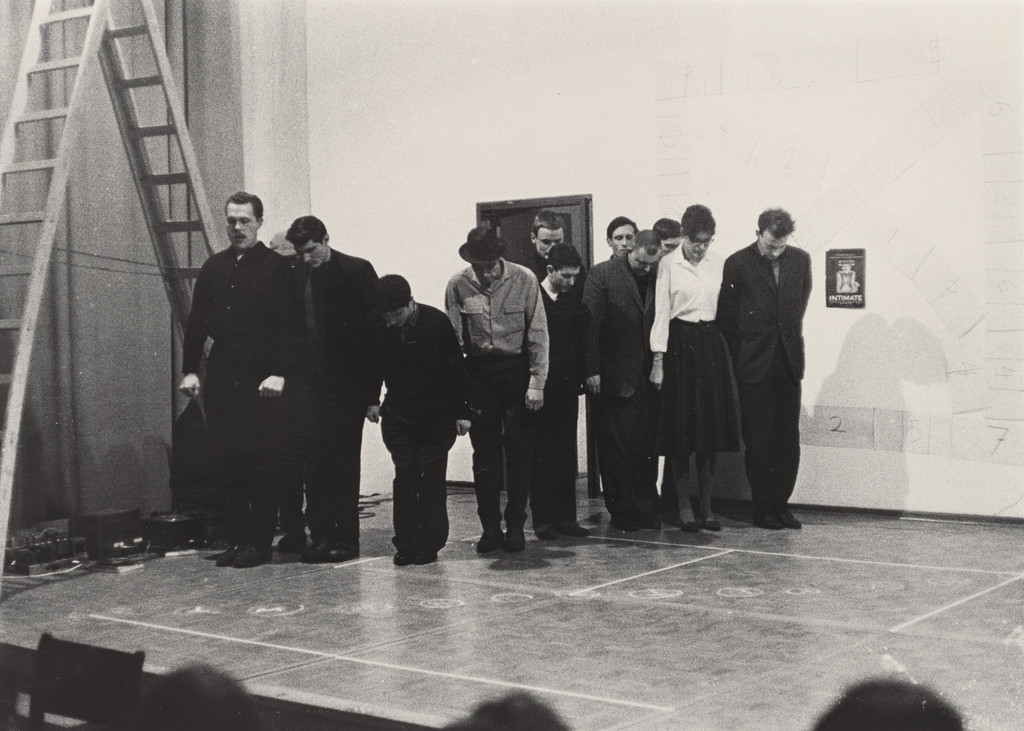
Dick Higgins' Graphis No. 118 (1962), performed during Fe...
Joseph Beuys
1963
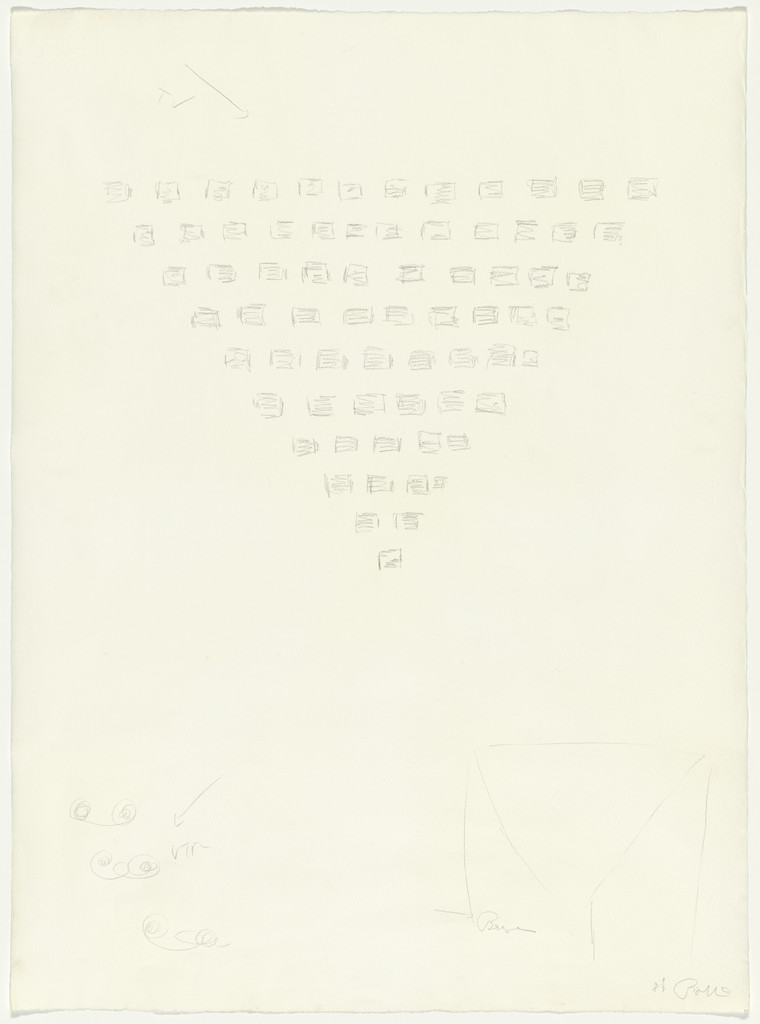
Drawing for T.V. Camera Sculpture
Nam June Paik
1983
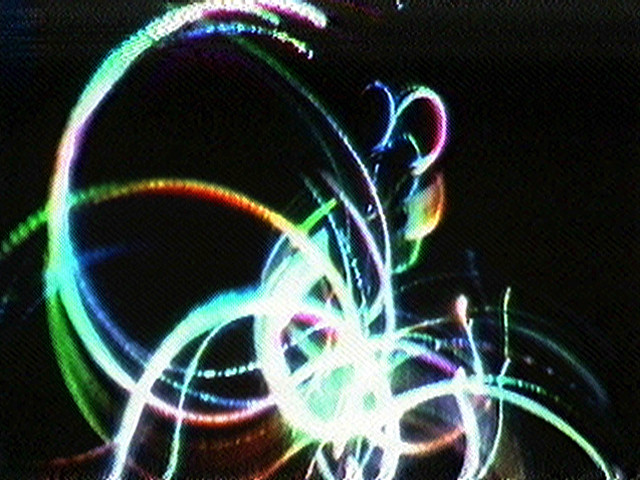
Electronic Fables
Nam June Paik
1965-1971/1992
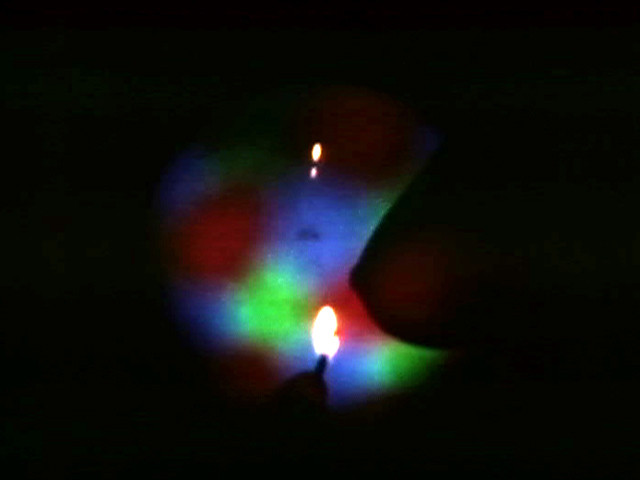
Electronic Moon No. 2
Nam June Paik
1966-1972/1992
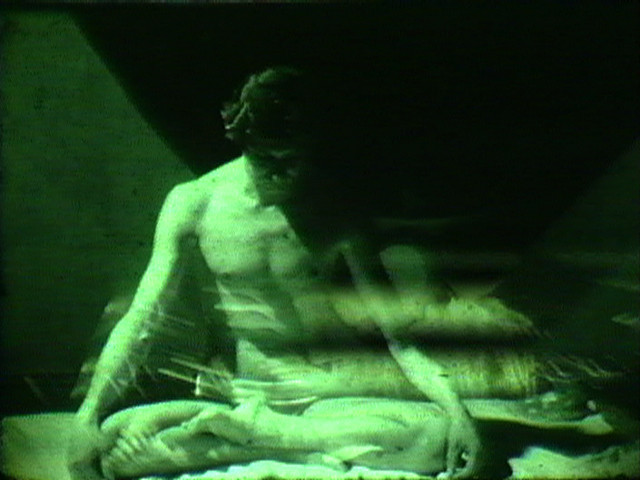
Electronic Yoga
Nam June Paik
1966-1972/1992
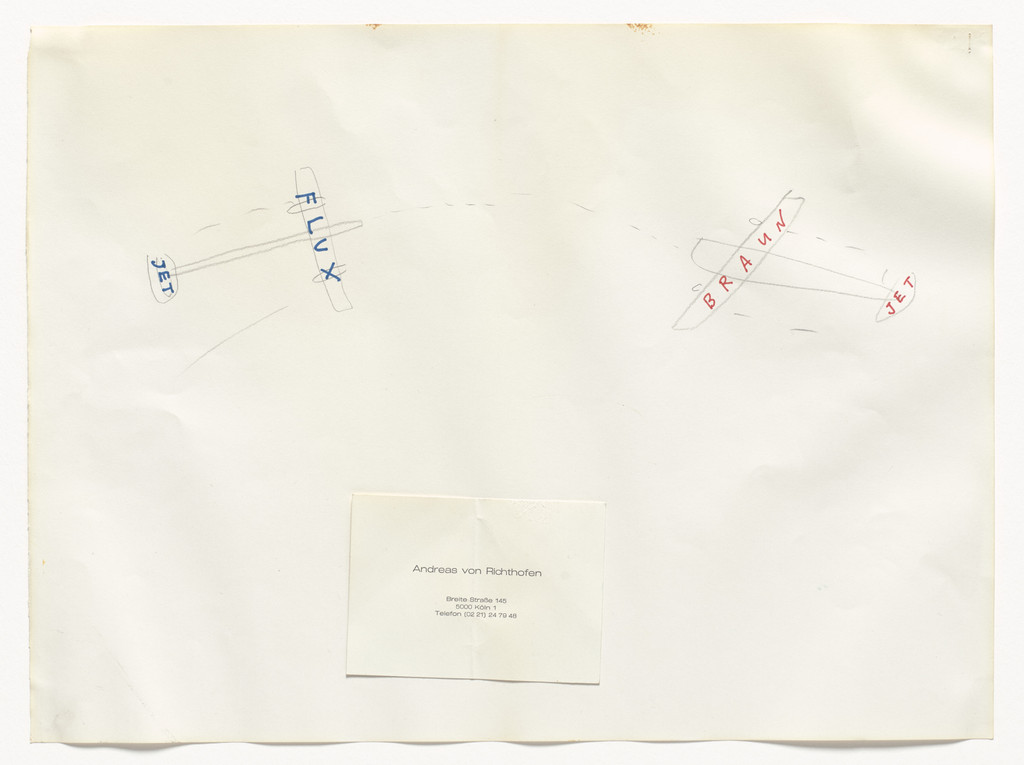
Flux Jets
Nam June Paik
1985
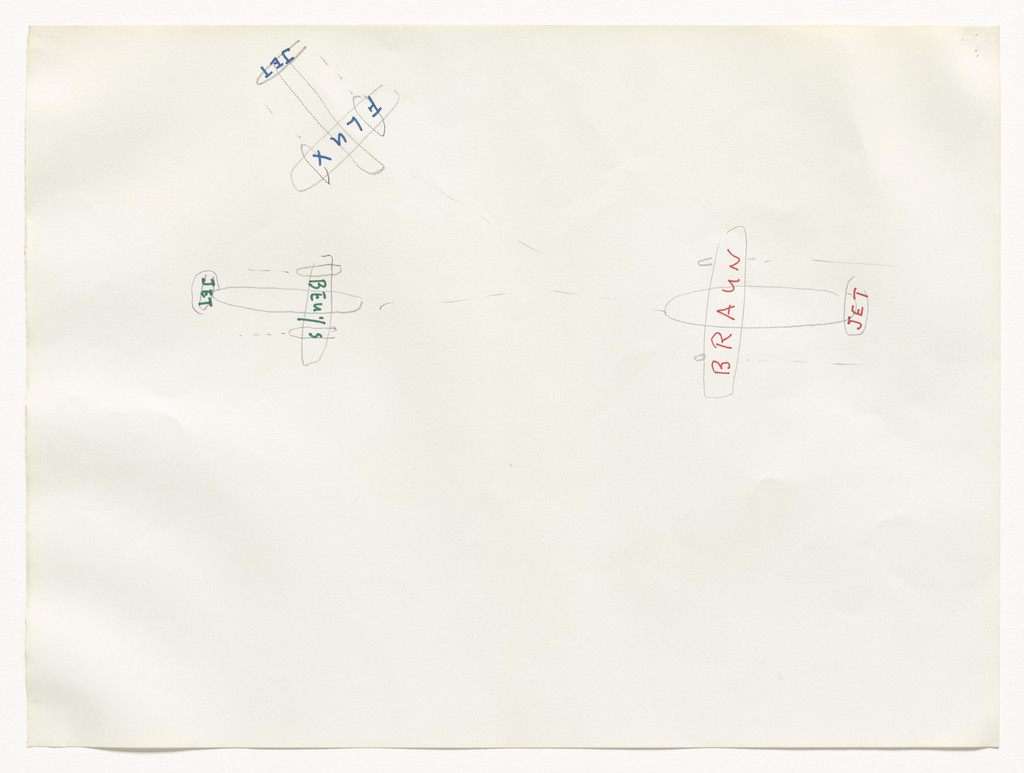
Flux Jets
Nam June Paik
1985
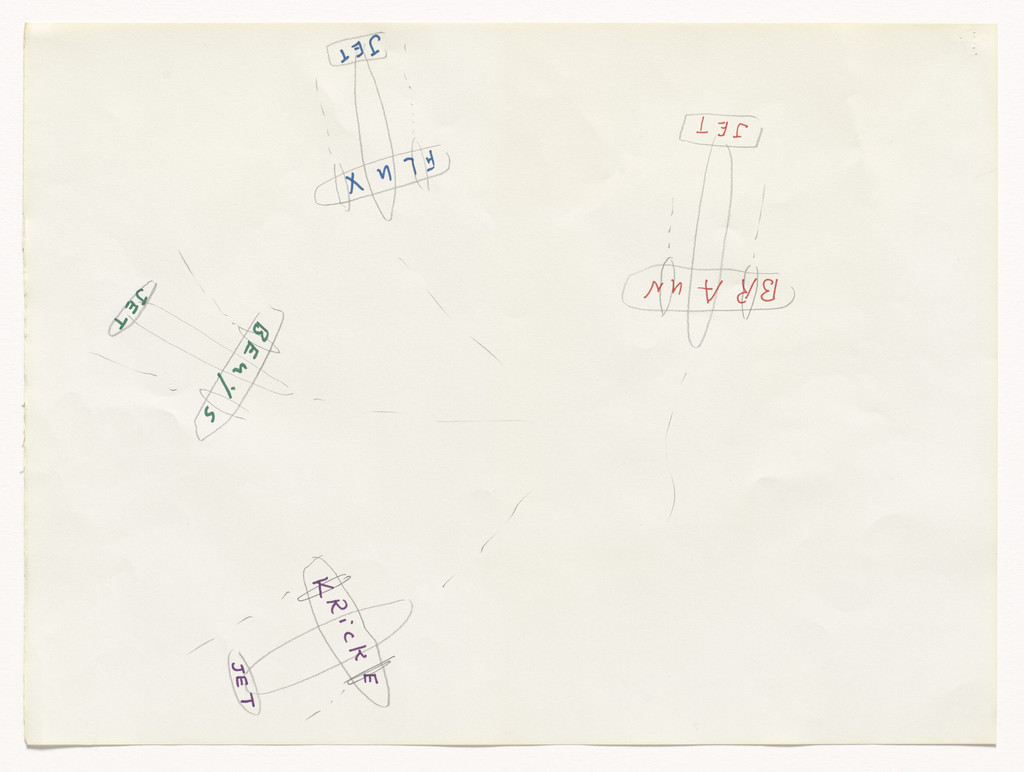
Flux Jets
Nam June Paik
1985
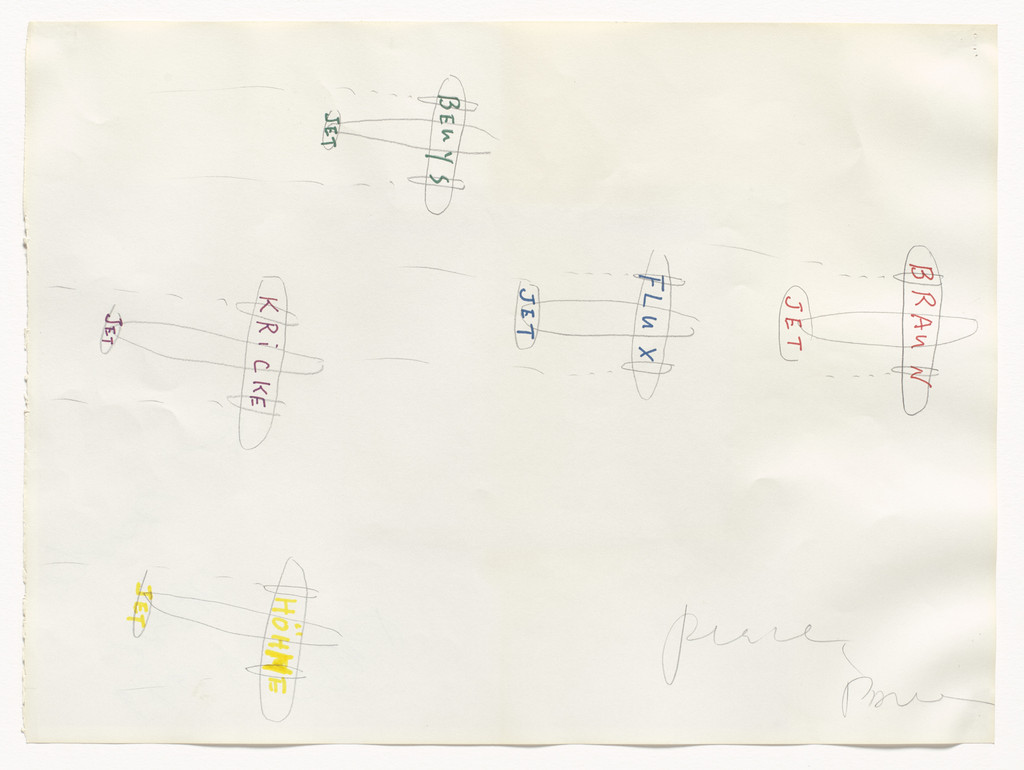
Flux Jets
Nam June Paik
1985 (recto); 1979 (verso)
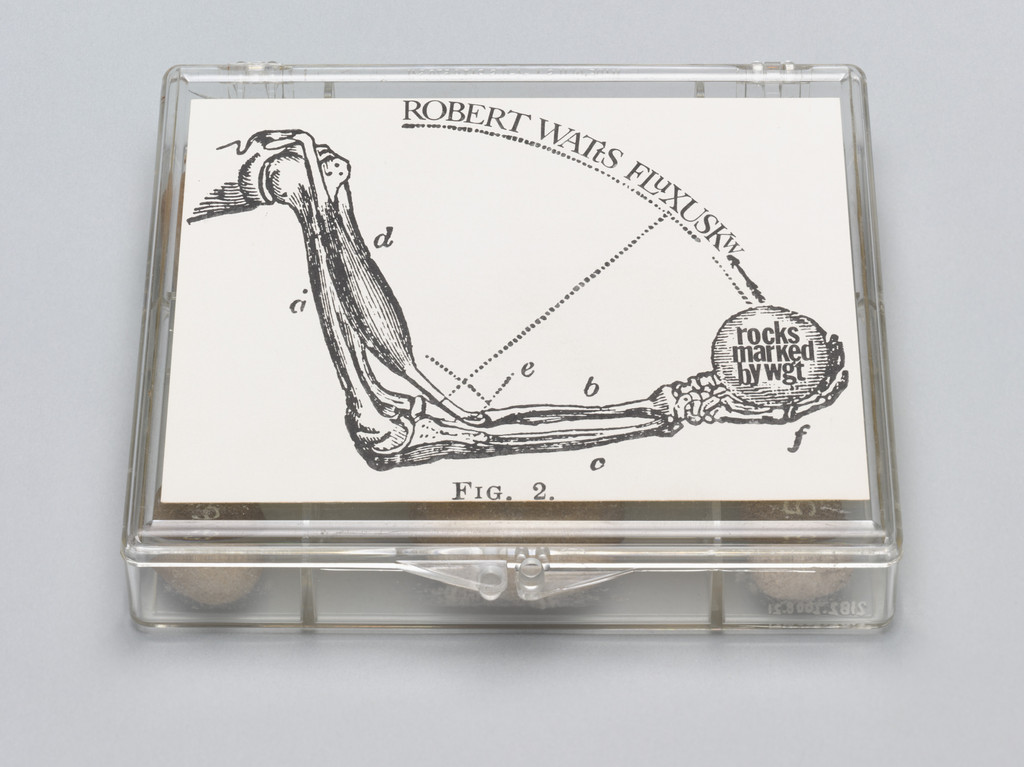
Fluxkit
Ay-O
1965
Exhibitions
12 exhibitionsFeb 01, 1975 – Apr 30, 1975
Projects: Video III
7 artists · 1 curator
Aug 01, 1975 – Sep 30, 1975
Projects: Video V
10 artists · 1 curator
Jul 01, 1976 – Sep 30, 1976
Projects: Video IX
11 artists · 1 curator
Aug 29, 1977 – Oct 10, 1977
Projects: Nam June Paik
2 artists · 1 curator
Nov 08, 1979 – Jan 01, 1980
Projects: Video XXX, Urban Focus/New York
12 artists
Sep 23, 1982 – Oct 26, 1982
Video and Satellite
9 artists · 1 curator
Oct 28, 1982 – Dec 07, 1982
Reading Video
16 artists · 1 curator
Oct 03, 1983 – Jan 03, 1984
Video Art: A History
79 artists · 1 curator
Nov 23, 1984 – Jan 01, 1985
A Survey: Artist's TV Lab, WNET/Thirteen
28 artists · 1 curator
Jun 24, 1987 – Sep 15, 1987
Selections from the Video Study Collection: 19681987
32 artists · 1 curator
Apr 20, 1989 – May 30, 1989
The Arts for Television
75 artists · 4 curators
Nov 02, 1989 – Dec 03, 1989
Video and the Computer
8 artists · 1 curator