
“If you want to have clean ideas, change them like shirts.” — Francis Picabia
In 1922, Francis Picabia wrote, “If you want to have clean ideas, change them like shirts.” Throughout his audacious and inventive career, which spanned almost 50 years and encompassed painting, performance, poetry, publishing, and film, Picabia lived out that prescription. Although he remains best known as a Dadaist, his work ranged from Impressionist painting to radical abstraction, from iconoclastic provocation to pseudo-classicism, and from photo-based painting to Art Informel. He relished courting controversy, making regular engagements with the press a part of the construction of his artistic persona. Born in Paris in 1879, Picabia first made his name as a late-coming Impressionist painter in 1905. In the fall of 1912, he exhibited a group of large-scale abstractions, including The Spring and [Dances at the Spring [II]](/collection/works/80659). Along with František Kupka’s Amorpha, fugue in two colors and Fernand Léger’s Woman in Blue, Picabia’s canvases marked the arrival of non-objective painting in Paris. This stylistic change was the first of many abrupt reversals that would characterize his career. It also delivered his first major succès de scandale, as critics condemned the new work as “ugly” and “incomprehensible.” While World War I raged in Europe, Picabia sought exile abroad in New York, Barcelona, and Switzerland. During this time, his activities as a publisher of the journal 391 coincided with the appearance of the machine in his visual work. As in "M’Amenez-y", hard-edged, frontal objects, often copied from scientific magazines and precisely rendered in industrial paints, took center stage. He also began to pepper his compositions with words and phrases. After the war, Picabia returned to Paris, and the Dada movement, led by Tristan Tzara, landed there soon after, inaugurating months of performances, parties, and battles in the press in an all-out assault on the culture of rationality the Dadaists held responsible for the war. Picabia made works like Tableau Rastadada, a mordant self-portrait, finding in Dada a provocative spirit that matched and extended his own. Picabia continued to cycle through styles and experiment with unorthodox materials. Although he renounced Dada in 1921, certain tenets of that movement persisted in his work, including the appropriation of found imagery: in one of his last stylistic phases, he copied and recombined magazine photographs into new, painted compositions, as in Portrait of a Couple. Throughout, Picabia questioned the meaning and purpose of art even as he practiced it. In 1949, Marcel Duchamp described Picabia’s career as a “kaleidoscopic series of art experiences.” Marked by a consistent inconsistency, that career continues to challenge traditional narratives of modernism.
Introduction by Natalie Dupêcher, Museum Research Consortium Fellow, Department of Painting and Sculpture, 2016
Works in Collection
78 works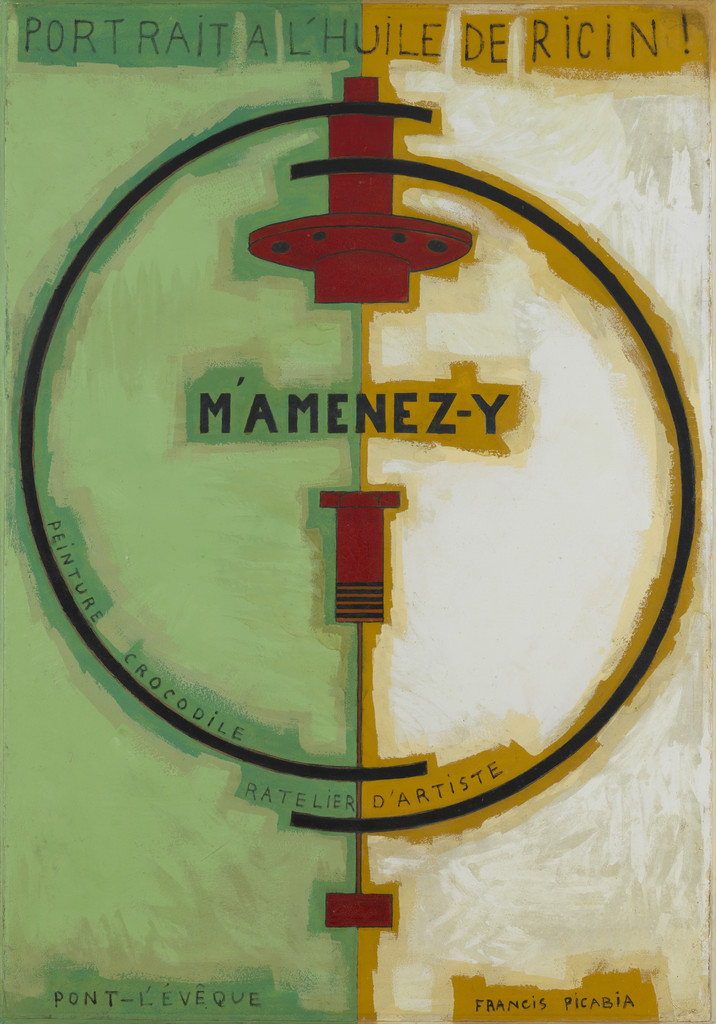
"M'Amenez-y"
Francis Picabia
Paris, November 1919 - January 1920
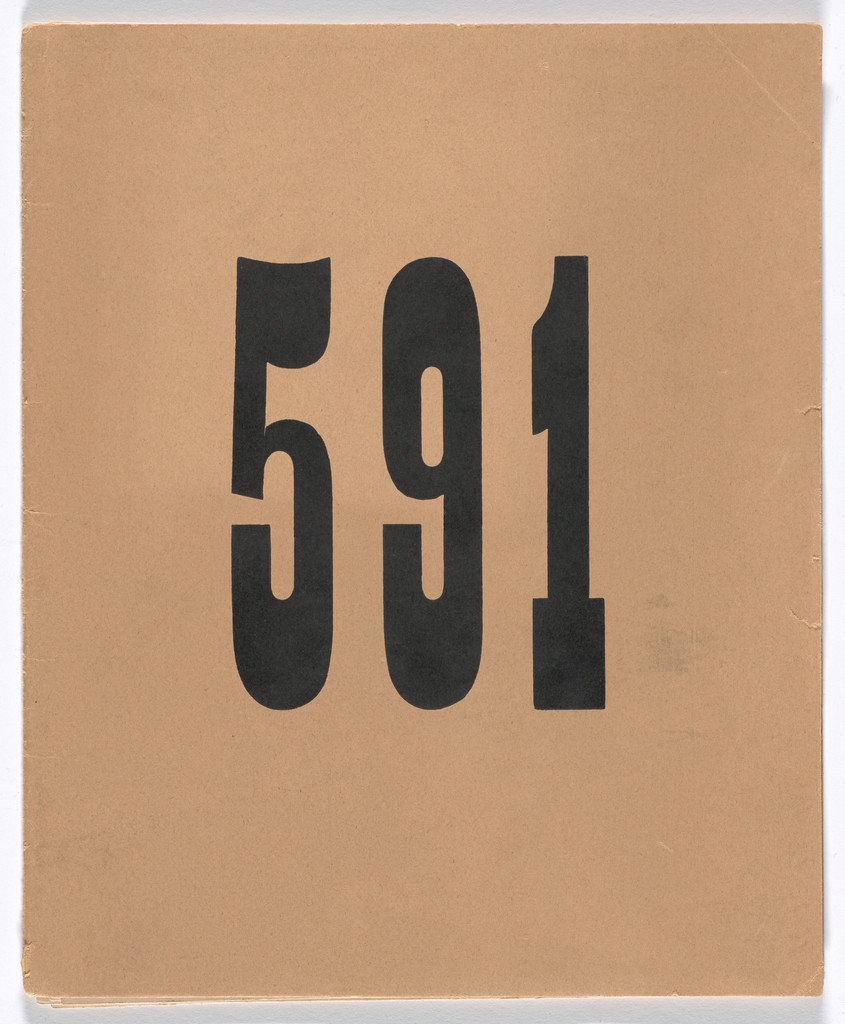
591
Francis Picabia
1952
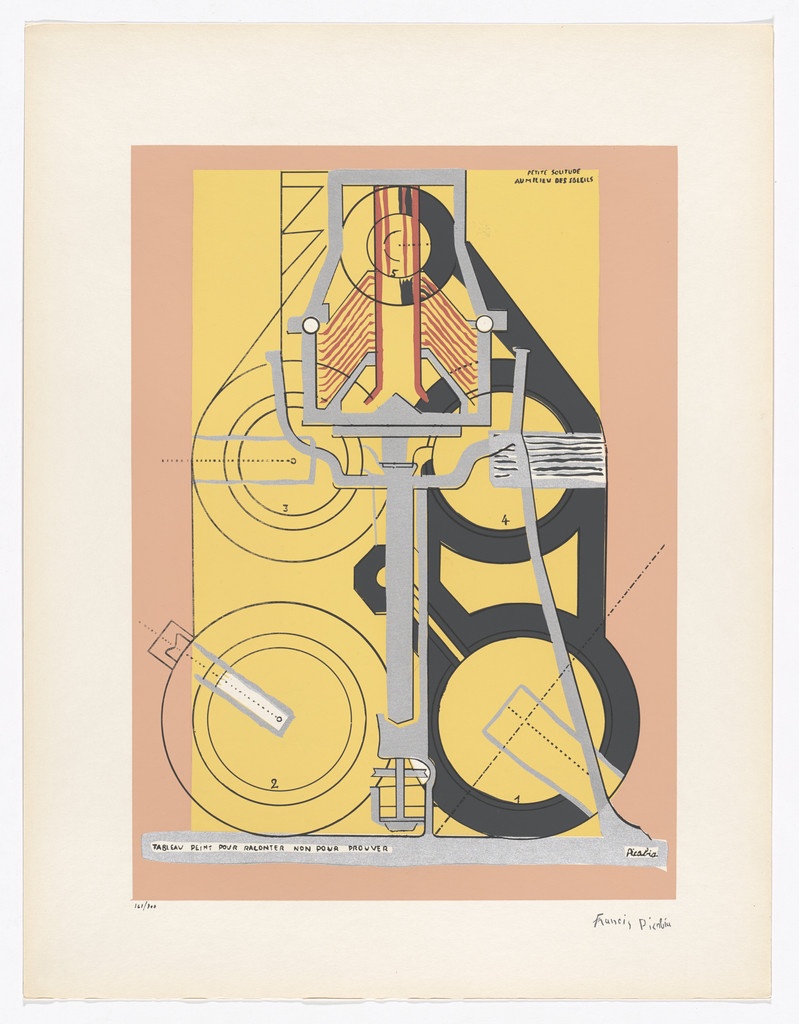
A Little Solitude in the Midst of Suns (Petite solitude a...
Francis Picabia
1953 (original executed in 1915)
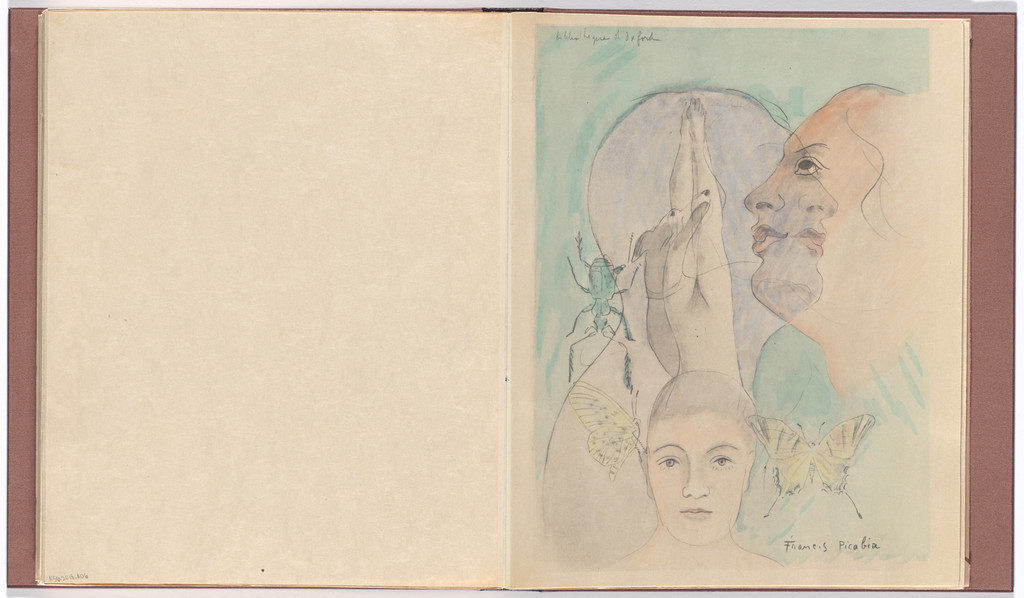
Bibliothèque d'Oxford (Library of Oxford) from Le Peseur ...
Francis Picabia
1931
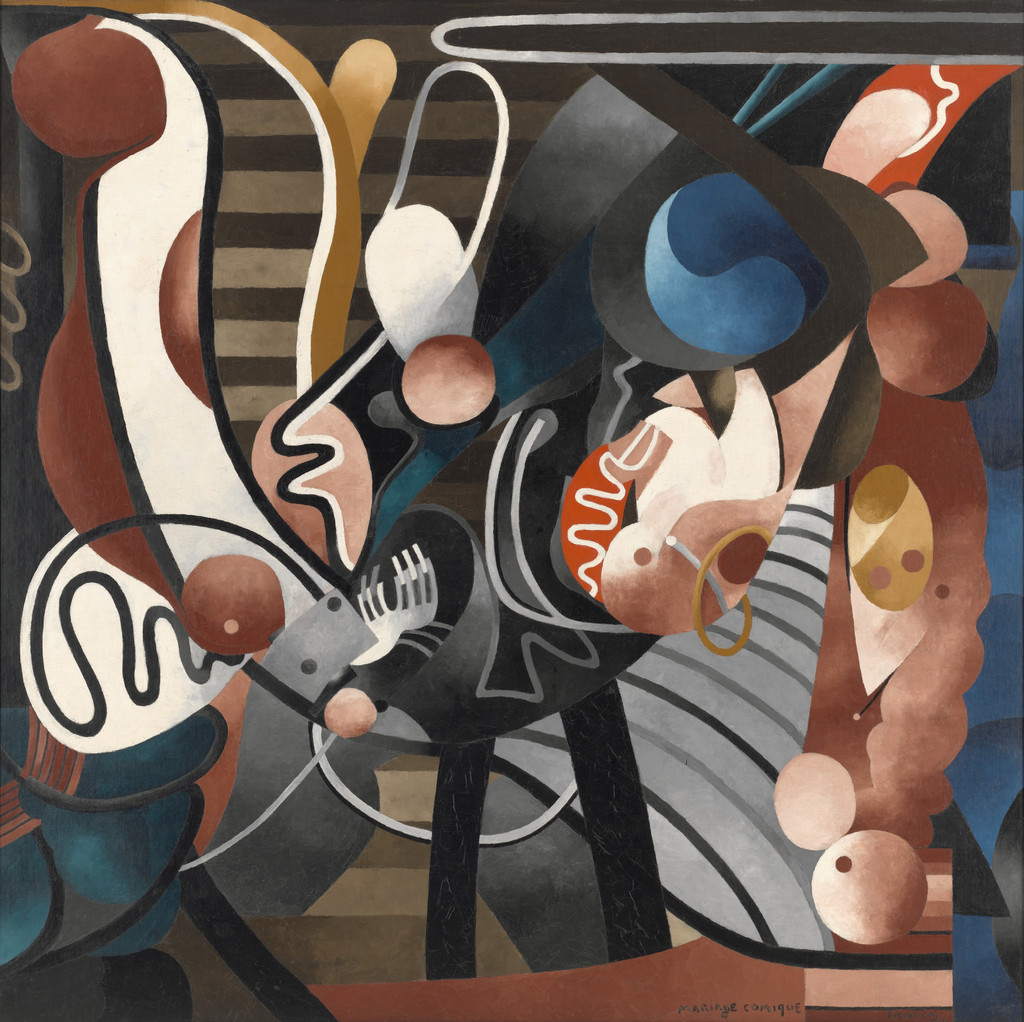
Comic Wedlock
Francis Picabia
Paris, June - July 1914
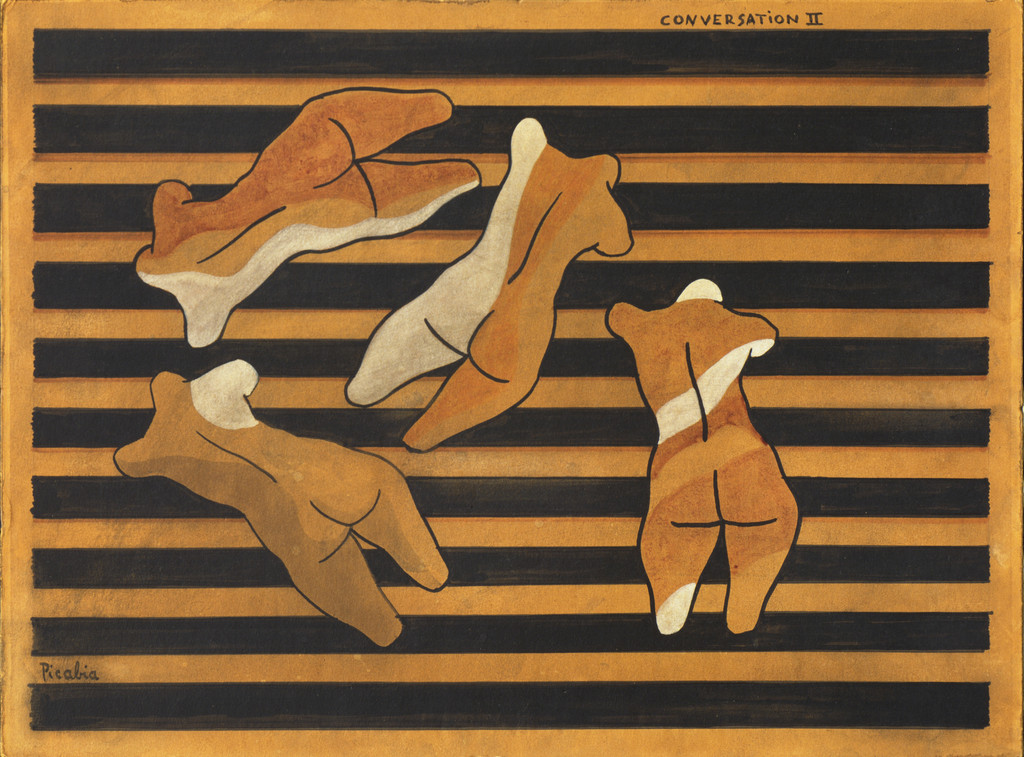
Conversation II
Francis Picabia
c. 1922
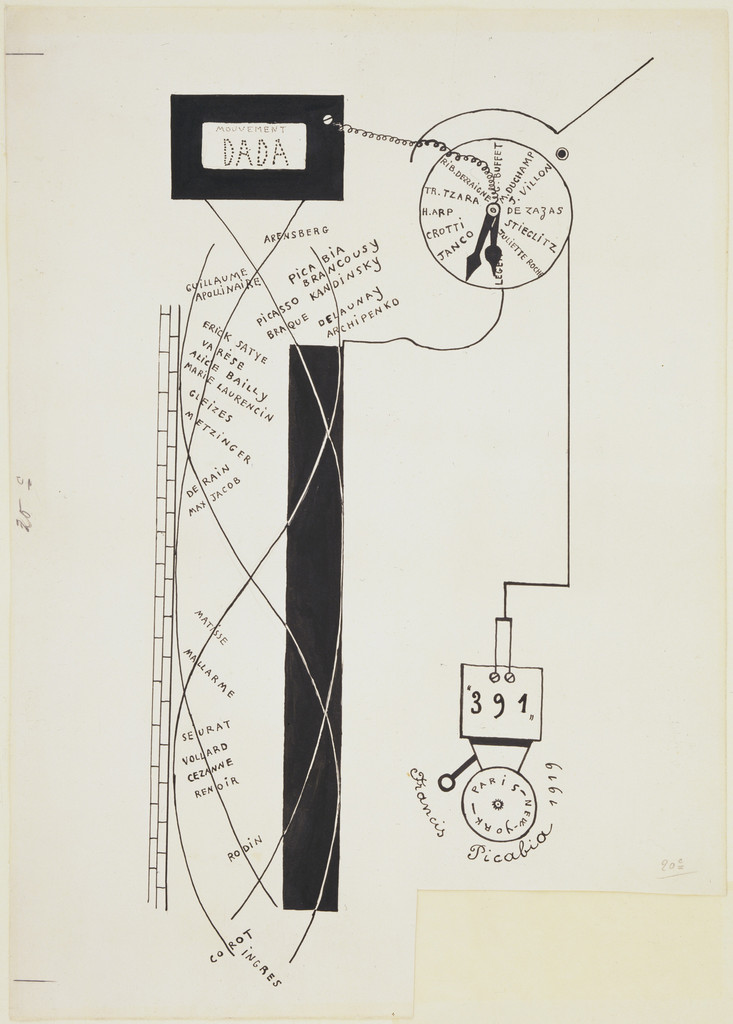
Dada Movement (Mouvement Dada)
Francis Picabia
1919
![Dances at the Spring [II]](https://www.moma.org/media/W1siZiIsIjI0MzcwNiJdLFsicCIsImNvbnZlcnQiLCItcmVzaXplIDEwMjR4MTAyNFx1MDAzZSJdXQ.jpg?sha=23222488b29840d2)
Dances at the Spring [II]
Francis Picabia
Saint Cloud, spring or summer 1912
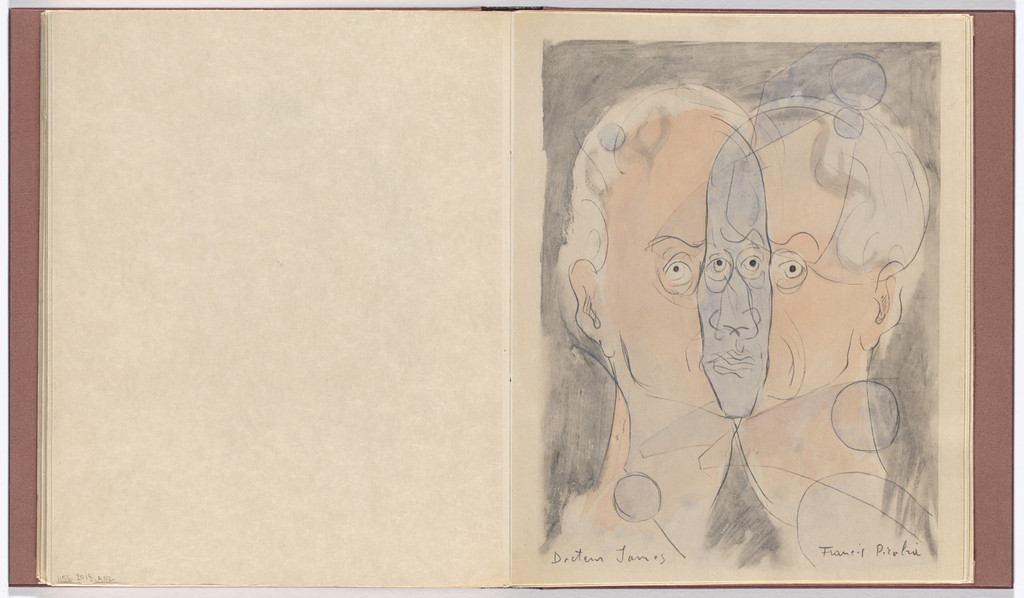
Docteur James (Doctor James) from Le Peseur d'âmes (The W...
Francis Picabia
1931
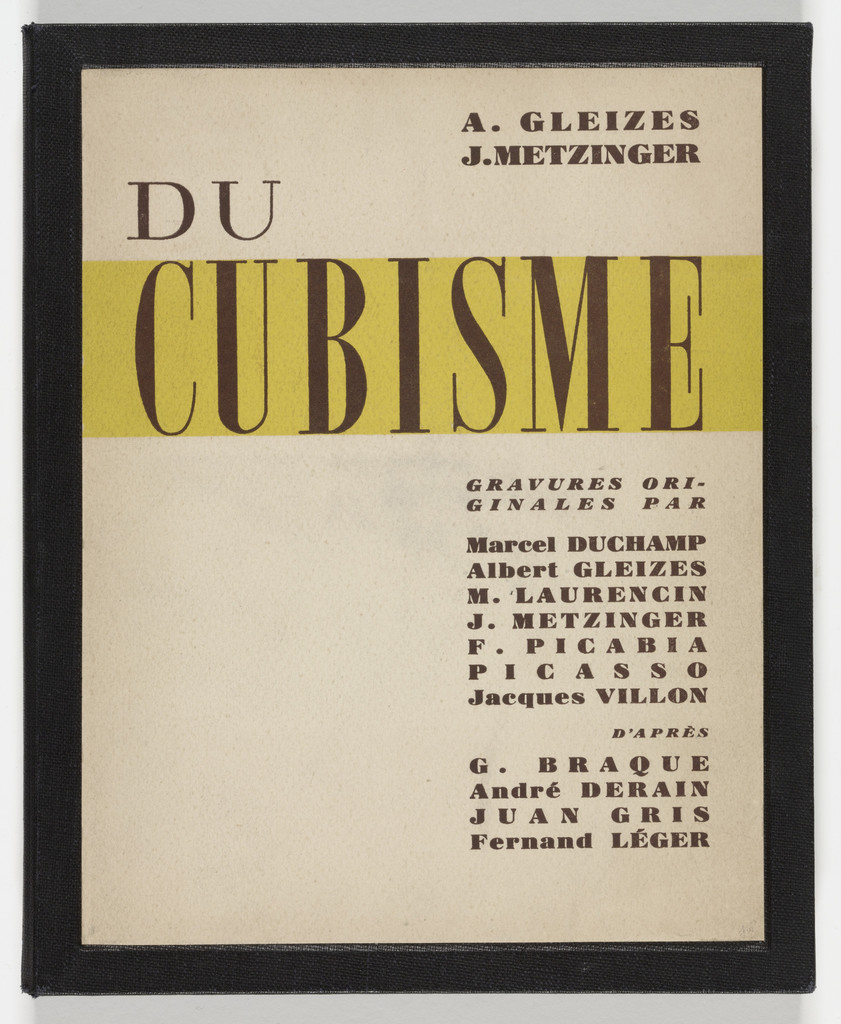
Du Cubisme (On Cubism)
Georges Braque
1907–47, published 1947
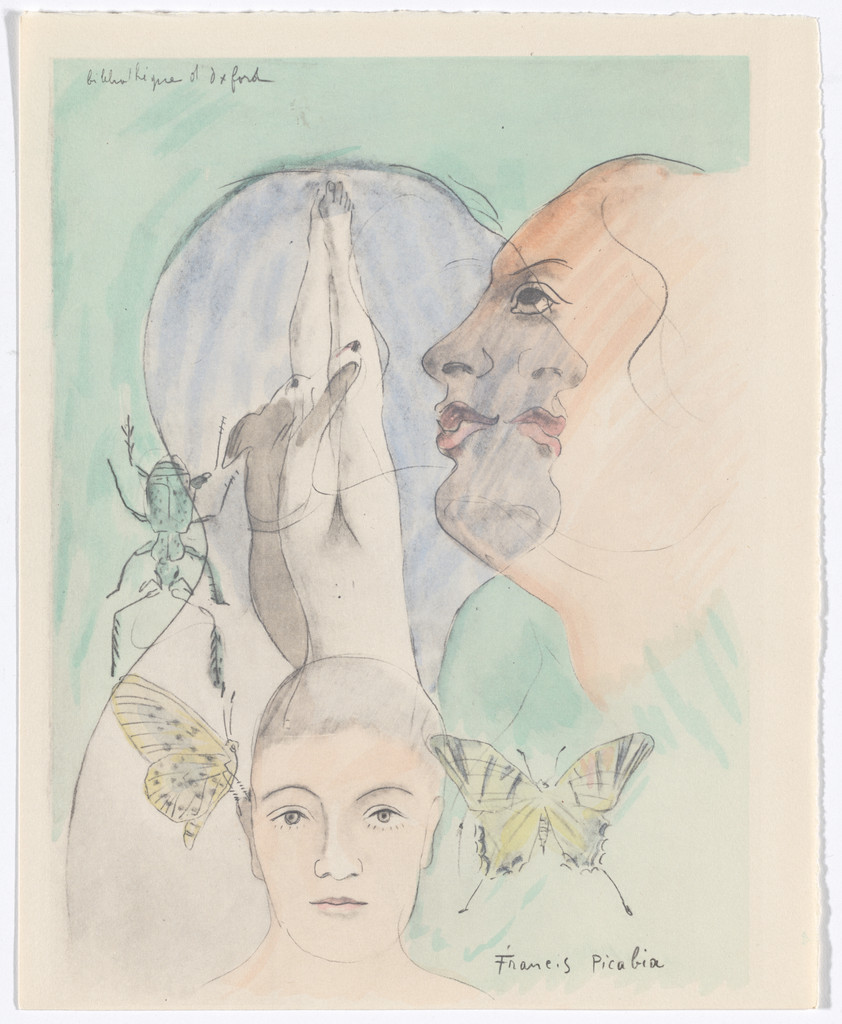
Duplicate of Bibliothèque d'Oxford (Library of Oxford) fr...
Francis Picabia
1931
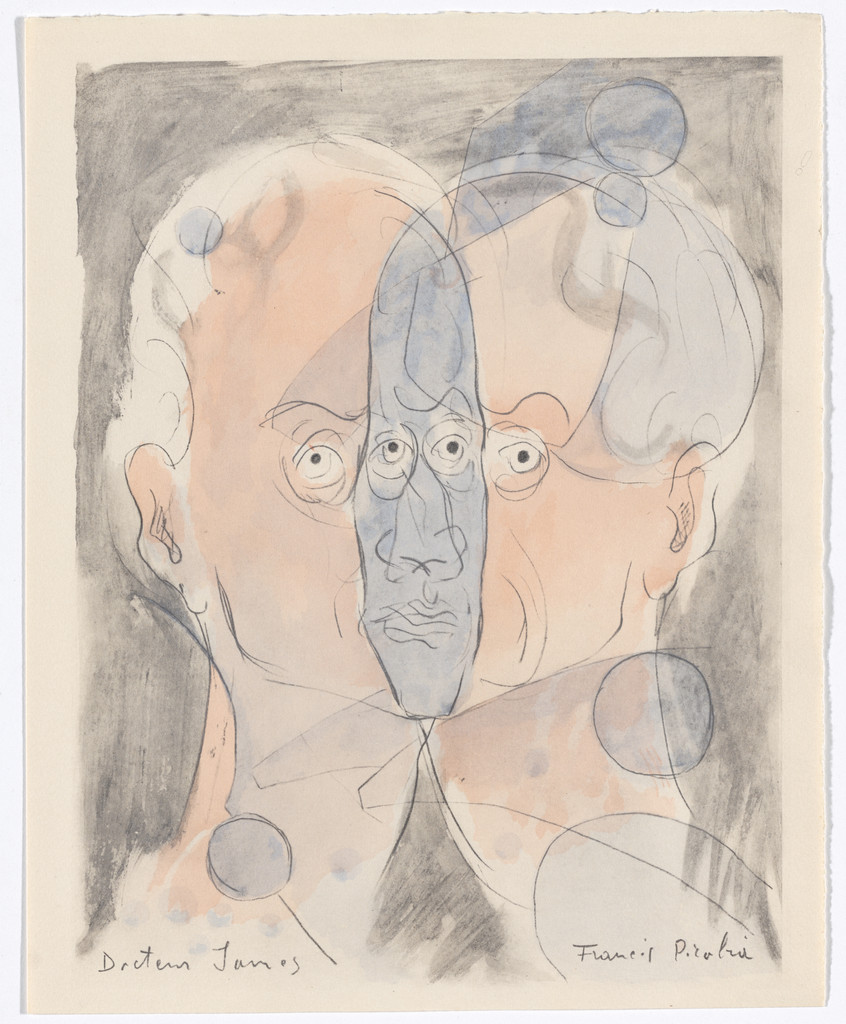
Duplicate of Docteur James (Doctor James) from Le Peseur ...
Francis Picabia
1931
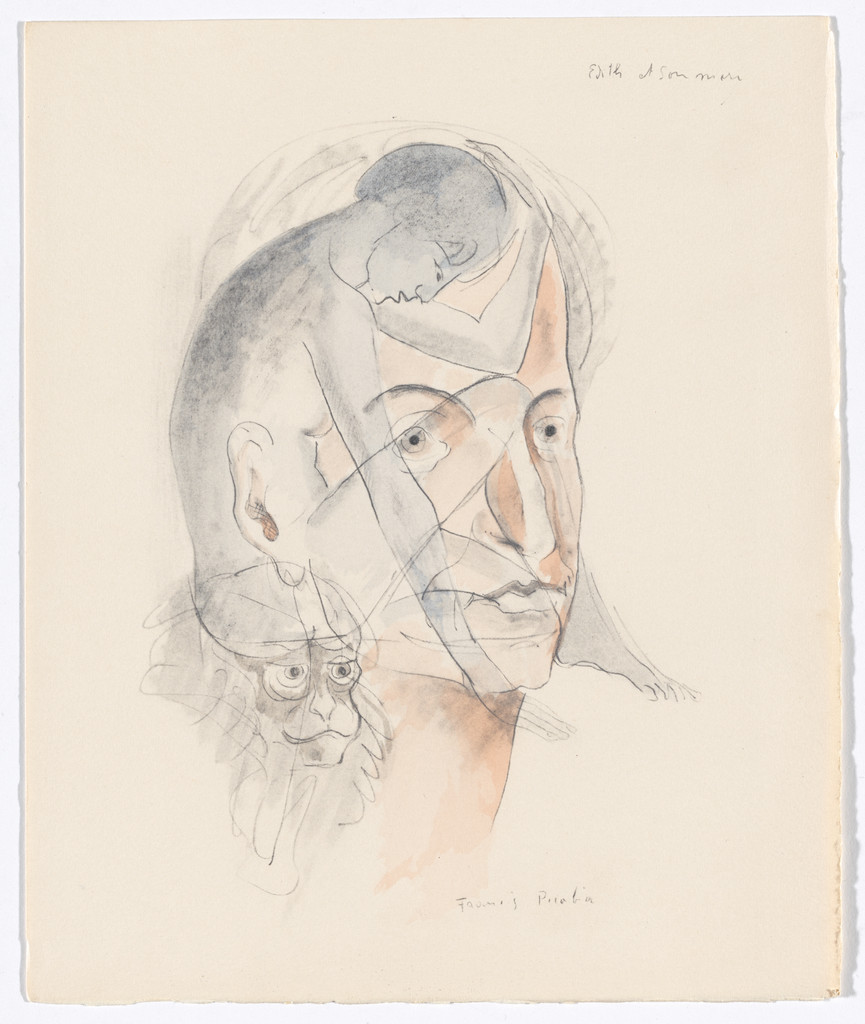
Duplicate of Edith et son mari (Edith and Her Husband) fr...
Francis Picabia
1931
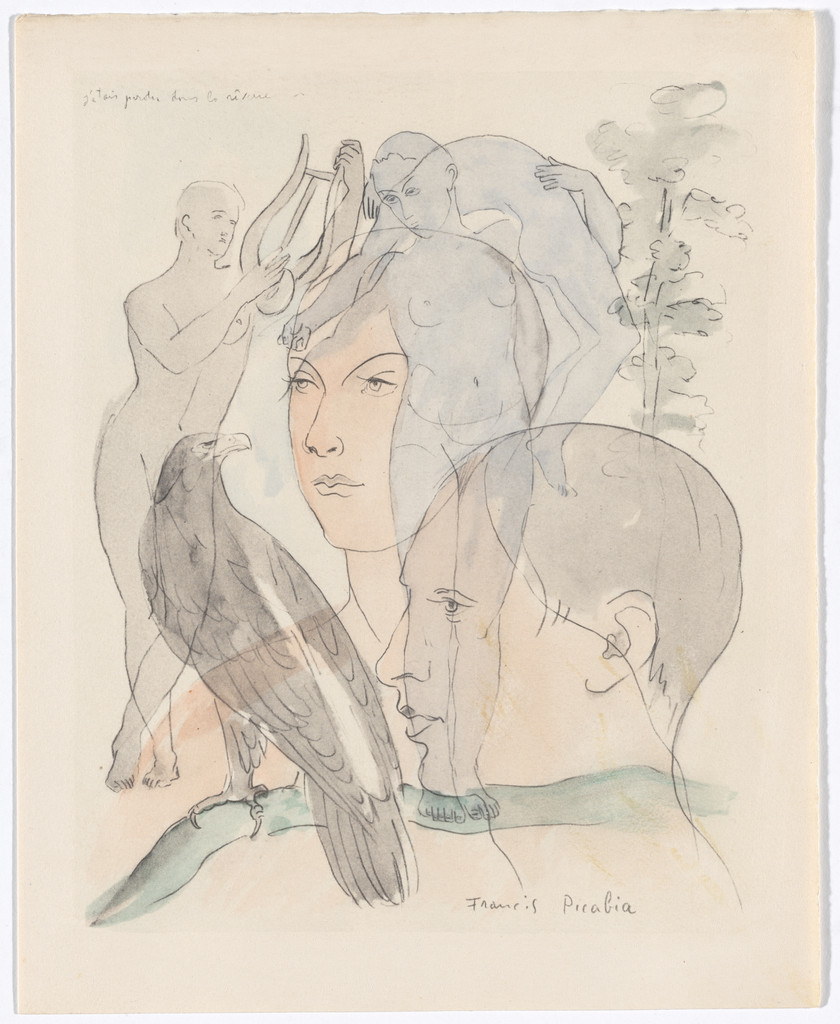
Duplicate of J'étais perdu dans la rêverie (I Was Lost in...
Francis Picabia
1931
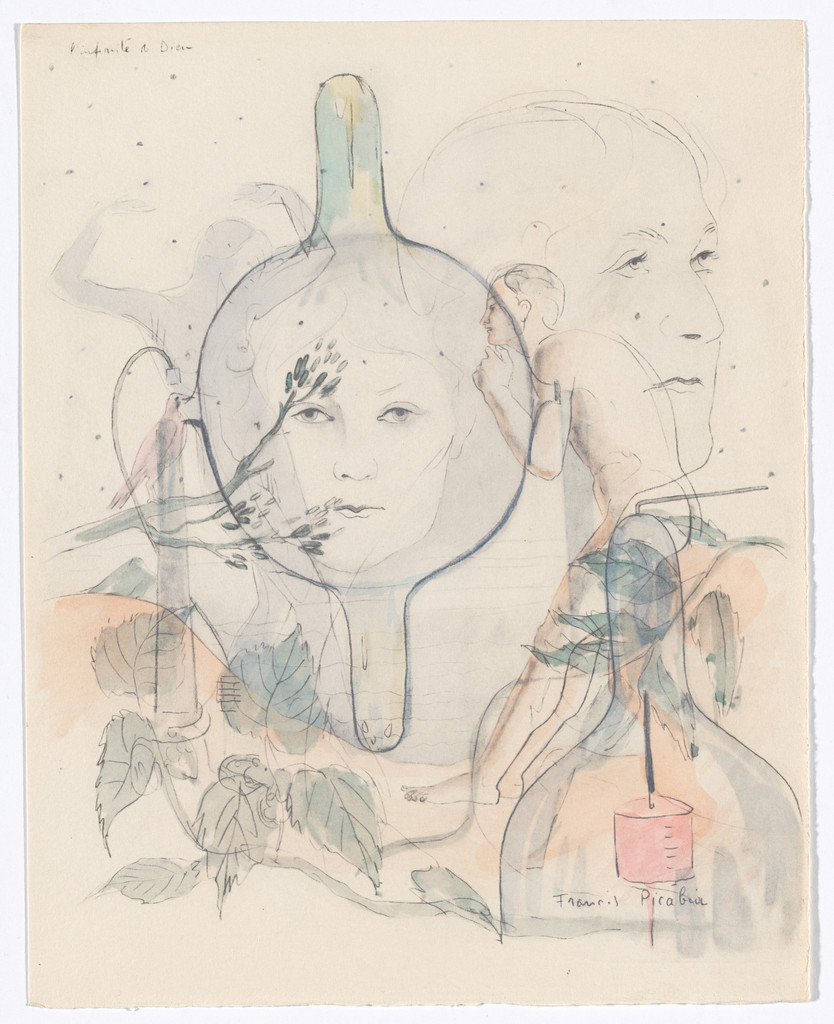
Duplicate of L'infinité de Dieu (The Infinity of God) fro...
Francis Picabia
1931
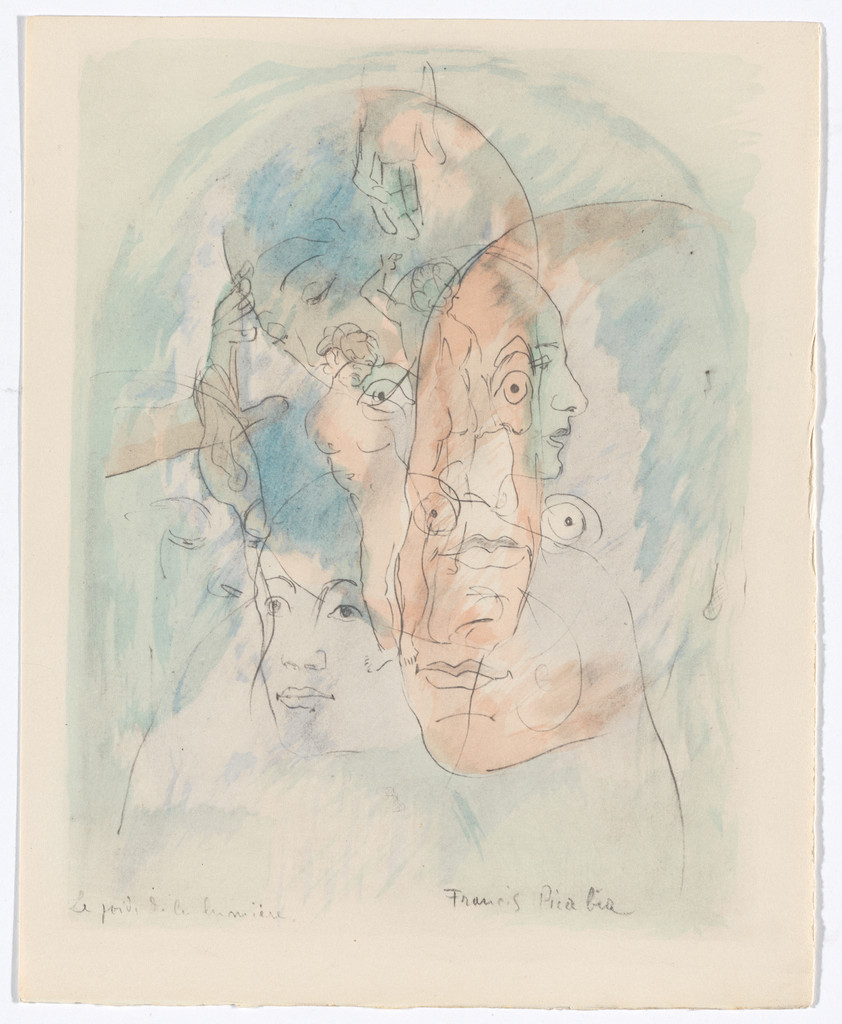
Duplicate of Le poid de la lumière (The Weight of the Lig...
Francis Picabia
1931
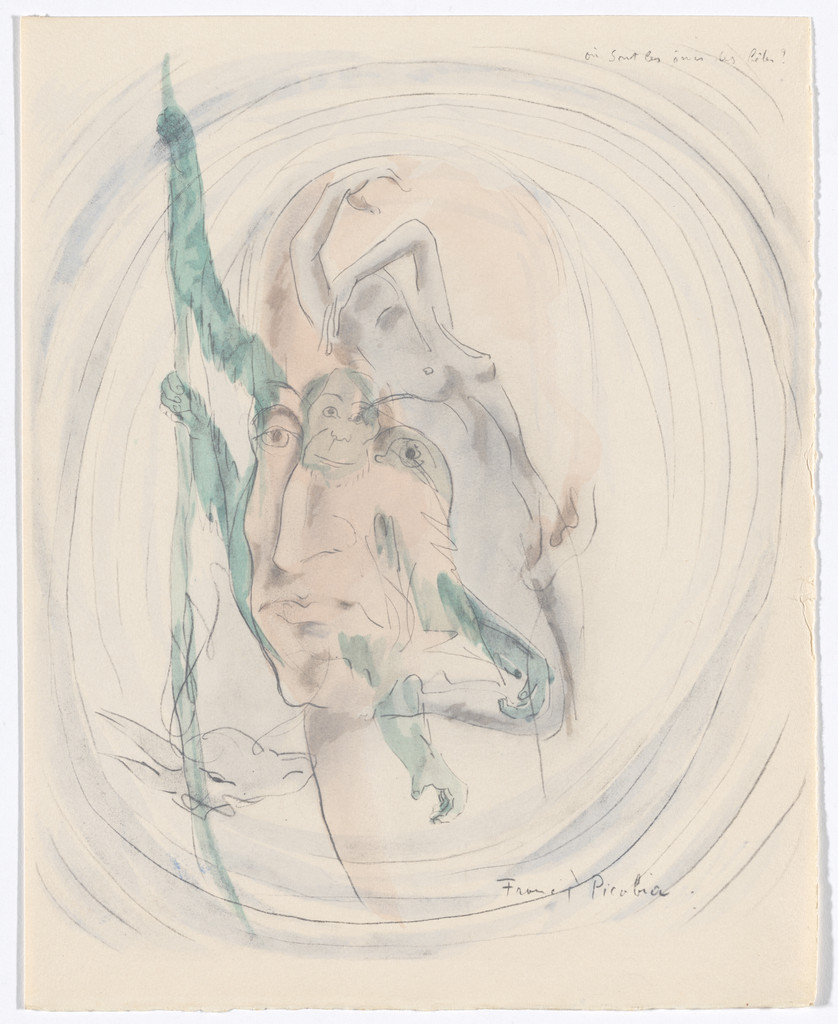
Duplicate of Où sont les âmes des bêtes? (Where are the S...
Francis Picabia
1931
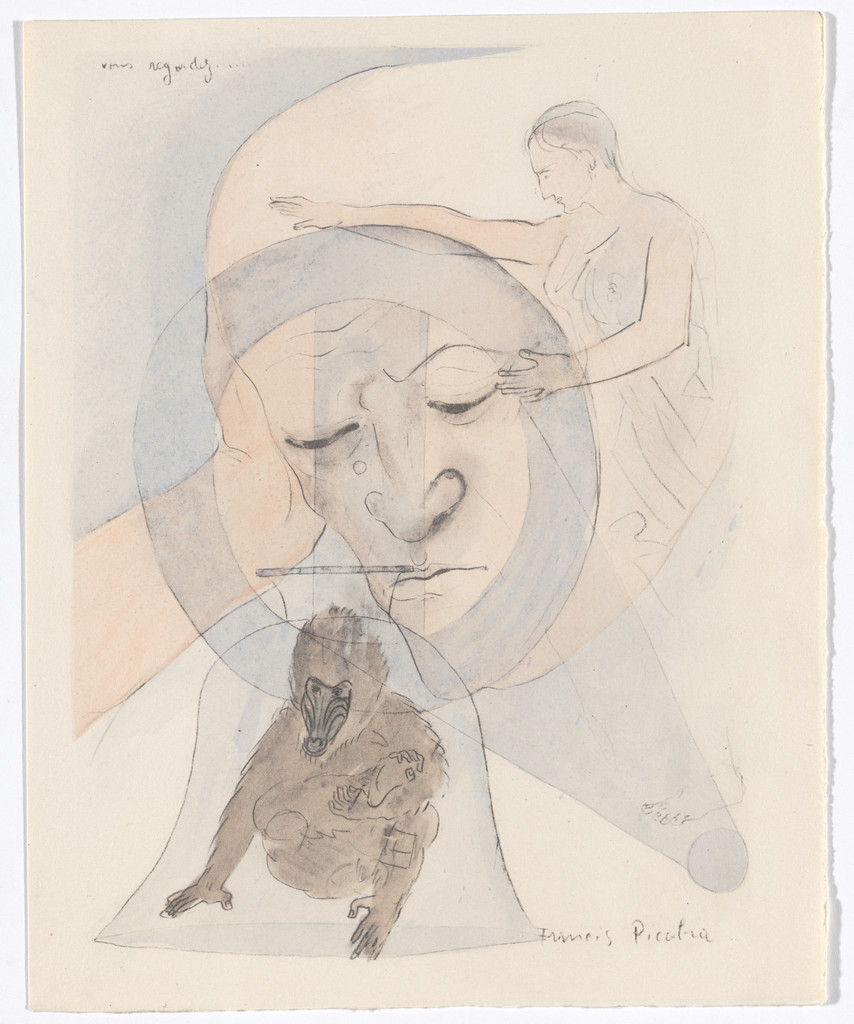
Duplicate of Vous regardez.... (You are Looking...) from ...
Francis Picabia
1931
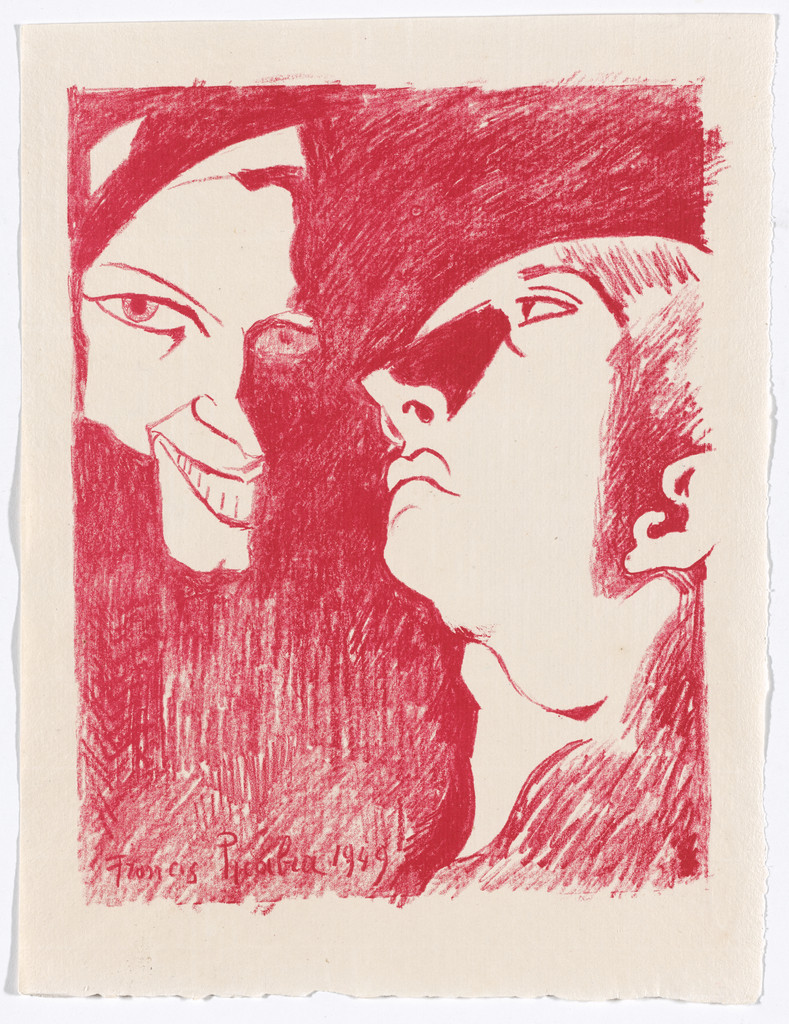
Duplicate of plate 1 from Janela do caos (Window of Chaos)
Francis Picabia
1949
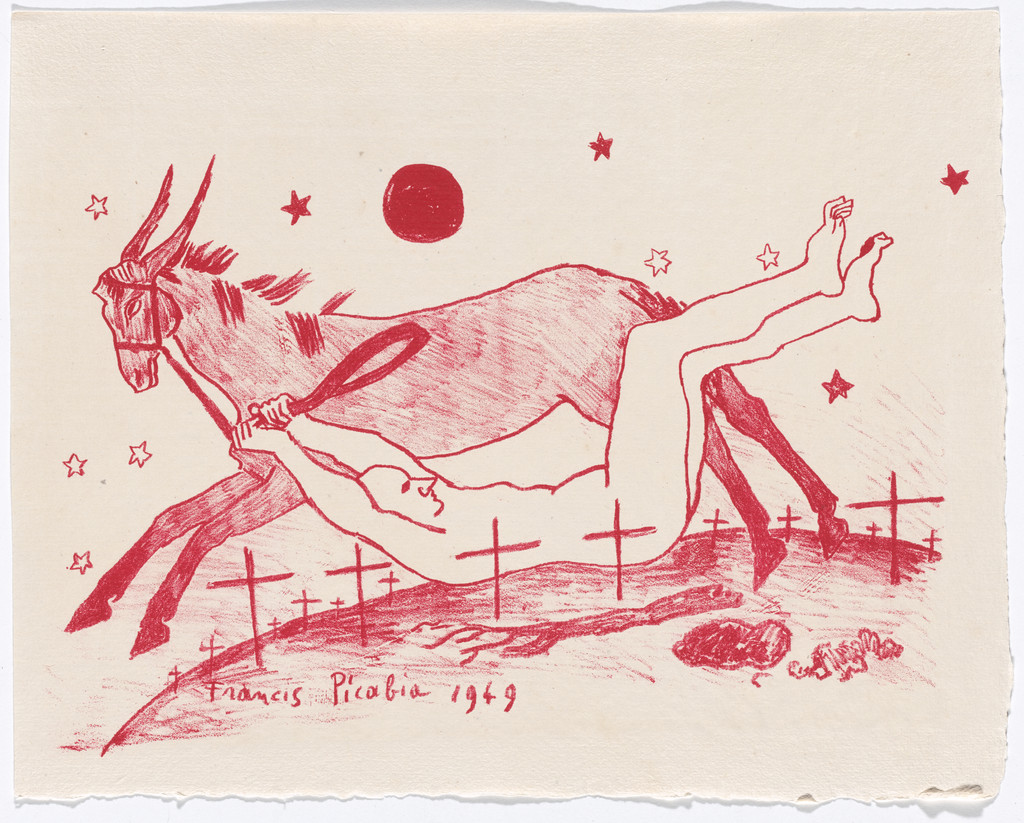
Duplicate of plate 2 from Janela do caos (Window of Chaos)
Francis Picabia
1949
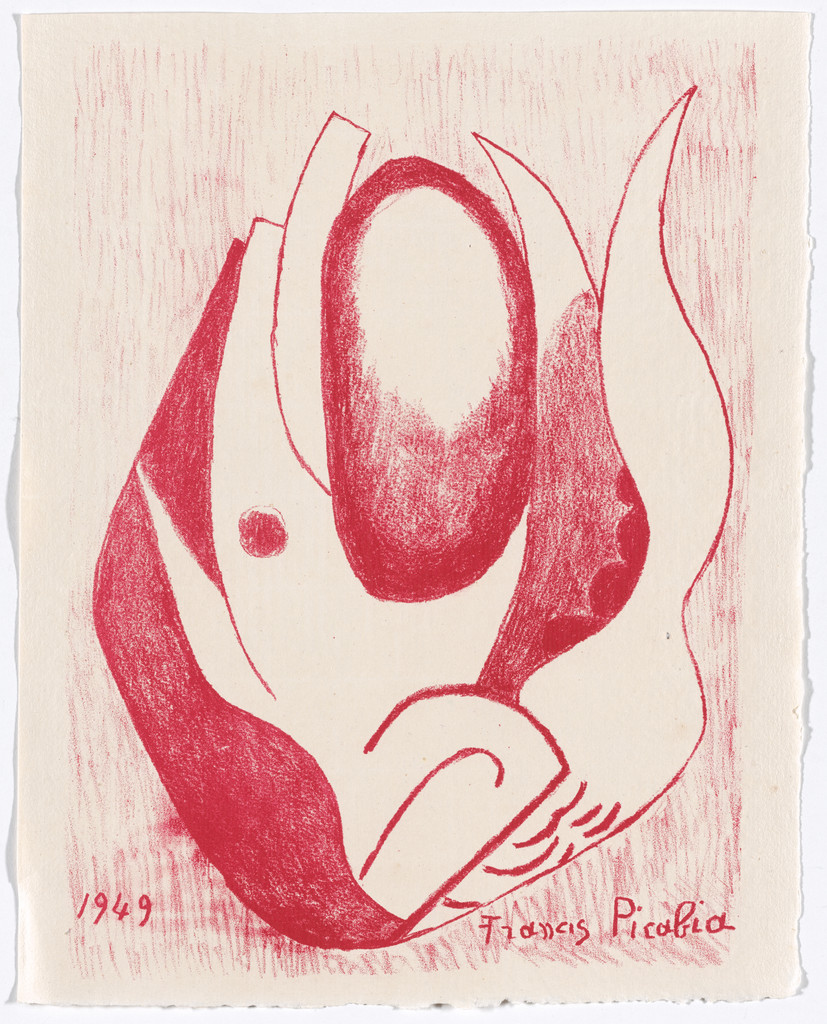
Duplicate of plate 3 from Janela do caos (Window of Chaos)
Francis Picabia
1949
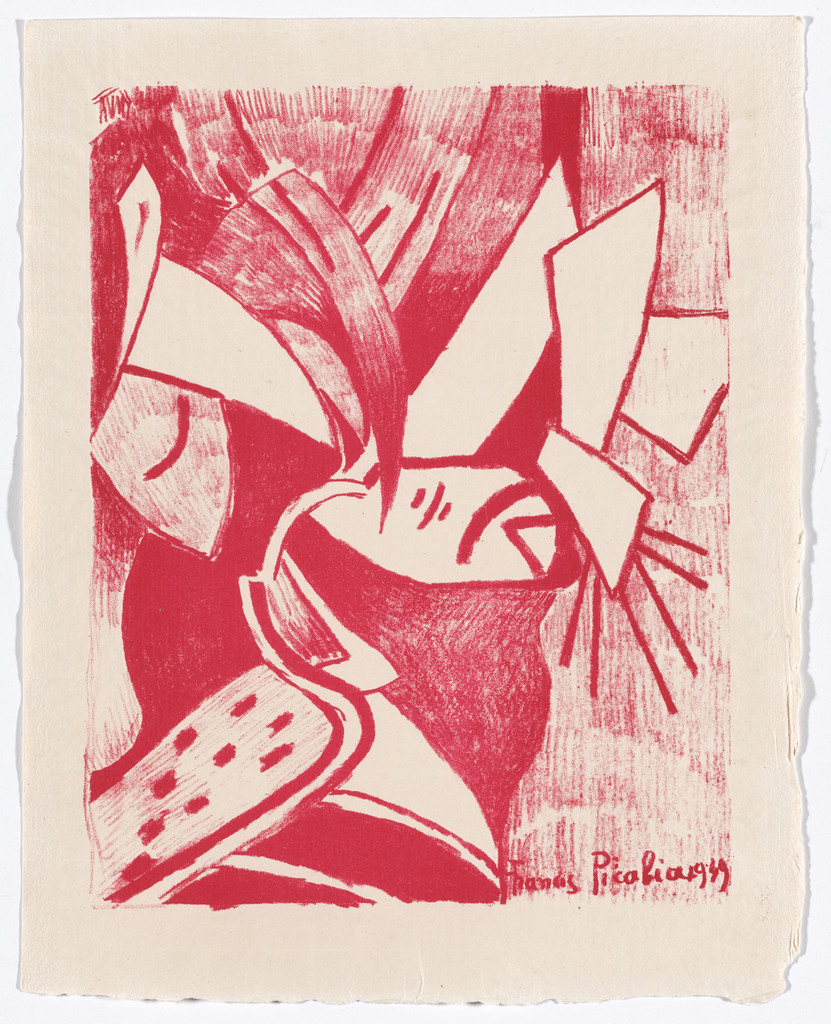
Duplicate of plate 4 from Janela do caos (Window of Chaos)
Francis Picabia
1949
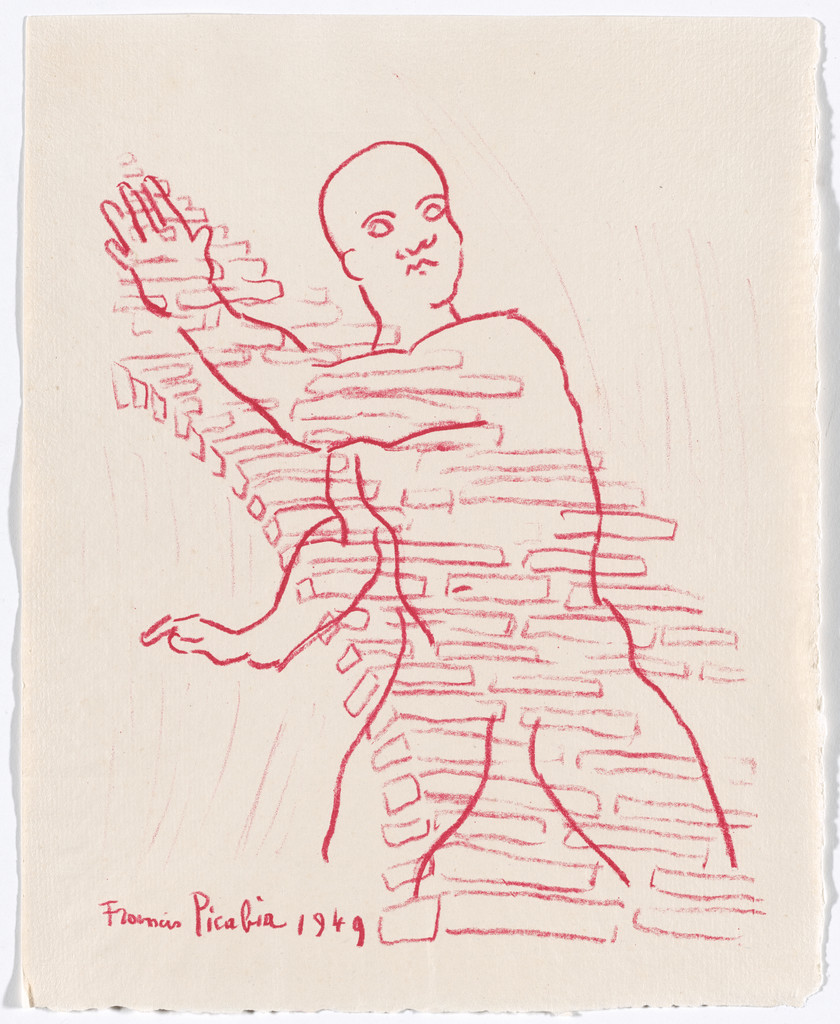
Duplicate of plate 5 from Janela do caos (Window of Chaos)
Francis Picabia
1949
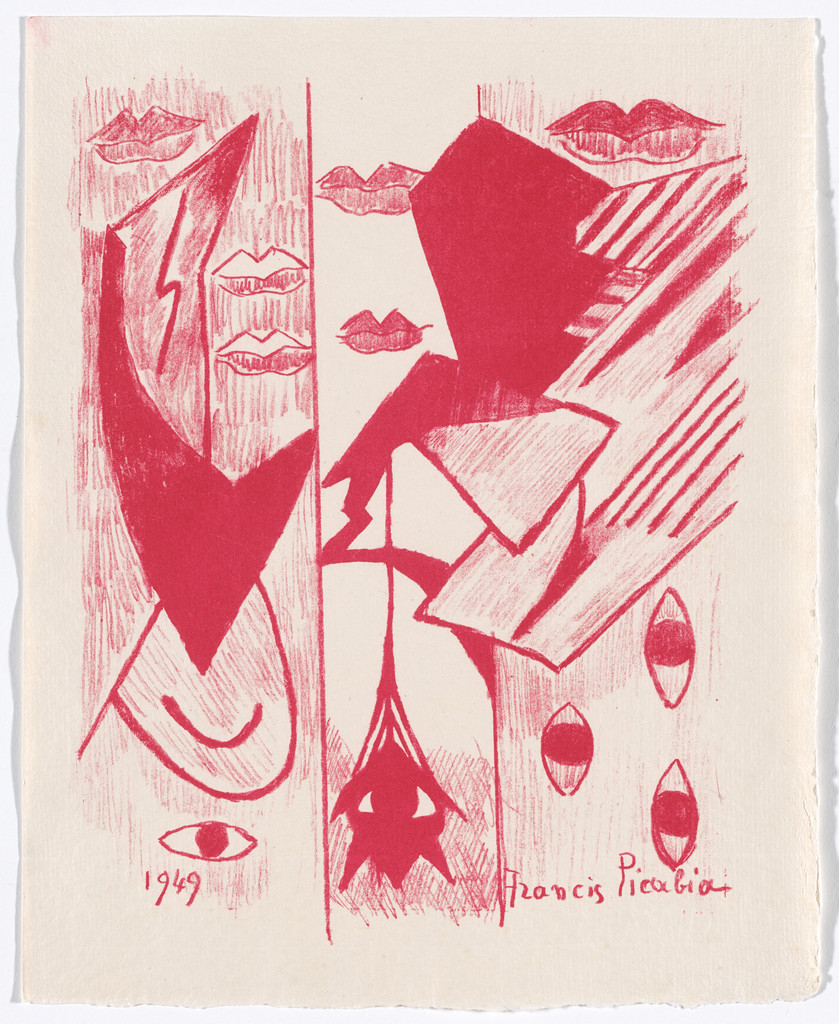
Duplicate of plate 6 from Janela do caos (Window of Chaos)
Francis Picabia
1949
Exhibitions
25 exhibitionsMar 02, 1936 – Apr 19, 1936
Cubism and Abstract Art
113 artists · 1 curator
Dec 07, 1936 – Jan 17, 1937
Fantastic Art, Dada, Surrealism
179 artists · 1 curator
Jul 23, 1941 – Sep 29, 1941
New Acquisitions: Fantastic Art, Dada, Surrealism
18 artists
May 22, 1951 – Aug 12, 1951
From the Alfred Stieglitz Collection: An Extended Loan from the Metropolitan Museum of Art
15 artists
Oct 19, 1954 – Feb 06, 1955
XXVth Anniversary Exhibition: Paintings from the Museum Collection
260 artists
Apr 20, 1960
Fifty Modern Paintings and Sculpture Especially Donated for the Benefit of the 30th Anniversary Fund of The Museum of Modern Art
35 artists · 2 curators
Oct 04, 1961 – Nov 12, 1961
The Art of Assemblage
144 artists · 1 curator
May 27, 1964
Painting and Sculpture from the Museum Collection
169 artists
Nov 22, 1966 – Feb 06, 1967
Art in the Mirror
30 artists · 1 curator
Mar 27, 1968 – Jun 09, 1968
Dada, Surrealism and their Heritage
94 artists · 1 curator
Jul 06, 1971 – Sep 15, 1971
Summer Show
52 artists · 1 curator
Mar 01, 1972 – May 29, 1972
Drawn in America
44 artists · 1 curator
Oct 18, 1972 – Jan 07, 1973
Philadelphia in New York: 90 Modern Works from the Philadelphia Museum of Art
41 artists · 2 curators
Jun 13, 1974 – Sep 08, 1974
Seurat to Matisse: Drawing in France
79 artists · 1 curator
Aug 20, 1976 – Nov 14, 1976
Between World Wars: Drawing in Europe and America
66 artists · 1 curator
Apr 28, 1978 – Jul 04, 1978
A Treasury of Modern Drawing: The Joan and Lester Avnet Collection
89 artists · 1 curator
Nov 14, 1979 – Jan 22, 1980
Art of the Twenties
167 artists · 1 curator
Jan 25, 1980 – Apr 22, 1980
Four Recently Discovered Picabias and Other Modern Master Acquisitions
7 artists · 2 curators
Aug 20, 1981 – Oct 06, 1981
Words and Pictures
49 artists · 1 curator
Mar 01, 1982 – Mar 16, 1982
A Century of Modern Drawing, 18811981
59 artists · 1 curator
Oct 26, 1983 – Jan 03, 1984
The Modern Drawing: 100 Works on Paper from The Museum of Modern Art
81 artists · 1 curator
May 17, 1984
Selections from the Permanent Collection: Drawings
61 artists · 2 curators
Oct 24, 1987 – Mar 01, 1988
European Drawing Between the Wars
59 artists · 1 curator
Mar 16, 1989 – Jul 04, 1989
Watercolors: Selections from the Permanent Collection
39 artists · 1 curator
Aug 18, 1989 – Nov 07, 1989
The Cubist Imprint
30 artists · 1 curator