
“I have no fears about making changes, destroying the image, etc., because the painting has a life of its own.” — Jackson Pollock
In 1947 Jackson Pollock arrived at a new mode of working that brought him international fame. His method consisted of flinging and dripping thinned enamel paint onto an unstretched canvas laid on the floor of his studio. This direct, physical engagement with his materials welcomed gravity, velocity, and improvisation into the artistic process, and allowed line and color to stand alone, functioning entirely independently of form. His works, which came to be known as “drip paintings,” present less a picture than a record of the fluid properties of paint itself. Describing his action-based process, Pollock says, “When I am in my painting, I’m not aware of what I’m doing. ...I have no fears about making changes, destroying the image, etc., because the painting has a life of its own.” Though self-reflexive in nature, they readily inspire larger interpretations; the explosive, allover expanses of Number 1A, 1948 (1948) and One: Number 31, 1950 (1950) can be seen as registering a moment in time marked by both the thrill of space exploration and the threat of global atomic destruction. During the Cold War, Pollock’s paintings and those of his Abstract Expressionist peers, including Mark Rothko, Franz Kline, and Willem de Kooning, were promoted, in exhibitions toured abroad by MoMA’s International Council, as emblems of the freedoms fostered under liberal democracy. Pollock came to New York in 1930, as a young art student from Los Angeles. While taking classes at the Art Students League, he pursued a close mentorship with painter Thomas Hart Benton and immersed himself in Surrealism and the subconscious; the mural painting of Mexican socialists David Alfaro Siqueiros and José Clemente Orozco; and the work of Pablo Picasso, including his Girl before a Mirror and Les Demoiselles d’Avignon. For several years, he worked for the Federal Arts Project of the Works Progress Administration (WPA). Pollock enjoyed recognition beginning in the early 1940s, with the support of critic Clement Greenberg and collector-gallerists Betty Parsons and Peggy Guggenheim. Under Alfred H. Barr, Jr.’s directorship, MoMA became the first museum to acquire a painting by Pollock, The She-Wolf (1943), out of the artist’s first solo show that year at Guggenheim’s Art of This Century gallery. In 1956, at the age of 44, the artist died behind the wheel of his car. His wife, painter Lee Krasner, would do much to further his legacy after his death, including donating major works to MoMA’s unparalleled Pollock collection. The profound influence of Pollock’s approach—at once emphatically literal and radically open to the world—may be found in the words of his fellow artists. The experimental Gutai group, which formed in Japan in the mid-1950s, cited his work as a crucial encouragement to “impar[t] life to matter” and pursue “pure creativity.” In 1958, Happenings impresario Allan Kaprow wrote in Art News in honor of the late artist: “[Pollock] left us at the point where we must become preoccupied with and even dazzled by the space and objects of our everyday life…these, I am sure, will be the alchemies of the 1960s.” Nine years later, Minimalist sculptor Donald Judd would write in Arts Magazine, “It’s clear that Pollock created the large scale, wholeness and simplicity that have become common to almost all good work.”
Annie Ochmanek, Curatorial Assistant, Department of Painting and Sculpture, 2016
Works in Collection
85 works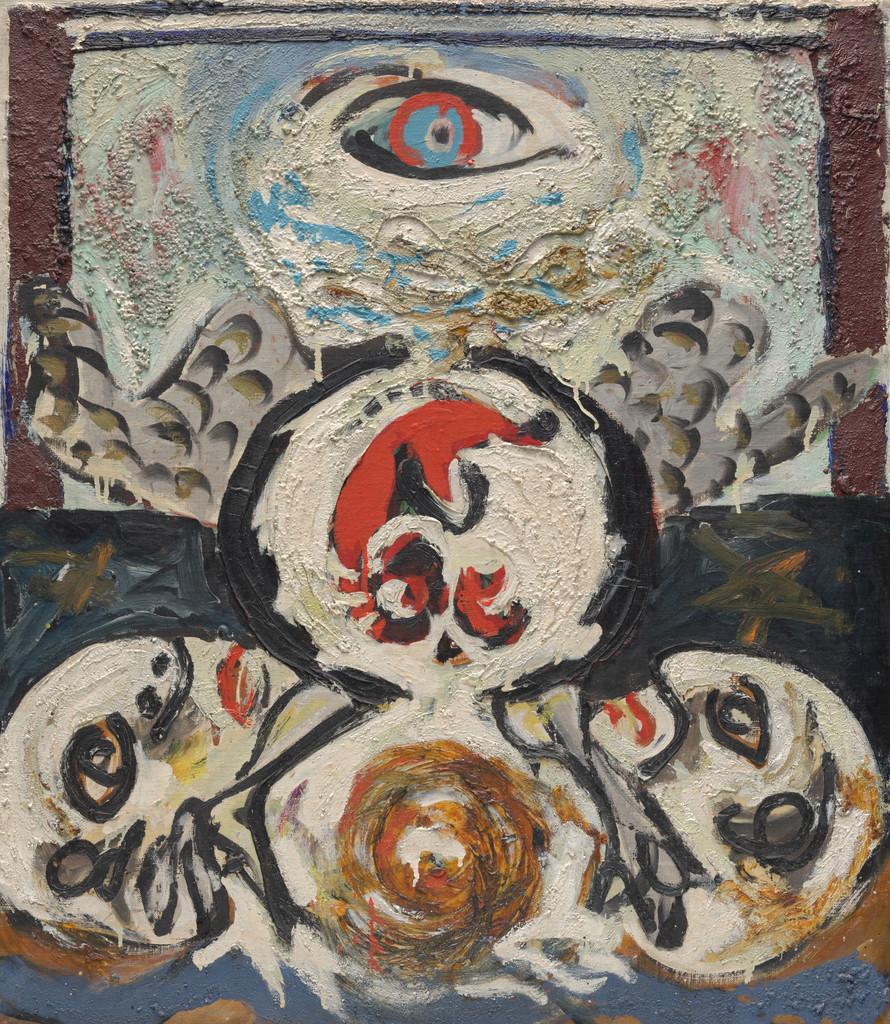
Bird
Jackson Pollock
c. 1938-41
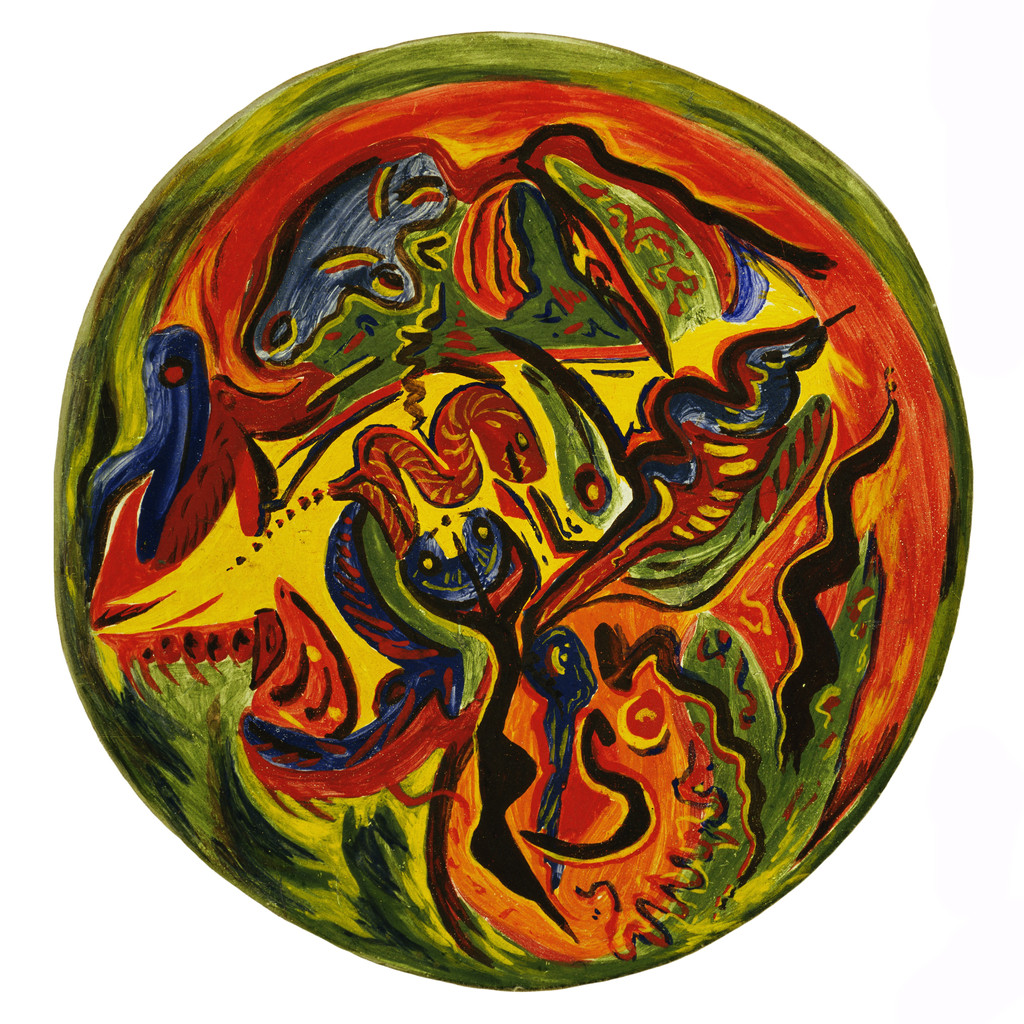
Circle
Jackson Pollock
c. 1938-41
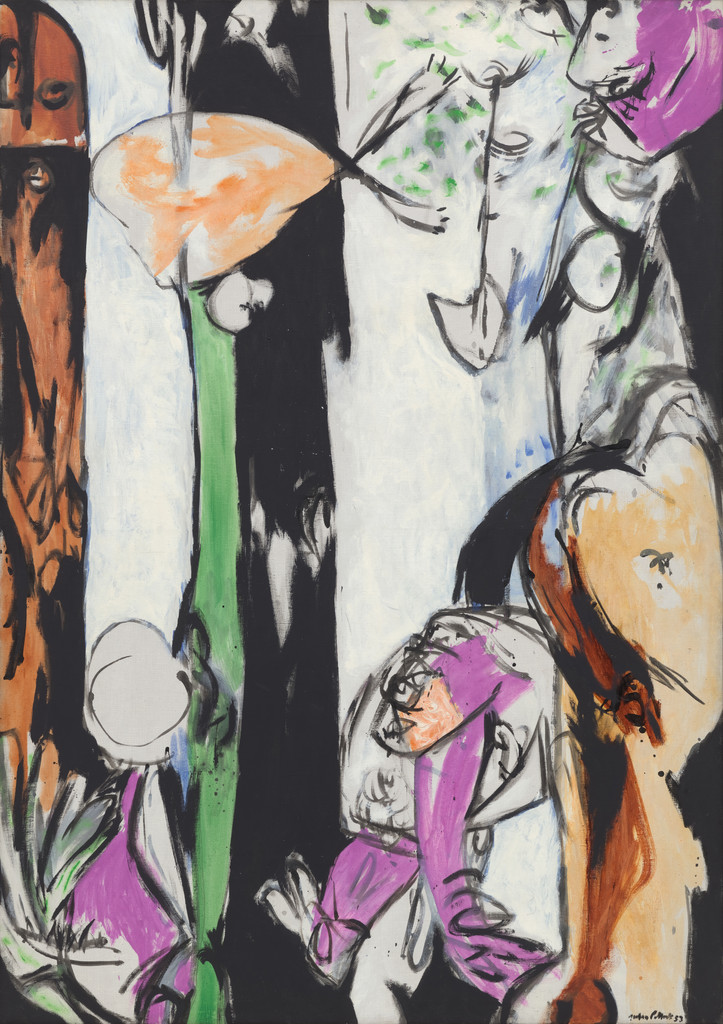
Easter and the Totem
Jackson Pollock
1953
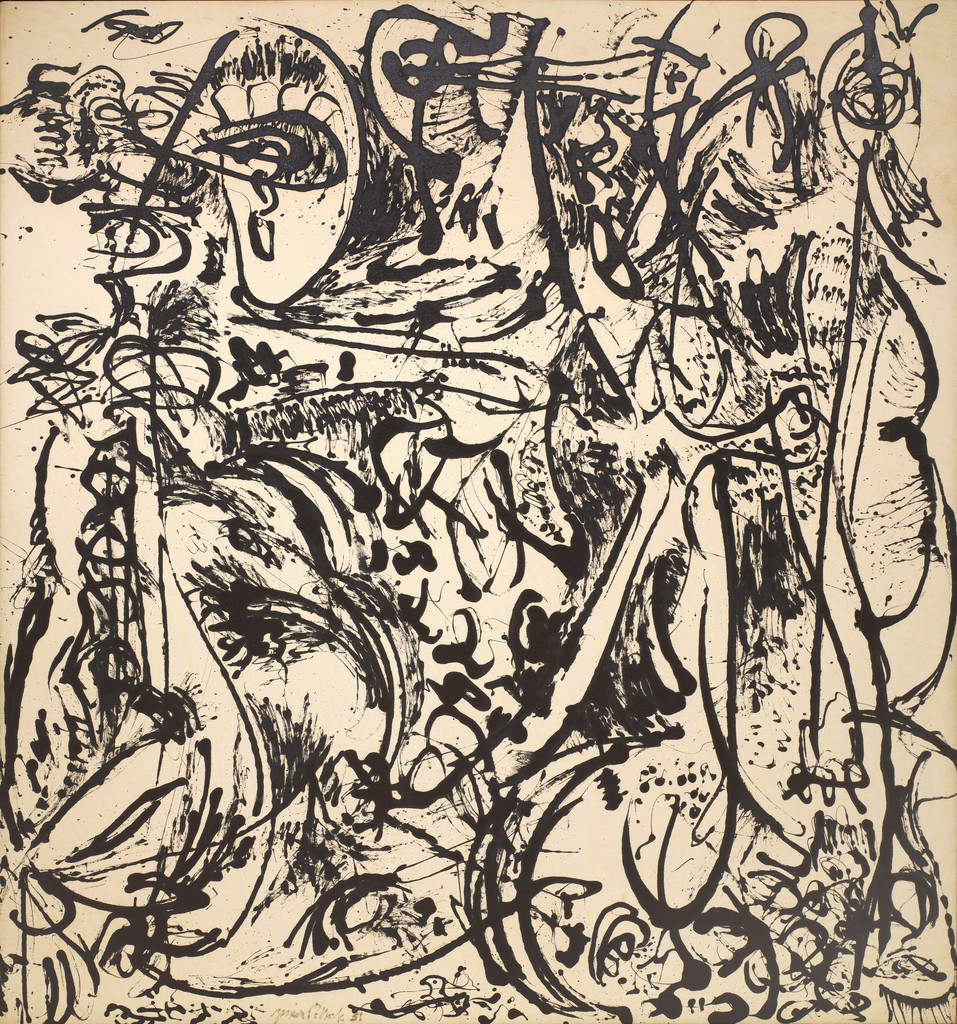
Echo: Number 25, 1951
Jackson Pollock
1951
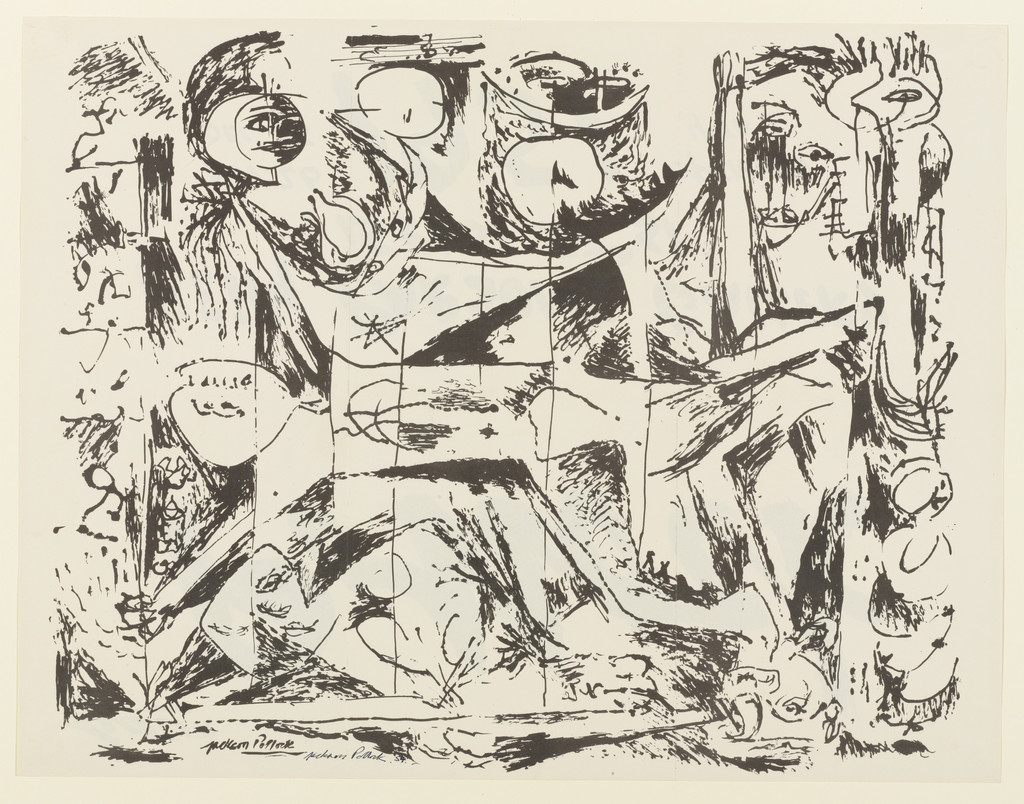
Exhibition Announcement, Betty Parsons Gallery, Nov. 26-D...
Jackson Pollock
1951, signed 1954
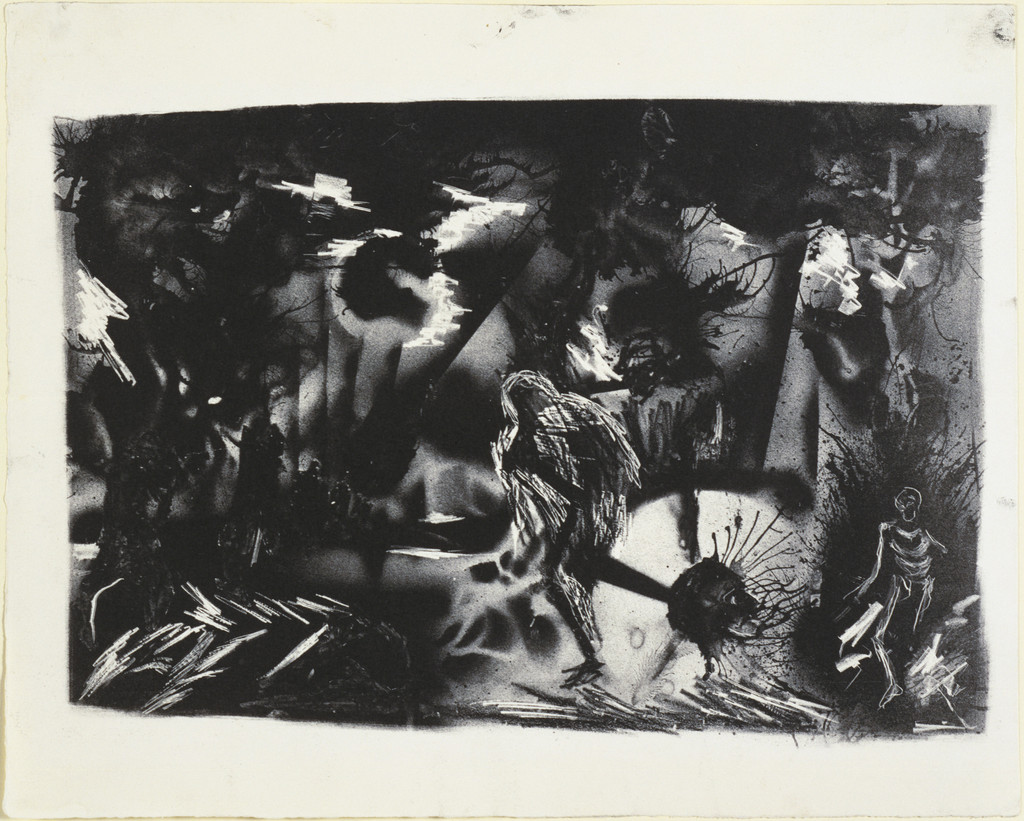
Figures in a Landscape
Jackson Pollock
c. 1937
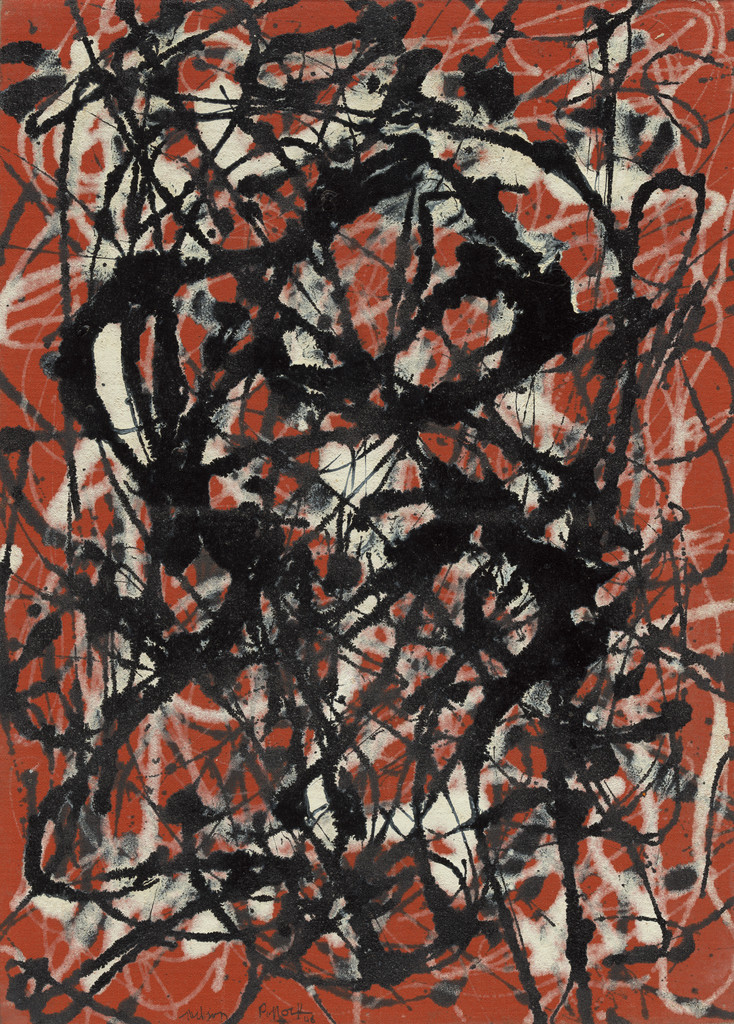
Free Form
Jackson Pollock
1946
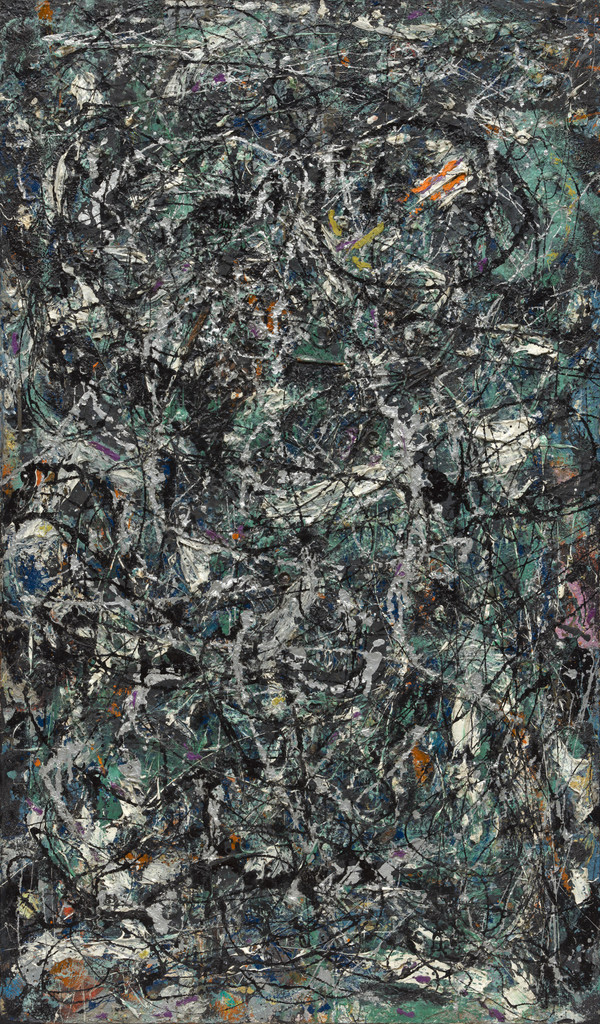
Full Fathom Five
Jackson Pollock
1947
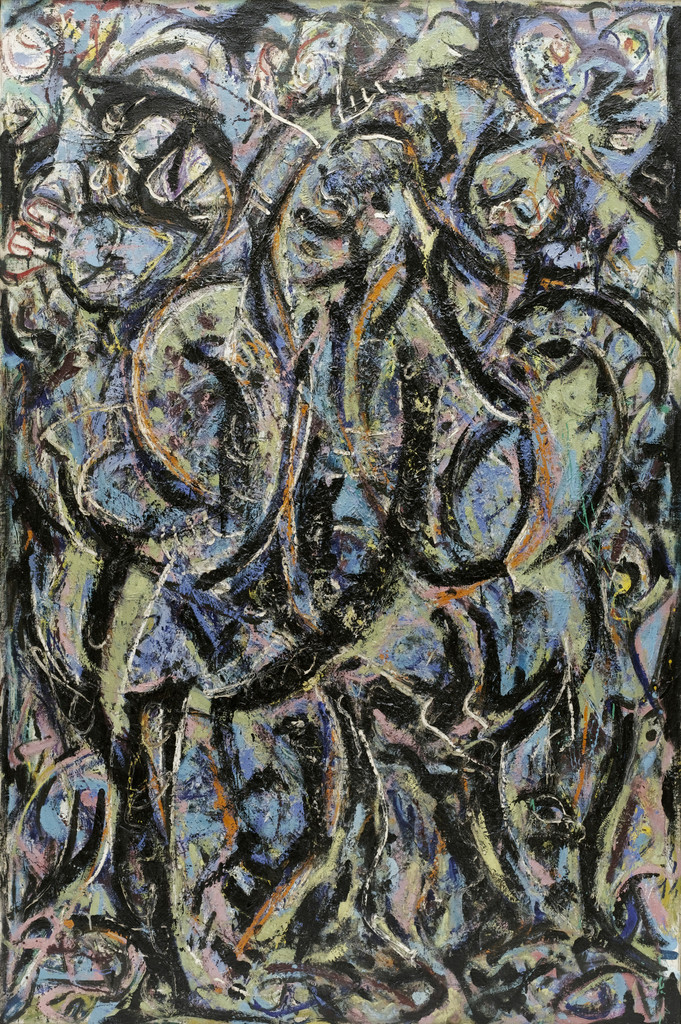
Gothic
Jackson Pollock
1944
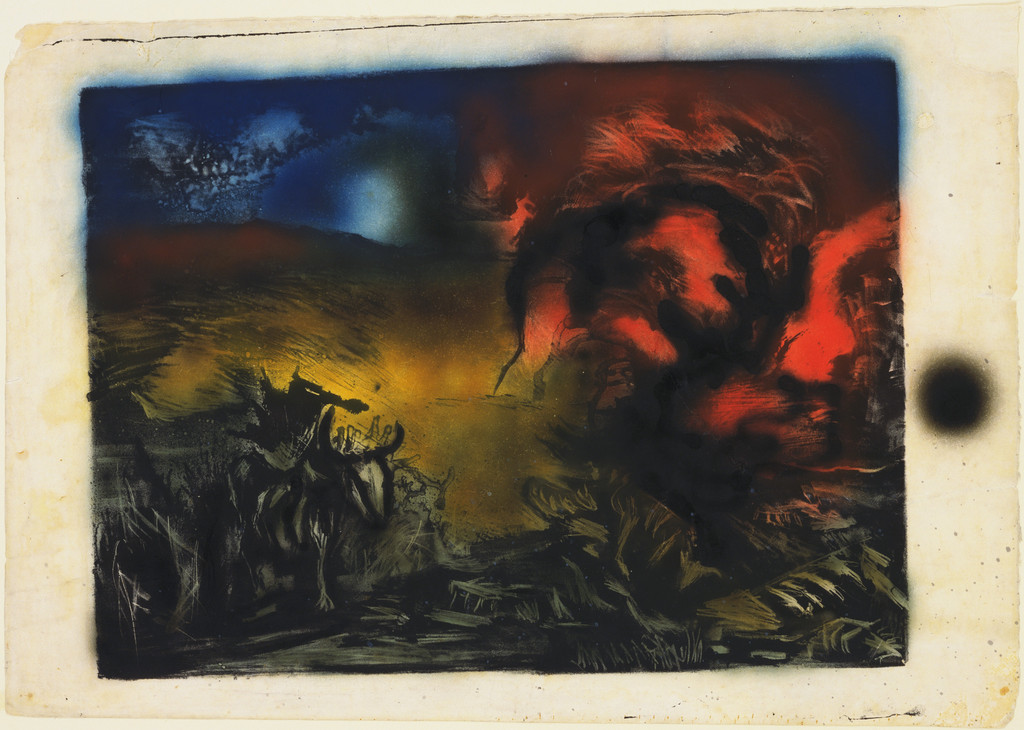
Landscape with Steer
Jackson Pollock
c. 1936–37
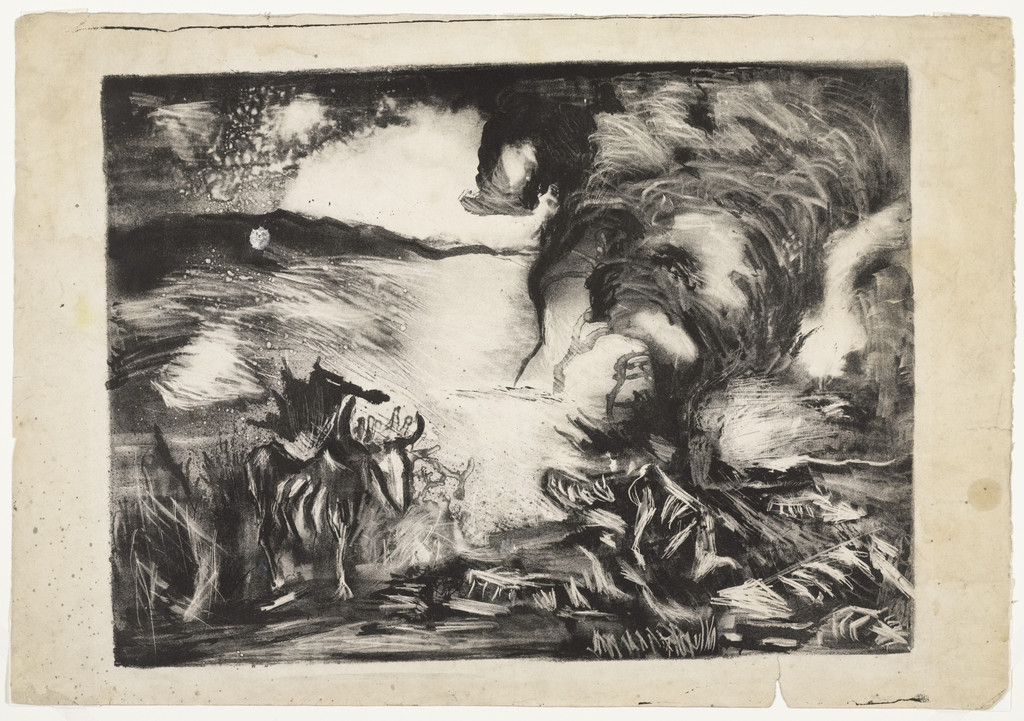
Landscape with Steer
Jackson Pollock
c. 1936–37
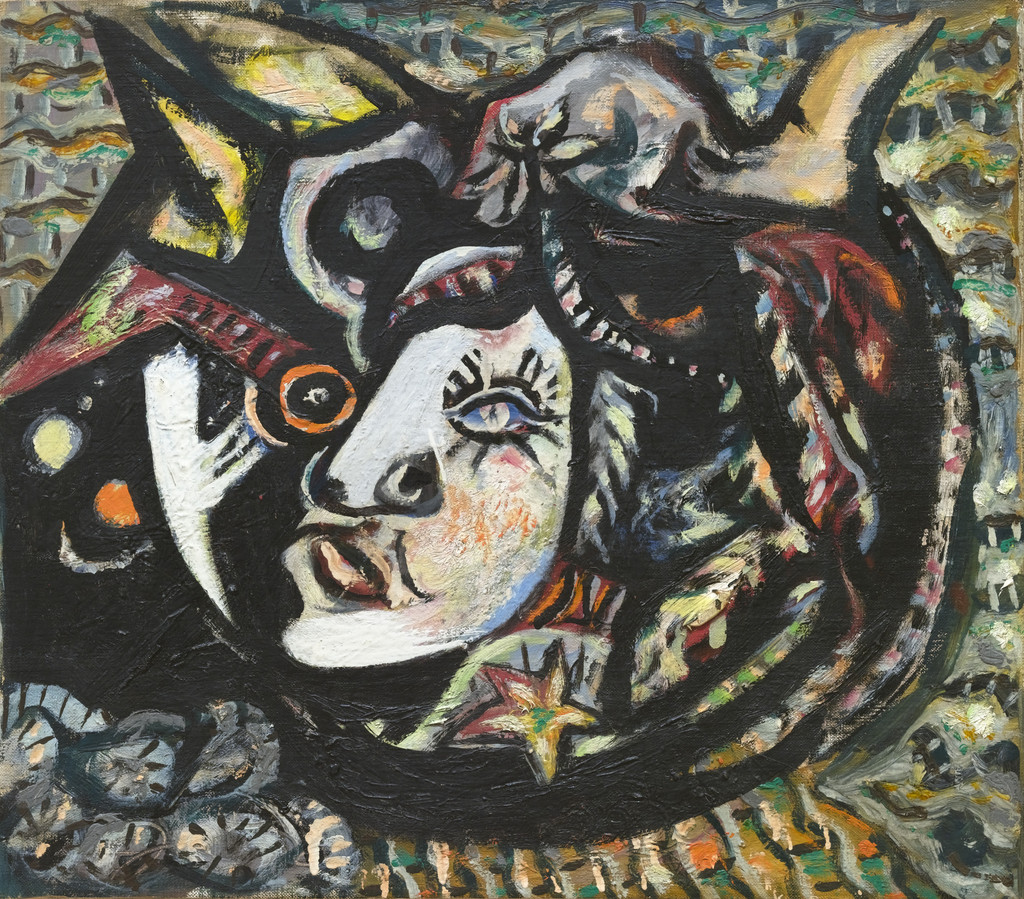
Mask
Jackson Pollock
1941
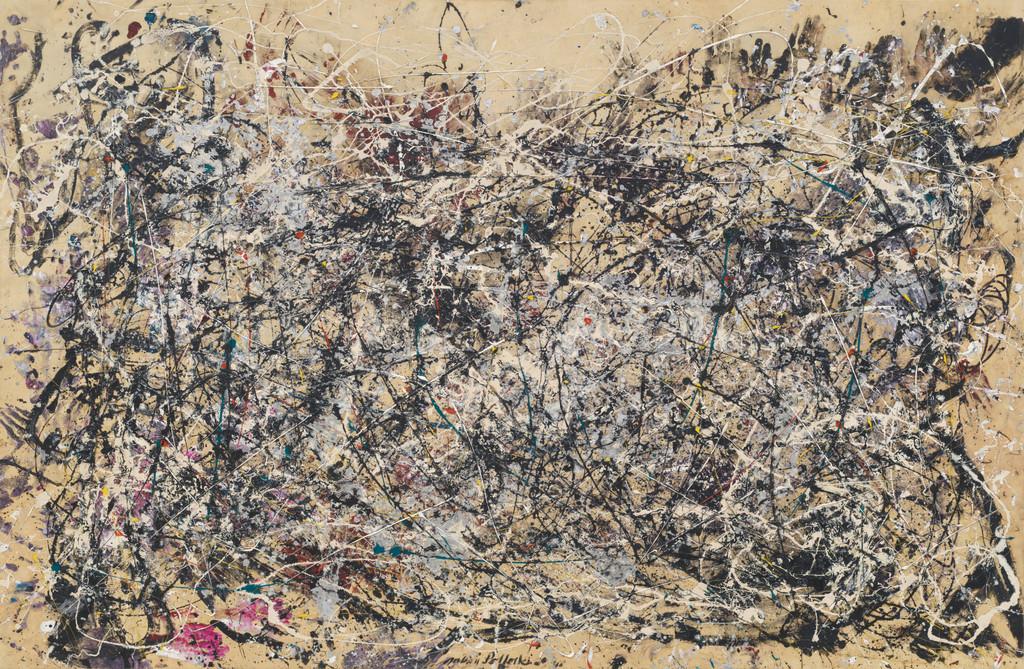
Number 1A, 1948
Jackson Pollock
1948
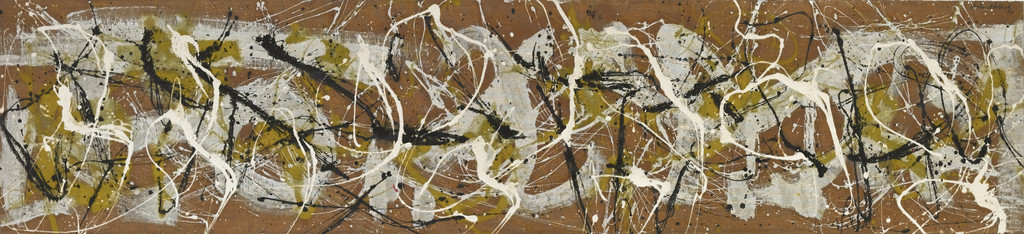
Number 7, 1950
Jackson Pollock
1950
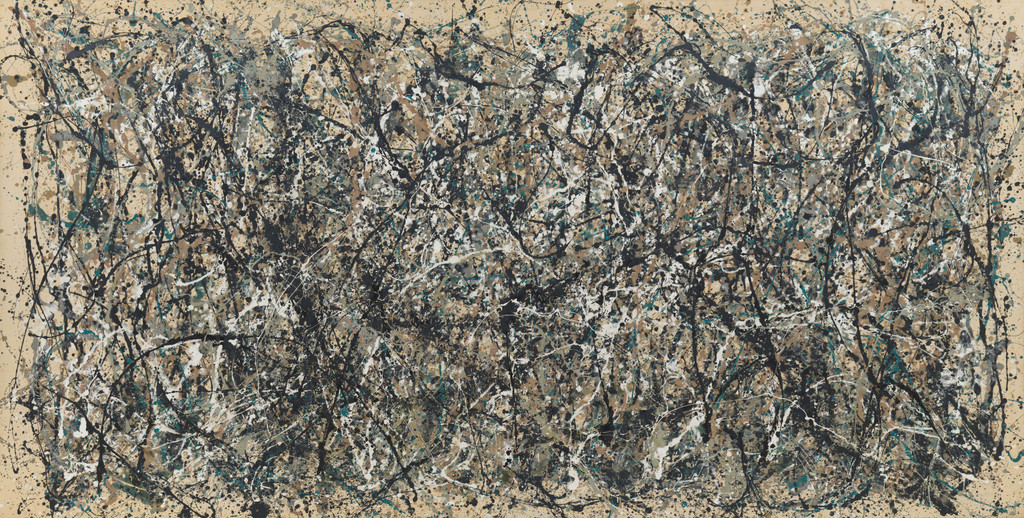
One: Number 31, 1950
Jackson Pollock
1950
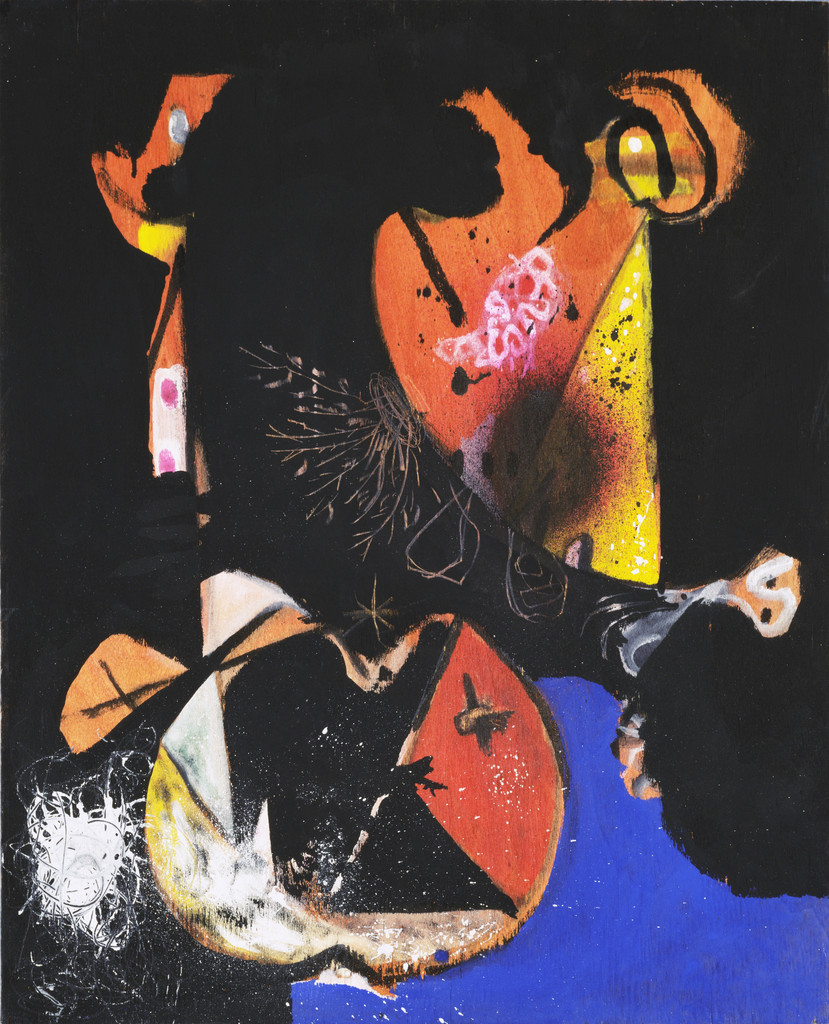
Painting
Jackson Pollock
c.1944
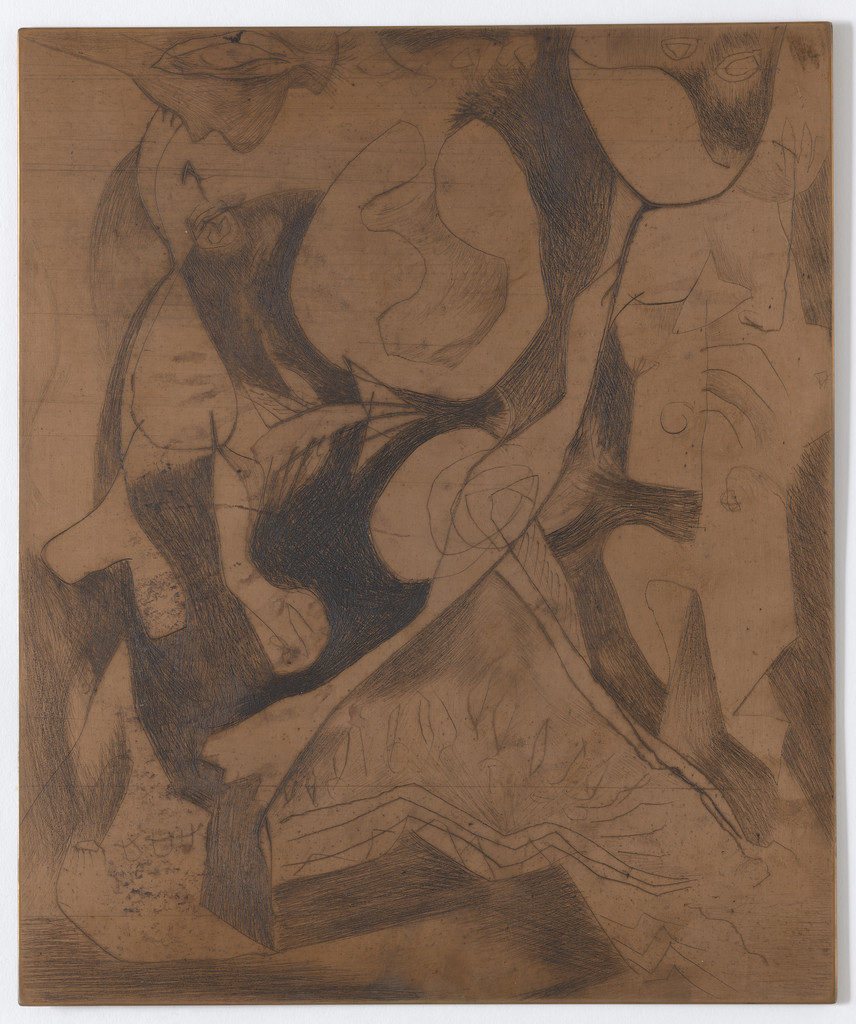
Plate for Untitled (1) and Untitled (2)
Jackson Pollock
c. 1944
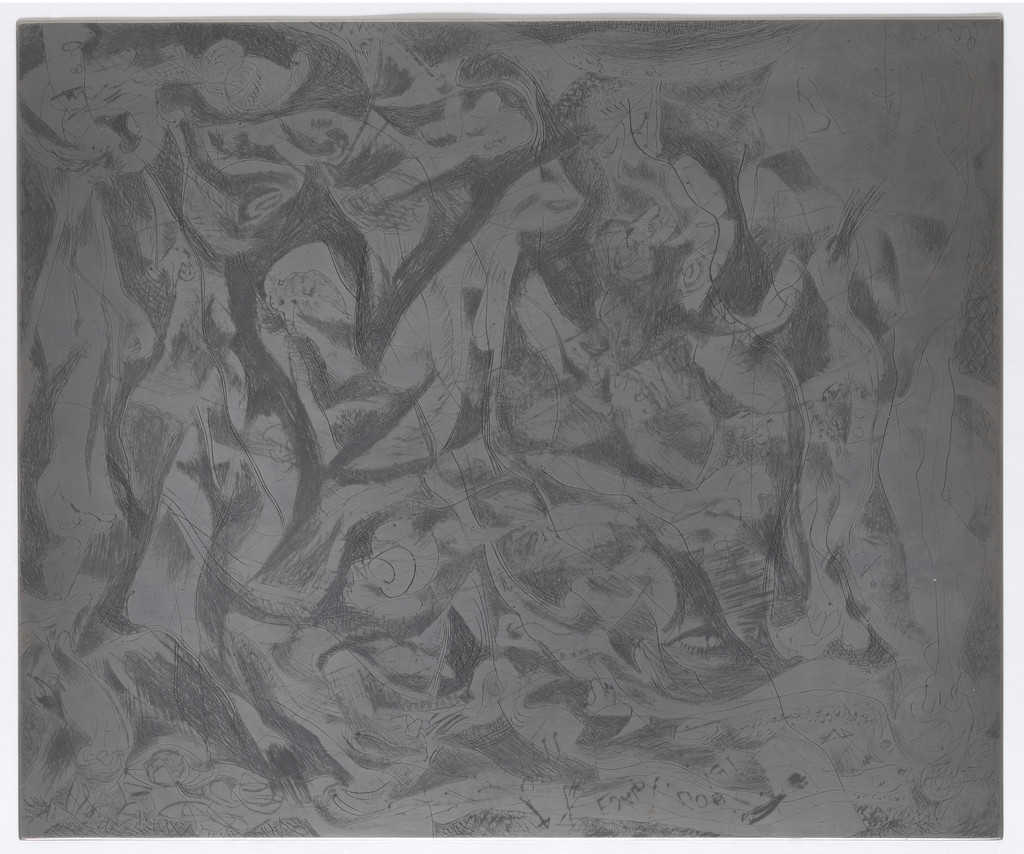
Plate for Untitled (4)
Jackson Pollock
c. 1944–45
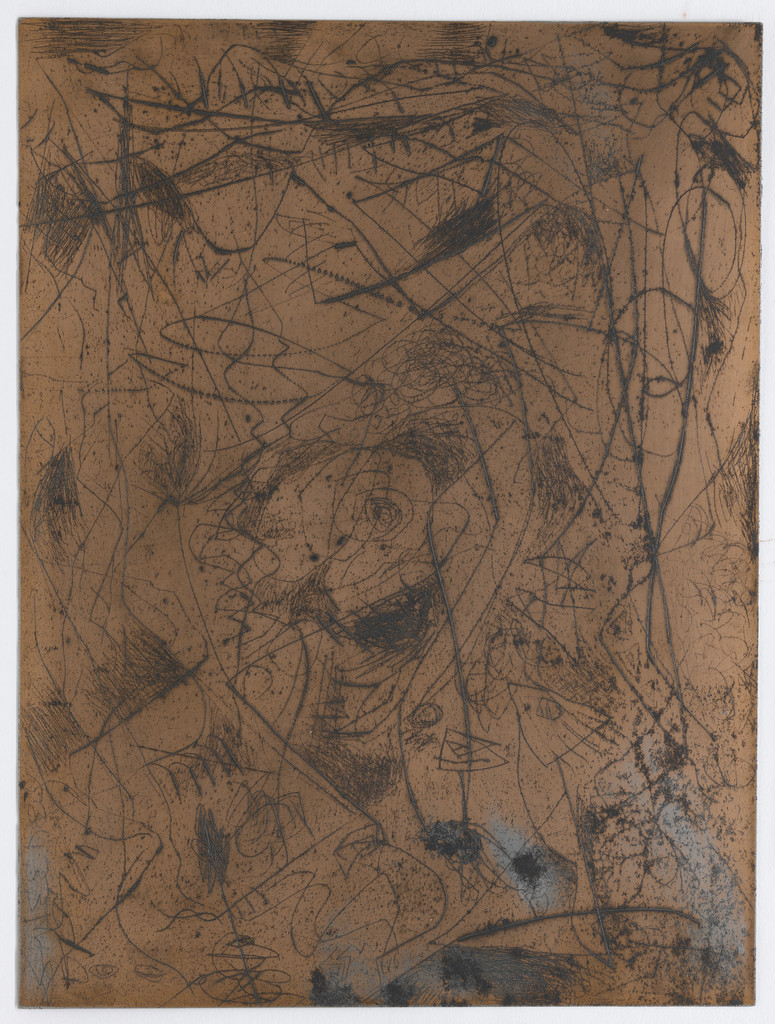
Plate for Untitled (5) and Untitled (6)
Jackson Pollock
c. 1944–45
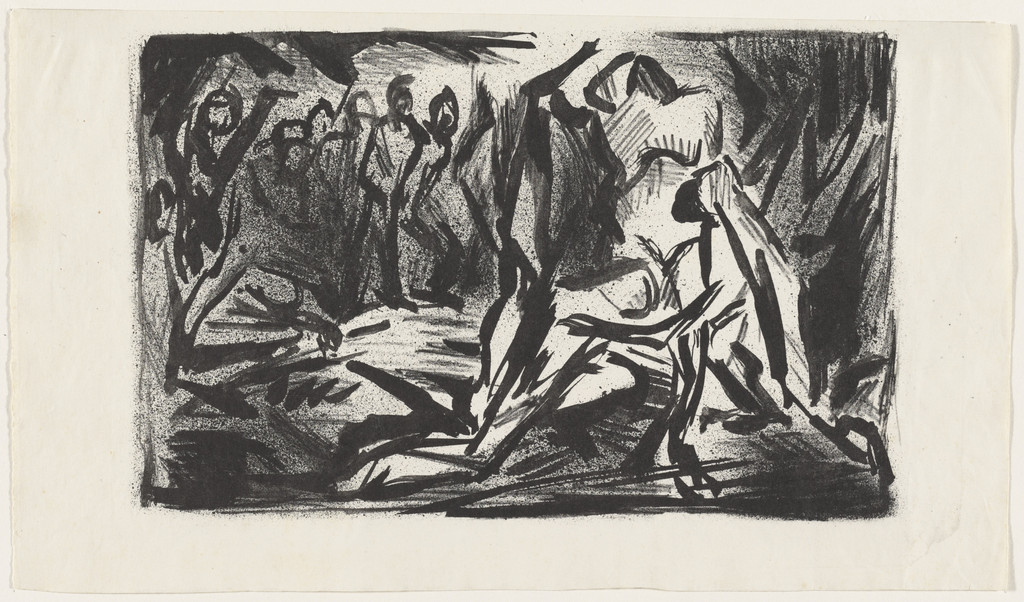
Ritual Scene
Jackson Pollock
c. 1937
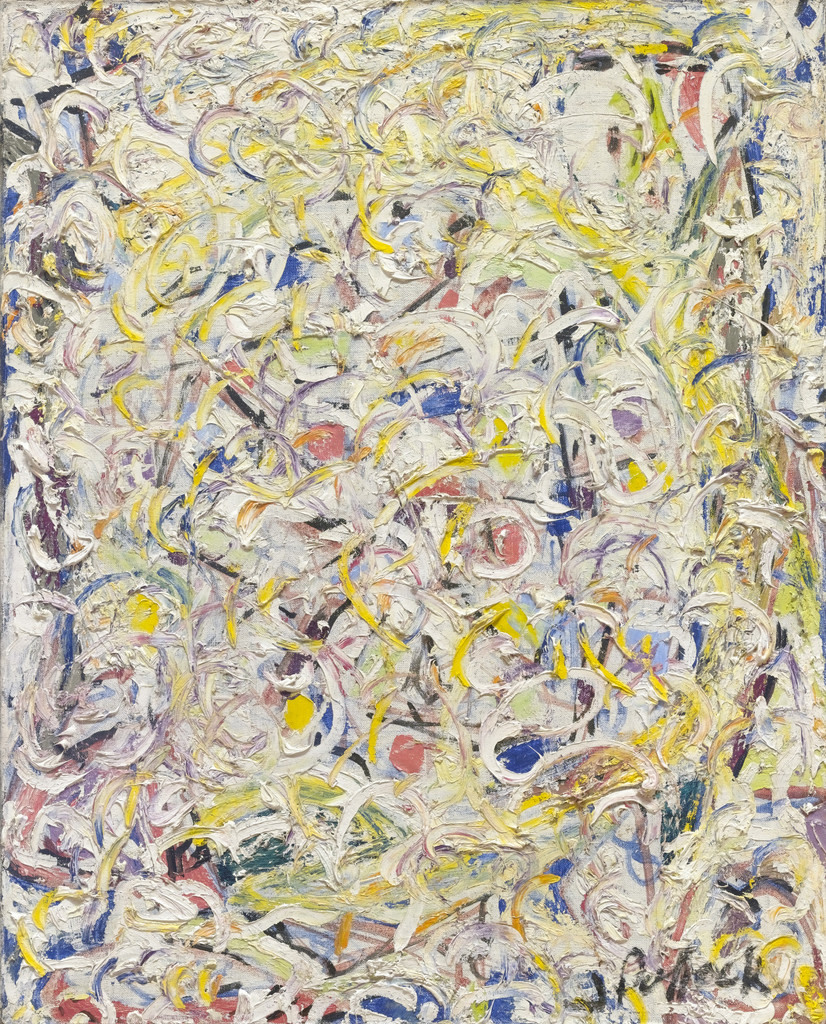
Shimmering Substance
Jackson Pollock
1946
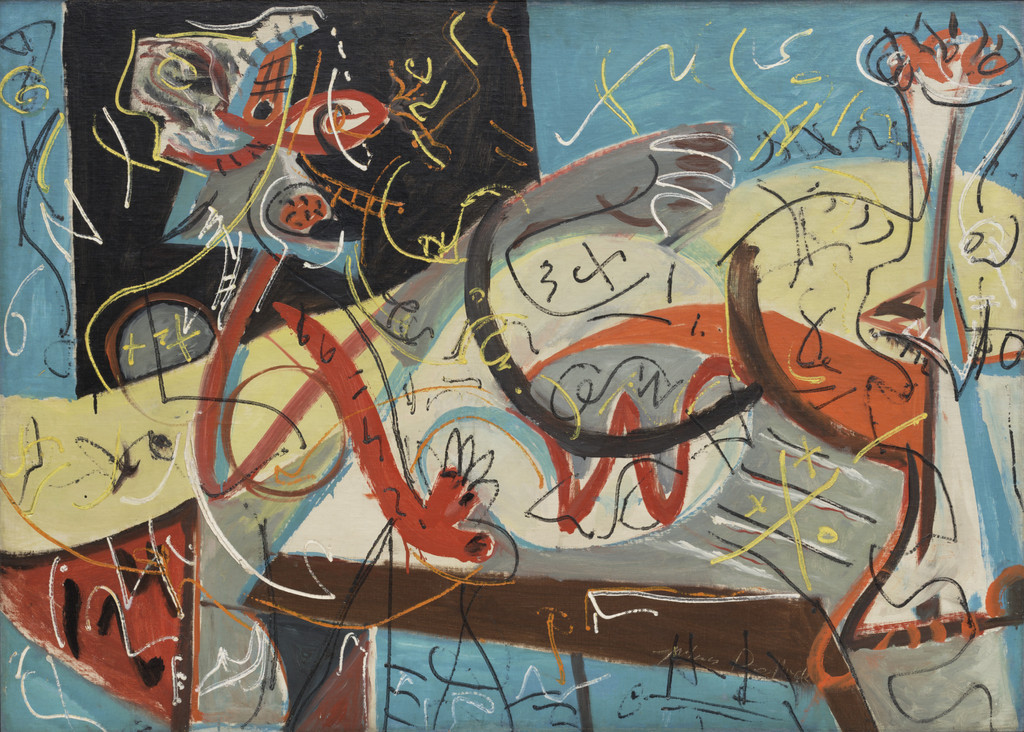
Stenographic Figure
Jackson Pollock
c. 1942
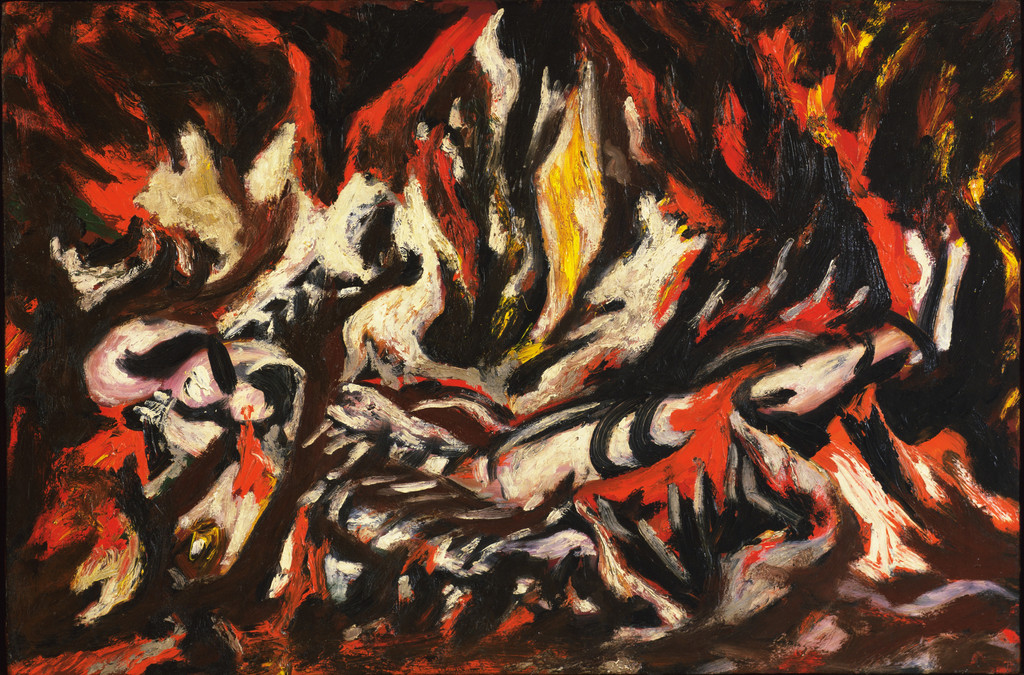
The Flame
Jackson Pollock
c. 1934-38
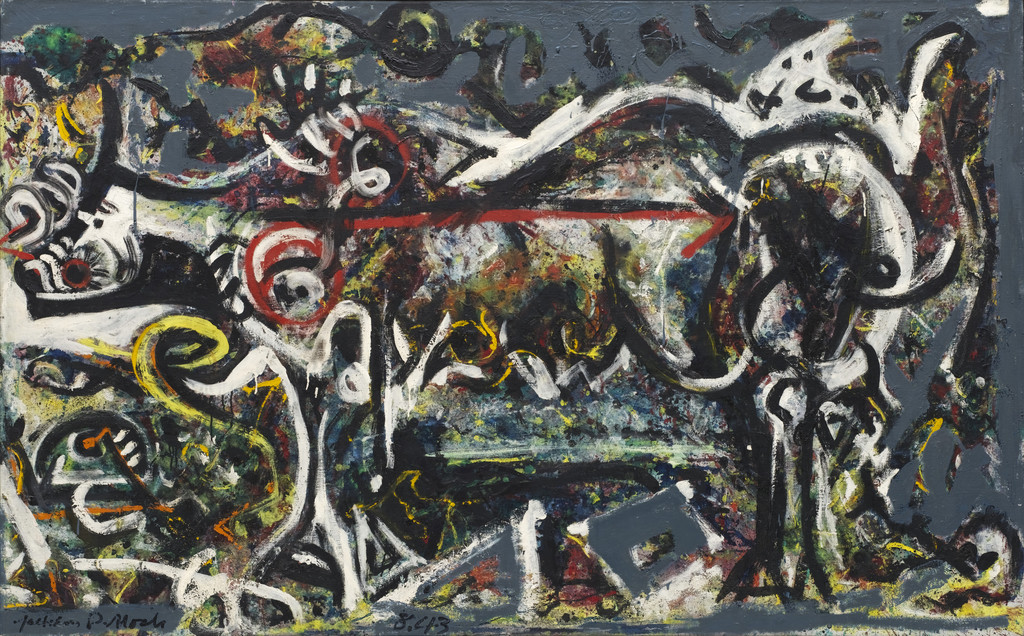
The She-Wolf
Jackson Pollock
1943
Exhibitions
59 exhibitionsJun 20, 1945 – Feb 13, 1946
The Museum Collection of Painting and Sculpture
174 artists
Jul 02, 1946 – Sep 12, 1954
Paintings, Sculpture, and Graphic Arts from the Museum Collection
112 artists · 1 curator
Apr 01, 1947 – May 04, 1947
Large-Scale Modern Paintings
16 artists · 1 curator
Dec 23, 1948 – Mar 13, 1949
American Paintings from the Museum Collection
115 artists · 1 curator
May 03, 1949 – Jul 17, 1949
Recent Acquisitions
11 artists
Aug 03, 1949 – Oct 05, 1949
Sculpture by Painters
12 artists
Dec 06, 1949 – Mar 26, 1950
Children's Holiday Carnival of Modern Art
14 artists
Mar 28, 1950 – May 07, 1950
Recent Acquisitions
15 artists
Dec 05, 1950 – Jan 07, 1951
Children's Holiday Carnival of Modern Art
15 artists · 1 curator
Jan 23, 1951 – Mar 25, 1951
Abstract Painting and Sculpture in America
79 artists · 1 curator
Jun 20, 1951 – Jul 15, 1951
Modern Relief
15 artists
Apr 09, 1952 – Jul 27, 1952
15 Americans
15 artists · 1 curator
Feb 11, 1953 – Mar 15, 1953
New Acquisitions
31 artists
Oct 19, 1954 – Feb 06, 1955
XXVth Anniversary Exhibition: Paintings from the Museum Collection
260 artists
May 31, 1955 – Sep 07, 1955
Paintings from Private Collections
33 artists · 1 curator
Dec 19, 1956 – Feb 03, 1957
Jackson Pollock
1 artist · 1 curator
Apr 23, 1958 – May 18, 1958
50 Selections from the Collection of Mr. and Mrs. Walter Bareiss
41 artists · 1 curator
May 28, 1959 – Sep 08, 1959
The New American Painting as Shown in Eight European Countries 19581959
17 artists · 1 curator
Jul 15, 1959 – Oct 15, 1959
Drawings, Watercolors, Collages: New Acquisitions
36 artists · 1 curator
Sep 30, 1959 – Nov 29, 1959
New Images of Man
23 artists · 1 curator
Dec 03, 1959 – Jan 31, 1960
Recent Acquisitions
49 artists · 1 curator
Jan 27, 1960 – Mar 20, 1960
Art Lending Service Retrospective
54 artists · 1 curator
Oct 11, 1960 – Jan 02, 1961
100 Drawings from the Museum Collection
74 artists · 1 curator
Dec 21, 1960 – Feb 05, 1961
Recent Acquisitions
222 artists · 3 curators
May 27, 1964
Painting and Sculpture from the Museum Collection
169 artists
Apr 05, 1967 – Jun 04, 1967
Jackson Pollock
1 artist · 1 curator
Jan 17, 1968 – Mar 04, 1968
The Sidney and Harriet Janis Collection
55 artists · 1 curator
Mar 27, 1968 – Jun 09, 1968
Dada, Surrealism and their Heritage
94 artists · 1 curator
Jun 18, 1969 – Oct 05, 1969
The New American Painting and Sculpture: The First Generation
43 artists · 2 curators
Nov 05, 1969 – Jan 02, 1973
Painting and Sculpture from the Museum Collection
35 artists
Dec 24, 1969 – Mar 01, 1970
American Drawings and Watercolors: A Selection from the Collection
40 artists · 1 curator
May 23, 1970 – Aug 31, 1970
Preliminary Drawings
27 artists · 1 curator
Jul 06, 1971 – Sep 15, 1971
Summer Show
52 artists · 1 curator
Jul 28, 1971 – Nov 01, 1971
Ways of Looking
132 artists · 1 curator
Mar 01, 1972 – May 29, 1972
Drawn in America
44 artists · 1 curator
Mar 29, 1972
Permanent Collection
45 artists · 2 curators
Mar 07, 1973 – Jun 04, 1973
Works on Paper
58 artists
Jun 15, 1973 – Sep 25, 1973
Recent Acquisitions, 19681973
62 artists · 1 curator
Dec 03, 1974 – Mar 03, 1975
American Prints: 19131963
84 artists · 2 curators
Sep 29, 1976 – Nov 30, 1976
The Natural Paradise: Painting in America 18001950
67 artists · 1 curator
Apr 28, 1978 – Jul 04, 1978
A Treasury of Modern Drawing: The Joan and Lester Avnet Collection
89 artists · 1 curator
Feb 04, 1980 – Mar 16, 1980
Jackson Pollock: Drawing Into Painting
1 artist · 1 curator
Oct 23, 1980
Reinstallation of the Collection
129 artists
Mar 19, 1981 – Jun 02, 1981
Recent Acquisitions: Drawings
65 artists · 1 curator
Oct 15, 1981 – Jan 03, 1982
Prints: Acquisitions 19771981
74 artists · 1 curator
Mar 01, 1982 – Mar 16, 1982
A Century of Modern Drawing, 18811981
59 artists · 1 curator
Mar 08, 1982 – Mar 01, 1983
Masterpieces from the Collection
19 artists · 2 curators
Oct 26, 1983 – Jan 03, 1984
The Modern Drawing: 100 Works on Paper from The Museum of Modern Art
81 artists · 1 curator
May 17, 1984
Selections from the Permanent Collection: Prints and Illustrated Books
99 artists · 2 curators
May 17, 1984
Selections from the Permanent Collection: Painting and Sculpture
59 artists · 2 curators
May 17, 1984
Selections from the Permanent Collection: Drawings
61 artists · 2 curators
May 06, 1985 – Dec 18, 1985
The Expressionist Idiom
43 artists · 1 curator
Dec 18, 1985 – May 20, 1986
American Prints: 19001960; Recent Acquisitions: Illustrated Books
98 artists · 1 curator
Jan 24, 1987 – Jun 14, 1987
Drawings Acquisitions
65 artists · 1 curator
Jun 25, 1987 – Oct 13, 1987
Drawing since 1940
58 artists · 1 curator
Aug 06, 1987 – Dec 08, 1987
Surrealist Prints from the Collection of The Museum of Modern Art
29 artists · 1 curator
Nov 20, 1987 – Mar 08, 1988
Master Prints from the Collection
66 artists · 1 curator
Apr 06, 1989 – Aug 08, 1989
Master Prints from the Collection
102 artists · 1 curator
Nov 16, 1989 – Mar 13, 1990
Prints: Proofs and Variants
25 artists · 1 curator