
“Art is art. Everything else is everything else.” — Ad Reinhardt
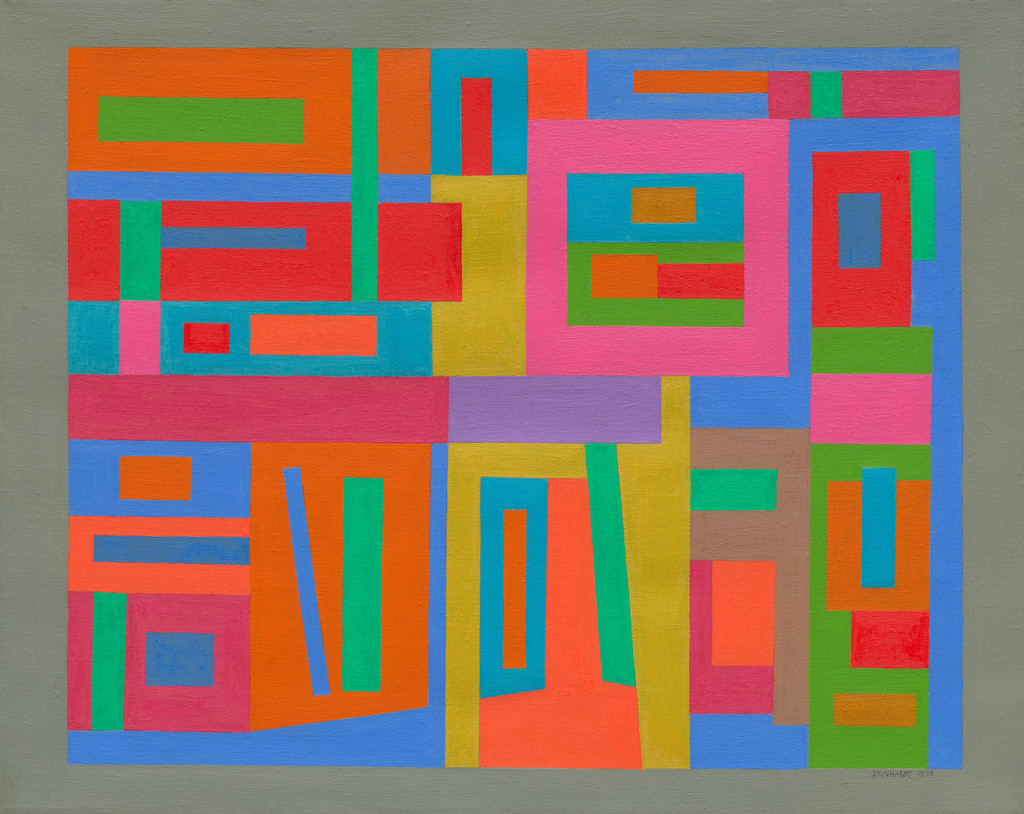
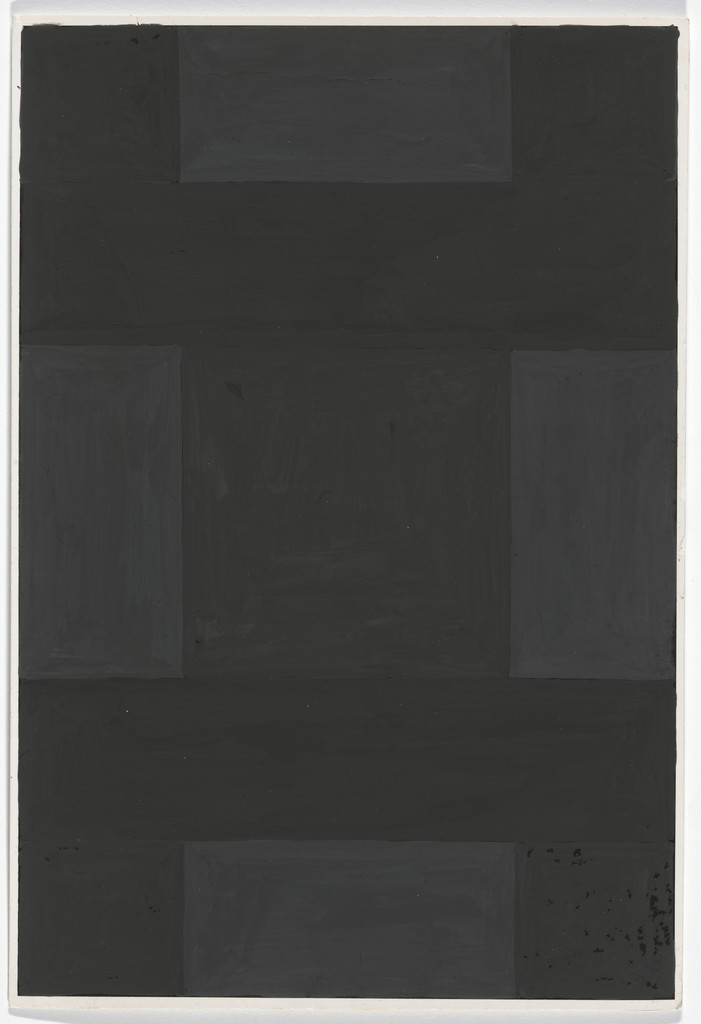
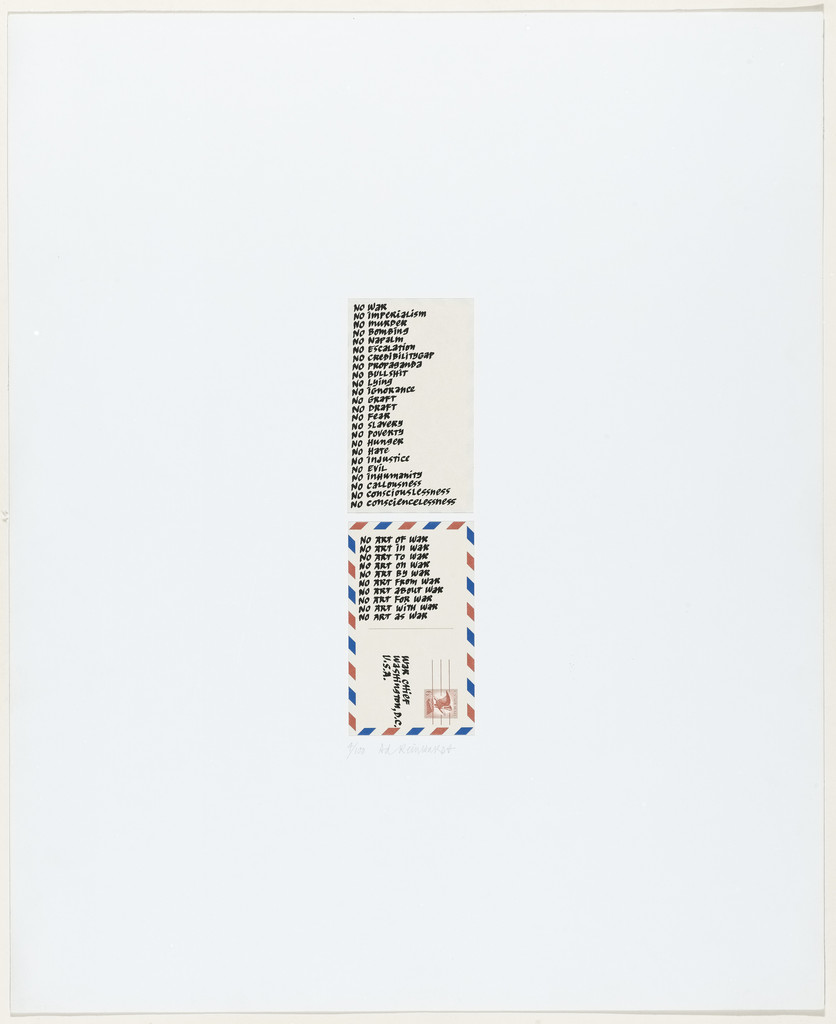
Ad Reinhardt was one of the most relentless defenders of the purity of abstraction. “The one object of fifty years of abstract art is to present art-as-art and as nothing else…making it…more absolute and more exclusive—non-objective, non-representational, non-figurative, non-imagist, non-expressionist, non-subjective,” he argued in 1962. For Reinhardt, this manifested as an evolving effort to strip his paintings of everything external to the fundamental fact of paint on canvas. His unyielding stance and the work it generated situate him as an oppositional, often antagonistic, member of the New York School. Born and raised in New York, Reinhardt studied art history and philosophy at university in the 1930s, and began painting around 1936. His aesthetic and conceptual foundations include Cubism, Constructivism, and the austere compositions of de Stijl co-founder Piet Mondrian. While many of his peers experimented with figurative work influenced by Surrealism, Reinhardt, by contrast, worked in an abstract mode from the very beginning of his career. In the late 1940s, he became deeply interested in Chinese and Japanese painting, Islamic art, and, importantly, East Asian philosophy. Except for his service in the U.S. Navy during World War II, Reinhardt earned much of his living as a teacher. He read, wrote, and traveled extensively. Possessor of a mordant wit—which he turned on himself and his fellow artists—and great draftsmanship skills, he also produced cartoons satirizing the art world or expressing his socialist political views. Reinhardt felt that art should be divorced from everyday life and viewed art making as a pure, disinterested, and ethical pursuit. His early painting and collage features bold, geometric shapes and patterns that he pared down into allover compositions of staccato marks in an increasingly limited range of colors. These eventually led to monochromatic blue and red paintings ordered by strict geometric arrangements and, finally, to his Black Paintings. These paintings appear to be unmodulated fields of black, but are in fact subtle compositions incorporating intensely dark shades of red, blue, and green. Reinhardt continued refining his Black Paintings until his untimely death in 1967, considering them the resolution to his quest for “the strictest formula for the freest artistic freedom.” His focused body of work and his emphasis on restrained and repeating compositions make him a progenitor of Minimalism and Conceptual art.
Karen Kedmey, independent art historian and writer, 2017
Note: opening quote is from Art as Art: The Selected Writings of Ad Reinhardt, ed. Barbara Rose (Berkeley and Los Angeles: University of California Press, 1991), 51.
Works in Collection
27 works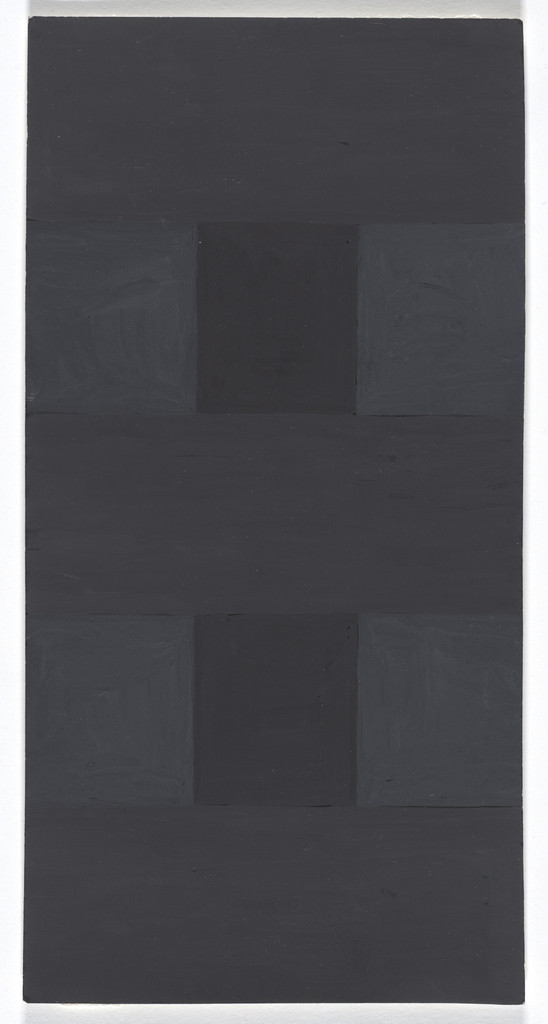
Abstract Painting
Ad Reinhardt
c. 1966

Abstract Painting
Ad Reinhardt
1960-61
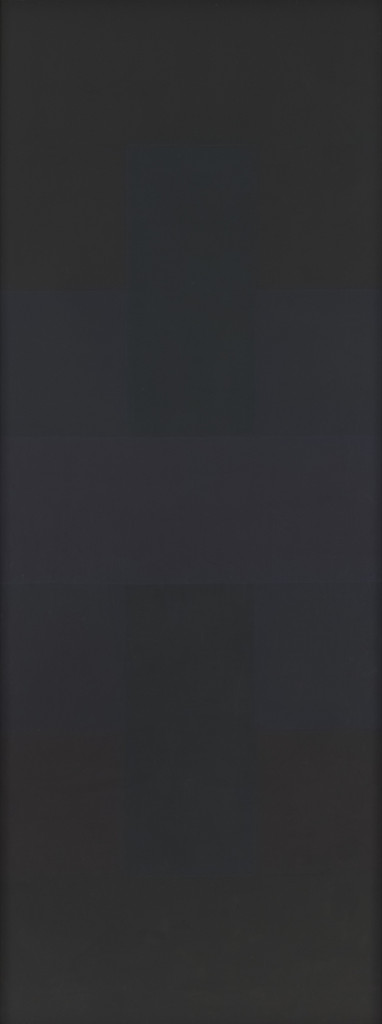
Abstract Painting
Ad Reinhardt
1957
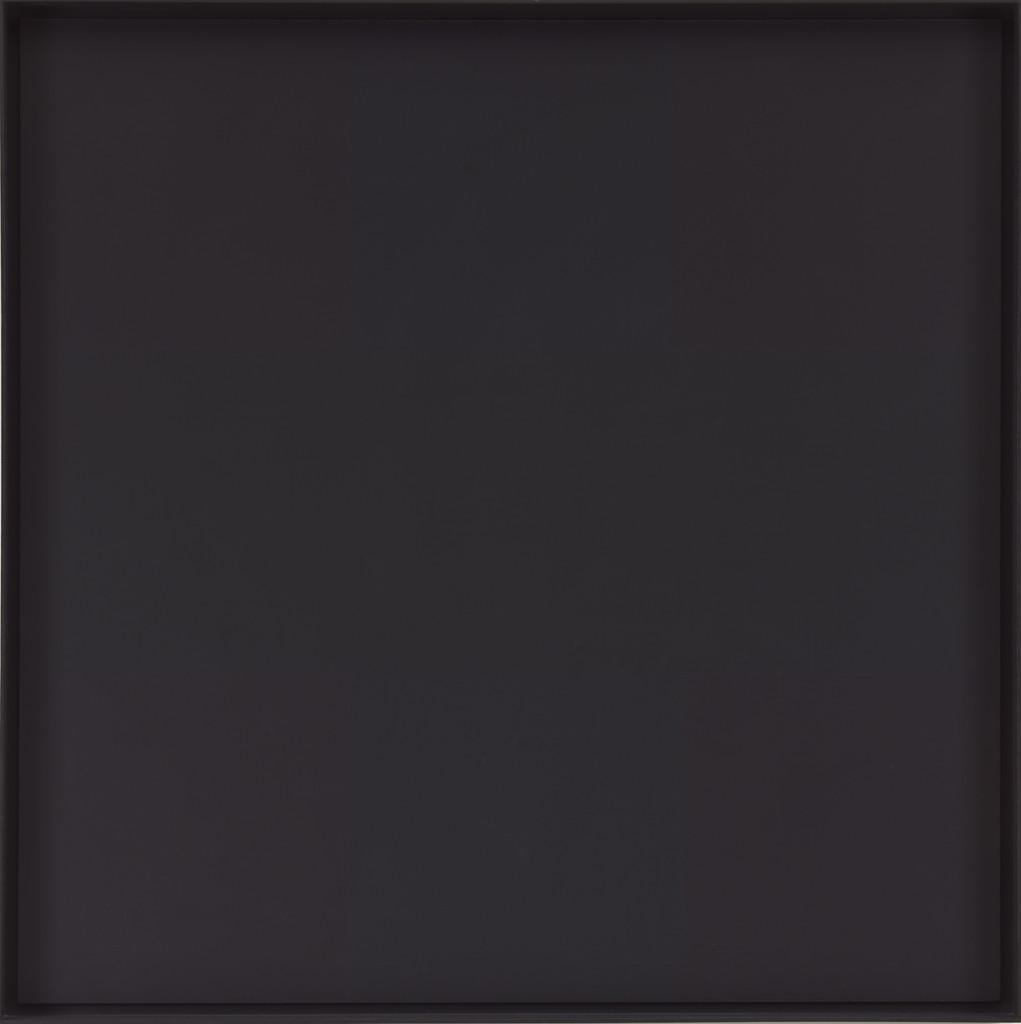
Abstract Painting
Ad Reinhardt
1963
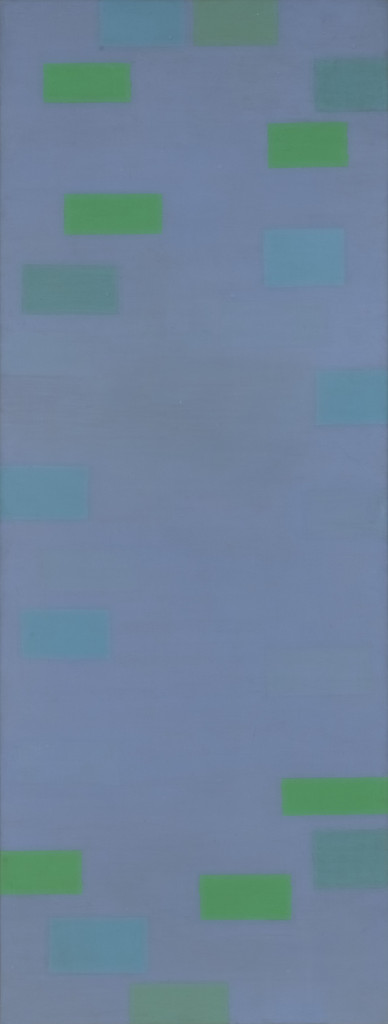
Abstract Painting (Blue)
Ad Reinhardt
1952
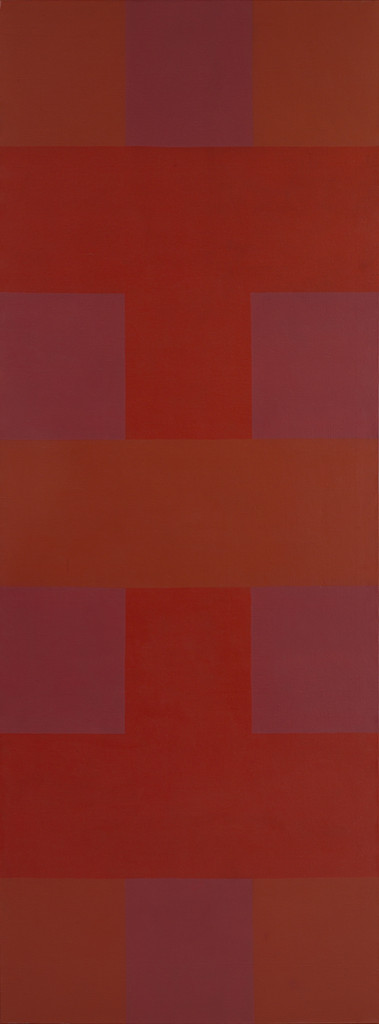
Abstract Painting, Red
Ad Reinhardt
1952
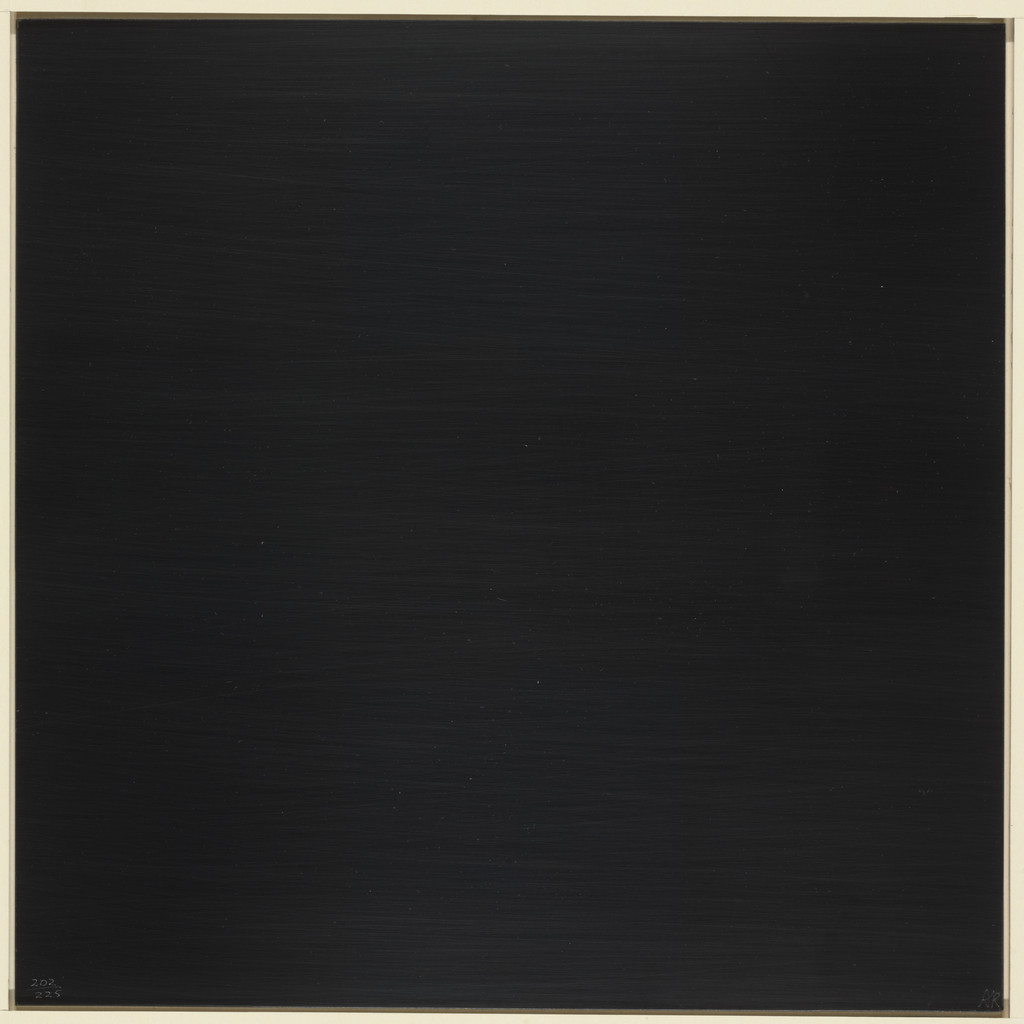
Abstract Print from New York International
Ad Reinhardt
1966
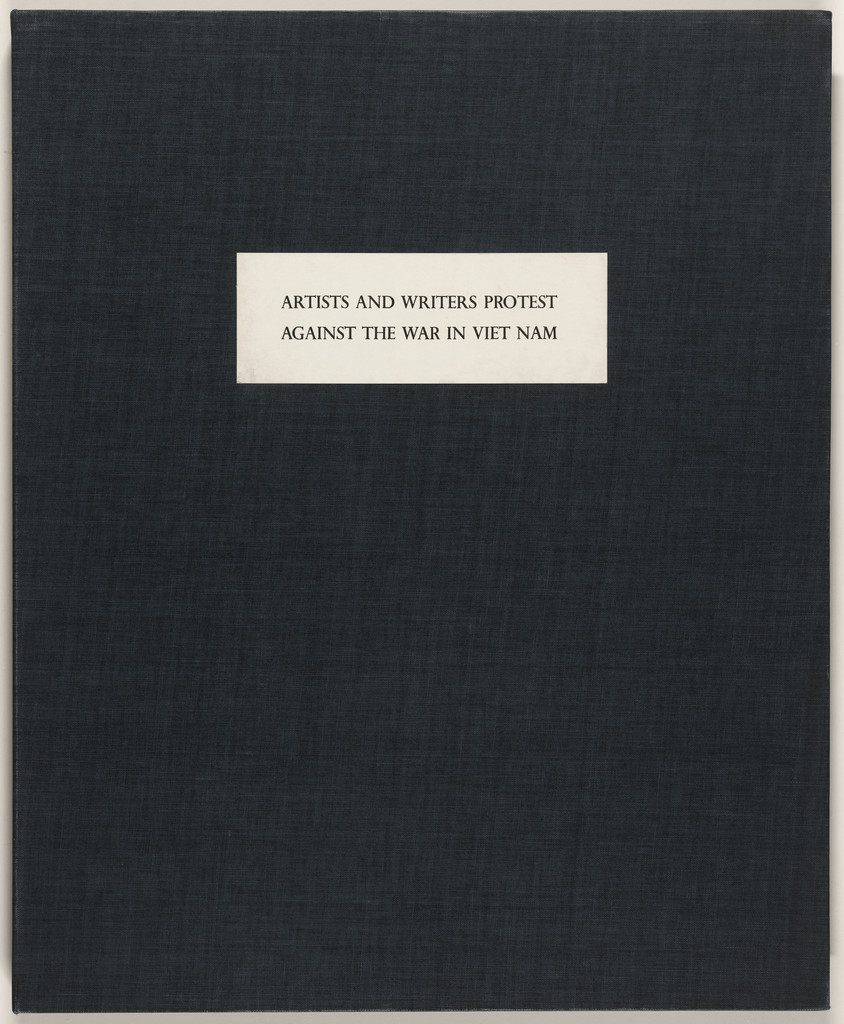
Artists and Writers Protest against the War in Vietnam
Rudolf Baranik
1966–67, published 1967
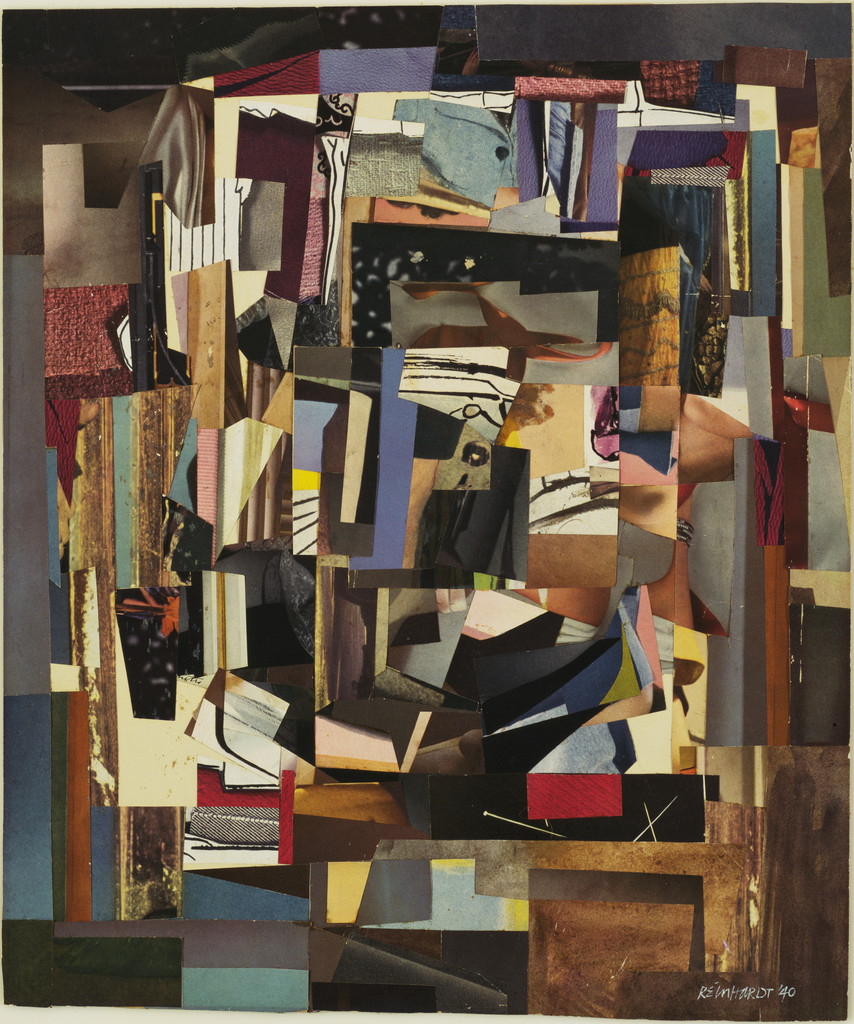
Collage
Ad Reinhardt
1940
New York International
Arman
1965–66, published 1966
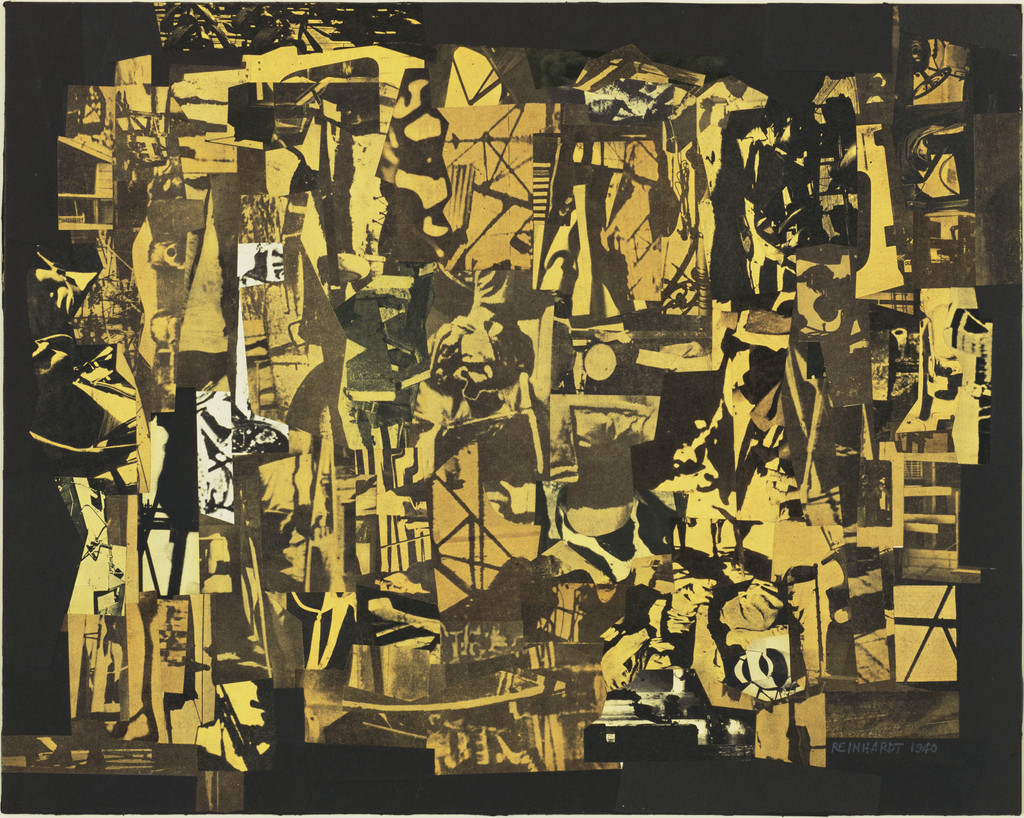
Newsprint Collage
Ad Reinhardt
1940
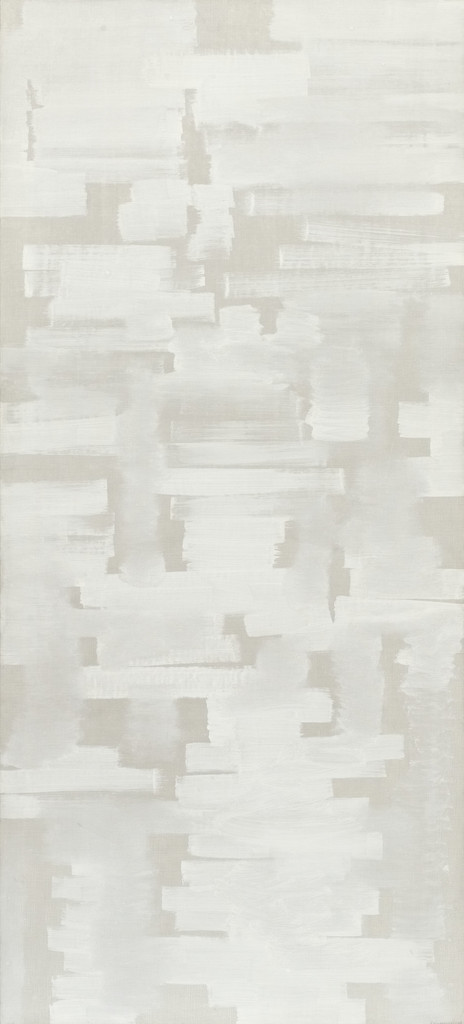
Number 107
Ad Reinhardt
1950
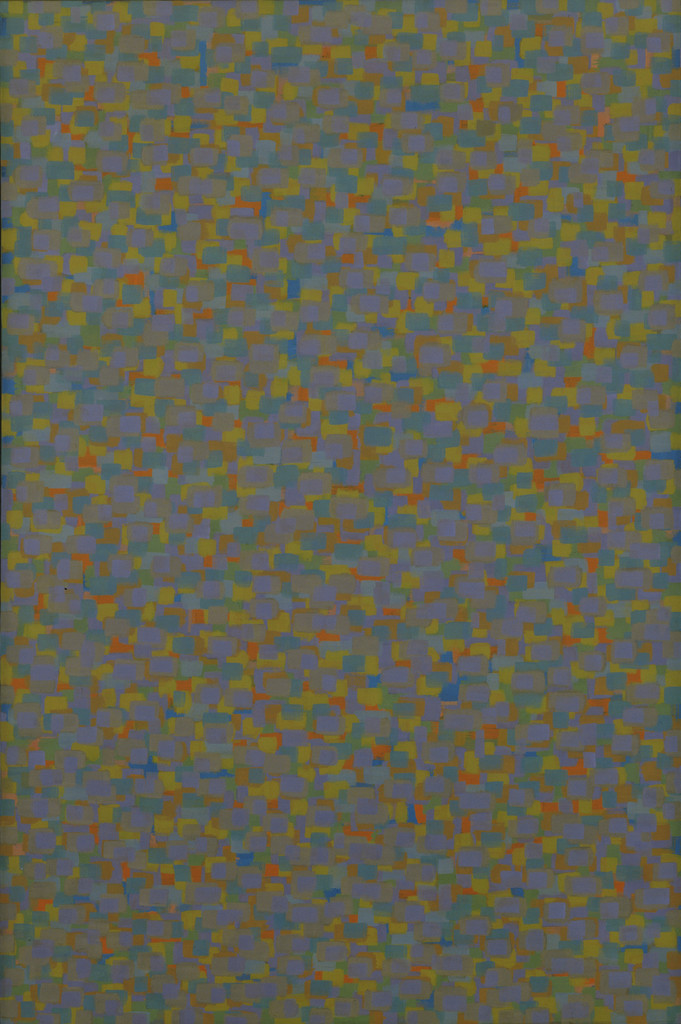
Number 111
Ad Reinhardt
1949
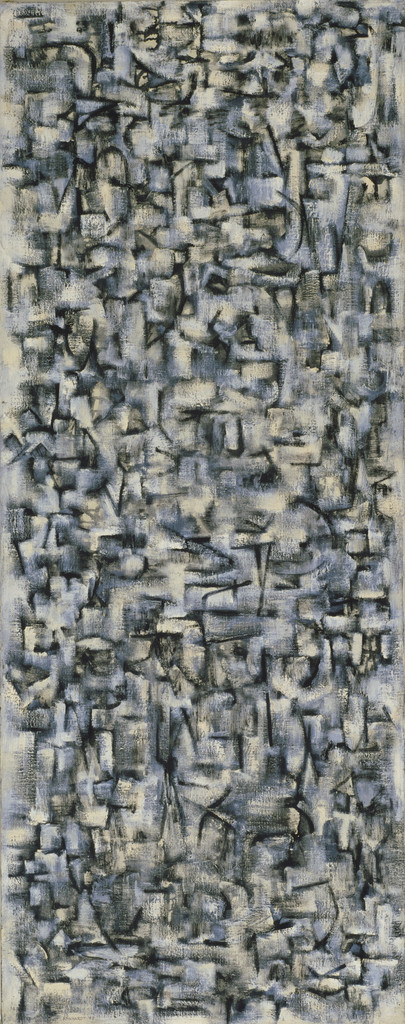
Number 22
Ad Reinhardt
1949
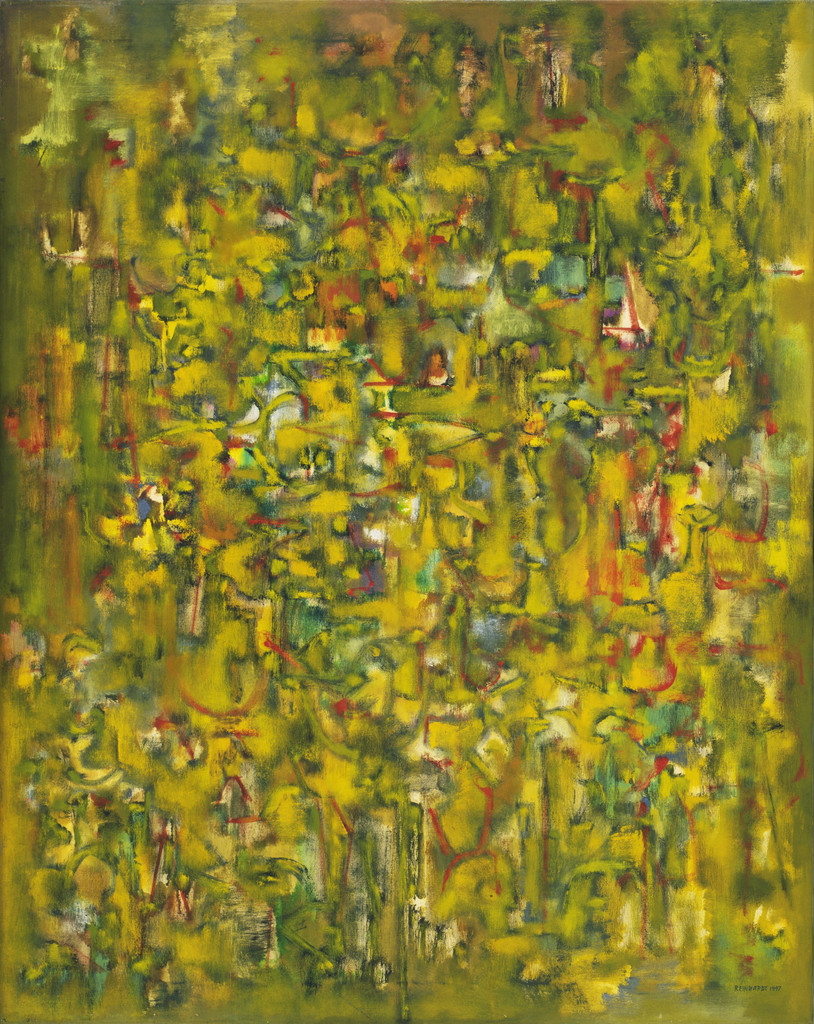
Number 43 (Abstract Painting, Yellow)
Ad Reinhardt
1947
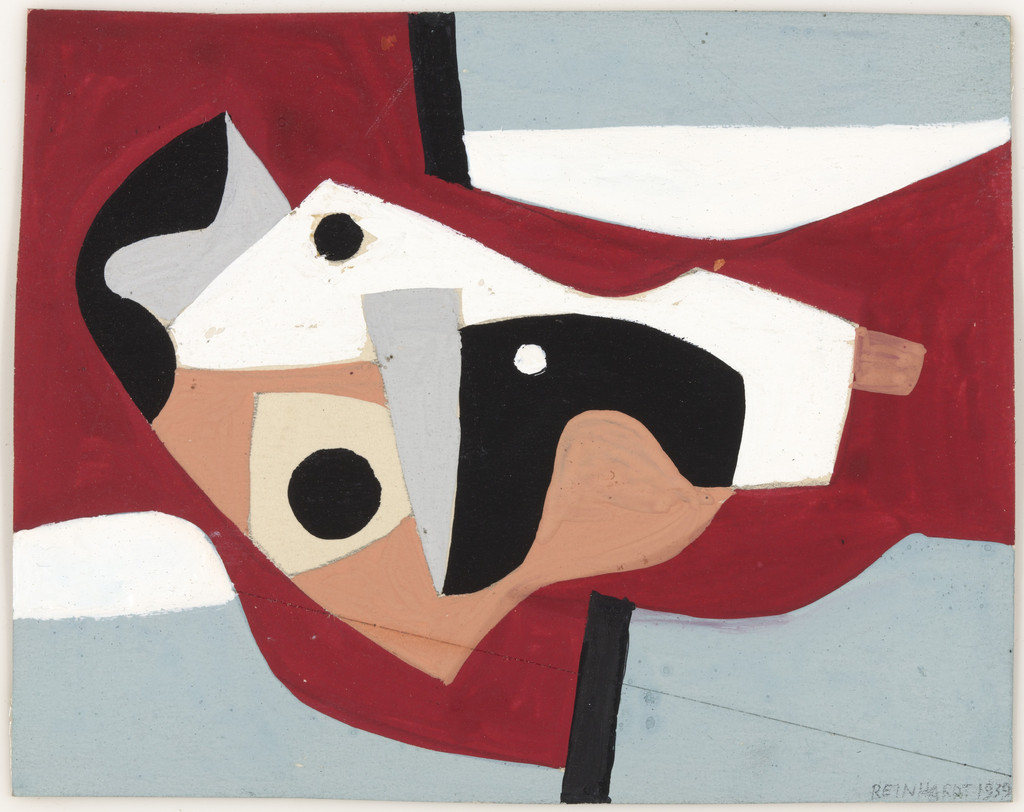
Study for a Painting
Ad Reinhardt
1939
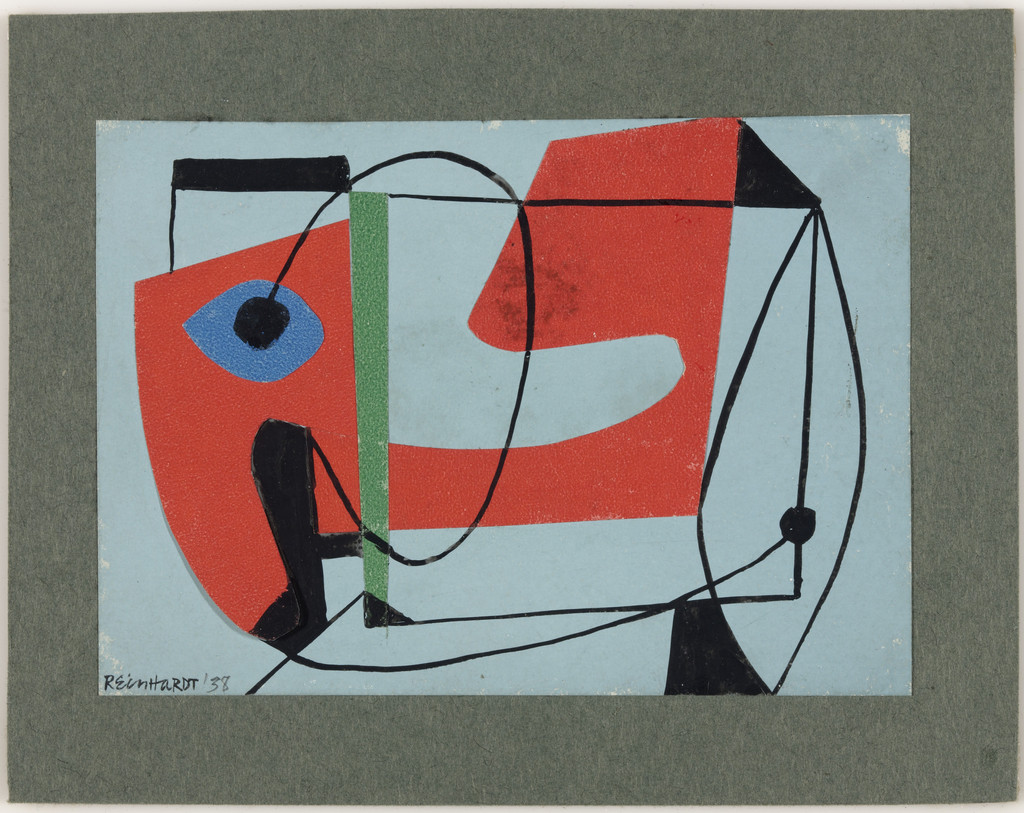
Study for a Painting
Ad Reinhardt
1938
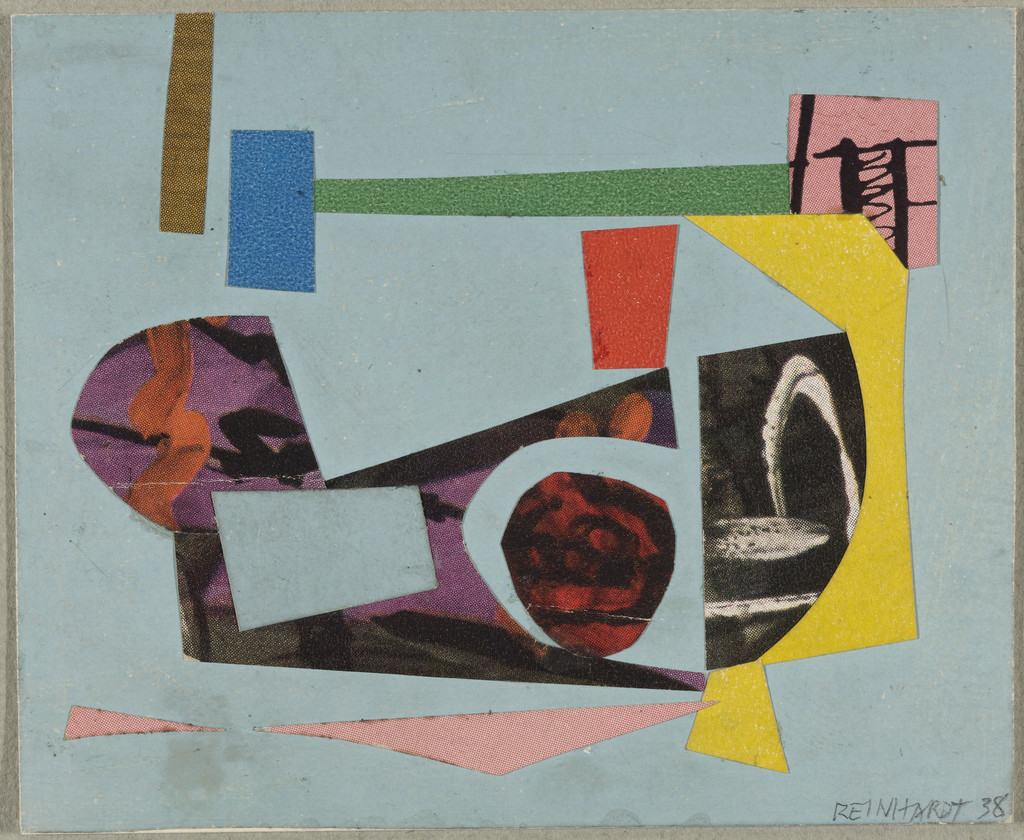
Study for a Painting
Ad Reinhardt
1938
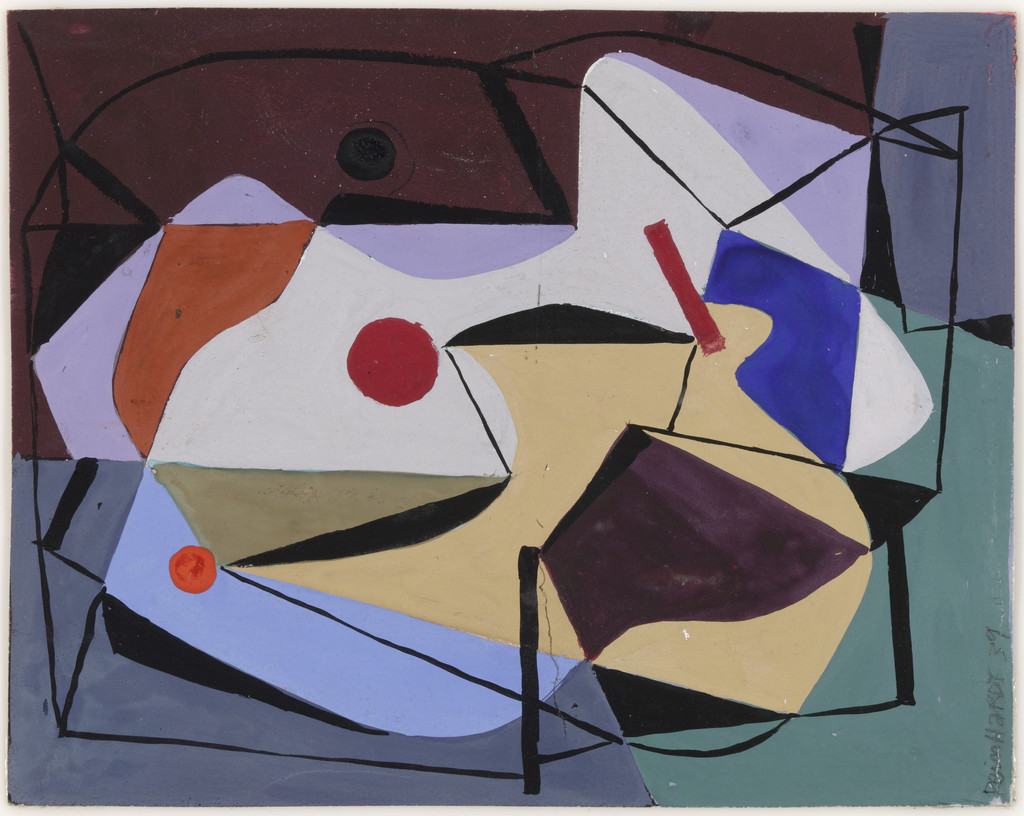
Study for a Painting
Ad Reinhardt
1939
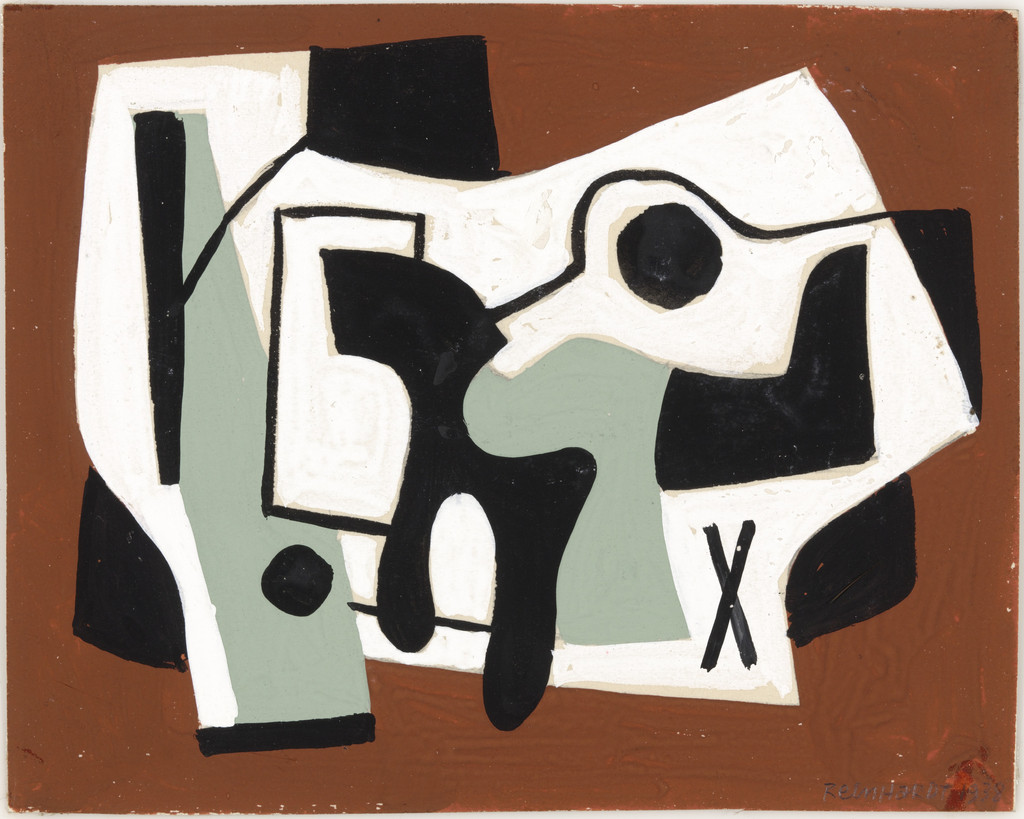
Study for a Painting
Ad Reinhardt
1938
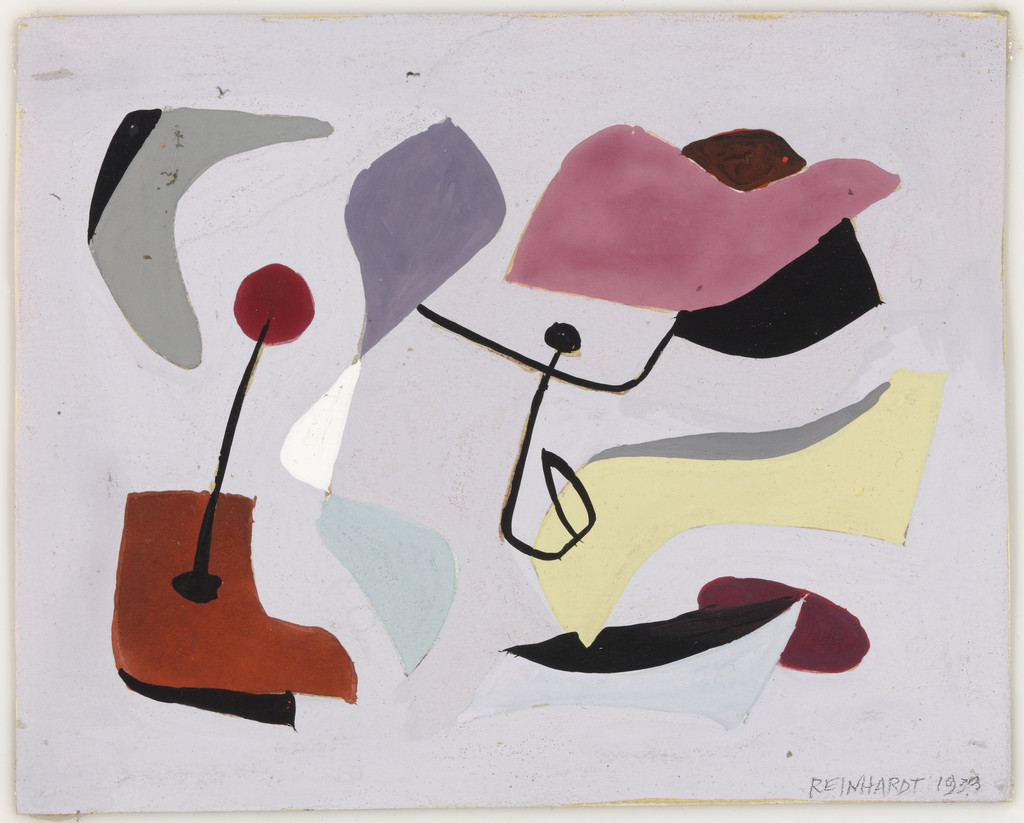
Study for a Painting
Ad Reinhardt
1939
Untitled
Ad Reinhardt
1938
Untitled
Ad Reinhardt
c. 1960
Untitled from Artists and Writers against the War in Vietnam
Ad Reinhardt
1967
Exhibitions
21 exhibitionsDec 06, 1949 – Mar 26, 1950
Children's Holiday Carnival of Modern Art
14 artists
Dec 05, 1950 – Jan 07, 1951
Children's Holiday Carnival of Modern Art
15 artists · 1 curator
Jan 23, 1951 – Mar 25, 1951
Abstract Painting and Sculpture in America
79 artists · 1 curator
Dec 04, 1951 – Jan 06, 1952
Children's Holiday Carnival of Modern Art
12 artists
Nov 20, 1962 – Jan 13, 1963
Recent Acquisitions
77 artists
May 22, 1963 – Aug 18, 1963
Americans 1963
15 artists · 1 curator
May 27, 1964
Painting and Sculpture from the Museum Collection
169 artists
Feb 25, 1965 – Apr 25, 1965
The Responsive Eye
95 artists · 1 curator
Jun 28, 1967 – Sep 24, 1967
The 1960s: Painting and Sculpture from the Museum Collection
107 artists · 2 curators
Jun 18, 1968 – Aug 25, 1968
Recent Acquisitions: Painting and Sculpture
16 artists · 1 curator
Jun 18, 1969 – Oct 05, 1969
The New American Painting and Sculpture: The First Generation
43 artists · 2 curators
Dec 24, 1969 – Mar 01, 1970
American Drawings and Watercolors: A Selection from the Collection
40 artists · 1 curator
Jul 01, 1971 – Sep 27, 1971
The Artist as Adversary
140 artists · 1 curator
Mar 29, 1972
Permanent Collection
45 artists · 2 curators
Jul 11, 1973 – Sep 11, 1973
Collage and the Photo-Image
40 artists · 5 curators
Feb 13, 1980 – Apr 01, 1980
Printed Art: A View of Two Decades
82 artists · 1 curator
Oct 23, 1980
Reinstallation of the Collection
129 artists
May 17, 1984
Selections from the Permanent Collection: Painting and Sculpture
59 artists · 2 curators
Oct 02, 1985 – Jan 07, 1986
Contrasts of Form: Geometric Abstract Art, 19101980
107 artists · 2 curators
Jan 31, 1988 – Apr 19, 1988
Committed to Print
125 artists · 1 curator
Nov 03, 1988 – Feb 28, 1989
Collage: Selections from the Permanent Collection
42 artists · 2 curators