
“The main thing is to be moved, to love, to hope, to tremble, to live. Be a man before being an artist!” — Auguste Rodin
For Auguste Rodin, the sculpture St. John the Baptist Preaching began with a knock on his studio door. “An Italian entered,” the artist recalled, a rural laborer named Pignatelli who had recently arrived in Paris. “The peasant undressed, climbed onto the table as if he had never posed before; he stood firmly, head raised, torso straight, carrying himself at the same time on both legs, open like a compass. The movement was so right, so clear, and so true that I cried out: ‘But it’s a man walking!’” Rodin resolved to convey in sculpture the balanced yet dynamic stride of his new model, a man whose lean body reminded him of the itinerant preacher John the Baptist. The completed sculpture, however, would diverge from traditional representations of this historical figure regarded as a prophet by Christians. Stripped of the objects that typically accompany the preacher in Christian art, Rodin’s John the Baptist appears as an ordinary man rather than a saint. “I only copied the model,” the artist later explained. By training his eyes on Pignatelli’s hardened features and impromptu gesture, Rodin reimagined a long-established subject for the modern era. And in doing so, he reimagined modern sculpture. Rodin began St. John the Baptist Preaching in 1878 and exhibited a plaster cast of the work at the Paris Salon of 1880. During this period, the artist’s studies of the head, chest, and legs of his model began to interest him in their own right. Soon, he abandoned the idea that sculptures should depict only intact bodies, stating that a carefully crafted hand or a torso could be as expressive as a face or even an entire figure. This innovative approach to the human form—the repeated examination of its component parts, both in isolation and in concert with one another—eventually resulted in The Walking Man, a headless and armless figure adapted from preparatory works for St. John the Baptist Preaching. Rodin displayed this unconventional work at his first solo show, held in Paris in 1900, then proceeded to include small and large versions in exhibitions throughout Europe. While many critics deemed The Walking Man incomplete and therefore imperfect, the artist himself considered it one of his best works precisely because, in his words, “all is not there.” The same year that Rodin exhibited St. John the Baptist Preaching, he received a commission from the French government for a monumental doorway to a future museum of decorative arts. Sketching ideas on paper and in clay, the artist developed a complex program for the portal based on Dante’s Divine Comedy, a 14th-century epic poem that follows the lengthy journey of its narrator through Christian hell, purgatory, and paradise. It was the poem’s account of the underworld that most captivated Rodin, setting him and his assistants on their own multiyear journey to produce The Gates of Hell. This project, like the artist’s previous sculptures, modernizes its canonical source. Rodin included specific characters from the Divine Comedy, such as The Three Shades, an enigmatic trio that stands above the doorframe and—in a way that anticipates the importance of seriality to 20th-century sculpture—comprises three casts of the same figure. Yet Rodin interspersed the Shades and other characters with his own highly personal visions of suffering inspired by art, literature, religion, and mythology. The result is a churning composition of over 100 figures and figural groups shaped by years of studio experimentation. Ultimately, the museum for which the doors were intended never materialized, though Rodin and his collaborators managed to construct a full-sized plaster cast by 1900. In fact, the artist would derive independent sculptures from The Gates of Hell for the rest of his life, routinely selecting figures from the work, like The Thinker, to be enlarged or reduced, carved in marble or cast in bronze. Repetition, during these years, became a key formal strategy. In addition, Rodin continued to secure new commissions that brought widespread recognition—and often, controversy. One such commission came from a literary society that wished to erect a statue of the novelist Honoré de Balzac. As with The Gates of Hell, Rodin scrutinized his subject for years. While a more traditional artist might have turned to ancient Greek or Roman sculptures as models, Rodin instead gathered visual and verbal portraits of Balzac, who had died in 1850, and hired models resembling the writer; he even obtained made-to-order clothing with Balzac’s measurements. Next, Rodin generated numerous drawn and sculpted studies, variously presenting Balzac as young and middle-aged, as striding and reclining, as naked and dressed. After seven years of intensive work, a plaster cast of the Monument to Balzac was at last unveiled at the Paris Salon of 1898. Its abstracted form, pronounced slant, and coarse surface divided the art world, prompting the critic Jules Claretie to state that “one had to be for or against Rodin.” The society that had commissioned the sculpture was “against,” refusing to accept it, while numerous writers, artists, and politicians defended Rodin. The artist himself was devastated but defiant, convinced that his Balzac had made sculpture modern.
Annemarie Iker, independent scholar, 2021
Note: opening quote is from Herbert Read, A Concise History of Modern Sculpture (New York: Oxford University Press, 1964), 14.
Works in Collection
22 works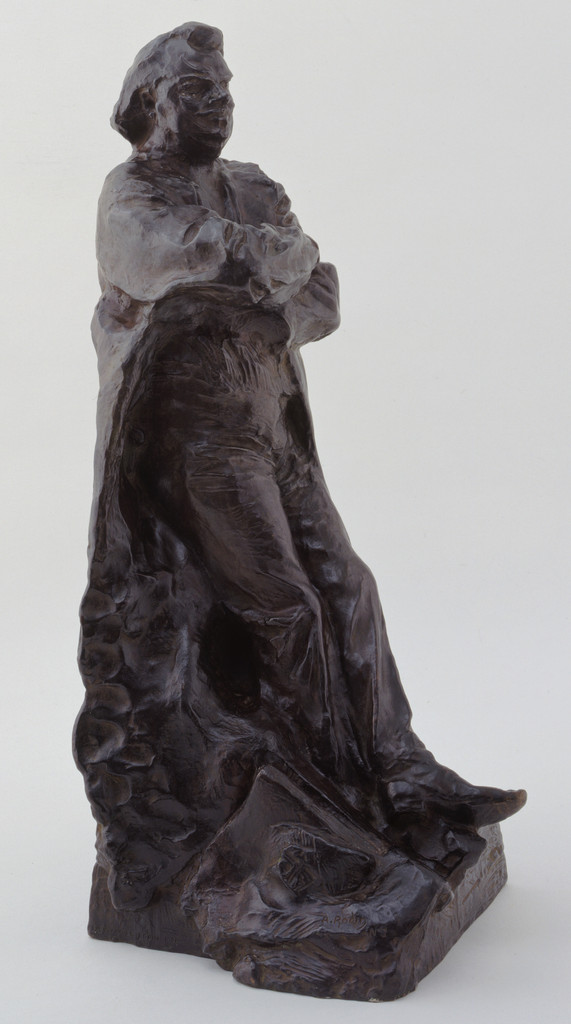
Balzac in a Frock Coat
Auguste Rodin
1891 (cast 1971)
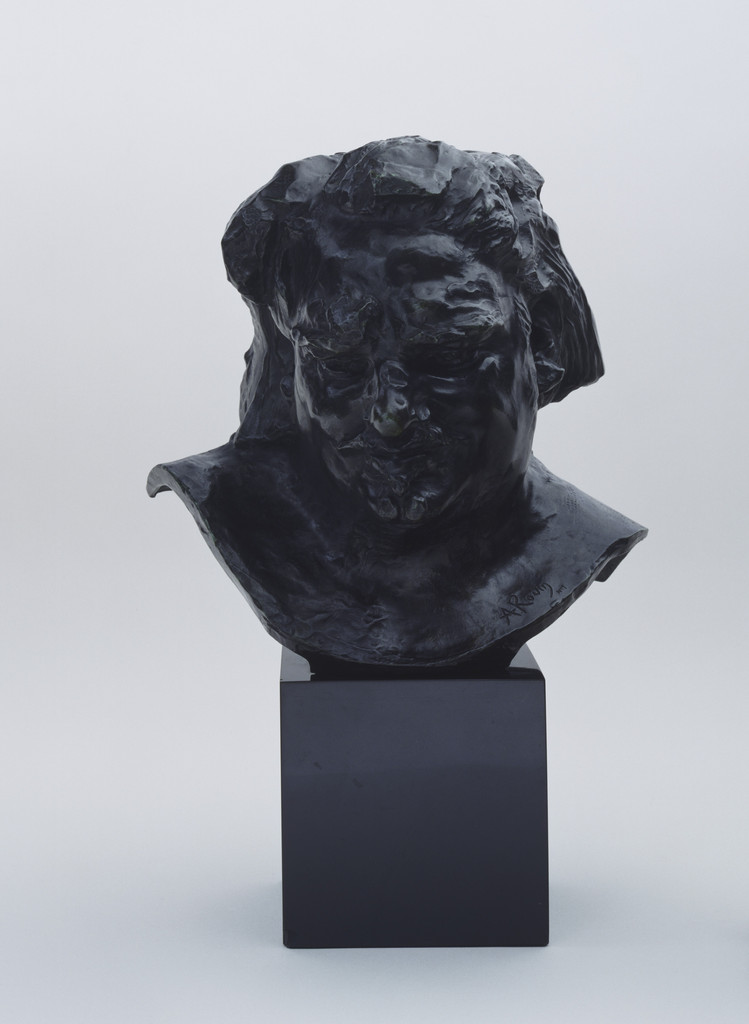
Bust
Auguste Rodin
c. 1894 (cast 1971)
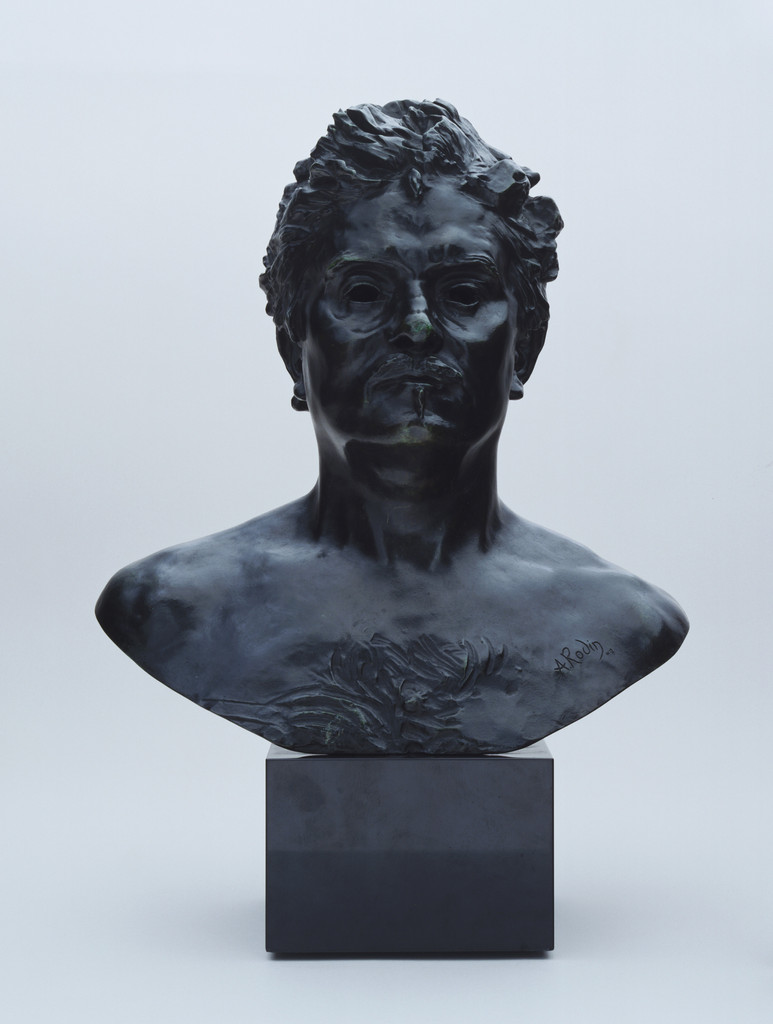
Bust of the Young Balzac
Auguste Rodin
1891 (cast c. 1971)
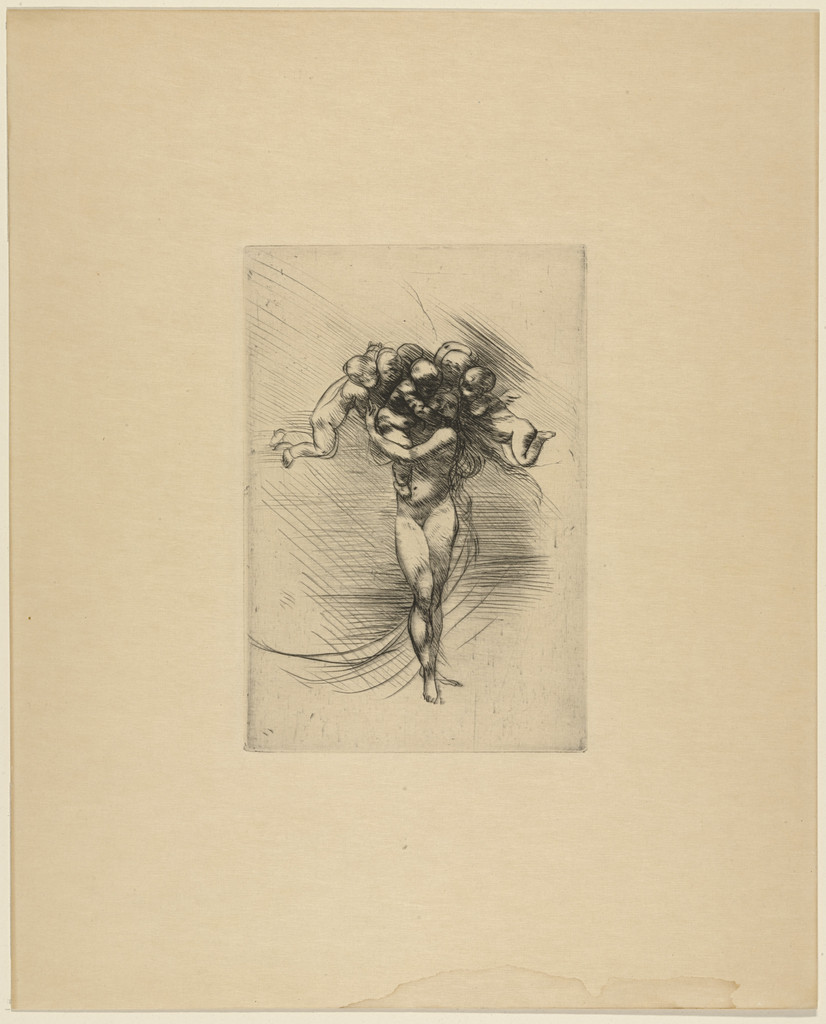
Creation
Auguste Rodin
1855
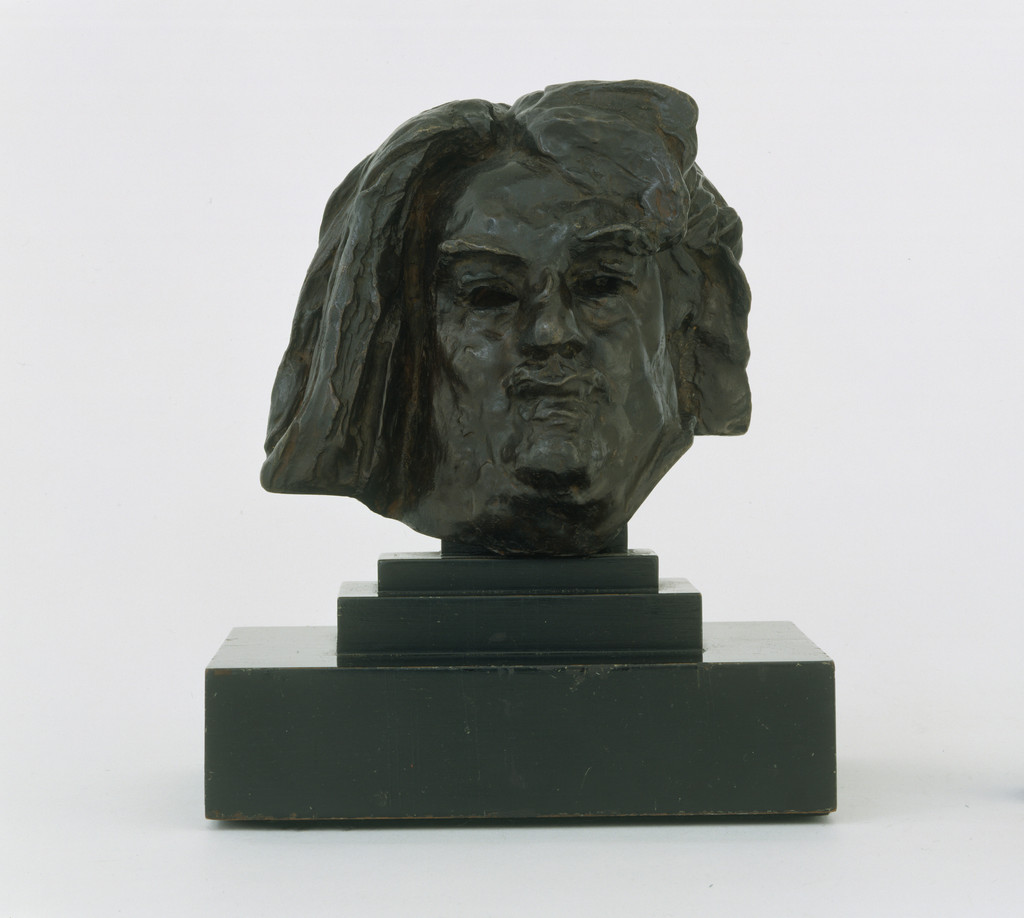
Head
Auguste Rodin
1897
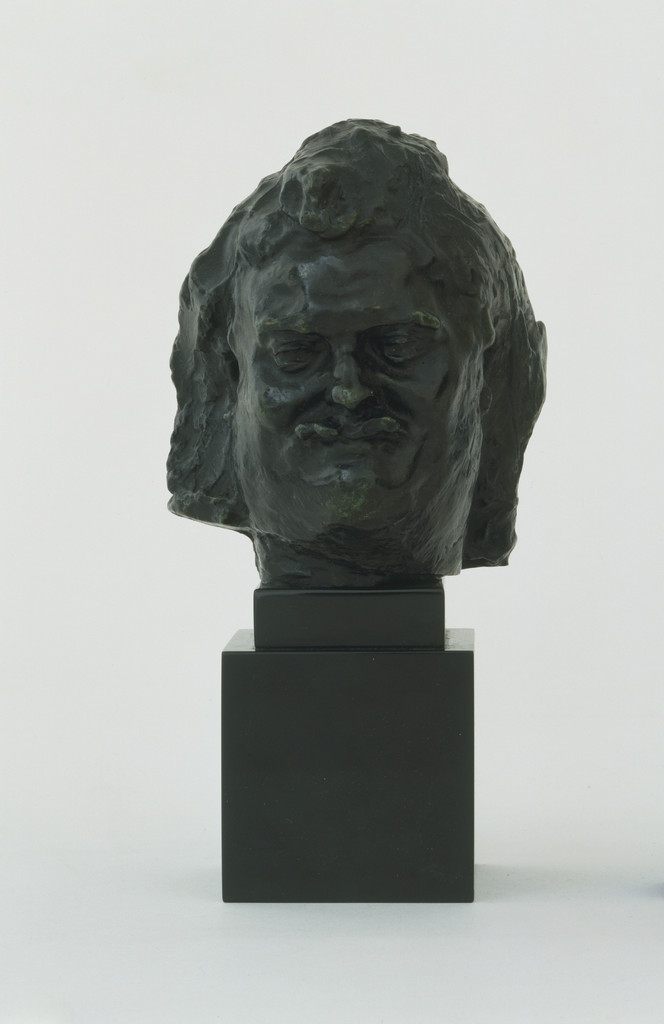
Head
Auguste Rodin
c. 1893 (cast 1971)
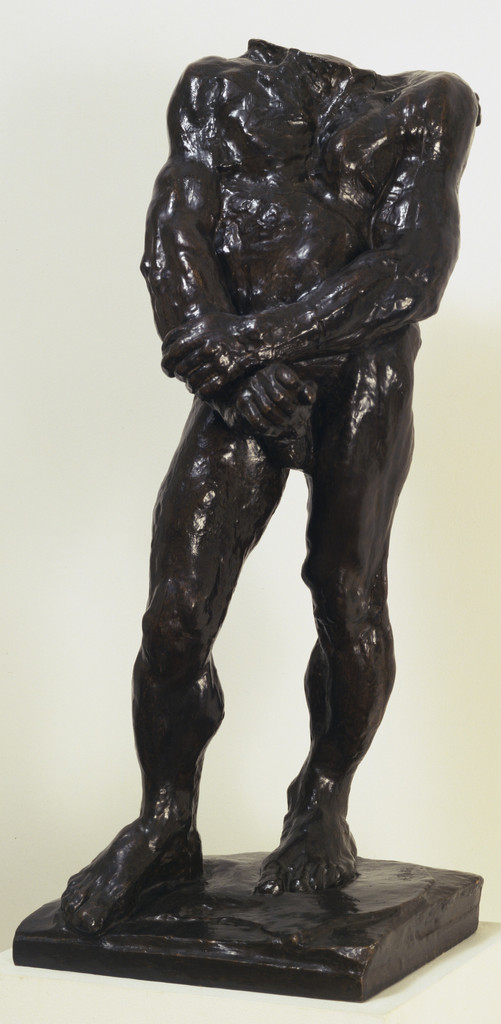
Headless Naked Figure Study for Balzac
Auguste Rodin
1896 (cast 1970)
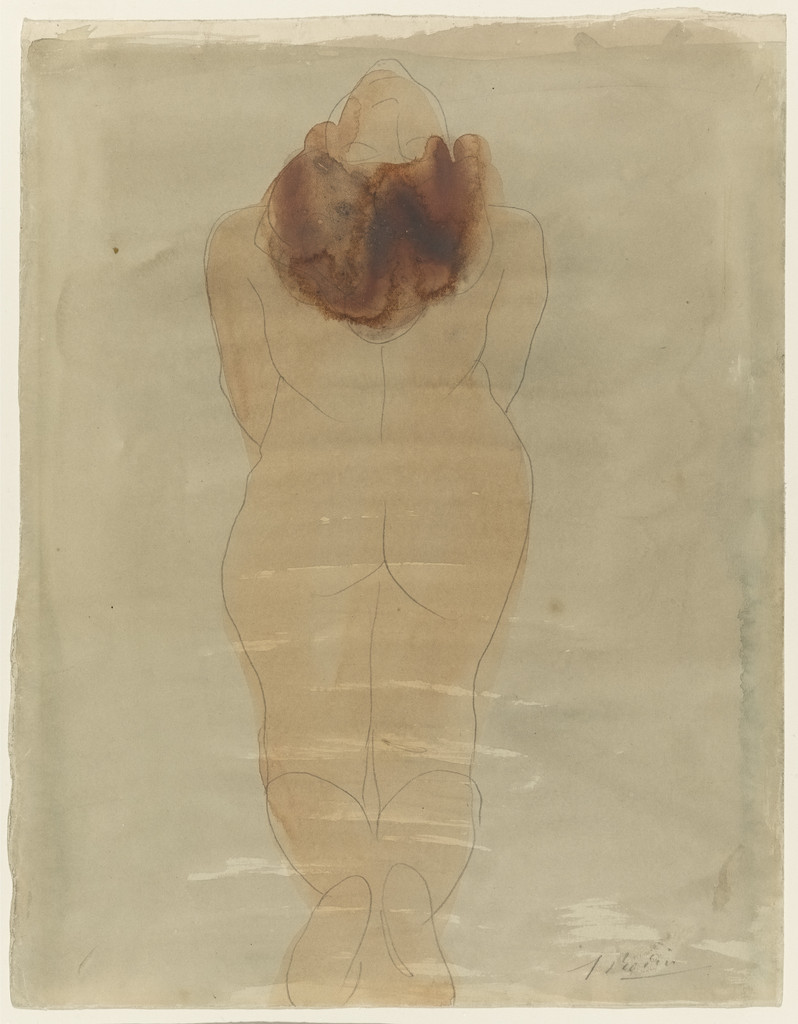
Kneeling Woman
Auguste Rodin
1900–06
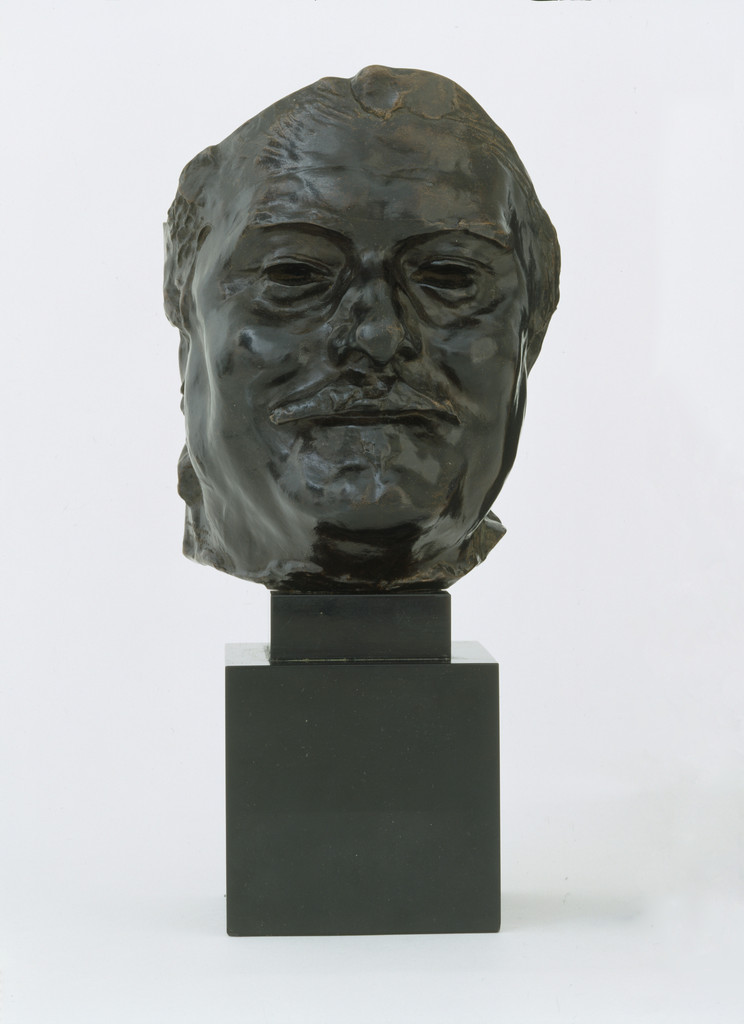
Mask of Balzac Smiling
Auguste Rodin
1891 (cast 1970)
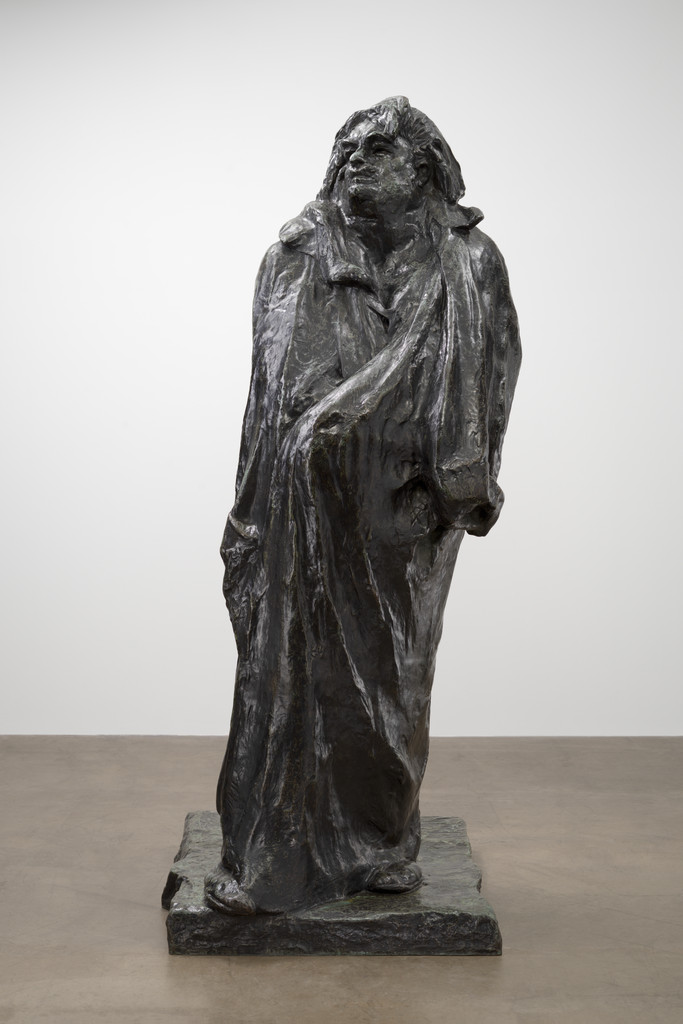
Monument to Balzac
Auguste Rodin
1898 (cast 1954)
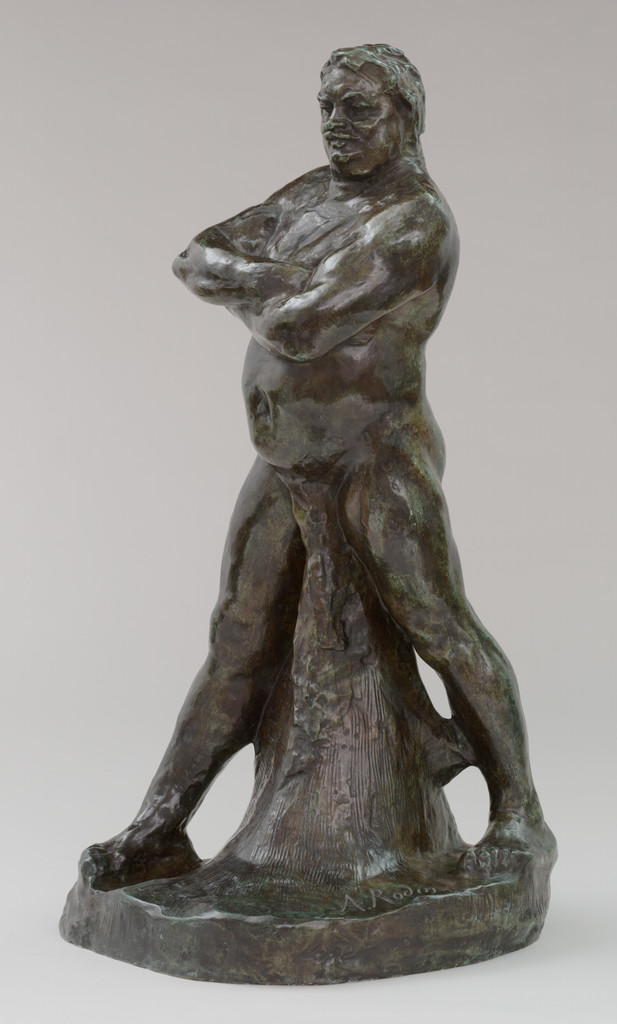
Naked Balzac with Folded Arms
Auguste Rodin
1892 (cast 1966)
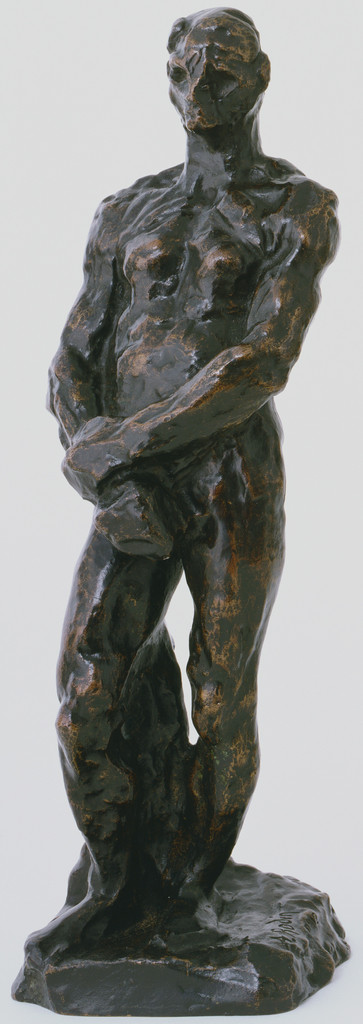
Naked Figure Study for Balzac
Auguste Rodin
c. 1894-95 (cast 1965)
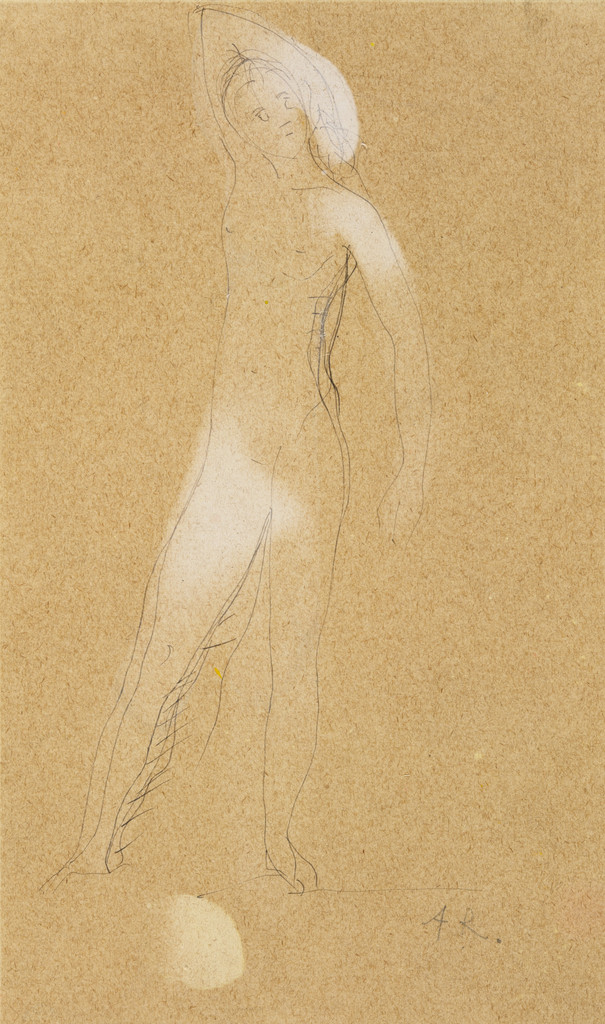
Nude Study
Auguste Rodin
(c. 1890-92)
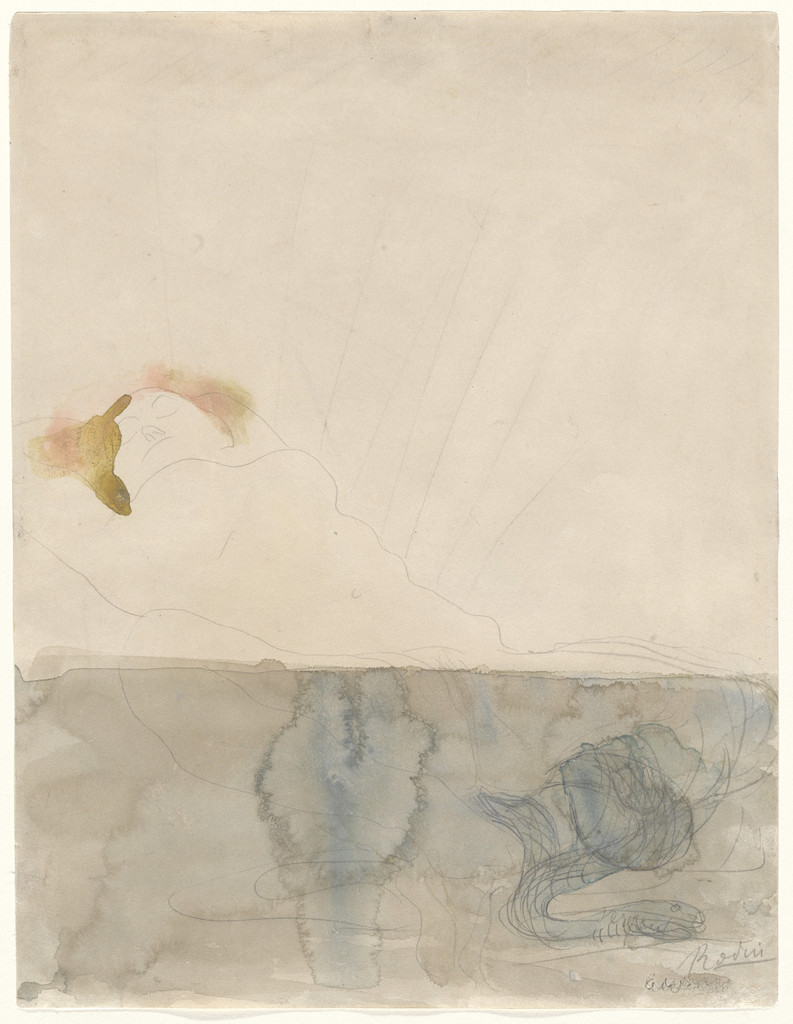
Nude with Serpent
Auguste Rodin
(c. 1900-05)
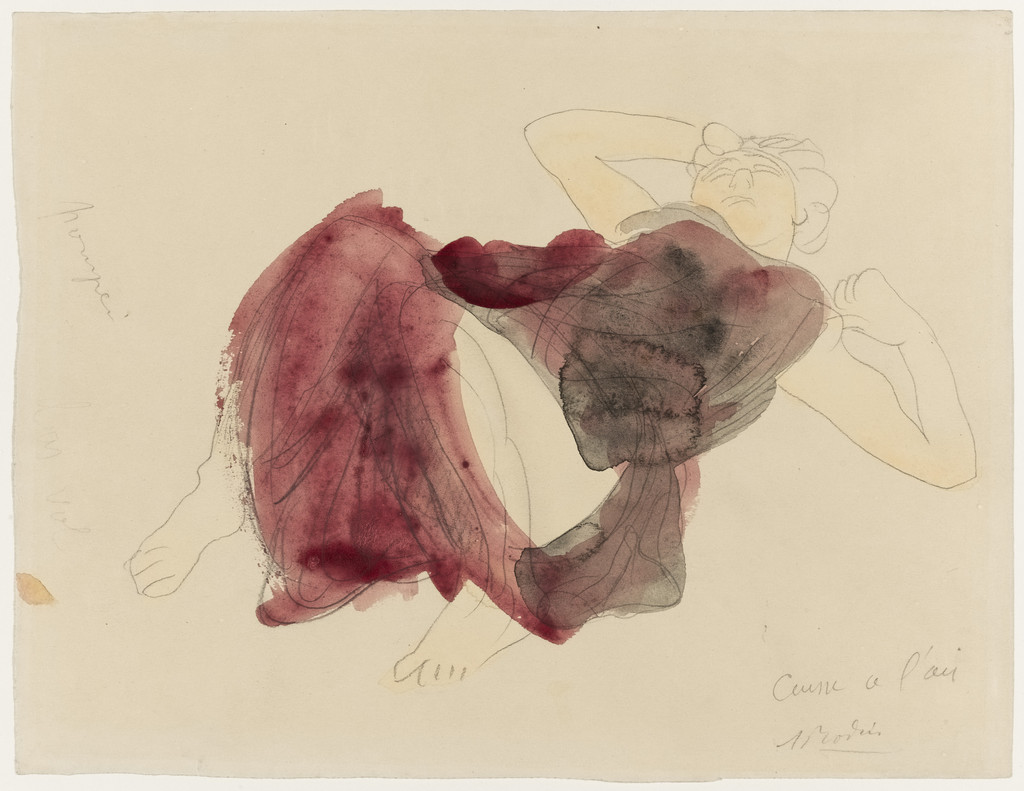
Reclining Woman
Auguste Rodin
c. 1900–06
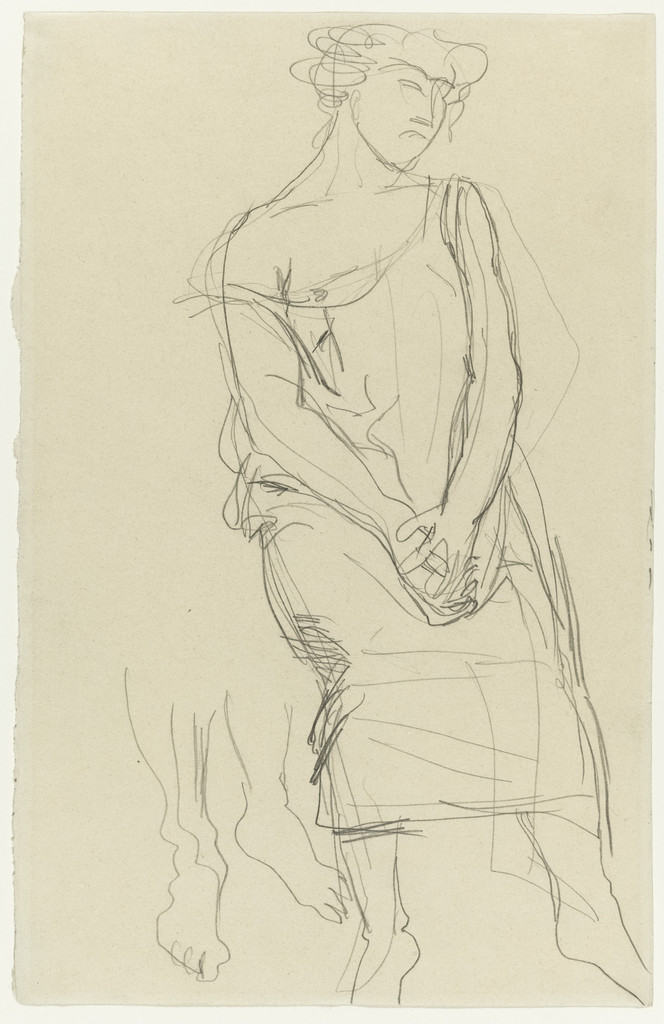
Seated Woman
Auguste Rodin
1900-06
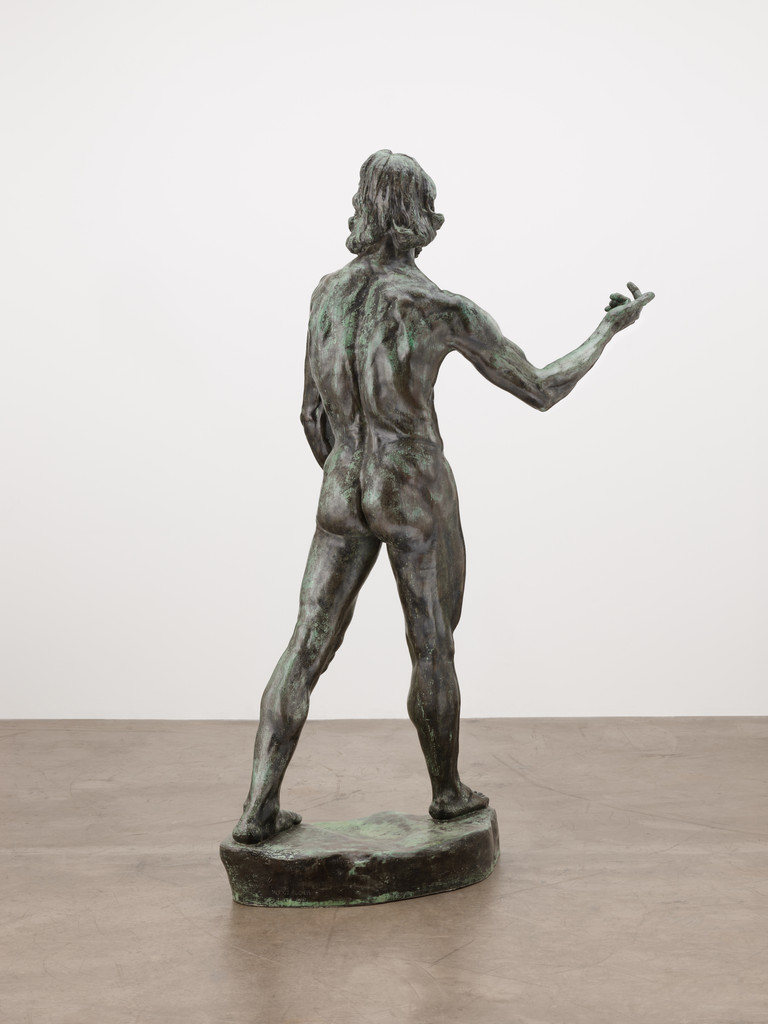
St. John the Baptist Preaching
Auguste Rodin
1878-80 (cast 1921)
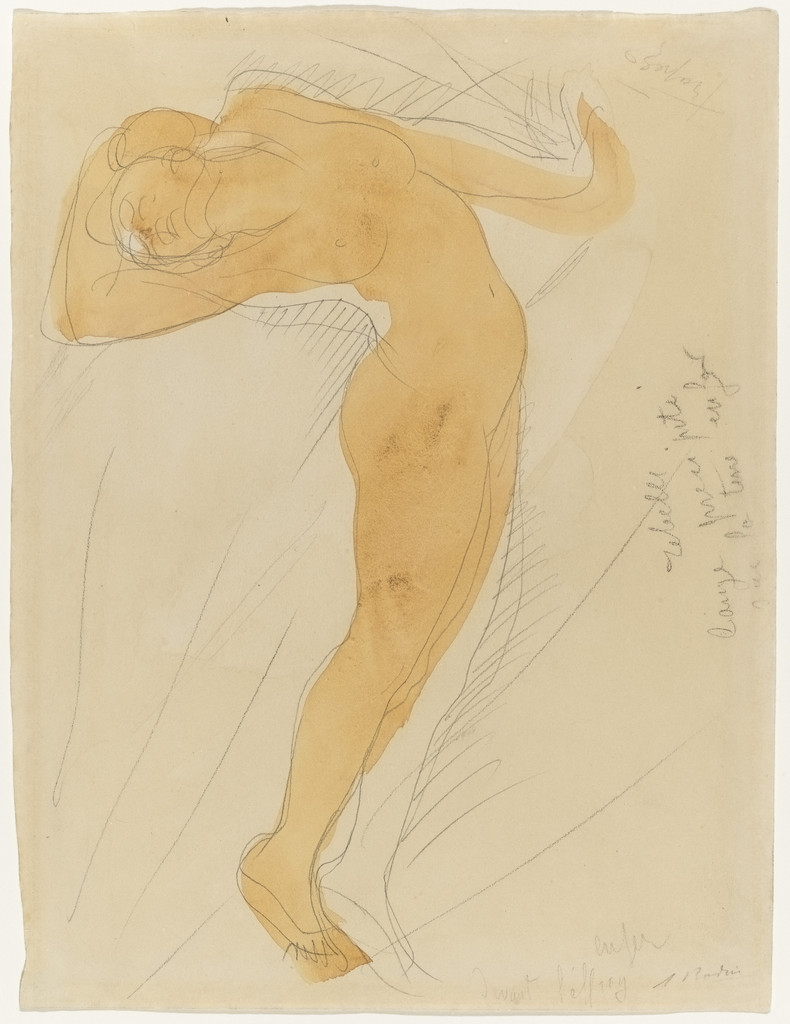
Stretching Figure
Auguste Rodin
c. 1900-1906
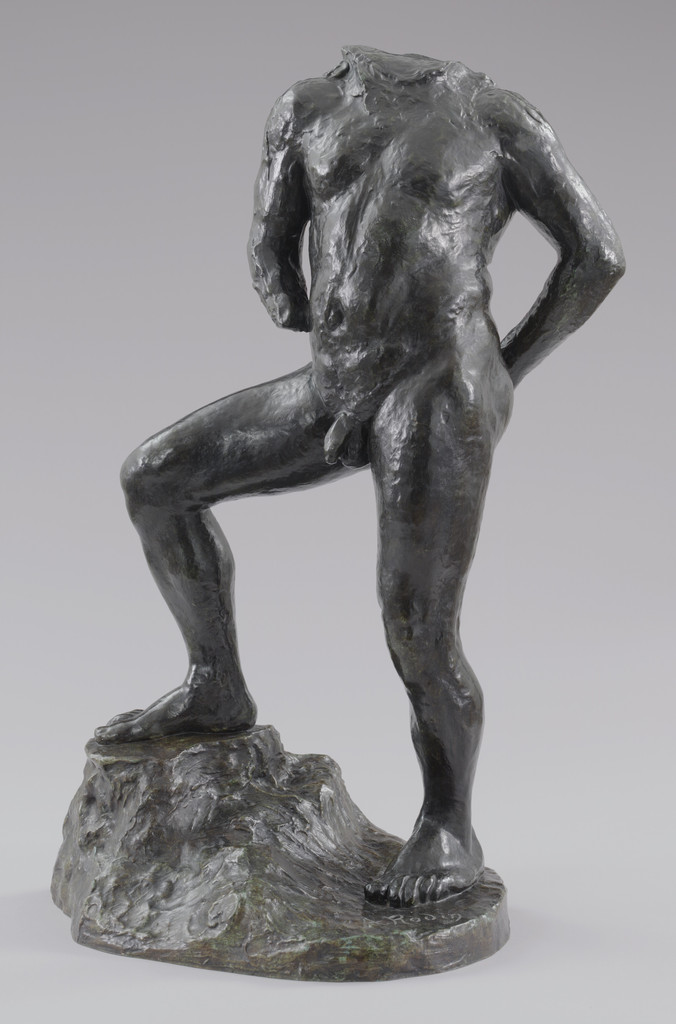
Study for the Naked Balzac
Auguste Rodin
c. 1893 (cast 1971)
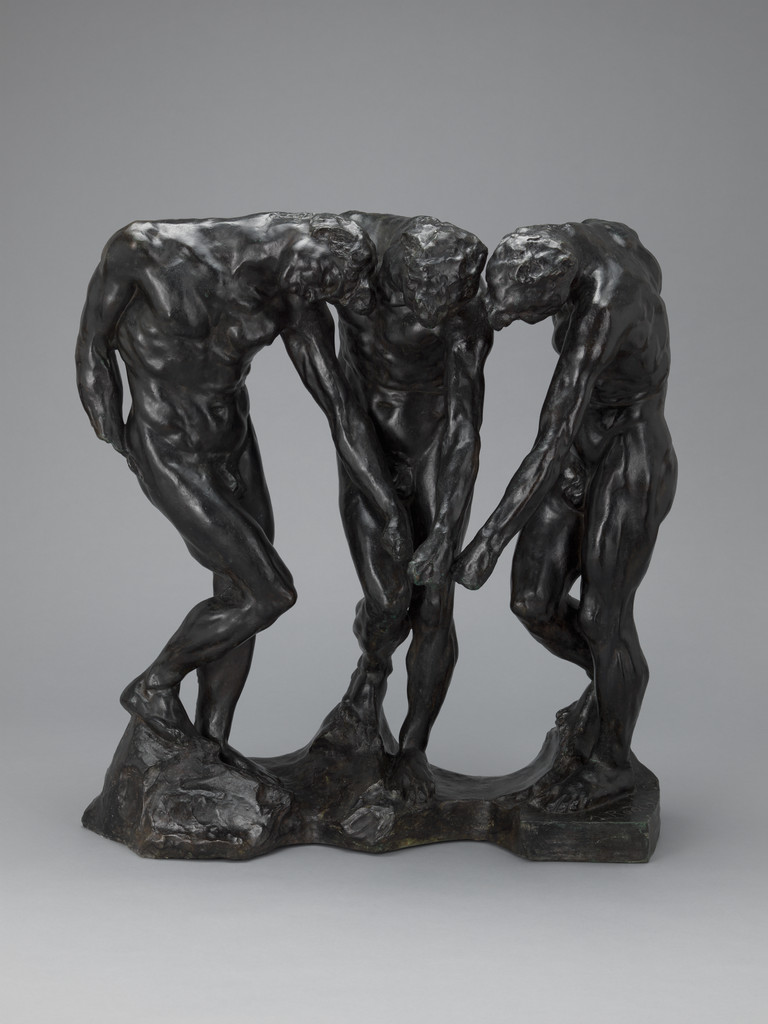
The Three Shades
Auguste Rodin
1881-86
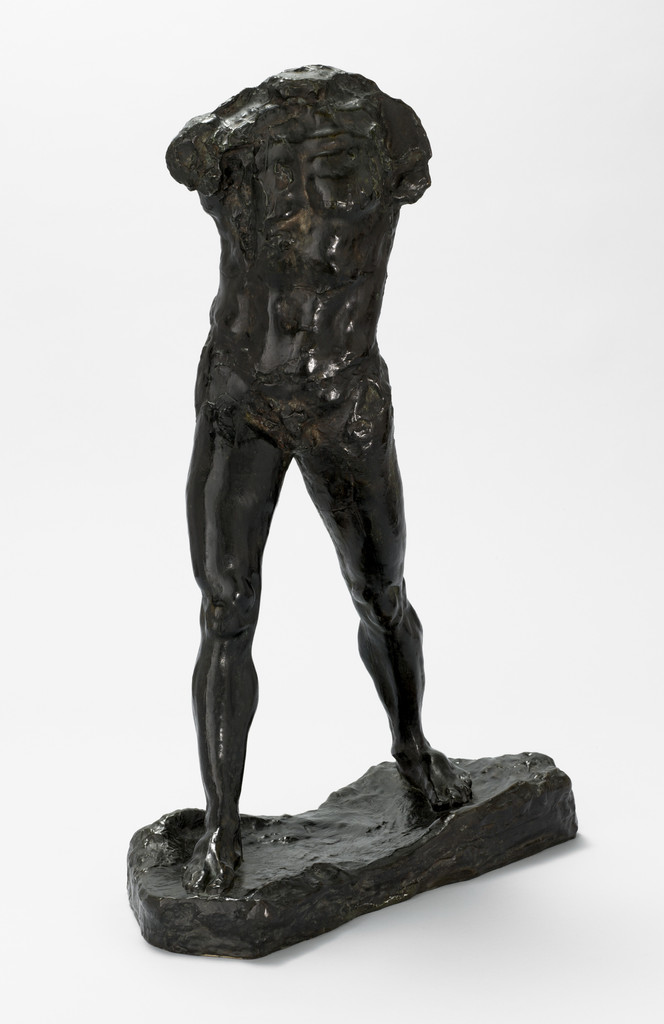
The Walking Man
Auguste Rodin
c. 1890-95 (cast c.1904)
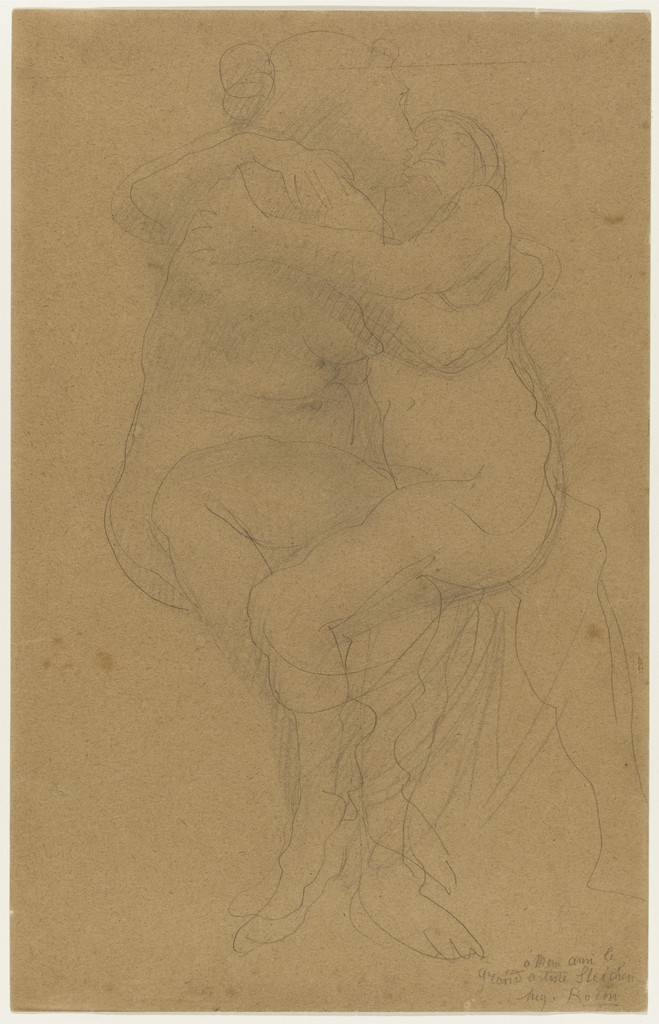
Two Female Figures Embracing
Auguste Rodin
n.d.
Exhibitions
35 exhibitionsApr 27, 1936 – Sep 02, 1936
Modern Painters and Sculptors as Illustrators
100 artists · 1 curator
Oct 21, 1941 – Jan 10, 1942
Isadora Duncan: Drawings, Photographs, Memorabilia
11 artists
Dec 09, 1942 – Jan 24, 1943
Twentieth Century Portraits
159 artists · 1 curator
Feb 16, 1944 – May 10, 1944
Modern Drawings
120 artists · 3 curators
May 24, 1944 – Oct 15, 1944
Painting, Sculpture, Prints
133 artists · 1 curator
Apr 15, 1947 – Jun 01, 1947
Drawings in the Collection of The Museum of Modern Art
83 artists
Jun 10, 1947 – Aug 31, 1947
Alfred Stieglitz Exhibition: His Collection
36 artists · 1 curator
Jul 11, 1950 – Sep 05, 1950
Three Modern Styles
94 artists
Apr 28, 1953 – Sep 07, 1953
Sculpture of the XXth Century
47 artists · 1 curator
Apr 21, 1954 – Jun 06, 1954
Faces and Figures: Drawings from the Collection of The Museum of Modern Art
41 artists · 1 curator
Apr 23, 1958 – May 18, 1958
50 Selections from the Collection of Mr. and Mrs. Walter Bareiss
41 artists · 1 curator
Mar 24, 1960 – Apr 17, 1960
Selections from the Art Lending Service
67 artists
May 04, 1960 – Sep 18, 1960
Portraits from the Museum Collection
92 artists · 1 curator
Jun 08, 1960 – Sep 06, 1960
Art Nouveau
118 artists · 3 curators
Oct 11, 1960 – Jan 02, 1961
100 Drawings from the Museum Collection
74 artists · 1 curator
May 01, 1963 – Sep 08, 1963
Rodin
1 artist · 1 curator
Aug 06, 1963 – Sep 29, 1963
60 Modern Drawings: Recent Acquisitions
45 artists · 1 curator
May 27, 1964
Painting and Sculpture from the Museum Collection
169 artists
May 27, 1964 – Mar 23, 1965
Drawings from the Museum Collections: A Selection
57 artists · 1 curator
Sep 06, 1965 – Jan 23, 1966
44 Drawings: Recent Acquisitions
33 artists · 1 curator
Jun 26, 1967 – Nov 22, 1967
Drawings: Recent Acquisitions
45 artists
Nov 10, 1970 – Apr 21, 1971
The Nude: Thirty 20th-Century Drawings
24 artists · 1 curator
May 11, 1971 – Oct 19, 1971
A Selection of Drawings and Watercolors from the Museum Collection
58 artists · 1 curator
Jun 20, 1972 – Oct 10, 1972
Symbolism, Synthesists, and the Fin-de-Siècle
36 artists · 1 curator
Mar 28, 1974 – Apr 28, 1974
Recent Acquisition: Painting and Sculpture
4 artists · 1 curator
Jun 13, 1974 – Sep 08, 1974
Seurat to Matisse: Drawing in France
79 artists · 1 curator
Sep 20, 1976 – Nov 18, 1976
Rodin & Balzac
1 artist · 1 curator
Jun 06, 1977 – Sep 06, 1977
Impresario: Ambroise Vollard
44 artists · 1 curator
Feb 16, 1978 – Mar 12, 1978
Selections from the Collections
11 artists · 1 curator
May 18, 1979 – Jun 06, 1979
Thirty Sculptors' Drawings
29 artists · 1 curator
Oct 26, 1983 – Jan 03, 1984
The Modern Drawing: 100 Works on Paper from The Museum of Modern Art
81 artists · 1 curator
May 17, 1984
Selections from the Permanent Collection: Drawings
61 artists · 2 curators
Apr 26, 1986 – Sep 02, 1986
Sculptors' Drawings
41 artists · 1 curator
May 29, 1986 – Sep 30, 1986
Naked/Nude
63 artists · 1 curator
Mar 16, 1989 – Jul 04, 1989
Watercolors: Selections from the Permanent Collection
39 artists · 1 curator