
“The world is a piece of raw material—for the unreceptive soul it is the back of a mirror, but for reflective souls it is a mirror of images appearing continually.” So wrote Olga Rozanova in 1913 in The Union of Youth, the journal of an eponymous artist group that included Kazimir Malevich, Vladimir Tatlin, and Alexandra Exter among its members. Founded in 1909, the group aimed to respond to the Italian Futurists’ call to “free the eye of the scales of atavism and culture.” In a manifesto of the group that she authored, Rozanova declared war on academic art and advocated absolute creative freedom. Convinced that the pursuit of a new, revolutionary art should be an international endeavor, she maintained close ties with her Italian colleagues and exhibited several of her works at The Free International Futurist Exhibition in 1914 in Rome. Rozanova was born on June 22, 1886, in the small town of Melenki near Vladimir, Russia. After finishing at the Vladimir Women’s Gymnasium in 1904, she studied painting in Moscow. Dissatisfied with the “wretched system of instruction” at the state-run Stroganov Academy of Arts and Industry, she transferred to Konstantin Yuon’s private school, where she met Liubov Popova, Nadezhda Udal’tsova, and Aleksei Kruchenykh, who would go on to be leading figures in Russian Futurism. It is, however, in Saint Petersburg that she embraced radical art, becoming a member of the Union of Youth. A friend, the poet Benedikt Livshits remembered that she was always a strong personality in the group, someone who “knew what she wanted in art and pursued it with great determination, traveling on a special path that diverged from the customary one.” In 1913, when a disturbed visitor to the Tretyakov Gallery slashed the 19th-century painter Il’ia Repin’s realist masterpiece Ivan the Terrible and His Son Ivan, 16 November 1581, the press accused the Futurists of instigating the incident. In her response to the accusation, Rozanova asserted that the act of vandalism should not have raised the ruckus that it did, as the picture was already dead to begin with. Her commitment to the new was clear. Combining printmaking with collage, Rozanova created compositions where language is hardened into matter. For her, each letter of the alphabet was raw material with which to make art. The cover of Zaumnaia Gniga, on which she collaborated with Kruchenykh and the literary theorist Roman Jakobson, presents the title of the book in two different typefaces, one serifed and the other sans serif. In keeping with Rozanova’s insistence on innovation, this was an attempt to transform language from a vehicle of printed communication into a graphic image and sound unit, which could be liberated from conventional meanings and placement on the page to be combined and recombined in new ways.
The research for this text was supported by a generous grant from The Modern Women's Fund.
Da Hyung Jeong, Mellon-Marron Museum Research Consortium Fellow, Department of Architecture and Design
Works in Collection
141 works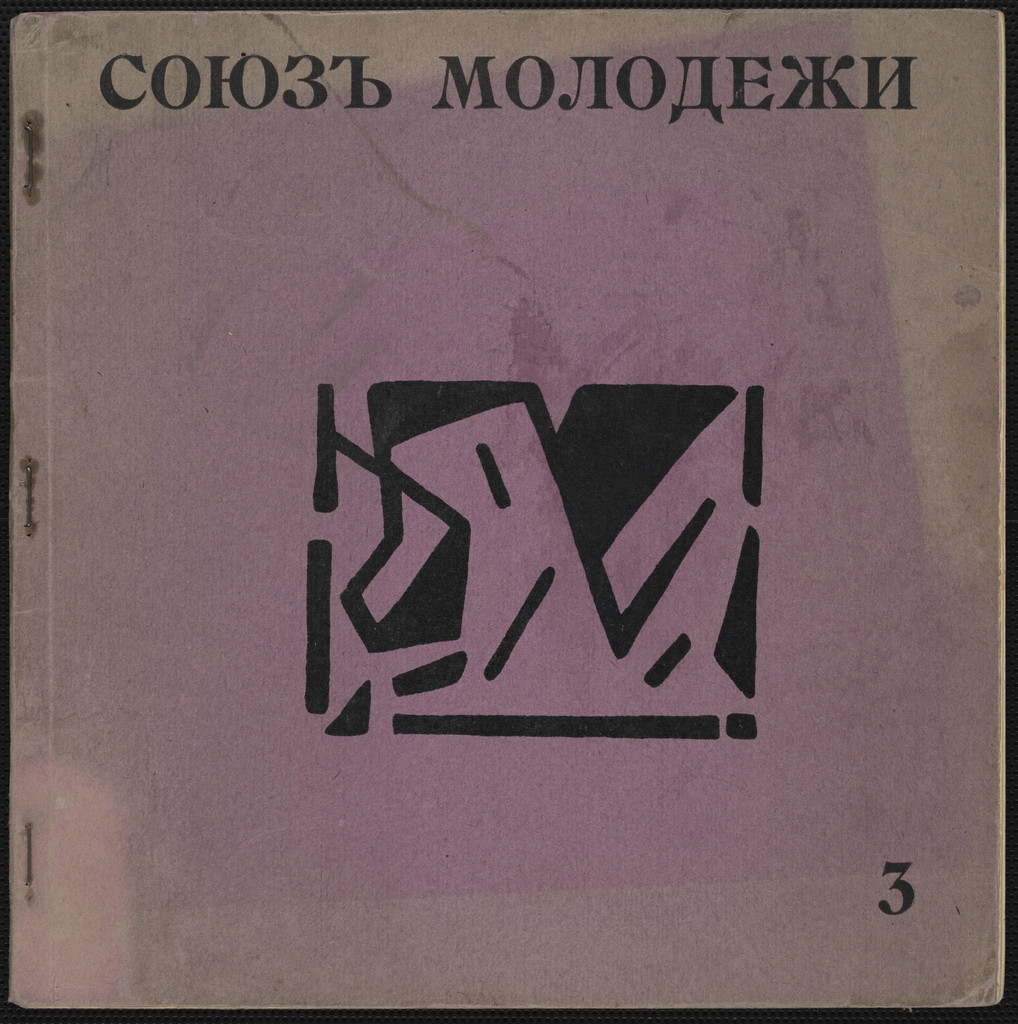
"Soiuz molodezhi" pri uchastii poetov "Gileia", no. 3 (Th...
Olga Rozanova
1913
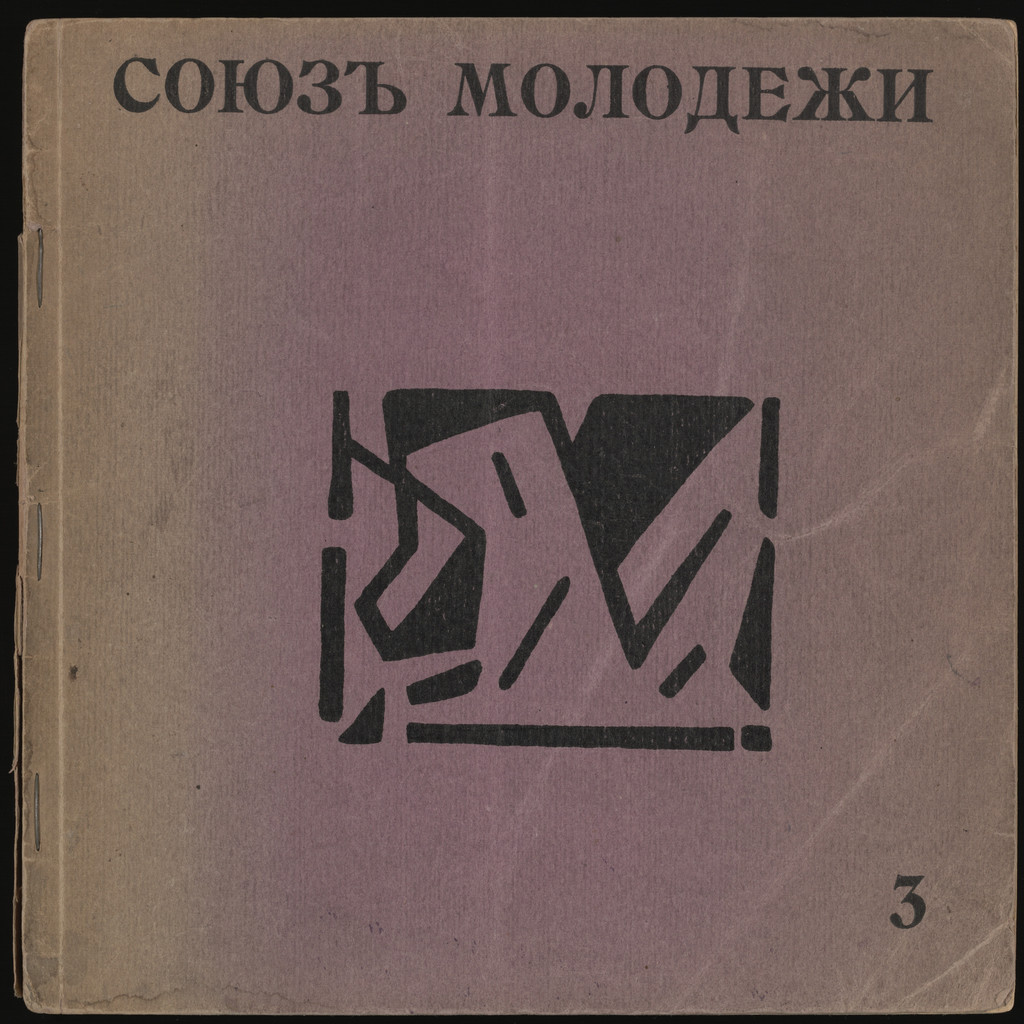
"Soiuz molodezhi" priuchastii poetov "Gileia", no. 3 (The...
Olga Rozanova
1913
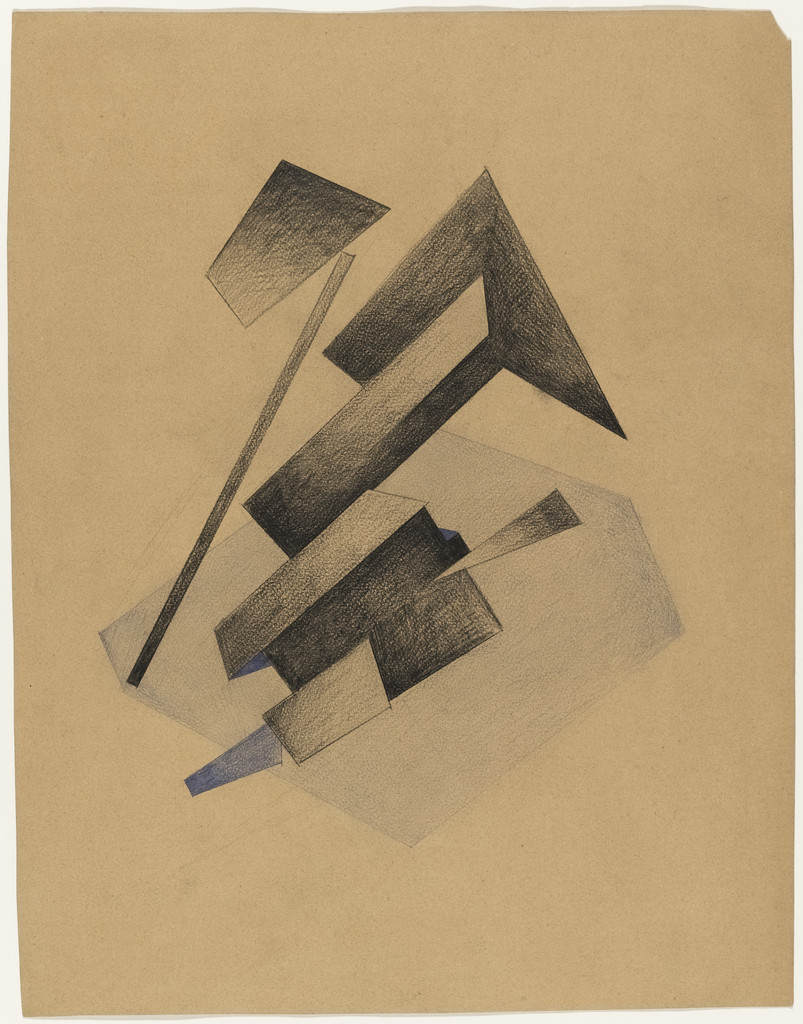
Abstract Composition
Olga Rozanova
1916
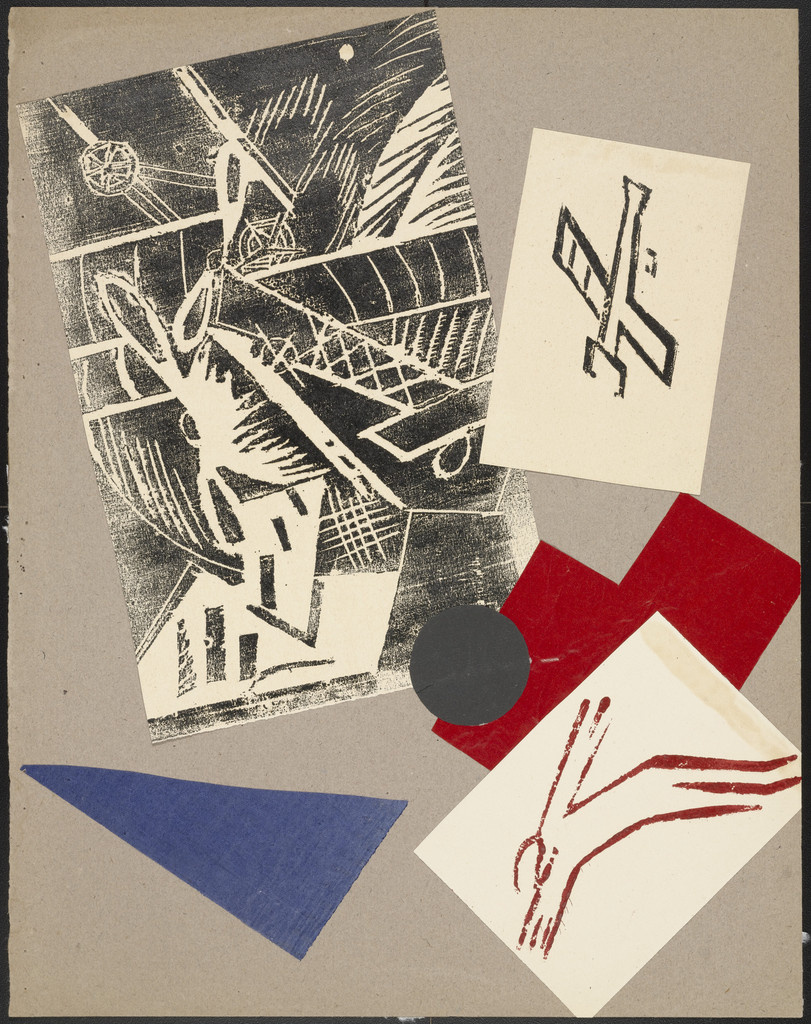
Aeroplany nad gorodom (Airplanes over the City) from Voin...
Olga Rozanova
1915, published 1916
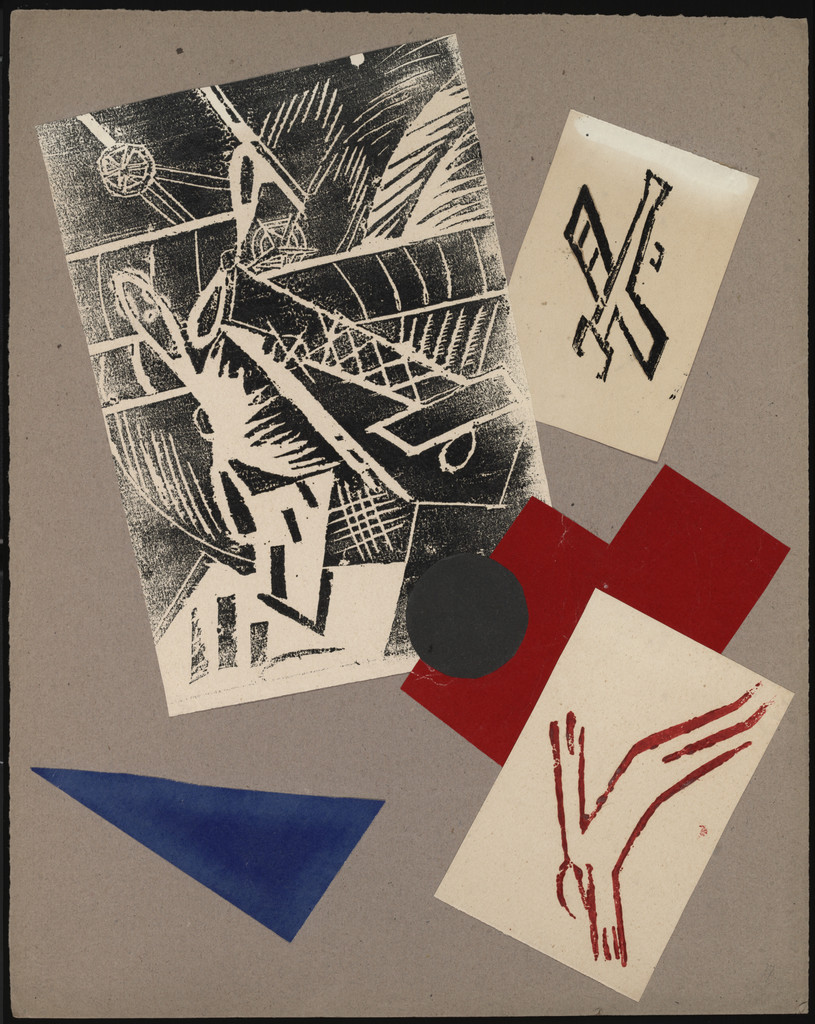
Aeroplany nad gorodom (Airplanes over the City) from Voin...
Olga Rozanova
1915, published 1916
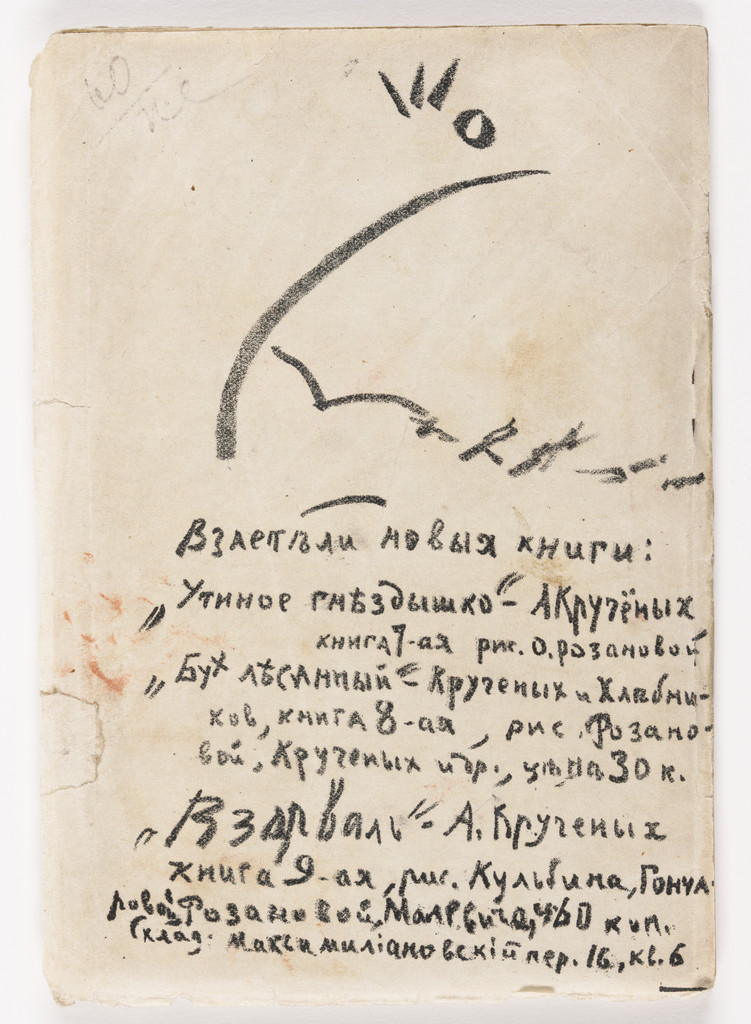
Back cover from Vzorval' (Explodity)
Natalia Goncharova
1913
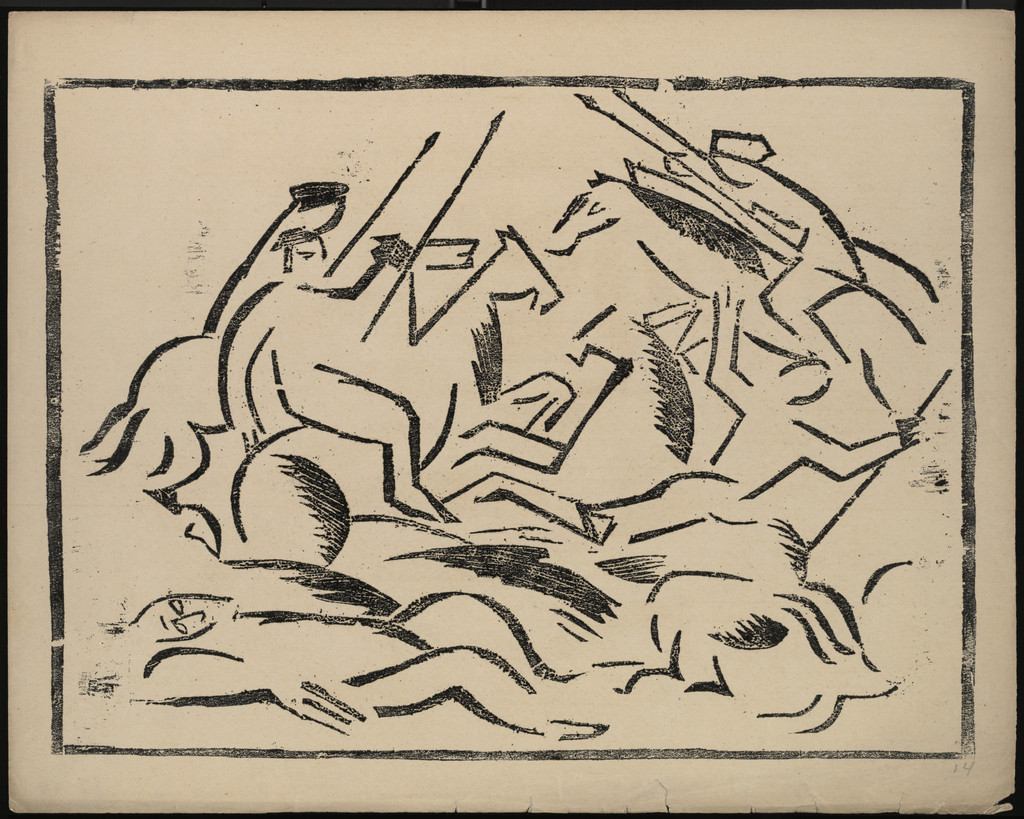
Bitva (Battle) from Voina (War)
Olga Rozanova
1915, published 1916
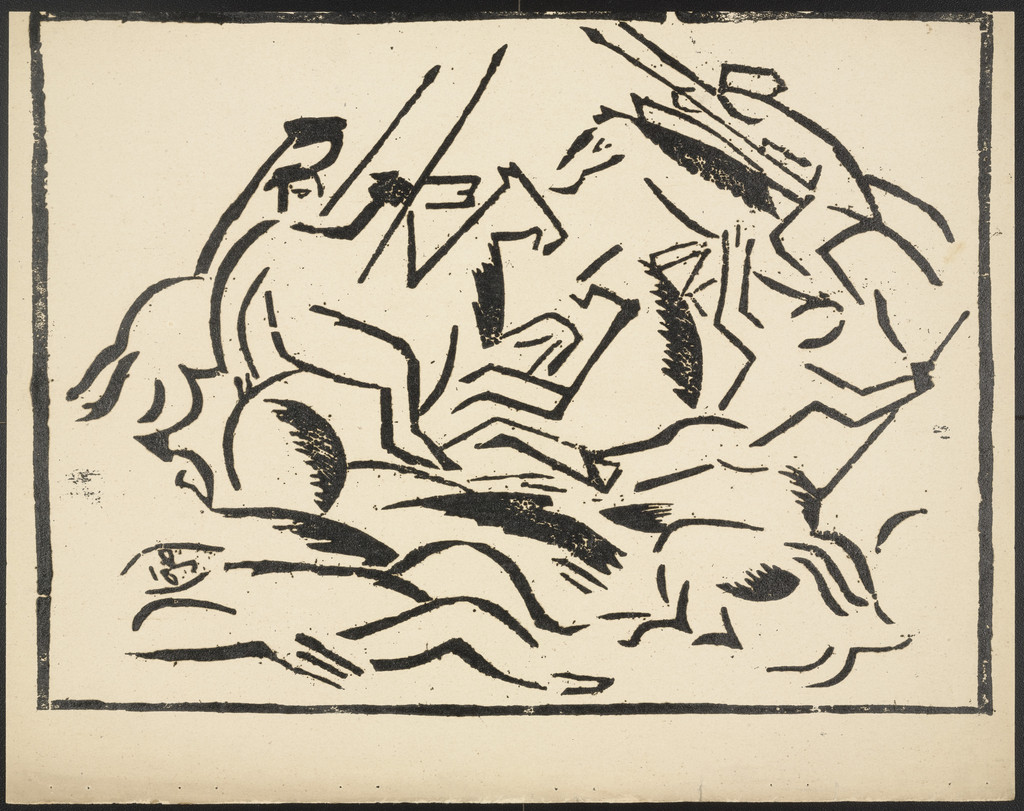
Bitva (Battle) from Voina (War)
Olga Rozanova
1915, published 1916
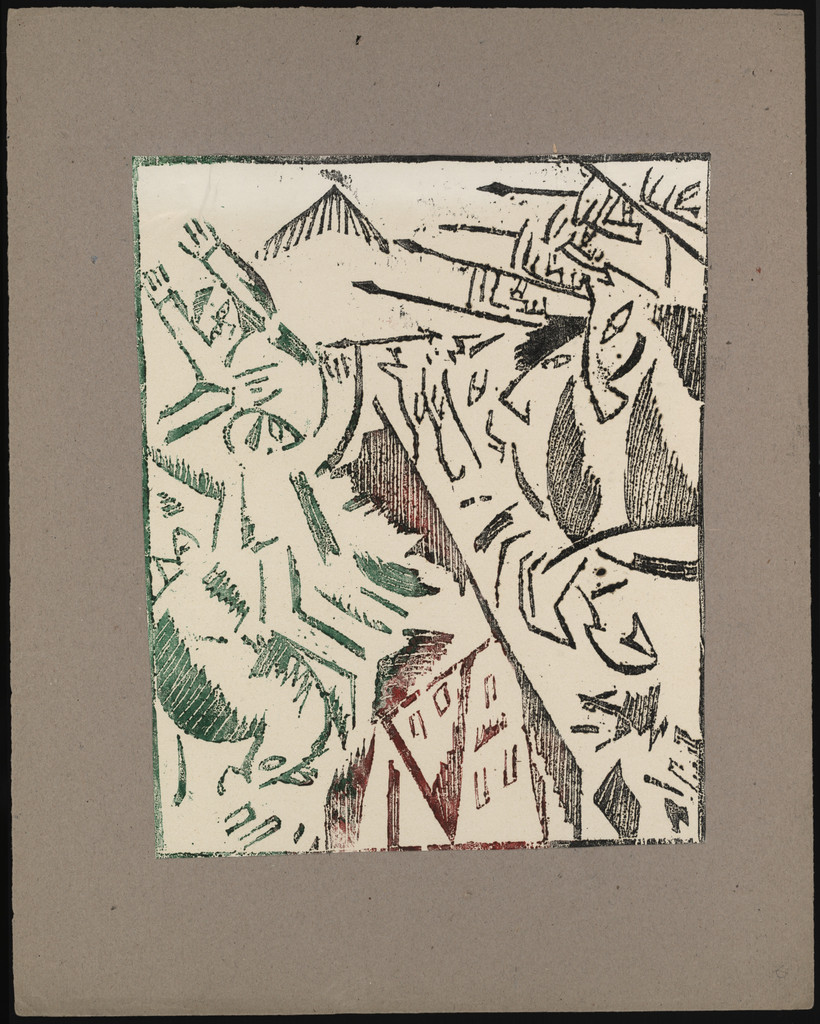
Bitva v gorod (Combat in the City) from Voina (War)
Olga Rozanova
1915, published 1916
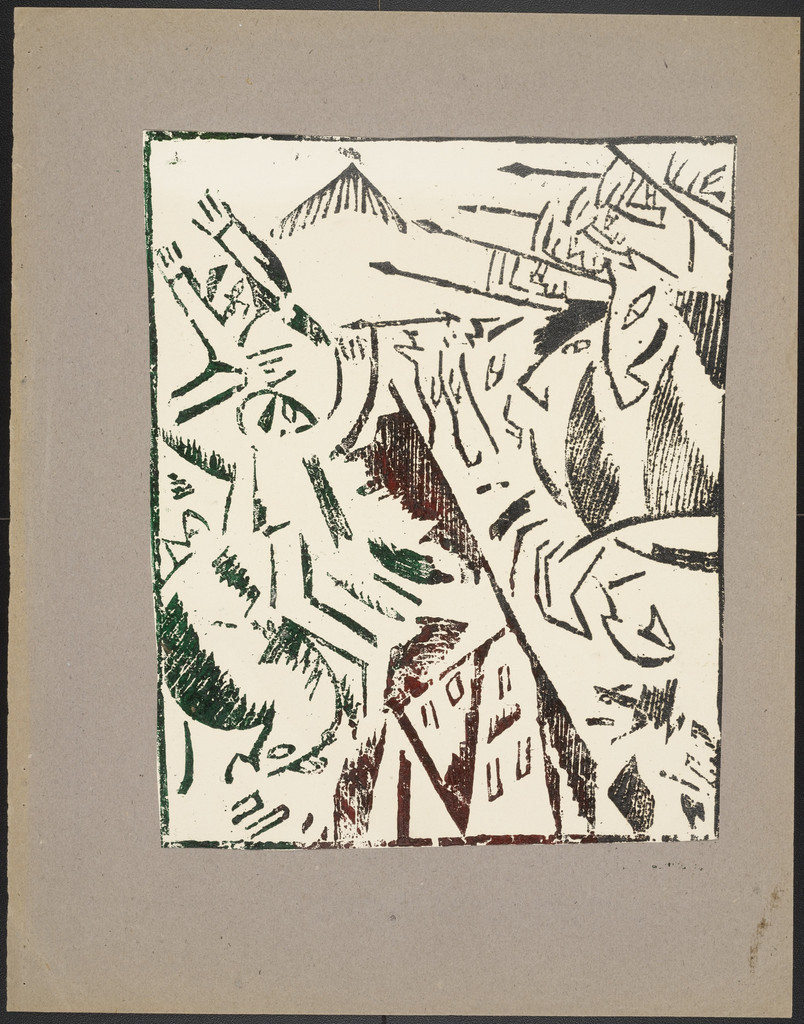
Bitva v gorod (Combat in the City) from Voina (War)
Olga Rozanova
1915, published 1916
![Bitva v trekh sferakh (na sush, na mor i v vozdukh) (Battle in Three Spheres [Land, Sea, and Air]) from Voina (War)](https://www.moma.org/media/W1siZiIsIjE5Mjg0MCJdLFsicCIsImNvbnZlcnQiLCItcmVzaXplIDEwMjR4MTAyNFx1MDAzZSJdXQ.jpg?sha=aa1db28adc97a2c3)
Bitva v trekh sferakh (na sush, na mor i v vozdukh) (Batt...
Olga Rozanova
1915, published 1916
![Bitva v trekh sferakh (na sush, na mor i v vozdukh) (Battle in Three Spheres [Land, Sea, and Air]) from Voina (War)](https://www.moma.org/media/W1siZiIsIjIxMTE5MyJdLFsicCIsImNvbnZlcnQiLCItcmVzaXplIDEwMjR4MTAyNFx1MDAzZSJdXQ.jpg?sha=a8db28f6107db35a)
Bitva v trekh sferakh (na sush, na mor i v vozdukh) (Batt...
Olga Rozanova
1915, published 1916
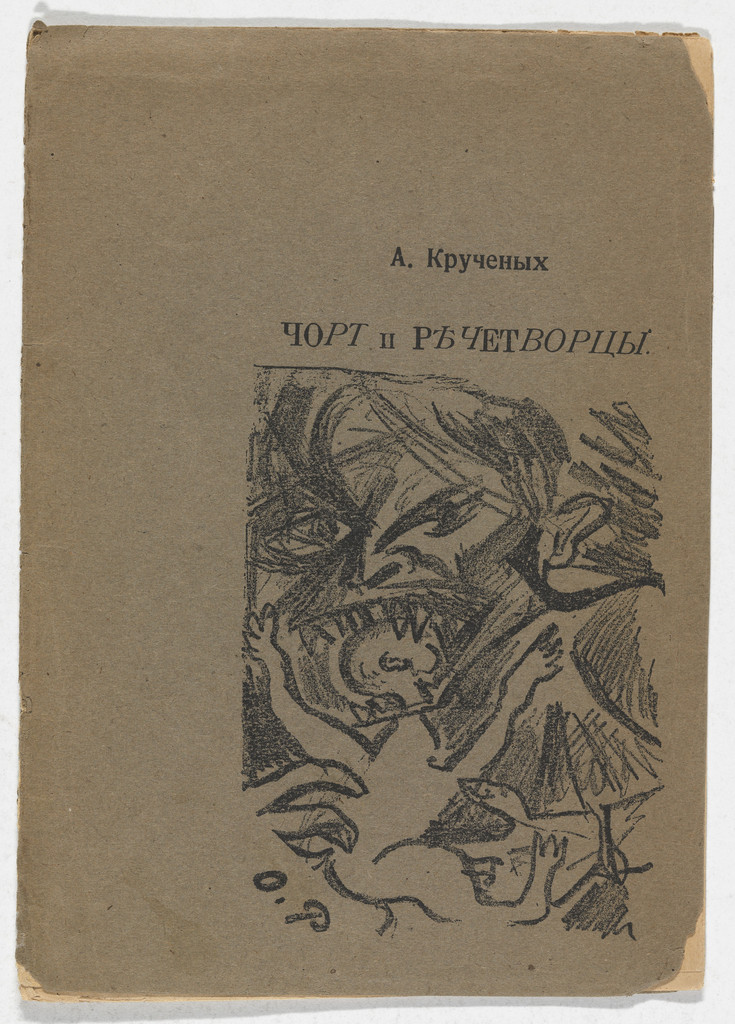
Chort i rechetvortsy (The Devil and the Speechmakers)
Olga Rozanova
1913
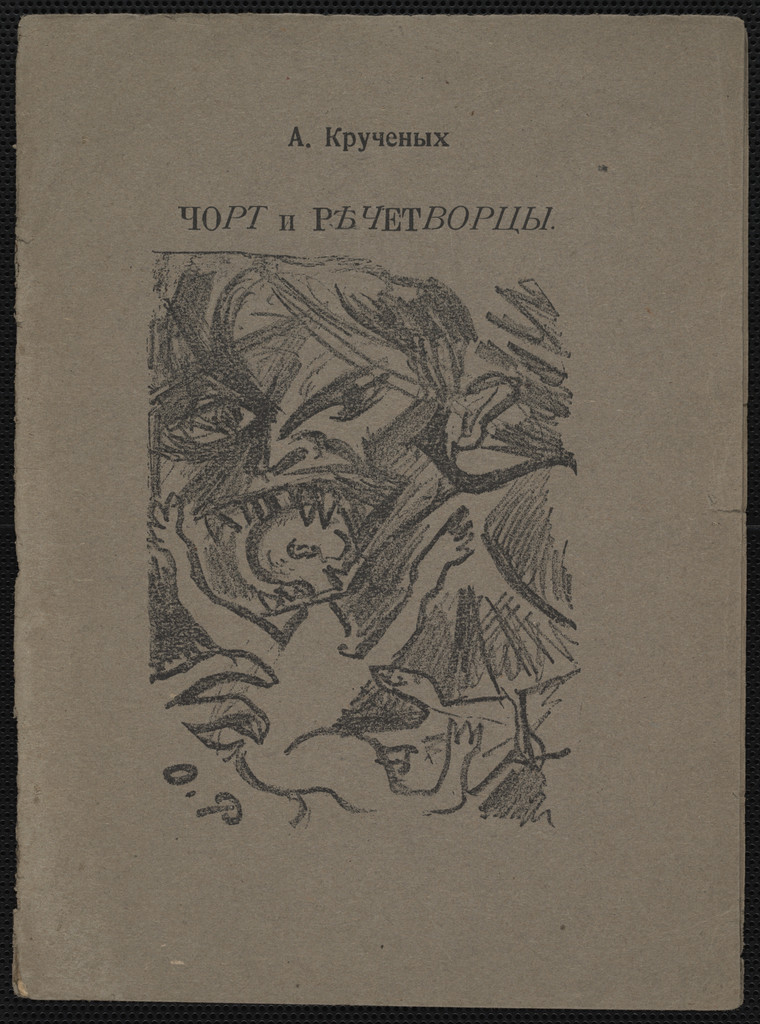
Chort i rechetvortsy (The Devil and the Speechmakers)
Olga Rozanova
1913
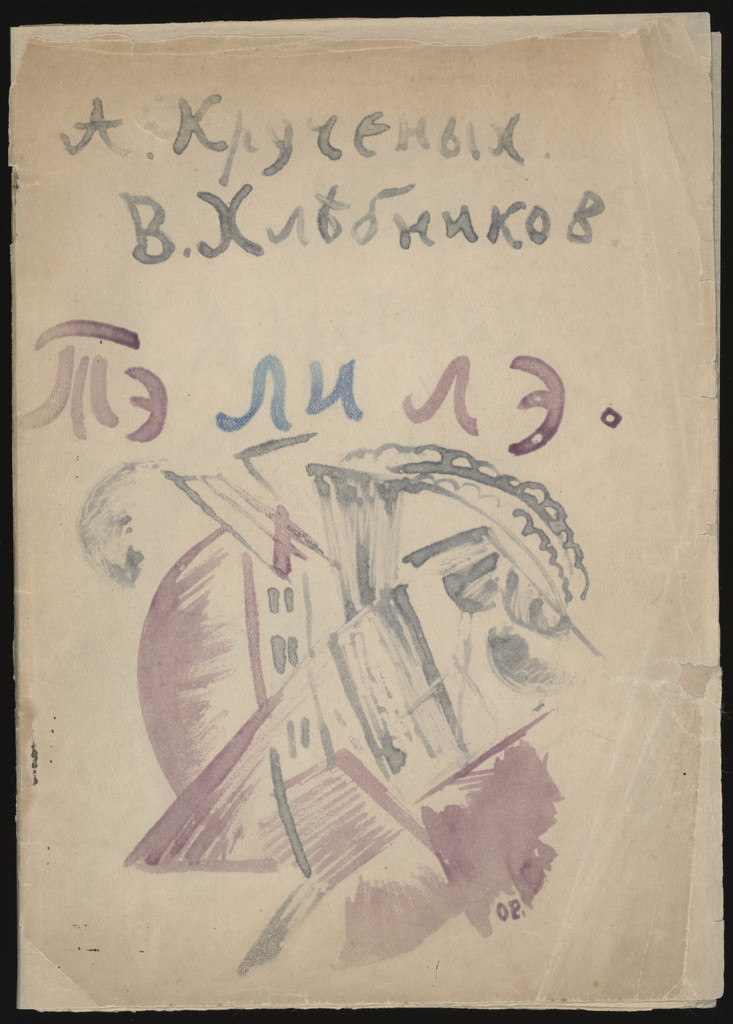
Cover from Te li le
Olga Rozanova
1914
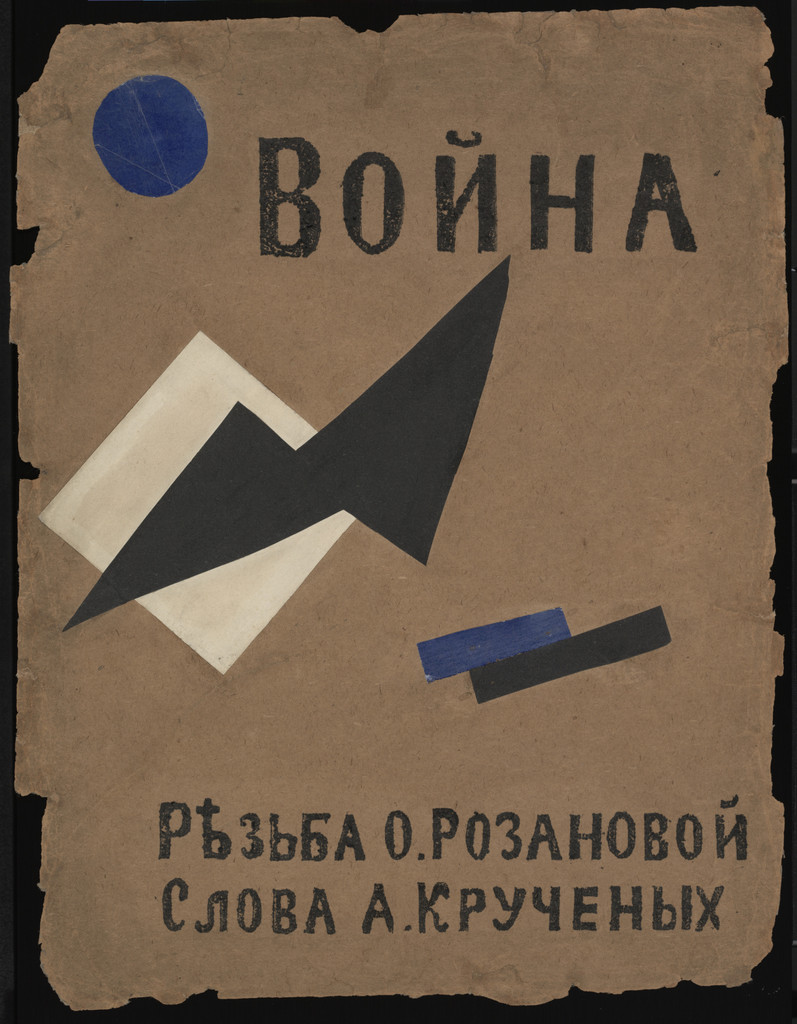
Cover from Voina (War)
Olga Rozanova
1915, published 1916
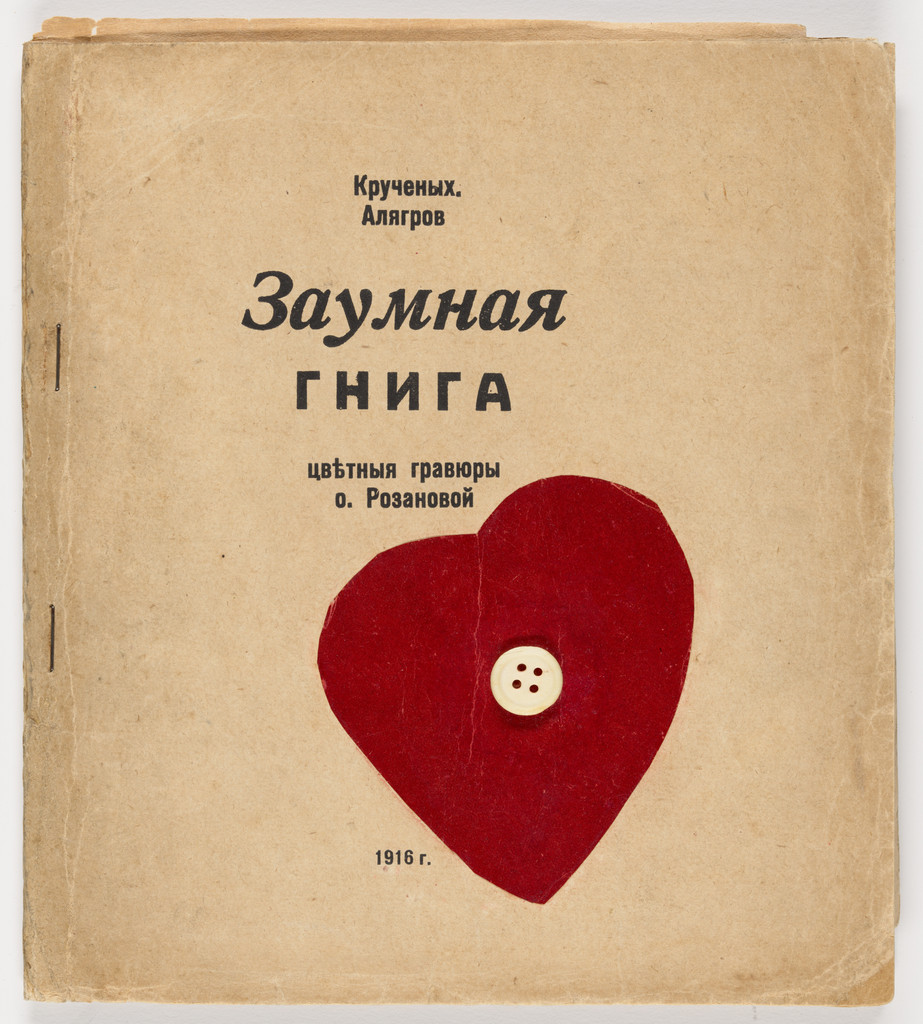
Cover from Zaumnaia gniga (Transrational Boog)
Olga Rozanova
1915
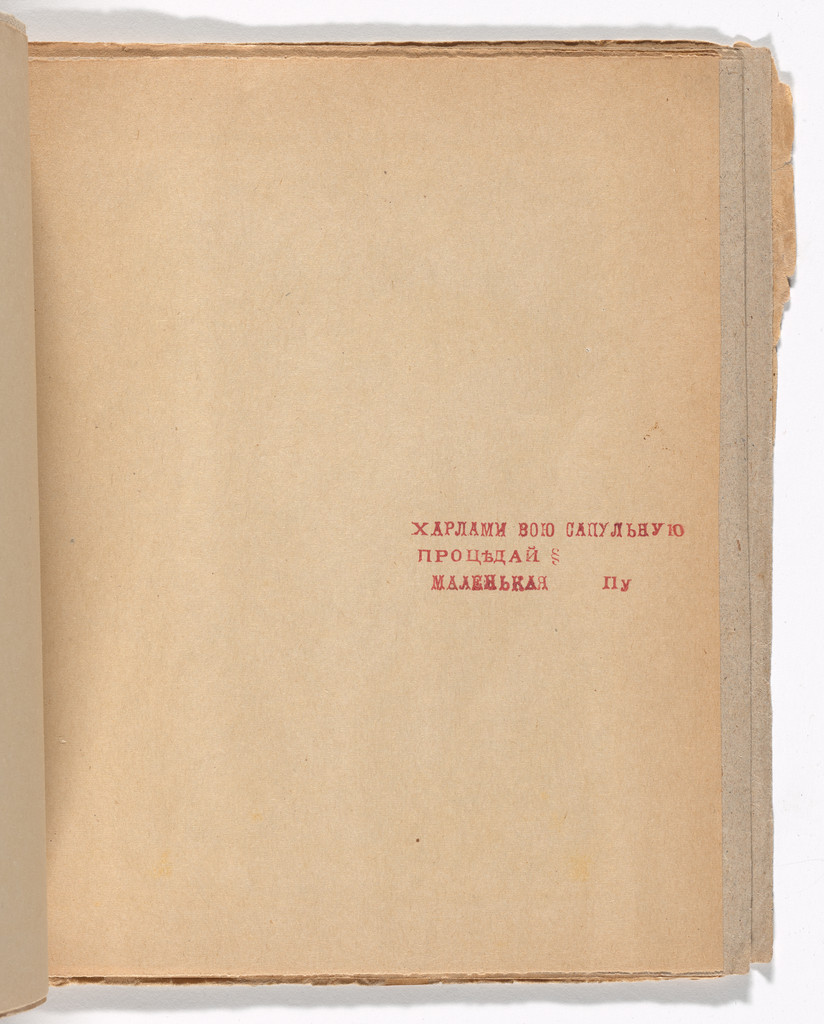
Cover from Zaumnaia gniga (Transrational Boog)
Olga Rozanova
1915
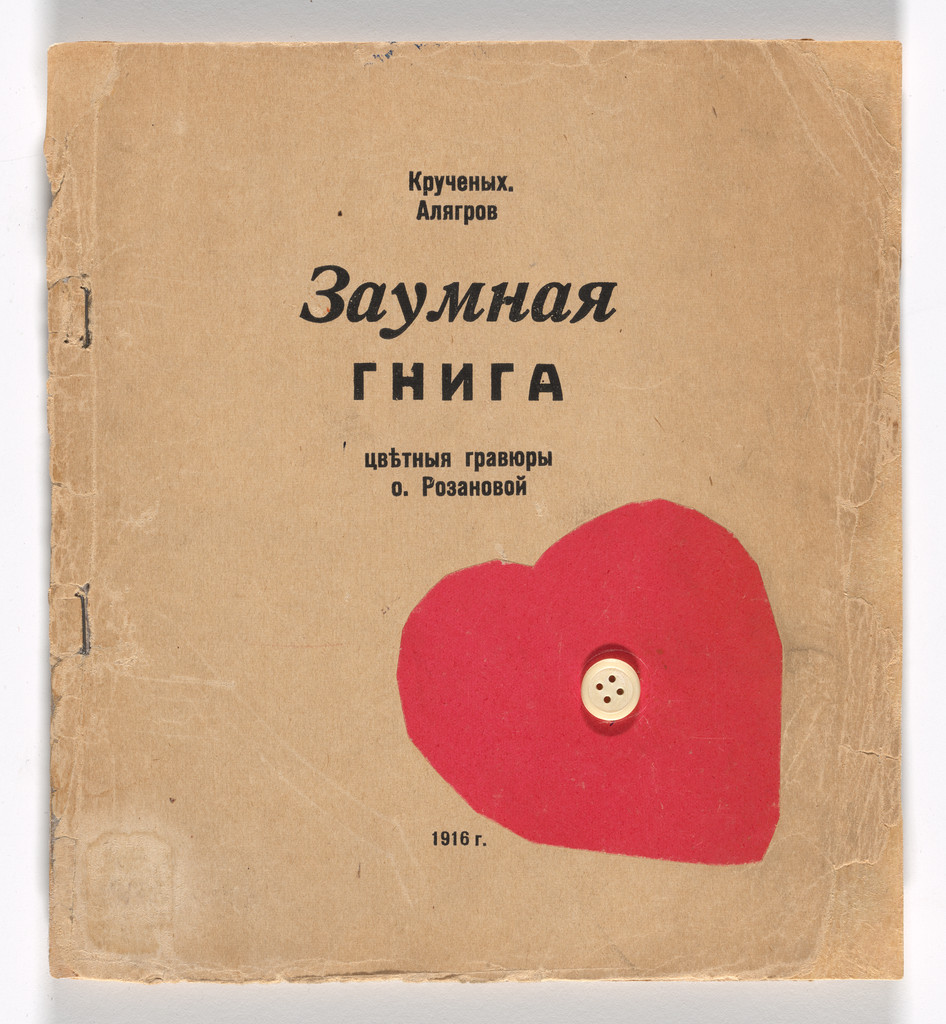
Cover from Zaumnaia gniga (Transrational Boog)
Olga Rozanova
1915
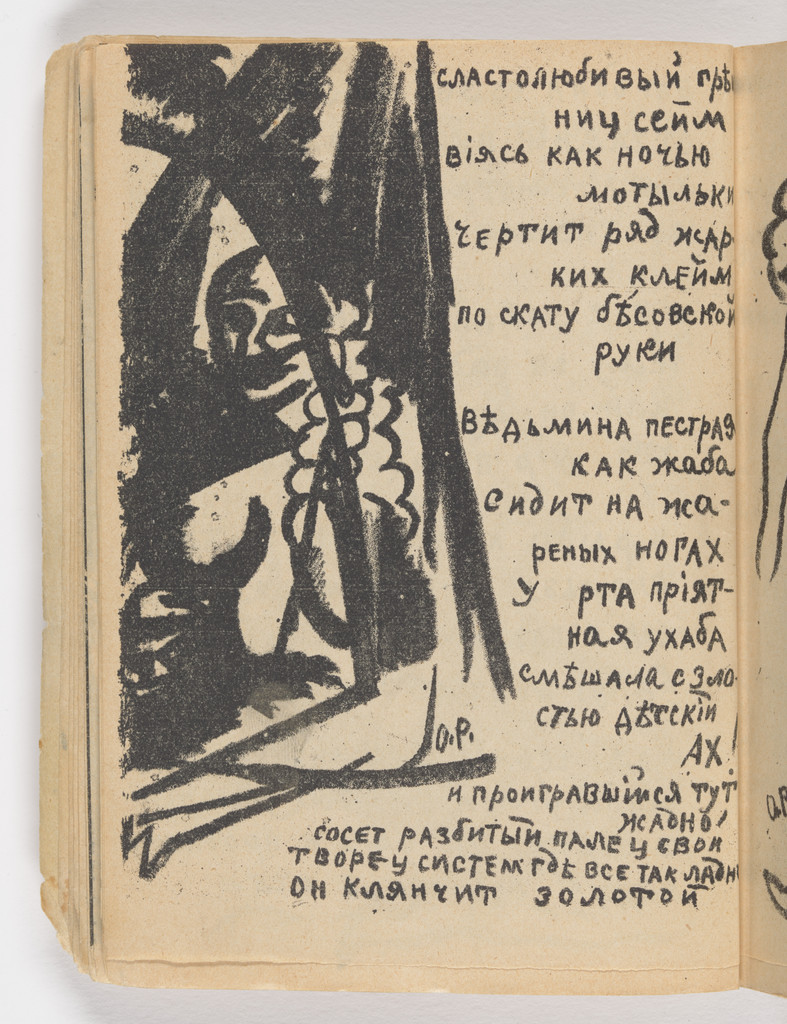
Folio 10 verso from Igra v adu (A Game in Hell)
Olga Rozanova
1913–14, published 1914
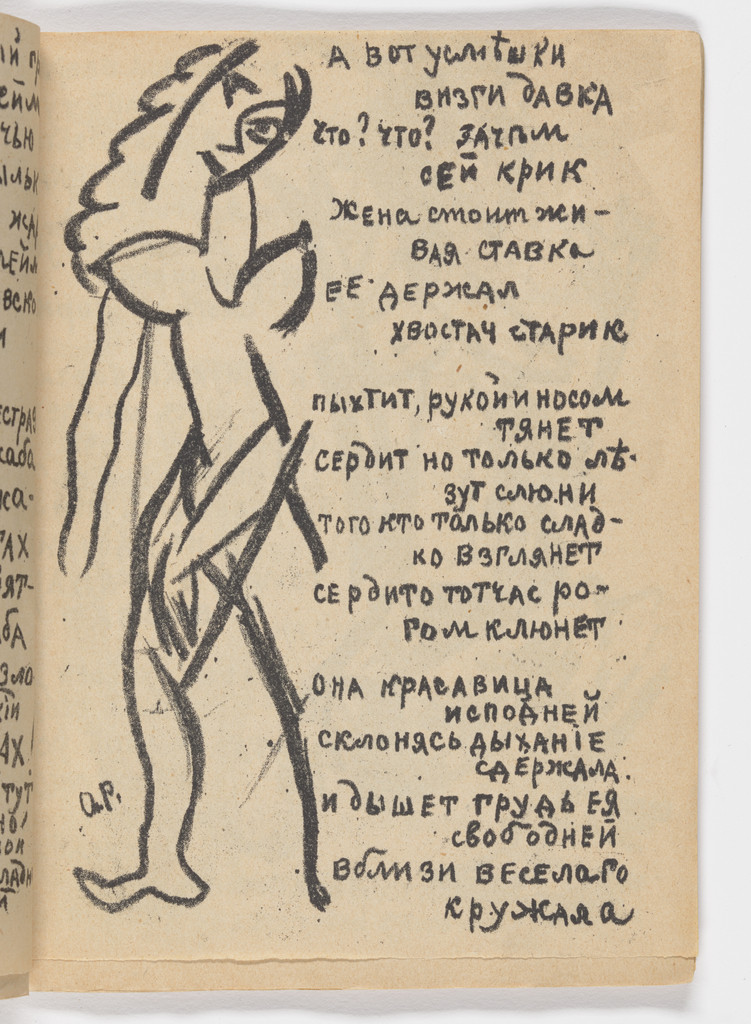
Folio 11 from Igra v adu (A Game in Hell)
Olga Rozanova
1913–14, published 1914
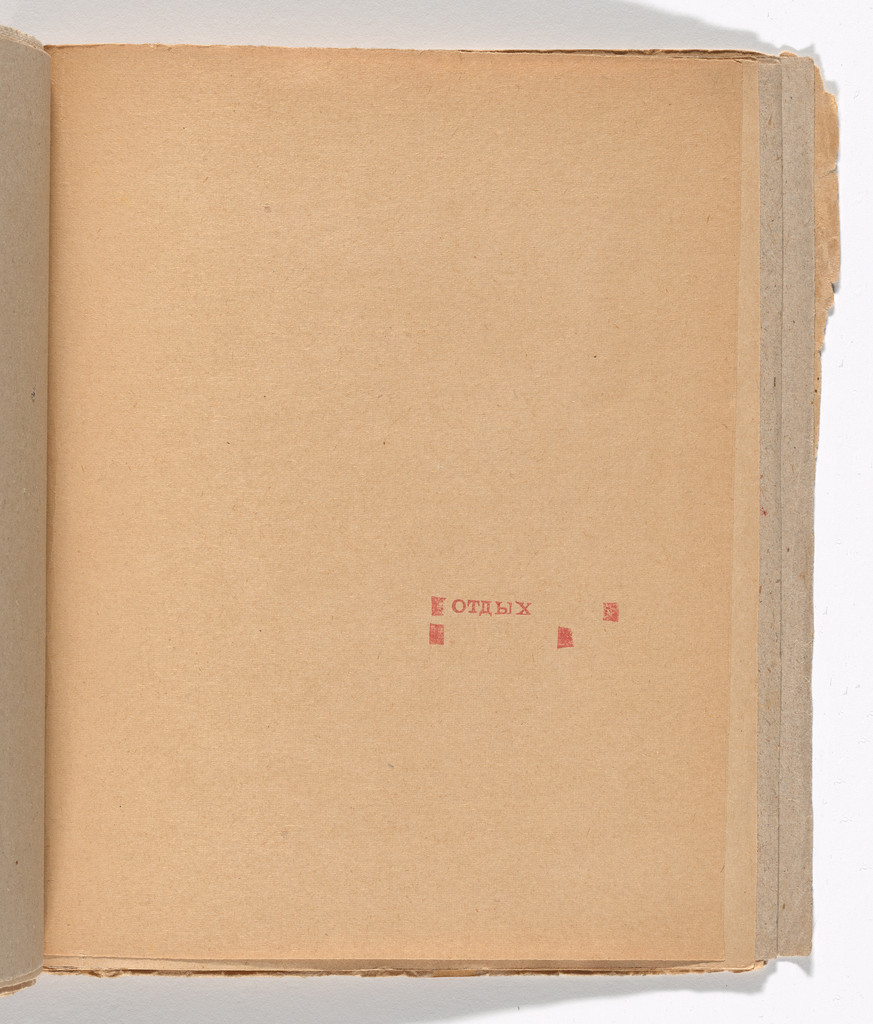
Folio 12 from Zaumnaia gniga (Transrational Boog)
Olga Rozanova
1915
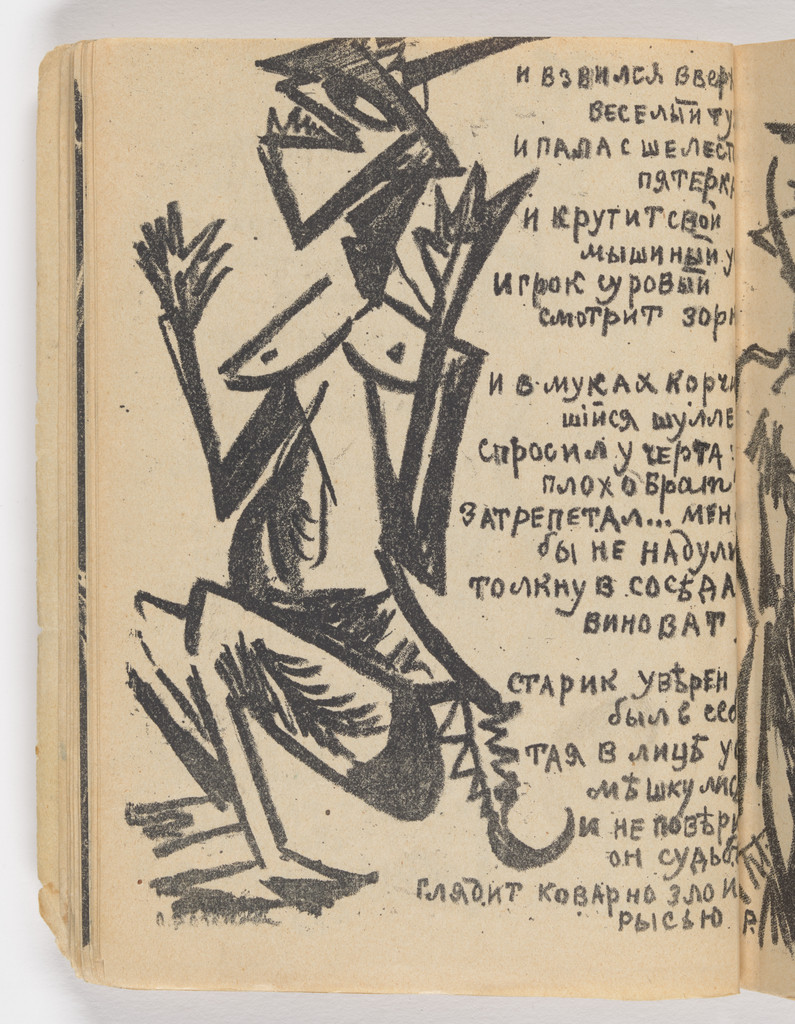
Folio 12 verso from Igra v adu (A Game in Hell)
Olga Rozanova
1913–14, published 1914
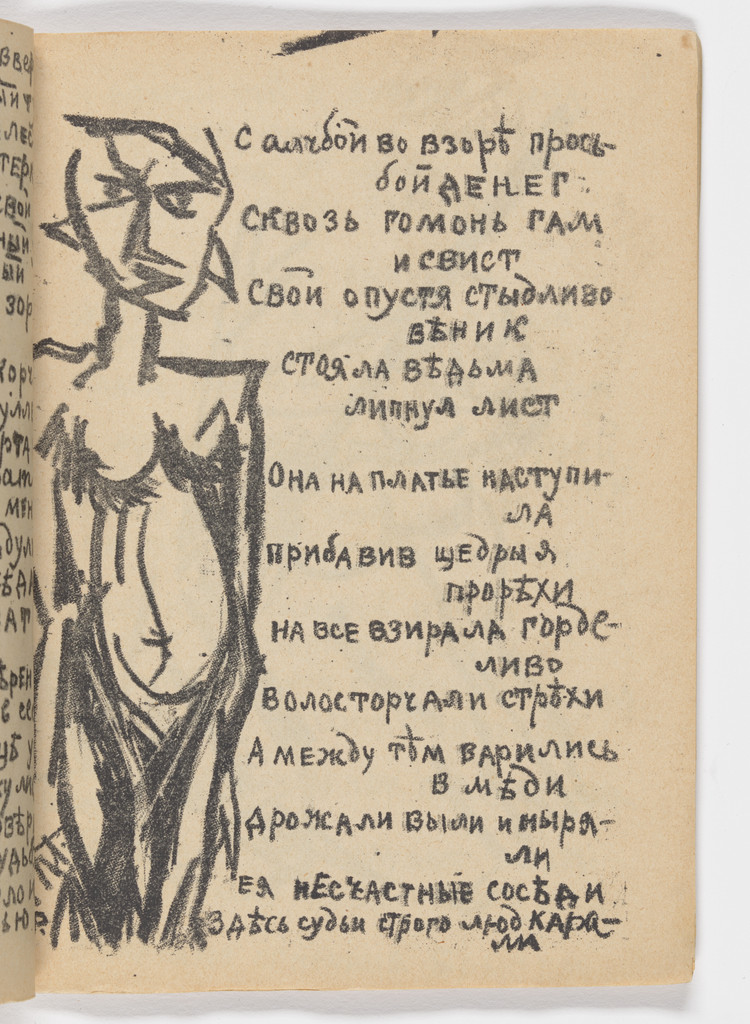
Folio 13 from Igra v adu (A Game in Hell)
Olga Rozanova
1913–14, published 1914
Exhibitions
6 exhibitionsOct 12, 1978 – Jan 02, 1979
Revolution: Russian Avant-Garde, 19121930
29 artists · 1 curator
Oct 15, 1981 – Jan 03, 1982
Prints: Acquisitions 19771981
74 artists · 1 curator
Oct 02, 1985 – Jan 07, 1986
Contrasts of Form: Geometric Abstract Art, 19101980
107 artists · 2 curators
Jan 24, 1987 – Jun 14, 1987
Drawings Acquisitions
65 artists · 1 curator
Oct 24, 1987 – Mar 01, 1988
European Drawing Between the Wars
59 artists · 1 curator
Nov 03, 1988 – Feb 28, 1989
Collage: Selections from the Permanent Collection
42 artists · 2 curators