
“I wanted to produce actual objects, a total material environment in which the living human material was to act.” — Varvara Stepanova
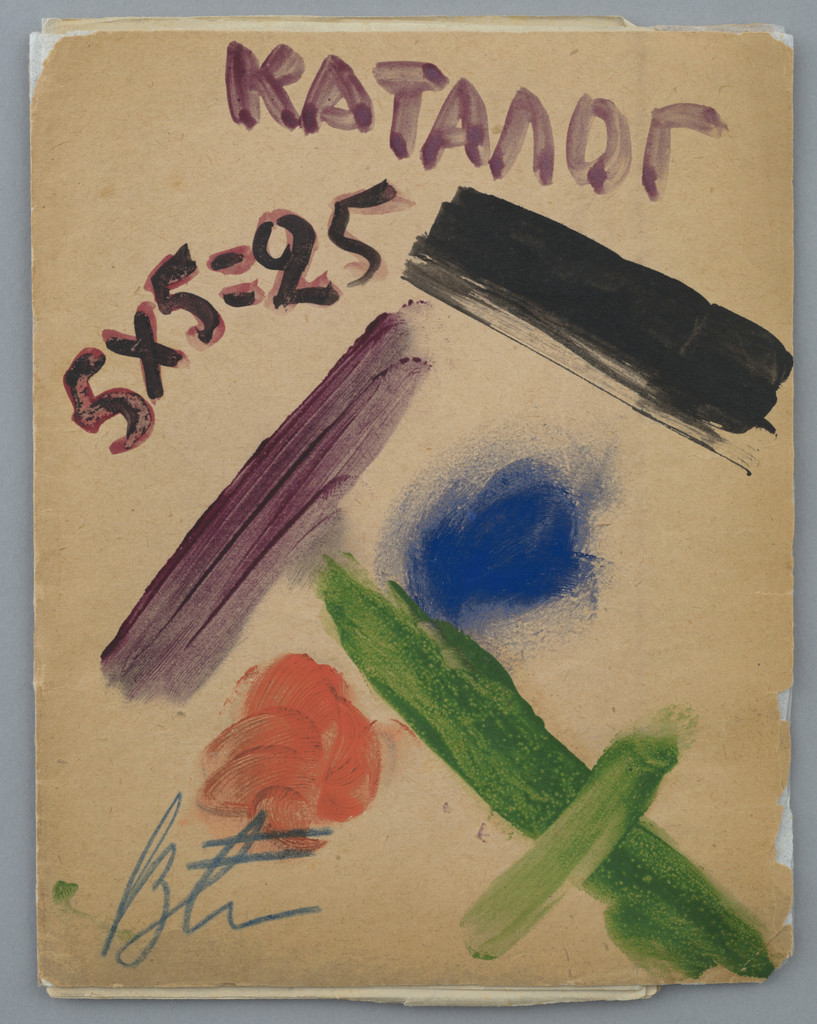
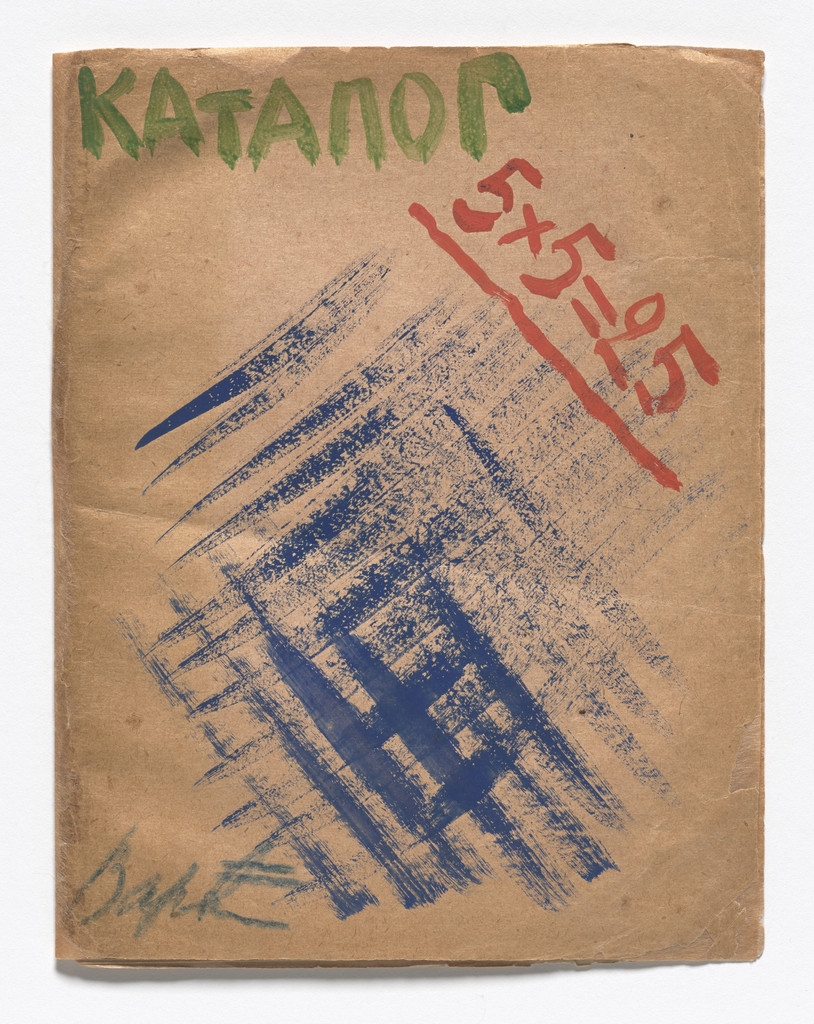
The collapse of the Russian Empire and the advent of the Soviet regime brought about fundamental changes in all areas of culture, and the visual arts were no exception. The revolution, many avant-garde artists argued, called for a more direct engagement with the social world. Varvara Stepanova, who stood at the forefront of these changes along with her husband Aleksandr Rodchenko, had this to say about the new art necessitated by the new regime: “Constructivism”—the name that Stepanova and her fellow travelers gave to the new art—“is movement away from representation and contemplation toward activity and production. Stepanova was born in Kaunas, Lithuania, to a Russian family. After training at the Kazan Art School, she left for Moscow, where she became fascinated with avant-garde poetry. In the wake of the Revolution she worked in close association with such Futurists as Aleksei Kruchenykh, whose book Gly-Gly she illustrated with abstract collages in 1919. Between 1919 and 1920, she was assistant director of the art and literature section of IZO Narkompros, a government agency charged with the enlightenment of the people through culture. It is in this context that she contributed to the initial discussions about Constructivism. In 1921, she organized the landmark exhibition 5 × 5 = 25 with Liubov Popova, Aleksandr Rodchenko, Aleksandr Vesnin, and Aleksandra Ekster, with each of the five artists offering five works. Her contribution to the exhibition catalogue declared the end of painting and the firm establishment of “construction” as the new artistic ideal. Stepanova designed posters, books, magazines, and clothes. She was also an influential teacher. Frustrated with the emphasis that Vasily Kandinsky’s INKhUK (Institute of Artistic Culture) placed on “emotion” and “spiritual necessity”—principles she found to be too subjective—Stepanova stressed the ease with which educators should be able to “characterize and express” artistic concepts “in words.” This devotion to clear communication became the basis of VKhUTEMAS (Higher State Artistic and Technical Workshops), where she led the textile department. If she took pride in her formalism, a materialist position that she opposed to Kandinsky’s subjectivism, she would be criticized for the same formalism when Joseph Stalin’s rise to power brought with it a skepticism toward avant-garde experimentation and innovation. The institution of Socialist Realism in 1932 subordinated form to content. Stepanova’s cover design for Results of the First Five-Year Plan, Fulfilled in Four, authored by Stalin himself and published in 1933, reveals an artist using the tools of modern media design in the service of the regime. The correspondence between the rolled-up map and the industrial chimneys served to reinforce the book’s propagandistic message—that is, the message that the whole of Soviet industry was in the hands of one man. In 1938, Stepanova undertook the illustration of the book Pervaia konnaia, which was published by OGIZ, a state-run publishing house. She died in Moscow in 1958, two years after her husband.
Note: Opening quote is from Randle, Chris. “Varvara Stepanova’s Socialist Fashion,” Tribune, May 5, 2021. https://tribunemag.co.uk/2021/05/varvara-stepanovas-socialist-fashion/.
Da Hyung Jeong, Mellon-Marron Museum Research Consortium Fellow, Department of Architecture and Design
The research for this text was supported by a generous grant from The Modern Women's Fund.
Works in Collection
59 works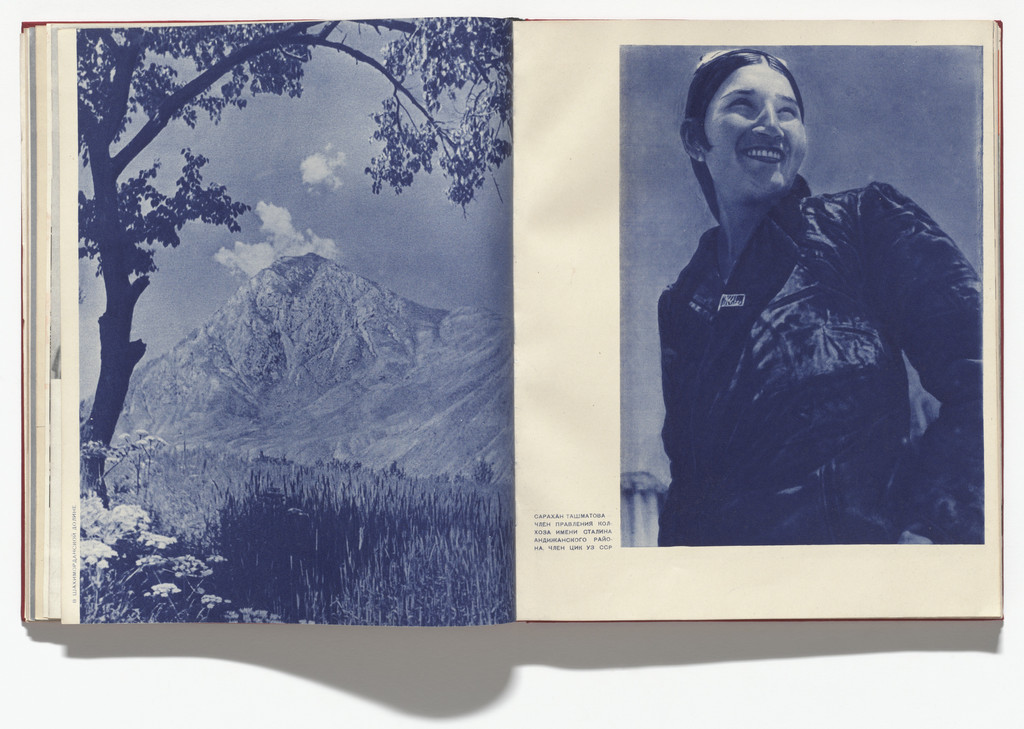
10 let Uzbekistana SSR (Ten Years of Soviet Uzbekistan)
Aleksandr Rodchenko
1934
5 x 5 = 25: Vystavka zhivopisi (5 x 5 = 25: An Exhibition...
Alexandra Exter
1921
5 x 5 = 25: Vystavka zhivopisi (5 x 5 = 25: An Exhibition...
Alexandra Exter
1921
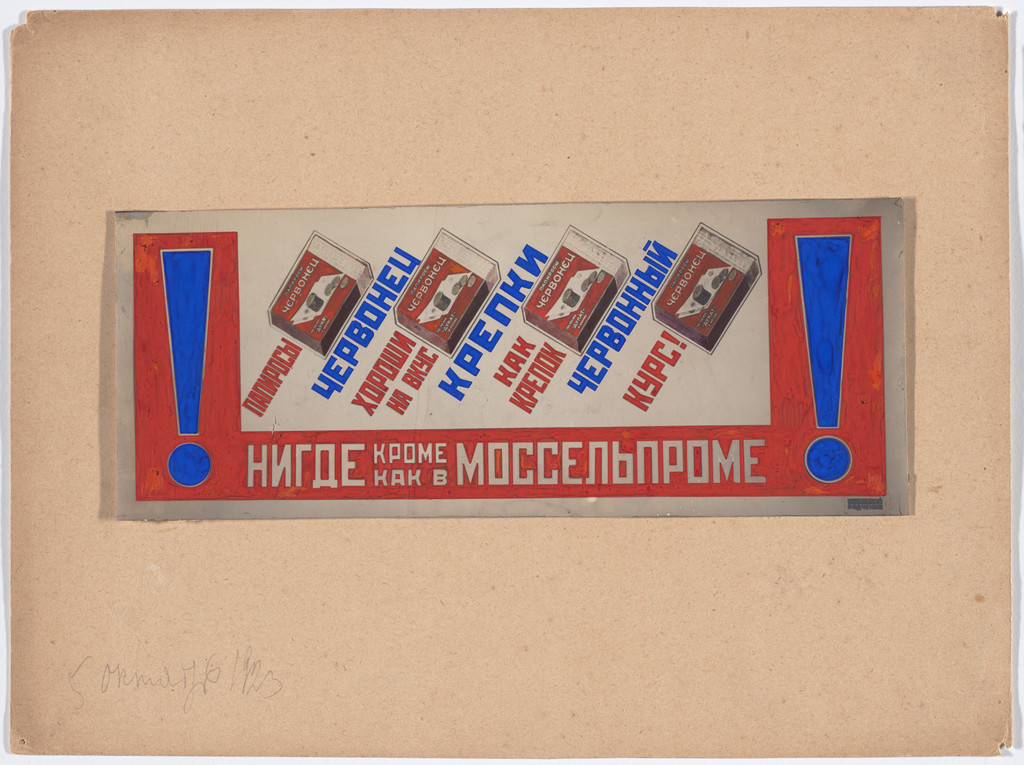
Advertisement for Mossel’prom Chervonets cigarettes
Aleksandr Rodchenko
1923/30
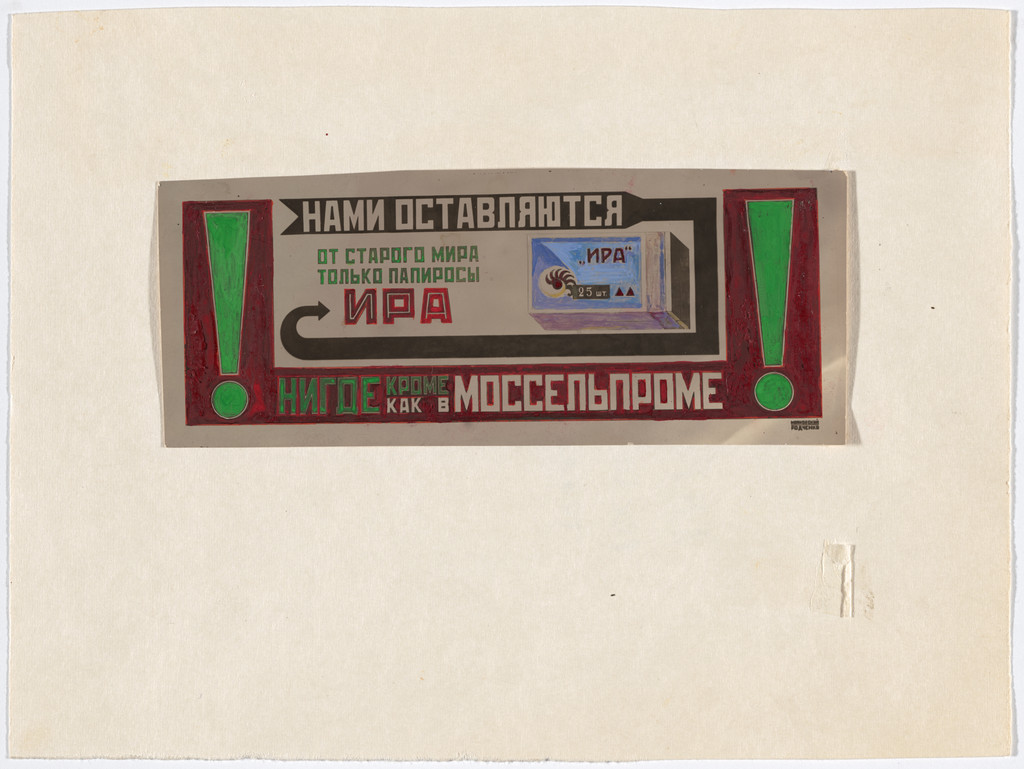
Advertisement for Mossel’prom Ira cigarettes
Aleksandr Rodchenko
1923/30
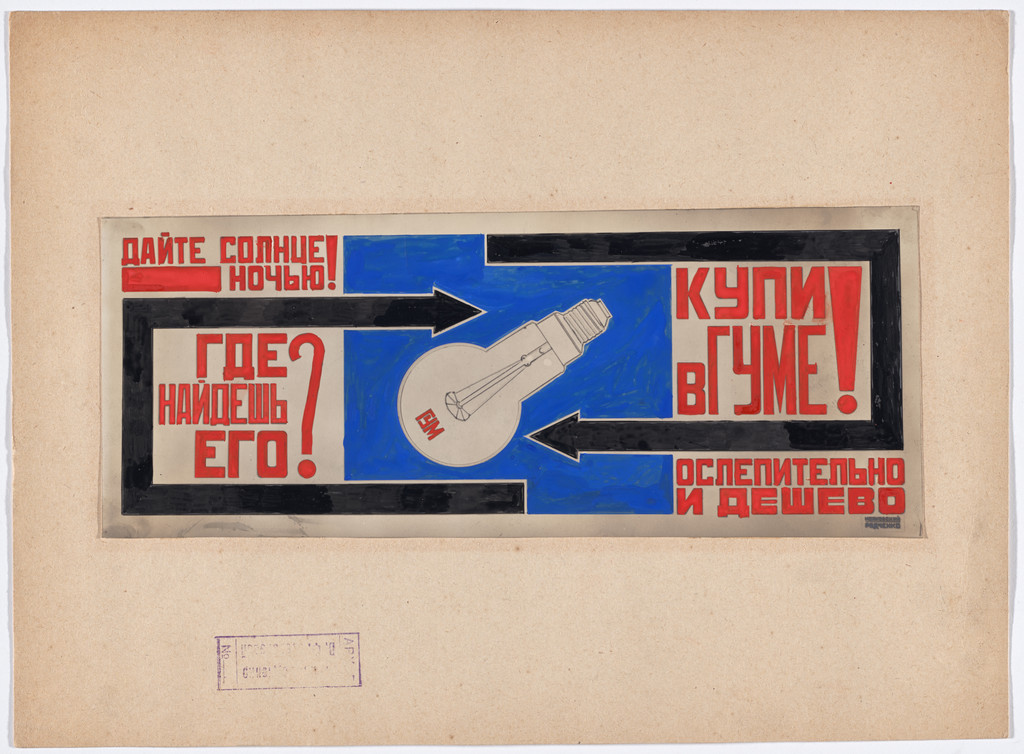
Advertisement for State Department Store (GUM) lightbulbs
Aleksandr Rodchenko
1923/30
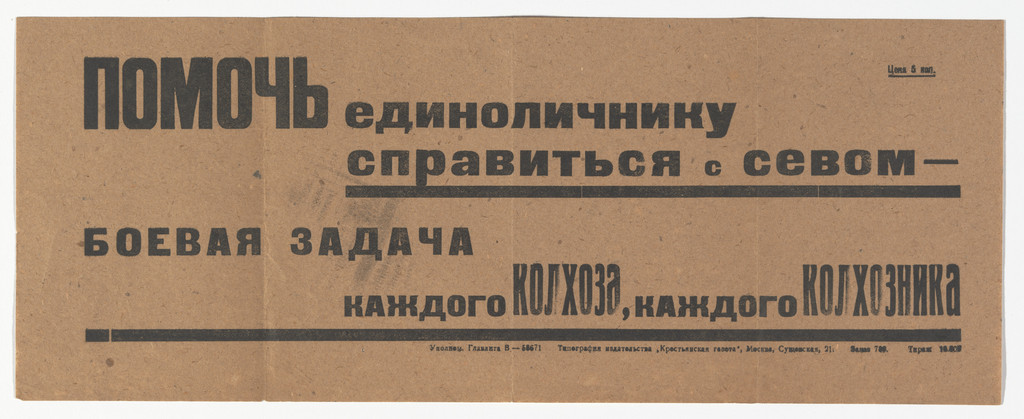
Agit-prop broadside published by Krest’ianskaia gazeta
Varvara Stepanova
1933
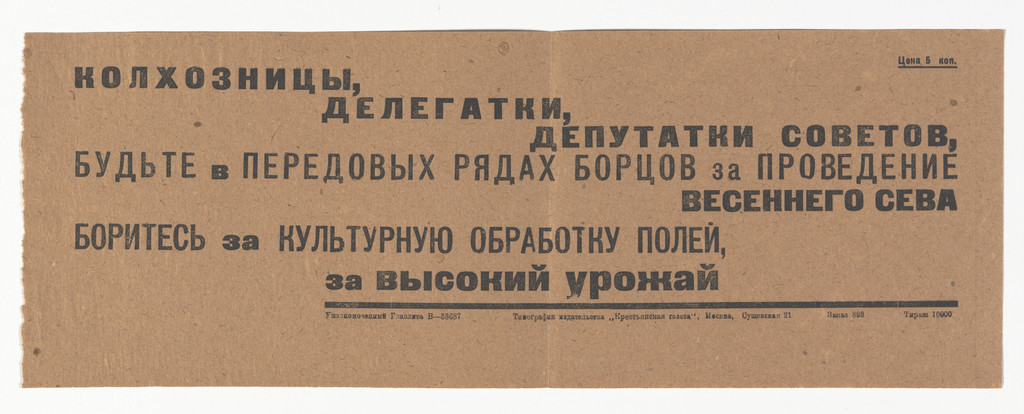
Agit-prop broadside published by Krest’ianskaia gazeta
Varvara Stepanova
1933
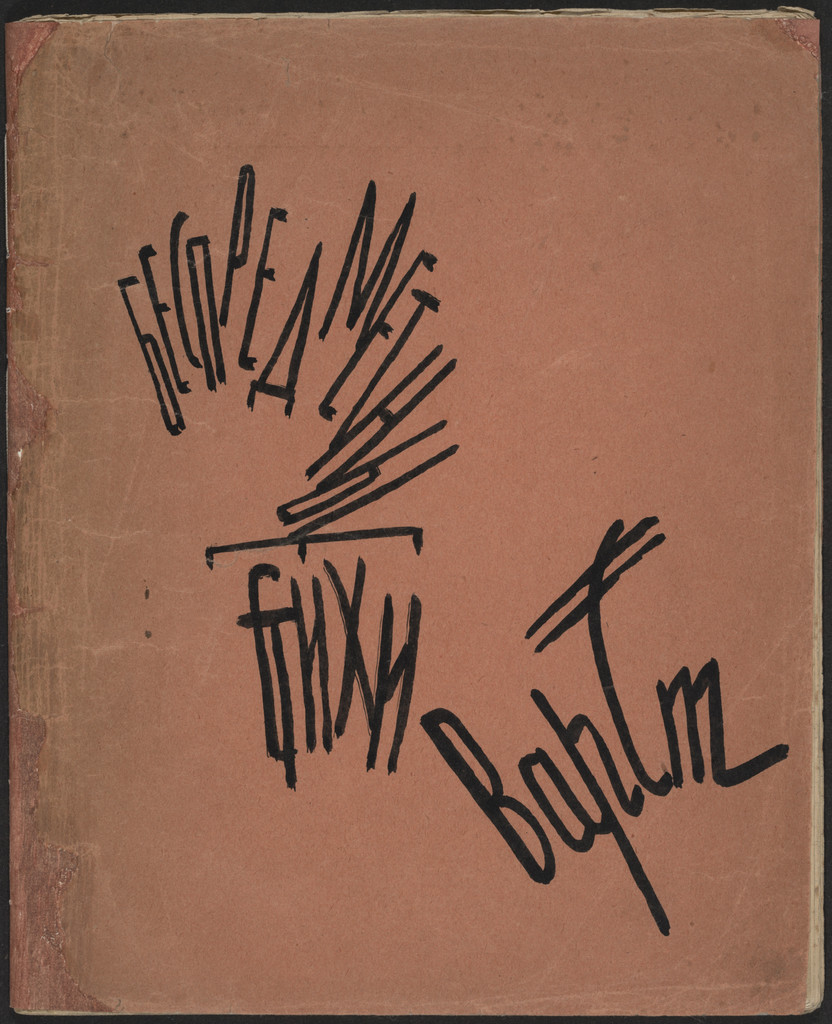
Bespredmetnye stikhi (Abstract Verse)
Varvara Stepanova
1918
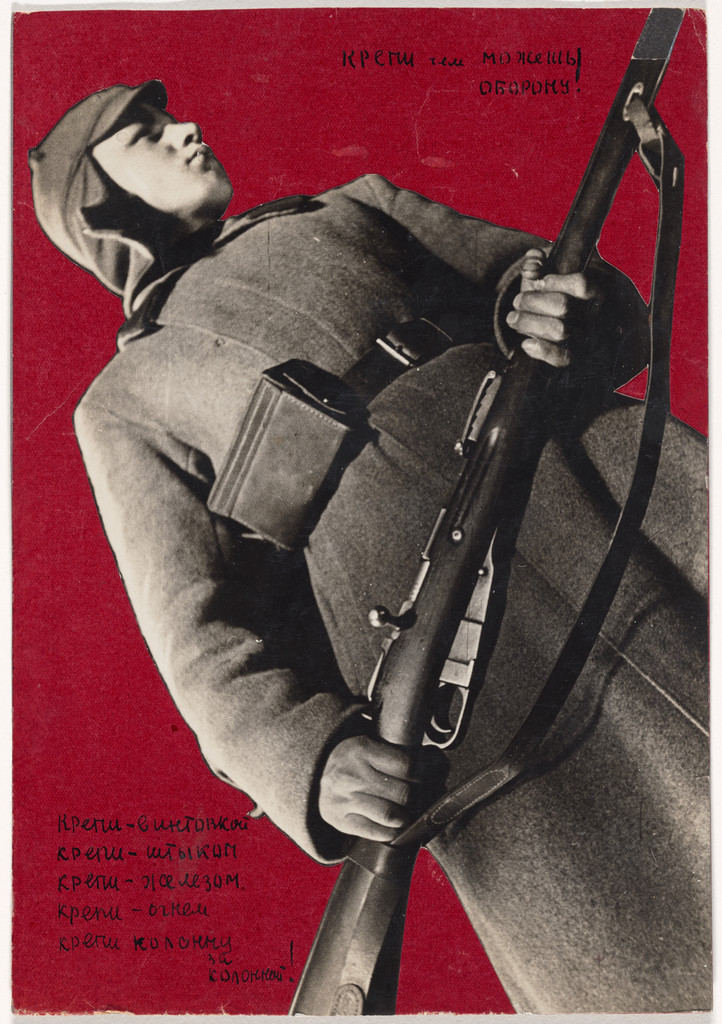
Bolster Our Defense with Whatever You Can! (Krepi chem mo...
Varvara Stepanova
c. 1930
Cover from 5 x 5 = 25: Vystavka zhivopisi (5 x 5 = 25: An...
Varvara Stepanova
1921
Cover of 5 x 5 = 25: Vystavka zhivopisi (5 x 5 = 25: An E...
Varvara Stepanova
1921
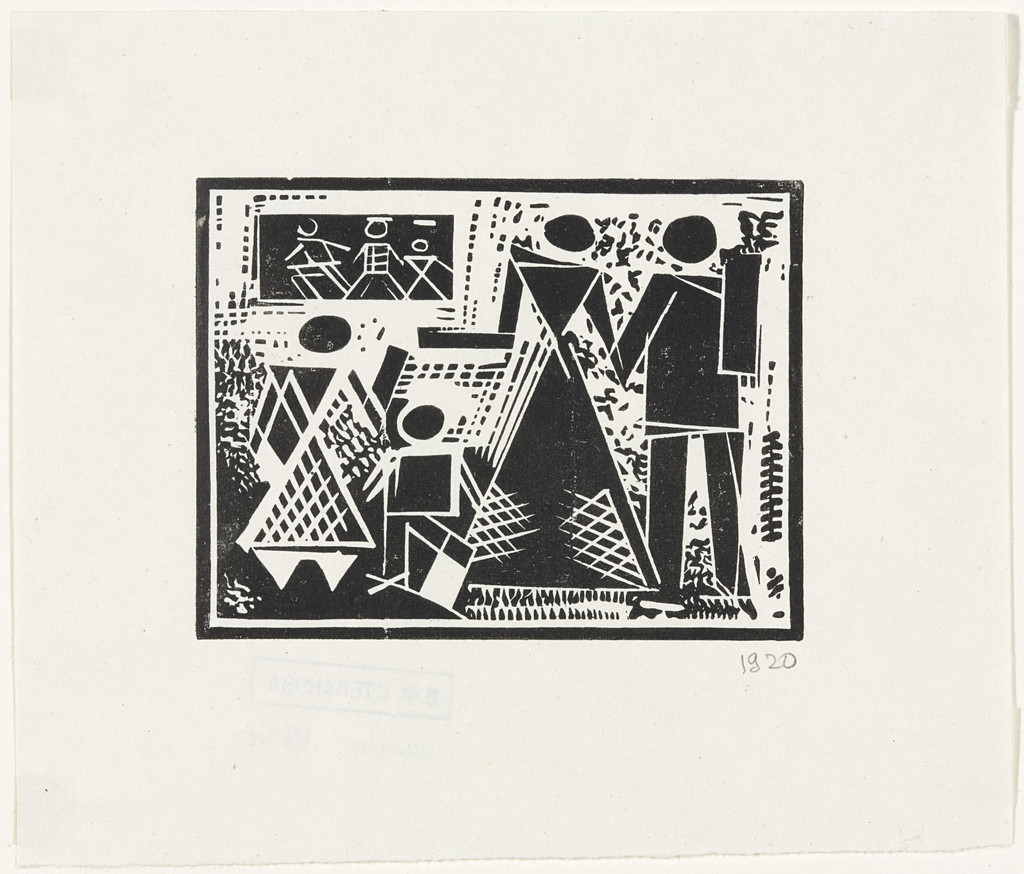
Family
Varvara Stepanova
1920, reprinted c. 1989
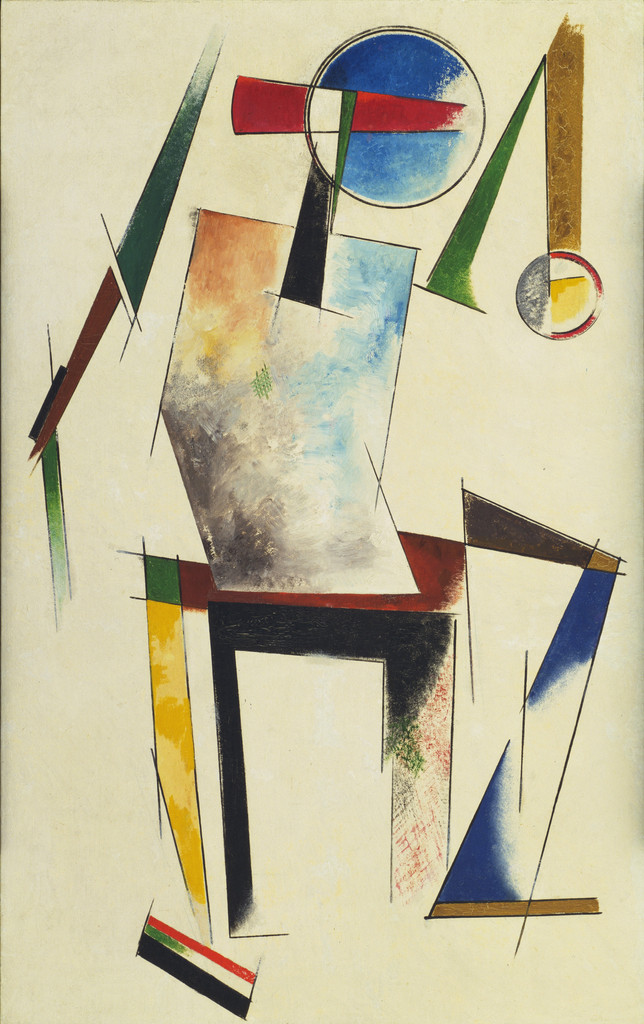
Figure
Varvara Stepanova
1921
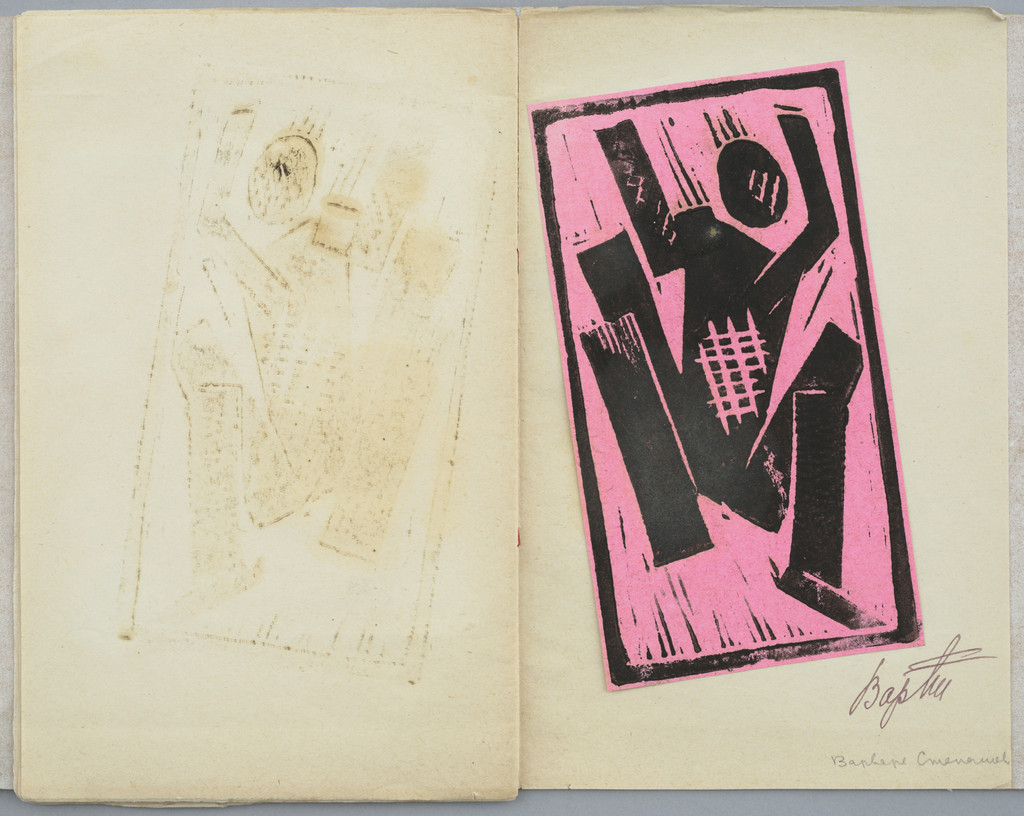
Folio from 5 x 5 = 25: Vystavka zhivopisi (5 x 5 = 25: An...
Varvara Stepanova
1921
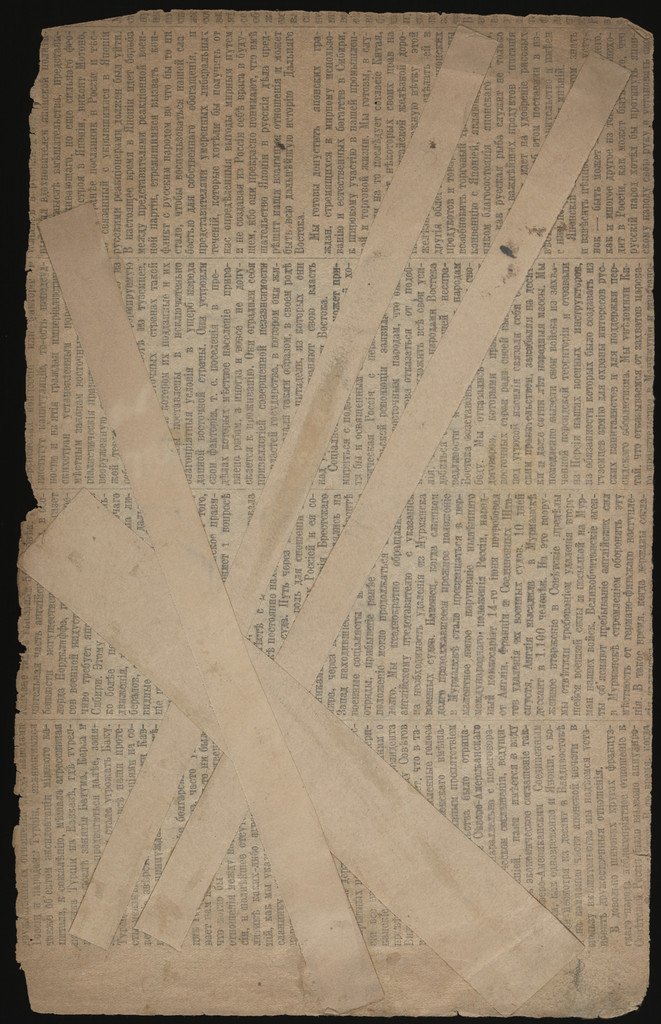
Gaust chaba
Varvara Stepanova
1919
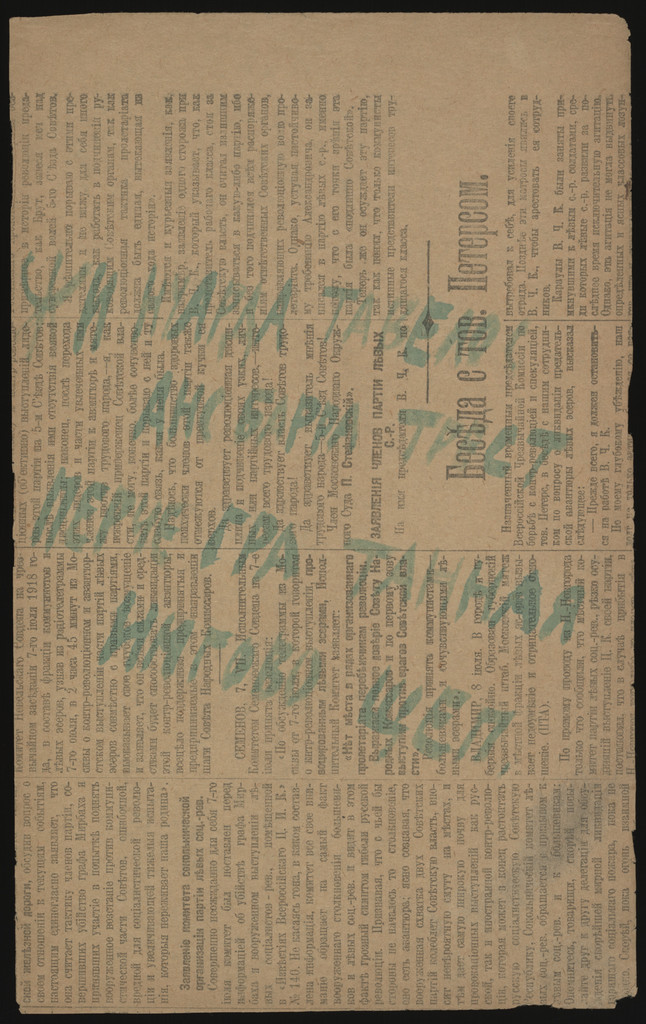
Gaust chaba
Varvara Stepanova
1919
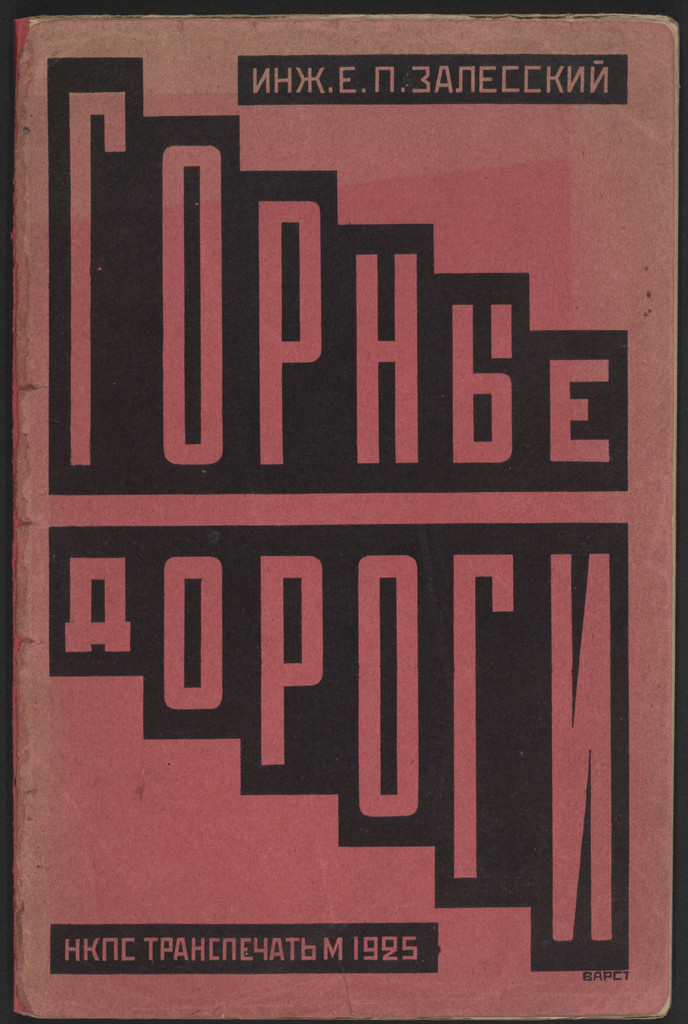
Gornye dorogi (Mountain Roads)
Varvara Stepanova
1925
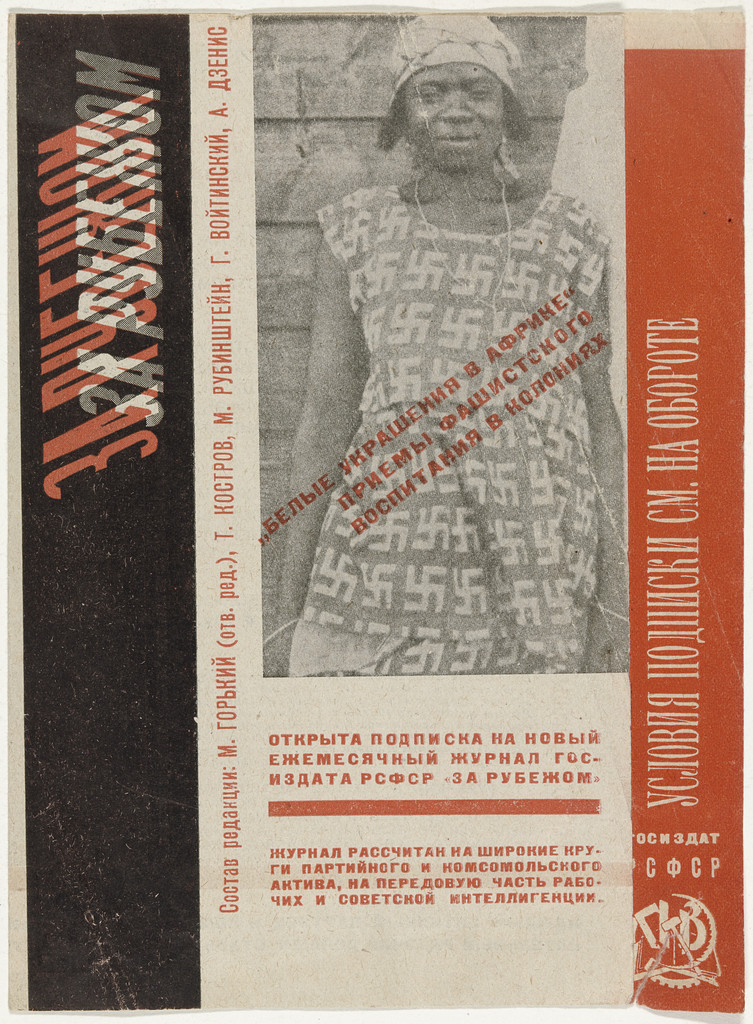
Handbill for the journal Za rubezhom (Abroad)
Varvara Stepanova
1930
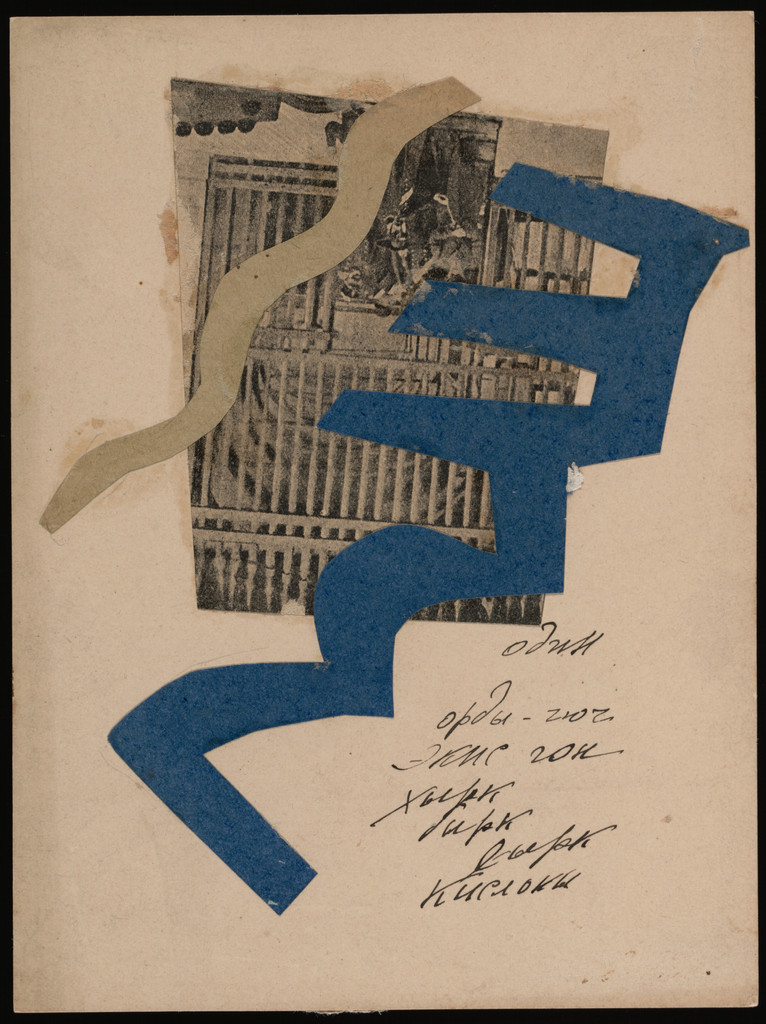
Illustration for Gly-gly
Varvara Stepanova
1919
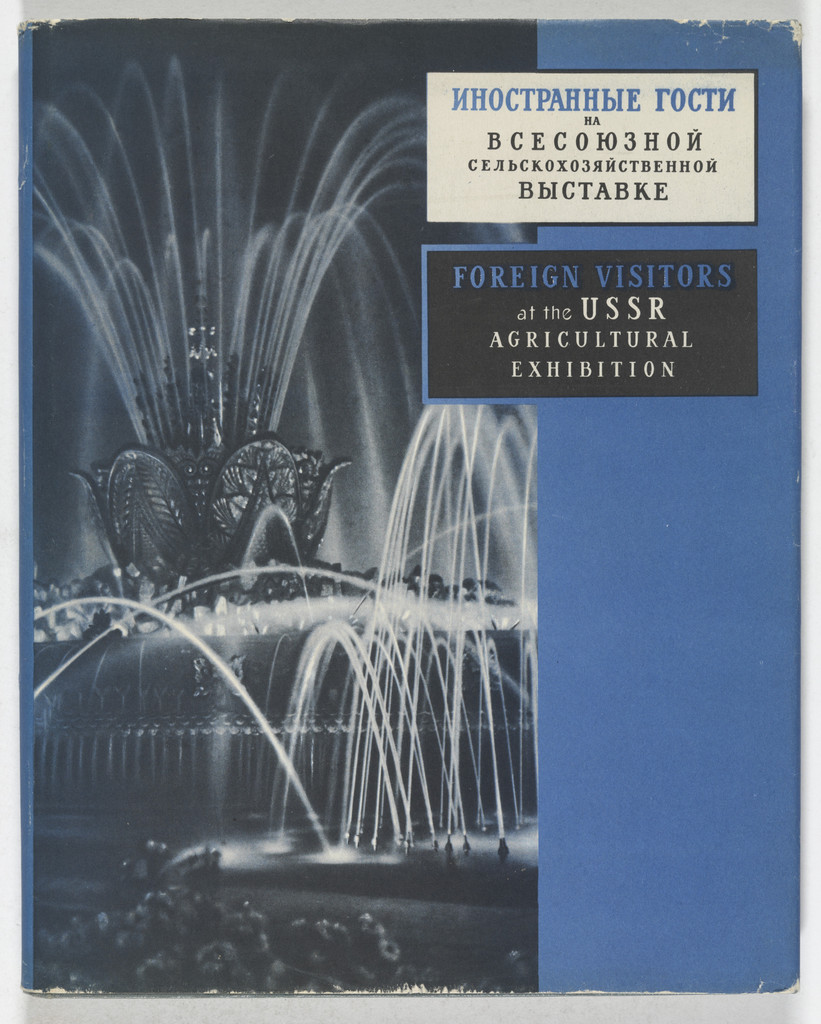
Innostrannye gosti na vsesoiuznoi sel'skokhoziastvennoi v...
Varvara Stepanova
1957
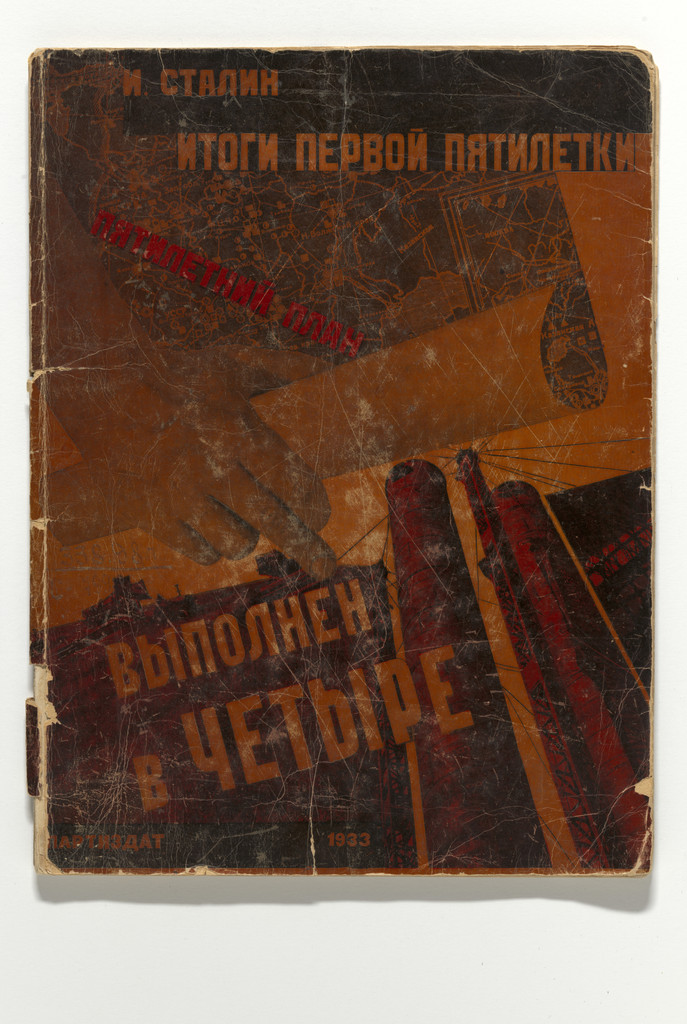
Itogi pervoi piatiletki - vypolnen v chetyre (Fulfill the...
Varvara Stepanova
1933
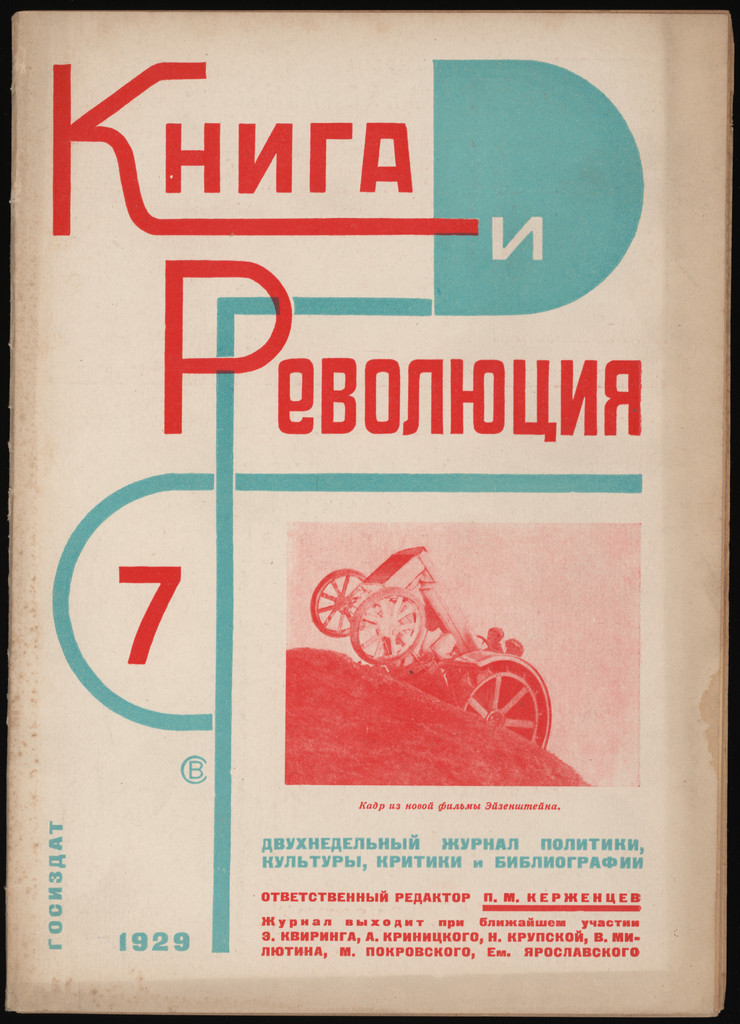
Kniga i revoliutsiia (The Book and Revolution), no. 7
Varvara Stepanova
1929
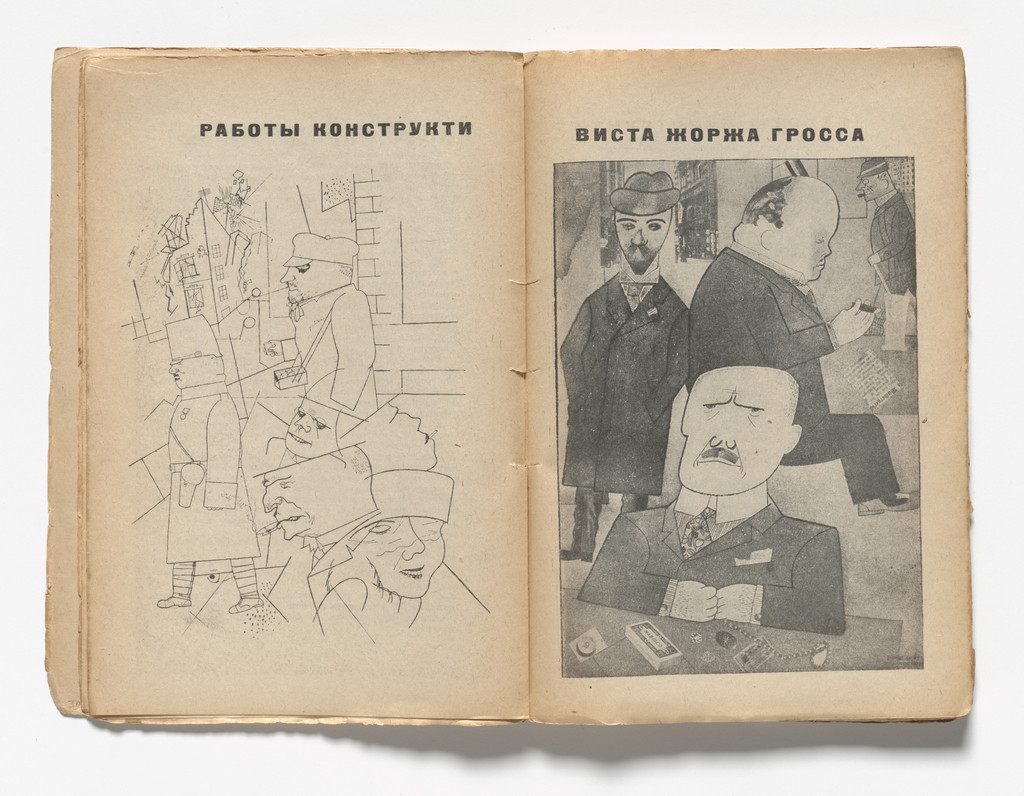
LEF. Zhurnal levogo fronta iskusstv (LEF: Journal of the ...
Aleksandr Rodchenko
1923
Exhibitions
4 exhibitionsMar 02, 1936 – Apr 19, 1936
Cubism and Abstract Art
113 artists · 1 curator
Jul 28, 1971 – Nov 01, 1971
Ways of Looking
132 artists · 1 curator
Oct 12, 1978 – Jan 02, 1979
Revolution: Russian Avant-Garde, 19121930
29 artists · 1 curator
Oct 02, 1985 – Jan 07, 1986
Contrasts of Form: Geometric Abstract Art, 19101980
107 artists · 2 curators