
“I don’t feel restricted by being female, any more than I am restricted by being Black or being American—these are the facts of my life. It is powerful to know who you are. The restriction comes in not knowing.” — Faith Ringgold
Faith Ringgold was a rebel with a cause, whose art and political engagement took the path of “maximum resistance.” Ringgold dedicated her life to making art that centered her experience of American life within a cultural and artistic landscape that often cared little for the perspective of Black women. Her nearly seven-decade career is marked by relentless artistic innovation, driven by a profound sense of justice.
Ringgold was born and raised in Harlem, and her early life was characterized by childhood illness, which often kept her indoors. Her mother, a self-described housewife turned dress designer, encouraged Ringgold’s early interest in drawing, which bloomed into a lifelong passion. Ringgold studied art at the City College of New York before marrying and having two daughters. Though motherhood and marriage slowed her production in the 1950s, she began making art with a renewed sense of drive in 1964.
An artist who came into her personal style during the heady years of the Civil Rights Movement, Ringgold created early work, which she described as “Super Realist,” that reflected her desire to show the fraught realities of American people navigating oppressive racial and gendered social structures. During these years, Ringgold was driven by a belief that, as a member of the African diaspora, she had a right to reclaim Cubism, which was itself inspired by African art.
“James Baldwin had just written The Fire Next Time, and Malcolm X was talking about ‘us loving our black selves’ and Martin Luther King was leading marches and spreading the word,” Ringgold wrote in her autobiography, We Flew Over the Bridge (2005). “I felt called upon to create my vision of the black experience we were witnessing.” Convinced that she could visually interpret what Dr. King preached in his speeches and Baldwin wrote in his books, Ringgold made three mural-sized paintings, including American People #20 Die, for the first solo exhibition of her career at the co-operative Spectrum gallery in 1967. In the Long Hot Summer of 1967, when race riots erupted in cities throughout the United States, Ringgold painted works that reflected the intensity of the moment. The gallery’s director, Robert Newman, heralded Ringgold as an “essential American artist.”
Relentless in her pursuit of civil rights and equal treatment, Ringgold positioned herself squarely at the center of New York’s thriving activist-artist scene in the 1960s and beyond. She was a member of the Black Arts movement, and was often one of the few Black women in largely white feminist circles, including the Ad Hoc Committee of Women Artists and A.I.R. Gallery. Her feminist art highlighted uncomfortable divisions within Black Power groups, which Ringgold accused of sexist bias toward women. In 1970 Ringgold was arrested as one of the Judson Three for organizing the People’s Flag Show, which she had co-organized as a protest against the Vietnam War and restrictive flag-burning laws. In the same year, she cofounded Women Students and Artists for Black Art Liberation with her daughter, Michele Wallace, and the important artist collective Where We At? the following year with Kay Brown and Dindga McCannon.
Accompanying her political activism, Ringgold created posters. In the aftermath of the deadly 1971 Attica prison riots in upstate New York, Ringgold created her iconic lithograph United States of Attica (1972), a map of the US rendered in red and green, two of the colors of the pan-African movement. She contributed this work to Benny Andrews and Rudolf Baranik’s Attica Book, co-published by the the Black Emergency Cultural Coalition and Artists and Writers Protest Against the War in Vietnam. While she was making this print, Ringgold began teaching art classes in the Correctional Institute for Women at Rikers Island, where she painted a landmark mural in 1971.
During the 1970s Ringgold began to consider conventional painting as “a backdrop for something else.” Her exploration in quilts, masks, and life-sized soft sculptures, which she staged in installations, reflect the joy and power of so-called “womanly” art. Ringgold’s passion for folklore, oral history, and women’s stories translated in her later career into her work as a children’s book writer and illustrator. The first of these books, Tar Beach (1991), narrates the story of a young girl dreaming of flying over the George Washington beach as she stargazes on the rooftop of her building in Harlem. The story is a powerful meditation on a young girl’s ability and right to dream and hope.
Ringgold’s life and career were at the service of the values and ideals she believed in. Hers was not an art that rejected American society; it was, rather, an attempt to make it better for herself, her peers, and the generations that would come after her. In 1985 the writer Amiri Baraka wrote, “Faith Ringgold’s works have existed within the parameters of ‘American Art’ but have never been squashed by the exclusion and denial of reality that American art sometimes is.”
Ethel Renia, independent scholar, 2025
Note: Opening quote is from Lucy Lippard, “Faith Ringgold’s Black, Political, Feminist Art,” Ms. (July 1976), reprinted in revised form in her From the Center: Feminist Essays on Women’s Art (Dutton, 1976).
Works in Collection
23 works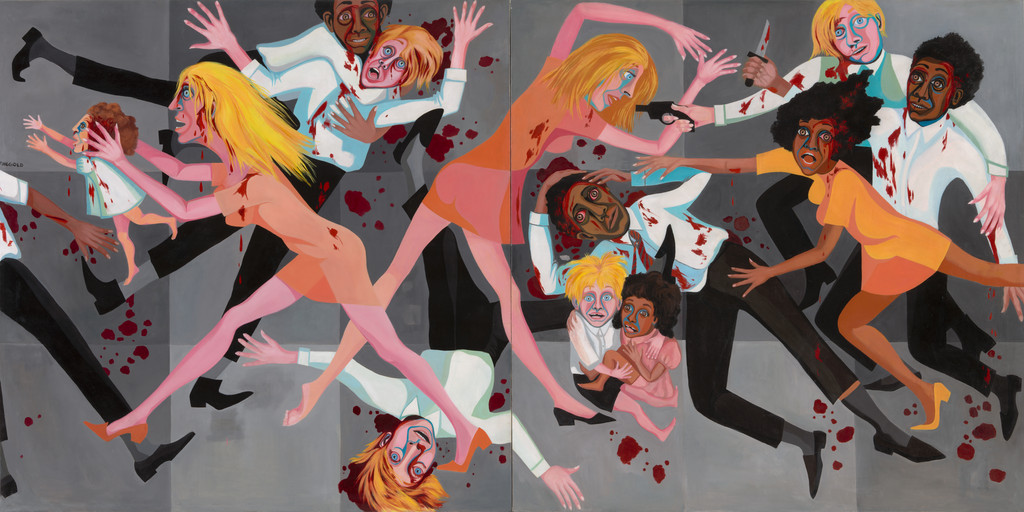
American People Series #20: Die
Faith Ringgold
1967
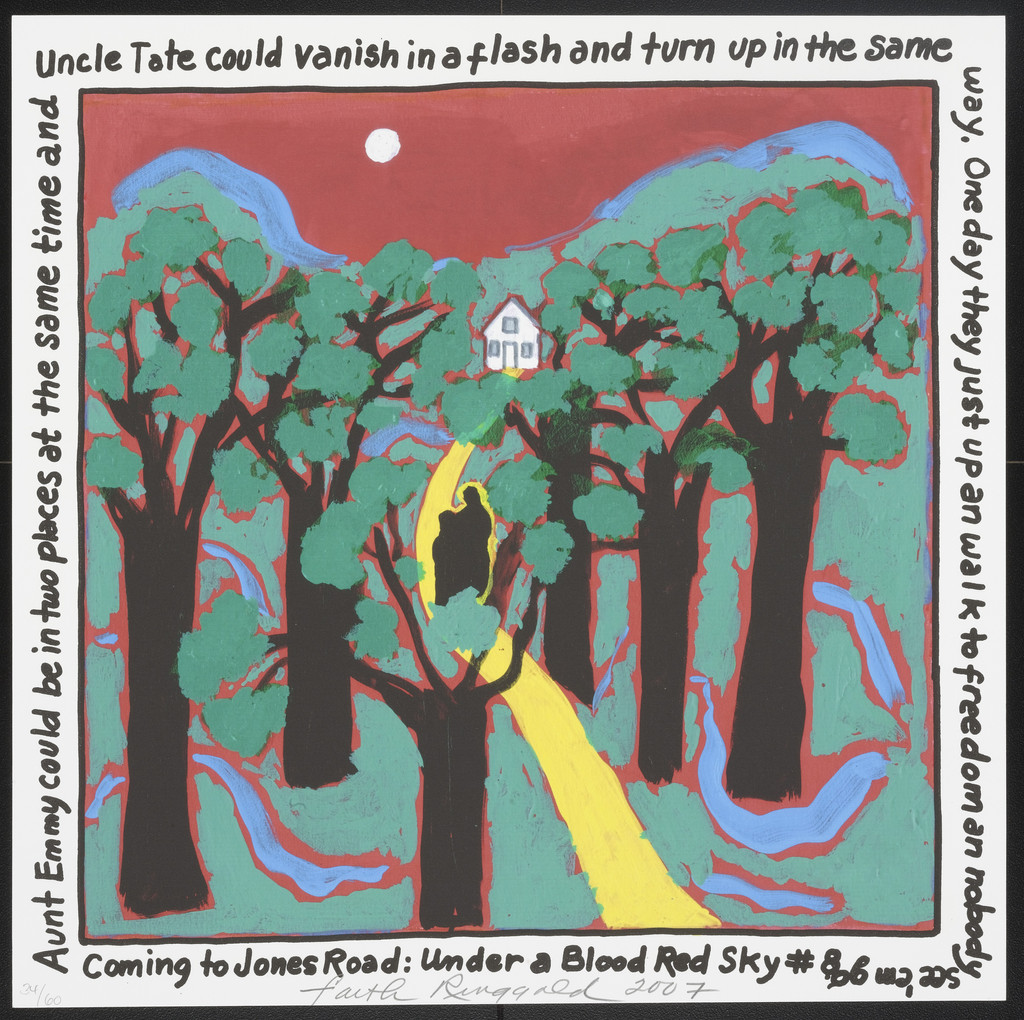
Coming to Jones Road: Under a Blood Red Sky #8 from Femfolio
Faith Ringgold
2009
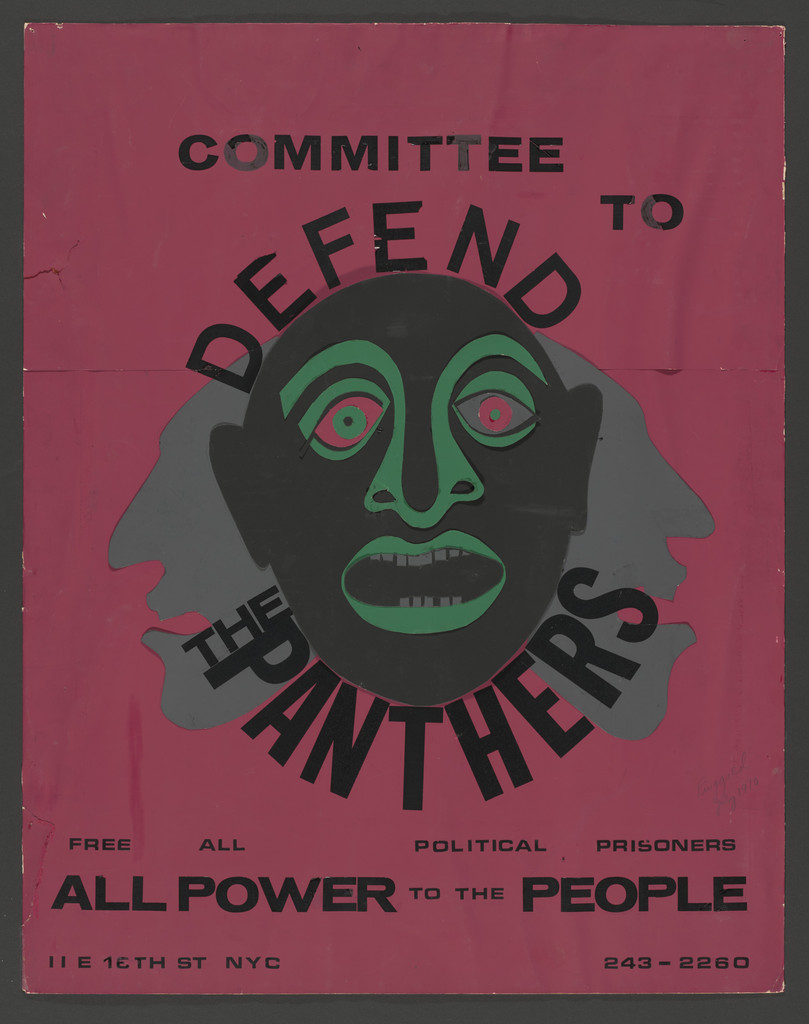
Committee to Defend the Panthers
Faith Ringgold
1970
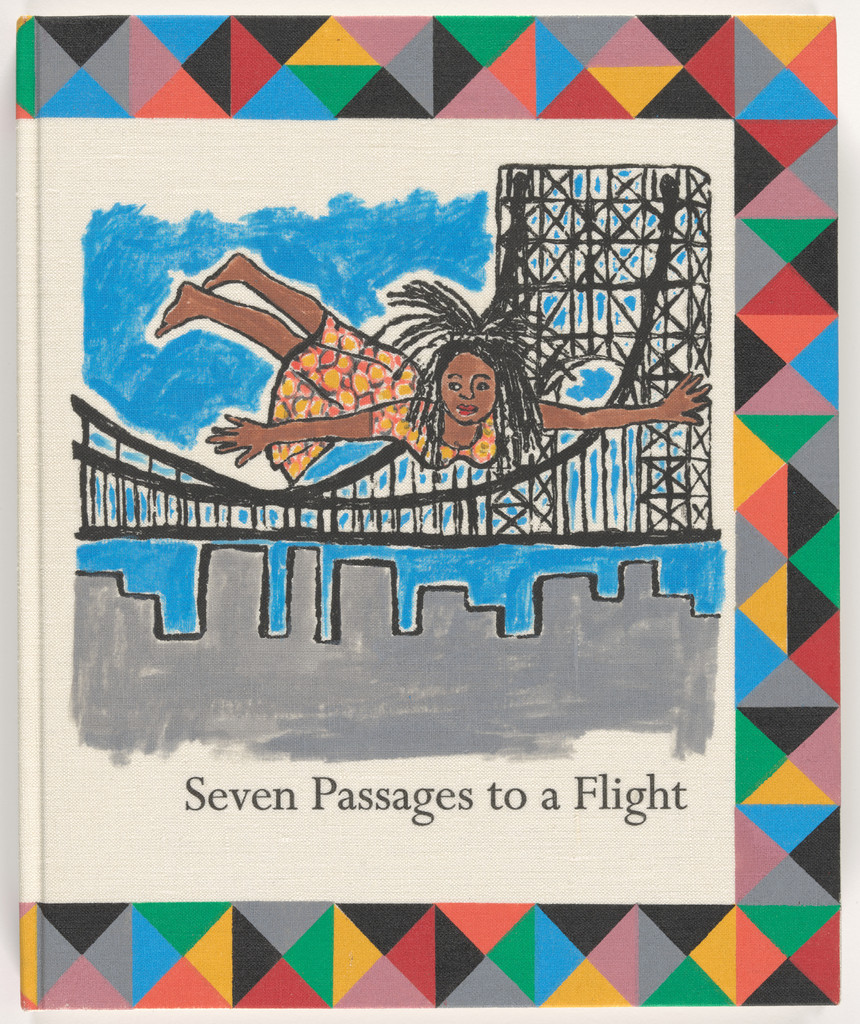
Cover from Seven Passages to a Flight
Faith Ringgold
1995
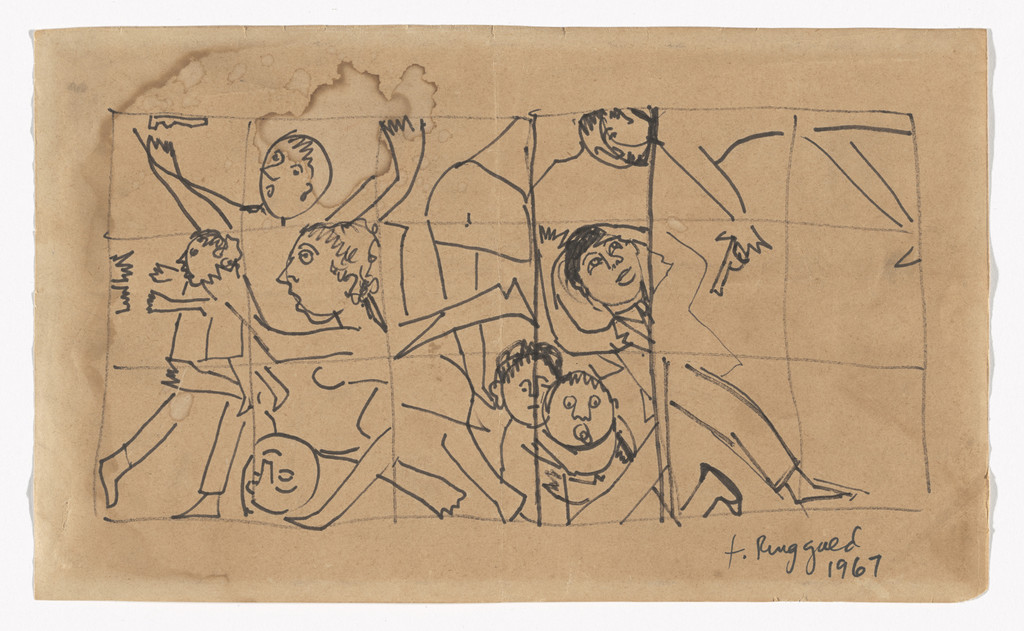
Die: Drawing No. 2
Faith Ringgold
1967
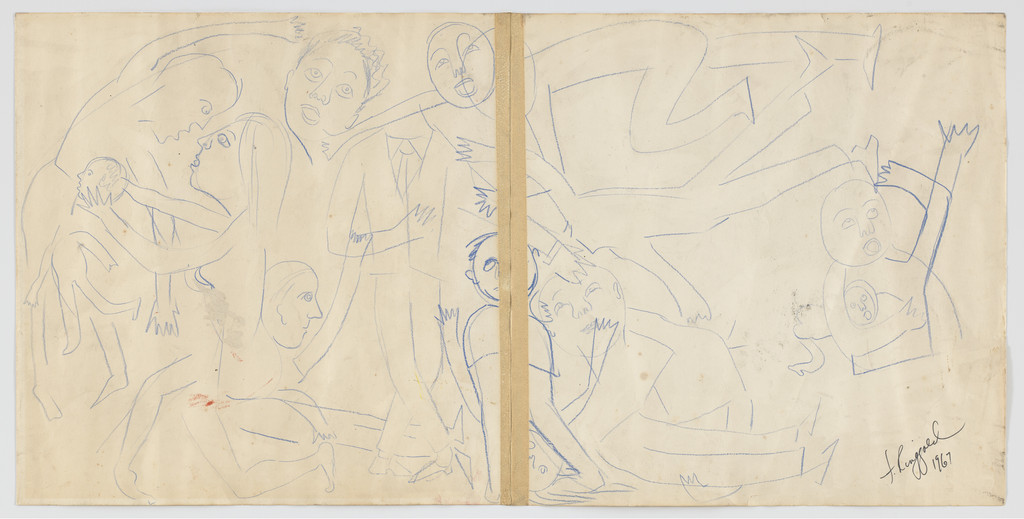
Die: Drawing No. 4
Faith Ringgold
1967
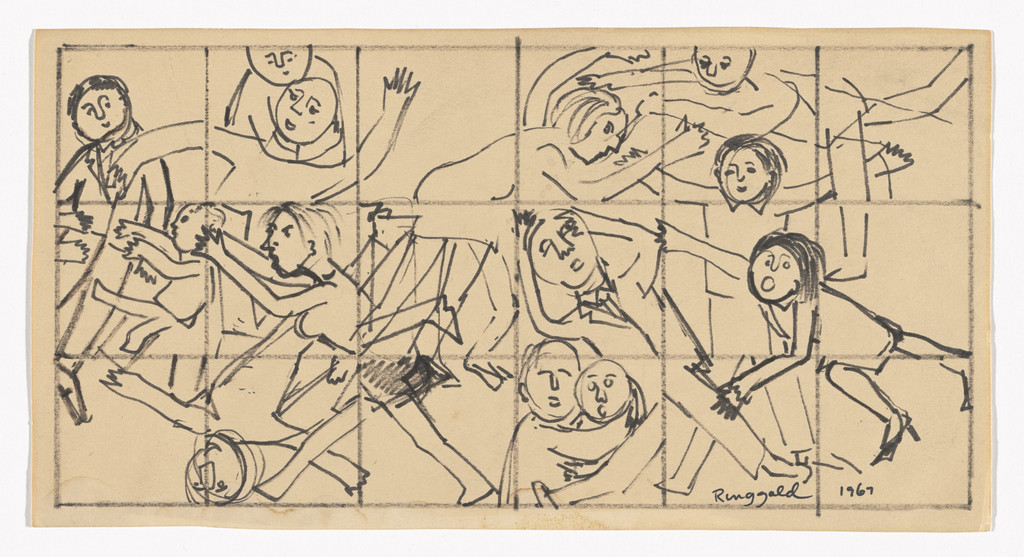
Die: Drawing No. 4
Faith Ringgold
1967
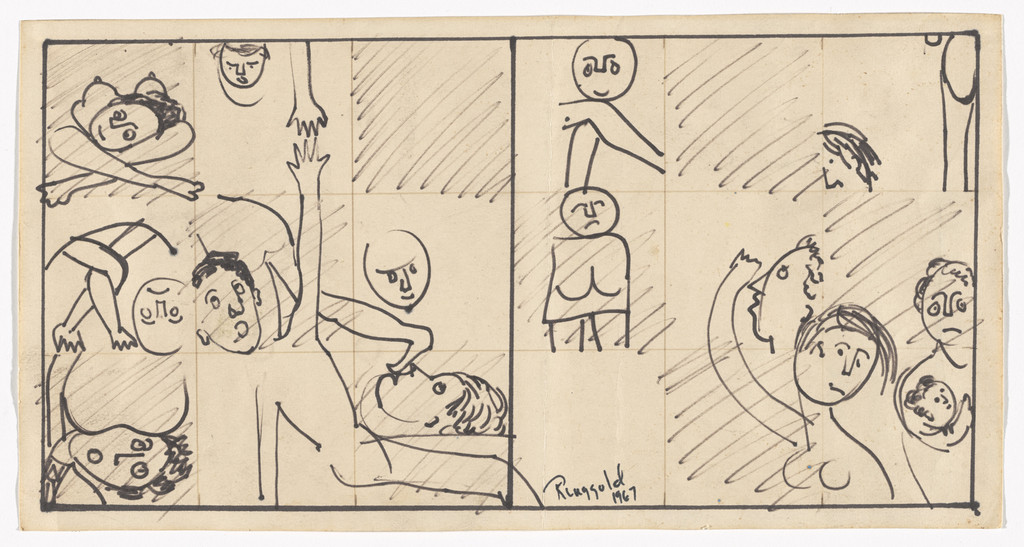
Die: Drawing No.1
Faith Ringgold
1967

Femfolio
Emma Amos
2009
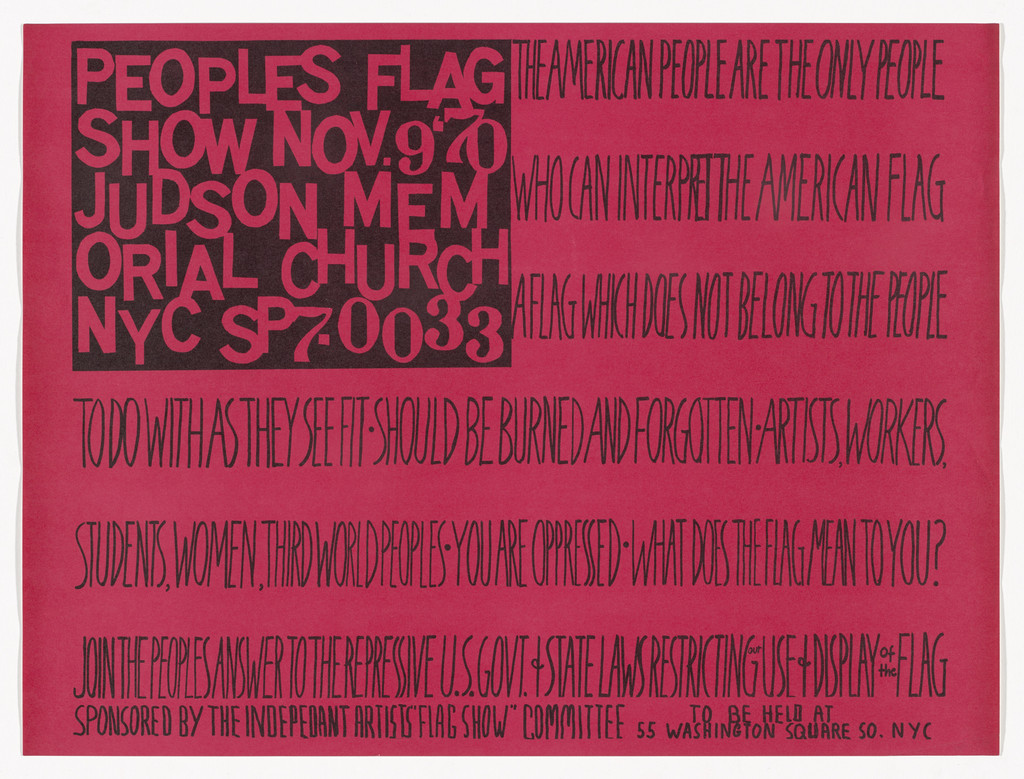
People's Flag Show
Faith Ringgold
1970
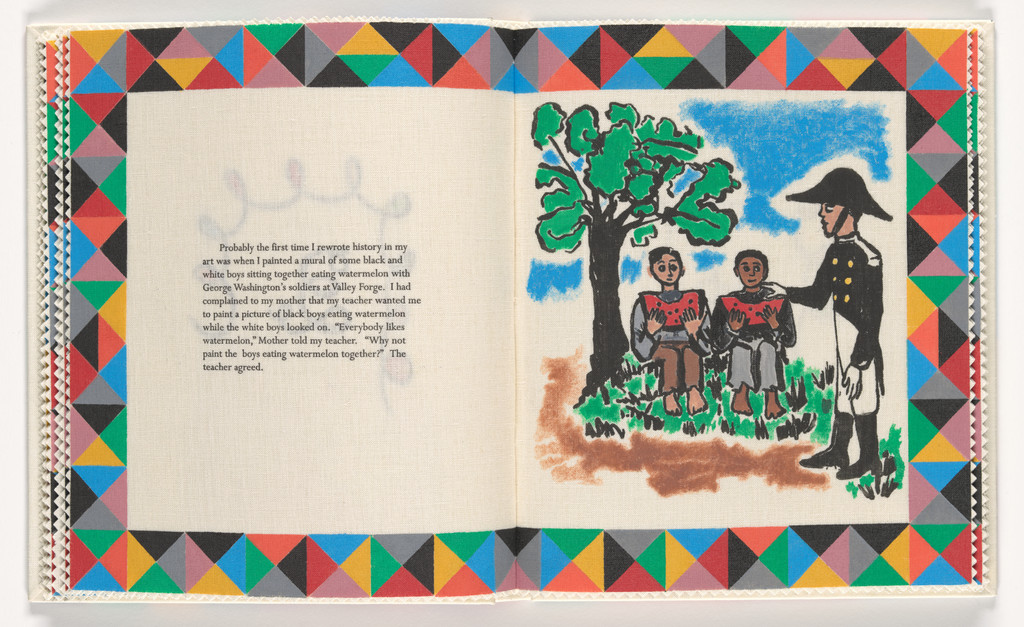
Plate (folio 10) from Seven Passages to a Flight
Faith Ringgold
1995
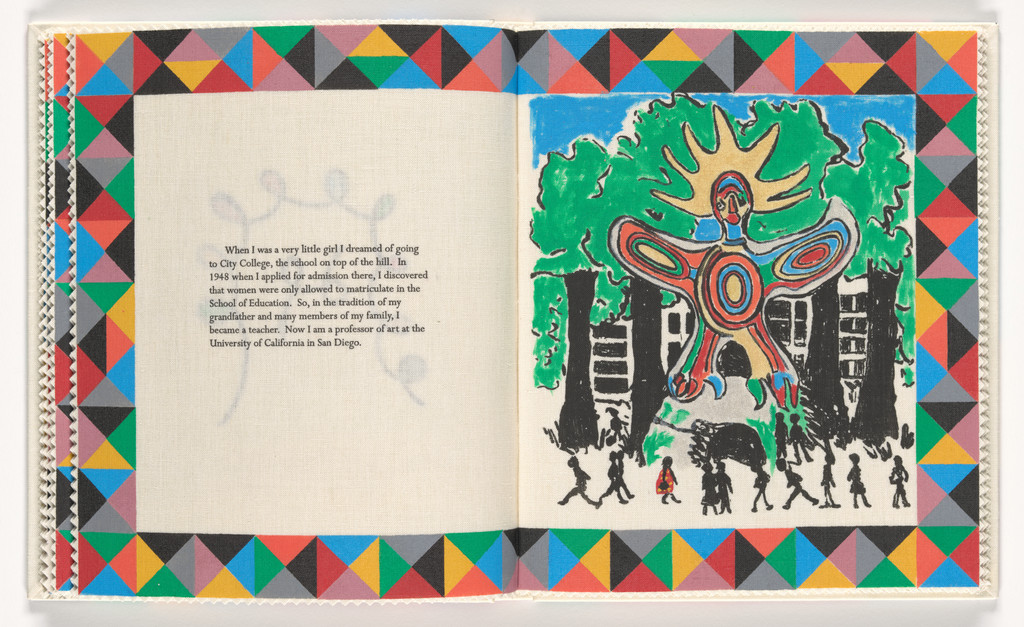
Plate (folio 12) from Seven Passages to a Flight
Faith Ringgold
1995
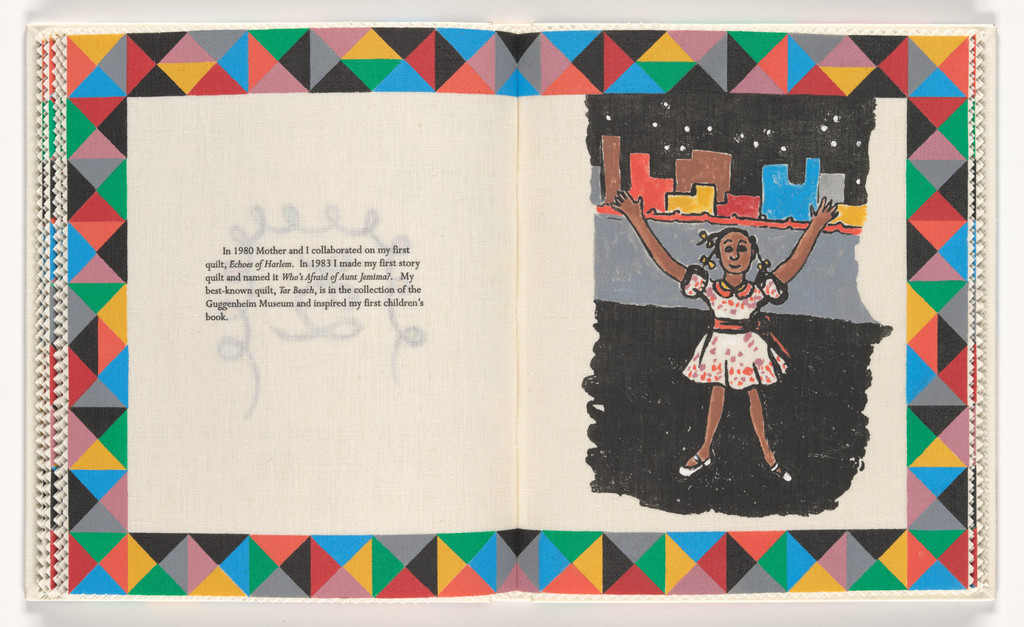
Plate (folio 14) from Seven Passages to a Flight
Faith Ringgold
1995
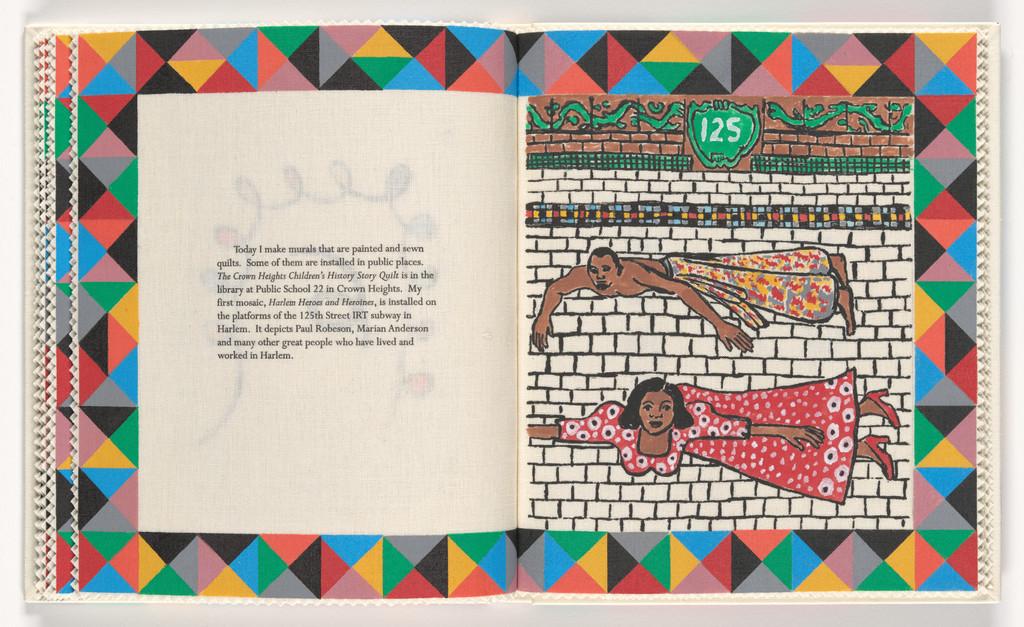
Plate (folio 16) from Seven Passages to a Flight
Faith Ringgold
1995
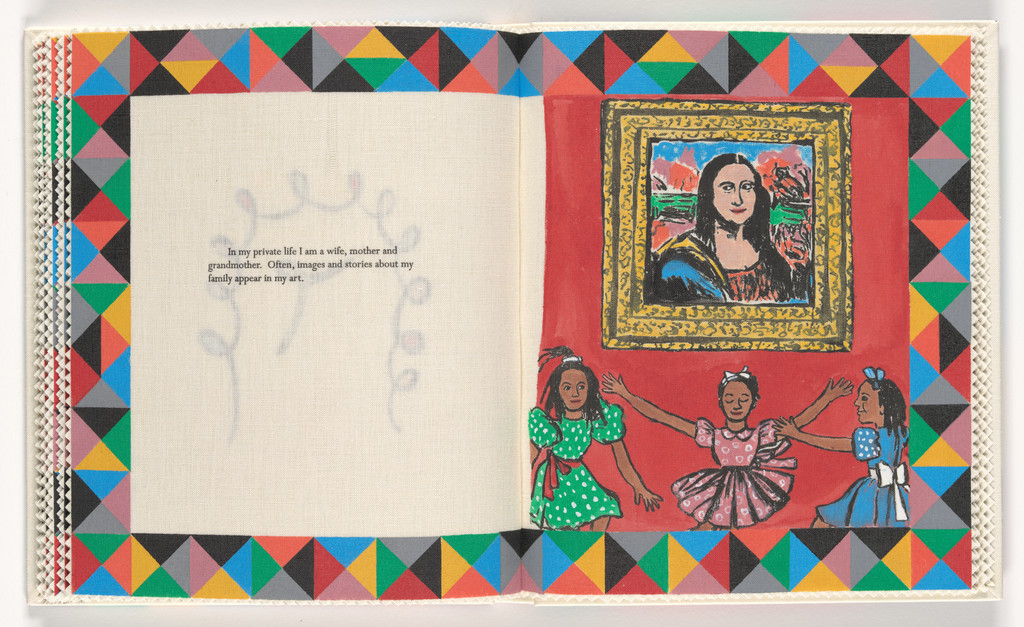
Plate (folio 18) from Seven Passages to a Flight
Faith Ringgold
1995
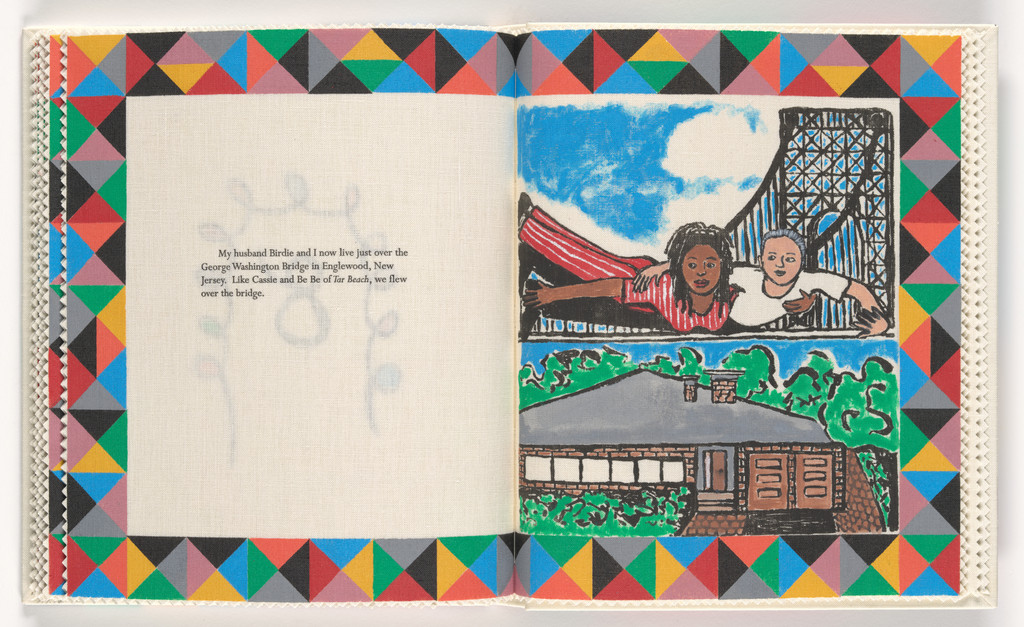
Plate (folio 20) from Seven Passages to a Flight
Faith Ringgold
1995
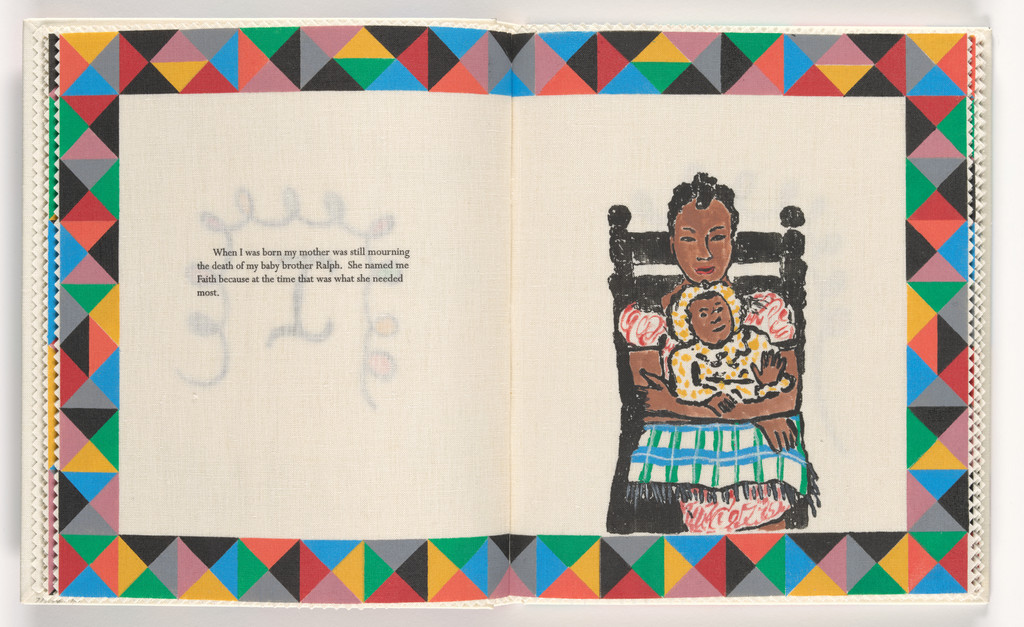
Plate (folio 6) from Seven Passages to a Flight
Faith Ringgold
1995
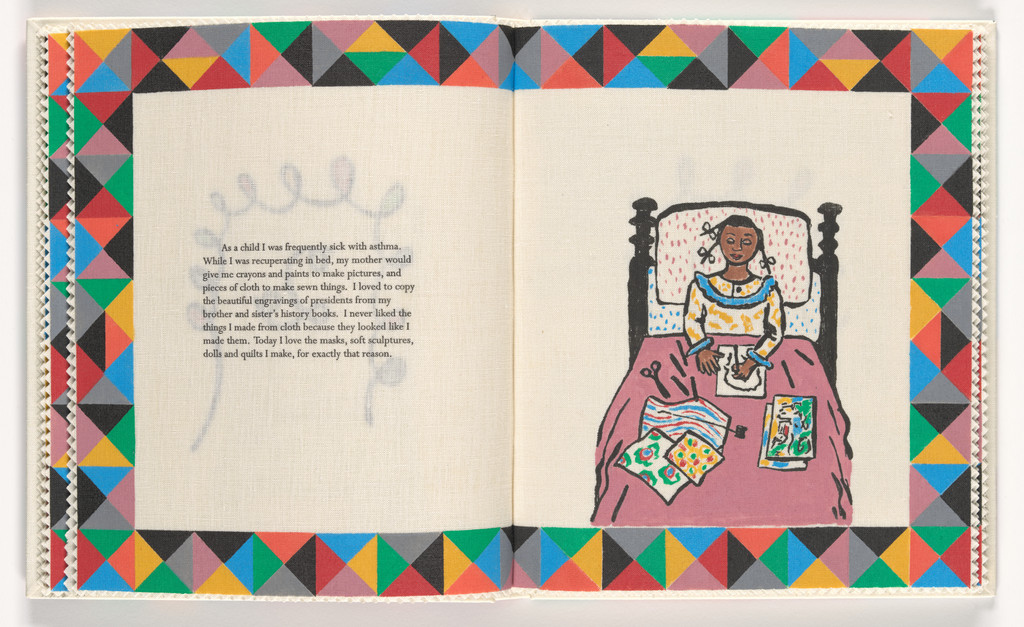
Plate (folio 8) from Seven Passages to a Flight
Faith Ringgold
1995
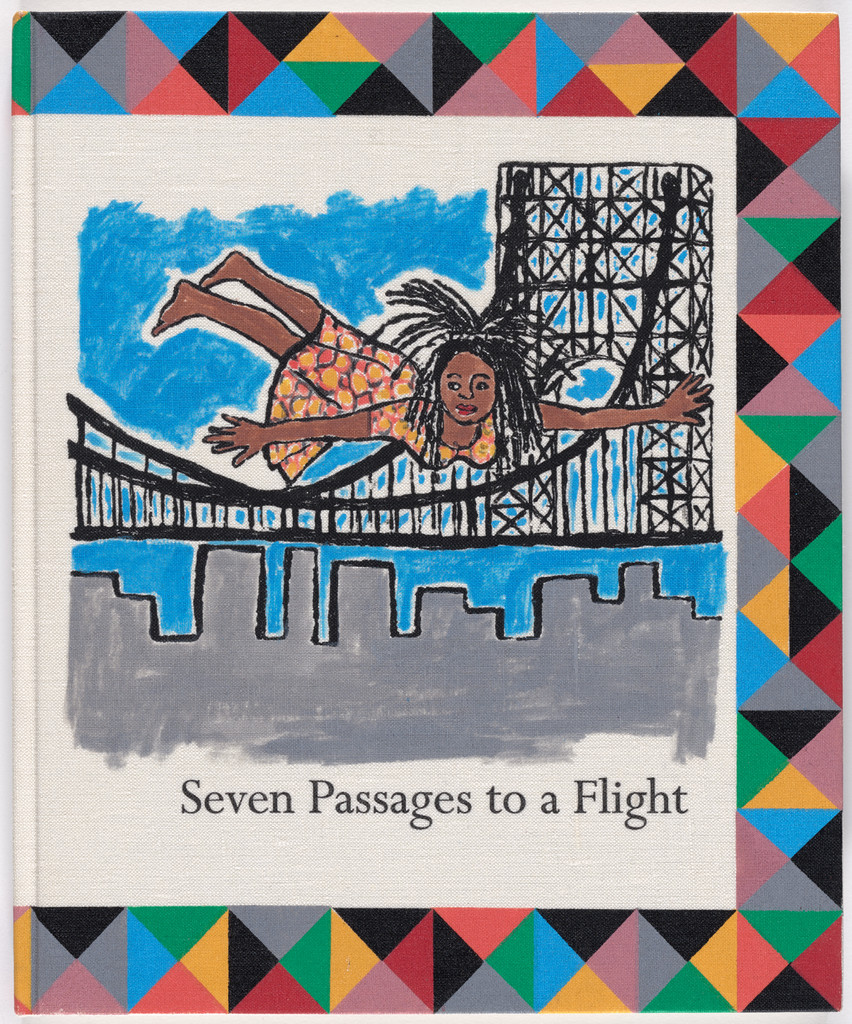
Seven Passages to a Flight
Faith Ringgold
1995
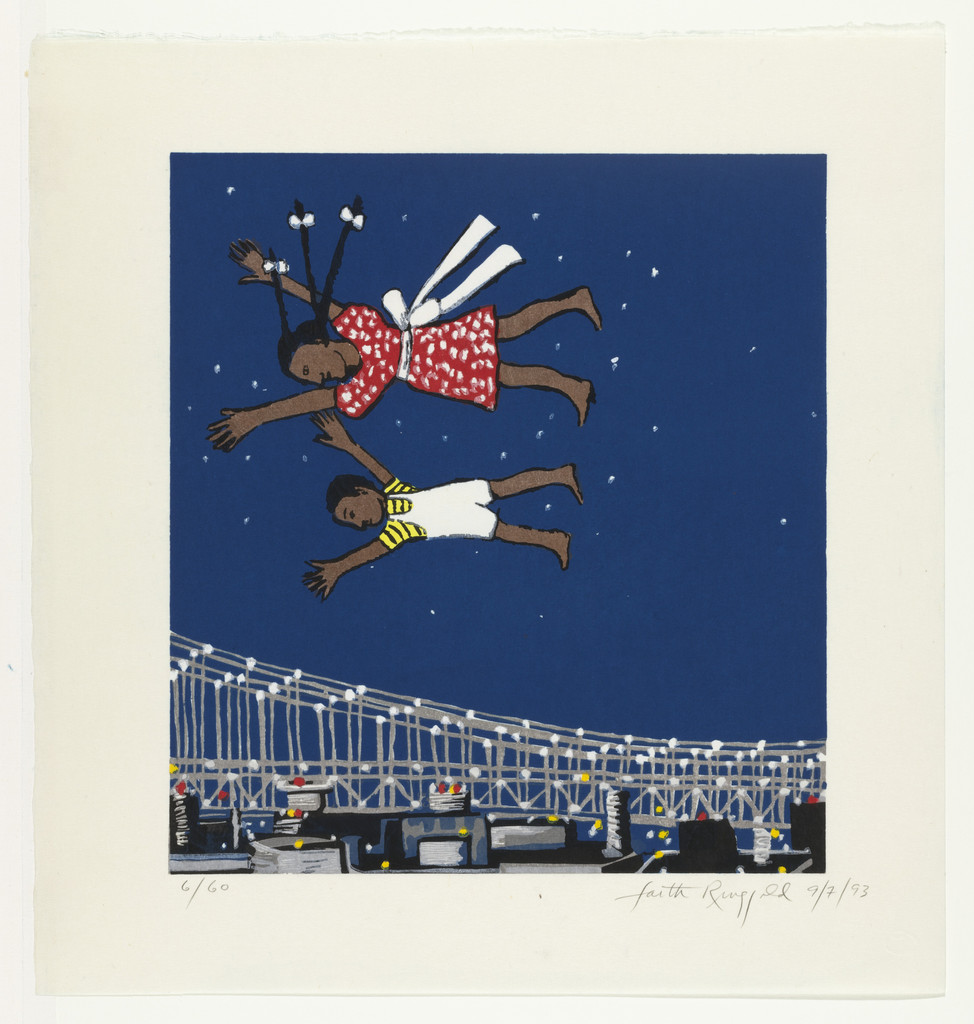
Tar Beach Woodcut
Faith Ringgold
1993
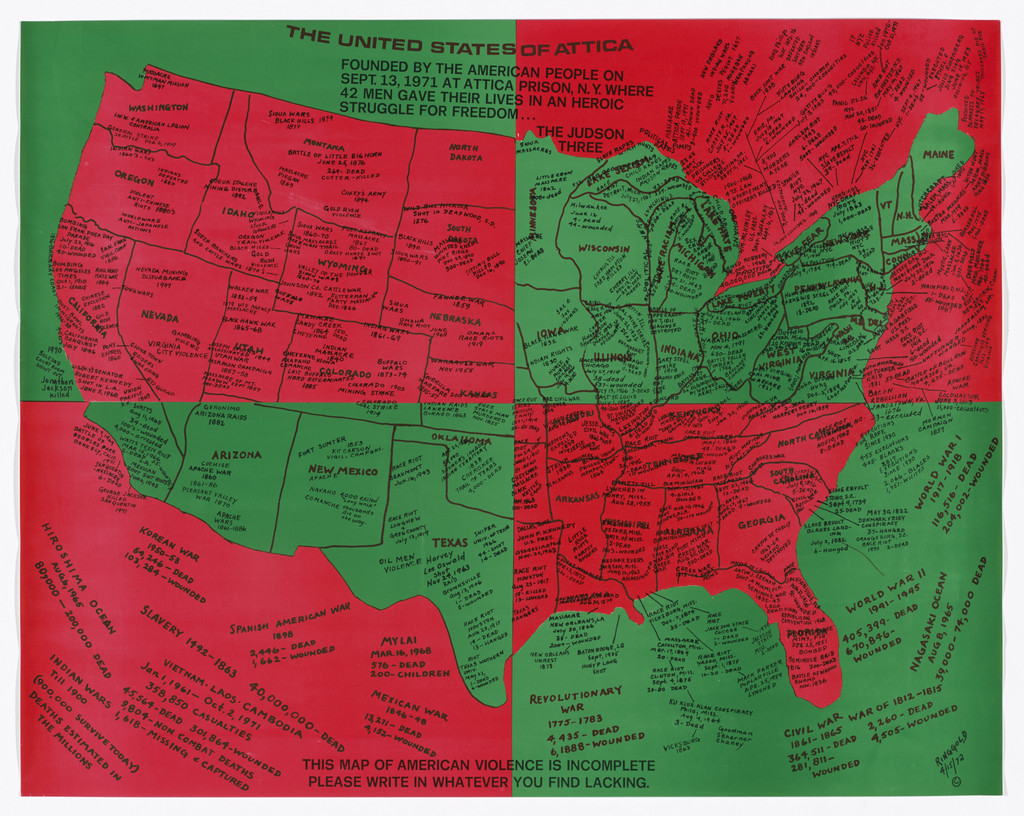
United States of Attica
Faith Ringgold
1972
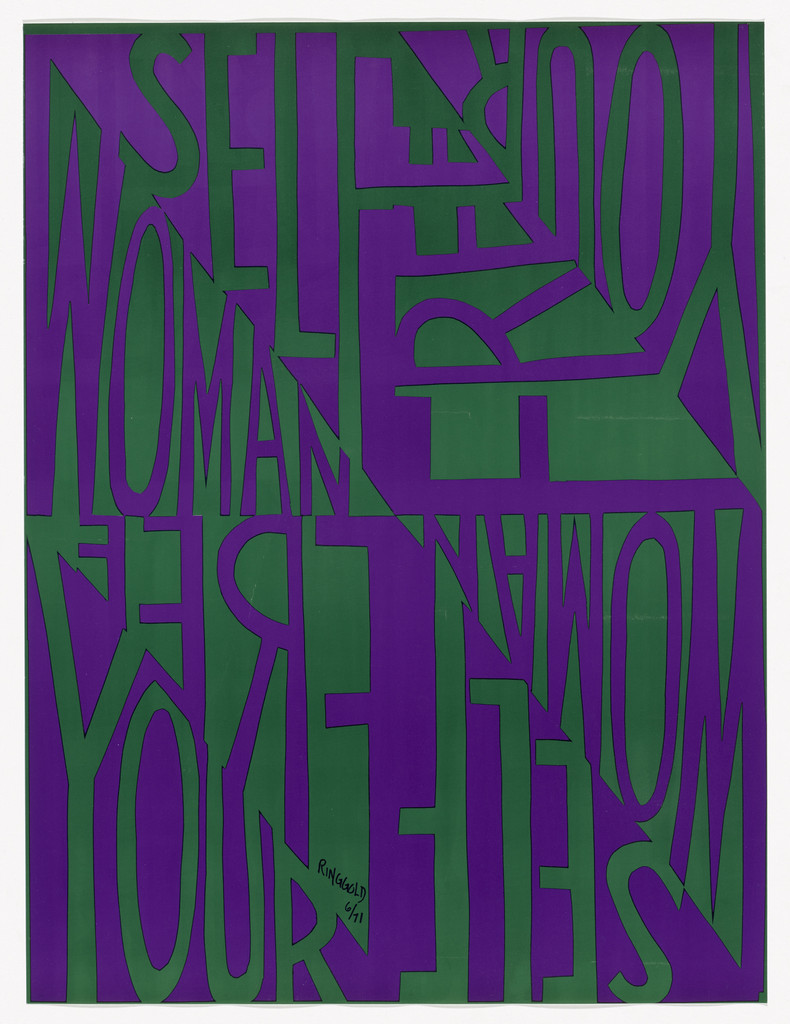
Woman Free Yourself
Faith Ringgold
1971
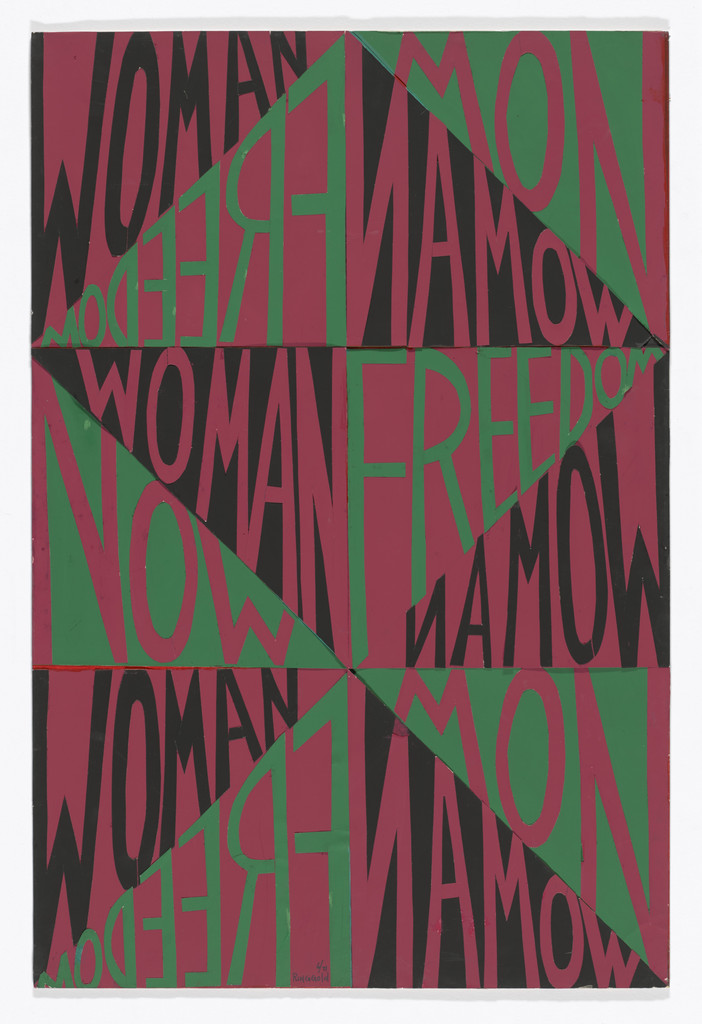
Woman Freedom Now
Faith Ringgold
1971