
“We always used to say it was great to put art where you least expect to find it.” — James Wines
James Wines, founder of the architecture and environmental design studio SITE, has spent much of his career challenging the notion that architecture is an act of formal invention. As he has written, “SITE’s work is about inversion, fusion, intervention, exaggeration—often just taking something apart and examining the elements of construction from a different point of view.” During his 10 years working as a sculptor in Italy, Wines gained an appreciation for what he described as “the intrinsic blending of art, architecture, communicative iconography, and public space.” He led a prolific career as an artist in the 1950s and 1960s, exhibiting his sculptural work in galleries and corporate plazas before turning toward architecture and environmental design. Explaining his disillusionment with the practice of sculpture, he later wrote, “I was tired of the exhibition context. It wasn’t public enough.” After relocating to New York, Wines began to develop the conceptual basis for a design practice that would “focus on materially sensible and structurally uncomplicated buildings, shaped by social, psychological, and site-specific ideas drawn from the surrounding environment.” In 1970, alongside collaborators Alison Sky, Emilio Sousa, and Michelle Stone, he established SITE—originally an acronym for Sculpture in the Environment. SITE’s founders bemoaned the dominance of Industrial Age notions of architecture as a purely functionalist pursuit, aiming instead to reconfigure buildings as sources of information and commentary on their physical contexts. For Wines, assembling new meanings from existing architectural forms was a more challenging pursuit than creating new forms altogether. SITE tested many of these initial ideas through an extended partnership with the Best Products Company (also known as BEST), which commissioned the studio to design a series of suburban showrooms between 1972 and 1980. Using the big-box retailer’s warehouse-like buildings and their commercial environs, SITE explored how “the ubiquitous masonry containers could become culturally charged icons with only the slightest physical interventions or shifts of context.” In the Forest Building, located in Virginia and completed in 1980, SITE split the showroom into two pieces to create a void through which mature oak trees and other vegetation could grow, creating the illusion of a building being consumed by nature. Wines’s drawings and models for the project reflect his intention to use sculpture and ecology not as superfluous accessories to architecture, but rather as intrinsic elements of a building’s design. A similar fusion of art and architecture was evident in SITE’s Ghost Parking Lot project of 1978, in which Wines and his collaborators interred 20 automobiles in the pavement outside a shopping center in Hamden, Connecticut. By layering asphalt on top of the cars, they reimagined mobile machines as static artifacts, aiming to invert viewers’ expectations of the relationship between certain objects and materials in the American suburb. Beyond its commentary on consumerism and car culture, the Ghost Parking Lot demonstrated Wines’ commitment to site-specific environmental design. He writes: “Unlike public art conceived from a private art perspective, this project cannot be removed or exhibited apart from its context without a total loss of meaning.” Wines’s rejection of “the lingering tyranny of formalism” was exemplified by SITE’s Highrise of Homes, a 1981 conceptual design developed for an unspecified American cityscape. Detailed hand-drawn renderings and diagrams for the proposal show an eight-to-10-floor horseshoe-shaped tower reduced to a steel and concrete frame. Each floor is occupied by an arrangement of individual lots, on which residents would erect single-family homes and gardens according to their own aesthetic sensibilities. In keeping with his highly experimental yet critical approach to architecture and environmental design, Wines envisioned the project as a “village-like...alternative to conventional housing design in the cityscape.”
Note: The opening quote is from the MoMA video Architect James Wines on “nature’s revenge”, 2022, part of Built Ecologies: Architecture and Environment, a video series from MoMA’s Emilio Ambasz Institute for the Joint Study of the Built and the Natural Environment.
Aaron Smithson, 12-Month Intern, Department of Architecture and Design, 2021
Works in Collection
19 works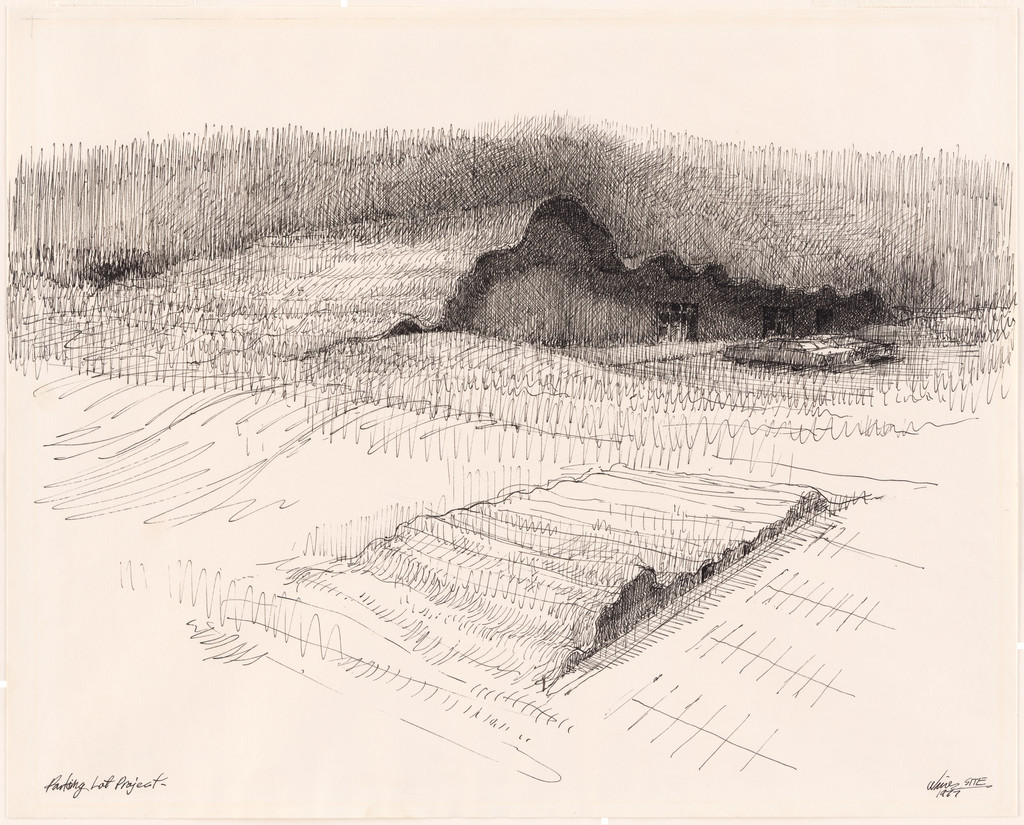
BEST Parking Lot project
James Wines
1977
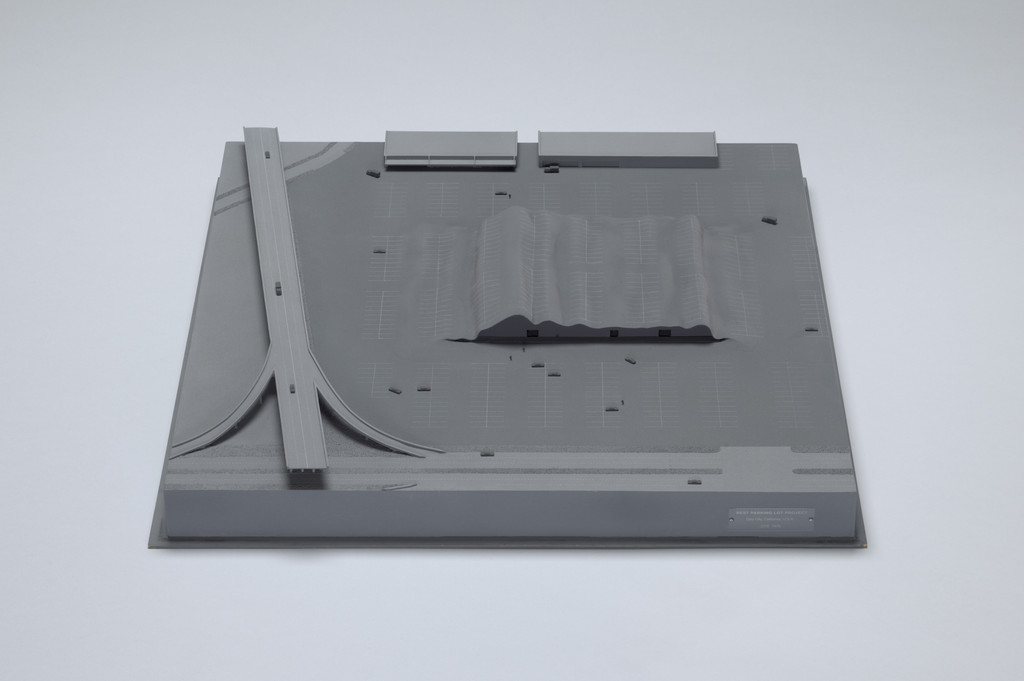
BEST Parking Lot project
James Wines
1976–1977
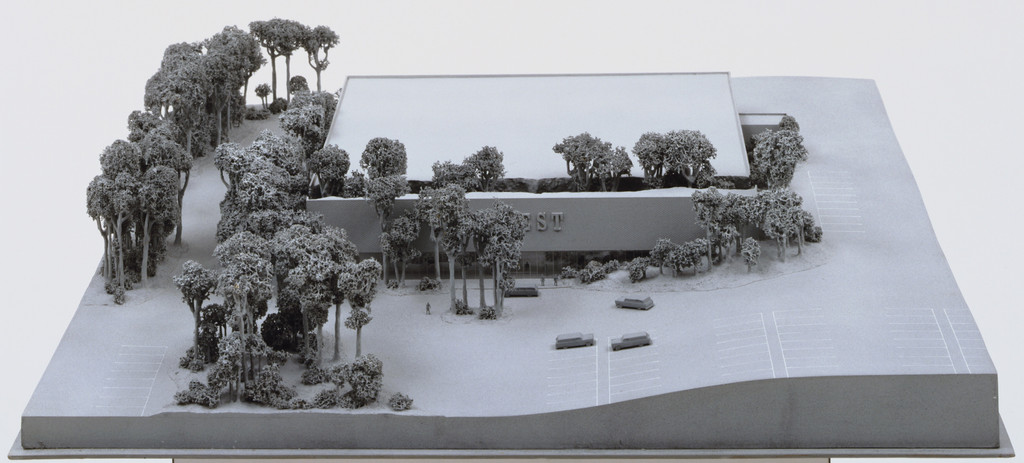
Forest Building, Henrico, Virginia
SITE
1978-80
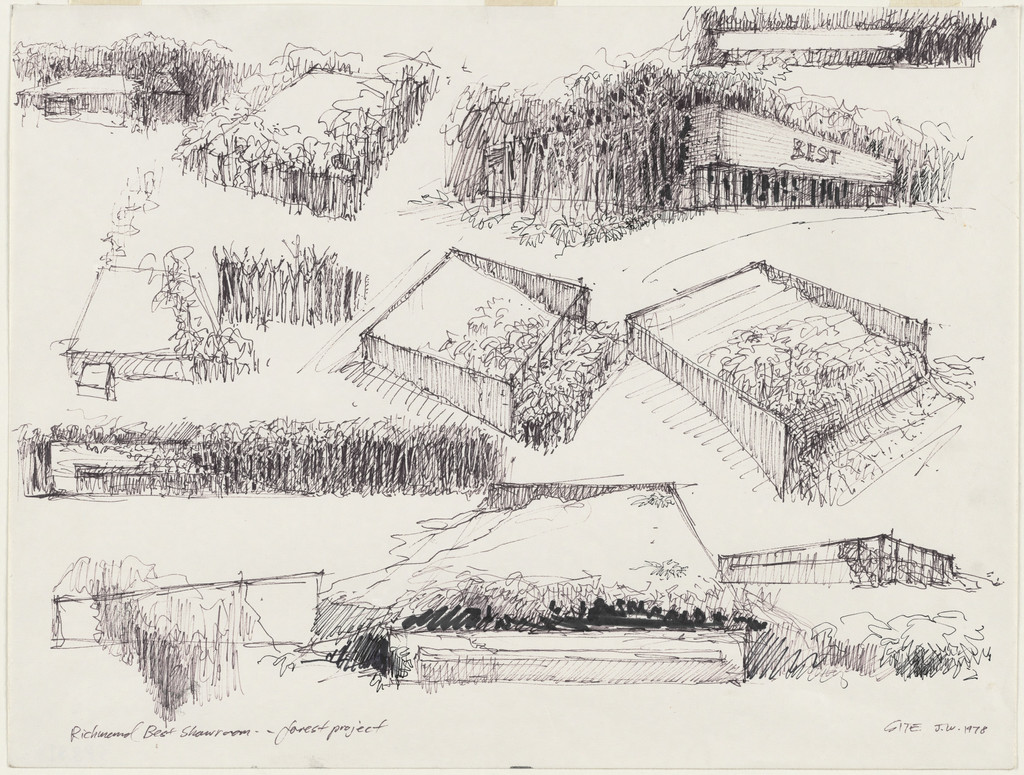
Forest Building, Richmond, Virginia (Perspective)
SITE
1978
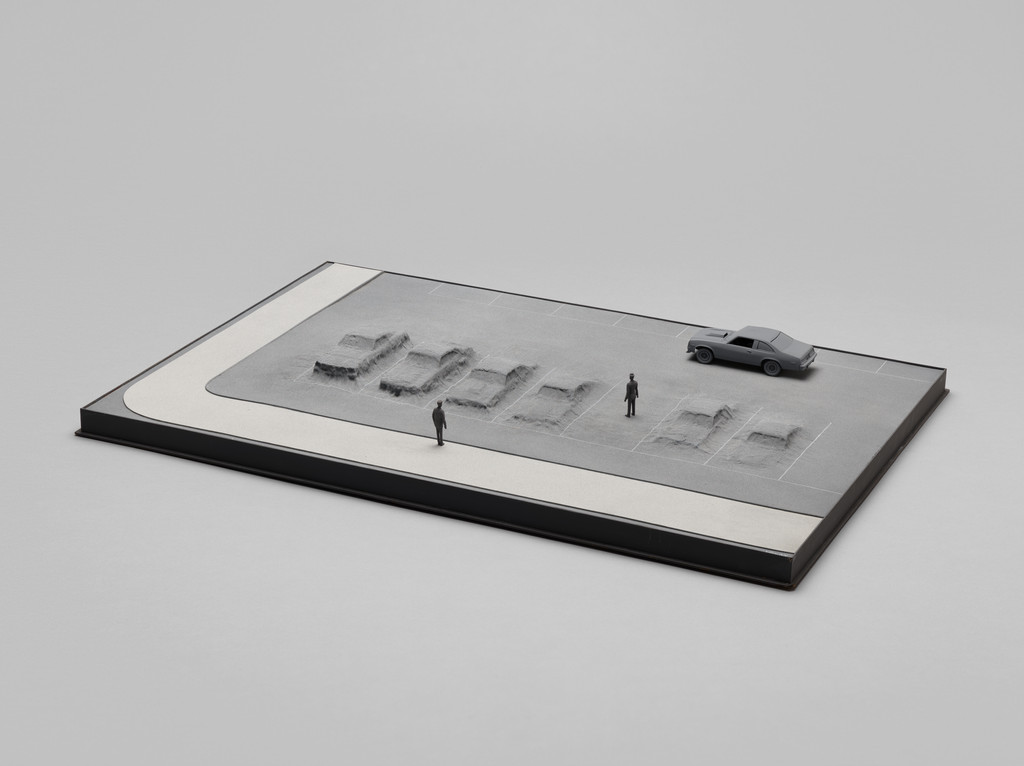
Ghost Parking Lot, National Shopping Centers Parking Lot,...
SITE
1977
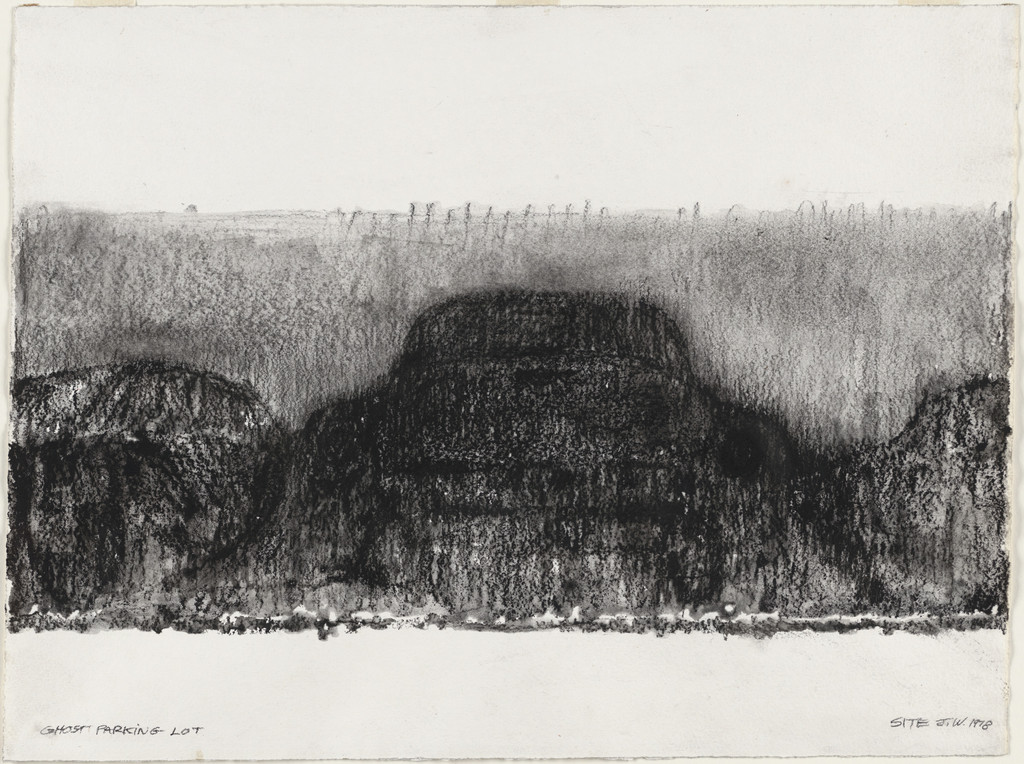
Ghost Parking Lot, project, Hamden, Connecticut (Perspect...
SITE
1978
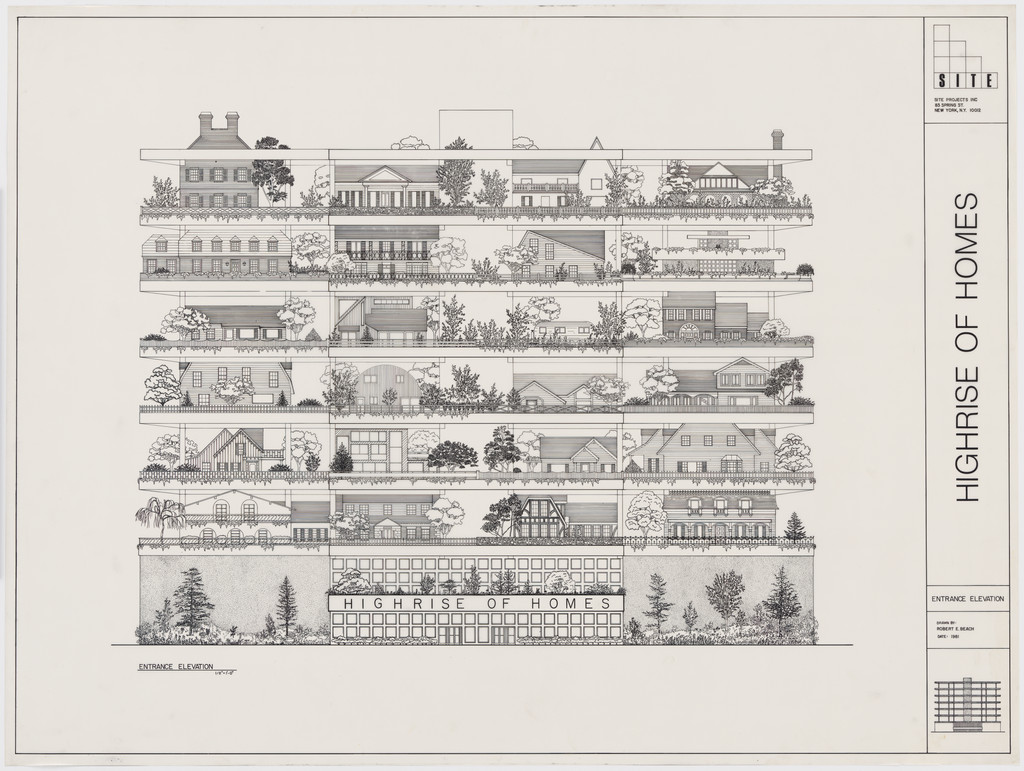
Highrise of Homes Project (Entrance elevation)
James Wines
1981
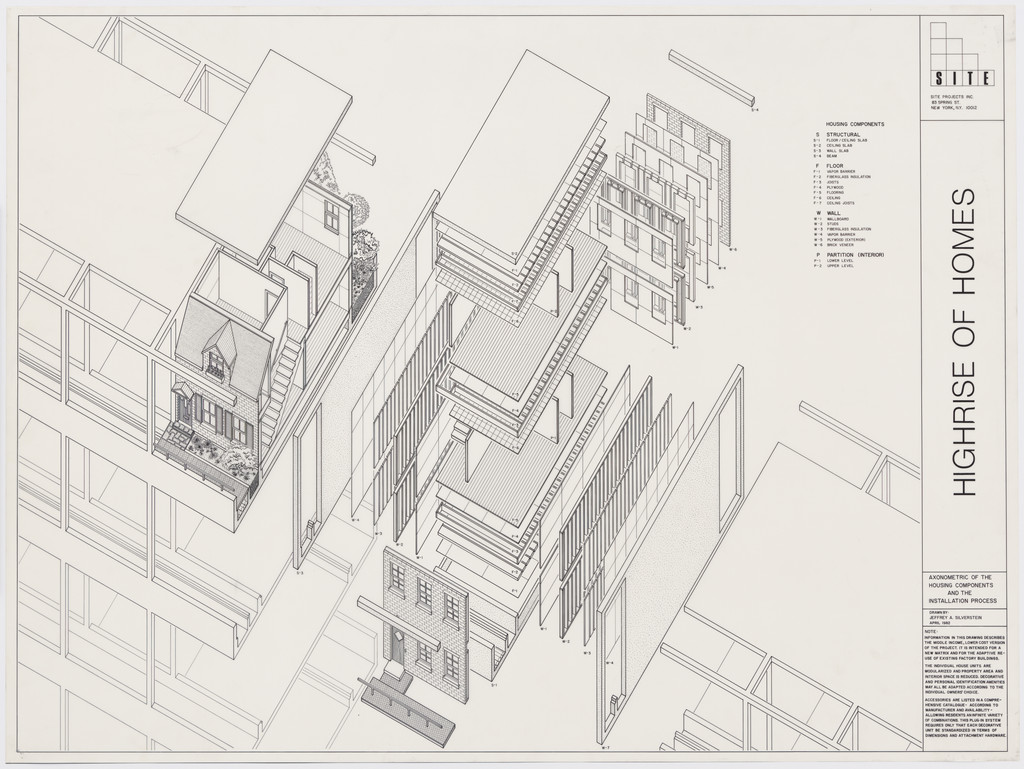
Highrise of Homes project
James Wines
1981
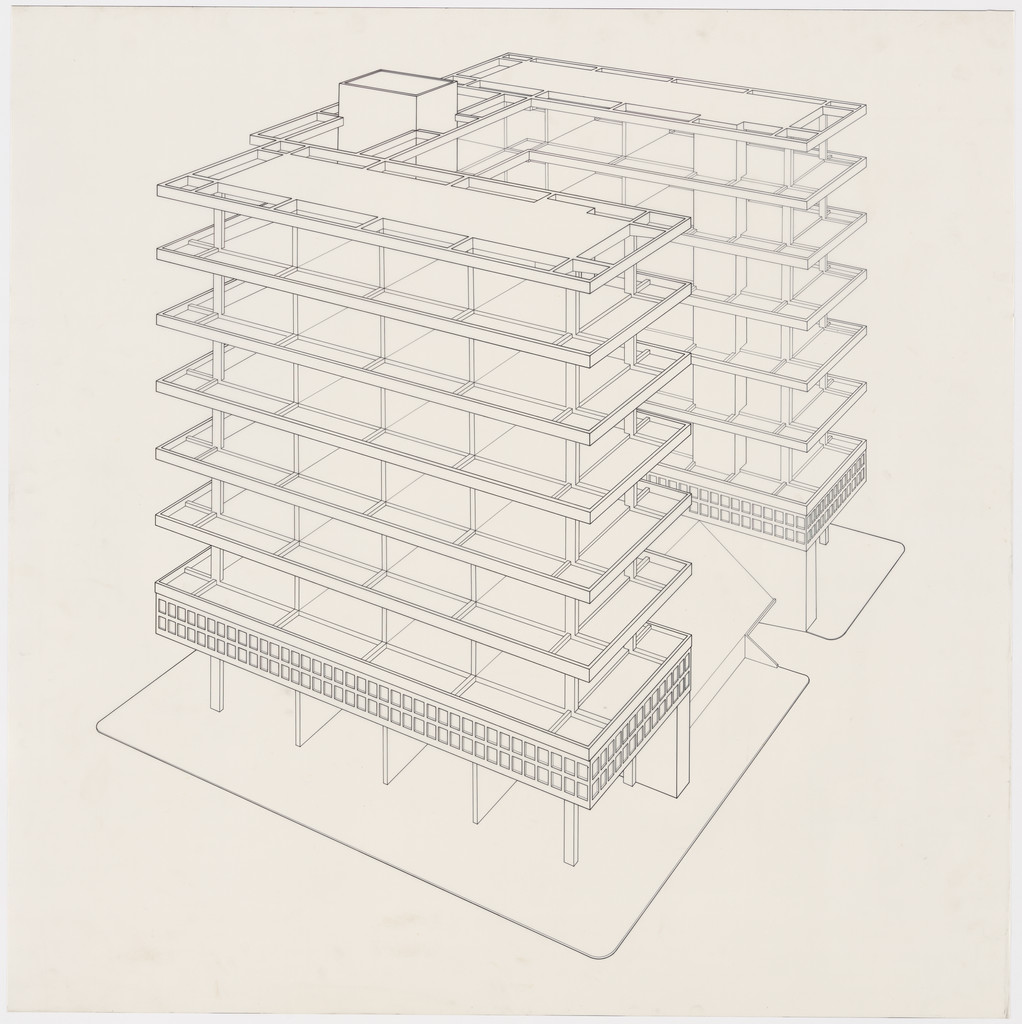
Highrise of Homes project
James Wines
1981
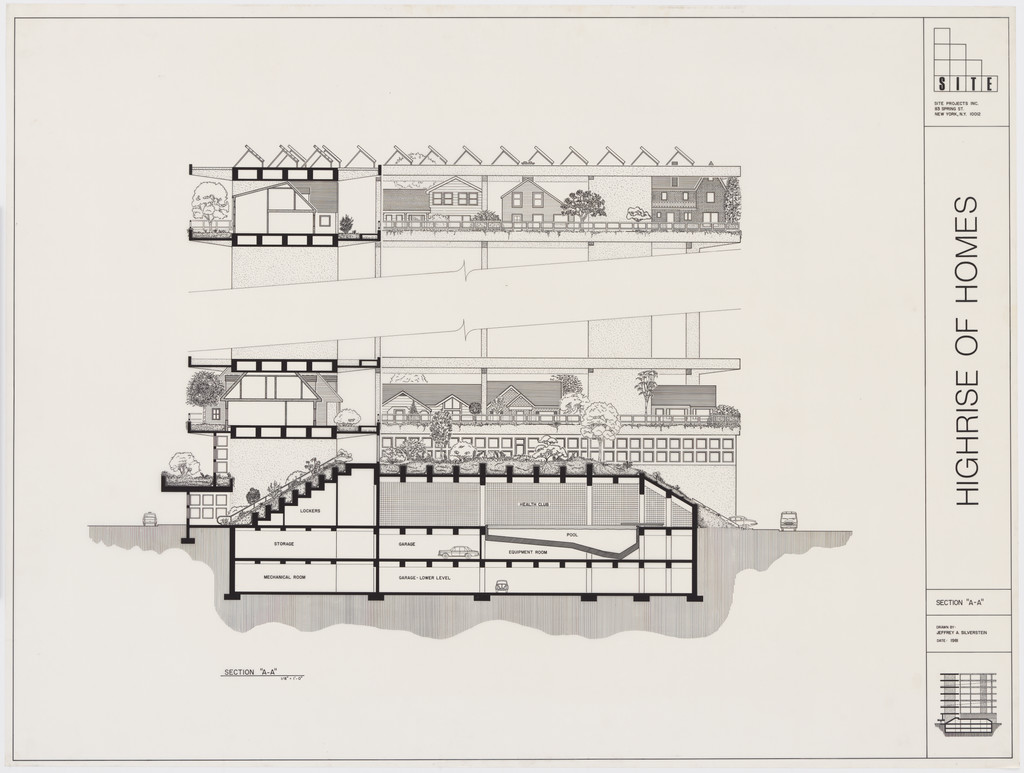
Highrise of Homes project
James Wines
1981
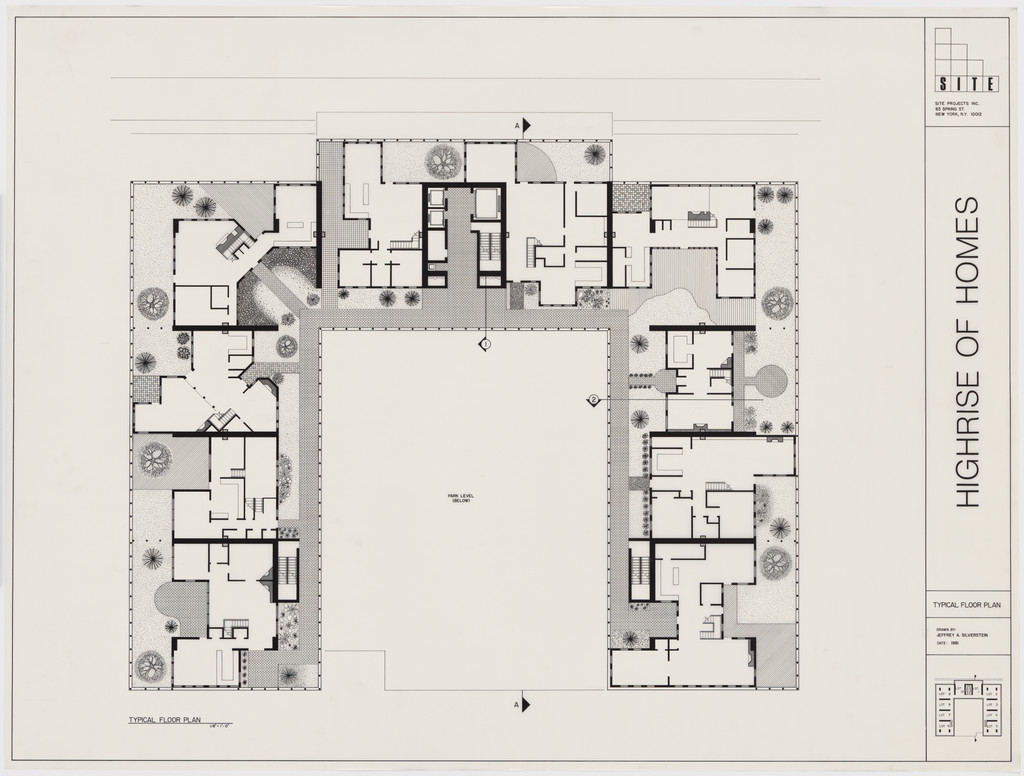
Highrise of Homes project
James Wines
1981
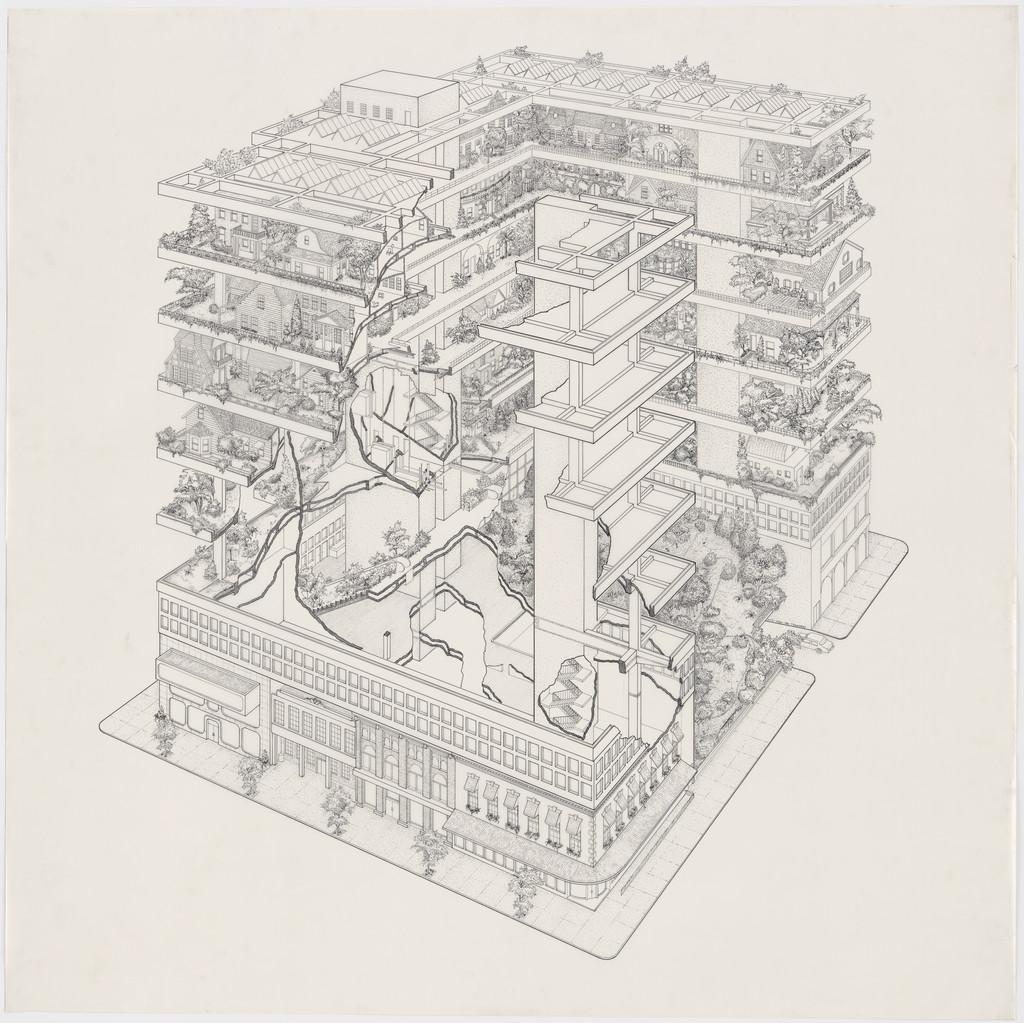
Highrise of Homes project
James Wines
1981
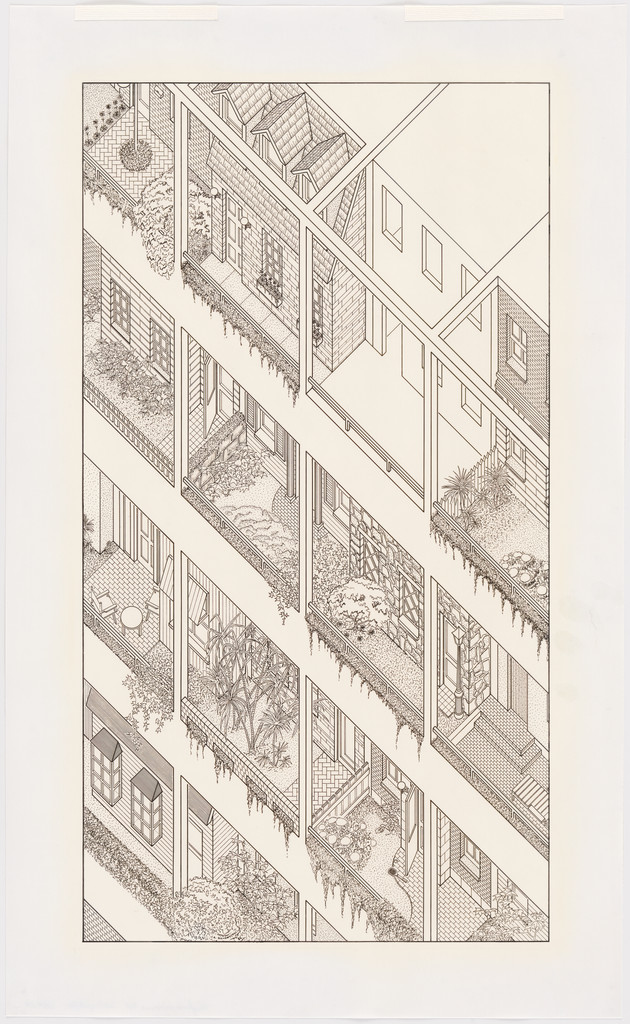
Highrise of Homes project (Axonometric)
James Wines
1981
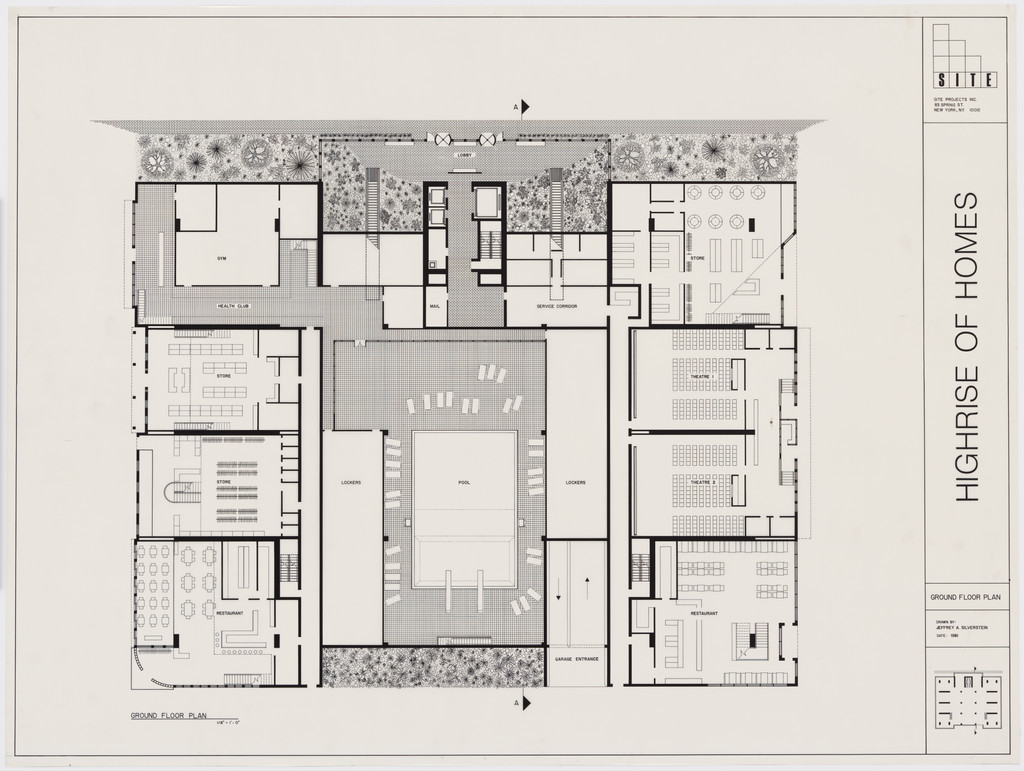
Highrise of Homes project (Plan)
James Wines
1981
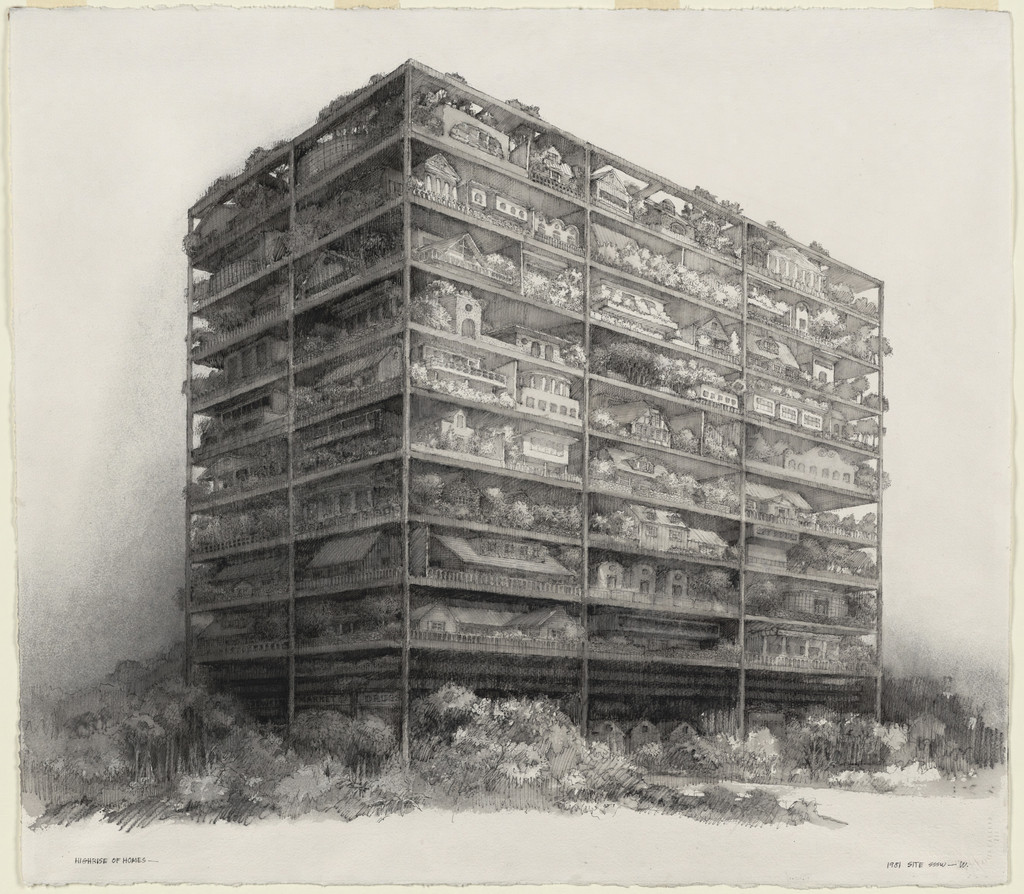
Highrise of Homes, project (Exterior perspective)
SITE
1981
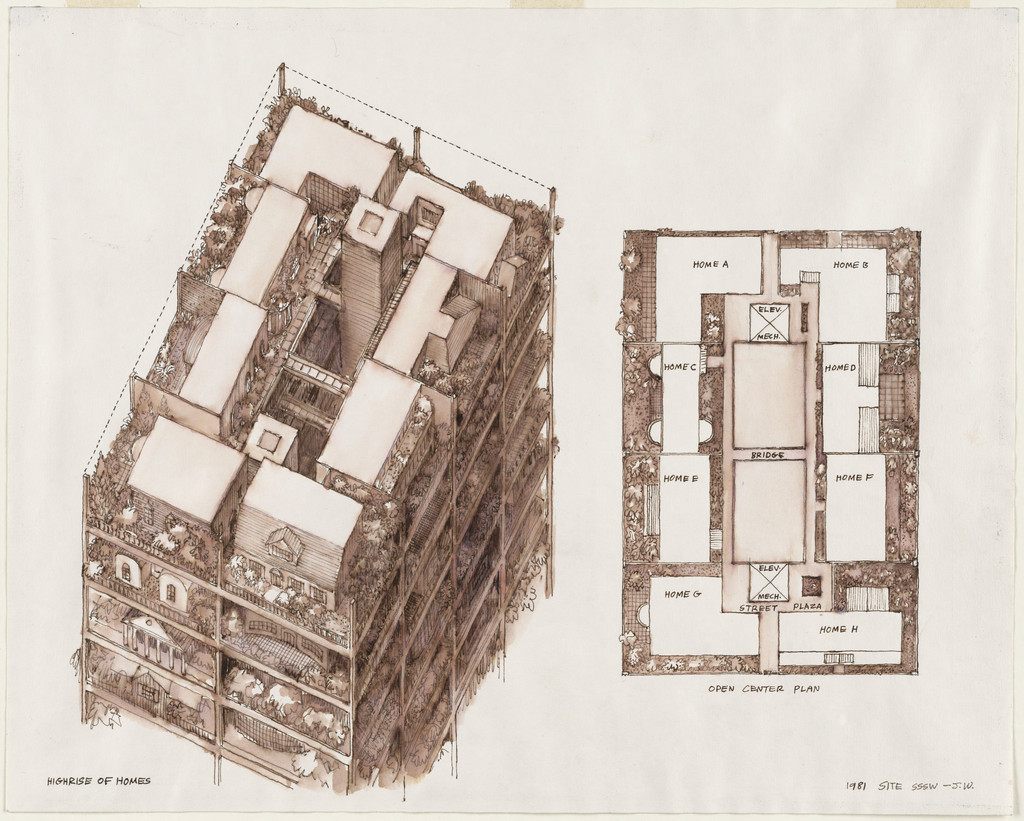
Highrise of Homes, project, Aerial perspective and plan
SITE
1981
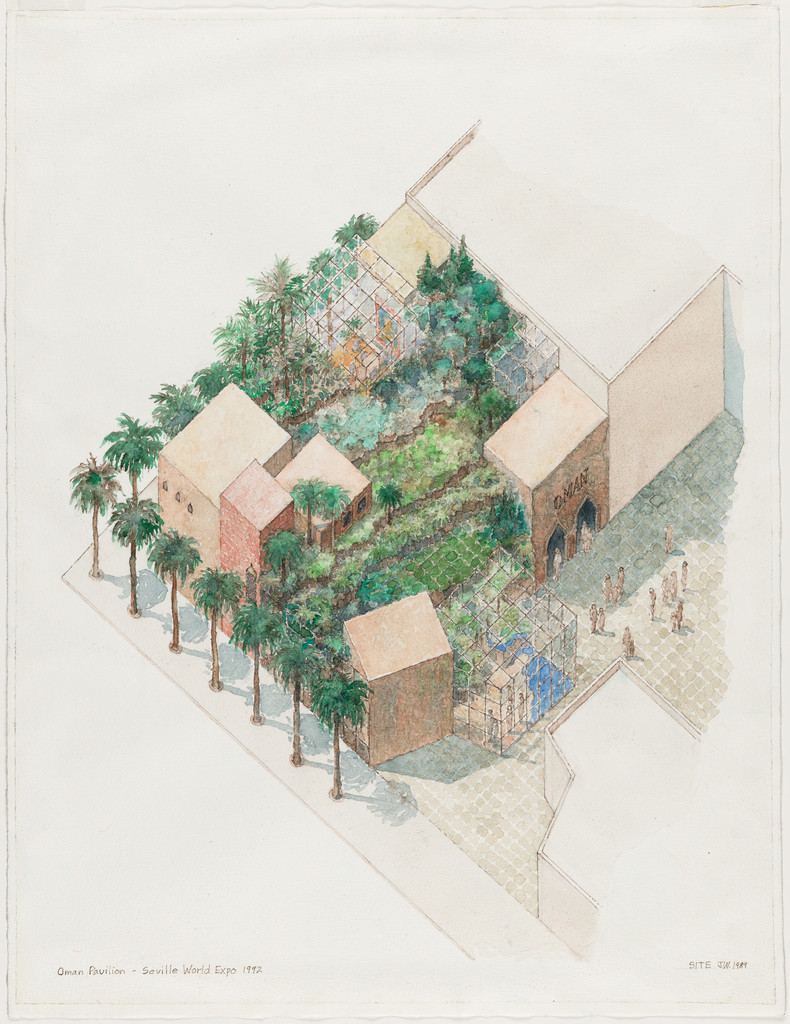
Seville World Fair, Oman Pavilion, project, Seville, Spai...
James Wines
1989
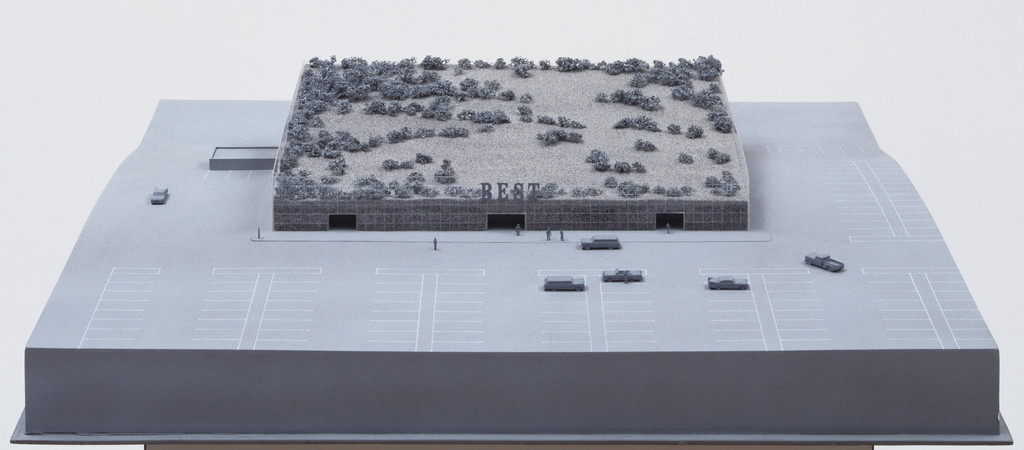
Terrarium Showroom project, California (Scale model, 1/16...
SITE
1978-79
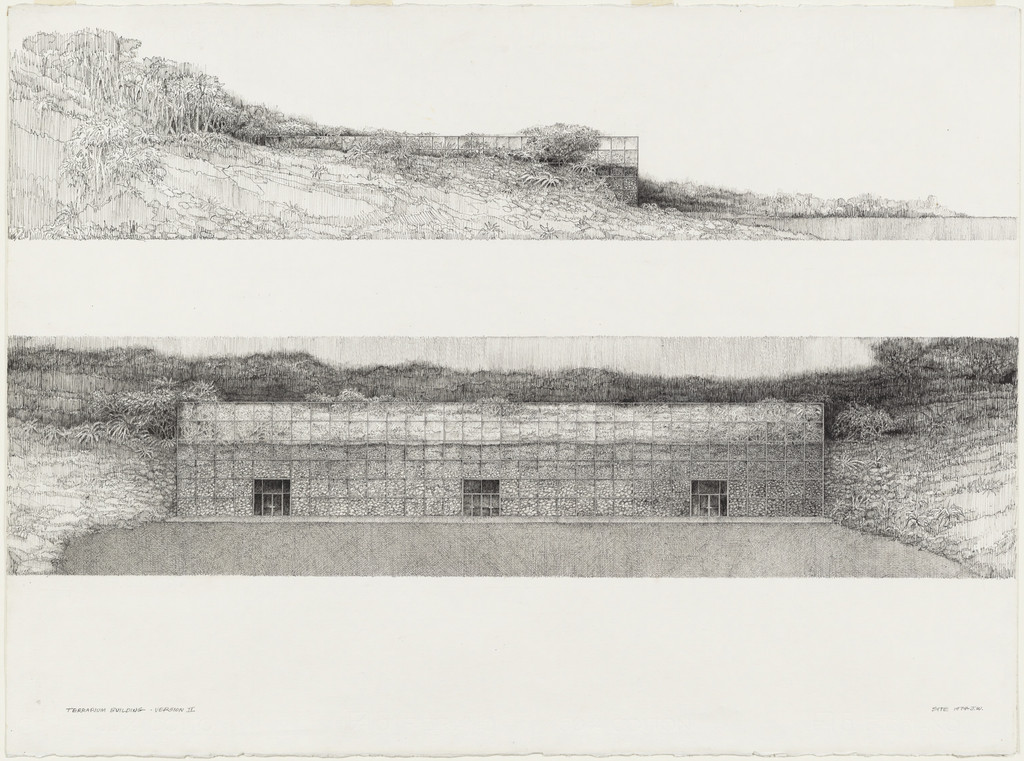
Terrarium Showroom, Elevations
SITE
1979