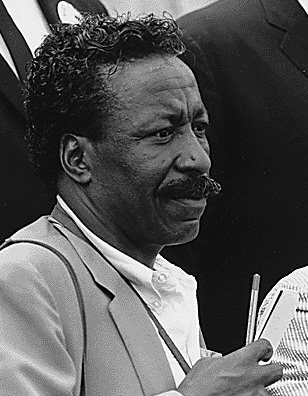
“I chose my camera as a weapon against all the things I dislike about America—poverty, racism, discrimination.” — Gordon Parks
The signs in Parks’s 1963 photograph Harlem Rally, Harlem, New York echo the refrain of protests against the police state and anti-Black racism then and now, during an unprecedented movement in defense of Black life: WE ARE LIVING IN A POLICE STATE / LIBERTY OR DEATH. The abolitionist call articulated within the frame reverberates across the photograph; the refrain repeats. Today, Parks’s photographs offer the opportunity to reckon with the hard truths of our history.
“I chose my camera as a weapon against all the things I dislike about America—poverty, racism, discrimination,” Gordon Parks asserted. Born in 1912 in Fort Scott, Kansas, Parks was the youngest of 15 children in a family deeply affected by the racial terror used to enforce Jim Crow segregation. Yet Parks’s experience of Black life in America ultimately straddled geographies, economic strata, and social circumstance. When Parks lost his mother at 15, he moved from his small Kansas town to St. Paul, Minnesota, to live with his sister. He was exposed to both urban and rural poverty and the racial hierarchies of the South and North: he survived an attempted lynching; endured a period of homelessness; composed a radio hit; worked as a waiter; toured with a semi-professional basketball team; played in a traveling orchestra; planted trees with the Civilian Conservation Corps; and became a father. After getting his first camera in 1937, Parks went to work as a photographer for the Farm Security Administration, before becoming a regular contributor to Ebony and Vogue. In 1949, he became the first African American staff photographer at Life magazine; in 1969, he became the first African American to direct a major Hollywood film, The Learning Tree. Parks’s list of accomplishments stands as a testament to his skill and resourcefulness as a photographer, filmmaker, memoirist, novelist, choreographer, composer, and poet, but what is most remarkable is how these experiences shaped his powerfully humanizing vision. Parks was an advocate for civil rights and tackled issues of race, poverty, and policing in America throughout his career. In his 1948 photo essay “Harlem Gang Leader,” Parks documents the life of 17-year-old Leonard “Red” Jackson with the hope of humanizing the individuals involved in Harlem gang wars and encouraging support for the community through social programs. Throughout the 1960s, Parks reflected on the Civil Rights Movement; his portrait of Malcolm X at a Harlem rally positions the popular activist as a powerful figure between the people amassed before him and the state, symbolized by the fragmented flag to which he points. In 1971, Parks directed the blockbuster Shaft, which upends racial stereotypes in its portrayal of John Shaft, a Black hero detective who takes down white criminals. In 1957, Parks was assigned to photograph for a series of articles addressing crime in the United States. With reporter Henry Suydam, Parks shot on the streets of New York, Chicago, Los Angeles, and San Francisco, producing color images that evoke what Life described as “The Atmosphere of Crime.” From this larger body of work, 12 pictures were reproduced in the September 9 issue of Life. Shot with available light, figures become silhouettes; the soft haze of a hallway feels warm as a man raises his hands; a person’s legs lay bare the scars of poverty and addiction. Parks does not name or identify “the criminal,” but instead exposes what Nicole Fleetwood describes as “police work”—the policing practices that criminalize poverty and race. Here, police work is rendered as violent and bureaucratic: detectives raid an apartment, attack a man in the hallway, file paperwork, speak on the radio, file more paperwork while we wait. The series speaks to a pivotal moment in a long history of policing in America that extends from the patrolling of enslaved people to this moment in 1957, shortly before Lyndon B. Johnson’s war on crime and the increasing militarization of the police. Considered today, Parks’s work on crime becomes a catalyst for reevaluating the intertwined histories of photography and criminality in the United States: a story of surveillance and racialized optics in which we are still entrenched.
River Bullock, Beaumont and Nancy Newhall Curatorial Fellow, Department of Photography, 2020
Works in Collection
75 works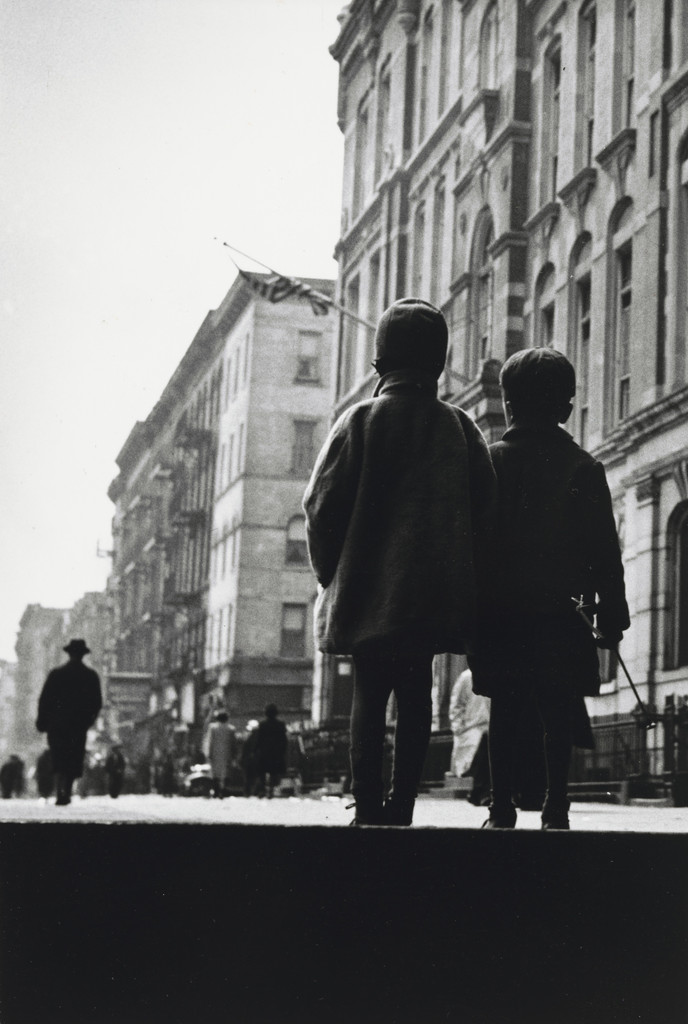
A Harlem Scene, New York, NY
Gordon Parks
1943
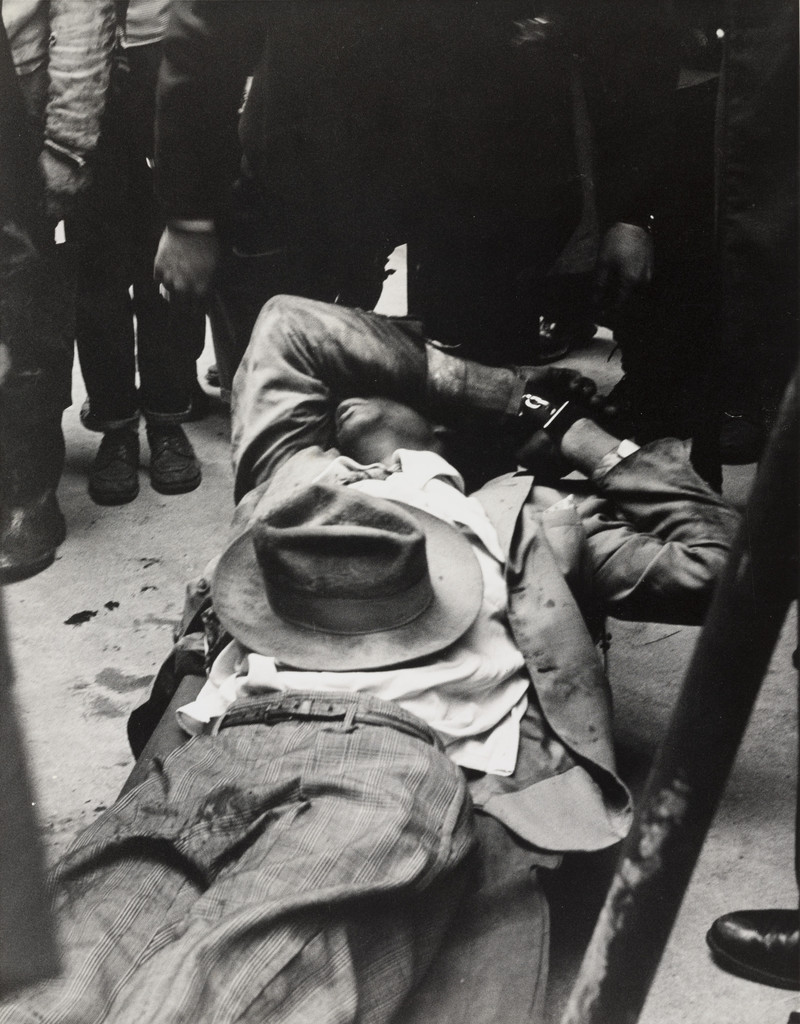
Arrested, Metropolitan Baptist Church, Chicago
Gordon Parks
1953
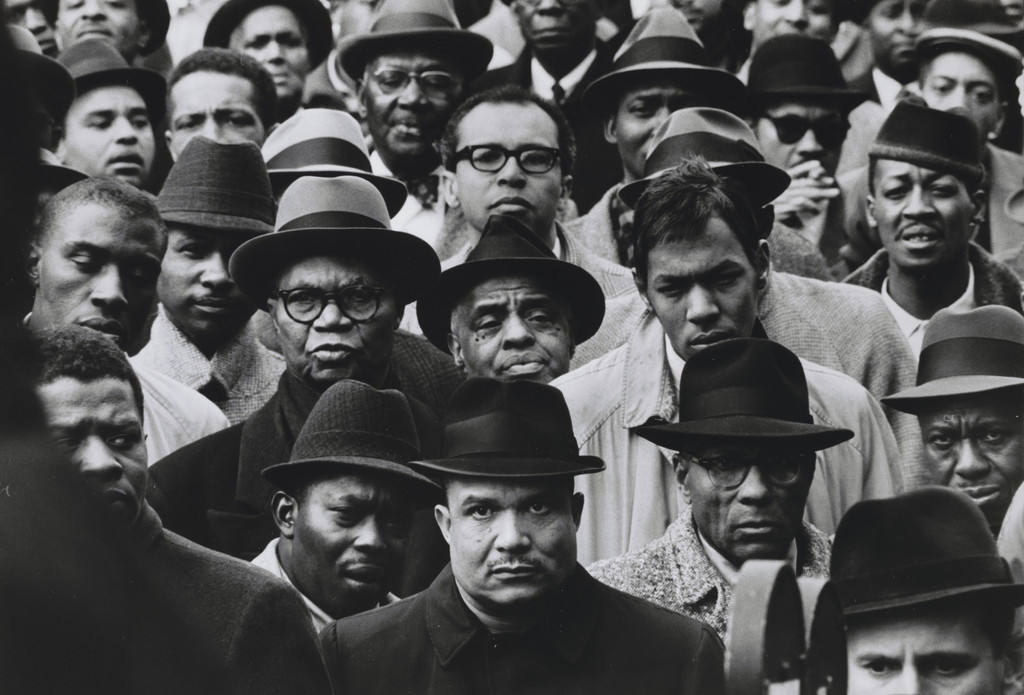
Black Muslim Rally, Harlem, New York
Gordon Parks
1963
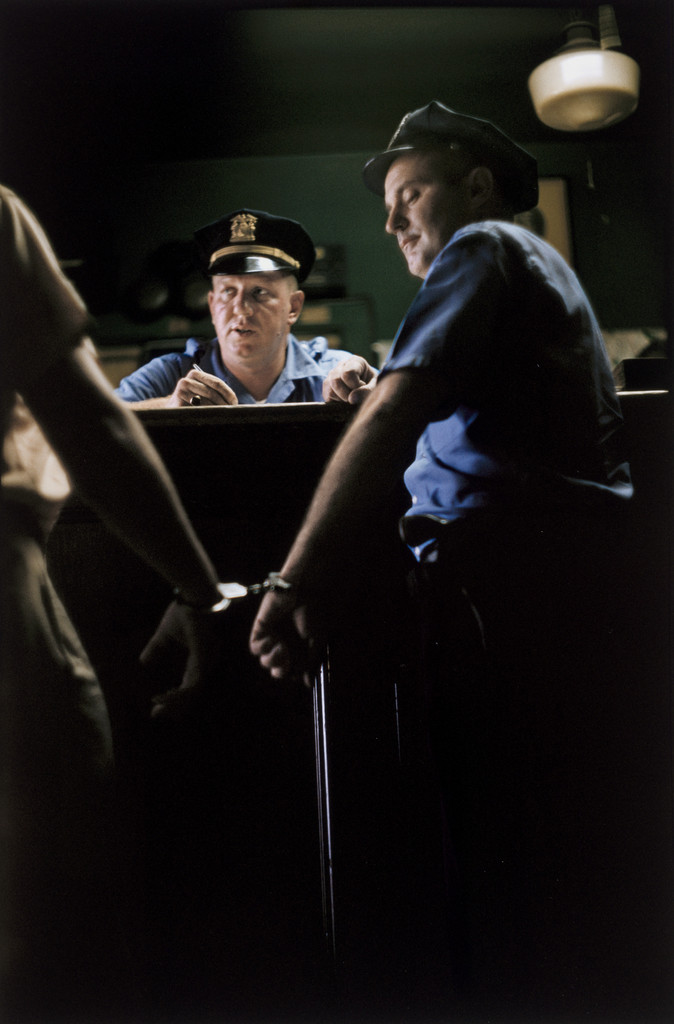
Checking In Suspect, Chicago, Illinois
Gordon Parks
1957
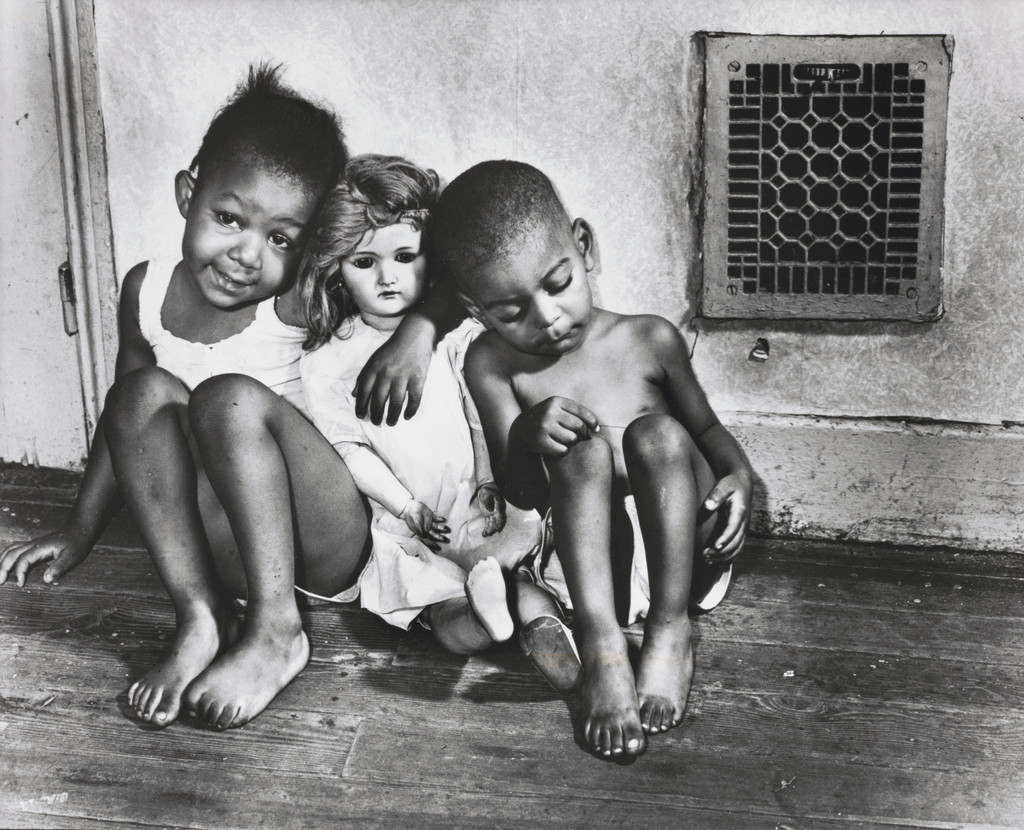
Children with Doll, Washington, D.C.
Gordon Parks
1942
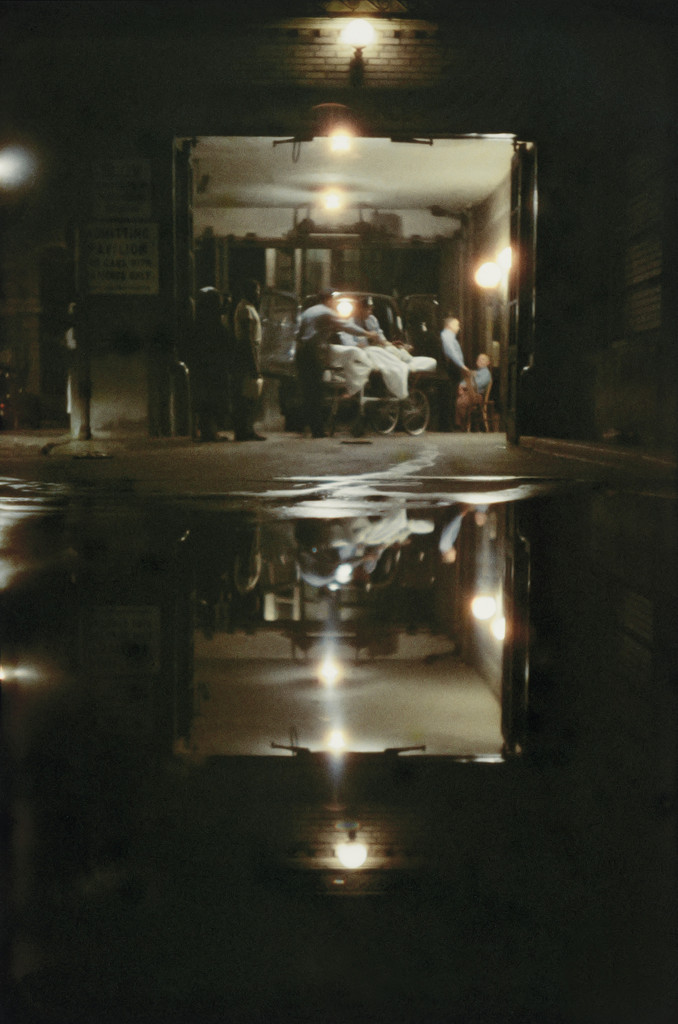
Cops Bring In Knifing Victim, Chicago, Illinois
Gordon Parks
1957
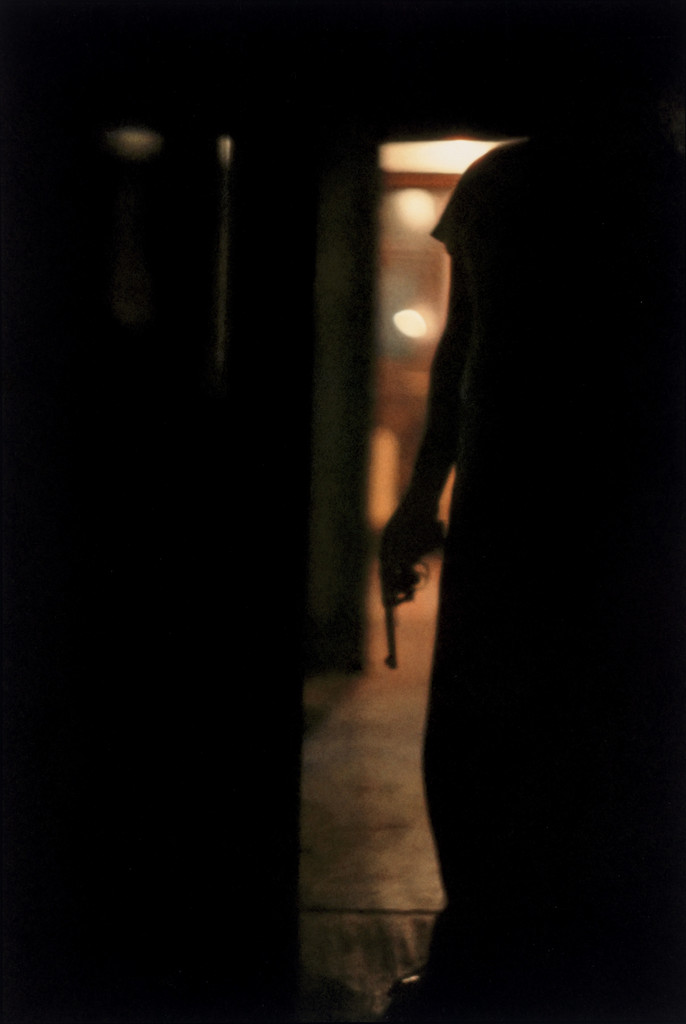
Crime Suspect with Gun, Chicago, Illinois
Gordon Parks
1957
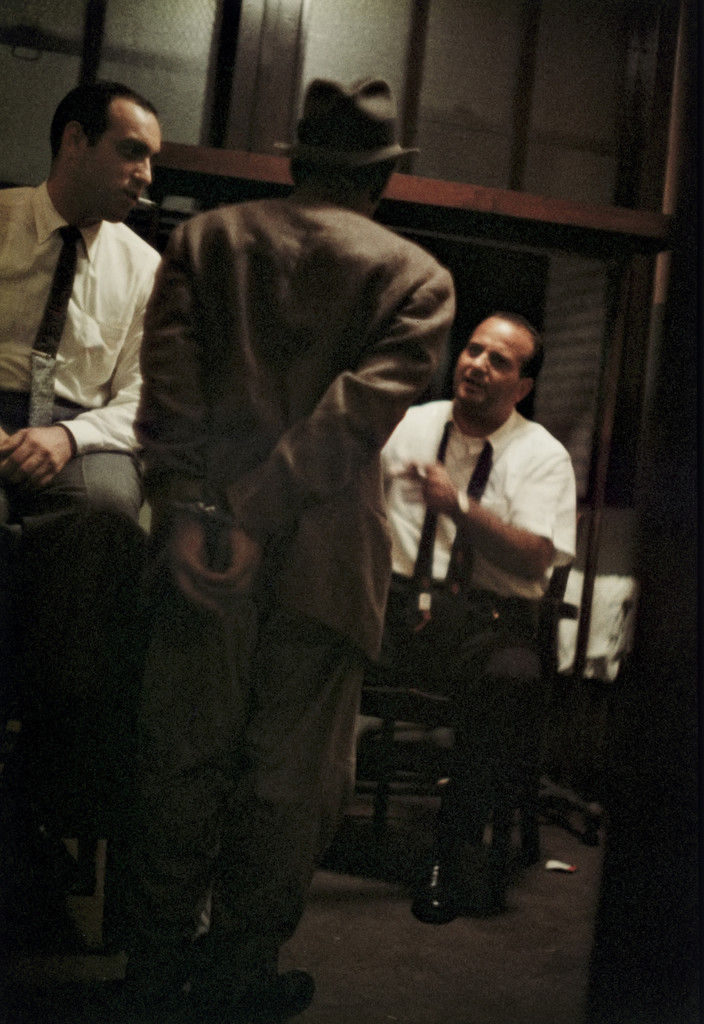
Detectives Grilling a Suspect, Chicago, Illinois
Gordon Parks
1957
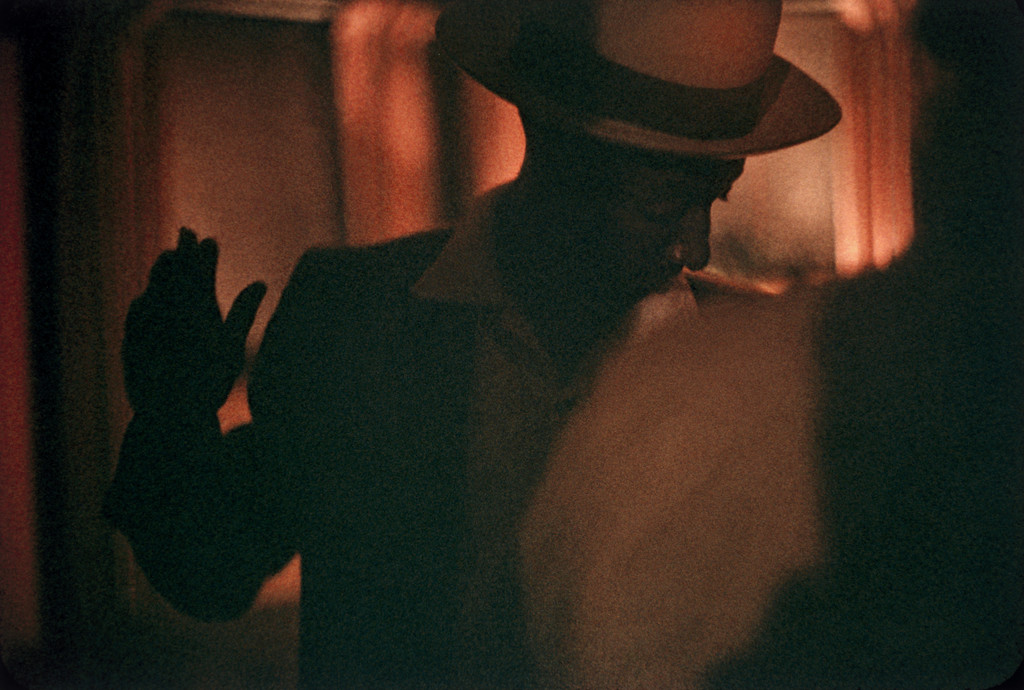
Drug Search, Chicago, Illinois
Gordon Parks
1957
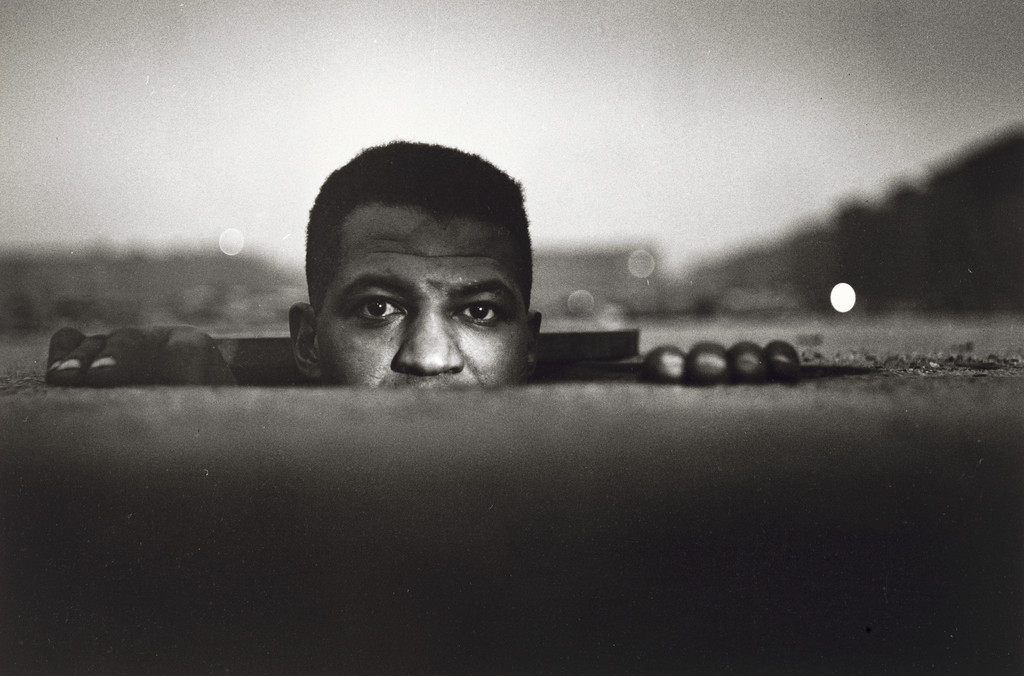
Emerging Man, Harlem, New York
Gordon Parks
1952
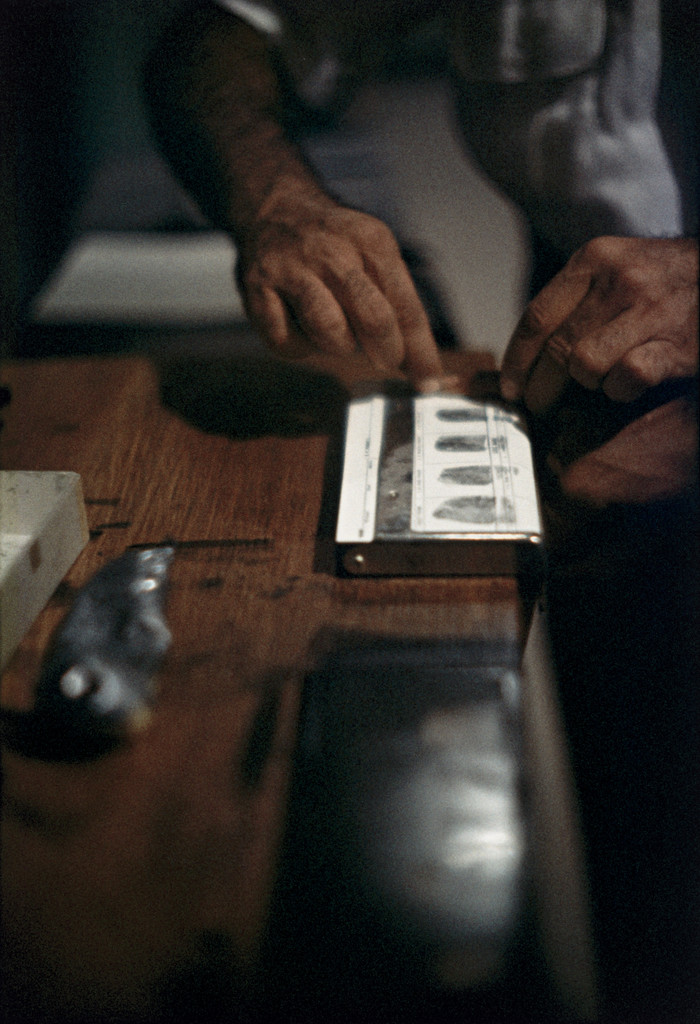
Fingerprinting Addicts for Forging Prescription, Chicago,...
Gordon Parks
1957
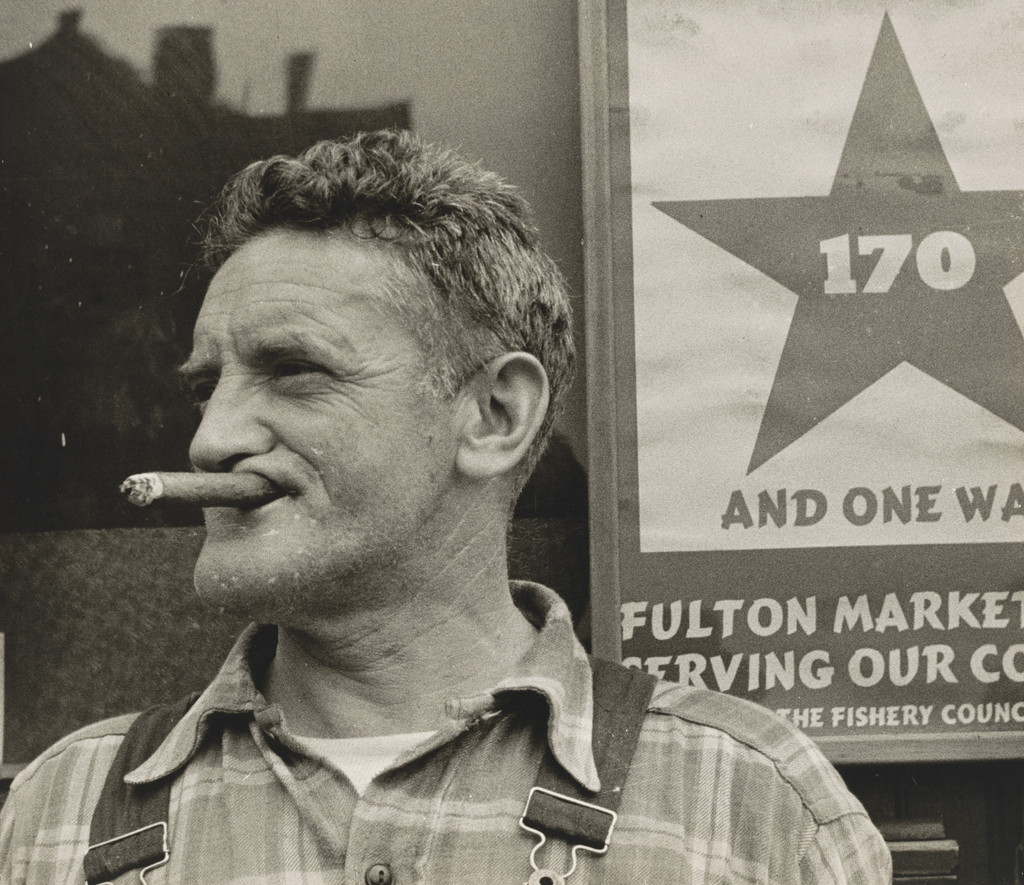
Fulton Fish Market Hooker, New York
Gordon Parks
1943
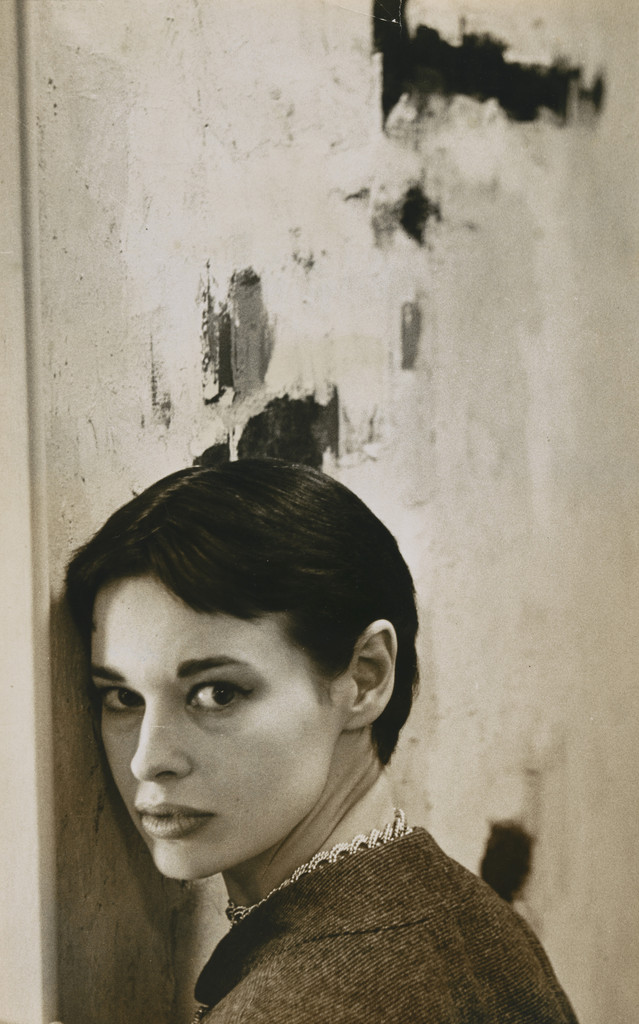
Gloria Vanderbilt, New York
Gordon Parks
1954
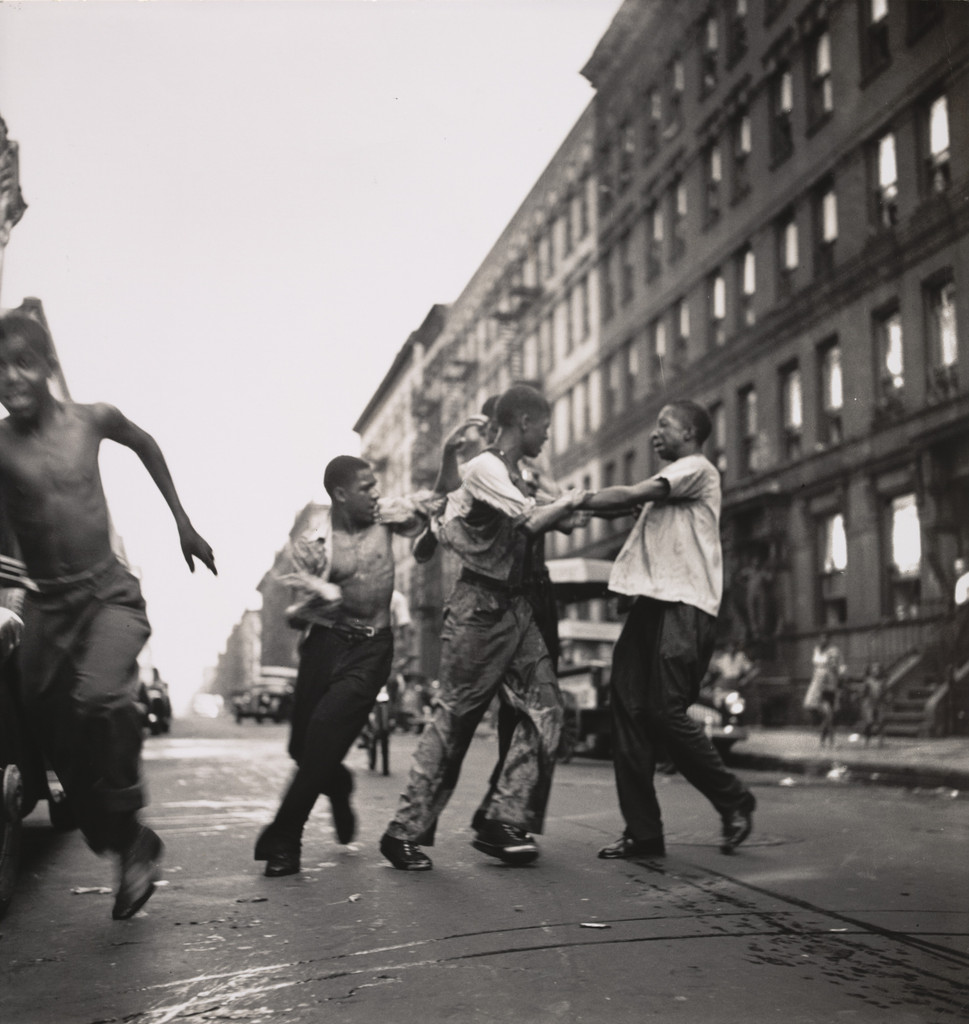
Harlem Gang Wars
Gordon Parks
1948
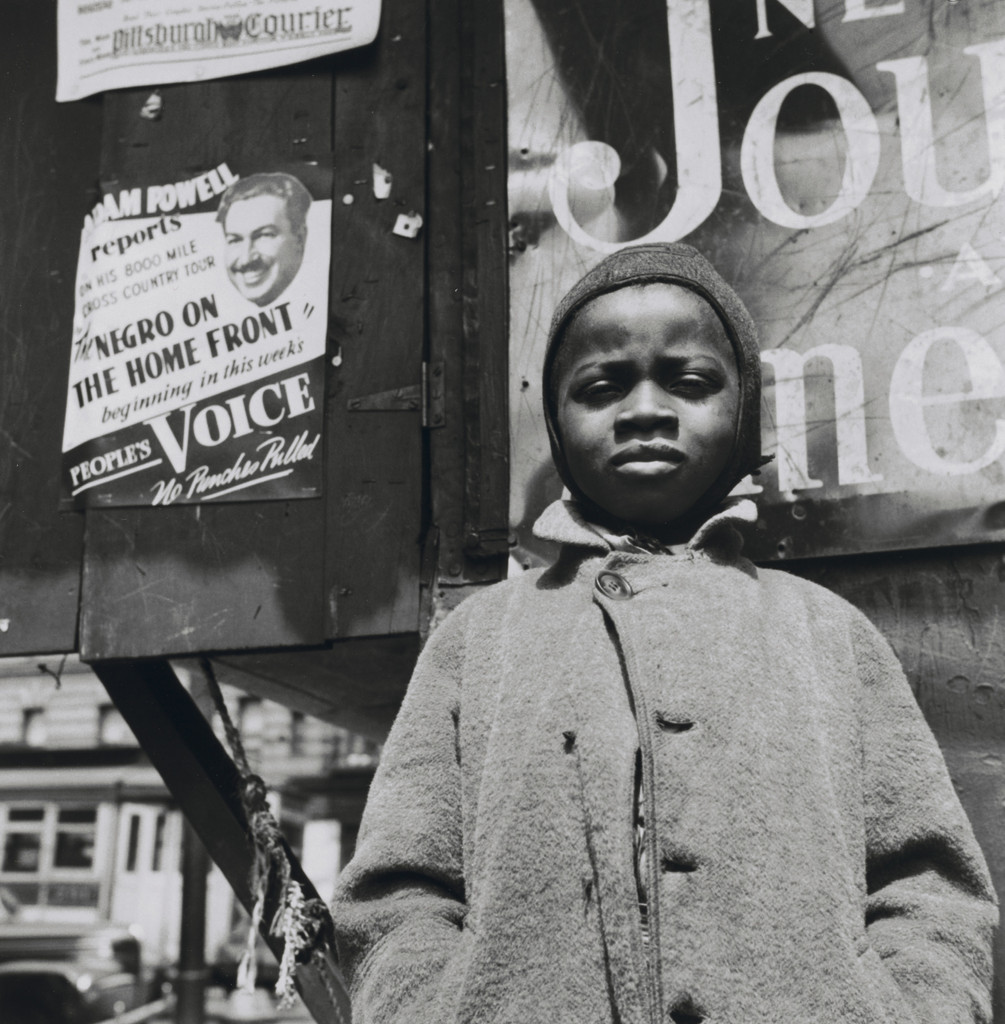
Harlem Newsboy, Harlem, New York
Gordon Parks
1943
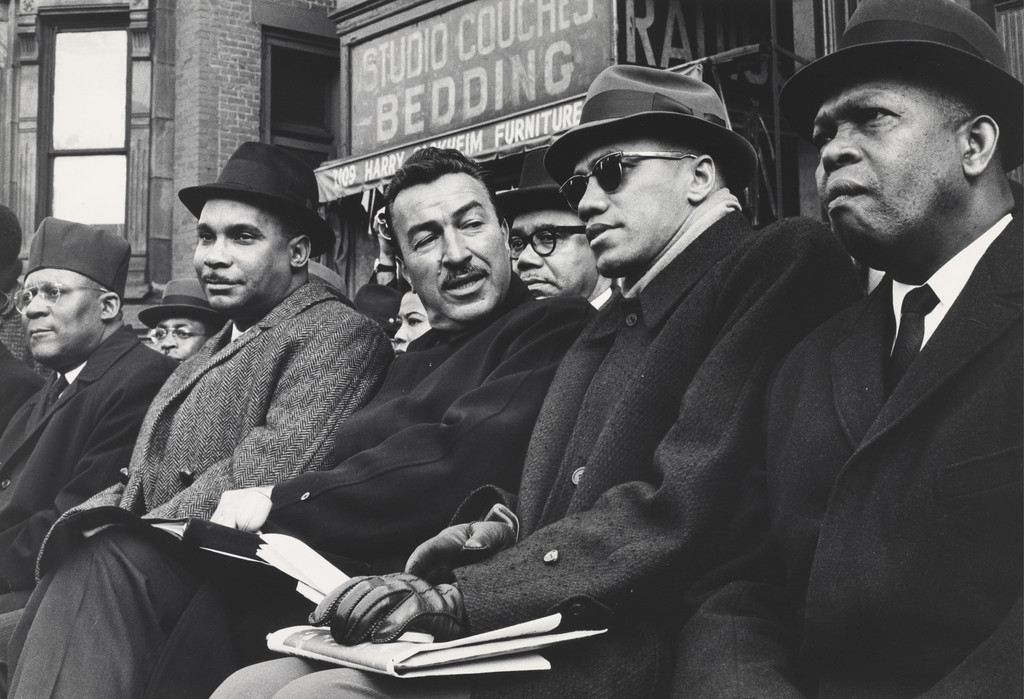
Harlem Rally
Gordon Parks
1963
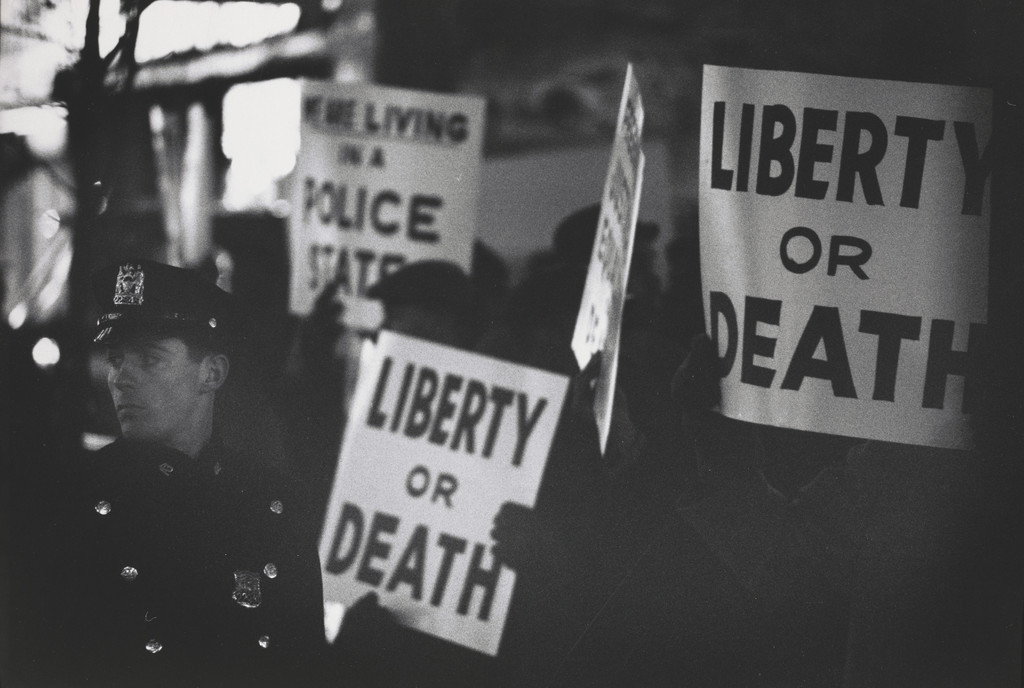
Harlem Rally, Harlem, New York
Gordon Parks
1963
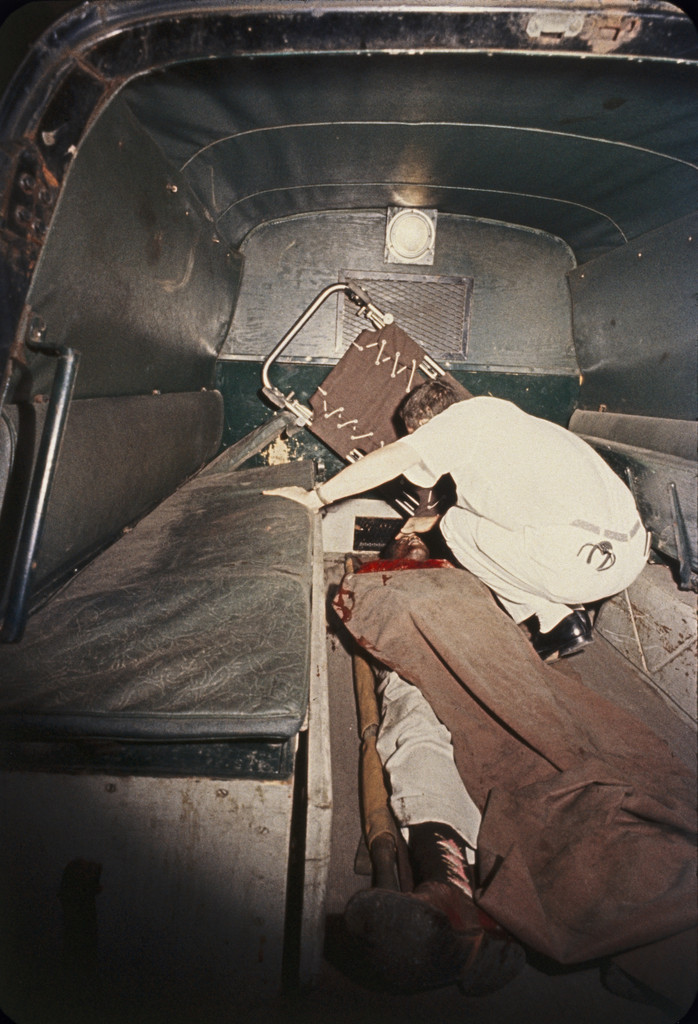
Knifing Victim I, Chicago, Illinois
Gordon Parks
1957
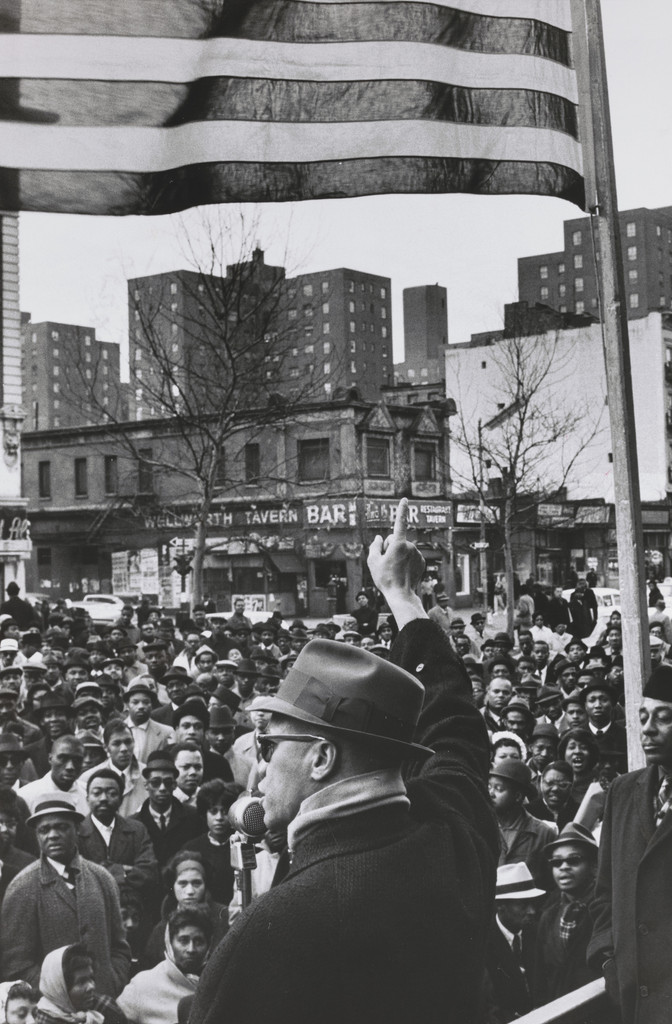
Malcolm X Gives Speech at Rally, Harlem, New York
Gordon Parks
1963
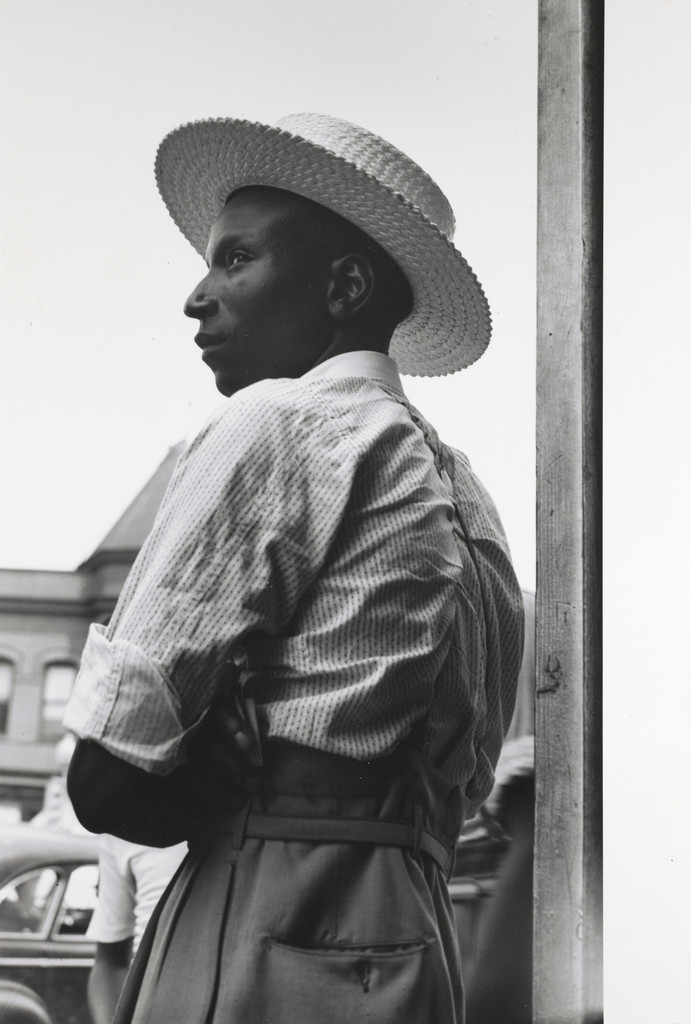
Man with Straw Hat, Washington, D.C.
Gordon Parks
1942
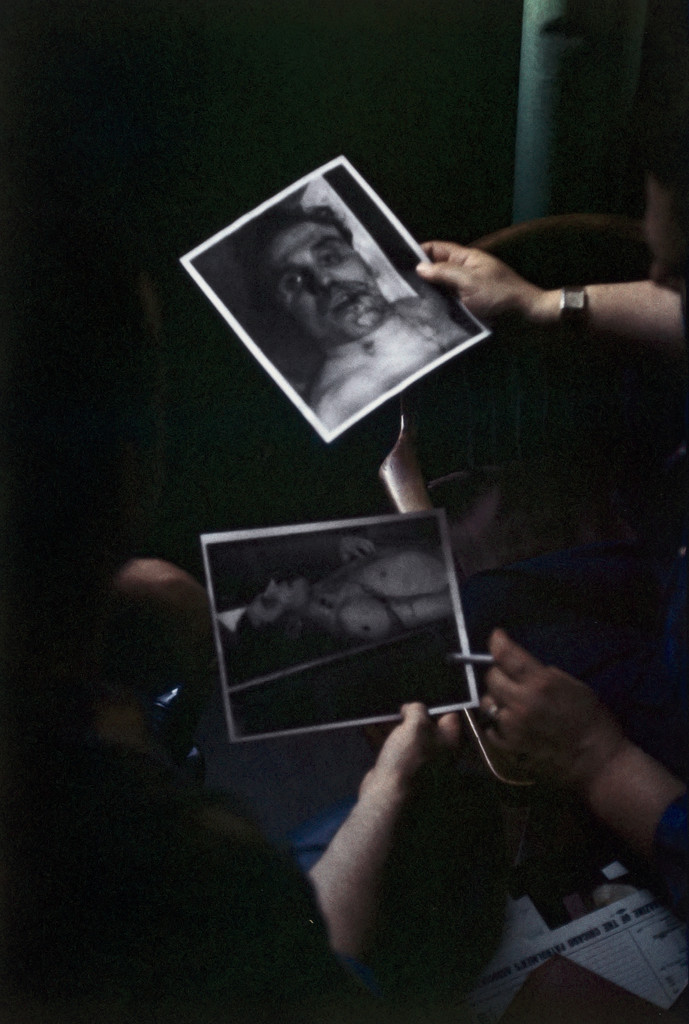
Morgue Photos of Dope Peddler Killed by Cops, Chicago, Il...
Gordon Parks
1957
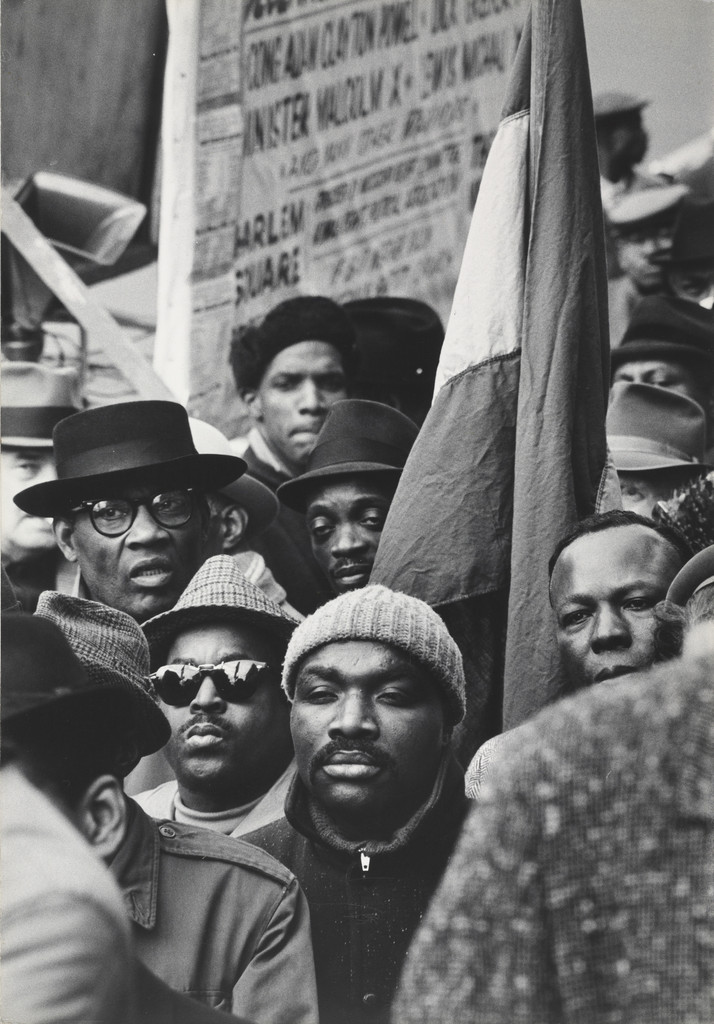
Muslim Rally
Gordon Parks
1963
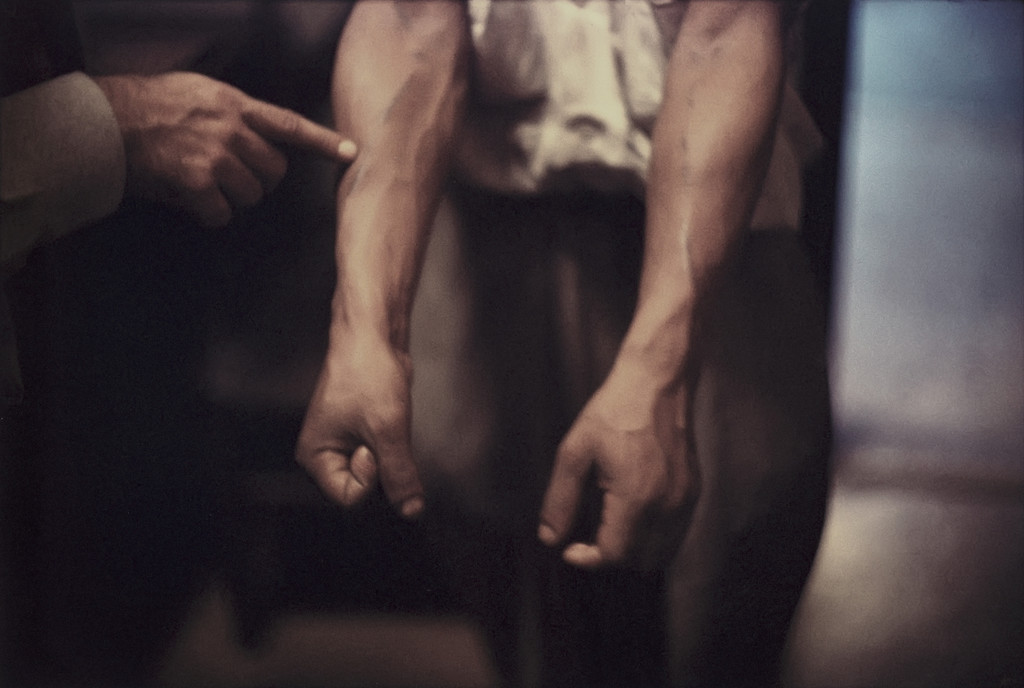
Narcotics Addict, Chicago, Illinois
Gordon Parks
1957
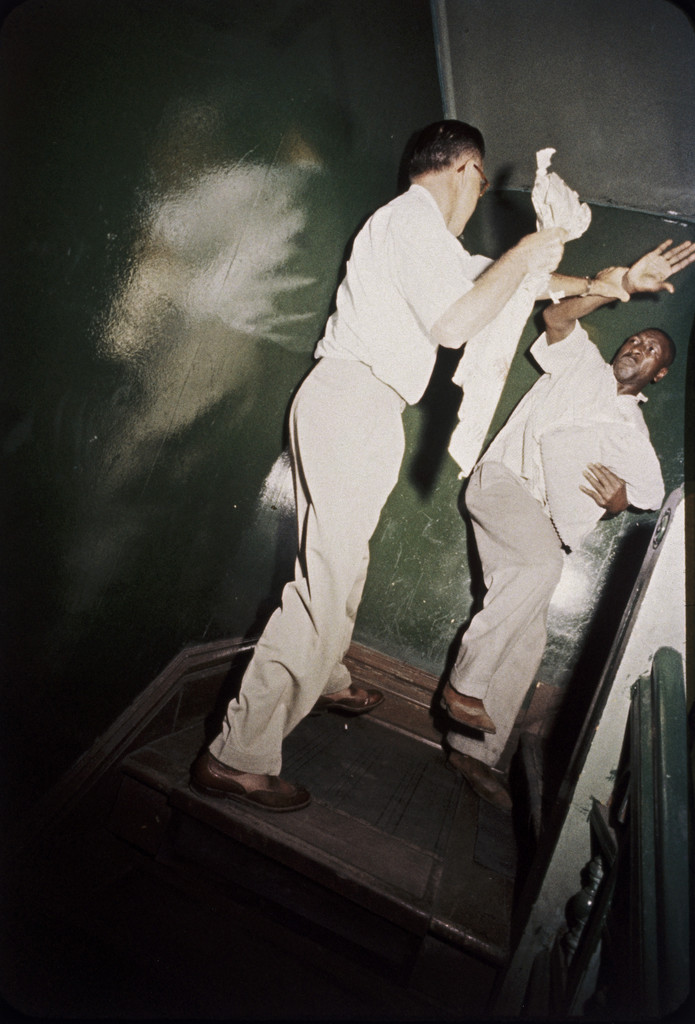
Police Raid, Chicago, Illinois
Gordon Parks
1957
Exhibitions
4 exhibitionsApr 06, 1948 – Jul 11, 1948
In and Out of Focus: A Survey of Today's Photography
79 artists · 1 curator
Nov 20, 1951 – Dec 12, 1951
Memorable Life Photographs
61 artists · 1 curator
Jan 24, 1955 – May 08, 1955
The Family of Man
251 artists · 2 curators
Mar 16, 1965 – May 16, 1965
The Photo Essay
67 artists · 2 curators