Exposure
To make an exposure, a photographer allows visible light or invisible radiation to land on a light-sensitive surface or digital sensor for a given amount of time. An action occurring early in the creation process of most photographs, the exposure can take many forms. In camera-based photography, it may involve removing a lens cap or releasing a shutter. In cameraless photography, light-sensitive material, such as film or photosensitized paper, is exposed directly to light. Early photo negatives had weak sensitivity to light, and exposures could last from several seconds to several minutes. For much of the 19th century, this limited photography to depicting motionless subjects, requiring those who posed for photographs to hold still for long periods. Technological advances would shorten exposure times enough that, by the 1880s, Étienne-Jules Marey and Eadweard Muybridge could record crisp images of animals in motion. At the end of the 19th century, photographers began experimenting with lengthened exposures to create expressive photographs featuring softened and blurred images. A photograph can also combine two or more exposures in a single image, which are then laid on top of one another.
Featured Works
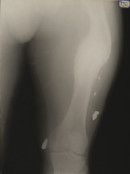
7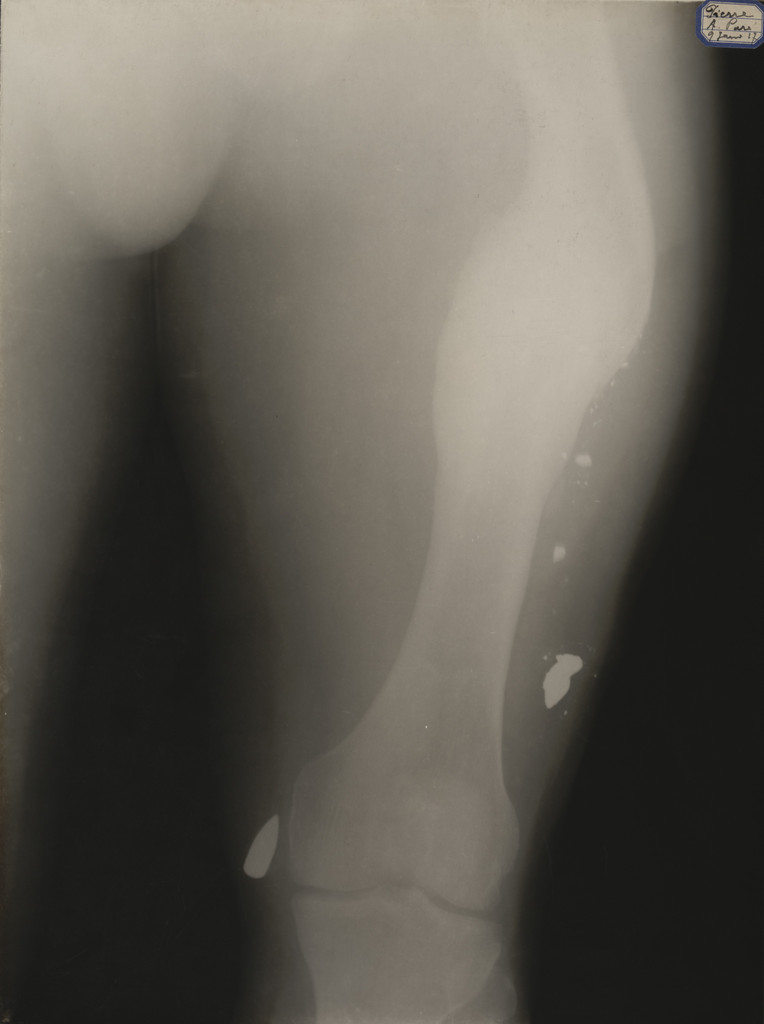
X-Ray
Unidentified photographer
1917
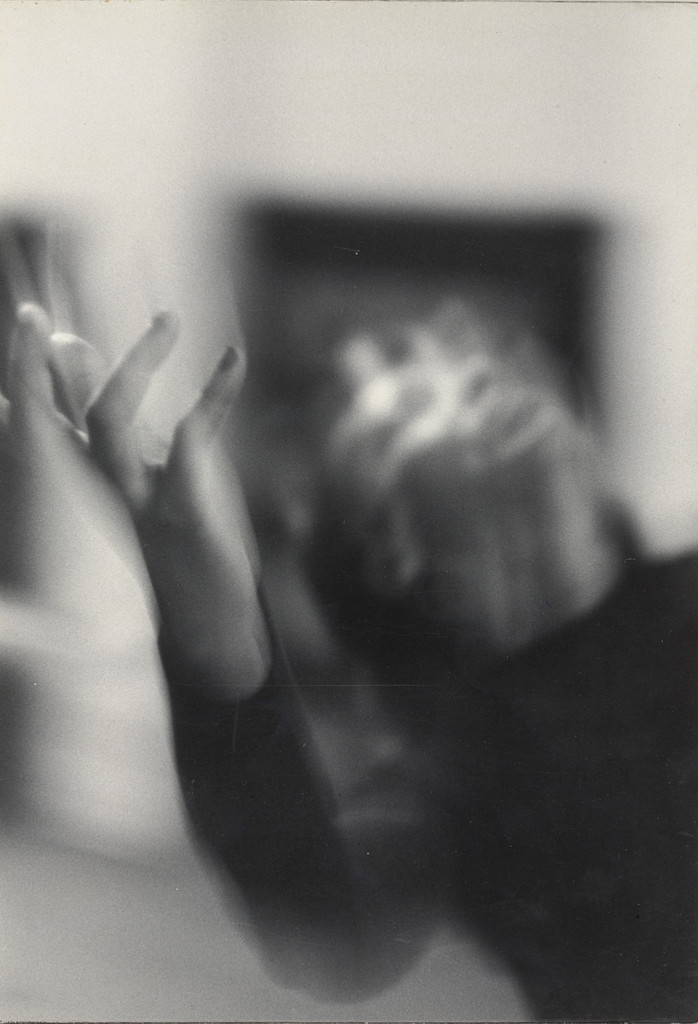
Untitled
Roy DeCarava
c. 1955
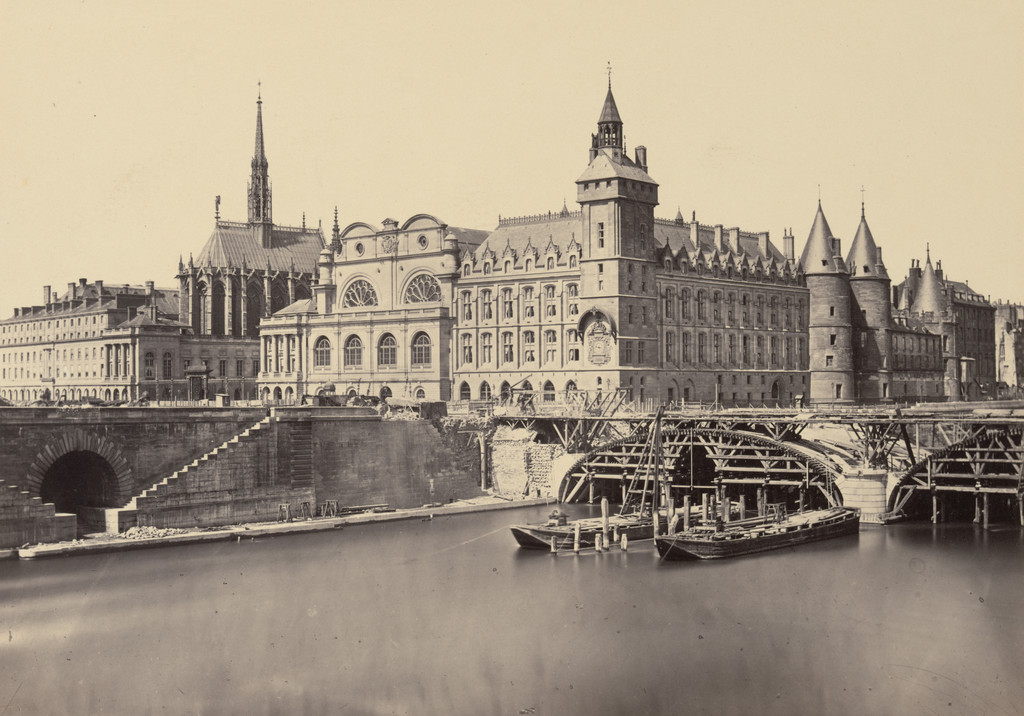
Conciergerie, Prison, Paris
Édouard-Denis Baldus
1856
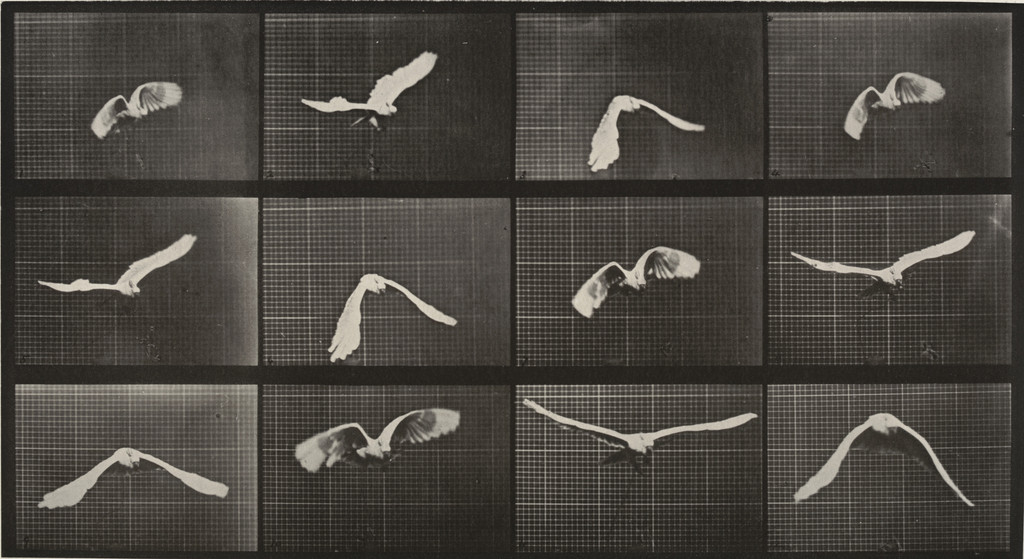
Cockatoo Flying: Plate 762 from Animal Locomotion
Eadweard J. Muybridge
1884-86
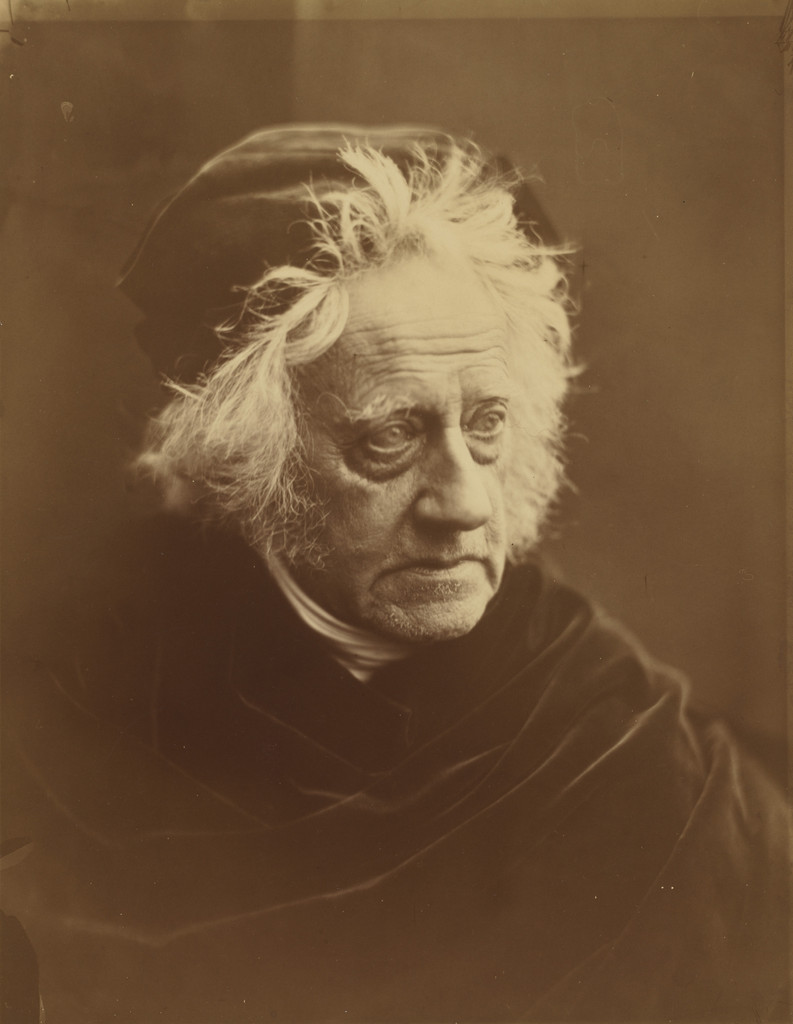
Sir John F. W. Herschel
Julia Margaret Cameron
1867
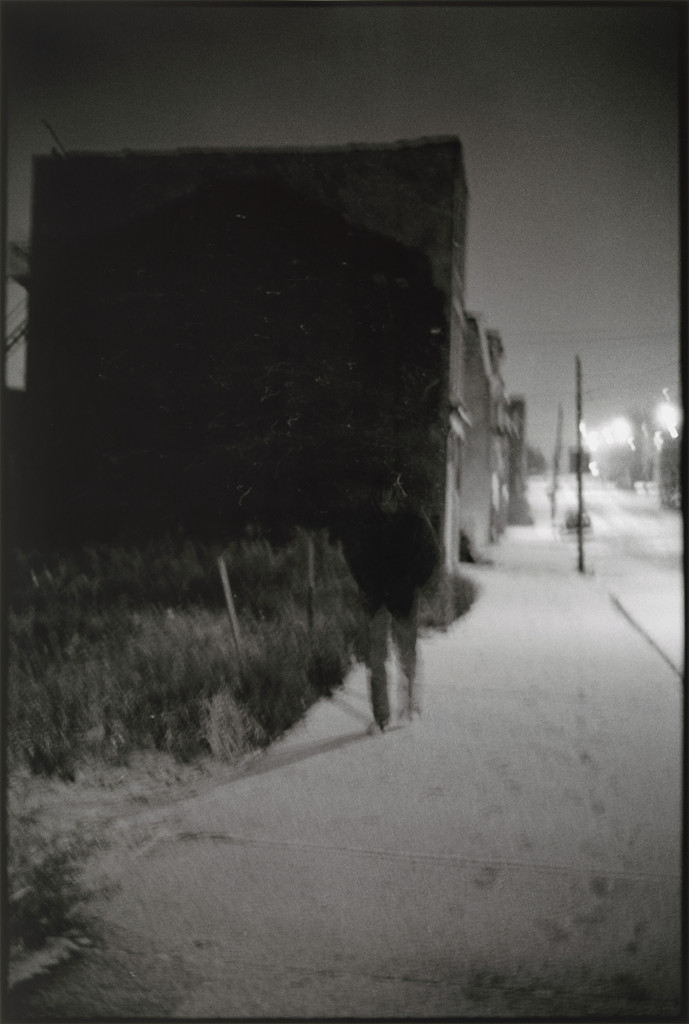
Invisible Man, Somewhere, Everywhere
Ming Smith
1991
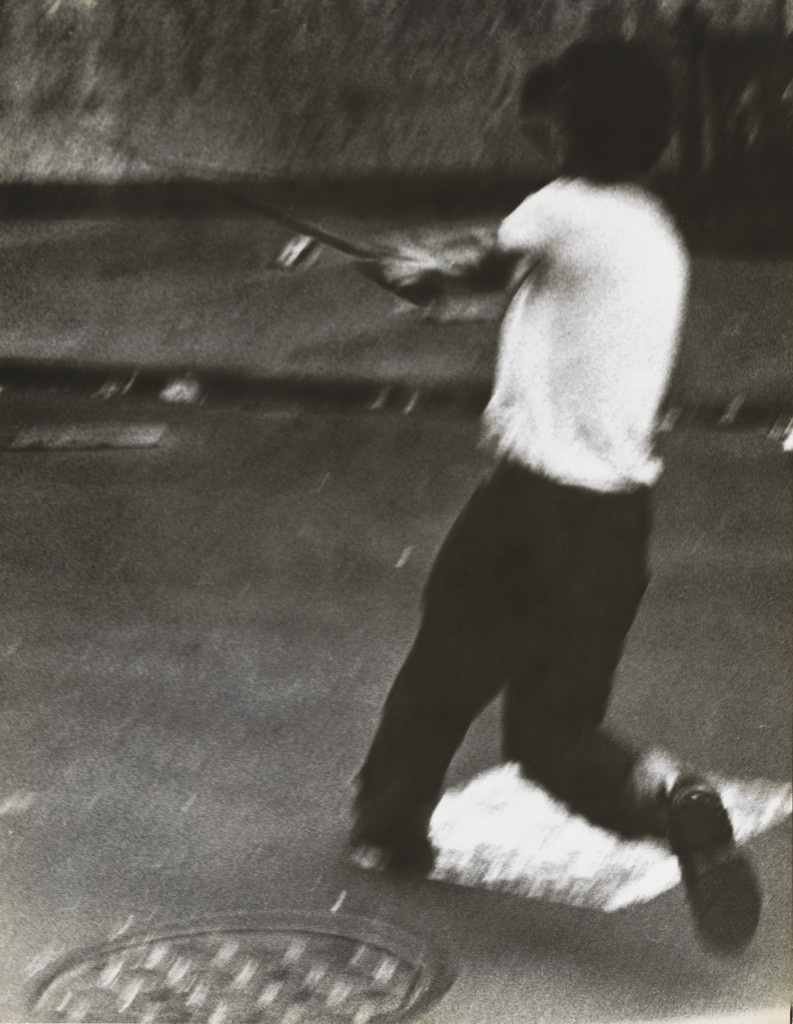
Stickball, New York
William Klein
1955