
Metabolist architecture
A movement in Japanese architecture of the 1960s reflecting the belief that cities could be designed according to organic paradigms. Metabolist architects hoped that the use of biological processes as models would give them efficient ways to deal with the rapid growth and technological progress of societies all over the world. Their design philosophy involved gigantic buildings. This monumental scale reflected operations they also saw at work in contemporary urban growth; their buildings were to become nodes in the organic fabric of the rapidly growing city.
Featured Works
7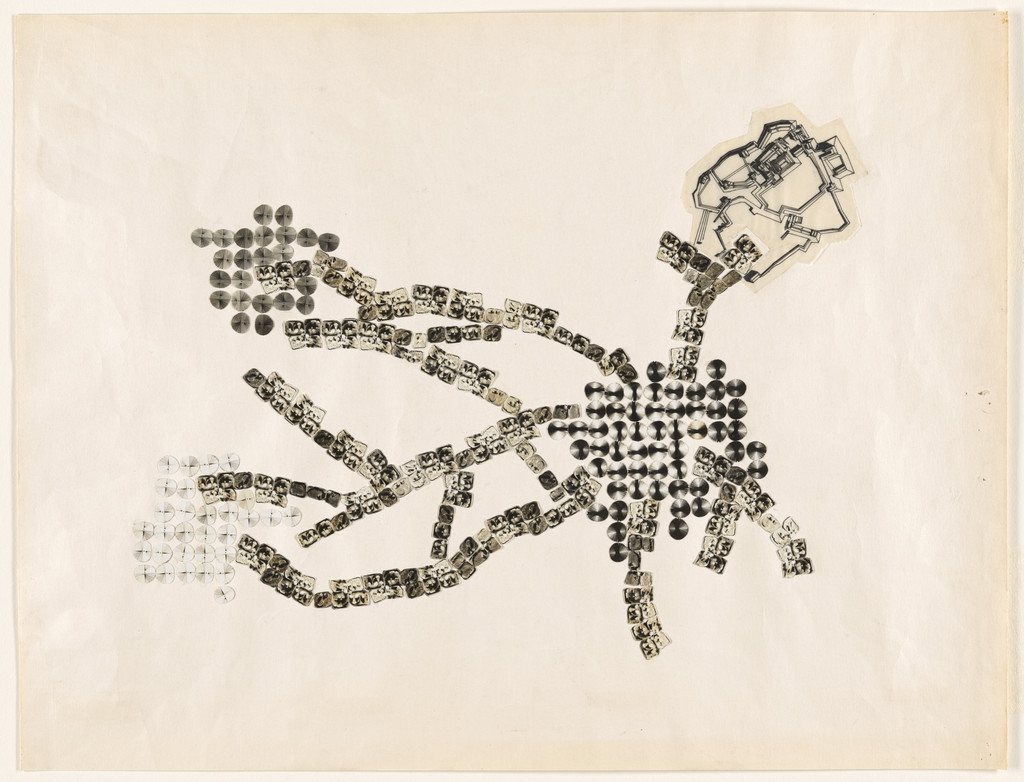
Helix City Project, Tokyo, Japan (Plan)
Kisho Kurokawa
1961
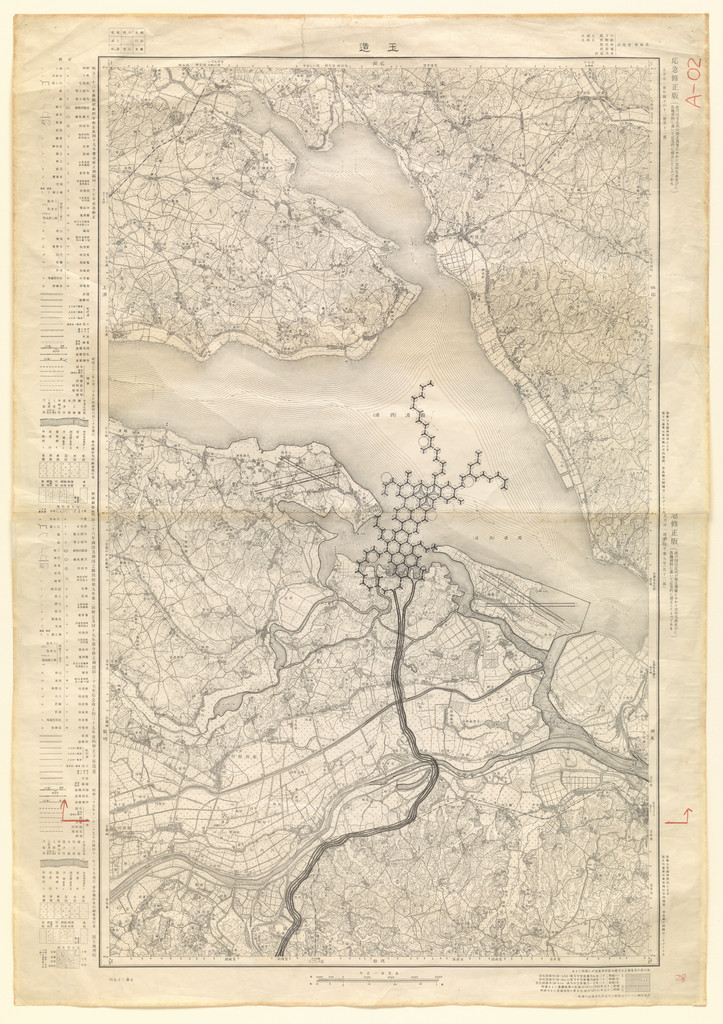
Floating City project, Kasumigaura, Japan (Plan)
Kisho Kurokawa
1961
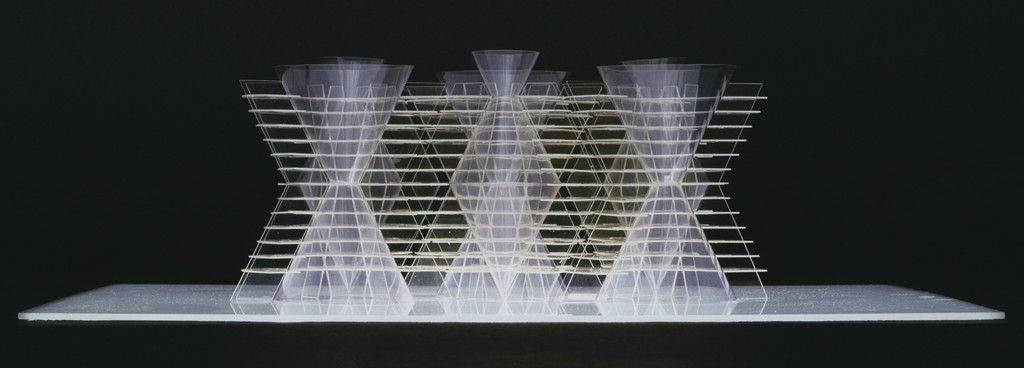
Golgi Structures, project
Fumihiko Maki
1967

Capsule A1305 from the Nakagin Capsule Tower Building, To...
Kisho Kurokawa
1970–1972, restored 2022–2023
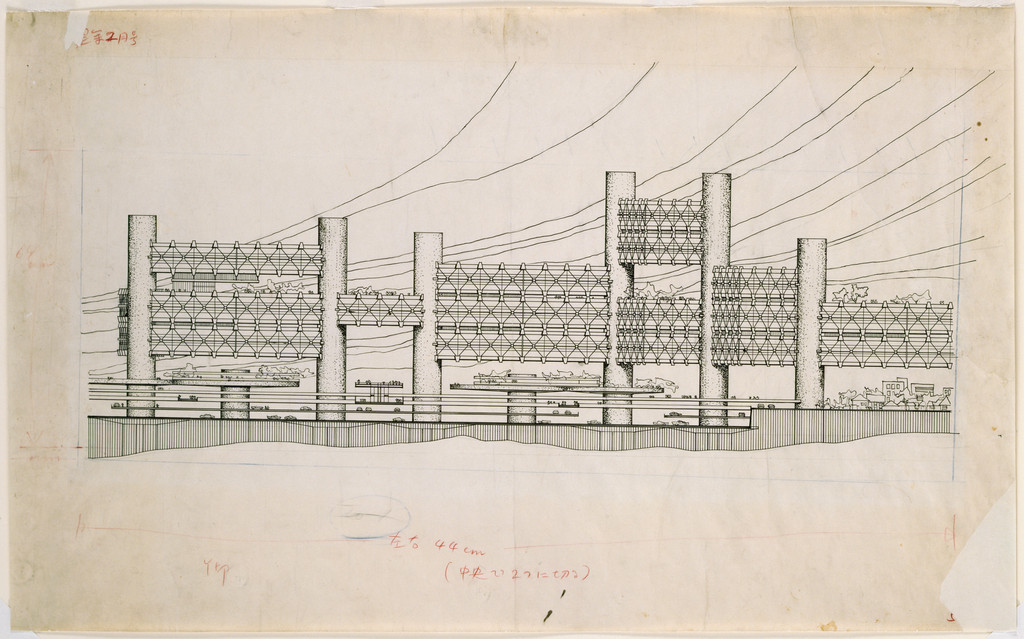
Joint Core System, project, Shinjuku, Tokyo, Japan (Eleva...
Arata Isozaki
1960
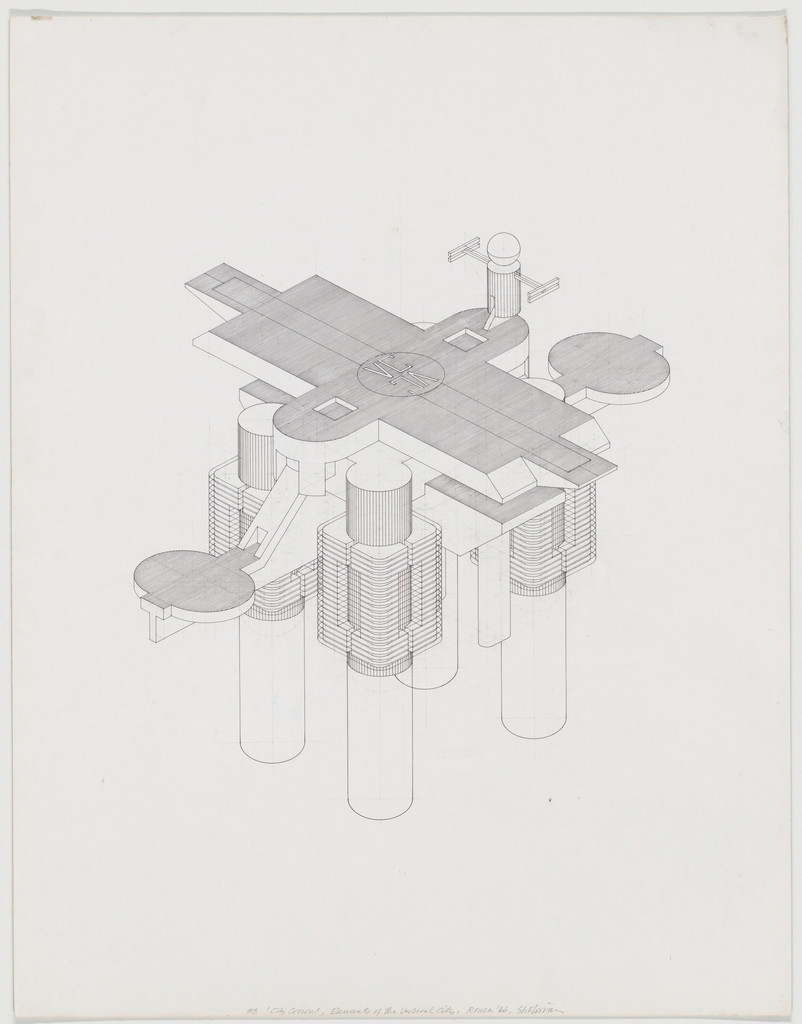
Elements of the Vertical City, project, Rome, Italy, Axon...
Friedrich St. Florian
1966
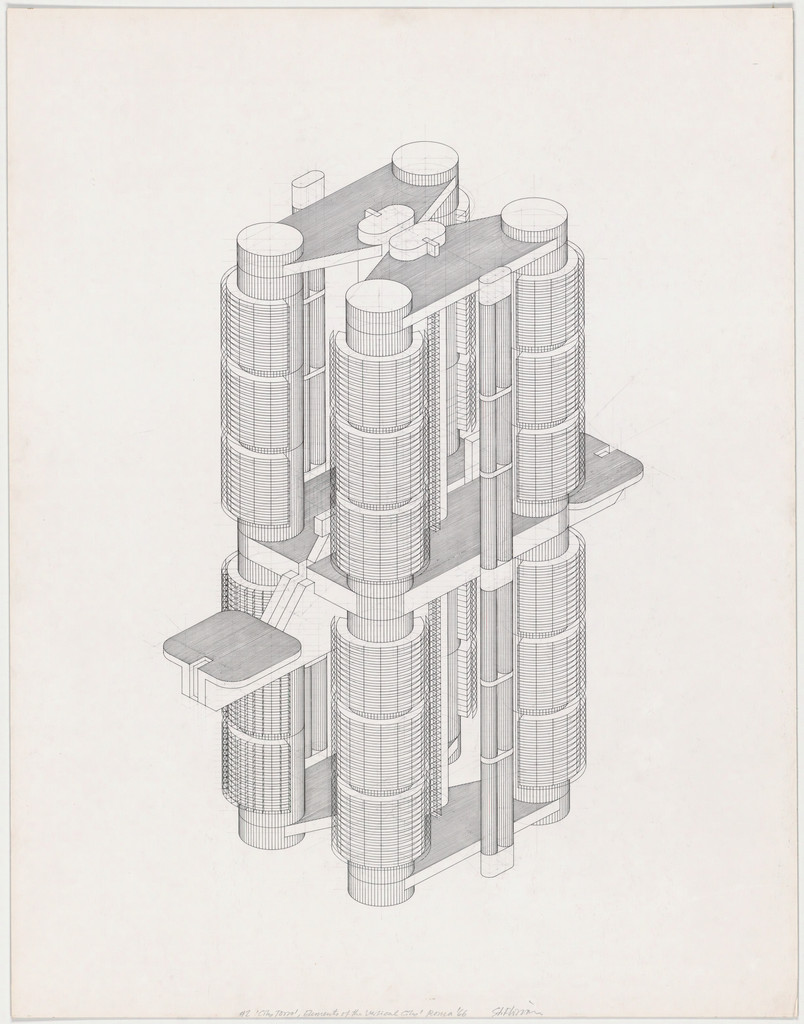
Elements of the Vertical City, project, Rome, Italy, Axon...
Friedrich St. Florian
1966