Photo-Secession
In 1902, a group of photographers banded together in protest against the conventional view of the medium as a mechanical tool. Calling themselves photo-secessionists, they were highly attuned to the technical craft of their work which they aligned with formal artistic concerns. The photographer and impresario Alfred Stieglitz championed these perspectives through a space at 291 Fifth Avenue in New York City named the Little Galleries of the Photo-Secession, and later shortened to 291. The gallery argued for the crucial position of photographers in the development of modern art. Its exhibitions demonstrated the artistic merits of photographic approaches, and situated these pictures alongside inventive works of painting and sculpture. Stieglitz also edited a print quarterly, Camera Work, which disseminated photo-secessionists’ work through photogravures—a process by which photographs were transferred to a metal plate for printing. As the modernist impulse took root stateside, the gallery served as the American entry point for European artists like Pablo Picasso, Francis Picabia, and Constantin Brâncuși.
Featured Works
7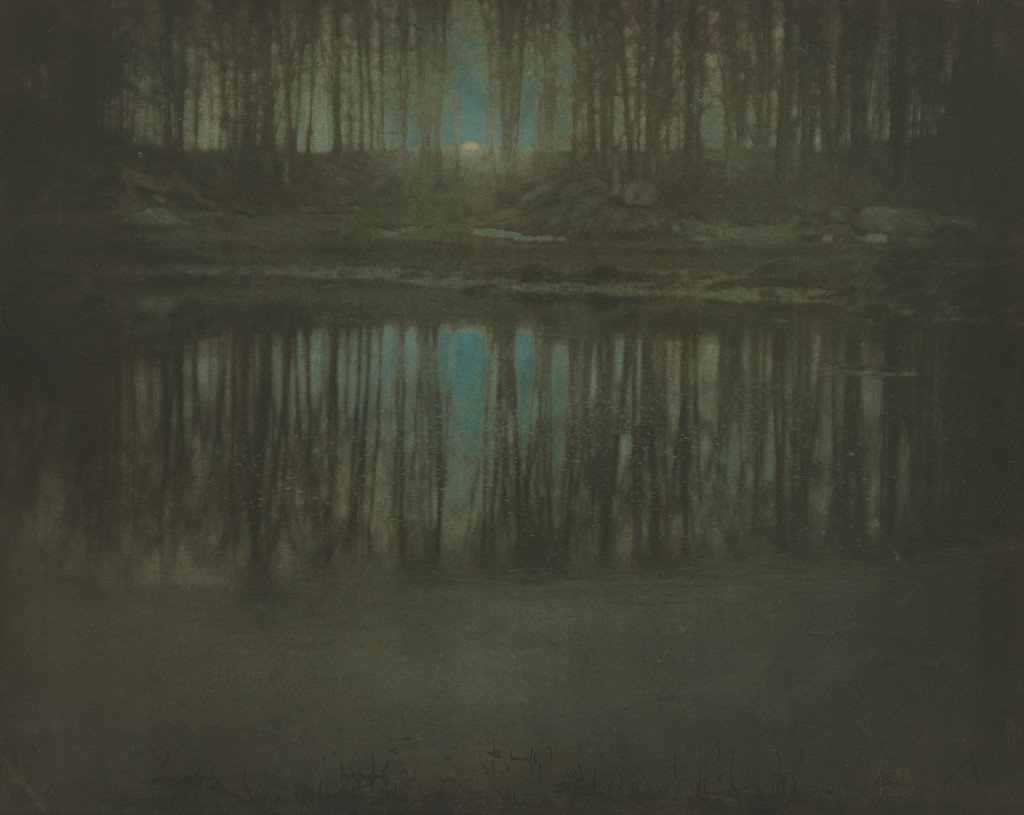
Moonrise—Mamaroneck, New York
Edward Steichen
1904
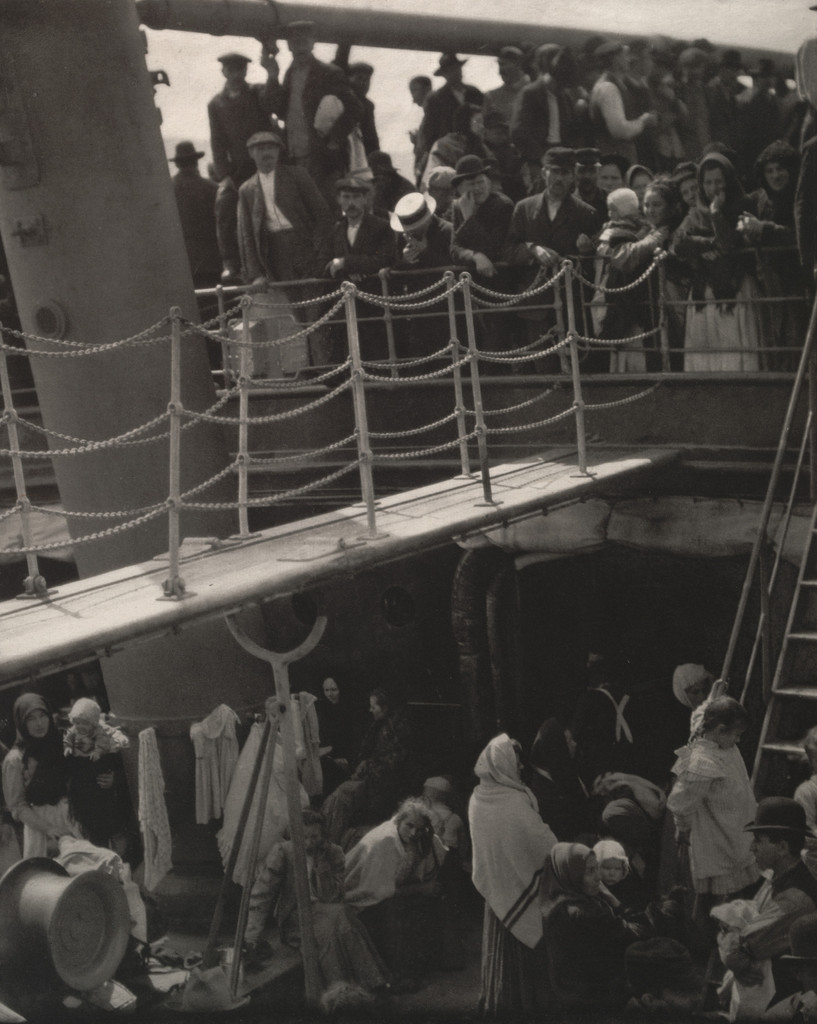
The Steerage
Alfred Stieglitz
1907
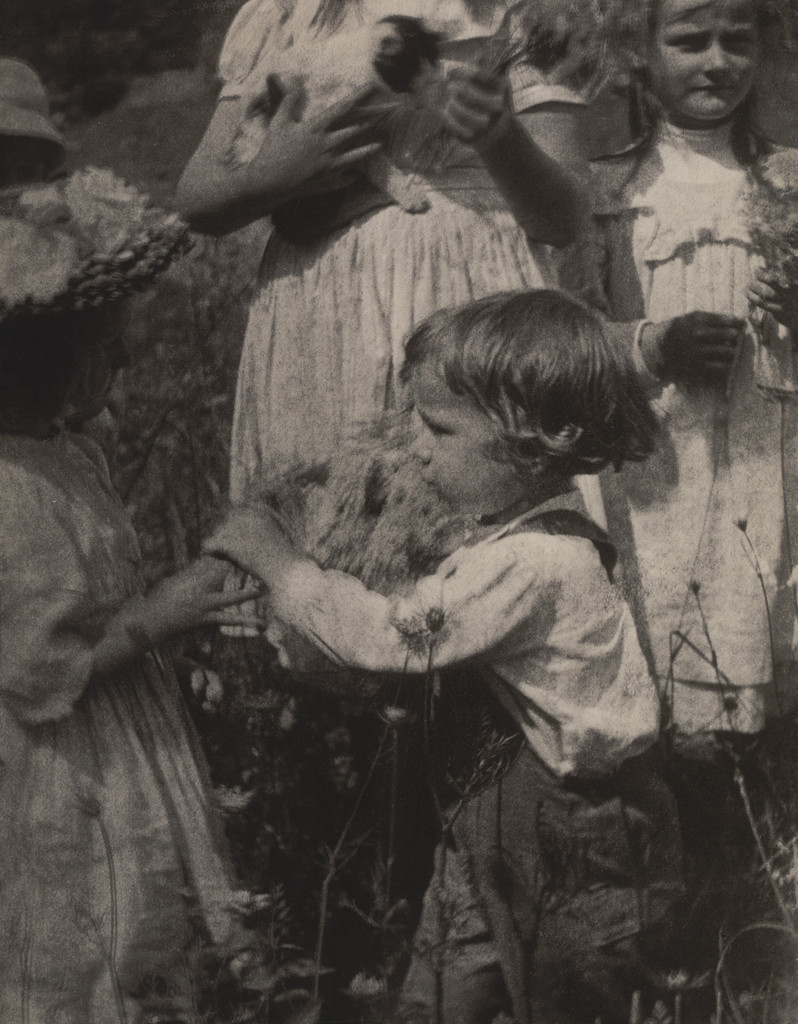
Happy Days
Gertrude Käsebier
1903
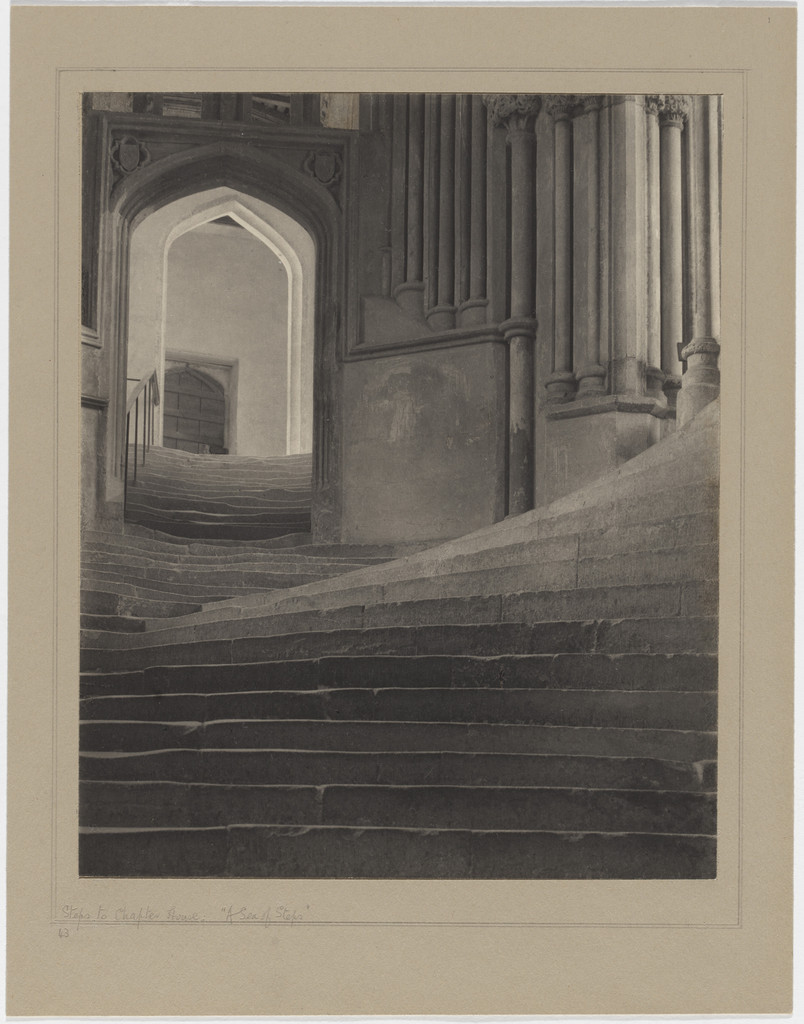
"A Sea of Steps," Wells Cathedral
Frederick H. Evans
1903
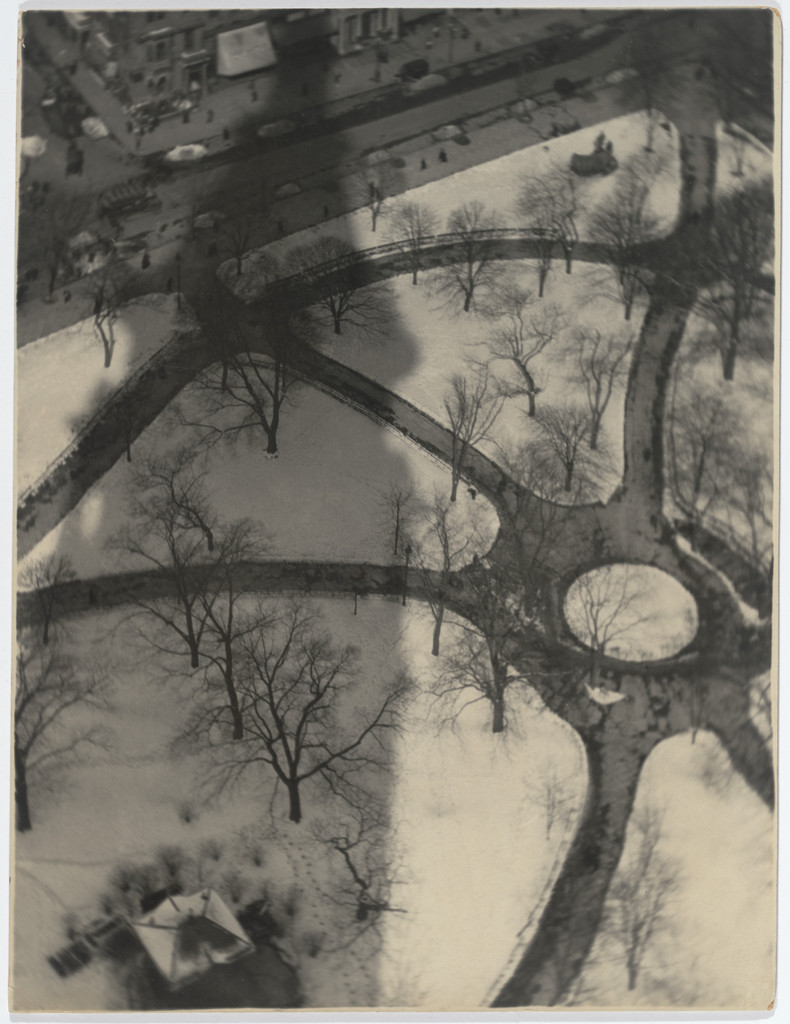
The Octopus
Alvin Langdon Coburn
1909
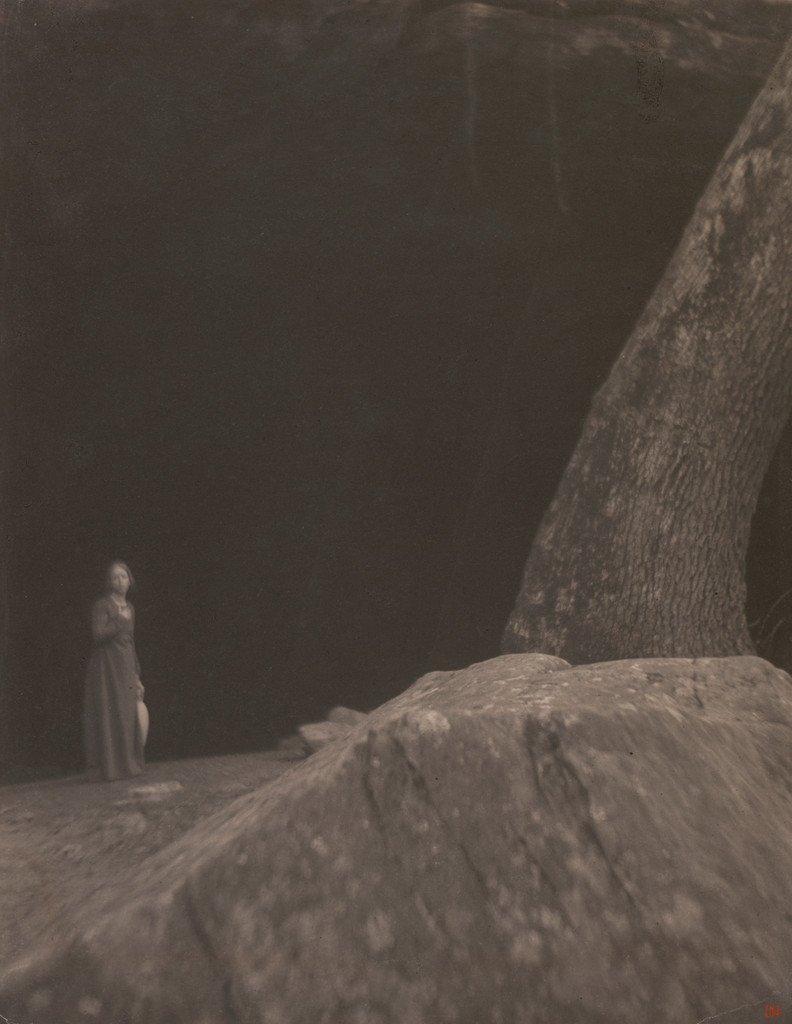
The Cave
Clarence H. White
1901
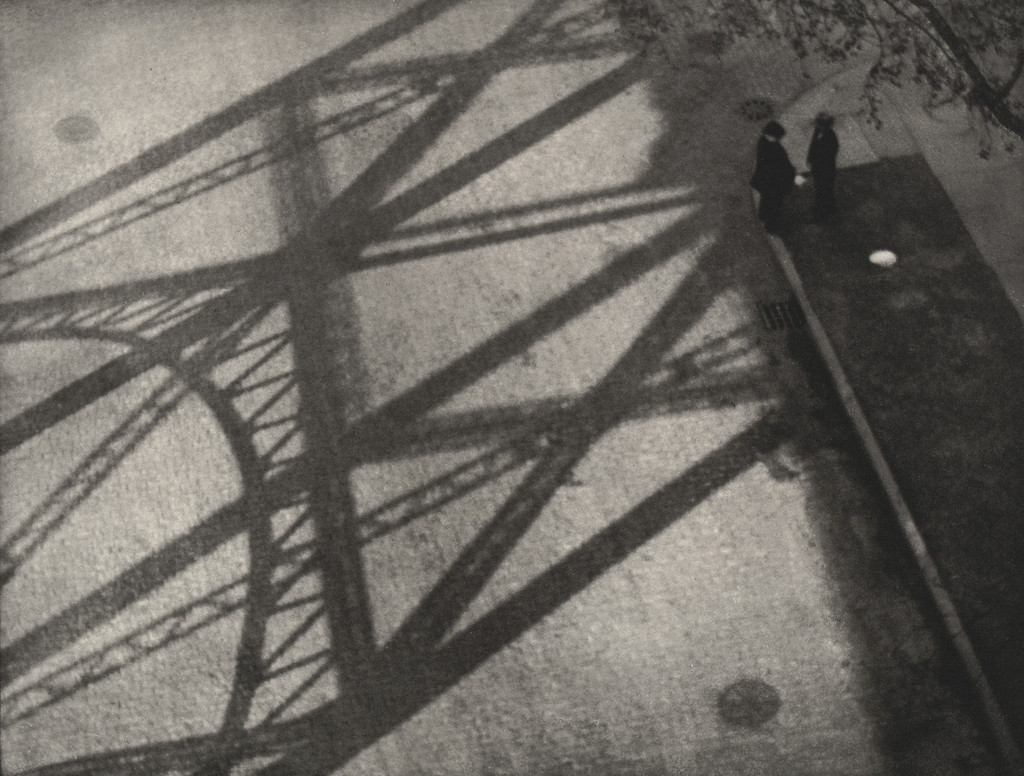
From the Viaduct, 125th Street, New York
Paul Strand
1916