Surrealism
An artistic and literary movement led by French poet and writer André Breton from 1924 through World War II. Drawing on the psychoanalytic theories of Sigmund Freud, the Surrealists sought to overthrow what they perceived as the oppressive rationalism of modern society by accessing the sur réalisme (superior reality) of the subconscious. In his 1924 Surrealist Manifesto, Breton argued for an uninhibited mode of expression derived from the mind’s involuntary mechanisms—particularly dreams—and called on artists to explore the uncharted depths of the imagination with radical new methods and visual forms. These ranged from automatic drawings to hyper-realistic painted scenes to uncanny combinations of materials and objects.
Featured Works
12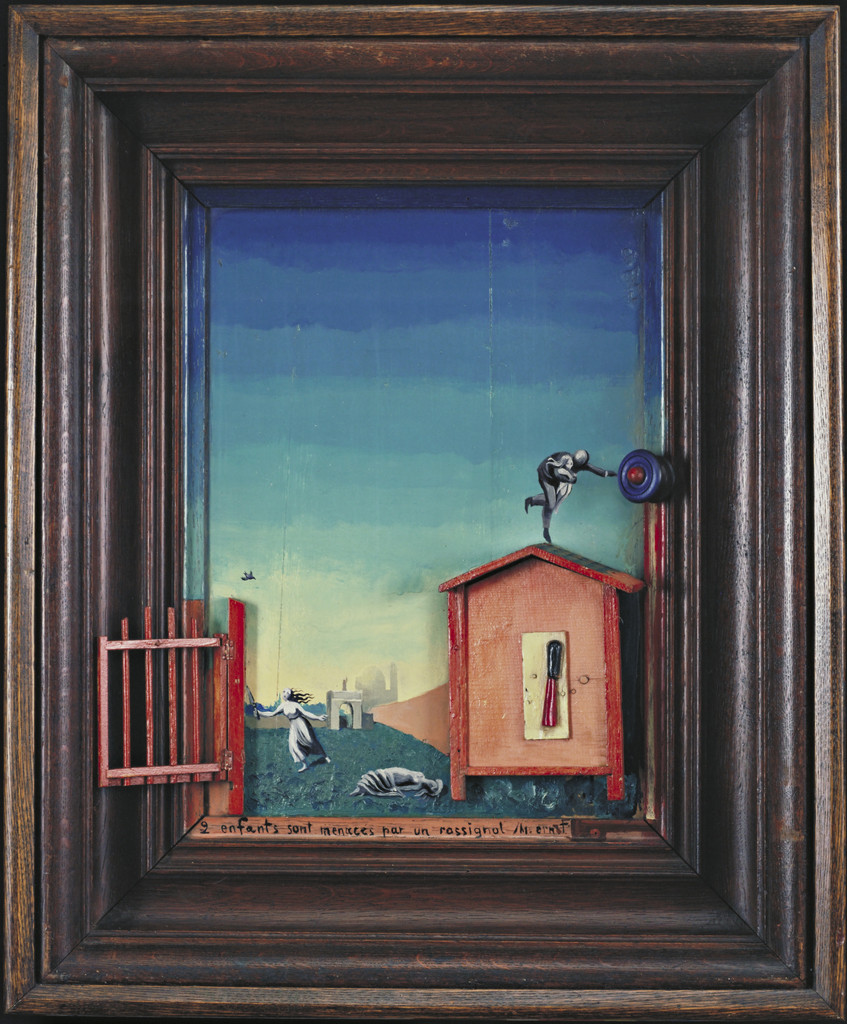
Two Children Are Threatened by a Nightingale (Deux Enfant...
Max Ernst
1924
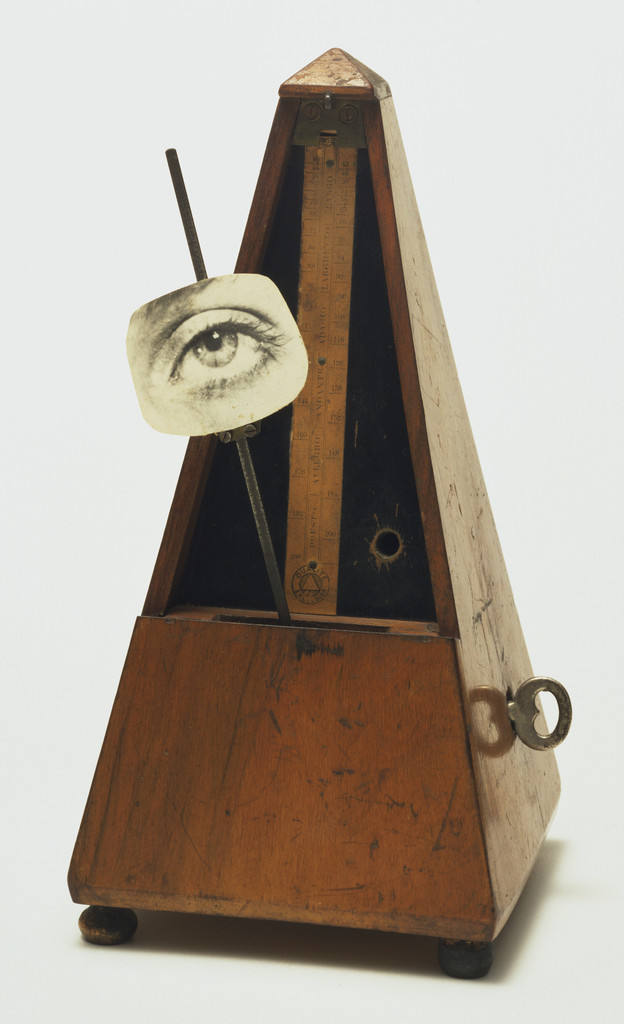
Indestructible Object (or Object to Be Destroyed)
Man Ray (Emmanuel Radnitzky)
1964 (replica of 1923 original)
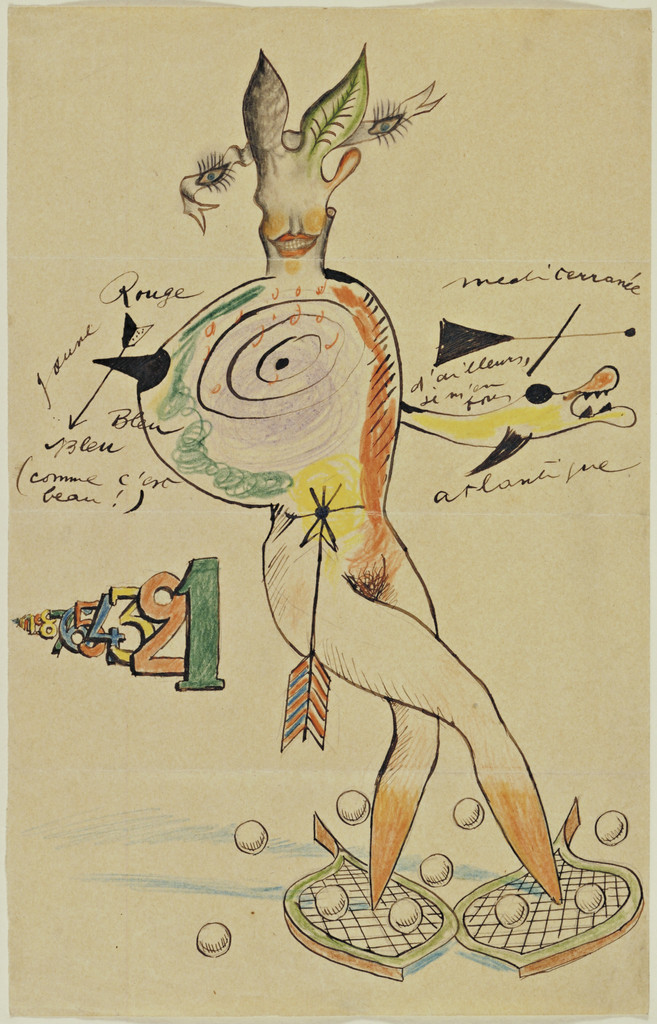
Nude
Cadavre Exquis
1926–27
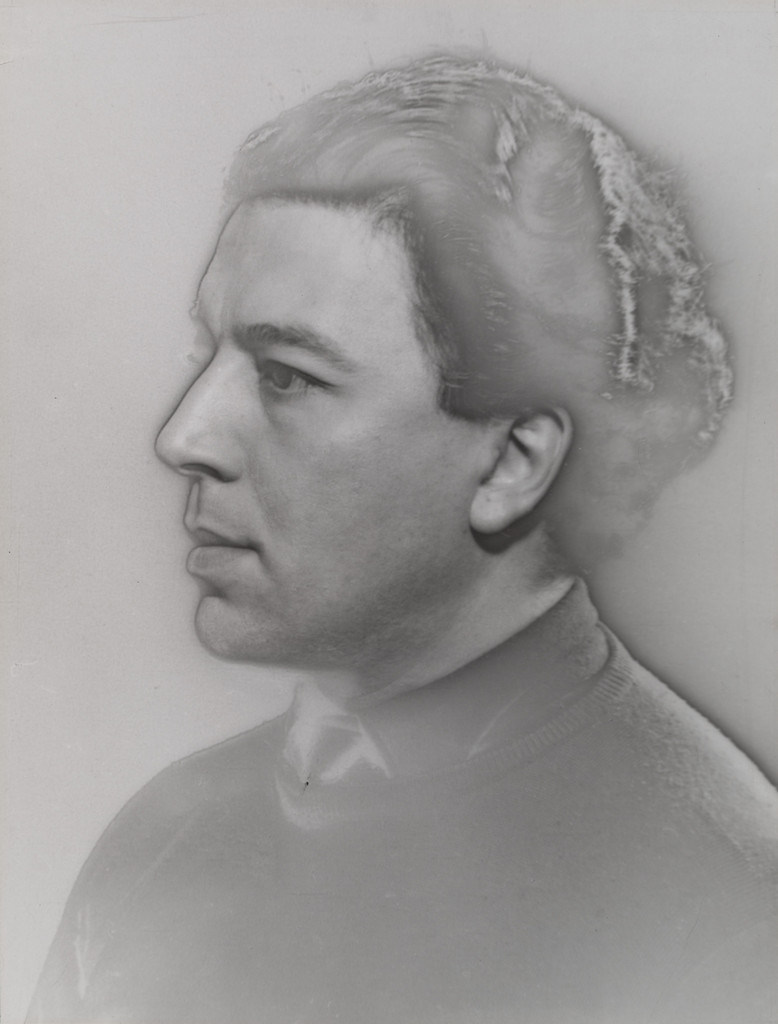
André Breton
Man Ray (Emmanuel Radnitzky)
1931
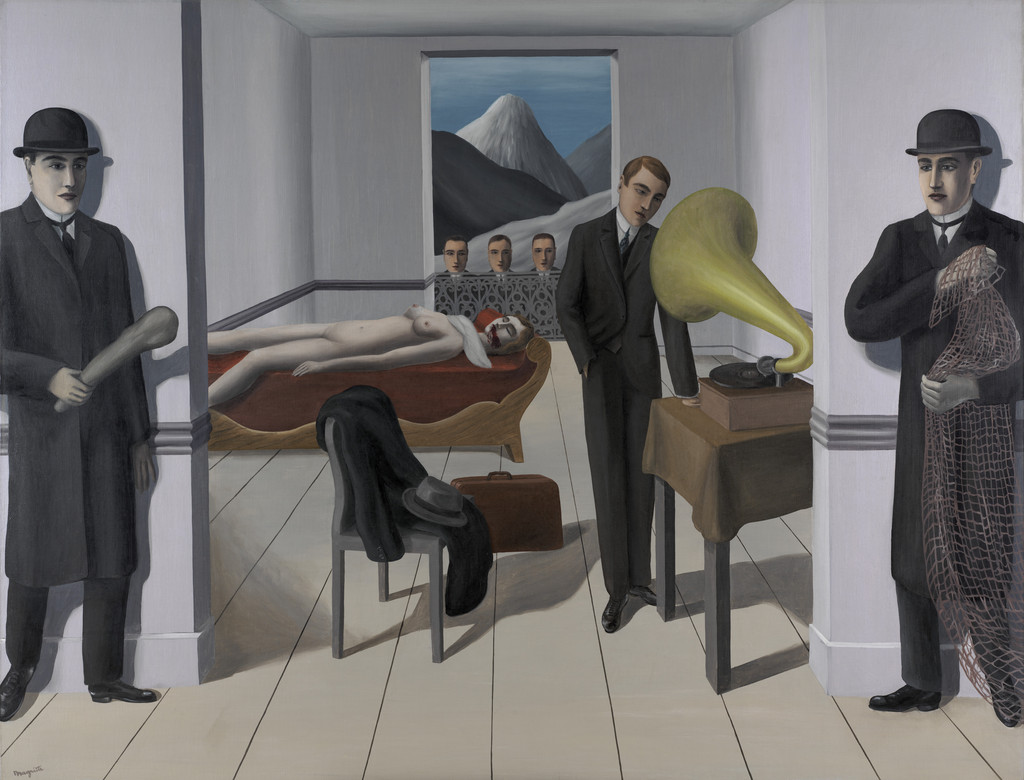
The Menaced Assassin
René Magritte
Brussels 1927
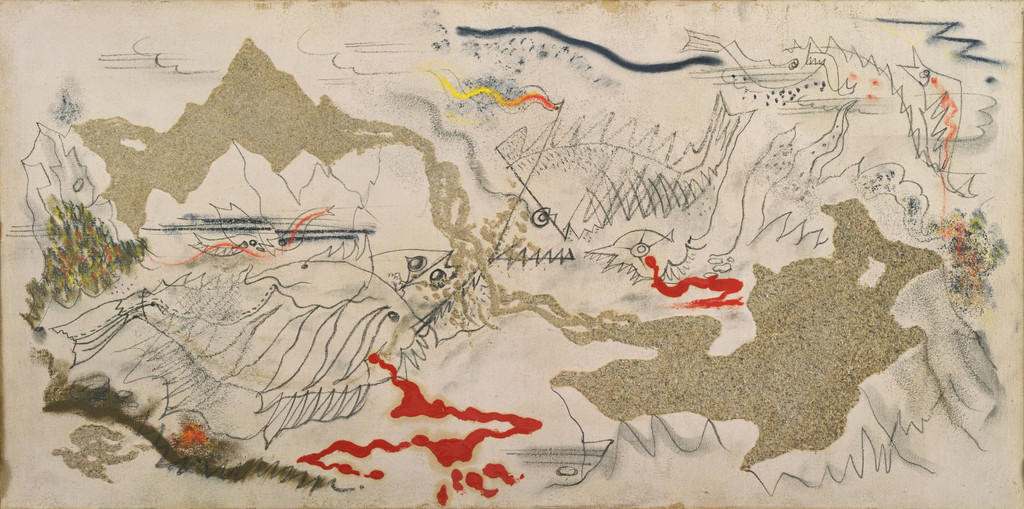
Battle of Fishes
André Masson
1926
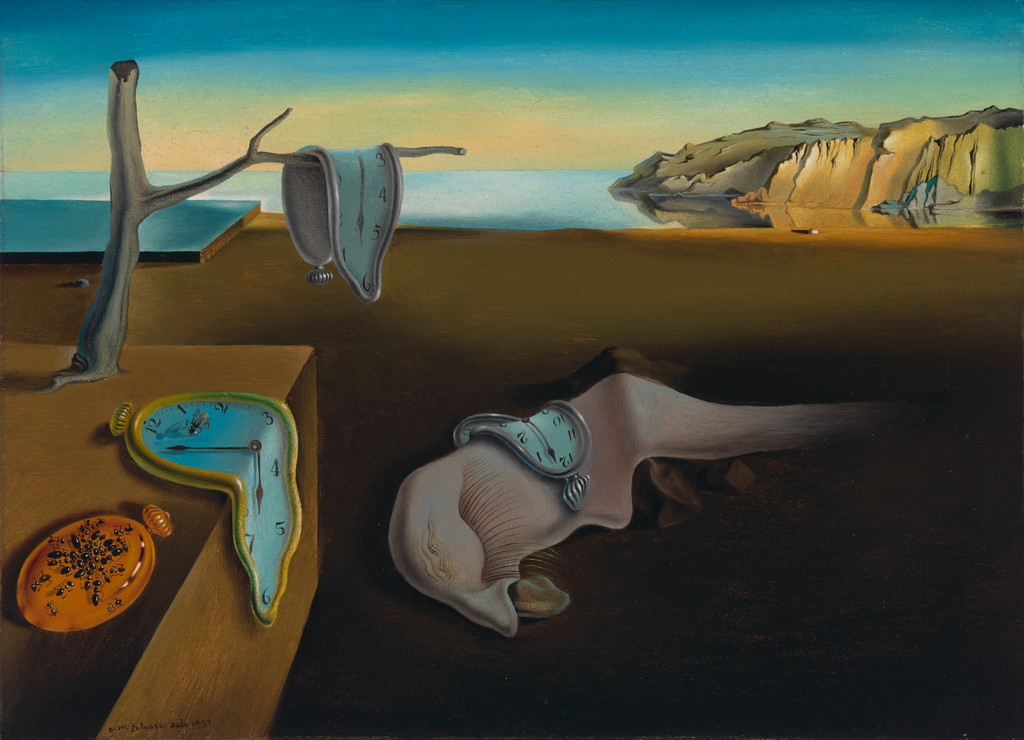
The Persistence of Memory
Salvador Dalí
1931
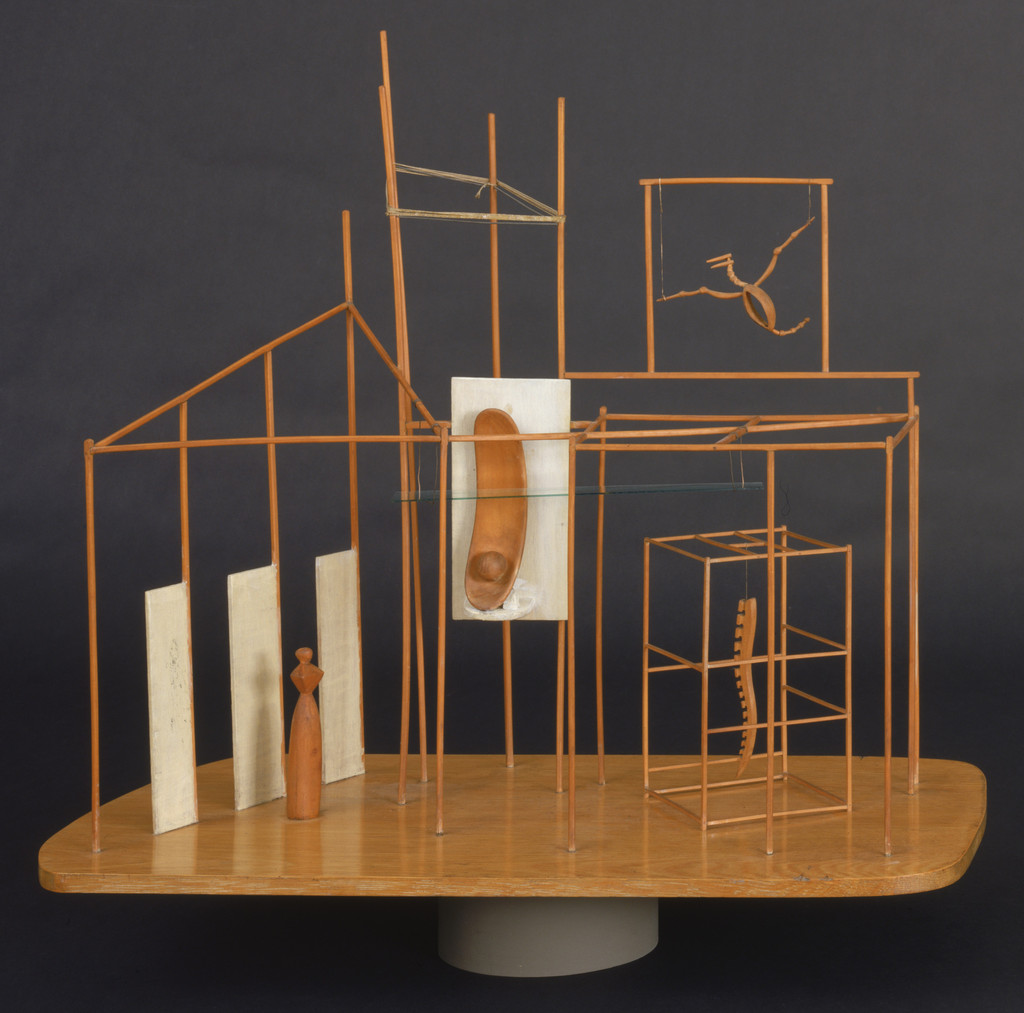
The Palace at 4 a.m.
Alberto Giacometti
1932
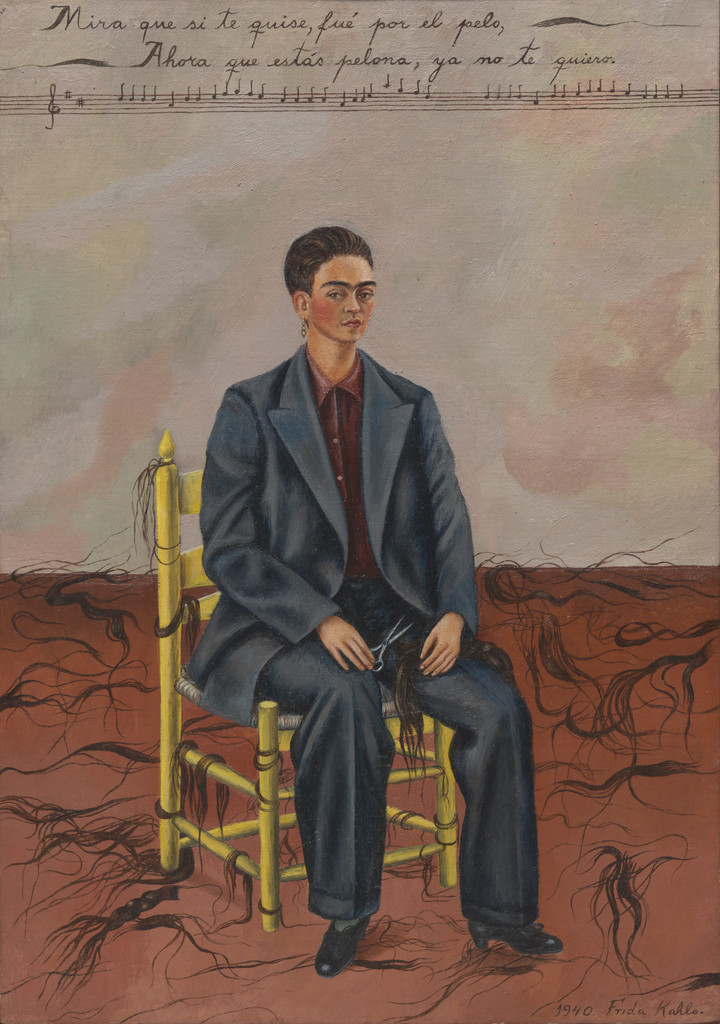
Self-Portrait with Cropped Hair
Frida Kahlo
1940
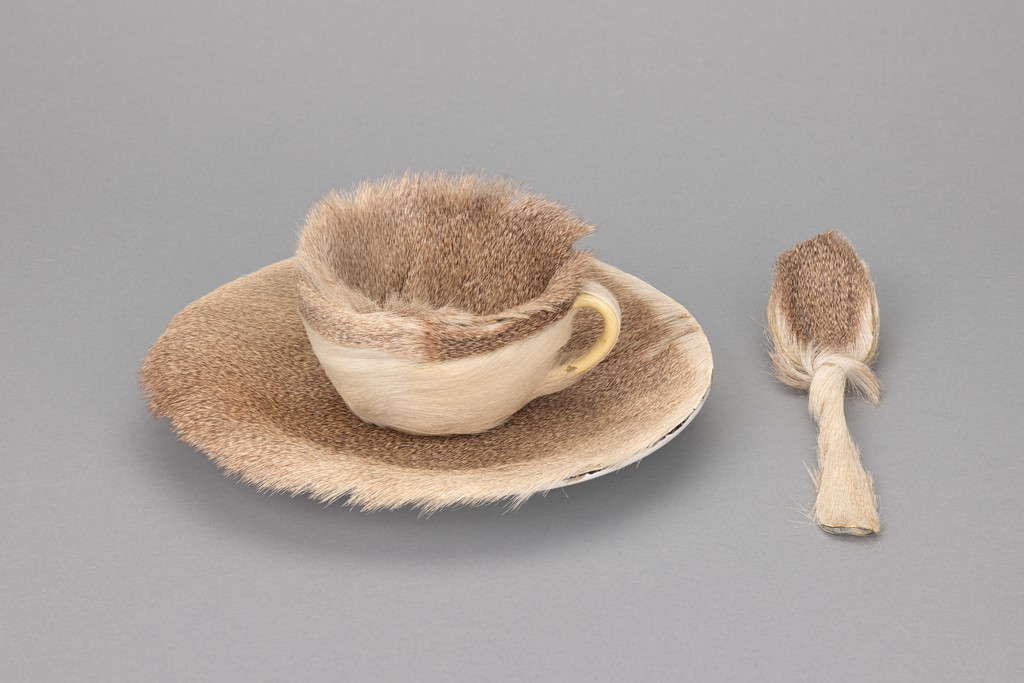
Object
Meret Oppenheim
Paris, 1936
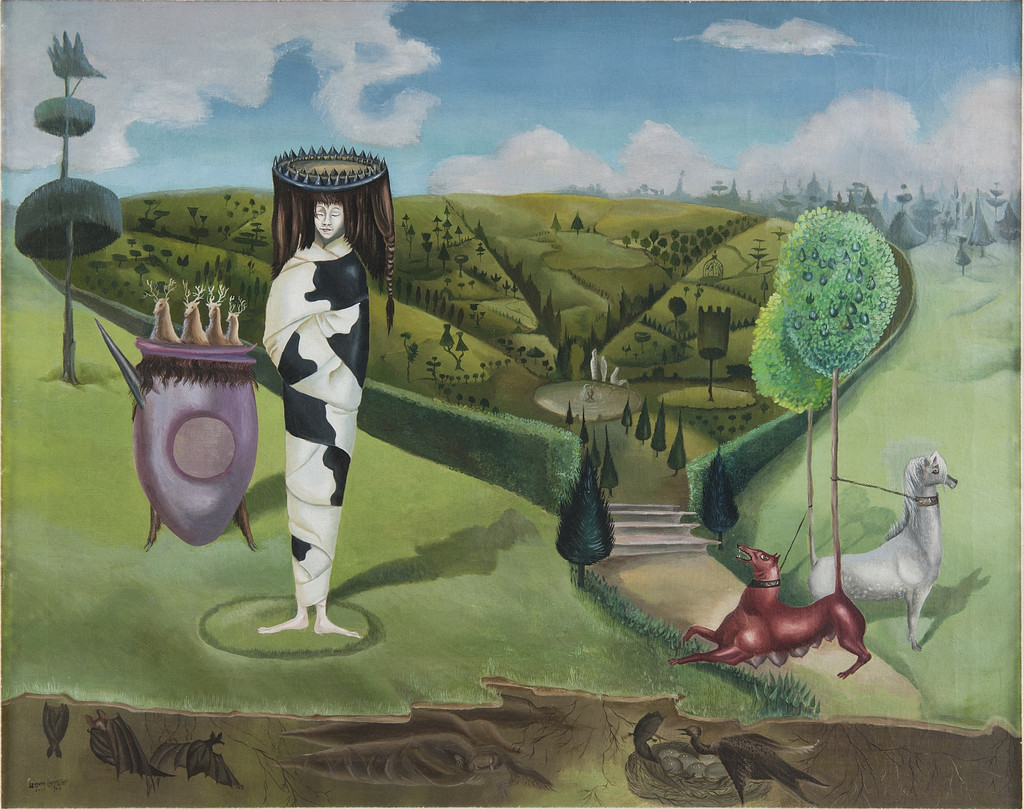
Green Tea
Leonora Carrington
1942
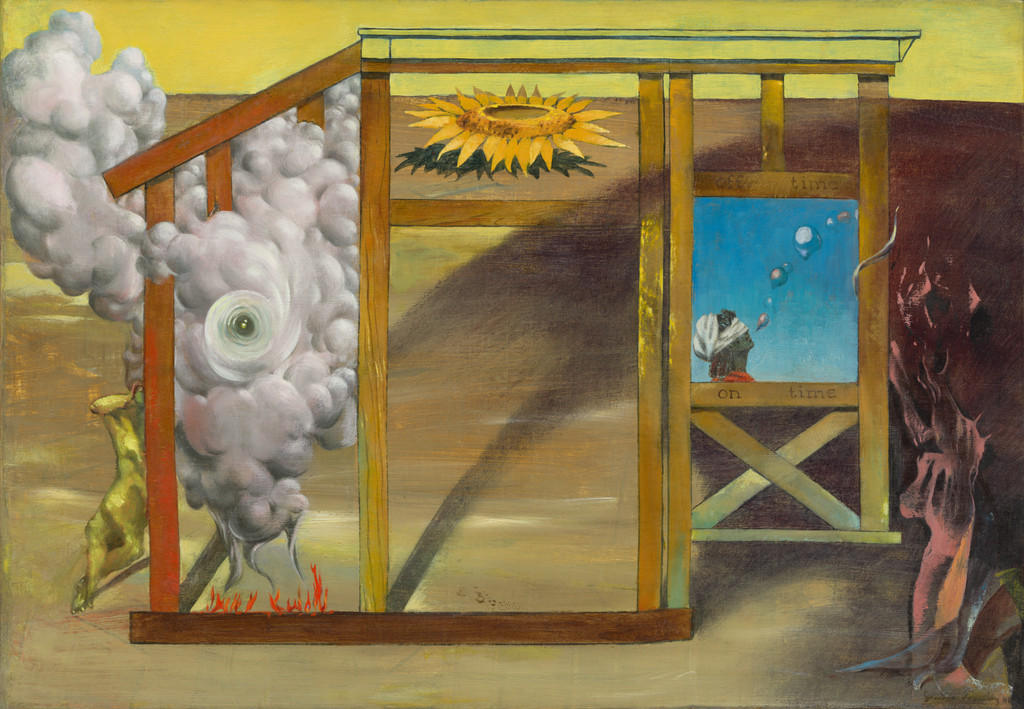
On Time Off Time
Dorothea Tanning
1948