Brutalist Architecture
Brutalism is a mid-20th-century architectural style that emerged in Europe after World War II, when massive reconstruction projects and material shortages demanded more cost-effective building solutions. Architects often eliminated cladding and external ornamentation in favor of exposed building materials such as concrete, and the textures of these raw materials took on an aesthetic quality.English architectural historian Reyner Banham first defined the term in 1955, describing it as a design ethic with materially and socially responsible goals, marked by its formal clarity, structural presentation, and use of raw materials. French artist Jean Dubuffet’s concept of “art brut” and Swiss-French architect Le Corbusier’s use of béton brut (unpolished concrete) inspired the term. Banham credited English architects Alison and Peter Smithson as Brutalism’s pioneers.Brutalist projects spread across the UK, the US, the Eastern Bloc, and postcolonial nations in the Global South in the 1960s and ’70s. The Brutalist design approach began to decline in the early 1980s amid widespread criticism for often monumental scales and an association with large-scale public housing projects and their related bureaucracies. Today, especially in popular culture, the term is often used to summarily describe any large-scale building made of exposed concrete.
Featured Works
7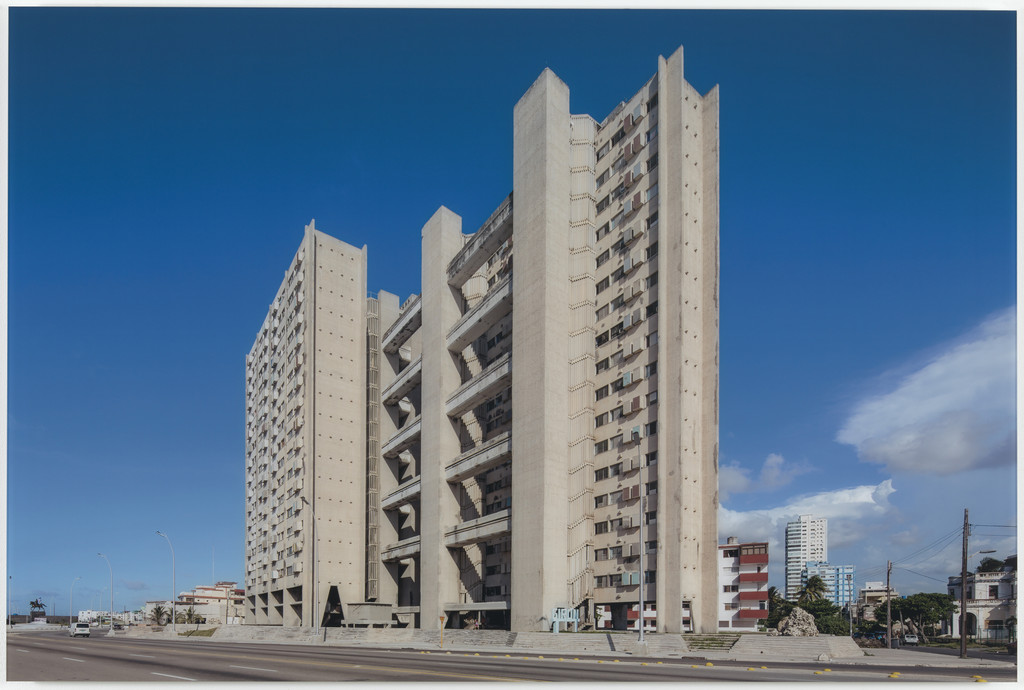
Edificio Girón, Havana, Cuba
Leonardo Finotti
2014
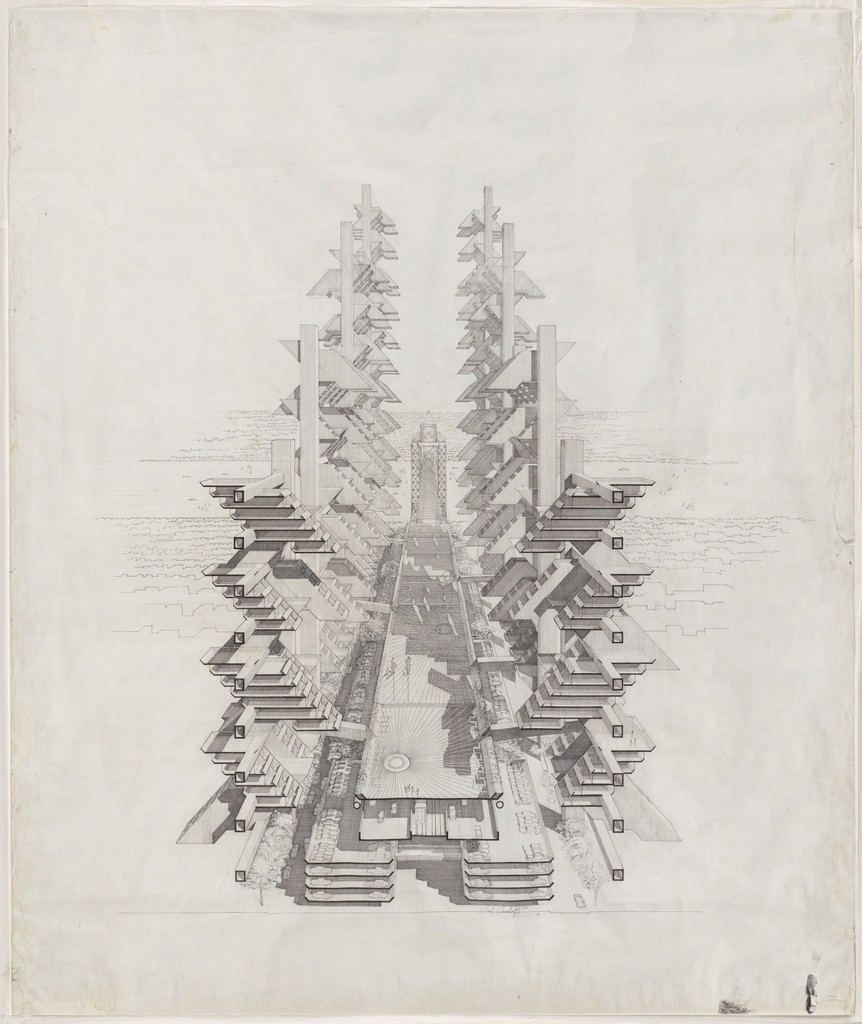
Lower Manhattan Expressway Project, New York, New York (P...
Paul Rudolph
1972
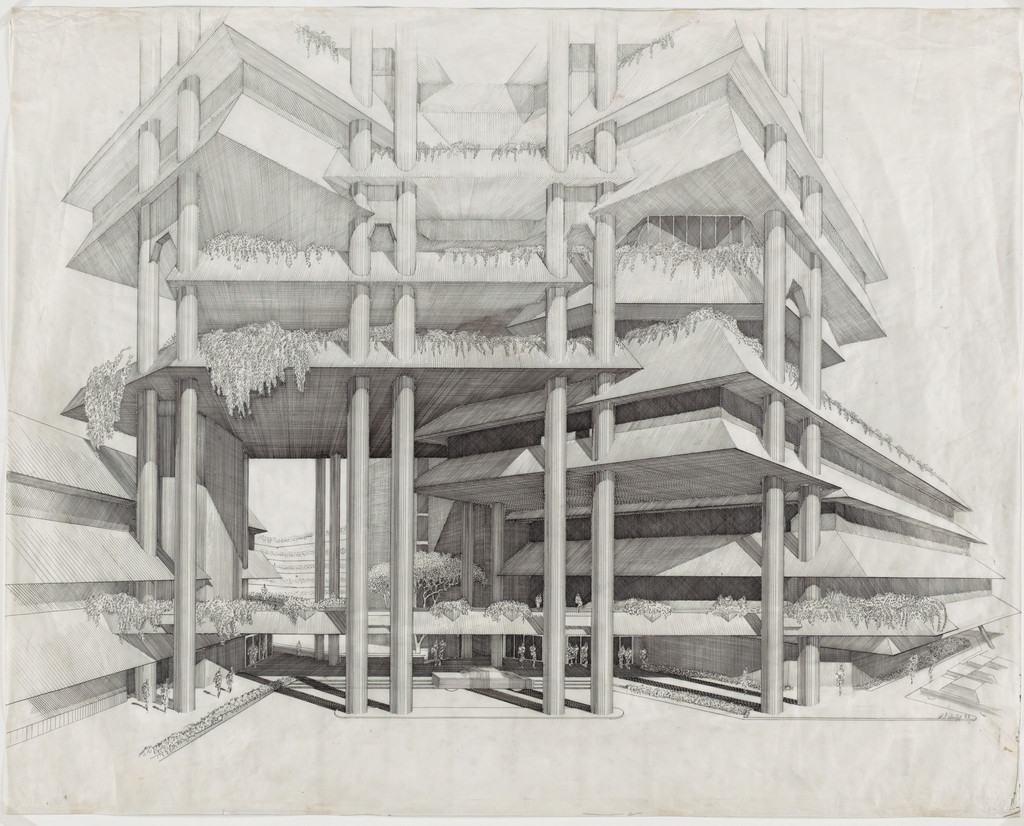
Dharmala Office Building, Jakarta, Indonesia, Entrance pe...
Paul Rudolph
1983
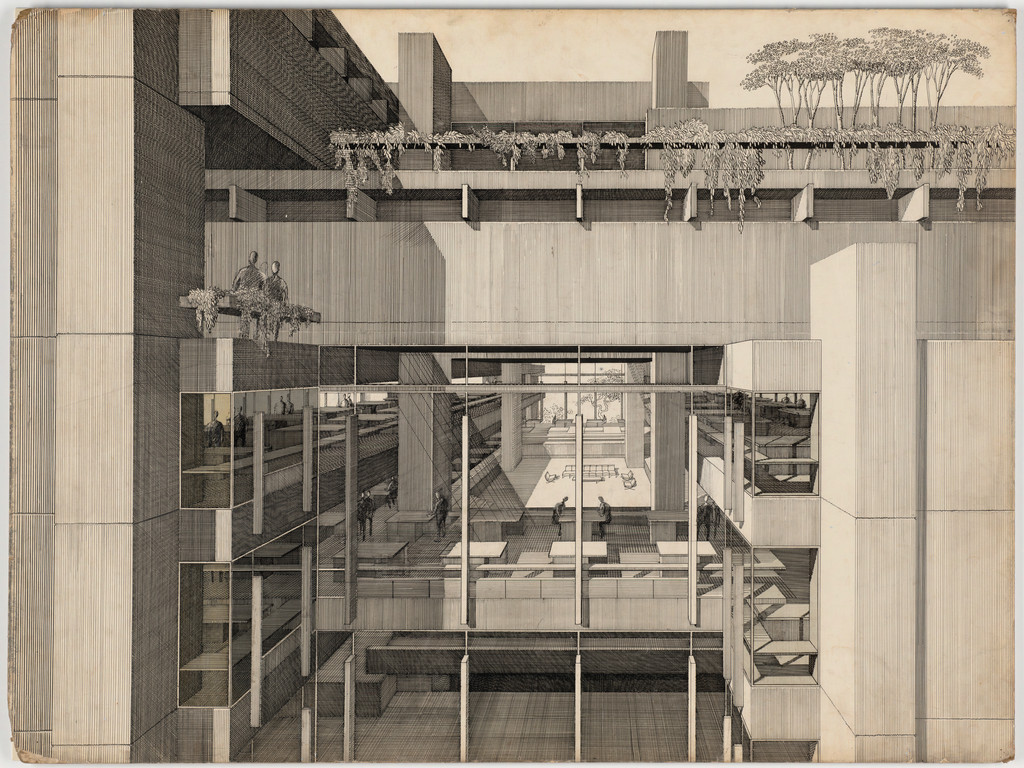
Art and Architecture Building, Yale University, New Haven...
Paul Rudolph
1958
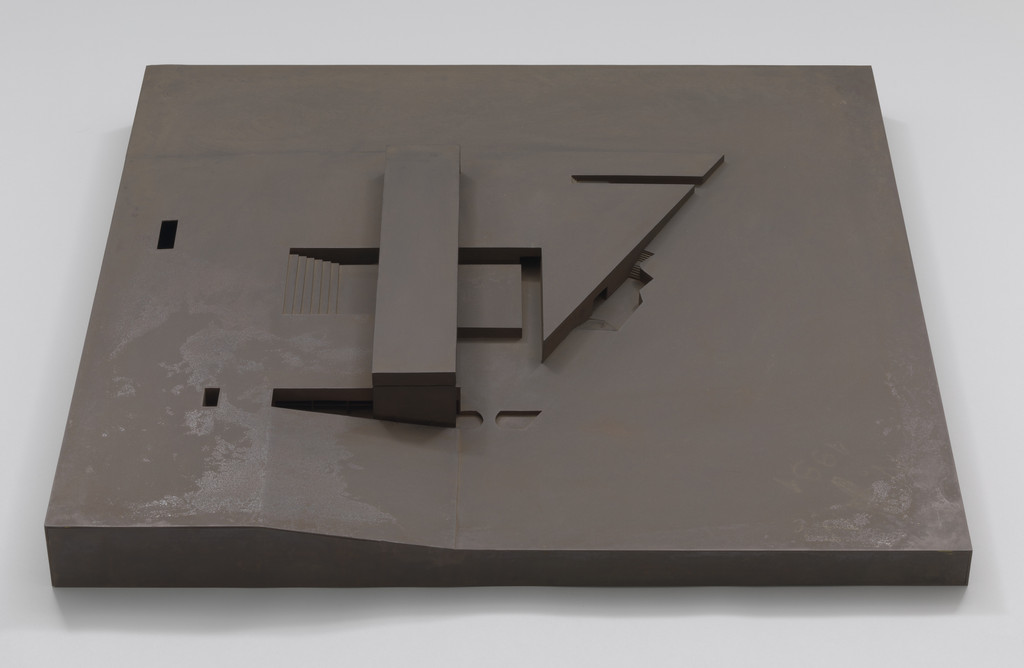
Brazilian Museum of Sculpture, São Paulo, Brazil (Scale m...
Paulo Mendes da Rocha
1987
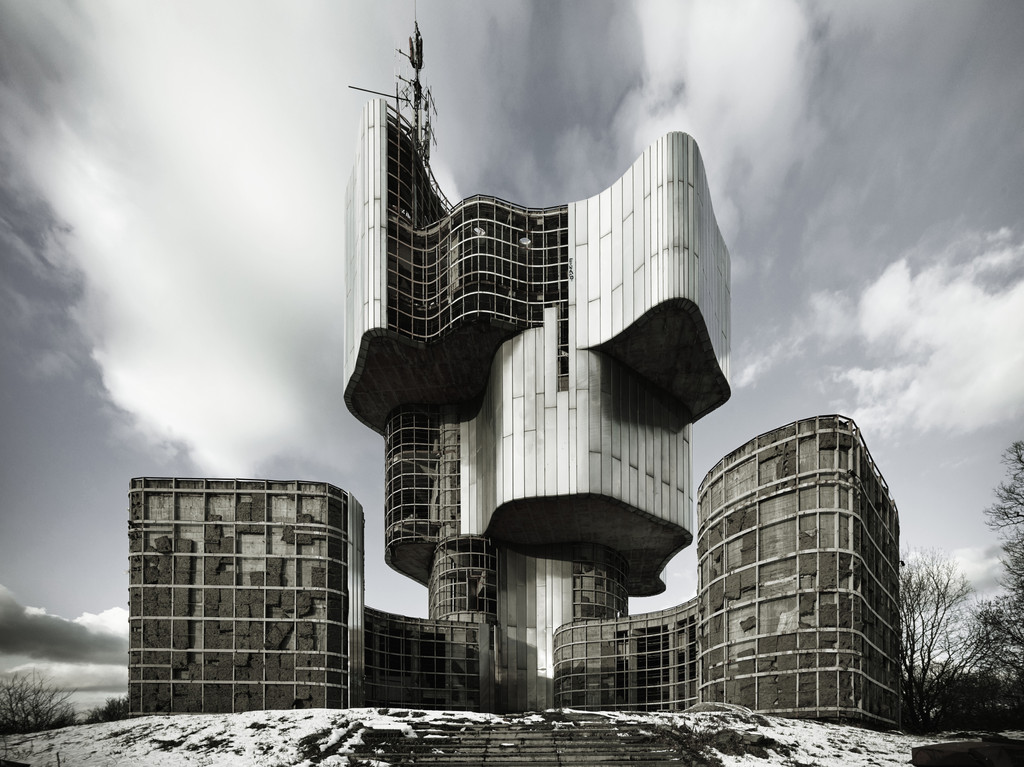
Monument to the Uprising of the People of Kordun and Bani...
Vojin Bakić
2016
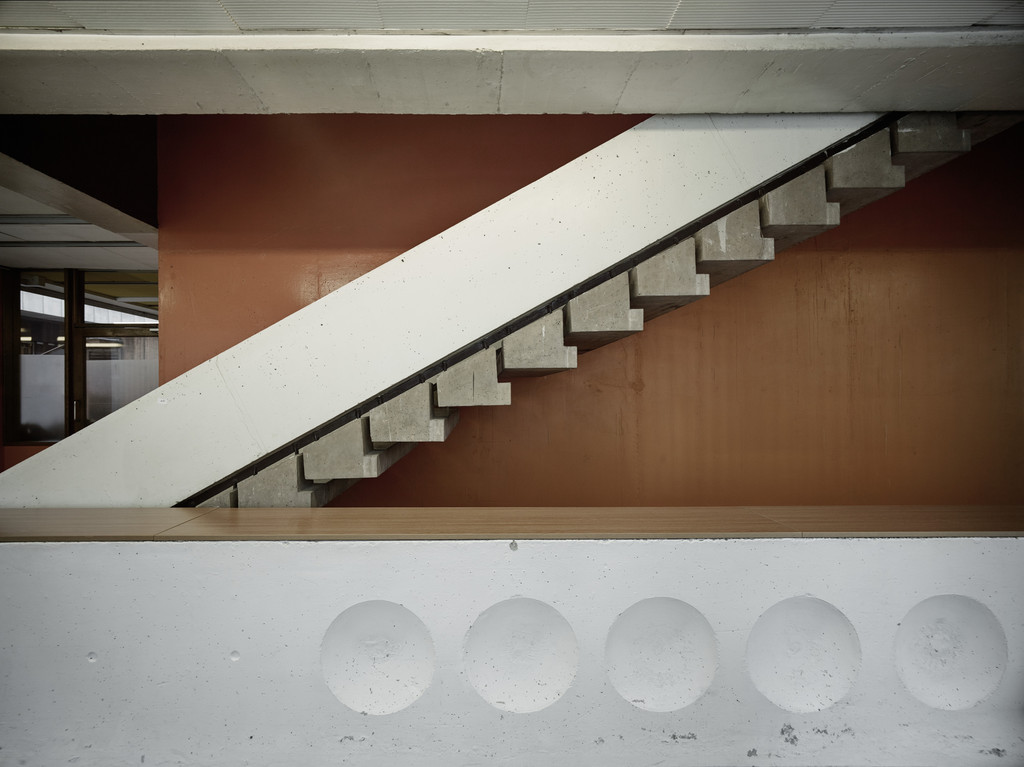
Diagnostic and Therapeutic Wing of the University Medical...
Stanko Kristl
2016