Calotype
William Henry Fox Talbot patented a photographic process in 1841 that led to a stable negative image. The process involves exposing a sheet of sensitized paper in the camera then developing, fixing, and washing it. The stable negative image could be contact printed. Though calotypes are soft and hazy, with visible paper fibers, the invention revolutionized image-making by making it possible to produce multiple prints from one negative image. It was also used as a means of making copies of drawings and documents. The process remained in use through the 1850s, when it was replaced by the albumen silver print.
Featured Works
13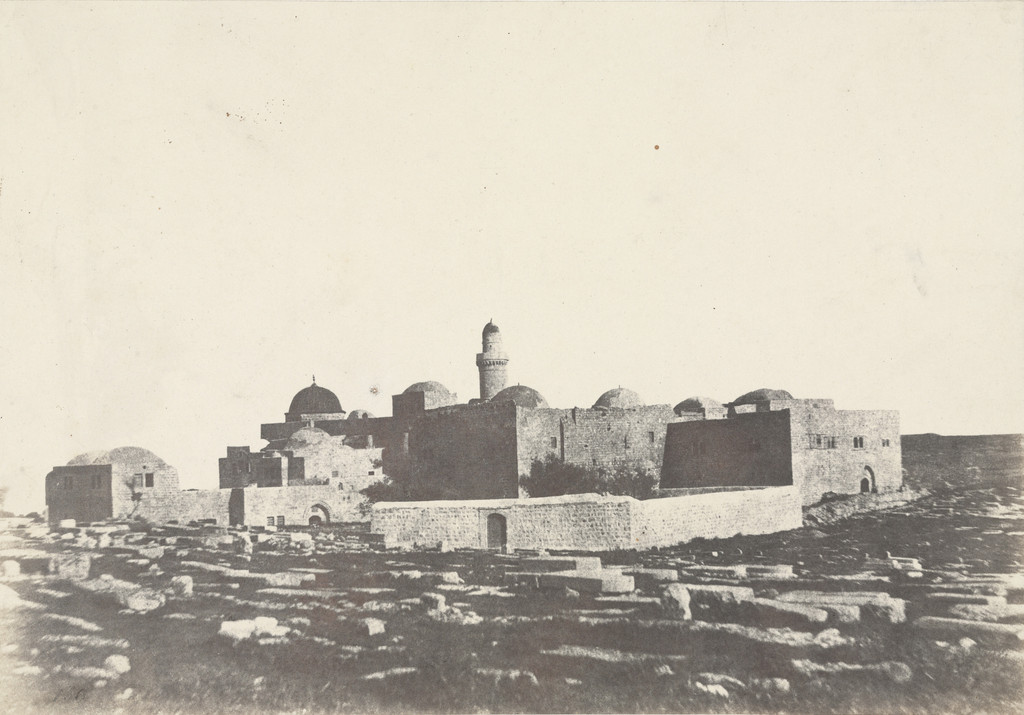
Mount Sion, Jerusalem
Auguste Salzmann
1854
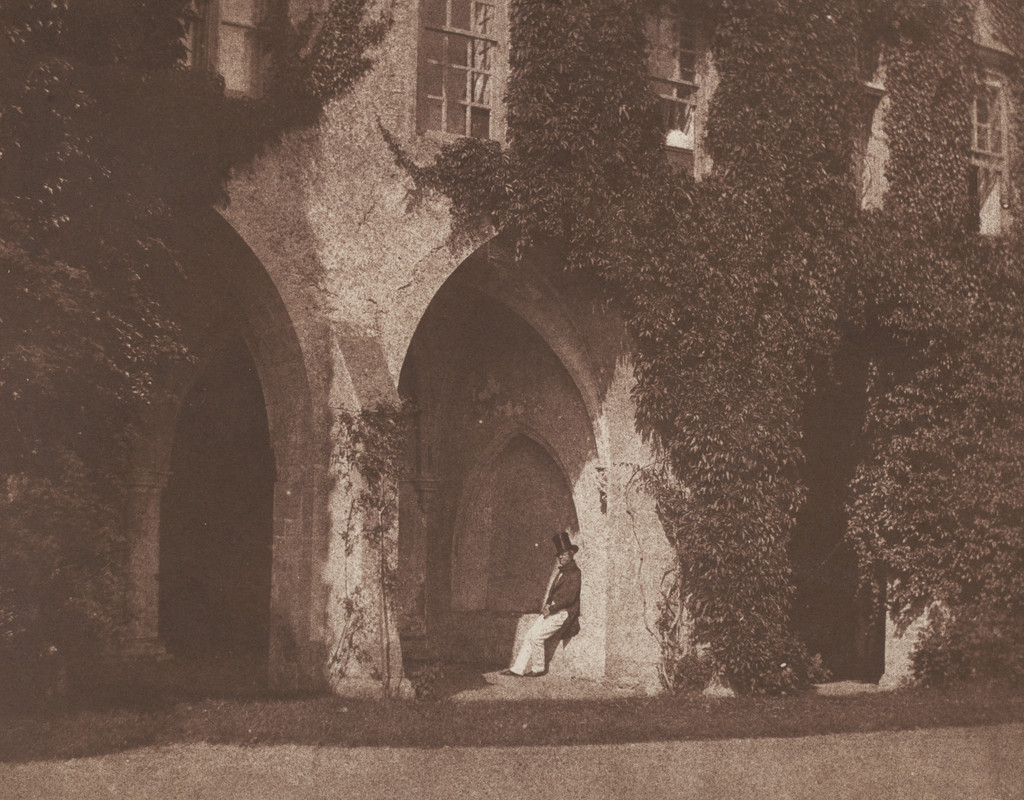
Seated Figure in the Cloisters, Lacock Abbey
William Henry Fox Talbot
c. 1844
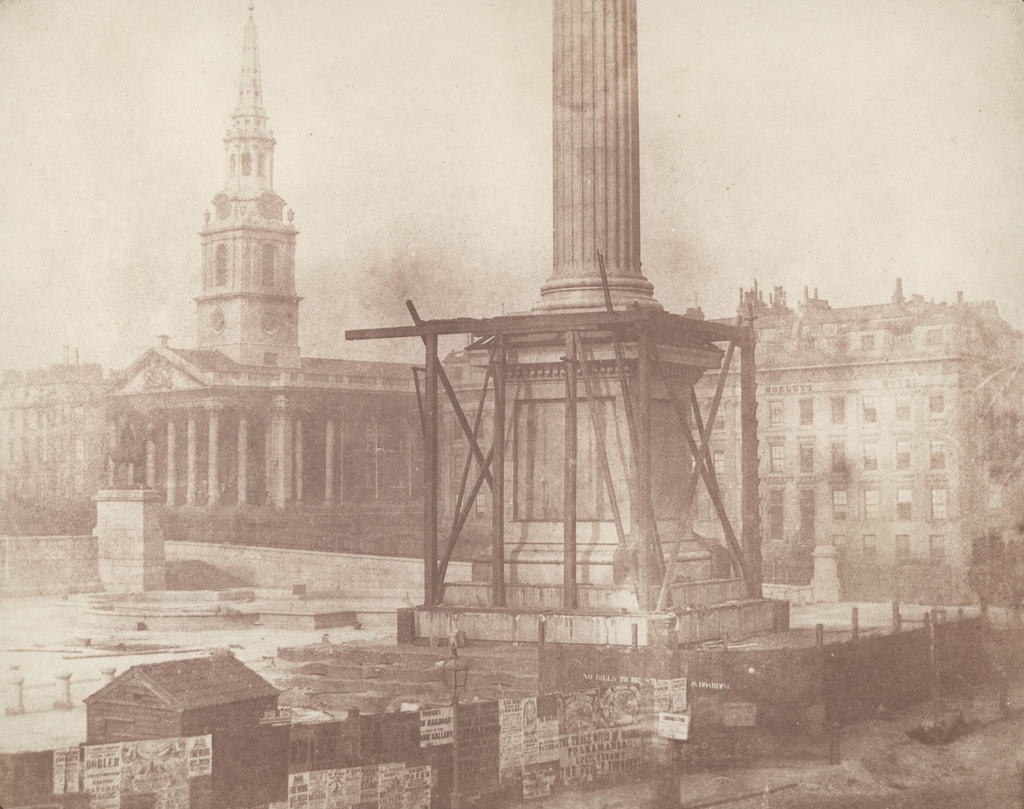
Trafalgar Square, London, during the Erection of the Nels...
William Henry Fox Talbot
c. 1844
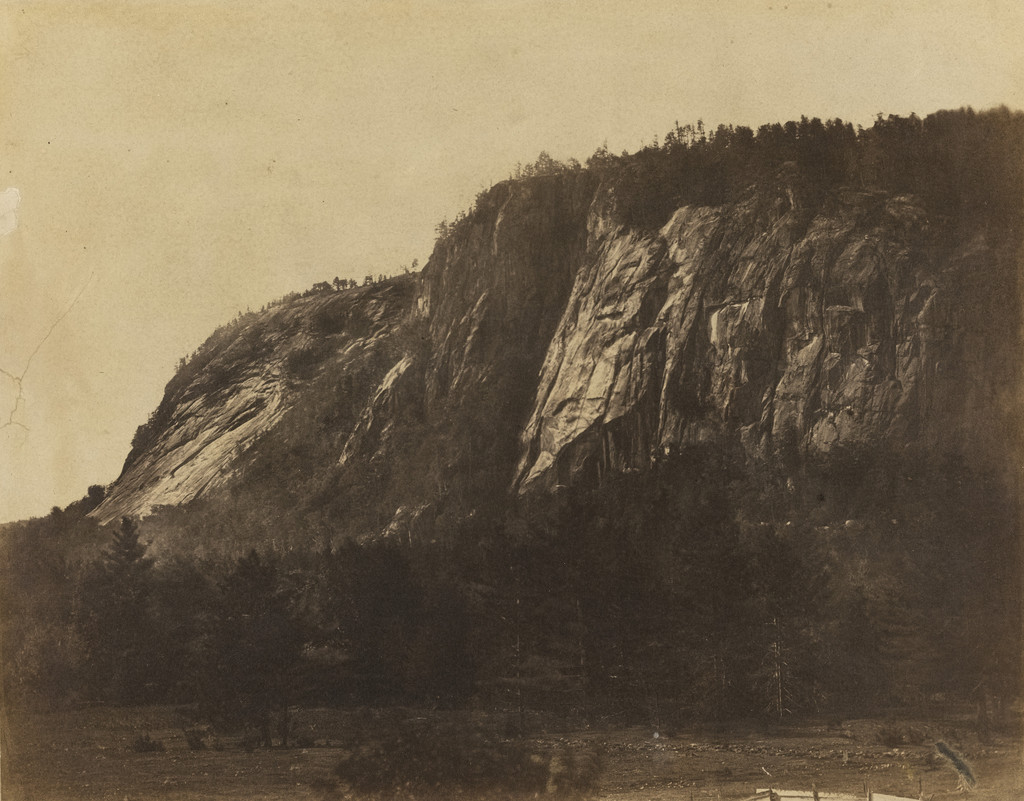
The Ledges, North Conway
James Wallace Black
1854
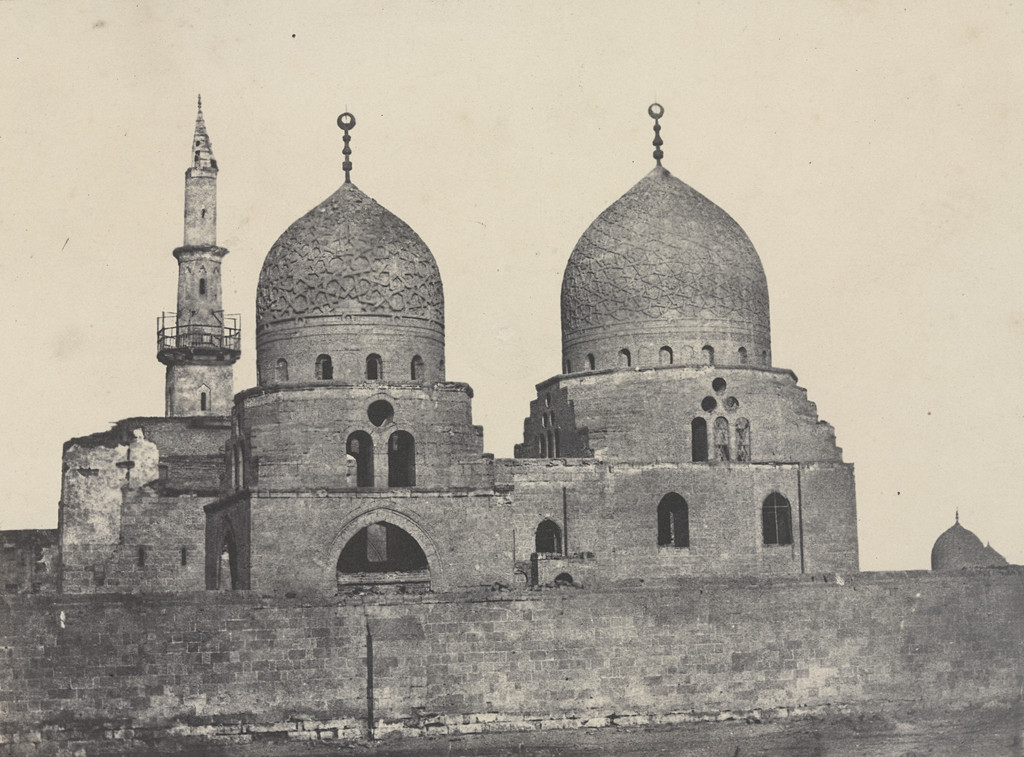
Mosquée de Sultan Kansou-El-Gouri
Maxime Du Camp
1837-1852
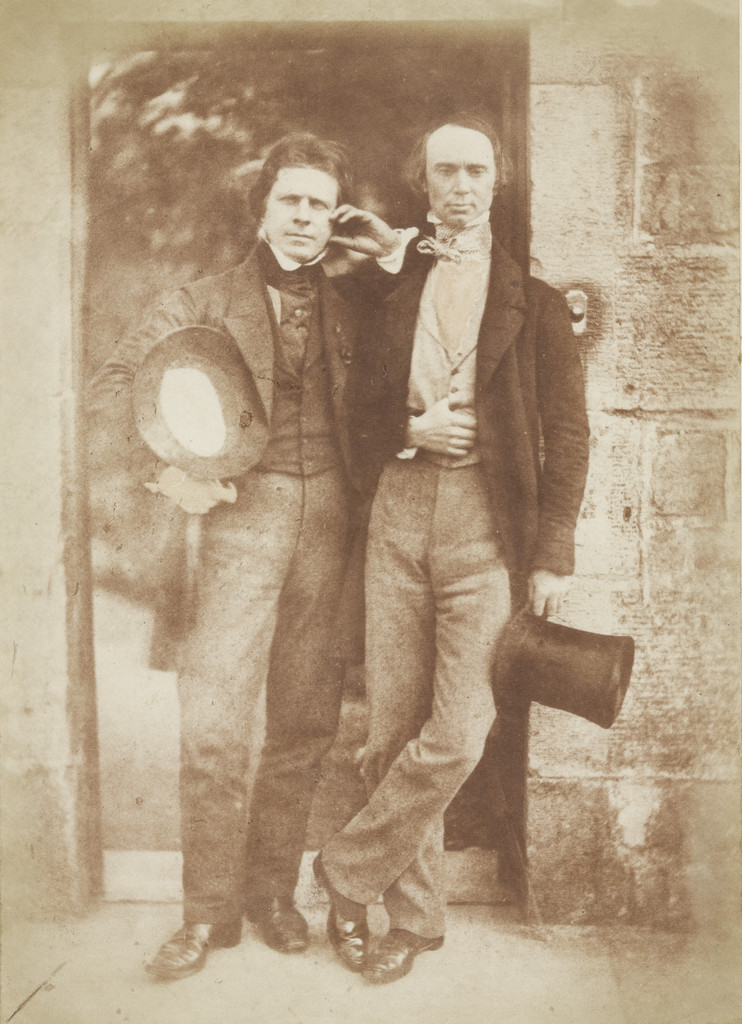
D.O. Hill and W.B. Johnstone
David Octavius Hill
1843-47
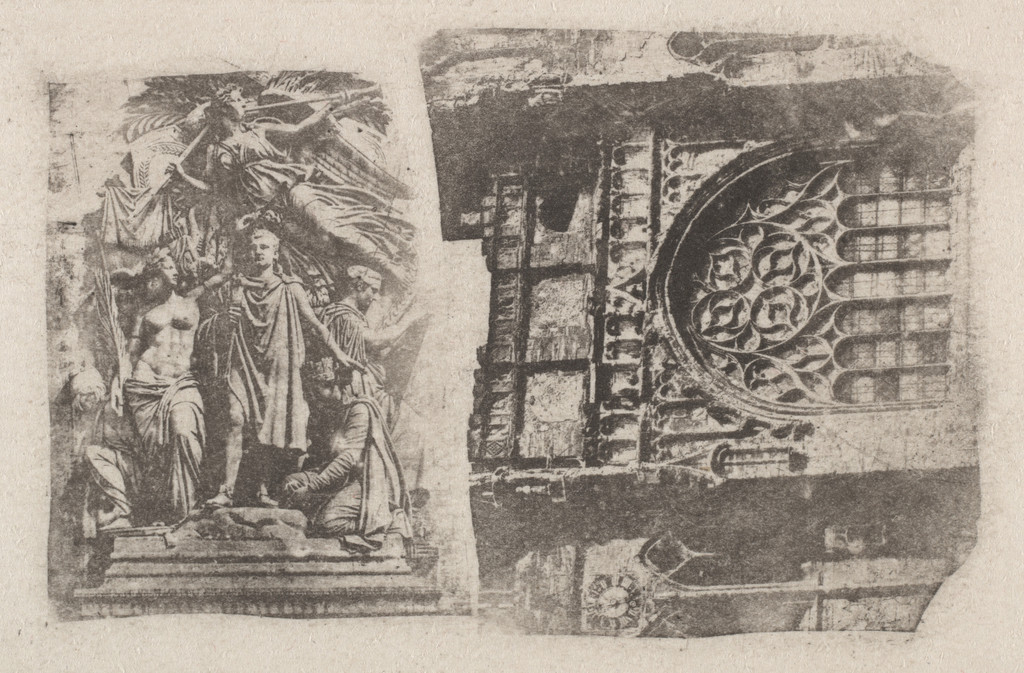
Untitled
William Henry Fox Talbot
c. 1852
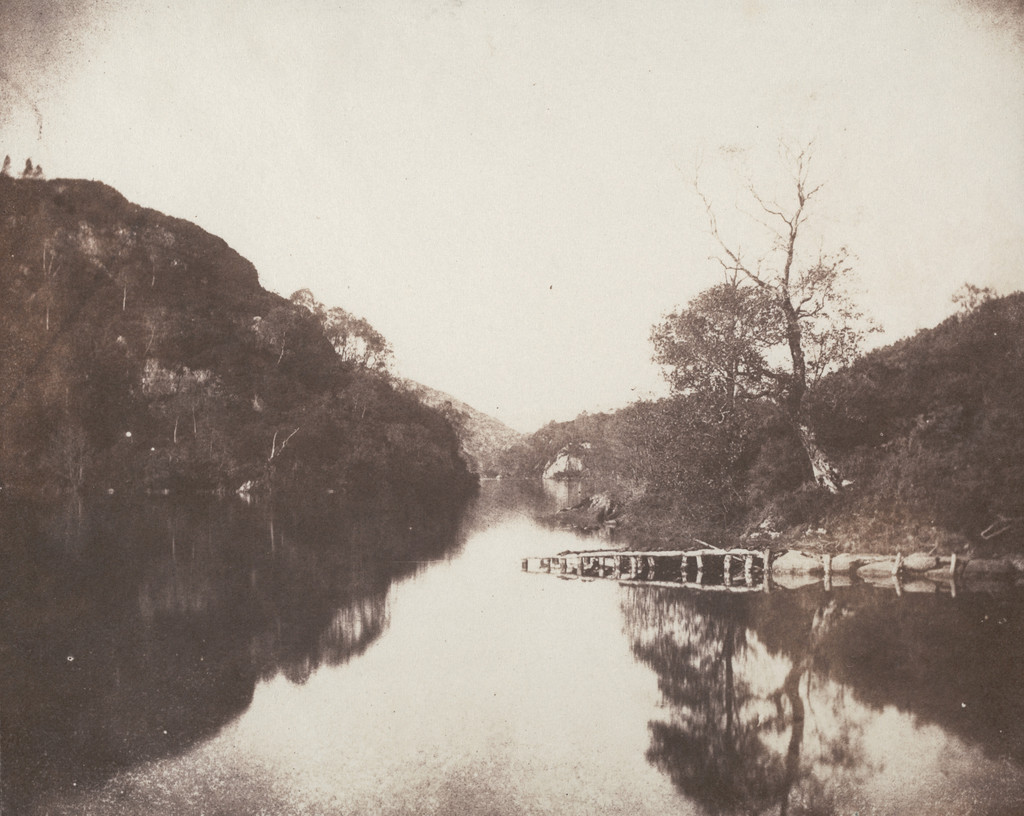
Loch Katrine
William Henry Fox Talbot
1844
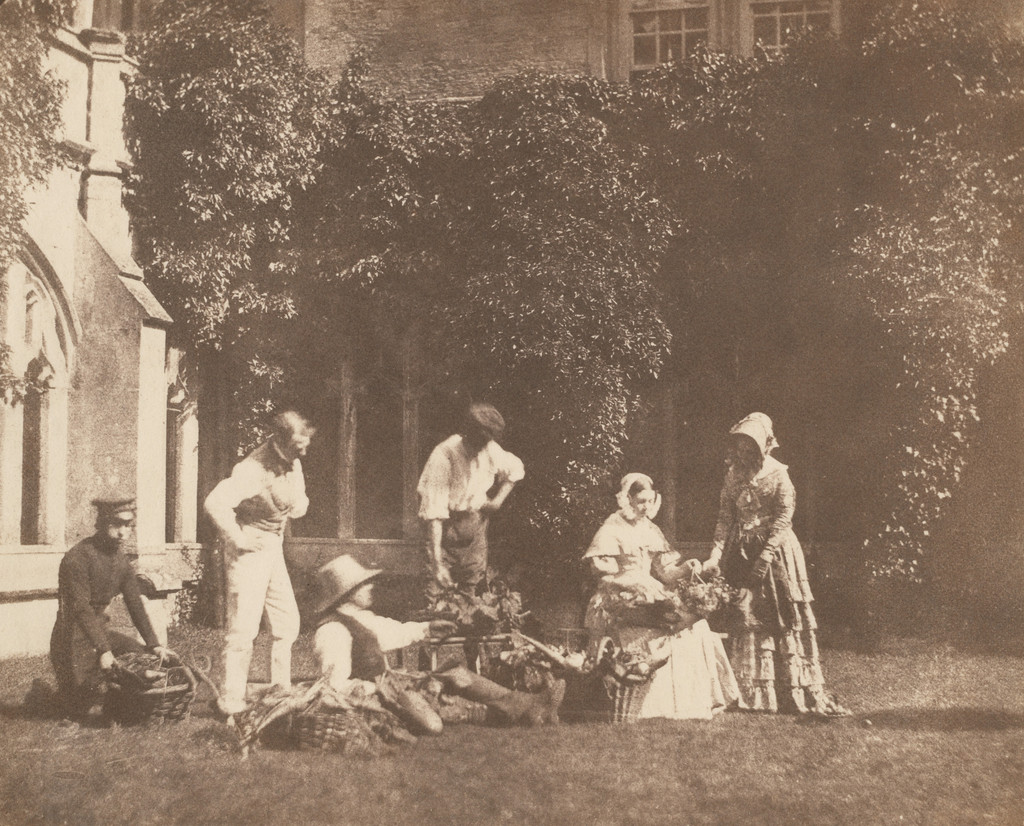
The Fruit Sellers
William Henry Fox Talbot
1845
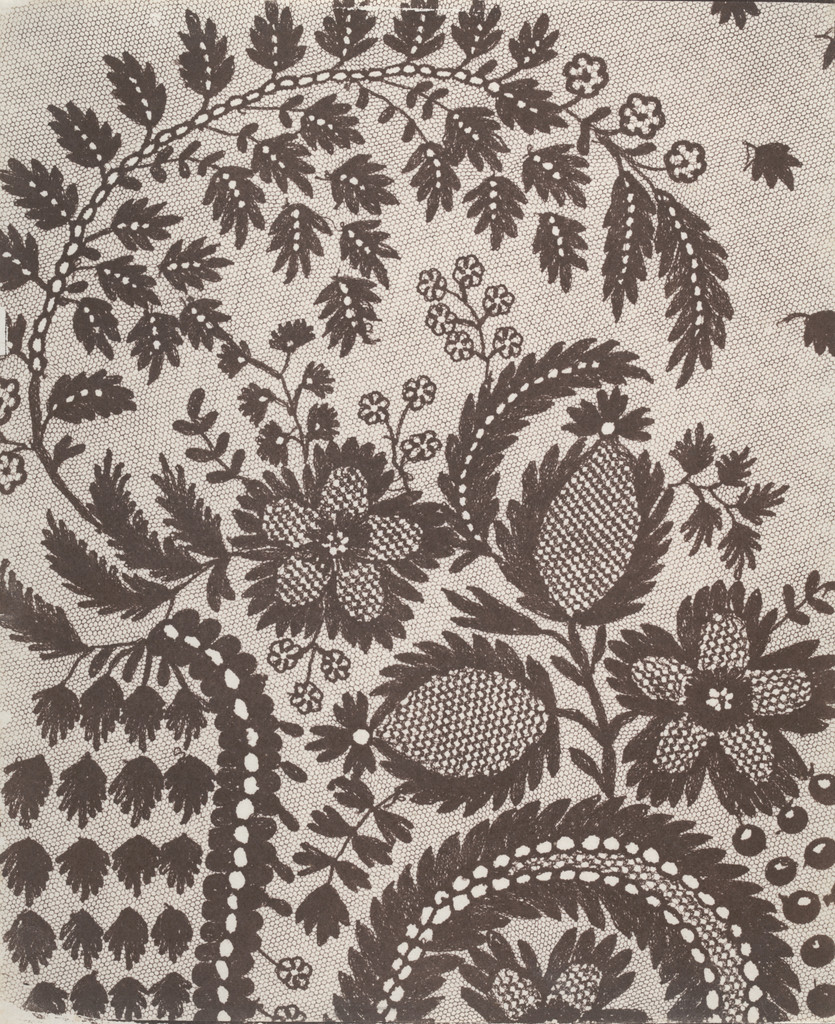
Lace
William Henry Fox Talbot
1840s
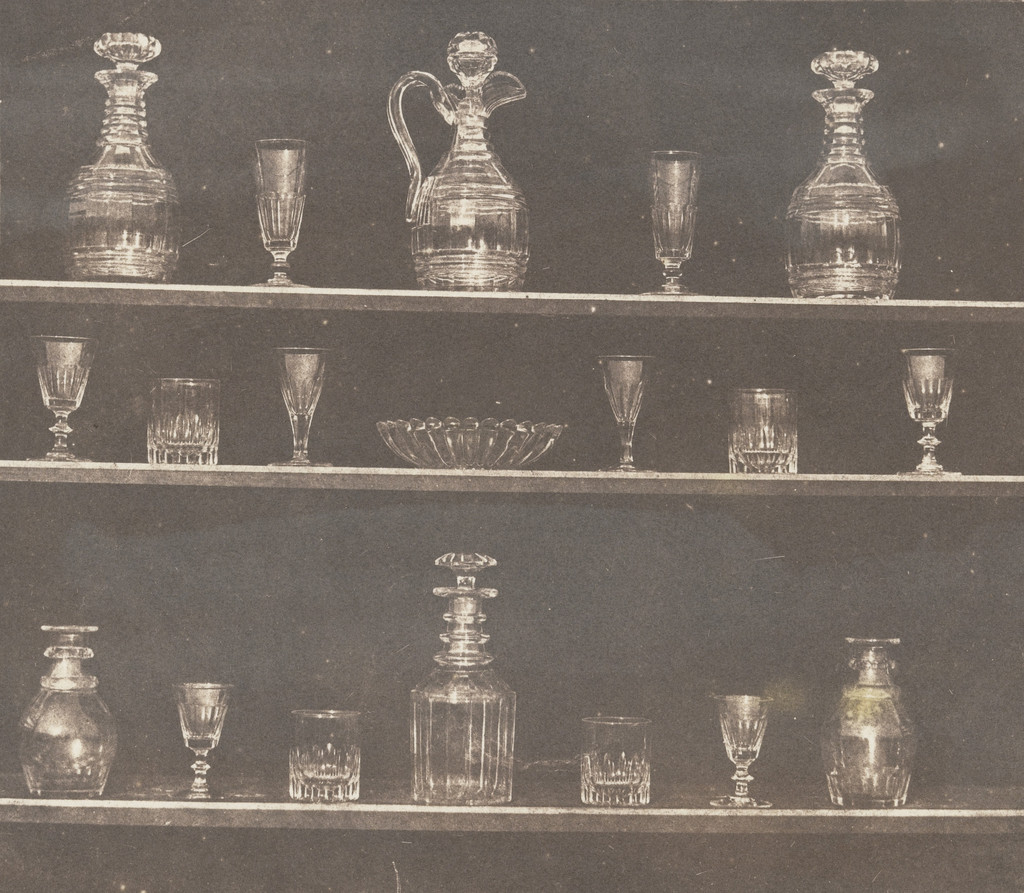
Articles of Glass
William Henry Fox Talbot
Before June 1844
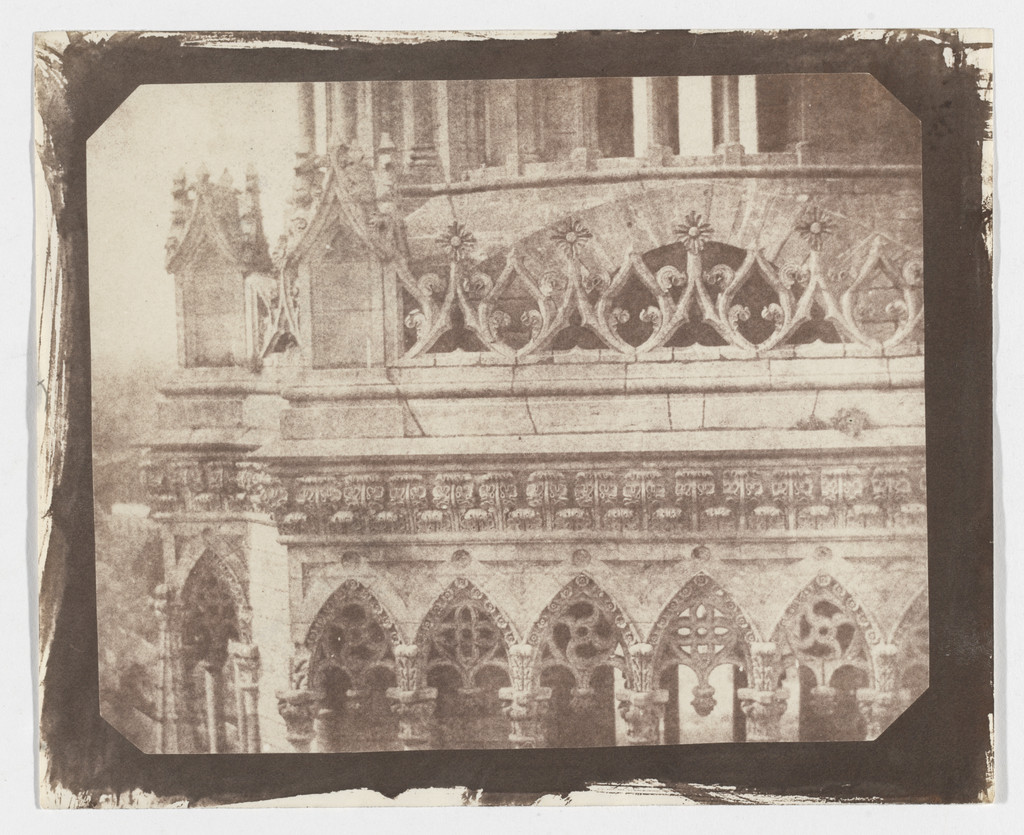
One of the Towers of Orleans Cathedral, as Seen from the ...
William Henry Fox Talbot
June 21, 1843
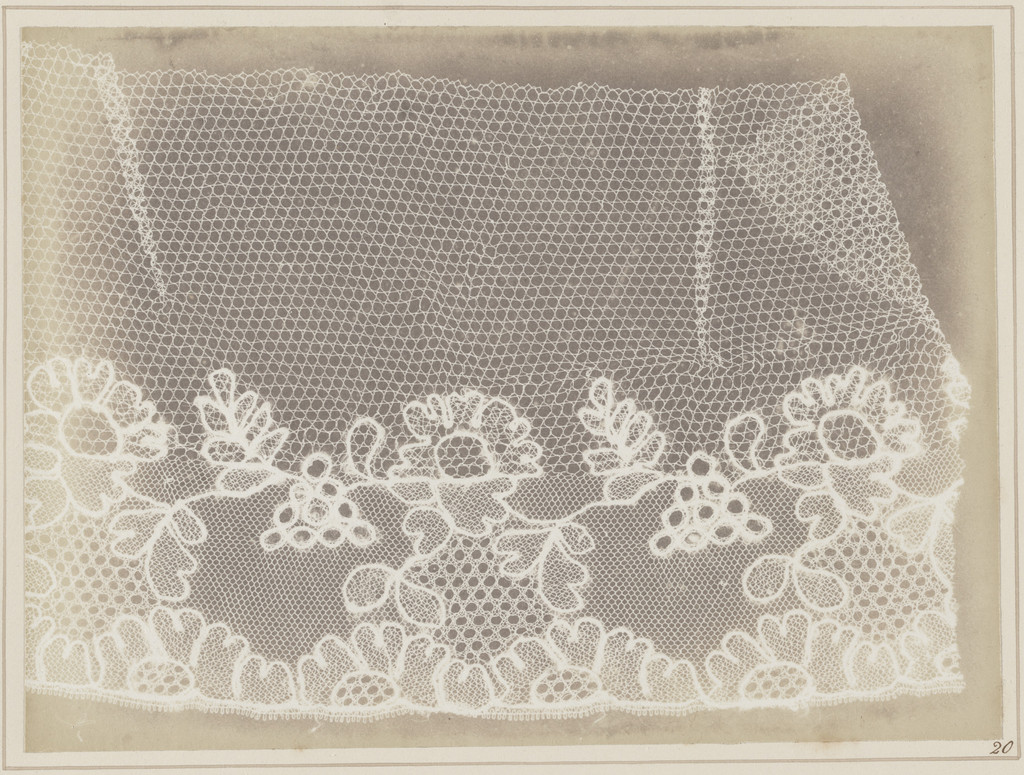
Lace
William Henry Fox Talbot
1845