Cubism
An artistic style invented in Paris during the first decade of the 20th century, Cubism was soon adopted by an international network of artists who sought to create a new art for a new century. Cubists developed an innovative visual vocabulary that included angular lines, geometric planes, compressed space, and non-naturalistic colors. While traditional Western artists had typically used a single, stable perspective in their works, Cubists often incorporated multiple perspectives into individual compositions. They broke with artistic tradition in other ways, too: they drew inspiration from African and Oceanic sculpture, and they introduced everyday materials such as newspapers into their art.Cubism originated with the artists Georges Braque and Pablo Picasso, whose close artistic exchange propelled the style from 1907 to 1914. After the critic Louis Vauxcelles dismissed landscapes that Braque had painted in 1908 as consisting of “cubes,” the term was embraced by a diverse array of artists and writers in the French capital and beyond. Although Cubists differed in terms of their approaches, they shared a commitment to producing art that was, as the poet and critic Guillaume Apollinaire wrote in The Cubist Painters (1913), “entirely new.”
Featured Works
15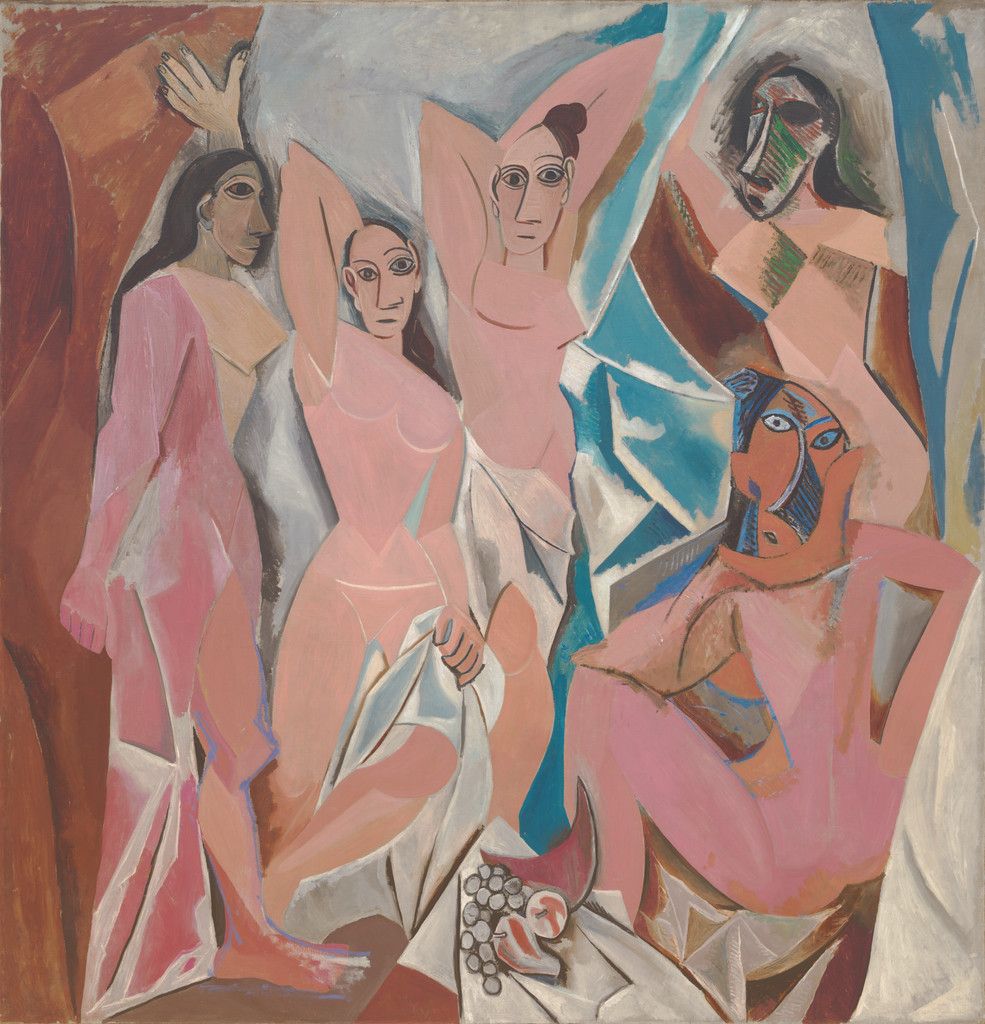
Les Demoiselles d'Avignon
Pablo Picasso
Paris, June-July 1907
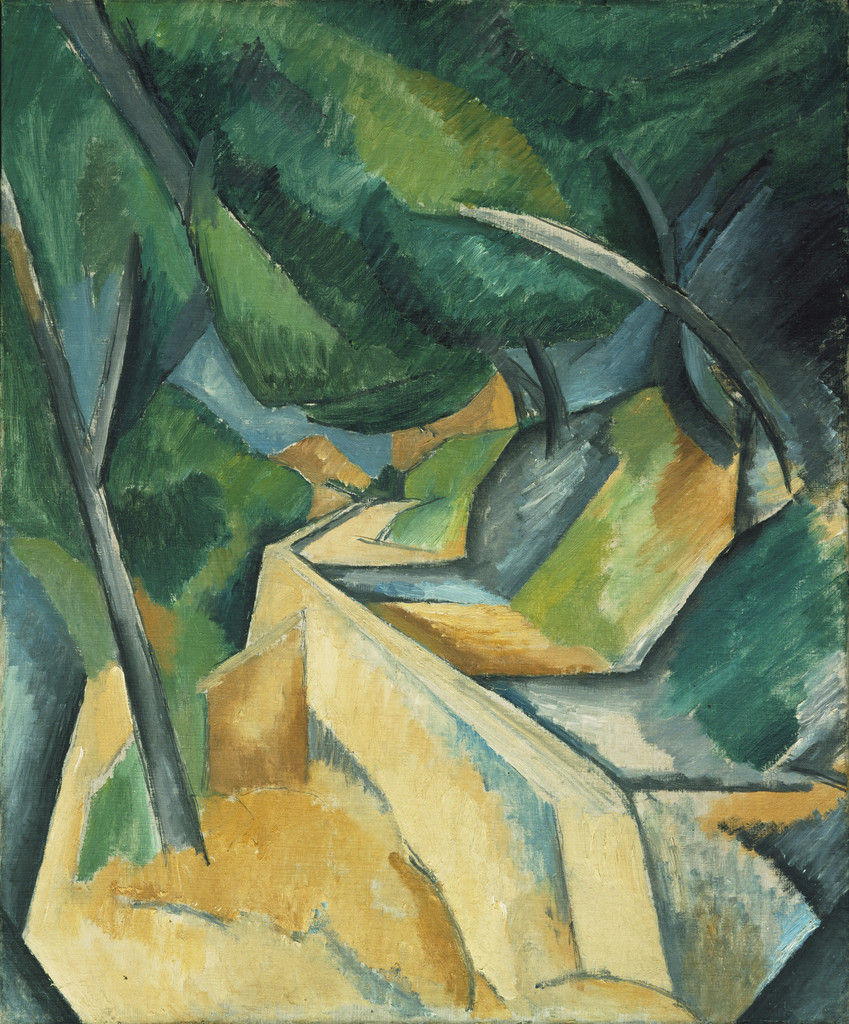
Road near L'Estaque
Georges Braque
L'Estaque, late summer 1908
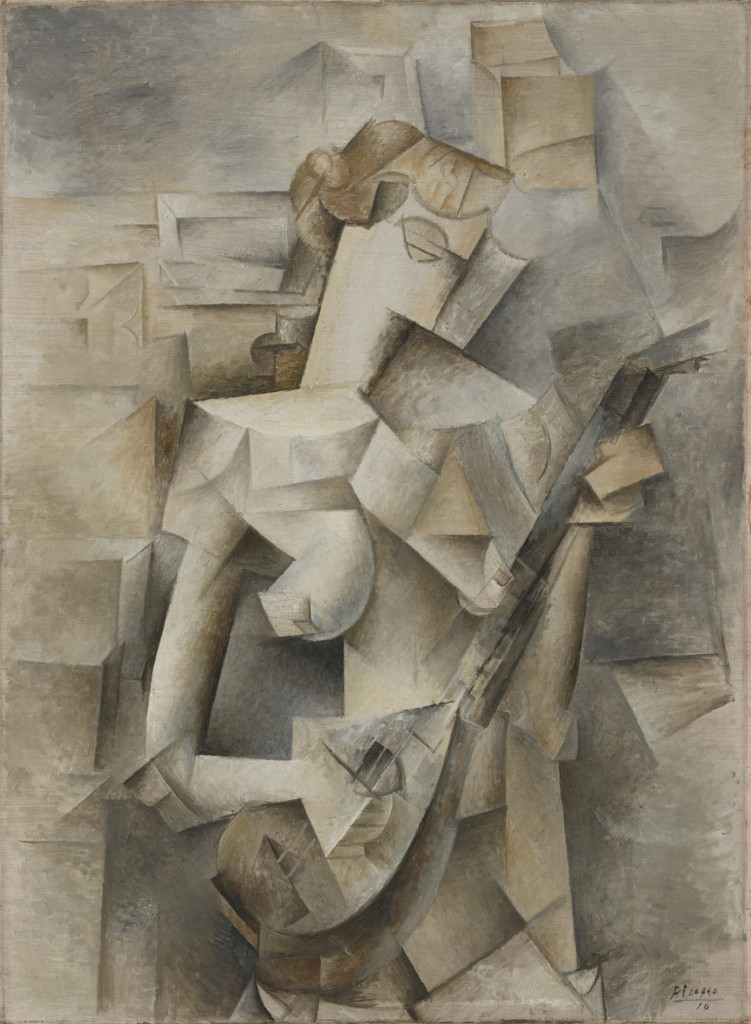
Girl with a Mandolin (Fanny Tellier)
Pablo Picasso
Paris, late spring 1910
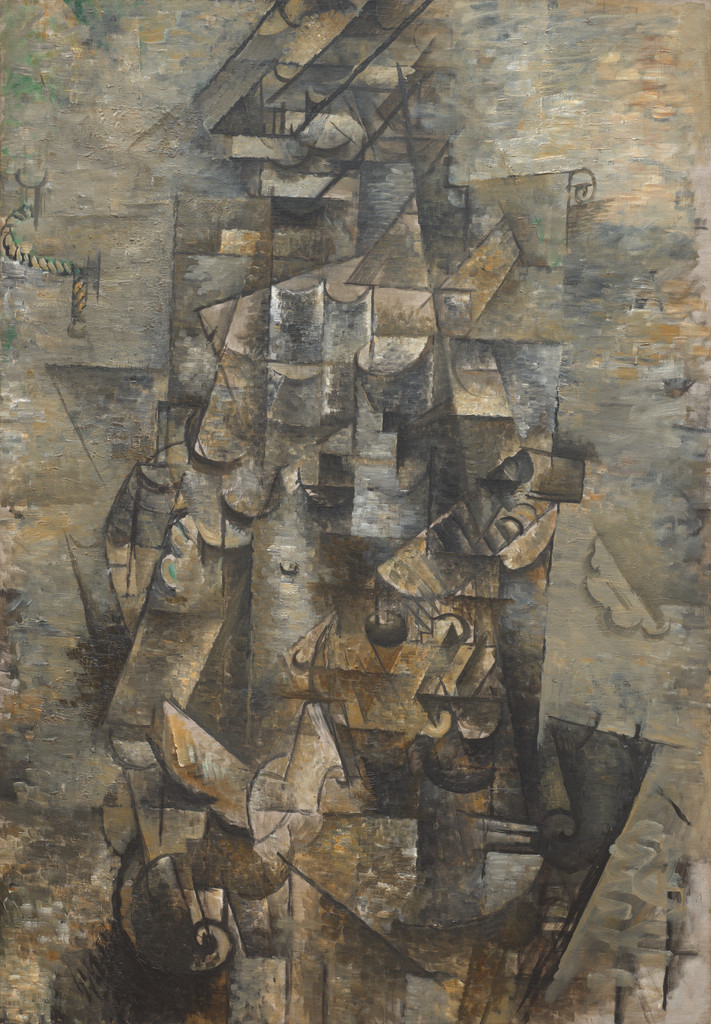
Man with a Guitar
Georges Braque
Céret, summer 1911-early 1912
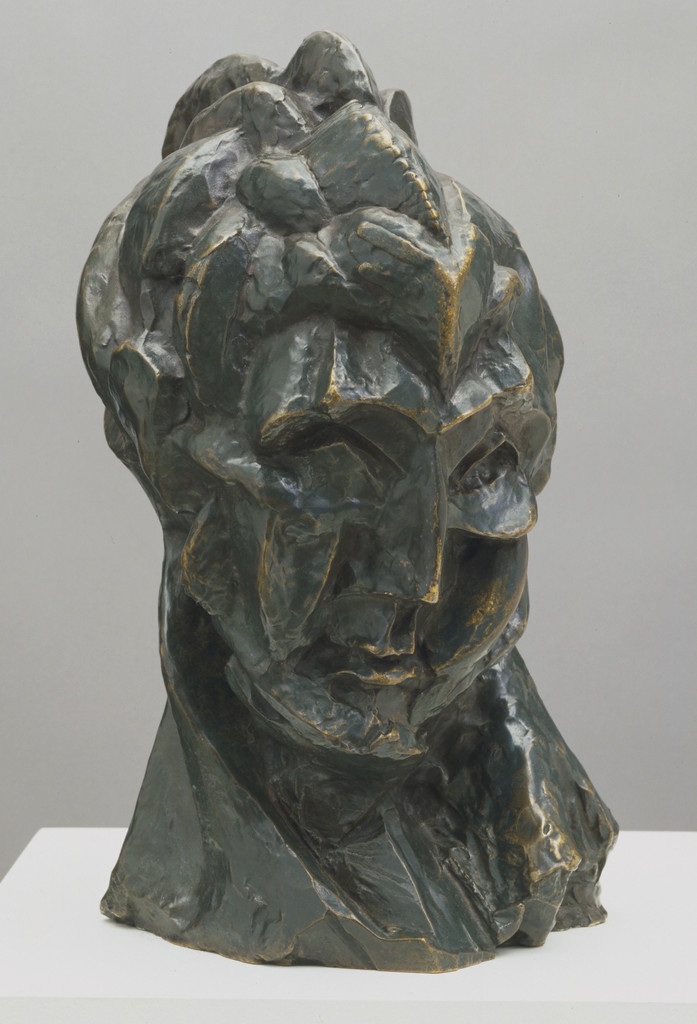
Woman's Head (Fernande)
Pablo Picasso
Paris, fall 1909
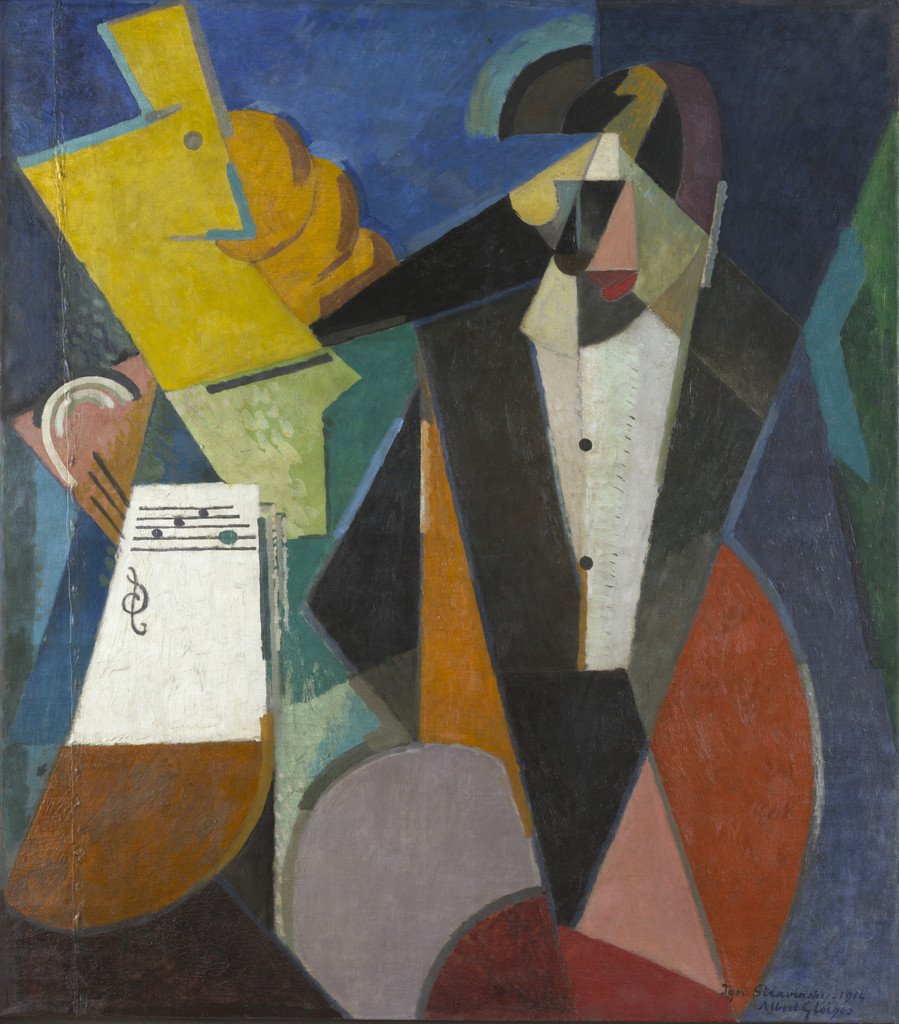
Portrait of Igor Stravinsky
Albert Gleizes
1914
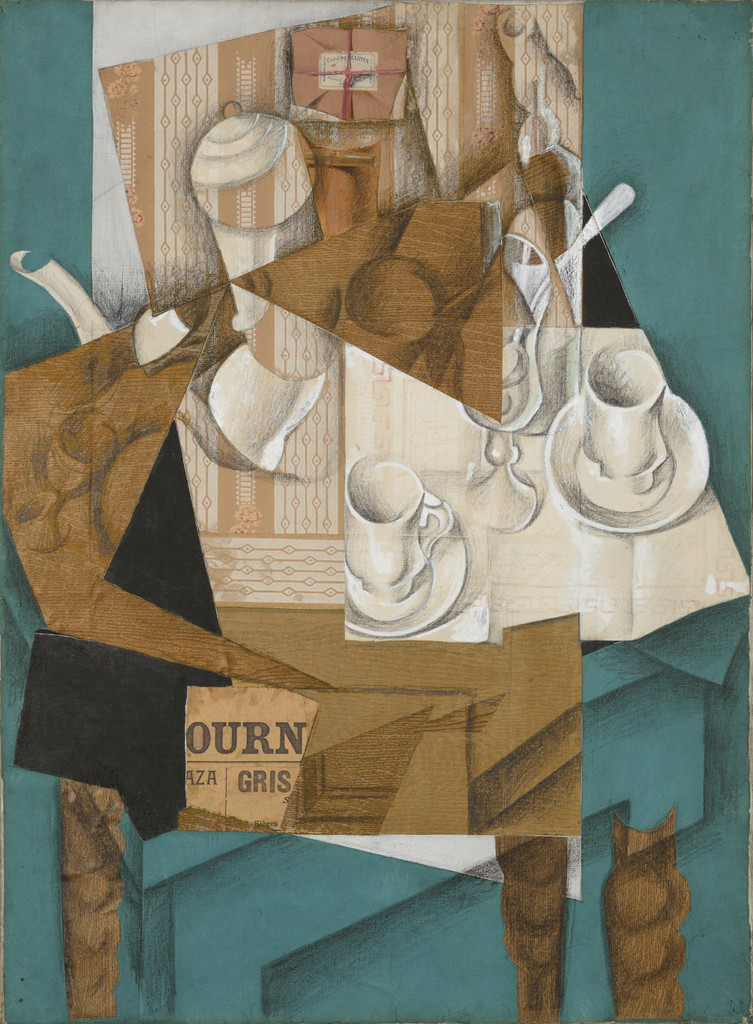
Breakfast (Le Petit déjeuner)
Juan Gris
1914
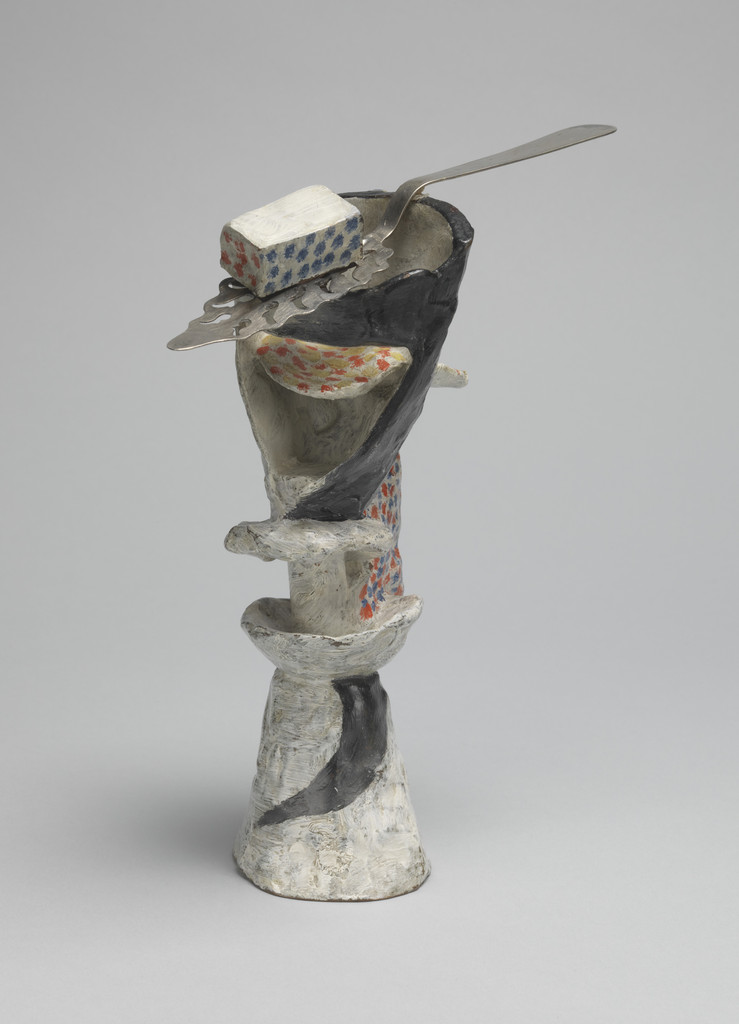
Glass of Absinthe
Pablo Picasso
Paris, spring 1914
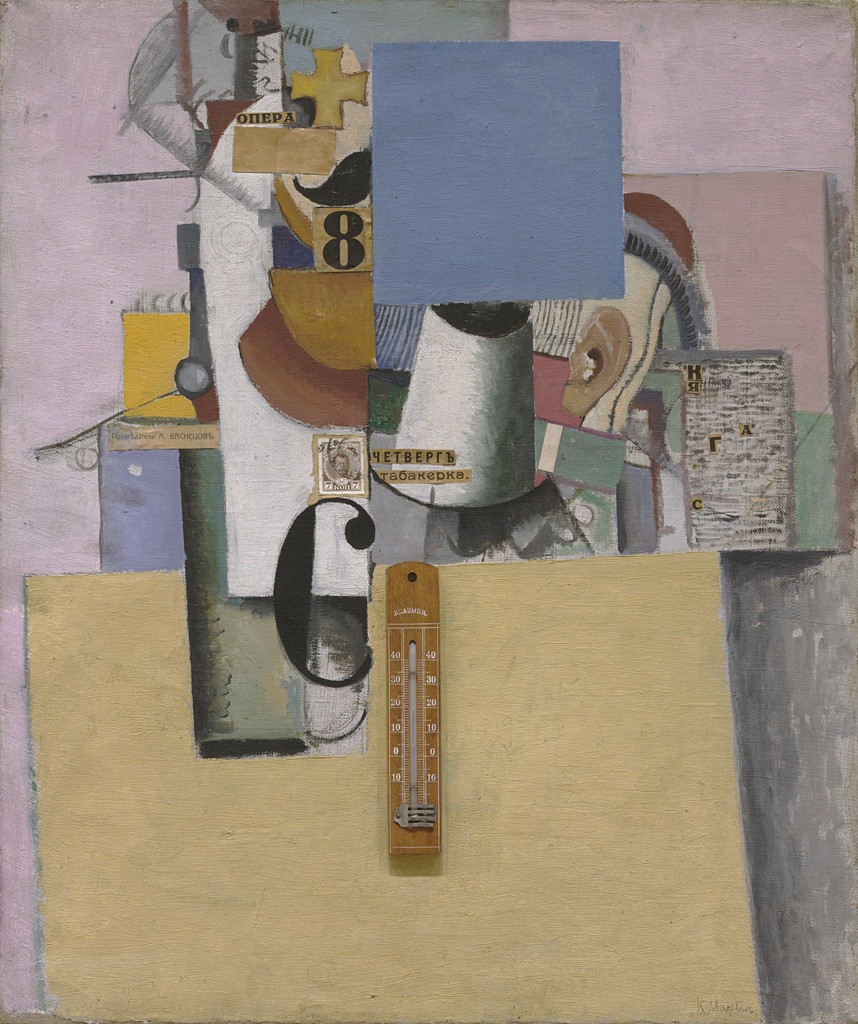
Reservist of the First Division
Kazimir Malevich
fall-winter 1914
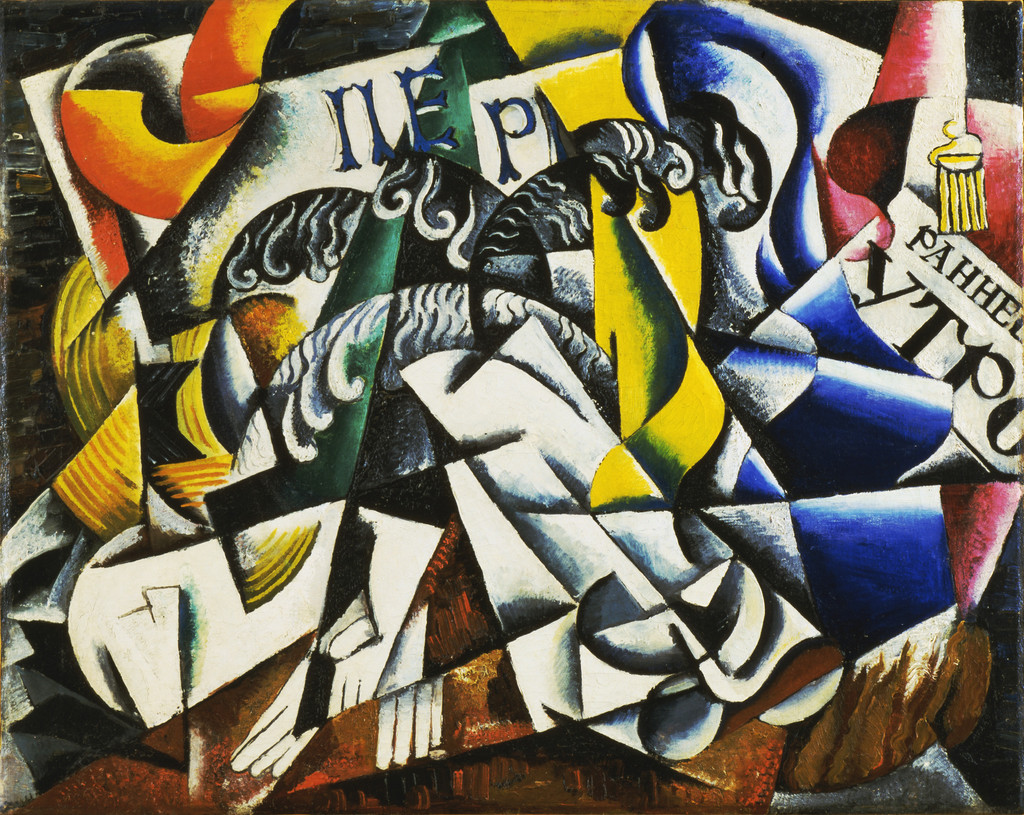
Objects from a Dyer's Shop
Liubov Popova
1914
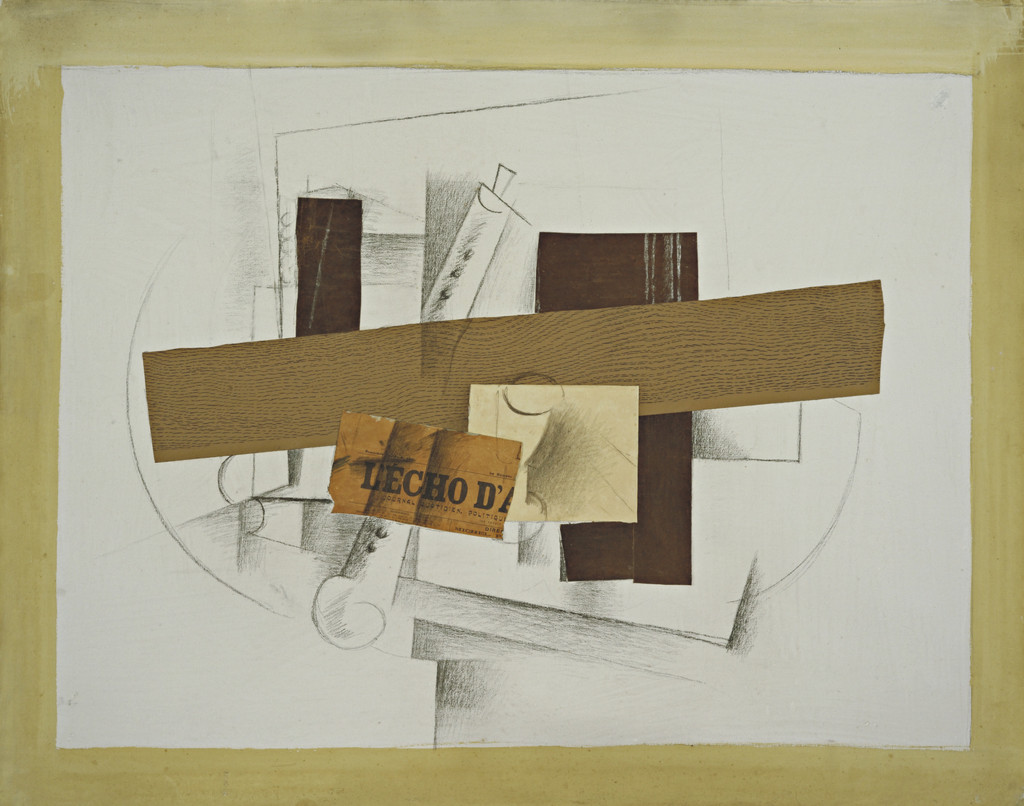
Still Life with Tenora
Georges Braque
1913
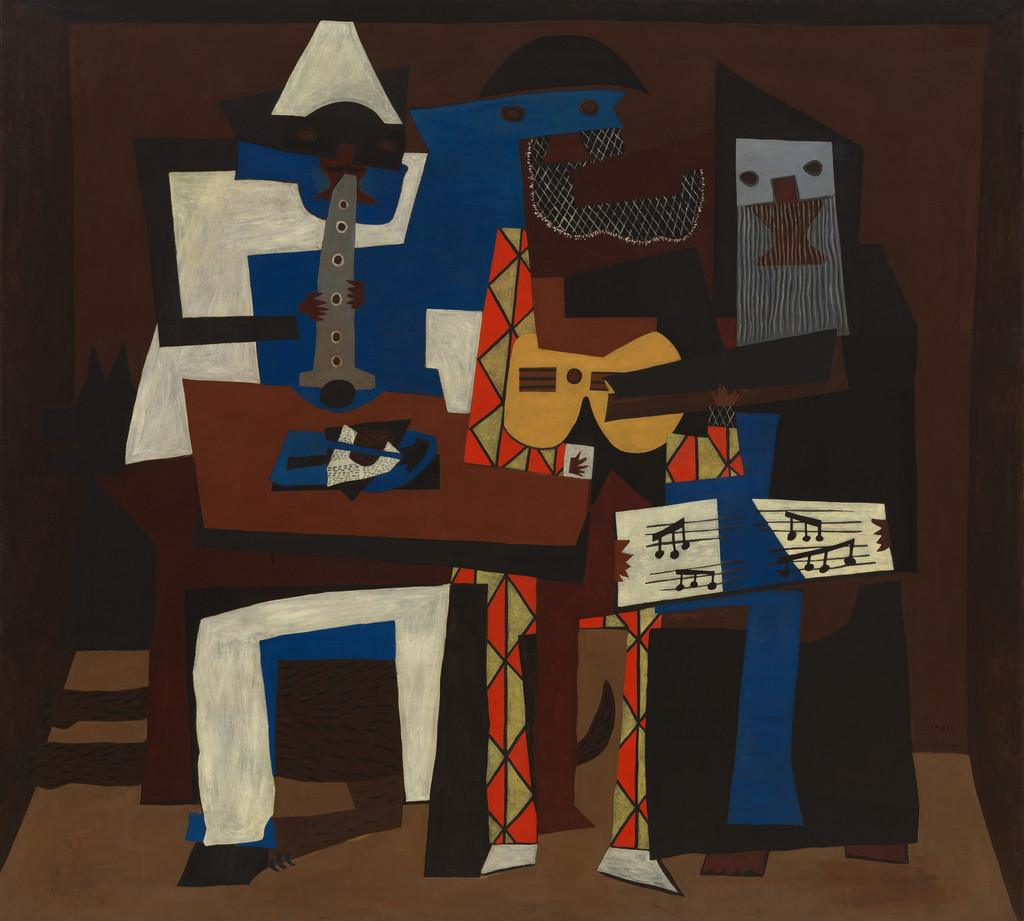
Three Musicians
Pablo Picasso
Fontainebleau, summer 1921
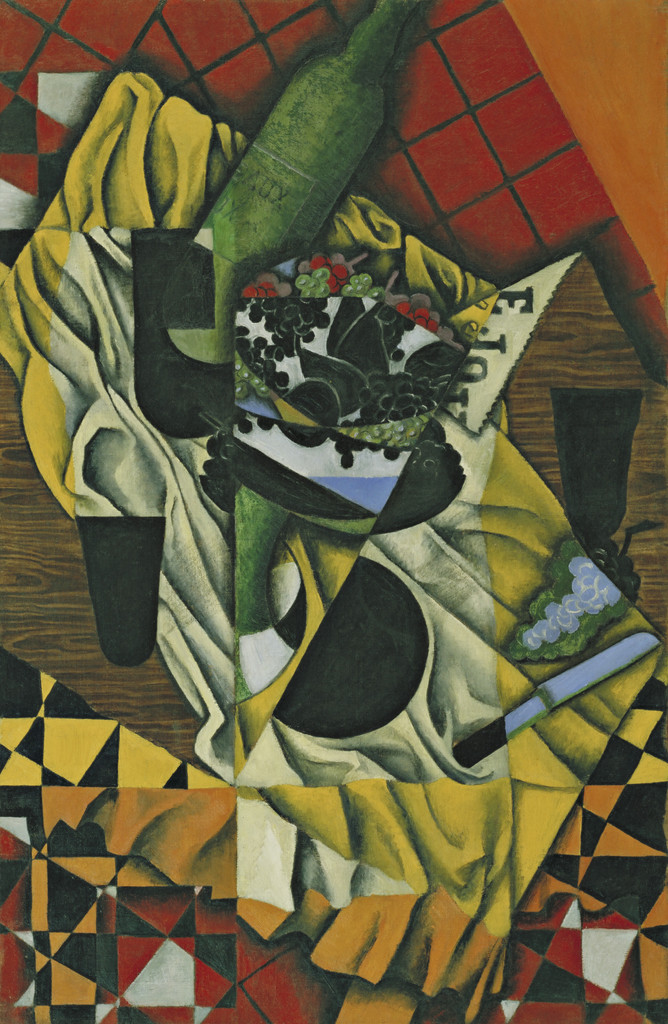
Grapes
Juan Gris
October 1913
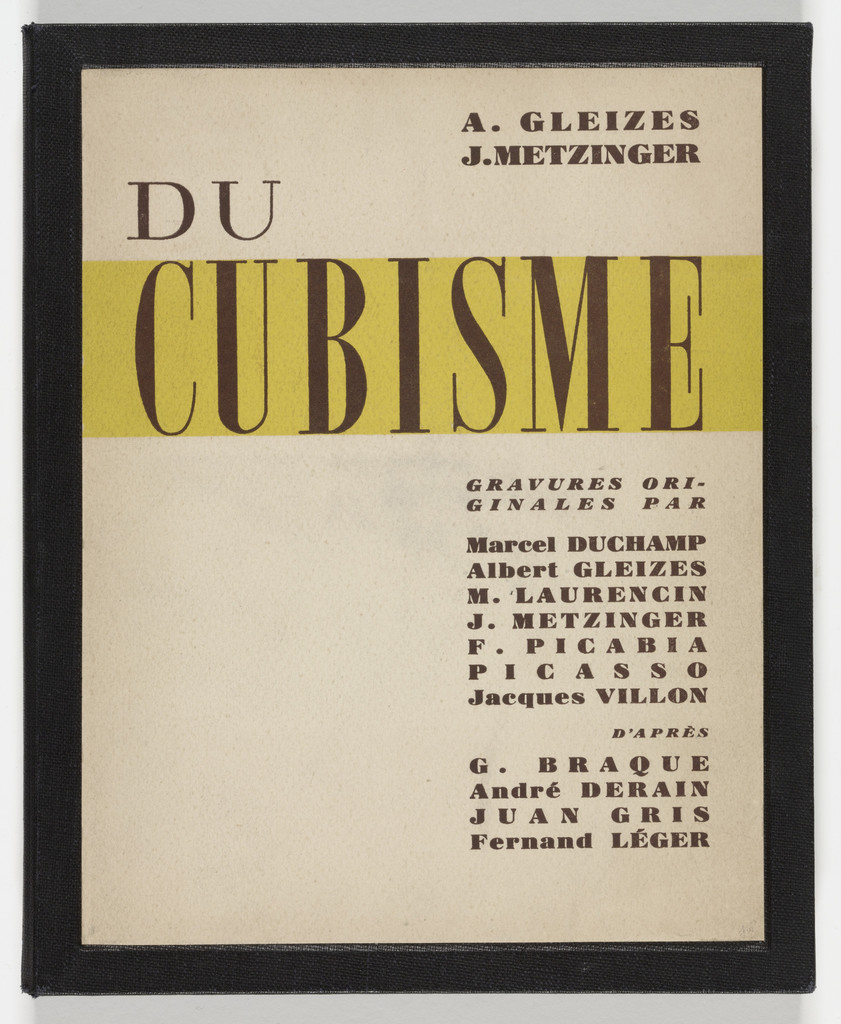
Du Cubisme (On Cubism)
Georges Braque
1907–47, published 1947
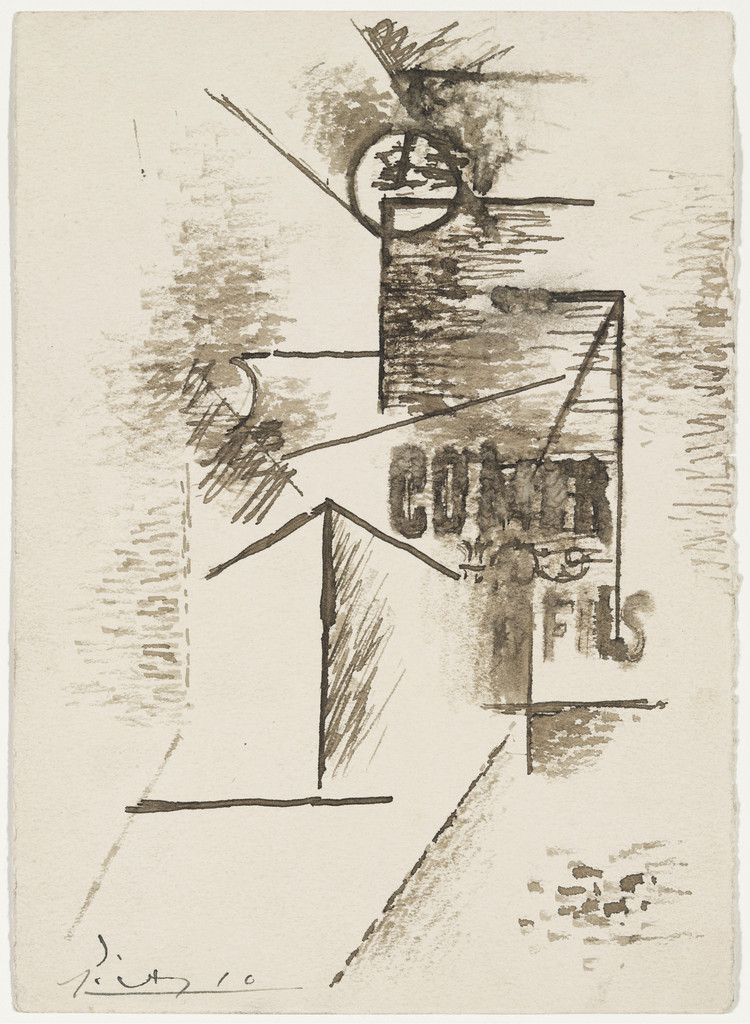
Cubist Study
Pablo Picasso
(1912)