Dada
An artistic and literary movement formed in response to the disasters of World War I (1914–18) and to an emerging modern media and machine culture. Dada artists sought to expose accepted and often repressive conventions of order and logic, favoring strategies of chance, spontaneity, and irreverence. Dada artists experimented with a range of mediums, from collage and photomontage to everyday objects and performance, exploding typical concepts of how art should be made and viewed and what materials could be used. An international movement born in neutral Zurich and New York, Dada rapidly spread to Berlin, Cologne, Hannover, Paris, and beyond.Participants claimed various, often humorous definitions of Dada—“Dada is irony,” “Dada is anti-art,” “Dada will kick you in the behind”—though the word itself is a nonsense utterance. As the story goes, the name Dada was either chosen at random by stabbing a knife into a dictionary, or consciously selected for a variety of connotations in different languages—French for “hobbyhorse” or Russian for “yes, yes.”
Featured Works
9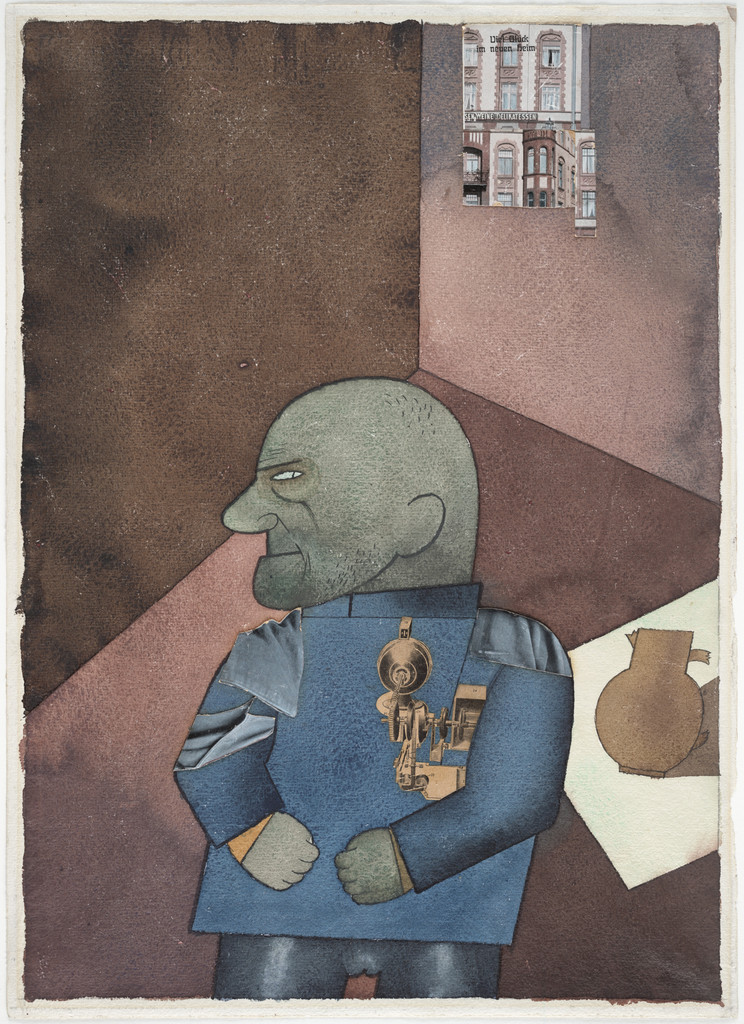
"The Convict" Monteur John Heartfield After Franz Jung's ...
George Grosz
1920
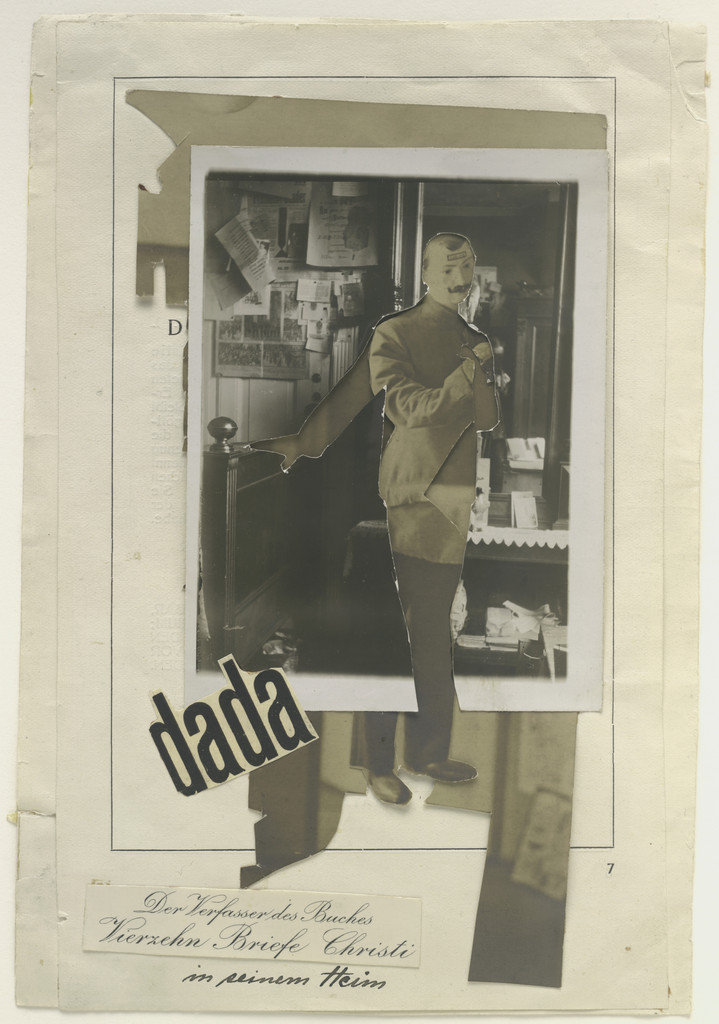
The Author of the Book Fourteen Letters of Christ in His ...
Johannes Baader
1920
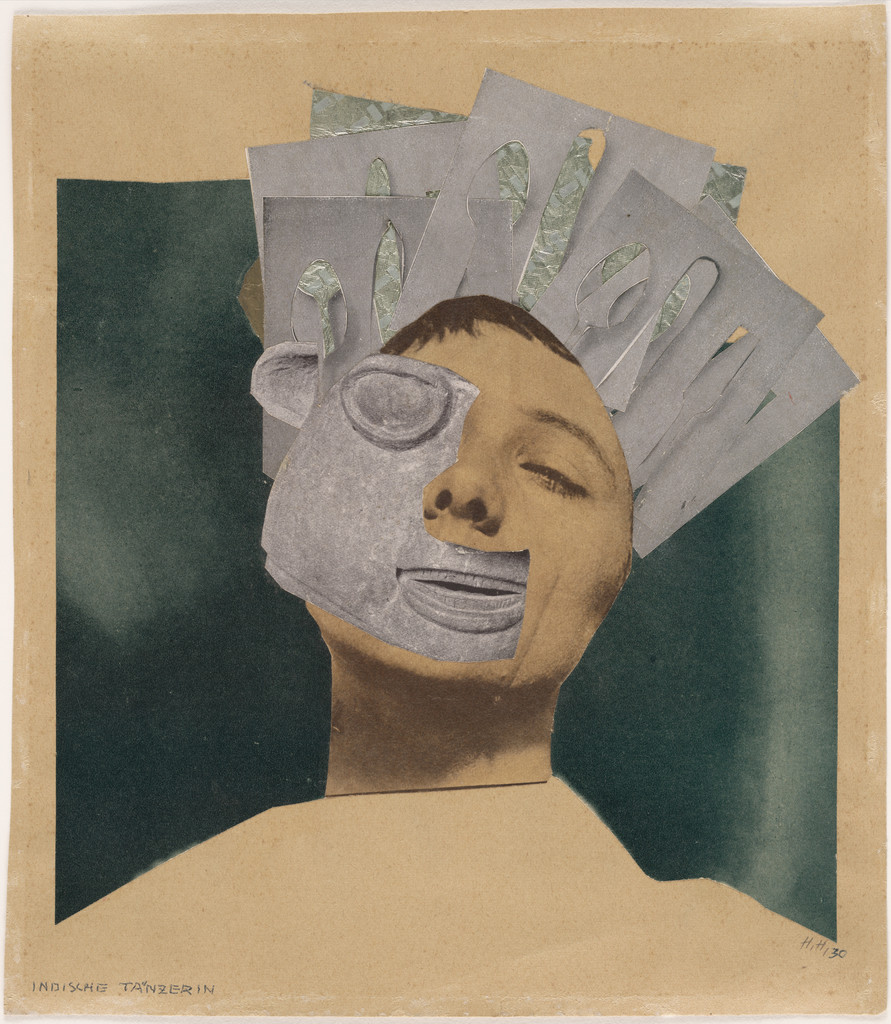
Indian Dancer: From an Ethnographic Museum (Indische Tänz...
Hannah Höch
1930
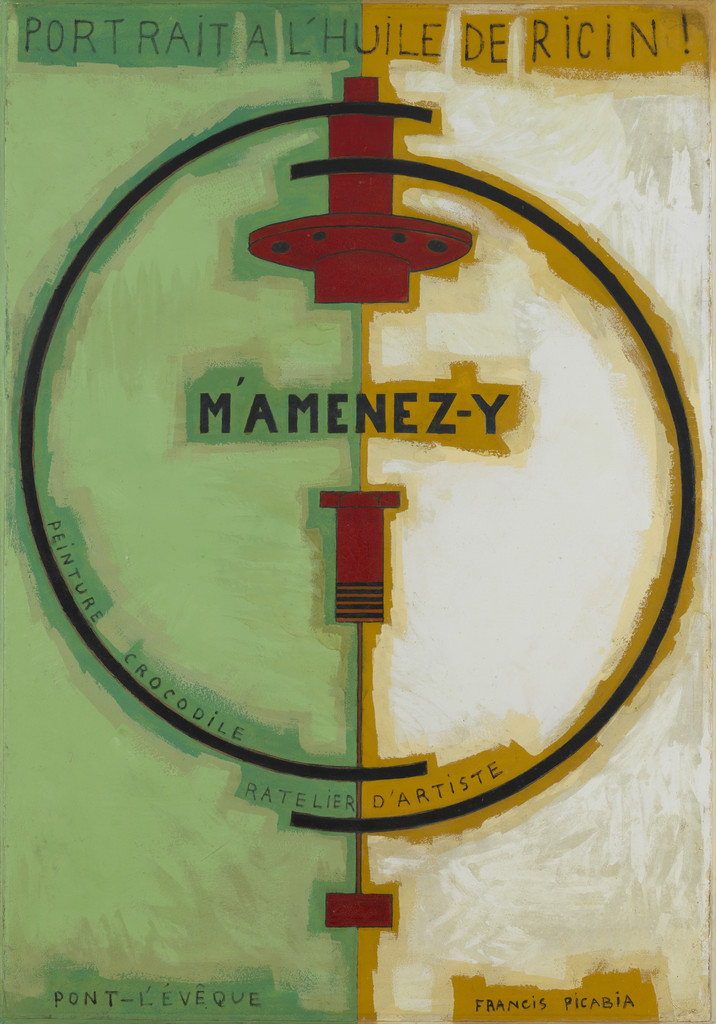
"M'Amenez-y"
Francis Picabia
Paris, November 1919 - January 1920
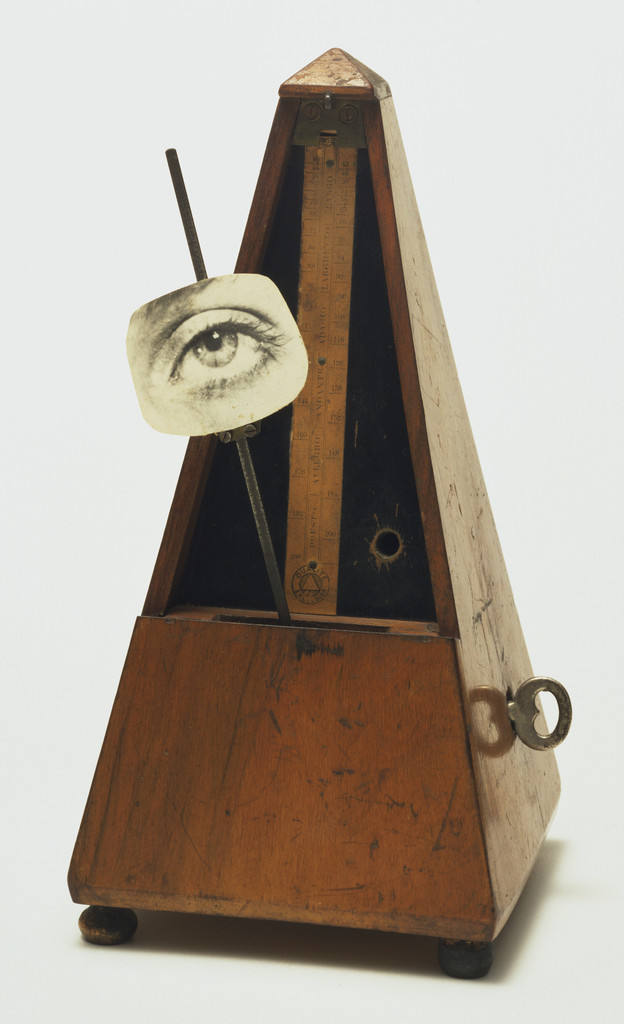
Indestructible Object (or Object to Be Destroyed)
Man Ray (Emmanuel Radnitzky)
1964 (replica of 1923 original)
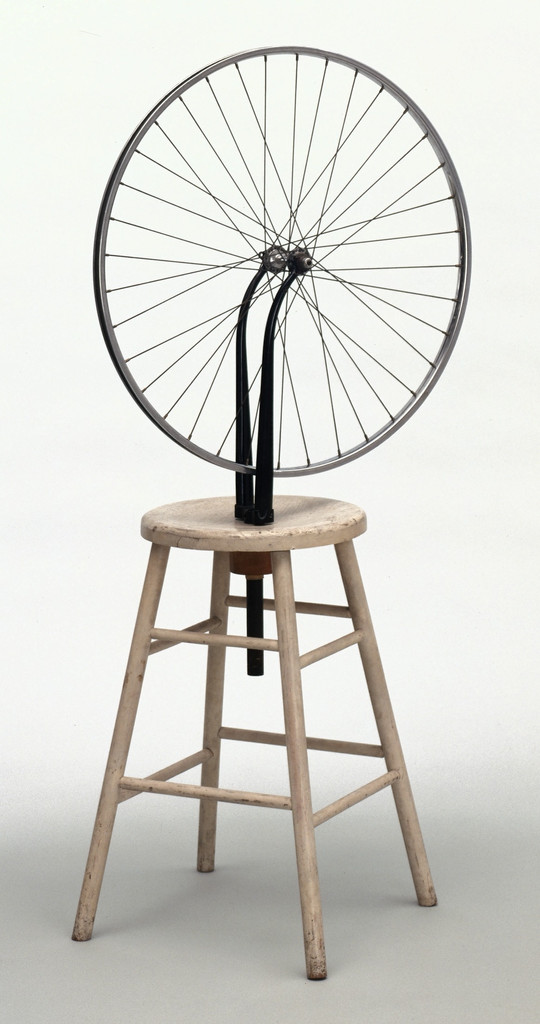
Bicycle Wheel
Marcel Duchamp
New York, 1951 (third version, after lost original of 1913)
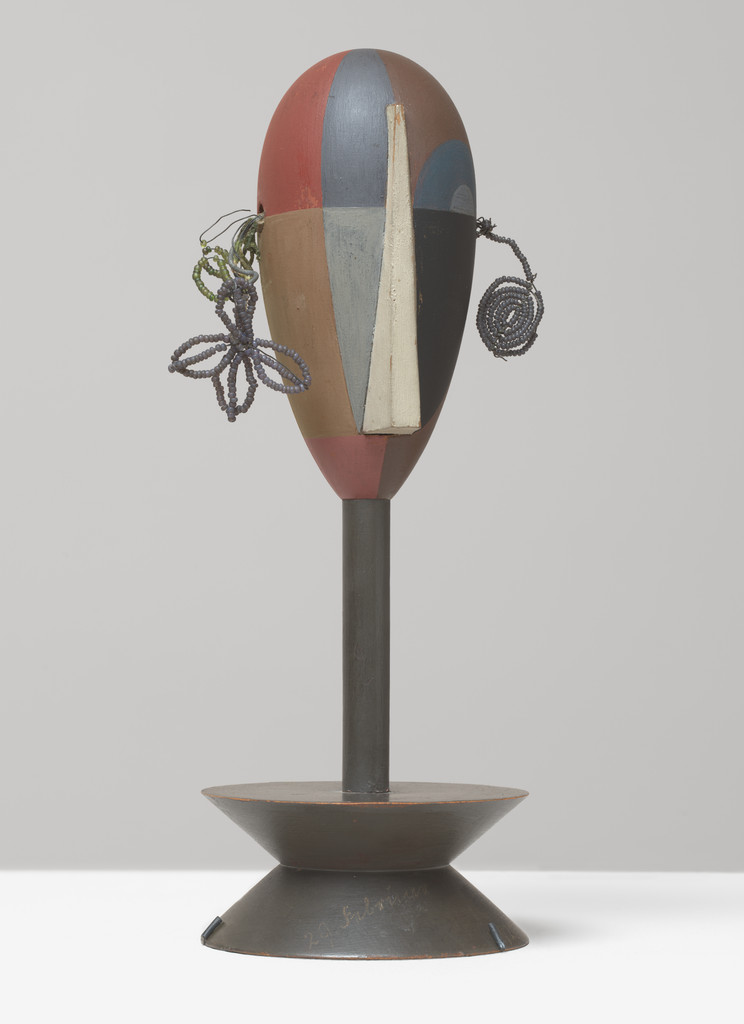
Head
Sophie Taeuber-Arp
1920
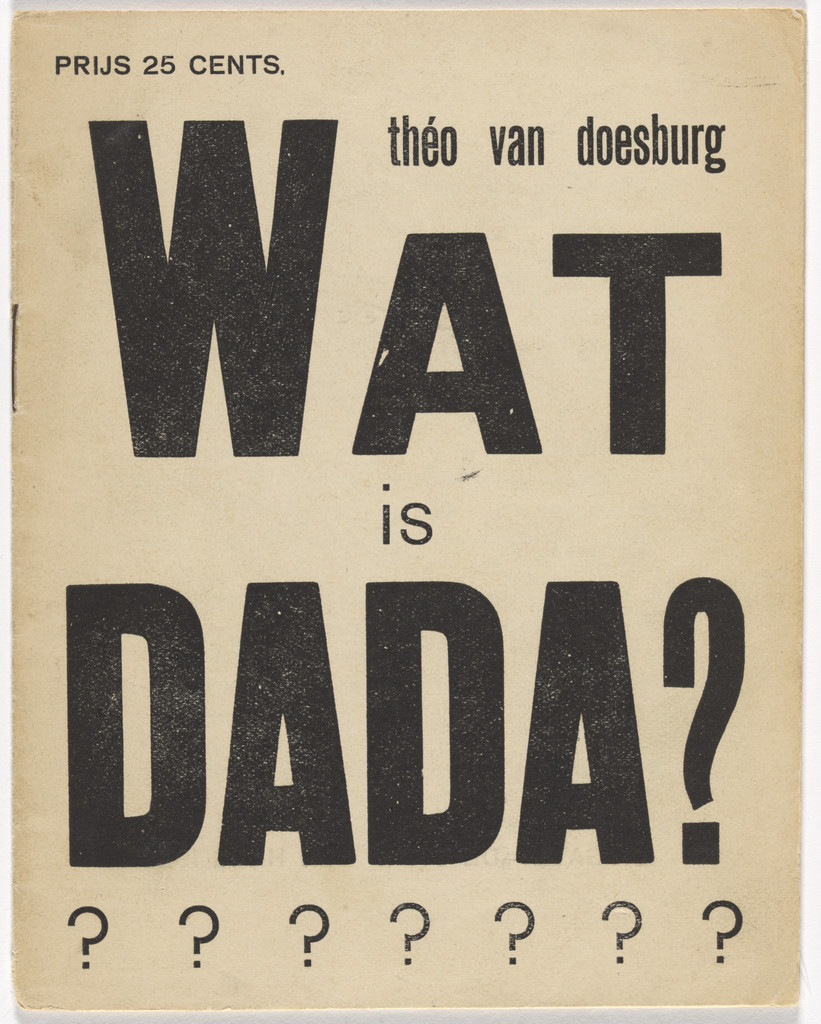
What is Dada? (Wat is Dada?) (Information booklet)
Theo van Doesburg
1923
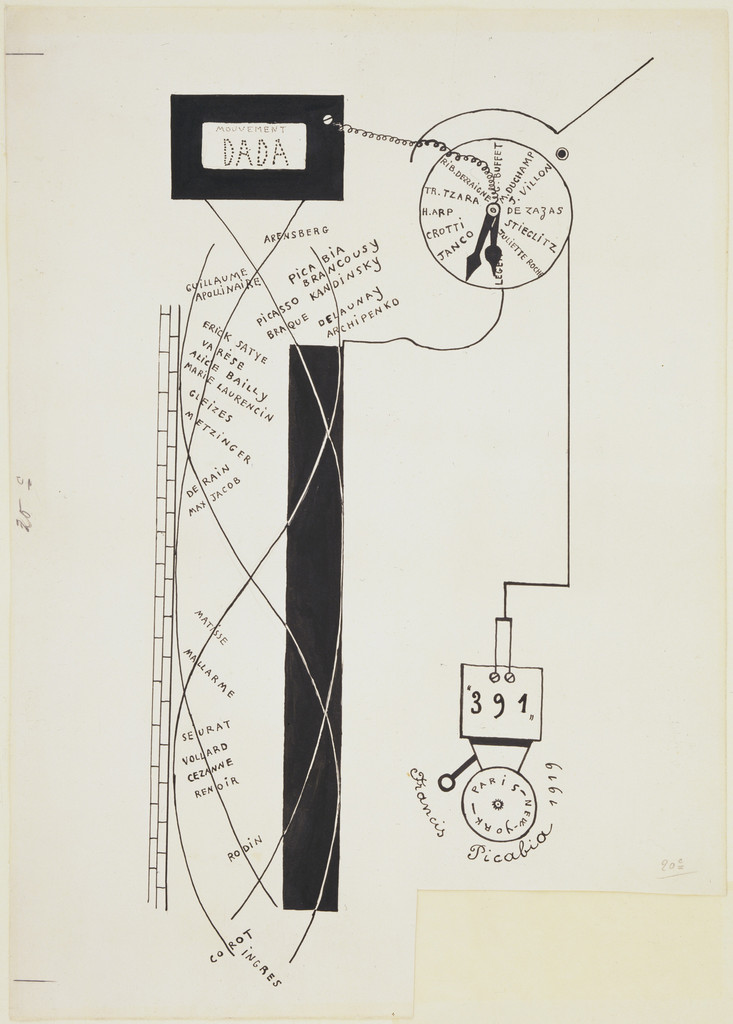
Dada Movement (Mouvement Dada)
Francis Picabia
1919