Albumen silver print
A photographic print that uses albumen, more commonly known as egg white, as a binder layer. To make the print, a glass-plate negative is placed in direct contact with the sensitized paper and exposed. The result is that the print and the negative are the same size. Albumen prints are admired for their tonal range and strong blacks. To increase stability, these prints were often toned with gold, which turned the warm yellow image to a lush purple. Albumen silver prints were the dominant process from 1850 through the 1880s, when they were replaced by collodion and gelatin silver prints.
Featured Works
12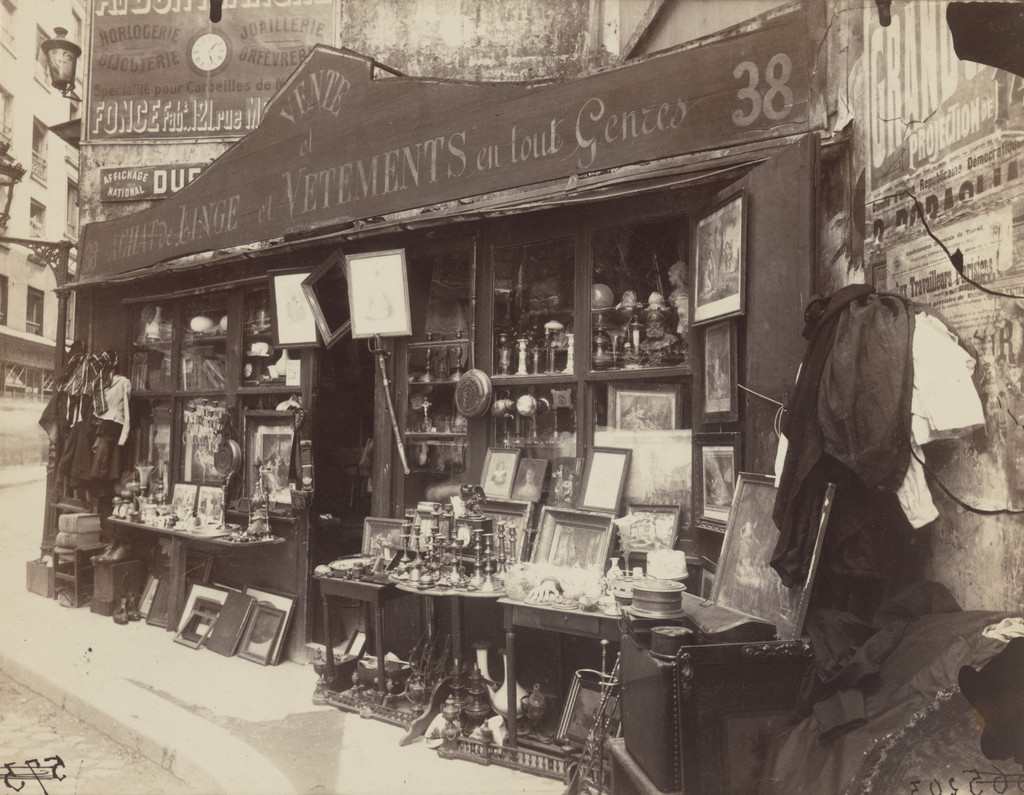
38 Rue Descartes
Eugène Atget
1910
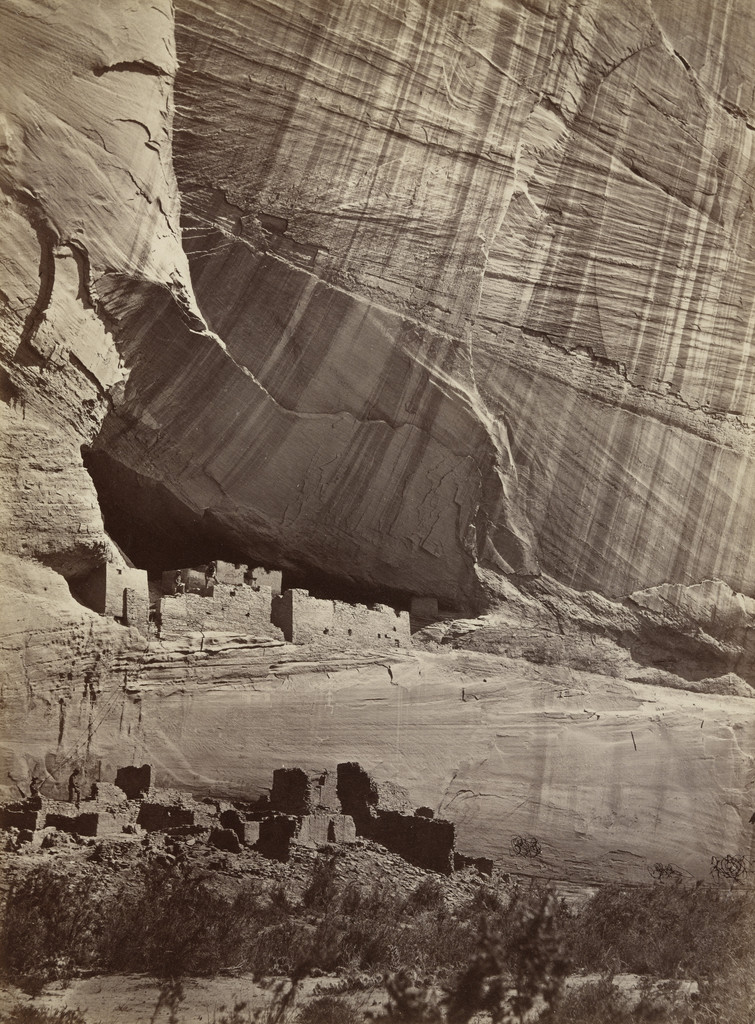
Ancient Ruins in the Cañon de Chelle, New Mexico. In a Ni...
Timothy O'Sullivan
1873
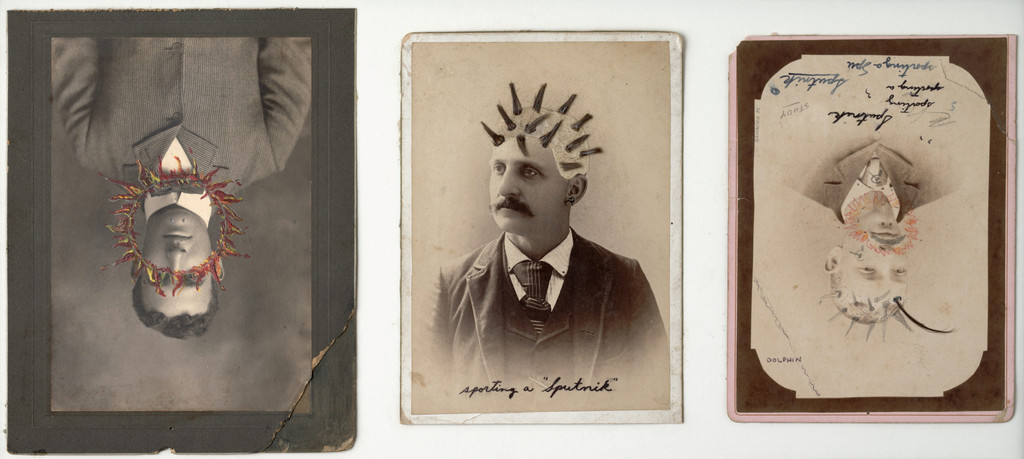
Dolphin Leaping Through a Hoop of Fire/Sporting a Sputnik...
Gary Stephen Brotmeyer
1982
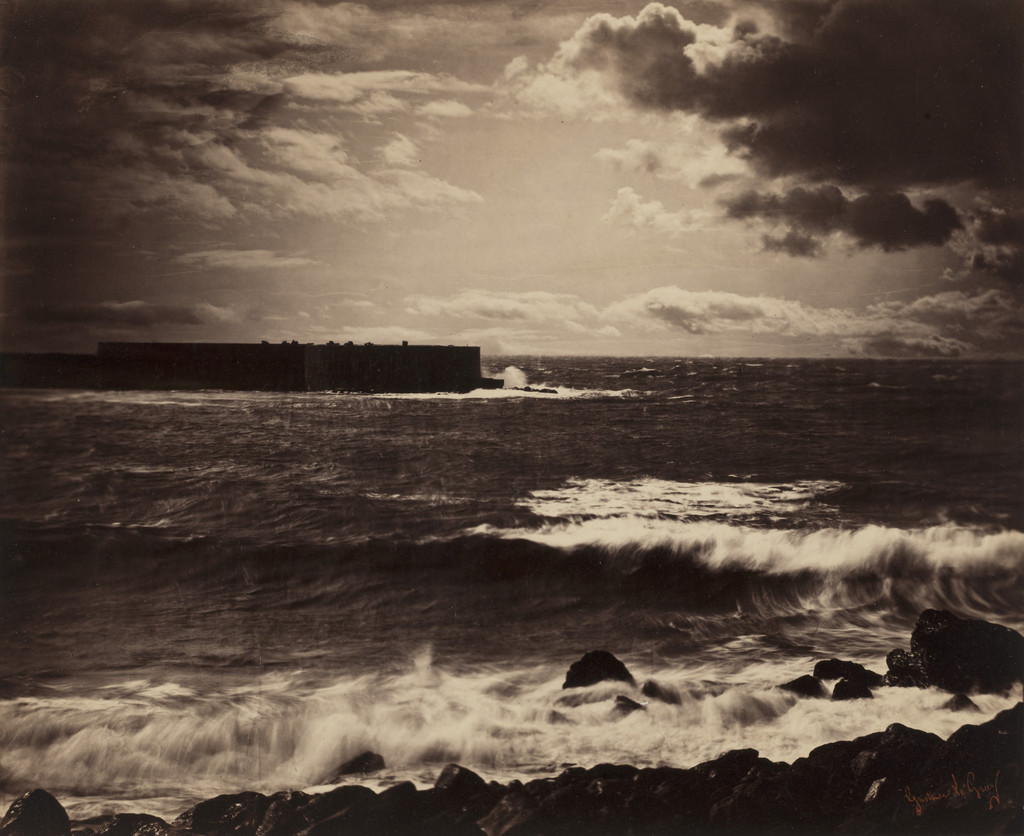
The Great Wave, Sète
Gustave Le Gray
1856
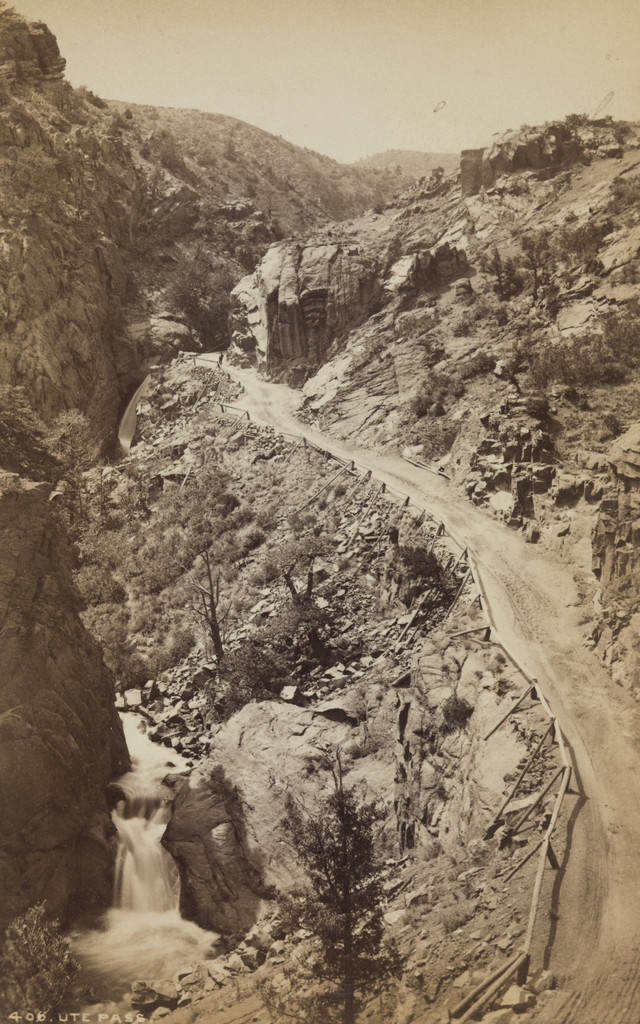
Ute Pass
William Henry Jackson
1858-1941
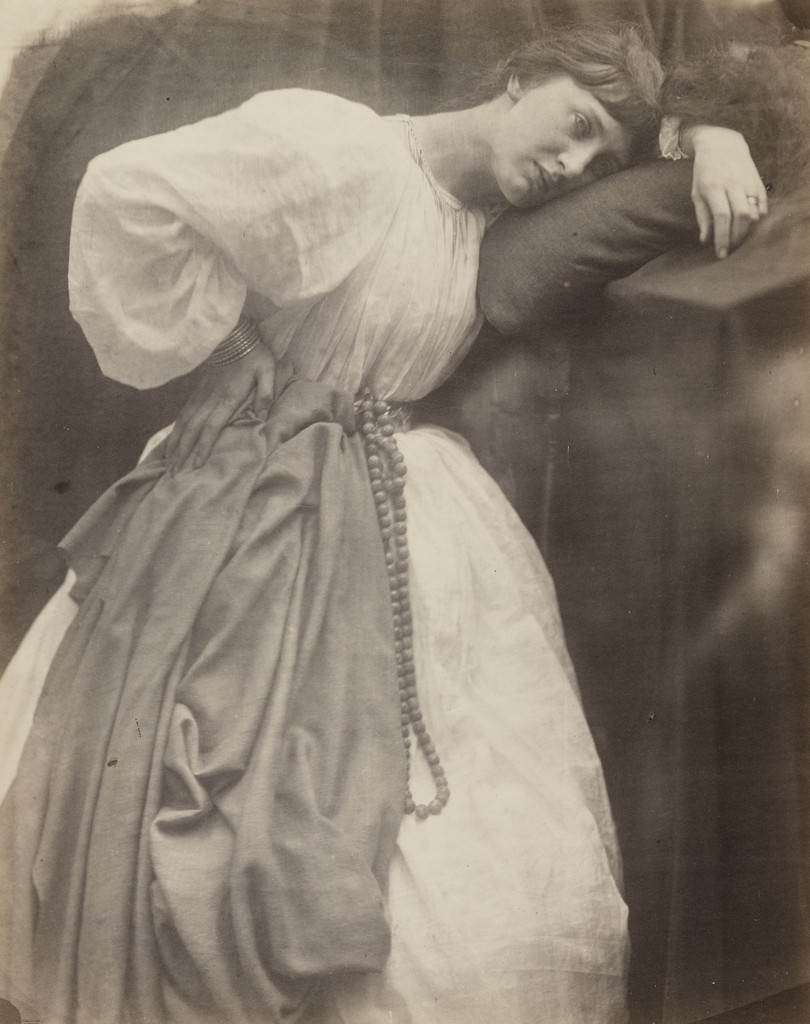
Pre-Raphaelite Study
Julia Margaret Cameron
1870
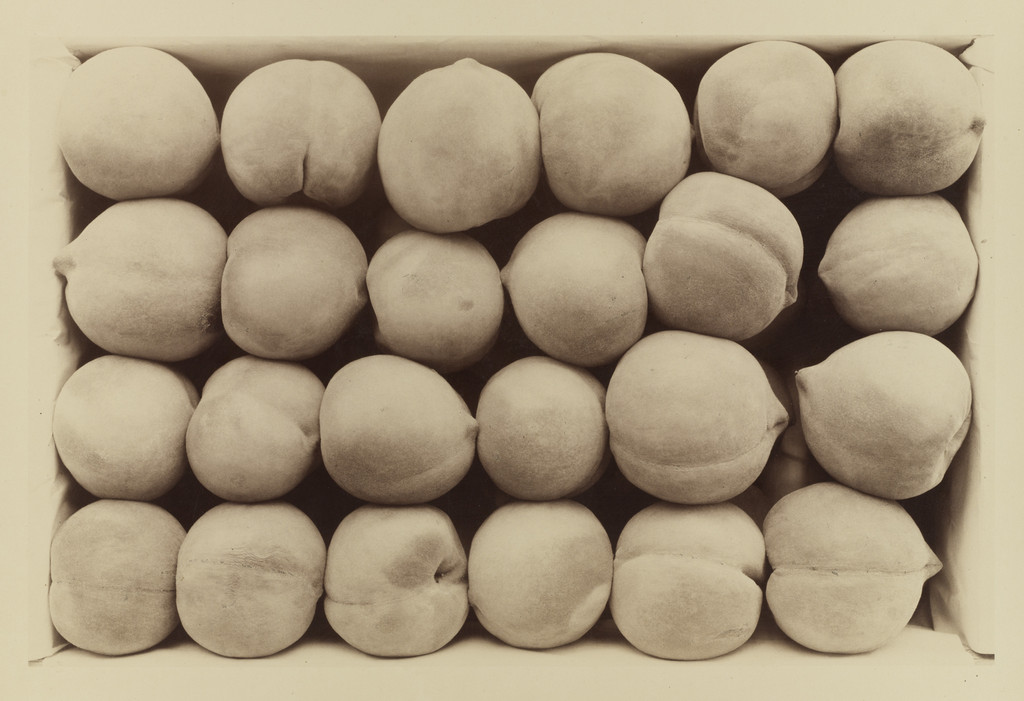
Late George Cling Peaches
Carleton E. Watkins
1889
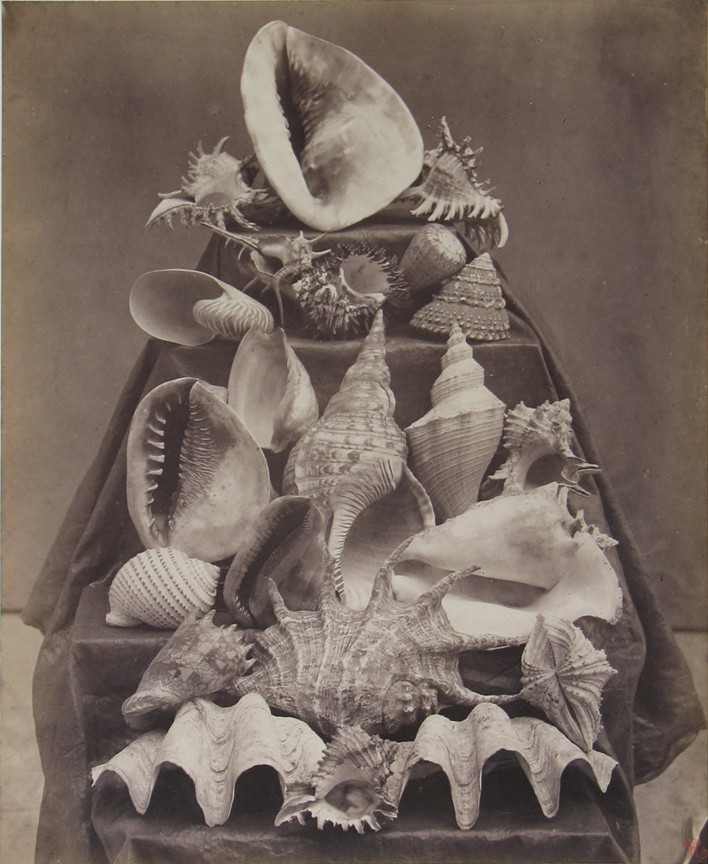
Untitled
Unidentified photographer
c. 1875
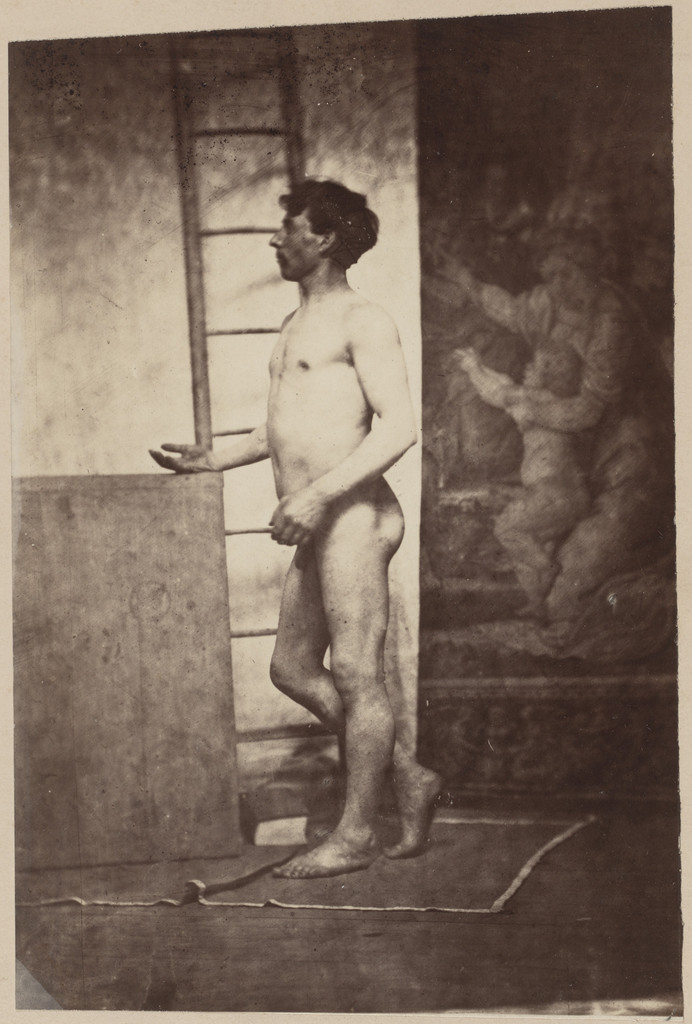
Untitled
Unidentified photographer
c. 1855
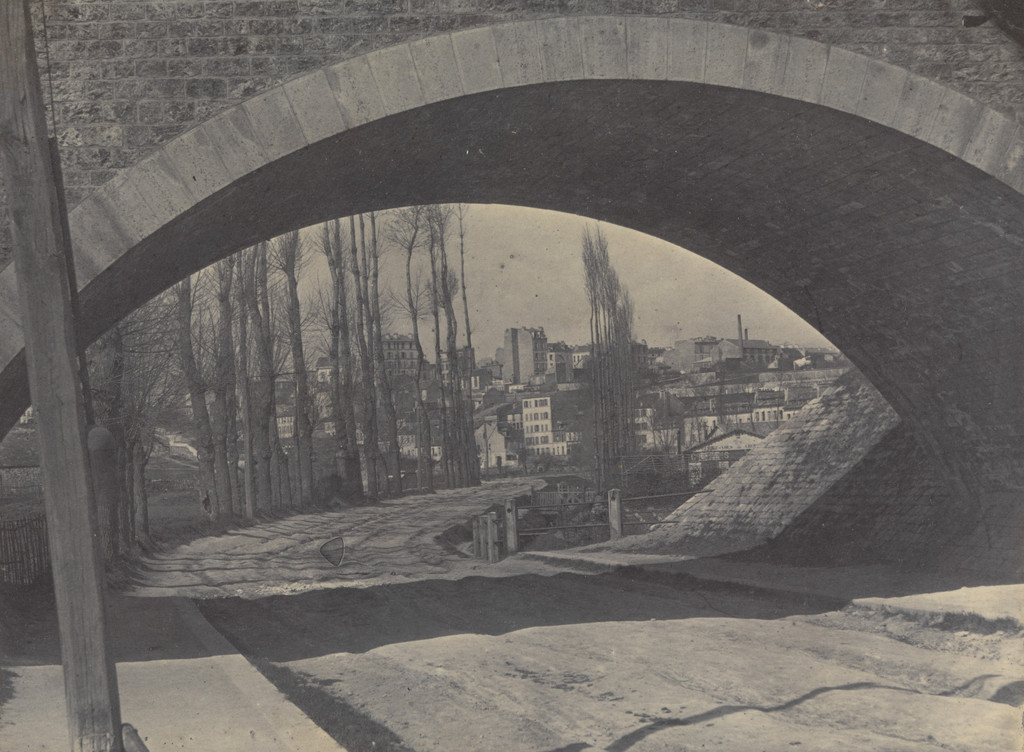
Untitled
Unidentified photographer
1870-1900
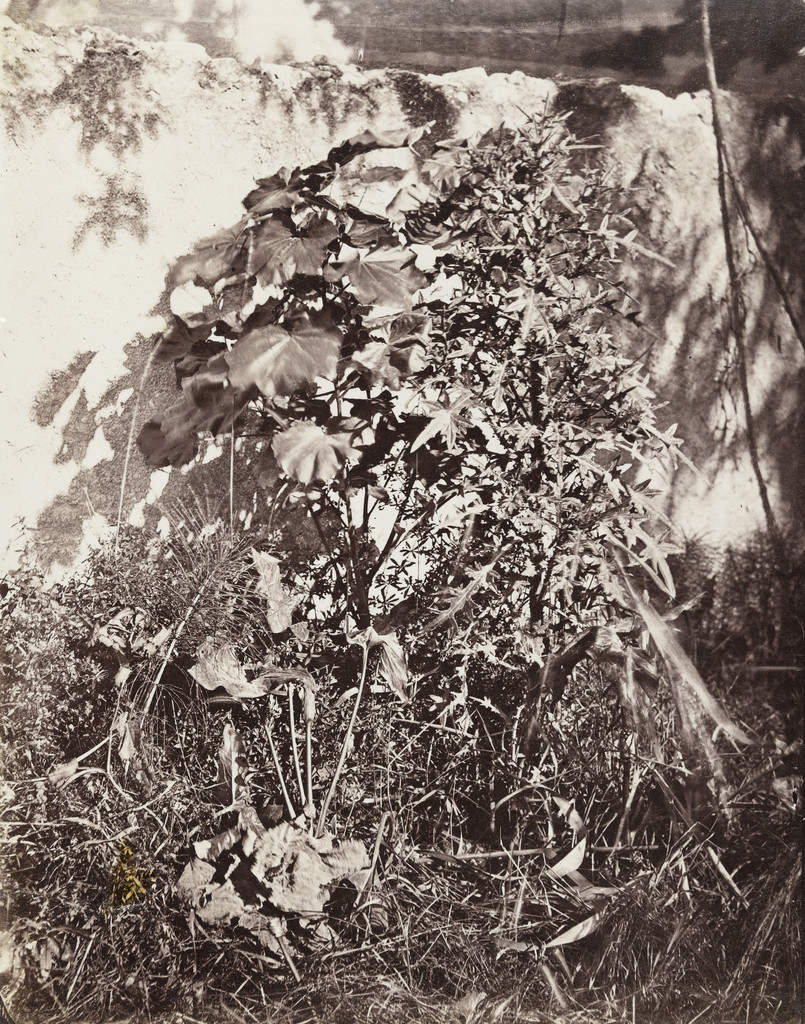
Plant Study
Charles Nègre
1860s ?
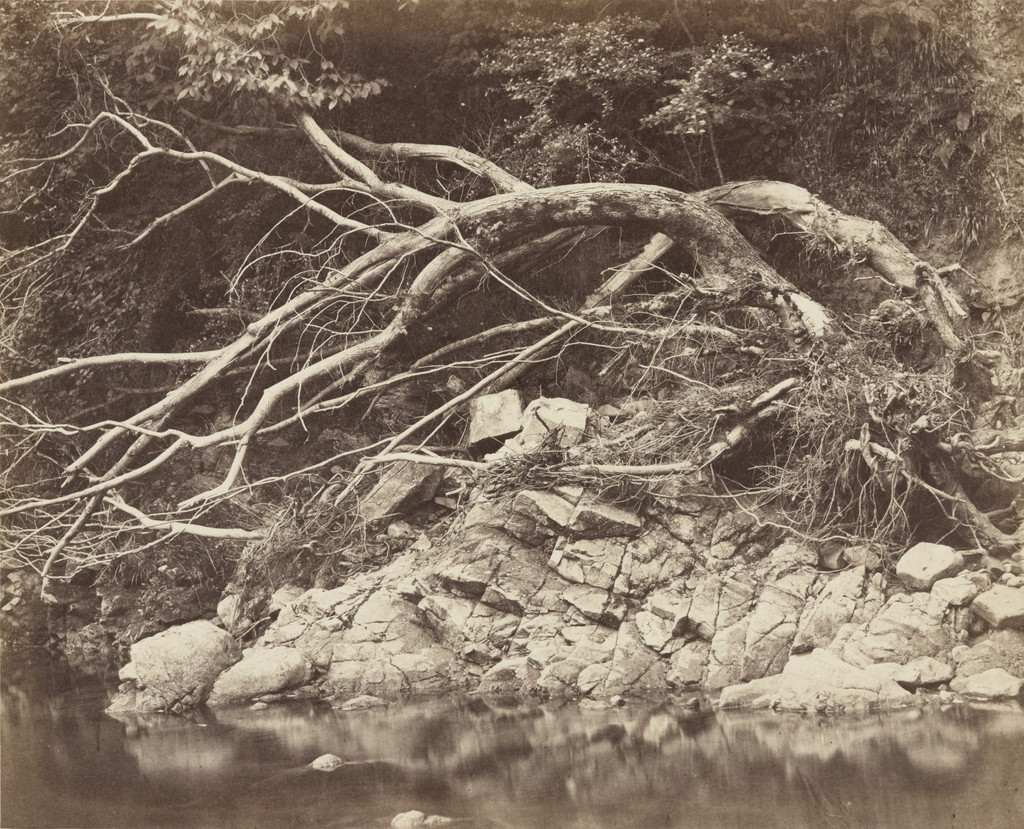
Untitled
G. B. Gething
1850s