
“[T]he wood was just lying around waiting to be picked up.” — Robert Indiana
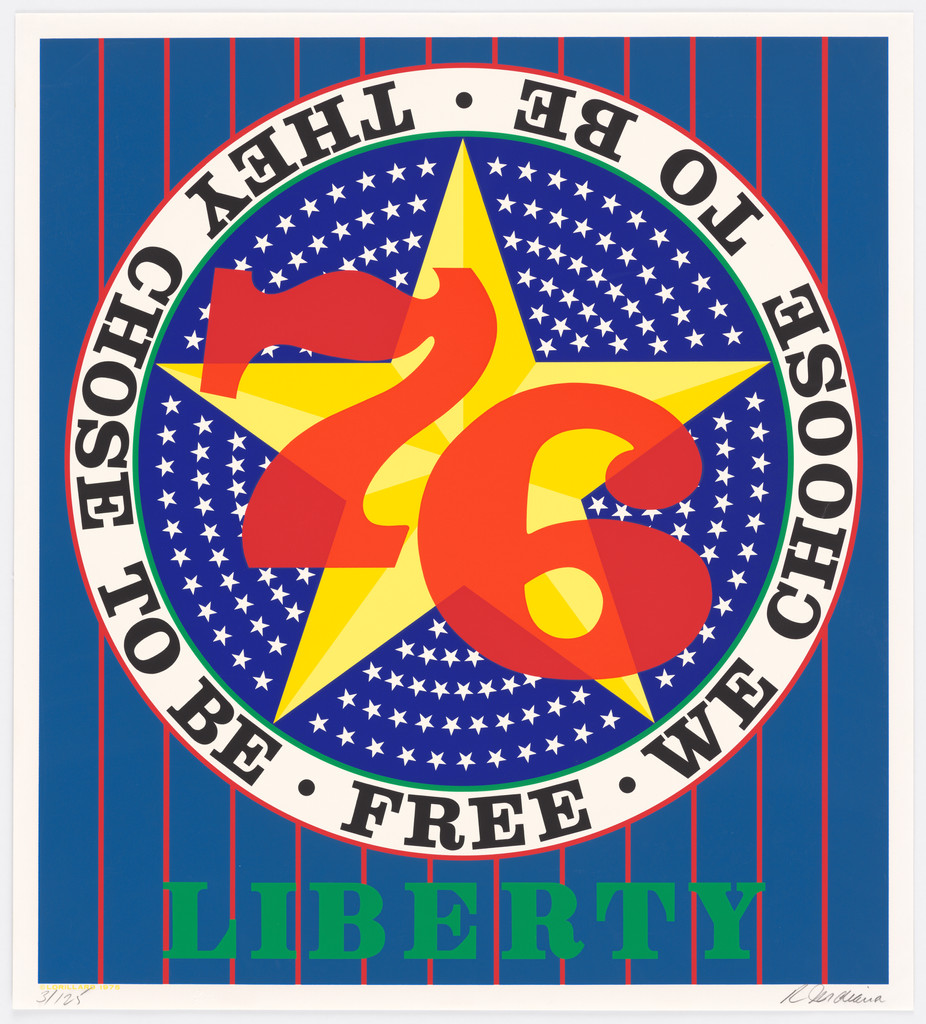
When asked to describe his art, Robert Indiana once offered, “Let’s say it’s the three C’s—commemorative, celebratory and colorful.” Throughout his decades-long career, Indiana created bold, graphic art punctuated by text and numbers. Bright and jarring color combinations accentuated Indiana’s exploration of the relationship between word and image.
Born Robert Clark in Newcastle, Indiana, in 1928, the artist moved around frequently as a child during the Great Depression. He relocated to Indianapolis to attend a technical high school where he was able to study painting. Indiana then enlisted in the Army Air Force and served for three years, stationed at bases around the country. His service granted him access to GI Bill benefits to fund further studies at the School of the Art Institute of Chicago and in Europe, where he solidified his resolve to work as an artist.
Indiana arrived in New York City in 1954. To make ends meet he found work at an art supply store, where he met fellow artists James Rosenquist and Ellsworth Kelly. They would become Indiana’s friends and neighbors on Coenties Slip, a street at the southeastern edge of Manhattan where the artists occupied (in some cases illegally) former sailmaking and industrial lofts. Indiana’s other neighbors at the Slip included Jack Youngerman, Delphine Seyrig, Agnes Martin, and Lenore Tawney. The group worked in conversation with one another, experimenting and progressing each of their unique styles. In Indiana’s case, his way of using color was affected by Kelly’s practice.
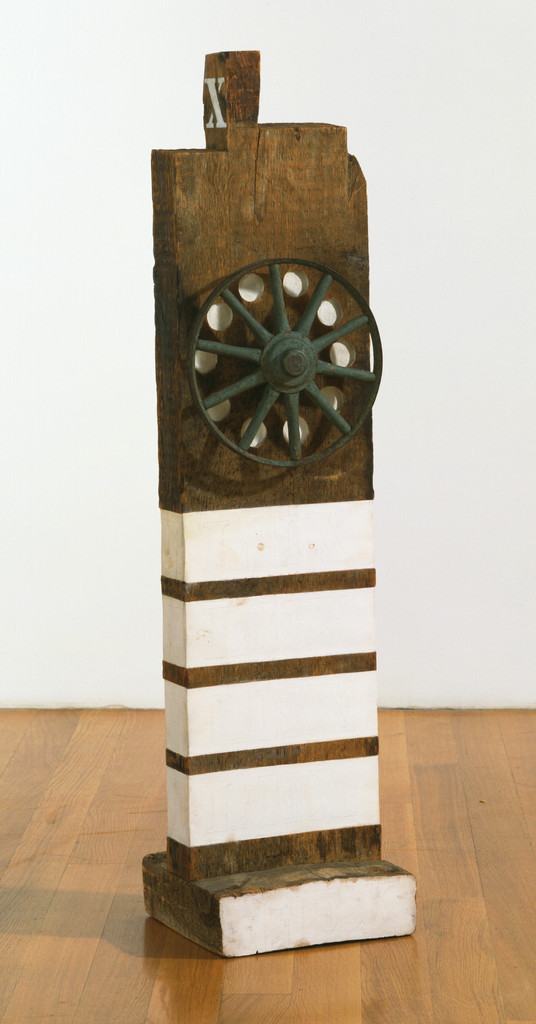
The neighborhood itself also influenced the inhabitants of Coenties Slip. Indiana in particular made a series of sculptures he referred to as _herms_, including _Moon_ (1960) and _French Atomic Bomb_ (1959–60), from ship and construction debris left in large quantities around the rapidly changing neighborhood. Indiana reflected, “The constructions like this came into being because many of the old warehouses were being razed in the neighborhood and the wood was just lying around waiting to be picked up.” For Indiana, using the materials around him was an exercise “in natural finishes like rust and patination of wood and the harmonies were very close and earthy.”
These sculptures were also some of Indiana’s first experiments with incorporating text into his art. _Law_ (1960–62), for example, features the Latin word for law, “Lex,” stenciled in block letters on the face of the sculpture. For Indiana, “the constructions just needed the words. They did not look complete without them.” He later thought of this concept as the “verbal-visual,” which he used to refer to “the very elementary part that language plays in man’s thinking processes.” Indiana would investigate this relationship throughout his career, reiterating his feeling that language was essential to perception and knowledge and therefore should be represented in art.
His exploration of text and image also referenced the graphic language of highway signage that punctuated the Midwestern landscape where he grew up, along with the mass media culture blossoming as the artist came of age in the 1950s. His paintings, methodically created to be eye-catching, shared the flat and hard-edged qualities inherent, in the artist’s view, to any good sign. In these works, Indiana took care to invoke words charged with meaning. The painting _The American Dream, I_ (1961) was the first in a series responding to the economic and social hopes around what the country could offer its citizens. Combining numbers and phrases like “tilt,” or “take all” with a geometric design of targets and stars organized into quadrants, the designs seem to reference road signs and military emblems (as in one circle colored red, white, and blue), but the contrasting colors throughout evade simple explanation. He later reflected on the first few in the cycle, “I was really being very critical of certain aspects of the American experience. ‘Dream’ was used in an ironic sense. Then, as they progressed, they lost that irony.”
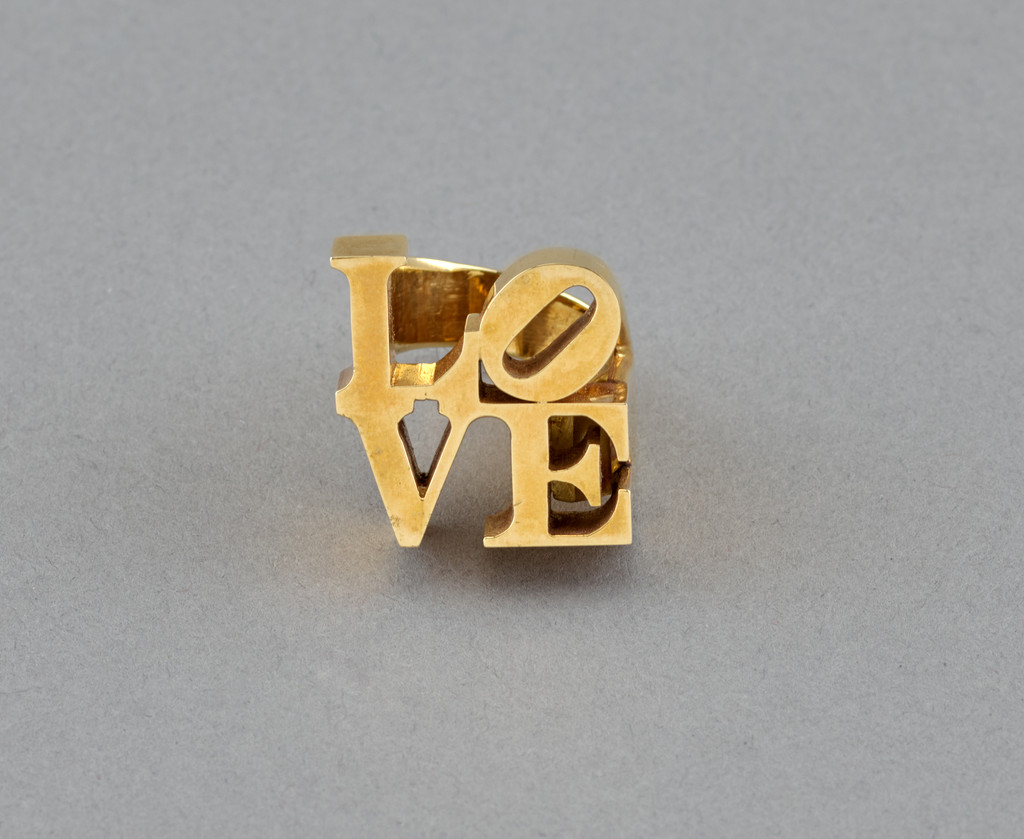
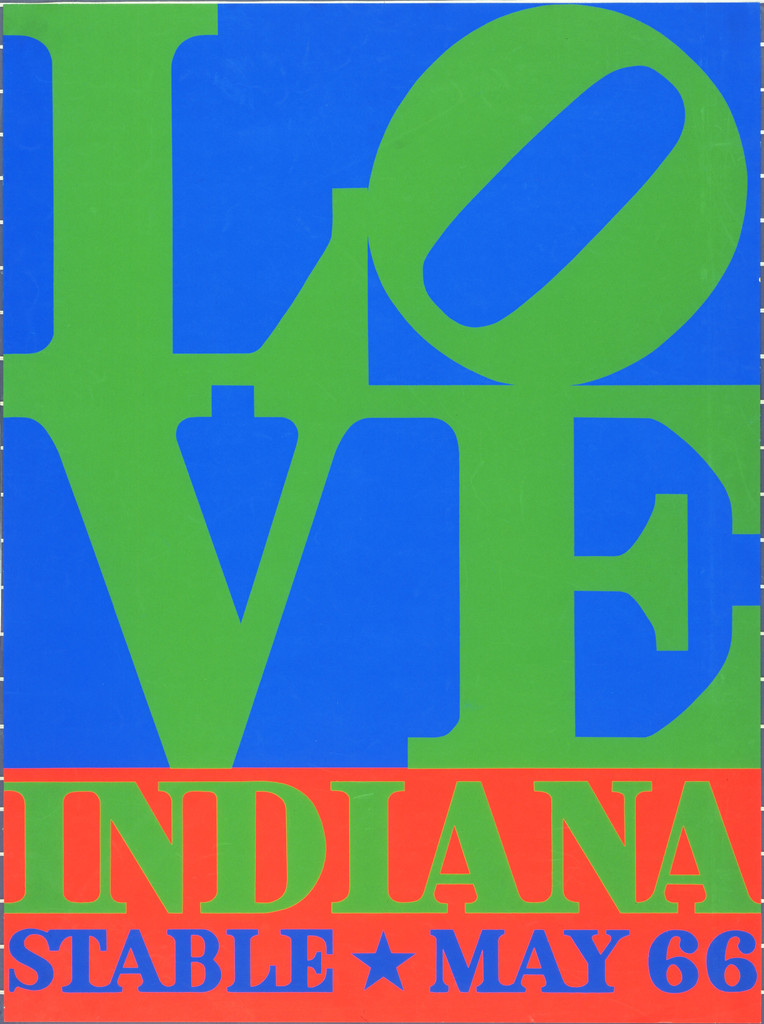
Perhaps Indiana’s most recognizable composition is an arrangement of the word LOVE in which the letters “L” and “O” are stacked above “V” and “E” in a bold typeface, the colors of which were inspired by the Phillips 66 gasoline signs he grew up seeing. In choosing the word “love,” Indiana felt “it could simply be a really universal painting.” The design started as a Christmas card Indiana sent to friends—including MoMA curator Dorothy Miller, who subsequently commissioned Indiana to create one for the Museum (which produced and sold Christmas cards as a fundraiser at the time). Indiana translated _Love_ into three-dimensional sculptures, paintings, and even jewelry.
Indiana’s visual language was highly precise and provocative, representing a particular kind of American expression deeply influenced by his own experiences. Indiana explained, “By nature, I am a keeper. I just don’t discard things…. And in a sense, my art is really a reflection of that. There’s no experience I’ve had that cannot be pulled upon, cannot be used, that I would refrain from using. And I enjoy that. It’s part of the process of my work. And there’s a very sentimental aspect to all of this.”
Rachel Remick, Curatorial Assistant, Department of Painting and Sculpture, 2025
Works in Collection
32 works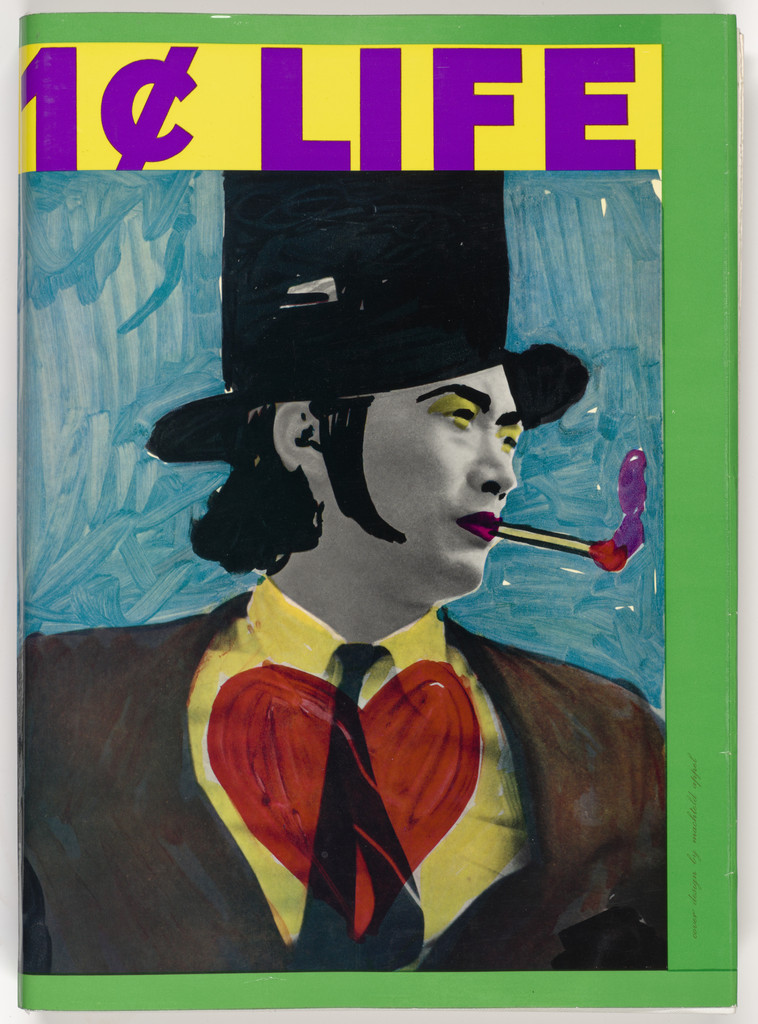
1¢ Life
Pierre Alechinsky
1963–64, published 1964
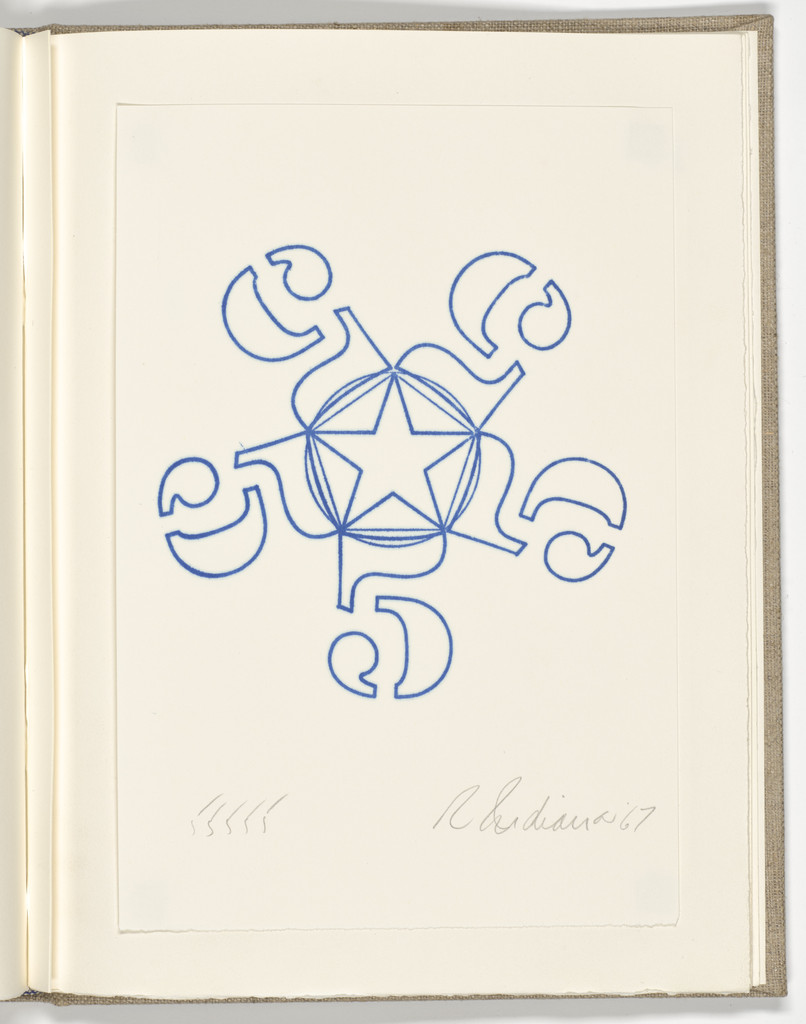
55555 (folio 10) from Stamped Indelibly
Robert Indiana
1967
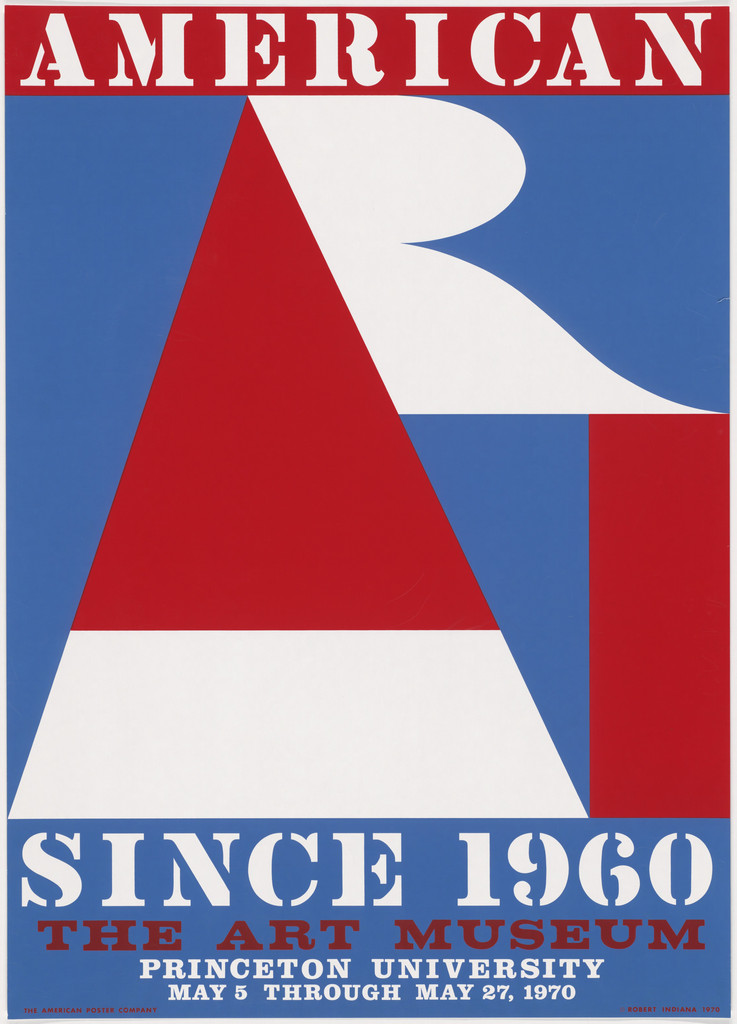
American Art Since 1960, The Art Museum, Princeton Univer...
Robert Indiana
1970
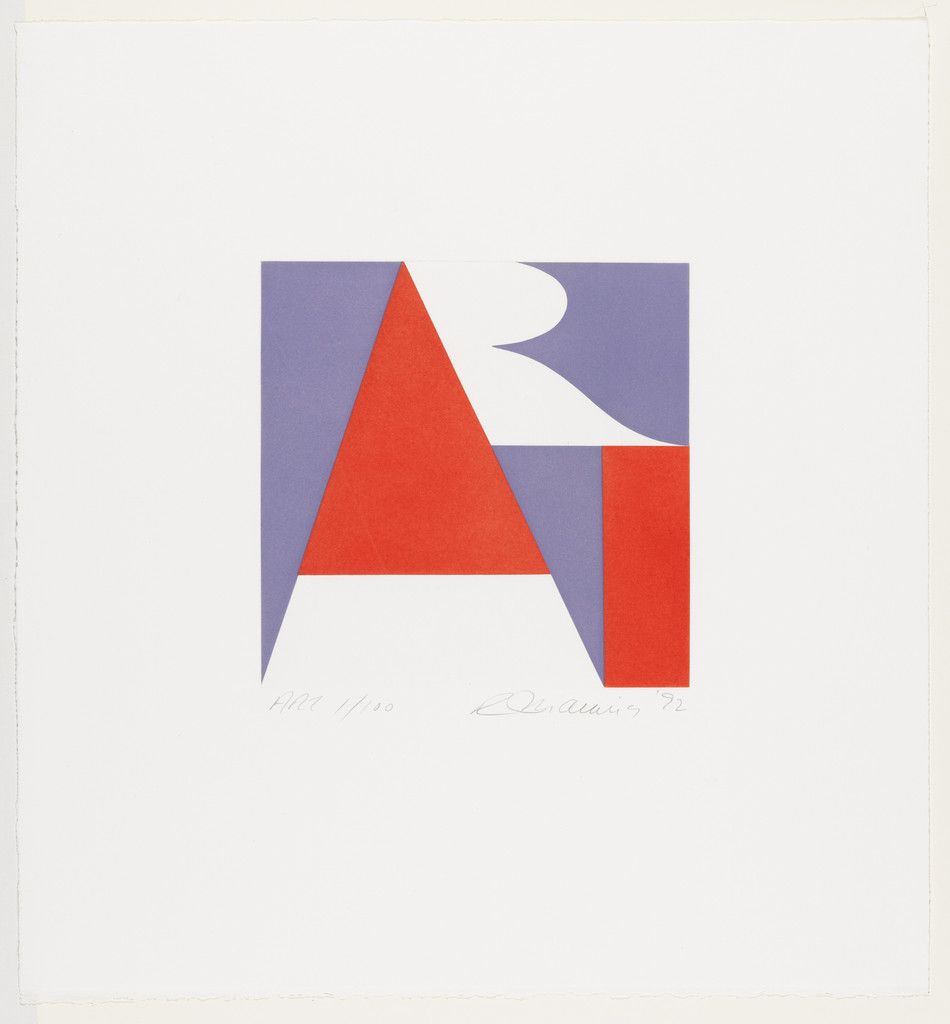
Art
Robert Indiana
1992
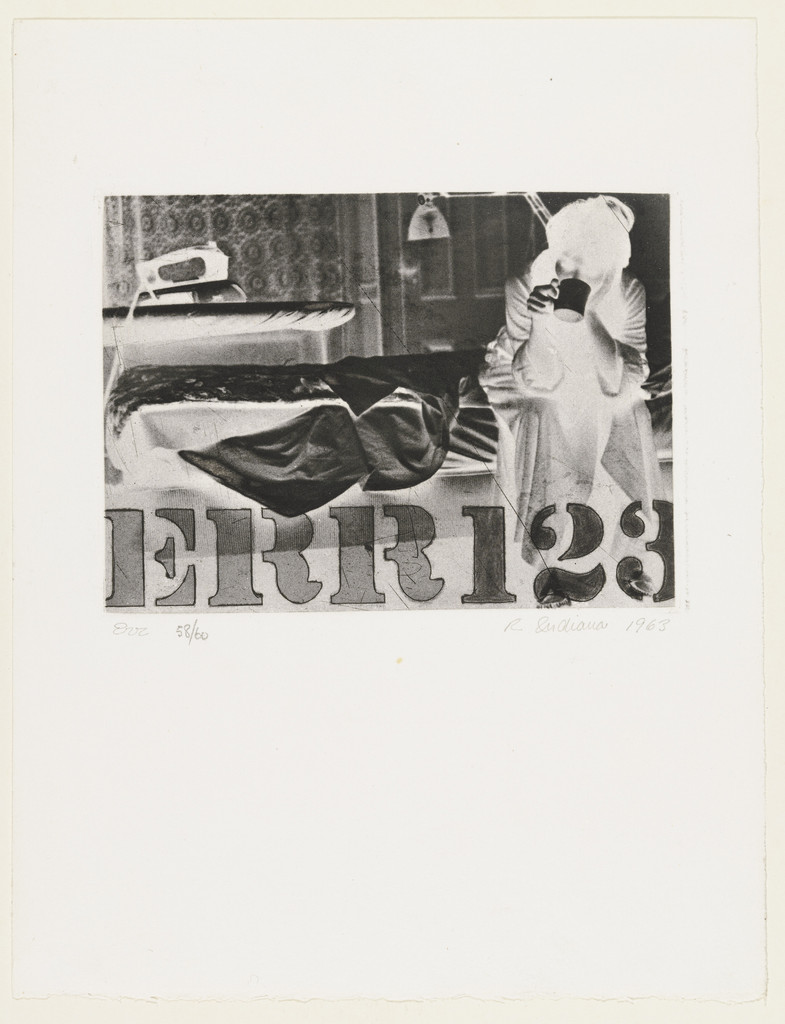
Err (plate 9) from The International Anthology of Contemp...
Robert Indiana
1963, published 1964
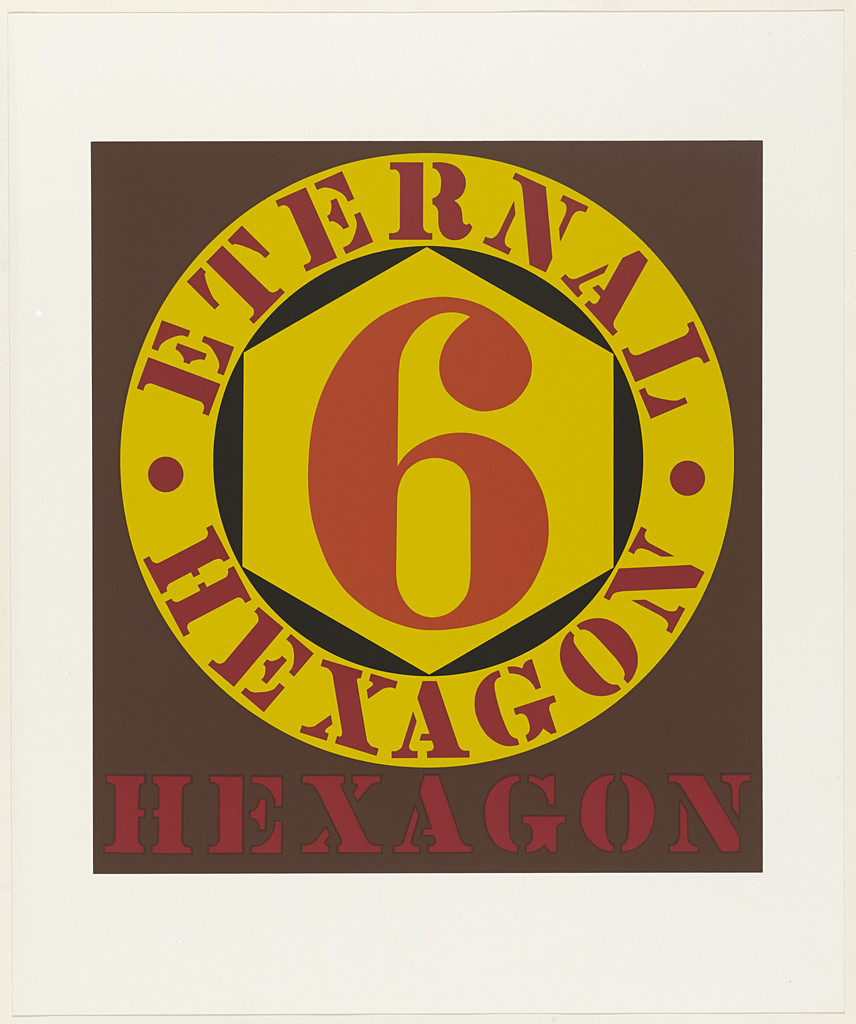
Eternal Hexagon from X + X (Ten Works by Ten Painters)
Robert Indiana
1964
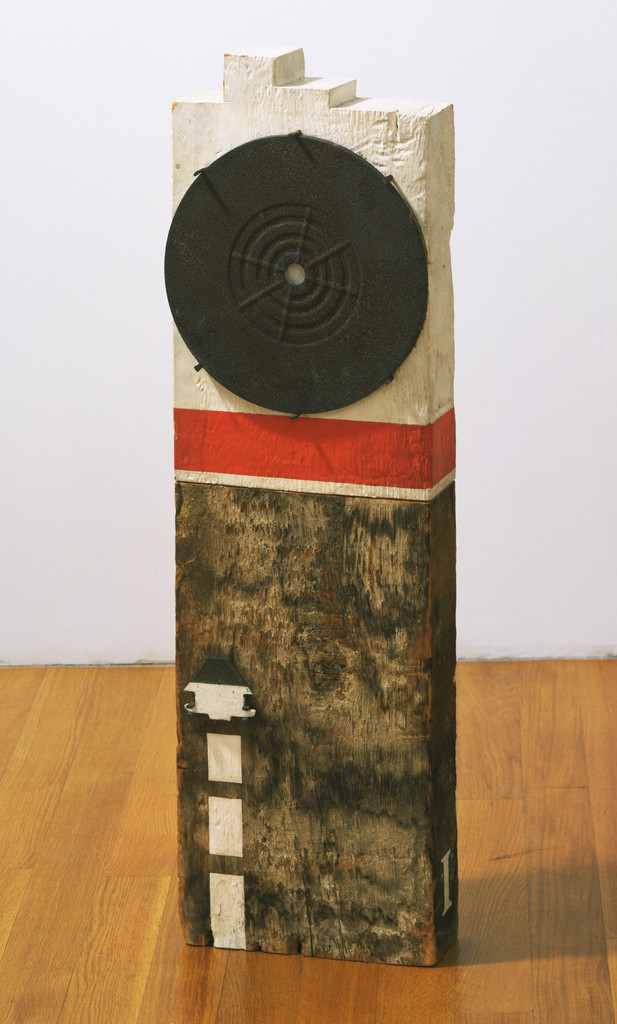
French Atomic Bomb
Robert Indiana
1959-60
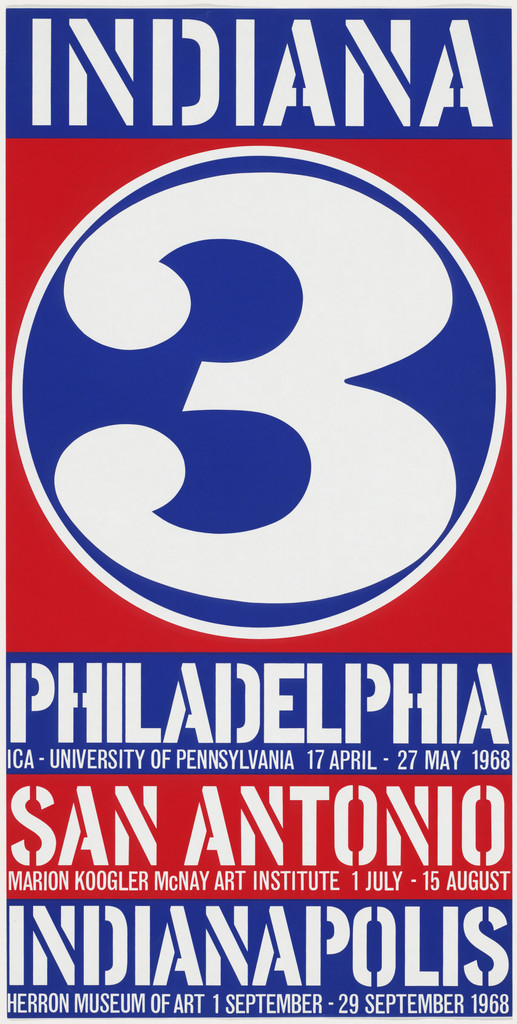
Indiana 3, Philadelphia, San Antonio, Indianapolis
Robert Indiana
1968
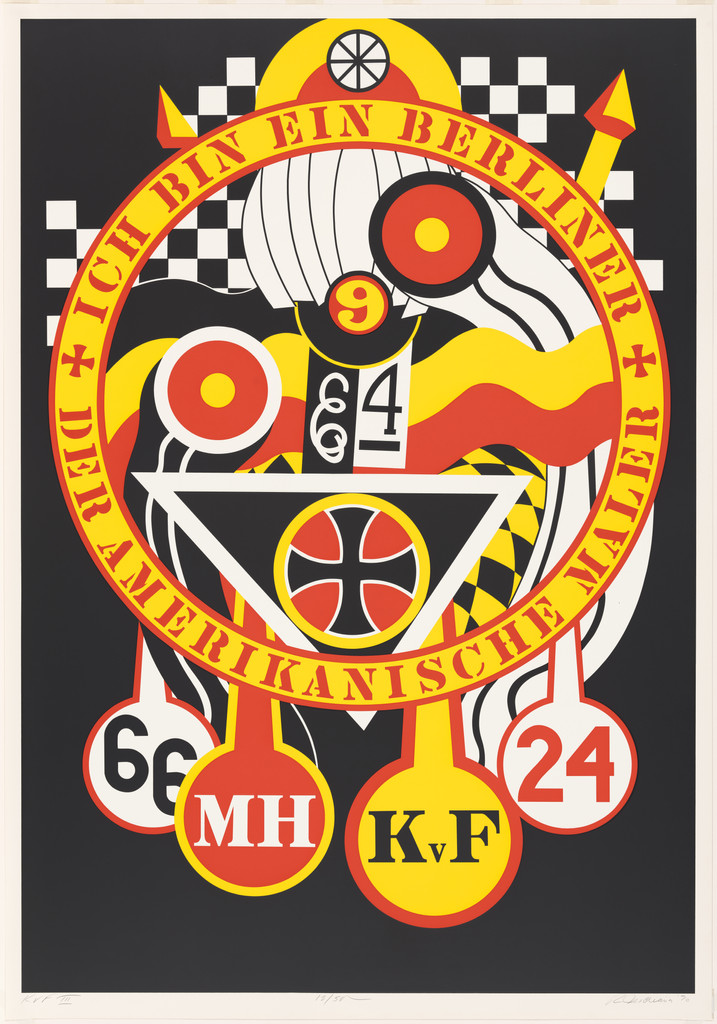
KvF III from The Hartley Elegies: The Berlin Series
Robert Indiana
1990
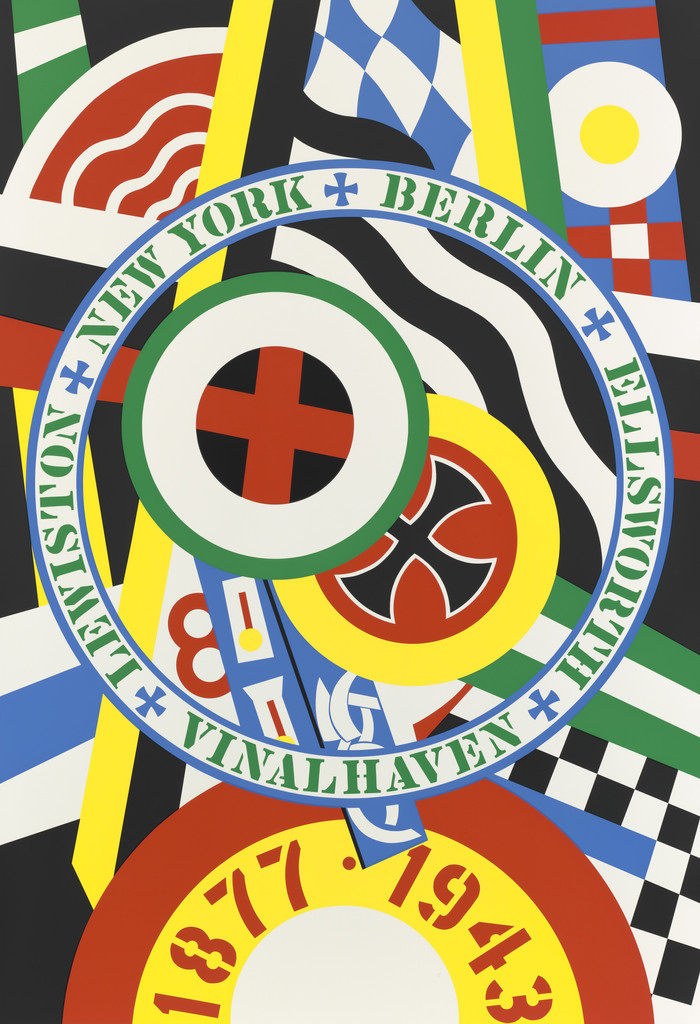
KvF IV from The Hartley Elegies: The Berlin Series
Robert Indiana
1990
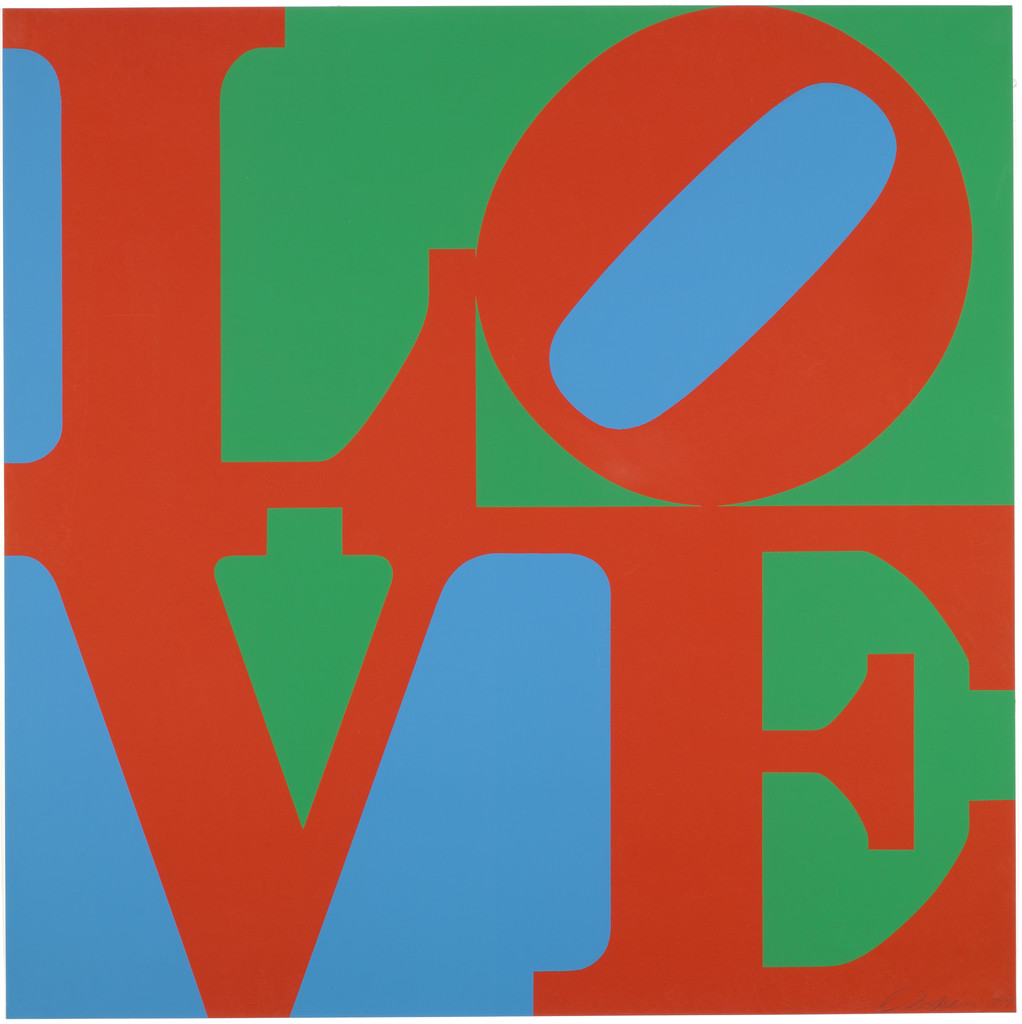
LOVE
Robert Indiana
1967
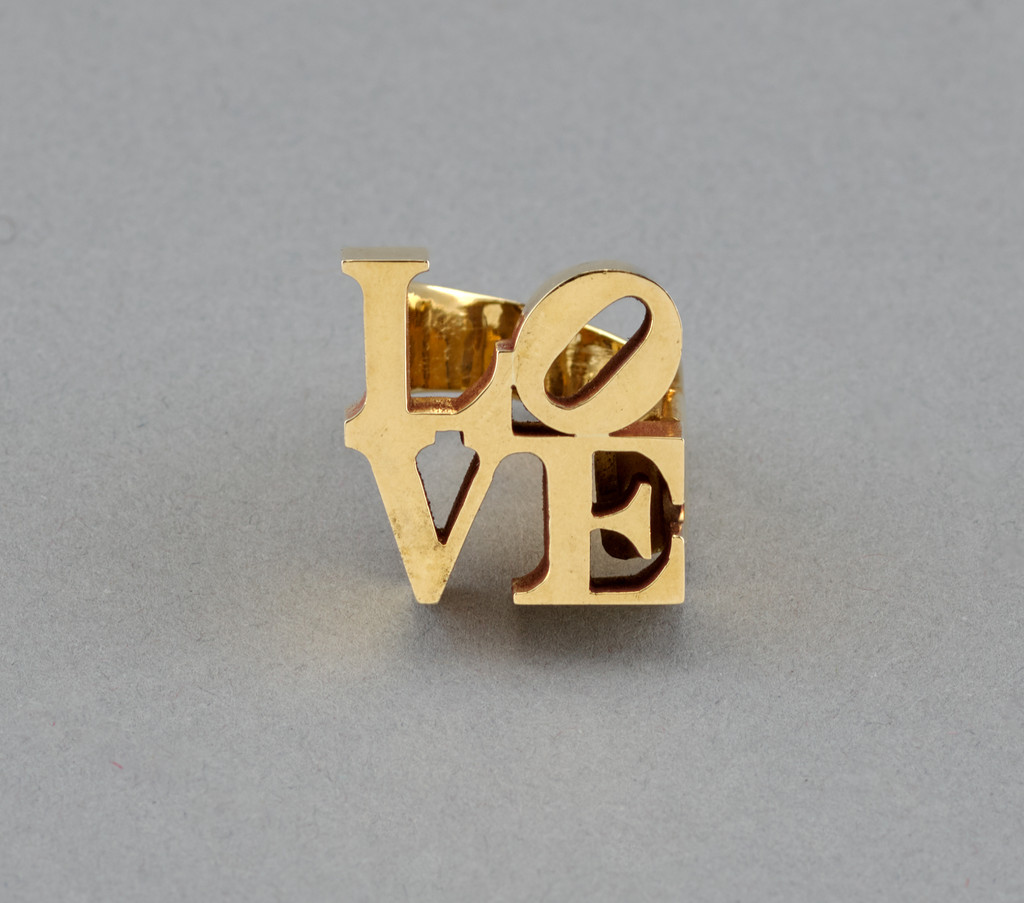
LOVE ring
Robert Indiana
1966
LOVE ring
Robert Indiana
1966
Law
Robert Indiana
1960-62
Liberty '76 from Kent Bicentennial Portfolio: Spirit of I...
Robert Indiana
1975
Love, Indiana Stable May 66
Robert Indiana
1966
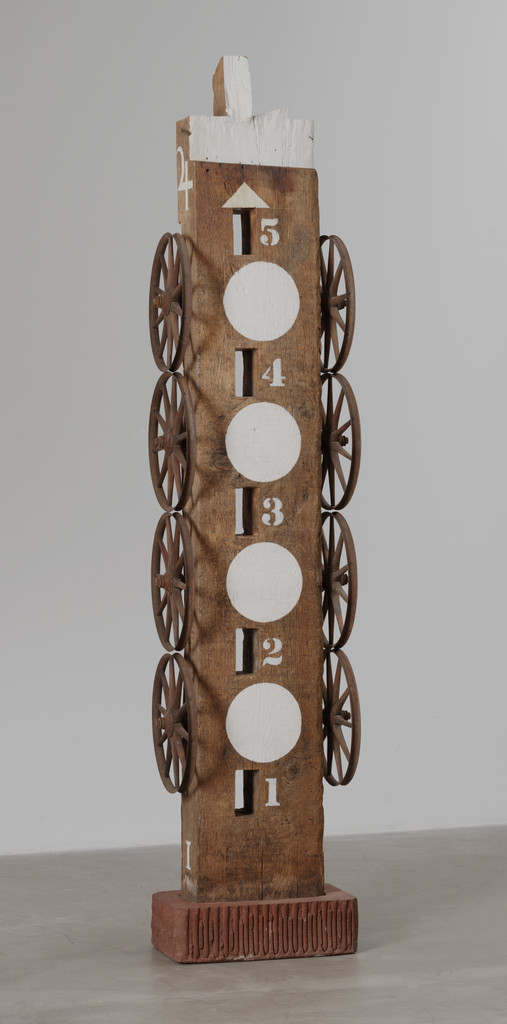
Moon
Robert Indiana
1960
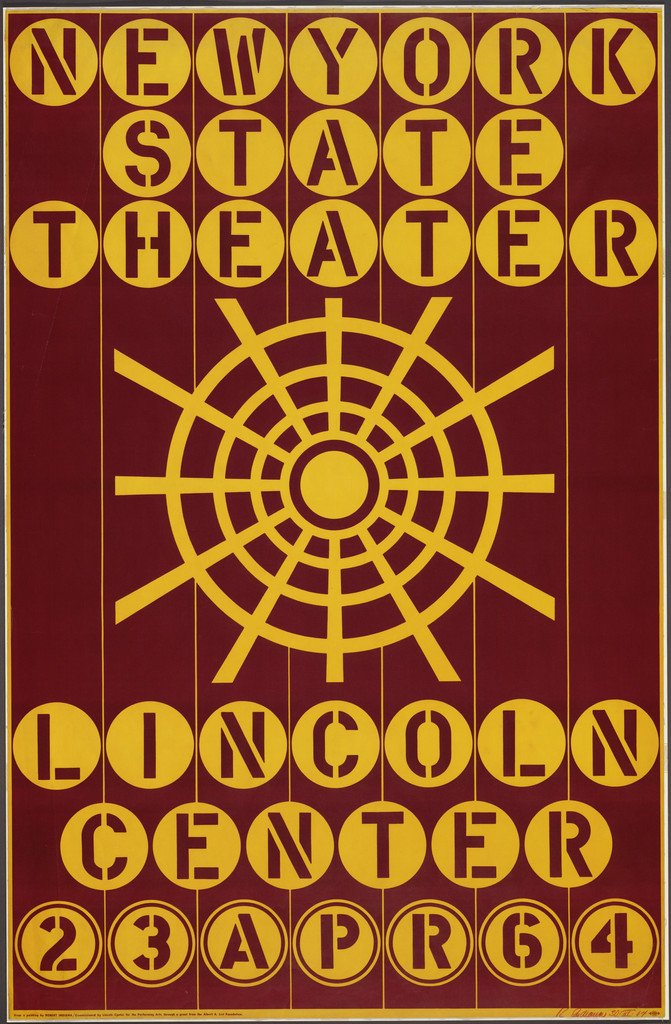
New York State Theater, Lincoln Center, 23 Apr 64
Robert Indiana
1964
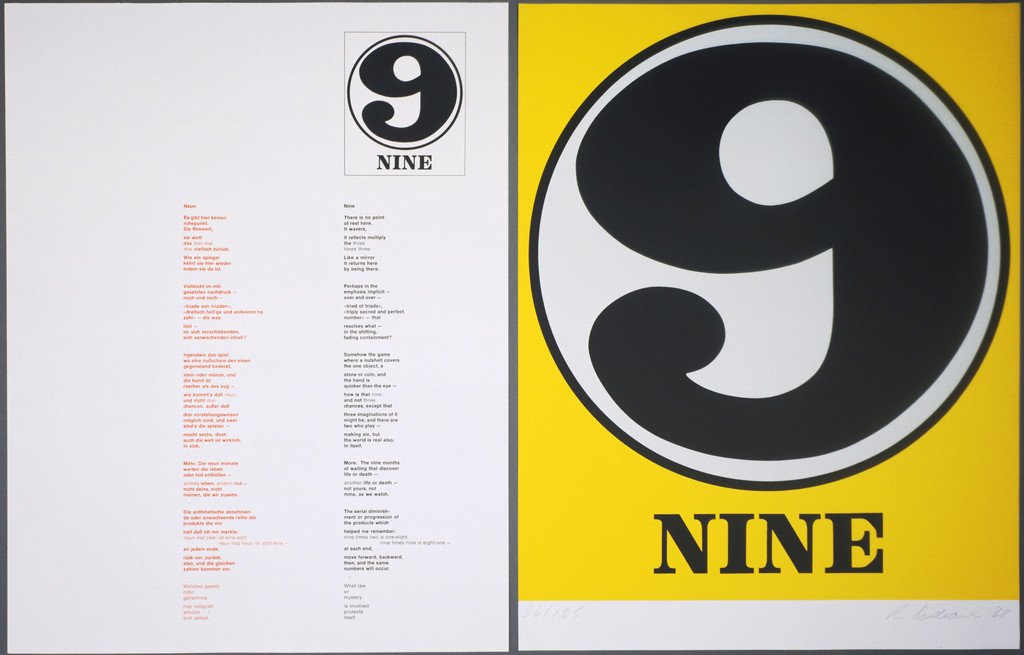
Nine (plate, folio 28) from Numbers
Robert Indiana
1968
Numbers
Robert Indiana
1968
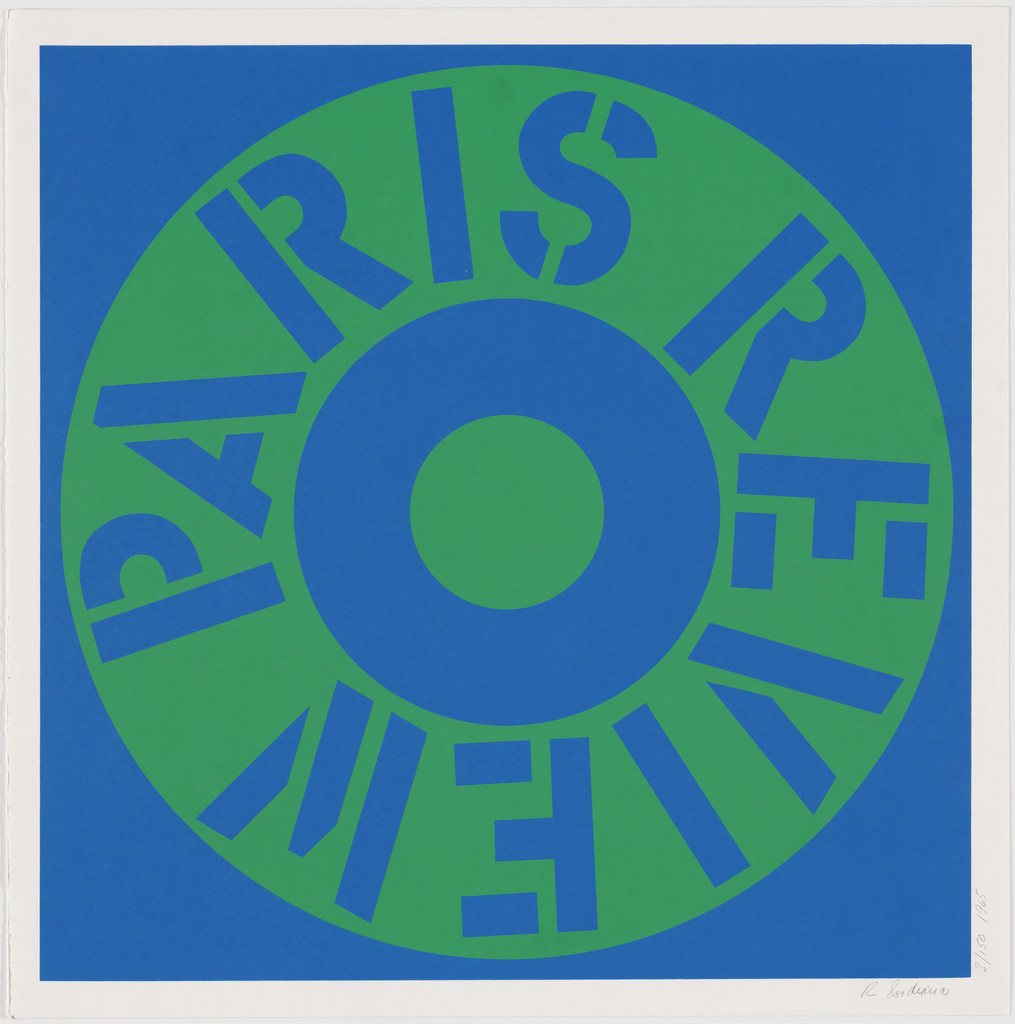
Paris Review
Robert Indiana
1965
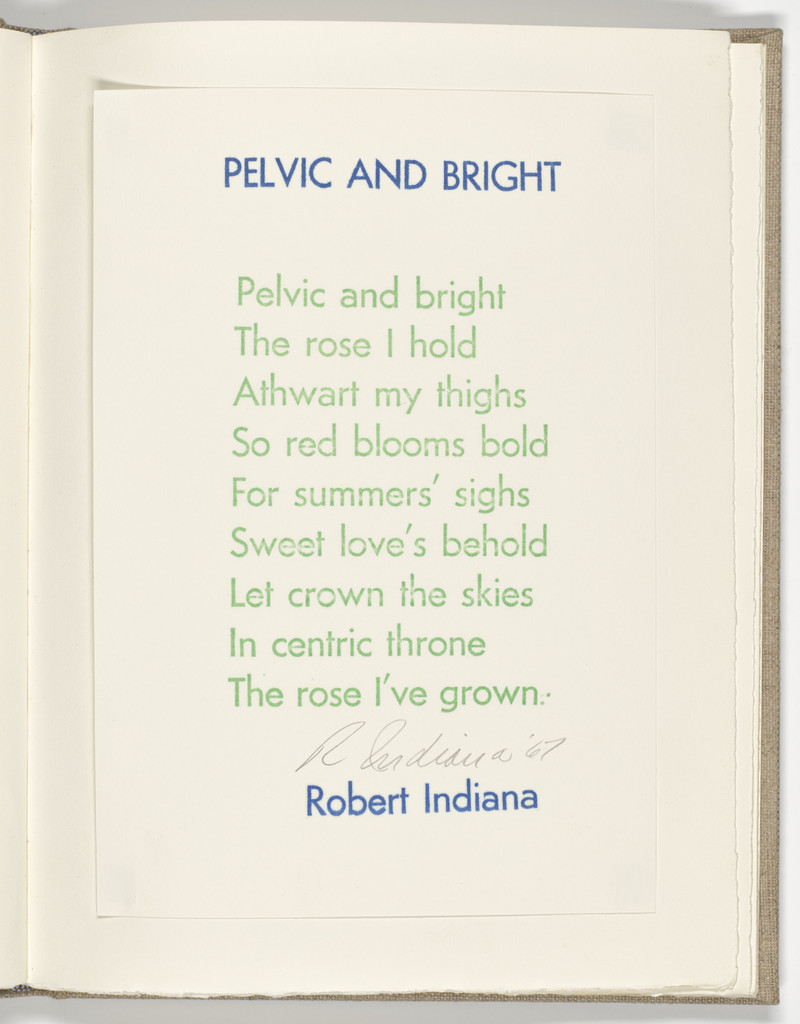
Pelvic and Bright (folio 5) from Stamped Indelibly
Robert Indiana
1967
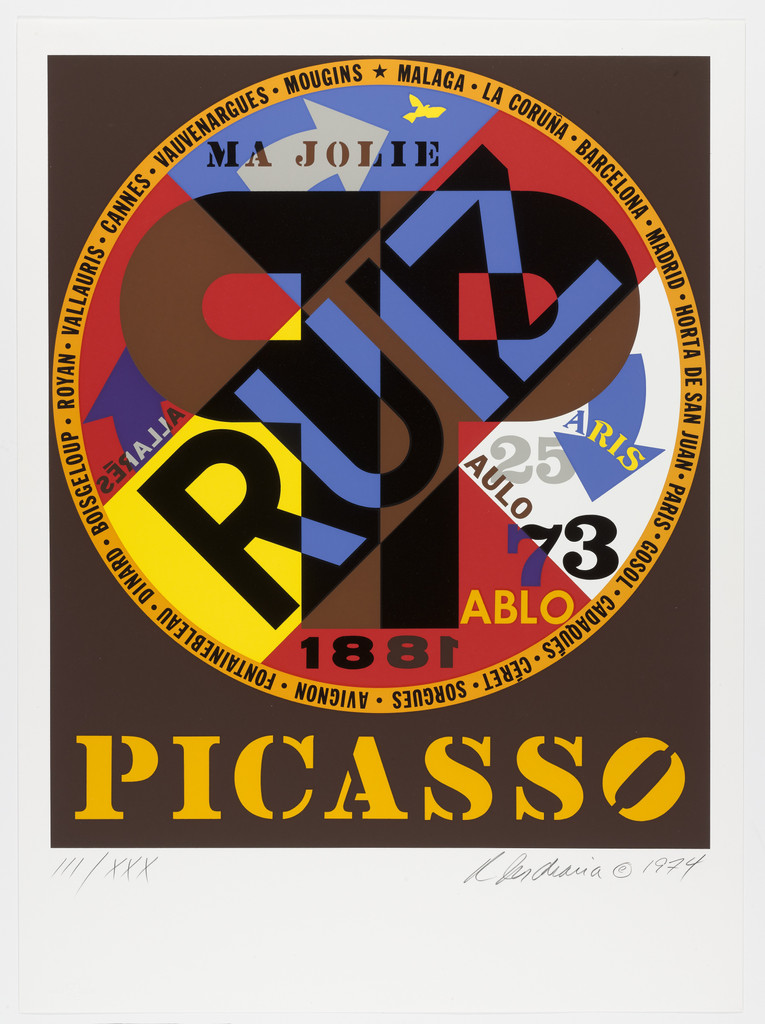
Picasso from Homage to Picasso (Hommage à Picasso)
Robert Indiana
1974, published 1975
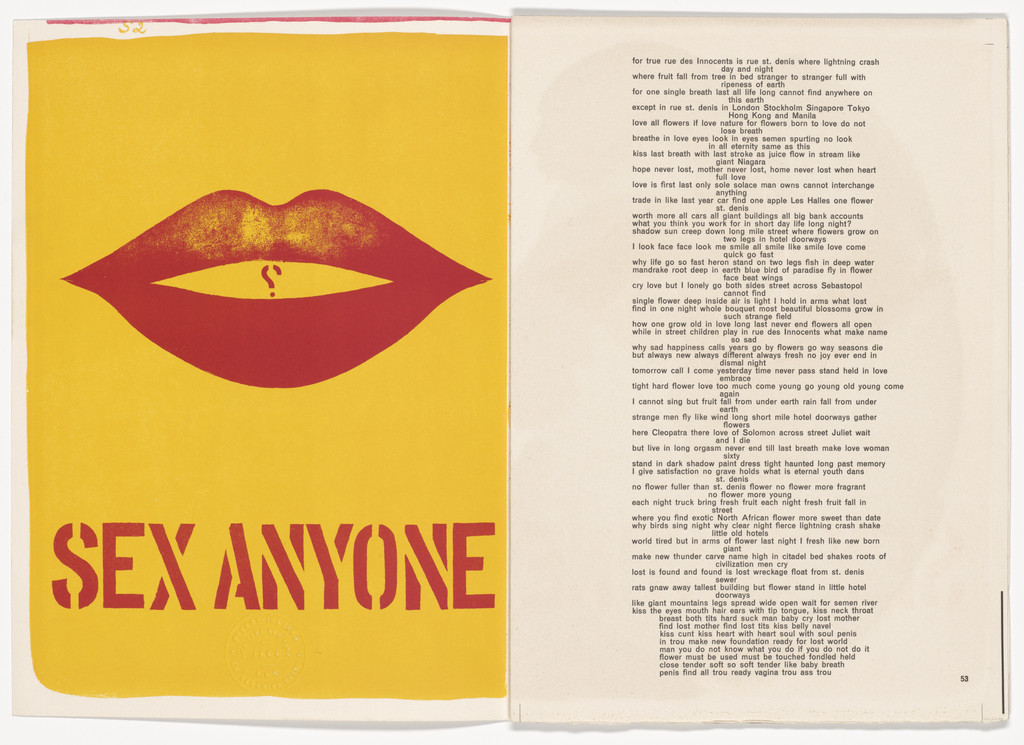
Plate (page 52) from 1¢ Life
Robert Indiana
1964
Exhibitions
24 exhibitionsOct 04, 1961 – Nov 12, 1961
The Art of Assemblage
144 artists · 1 curator
Dec 19, 1961 – Feb 25, 1962
Recent Acquisitions
88 artists
Nov 20, 1962 – Jan 13, 1963
Recent Acquisitions
77 artists
May 22, 1963 – Aug 18, 1963
Americans 1963
15 artists · 1 curator
May 27, 1964
Painting and Sculpture from the Museum Collection
169 artists
Sep 15, 1964 – Oct 24, 1964
Contemporary Painters and Sculptors as Printmakers
92 artists · 1 curator
Mar 01, 1966 – May 08, 1966
Greetings!
60 artists · 1 curator
Apr 06, 1966 – Jun 12, 1966
Recent Acquisitions: Painting and Sculpture
70 artists · 2 curators
Nov 22, 1966 – Feb 06, 1967
Art in the Mirror
30 artists · 1 curator
Jun 28, 1967 – Sep 24, 1967
The 1960s: Painting and Sculpture from the Museum Collection
107 artists · 2 curators
Jan 25, 1968 – Mar 10, 1968
Word and Image: Posters and Typography from the Graphic Design Collection of the Museum of Modern Art, 18791967
197 artists · 1 curator
May 23, 1970 – Aug 31, 1970
Pop Art Prints, Drawings, and Multiples
25 artists · 1 curator
May 11, 1971 – Oct 19, 1971
A Selection of Drawings and Watercolors from the Museum Collection
58 artists · 1 curator
Jul 01, 1971 – Sep 27, 1971
The Artist as Adversary
140 artists · 1 curator
Oct 25, 1972 – Feb 05, 1973
Etchings Etc.
26 artists · 1 curator
Sep 11, 1975 – Dec 01, 1975
76 Jefferson
37 artists
Nov 23, 1976 – Feb 20, 1977
Prints: Acquisitions, 19731976
81 artists · 1 curator
Jan 21, 1977 – Mar 23, 1977
Posters by Painters
22 artists · 1 curator
Dec 01, 1977 – Feb 06, 1978
Posters in the Penthouse
9 artists
Sep 11, 1978 – Nov 13, 1978
New York/New York
45 artists
May 17, 1984
Selections from the Permanent Collection: Prints and Illustrated Books
99 artists · 2 curators
Apr 11, 1986 – Oct 09, 1986
Contemporary Works from the Collection
51 artists · 1 curator
Dec 24, 1987 – Sep 12, 1988
Contemporary Works from the Collection
53 artists · 1 curator
Jan 31, 1988 – Apr 19, 1988
Committed to Print
125 artists · 1 curator