
“I had always considered my work another activity of some kind…. I certainly didn’t think I was making sculpture.” — Donald Judd
Donald Judd is a landmark figure in the history of postwar art. In the 1950s, he studied philosophy and art history and took classes at the Art Students League in New York. He was first publicly recognized as an art critic, writing reviews for Arts magazine from 1959–65. It was during this time that he developed from an abstract painter into the producer of the hollow, rectilinear volumes for which he became well known. Key to this transformation was his essay “Specific Objects,” written in 1964 and published the following year in Arts Yearbook 8. The text celebrated a new kind of artwork untethered from the traditional frameworks of painting and sculpture, focusing instead on an investigation of “real space,” or three dimensions, using commercial materials and an emphasis on whole, unified shapes. In 1964 Judd turned to professional sheet-metal fabricators to make his work out of galvanized iron, aluminum, stainless steel, brass, and copper. This effectively removed from the artist’s studio any hands-on art making, a shift that would hold great importance for the then-rising generation of Conceptual artists, who held that ideas themselves, exempt from any materialization, can exist as art. In the mid-to-late 1960s, Judd produced and exhibited a large number of his iconic forms. These range from what are referred to as “stacks”, which are hung at even intervals from floor to ceiling; “progressions", whose measurements follow simple numerical sequences; bull-nosed shaped protrusions from the wall; and box-like forms that are installed directly on the floor. This sculptural vocabulary continued to serve as a basic foundation from which Judd developed many versions—in varied combinations of metals, colored Plexiglas, and plywood—until his death in 1994. In 1968 Judd purchased a five-story living and working space in New York’s Soho neighborhood. Several years later, he would take up residence in Marfa, Texas, where he was drawn to the Chihuahuan Desert landscape and sparse population. In both New York and Texas, he designed his homes to include permanent installations of his work, alongside that of peers such as Larry Bell, John Chamberlain, Dan Flavin, and others. In Marfa, this project eventually grew, with the financial help of the fledgling Dia Art Foundation, into a large-scale, multi-building museum now called The Chinati Foundation. Judd’s deliberate installations, and the sculptures that he created, indicate that he considered space itself to be a material just as essential as the industrial surfaces out of which his objects were constructed. Architecture and design also greatly interested him, and his activities extended to preserving and repurposing existing buildings, and to furniture design and printmaking. Throughout his life, Judd continued to publish articles advocating the value of critical thought and the importance of artists to society.
Note: Opening quote is from John Coplans, “An Interview with Don Judd,” Artforum, Summer 1971. https://www.artforum.com/print/197106/an-interview-with-don-judd-37763.
Annie Ochmanek, Curatorial Assistant, Department of Painting and Sculpture, 2017
Works in Collection
70 works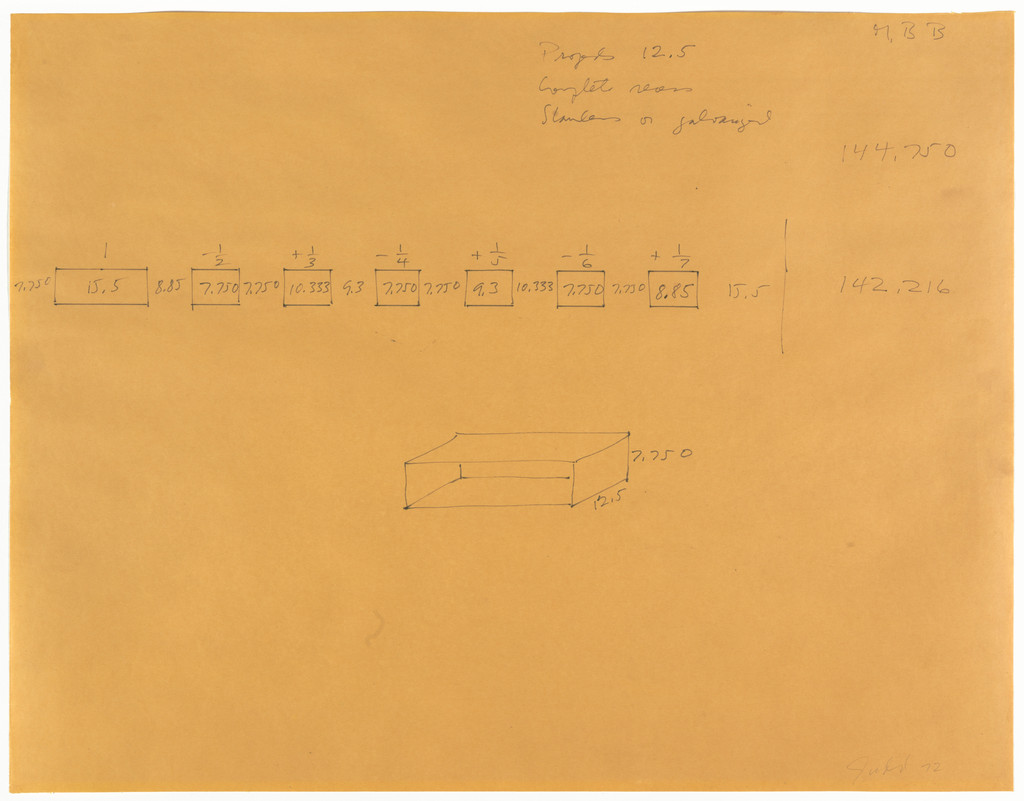
Drawing for Untitled 1973 Structure
Donald Judd
1972
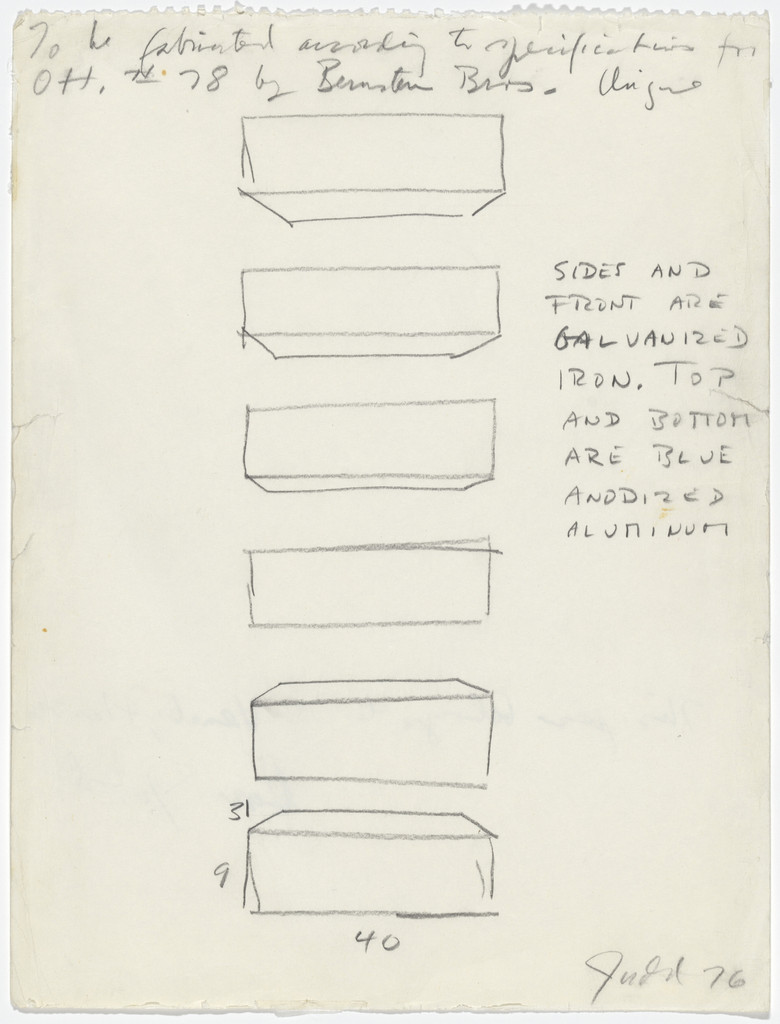
Study for Otterlo Show Wall Sculpture
Donald Judd
1976
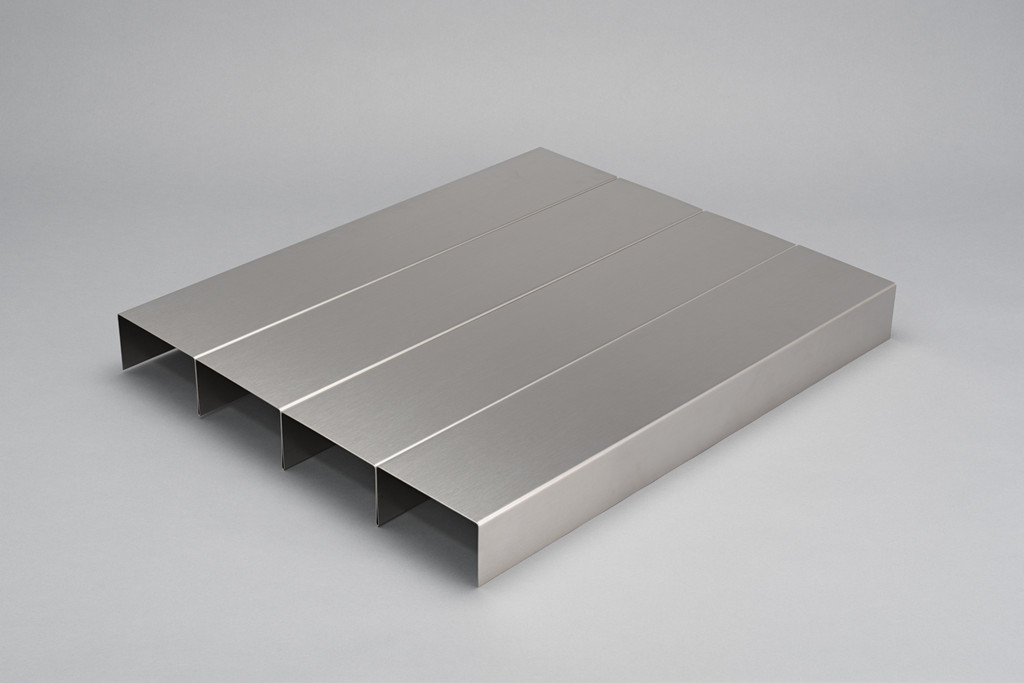
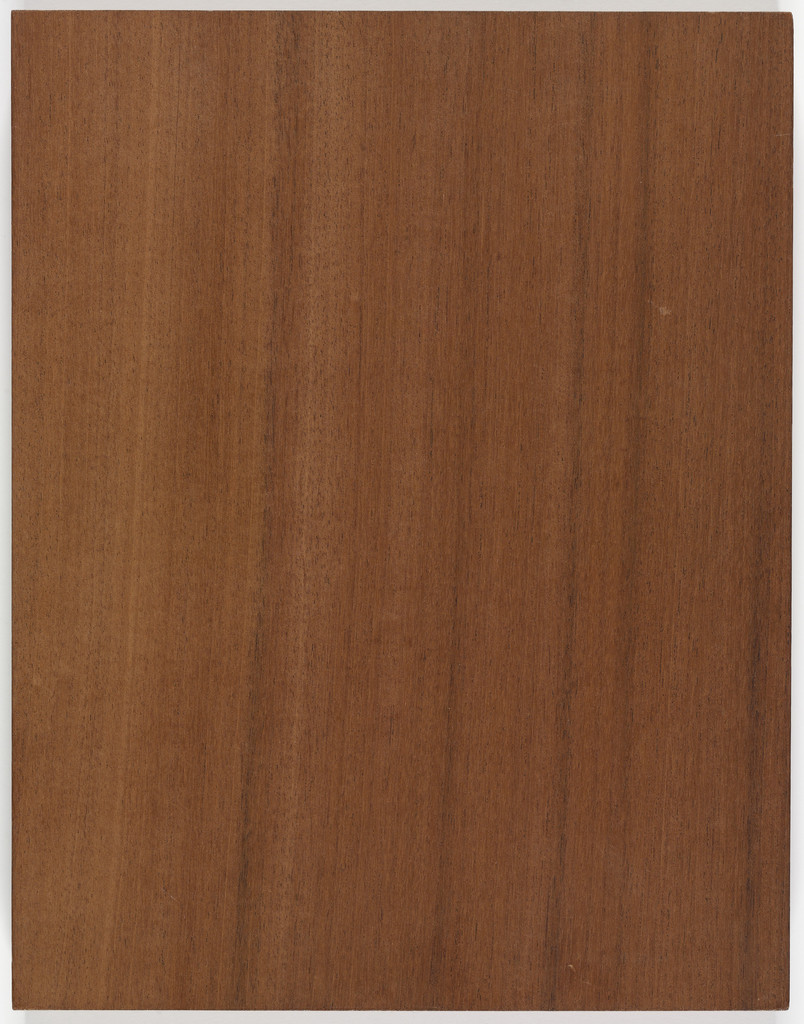
Table Object from Ten for Leo Castelli
Donald Judd
1967
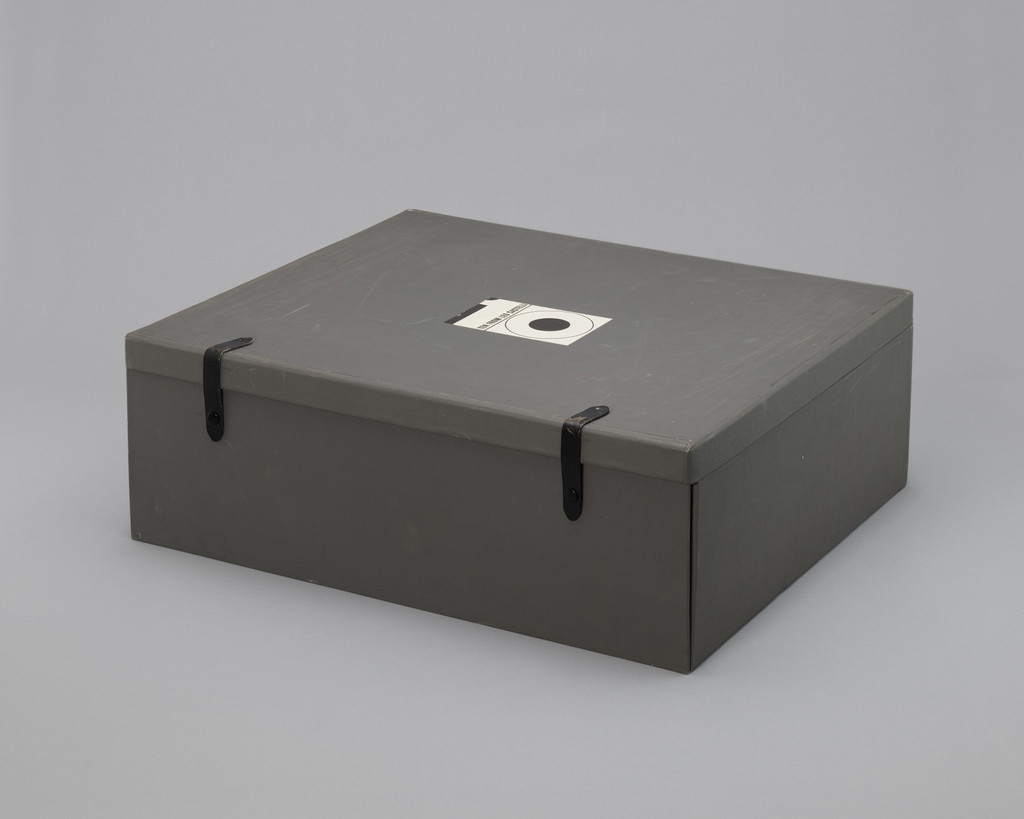
Ten from Leo Castelli
Lee Bontecou
1967
The New York Collection for Stockholm
Lee Bontecou
1973
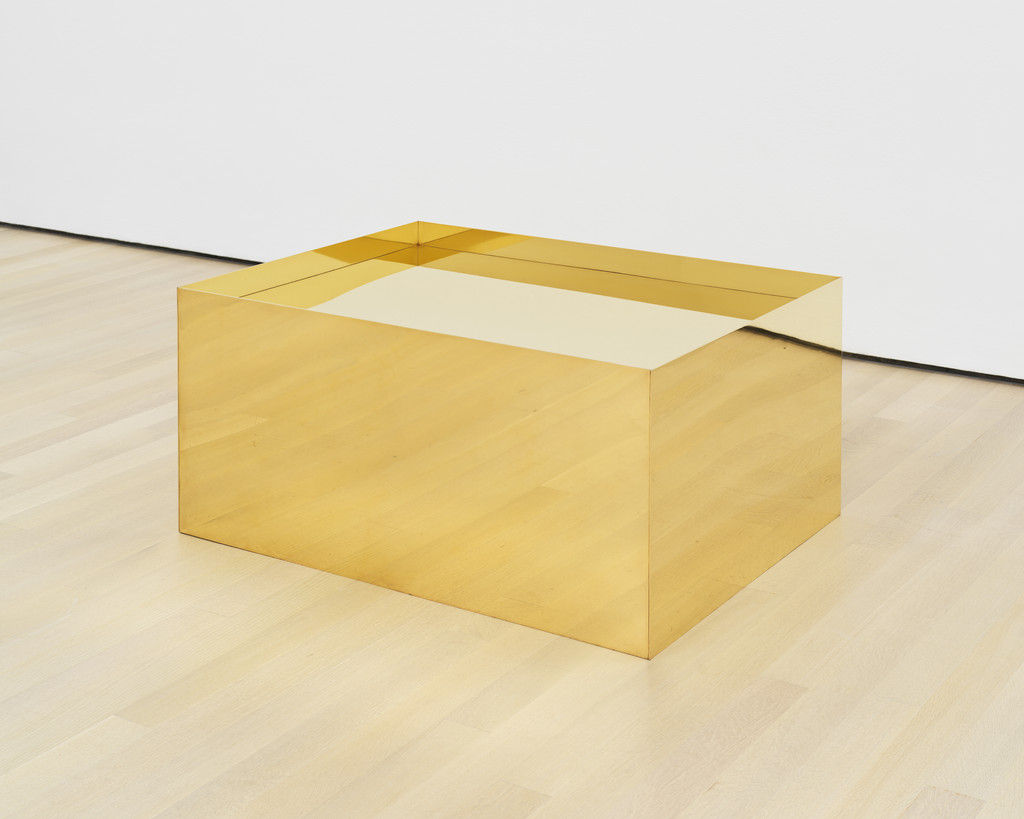
Untitled
Donald Judd
1968
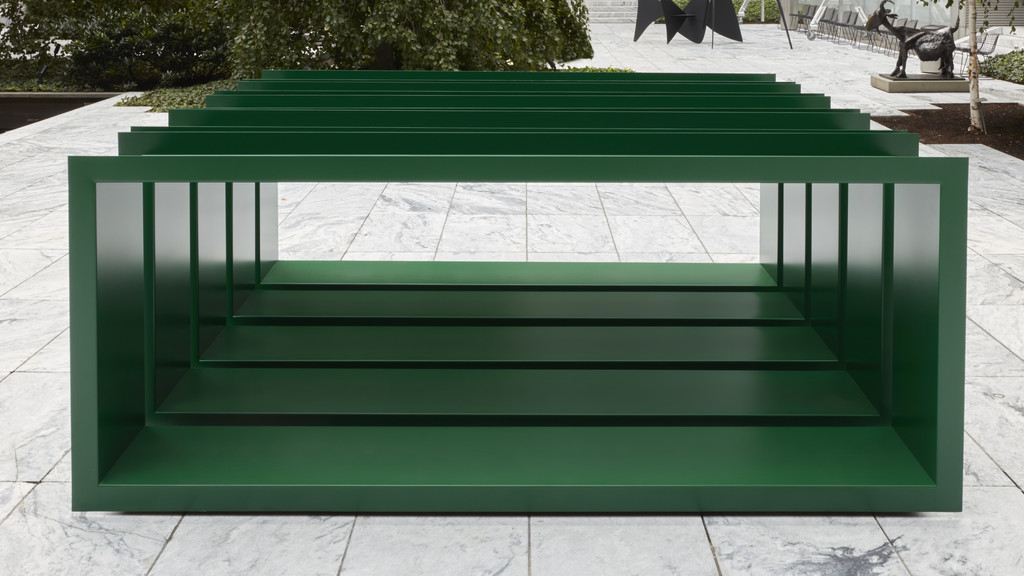
Untitled
Donald Judd
1968
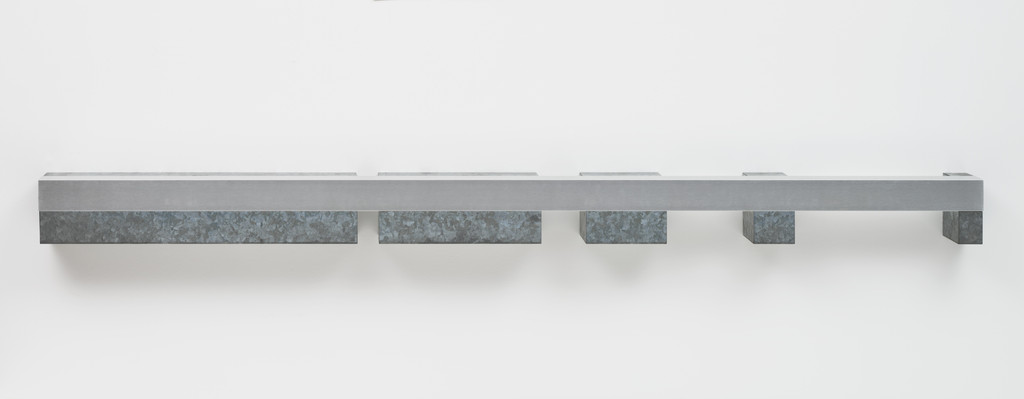
Untitled
Donald Judd
1979
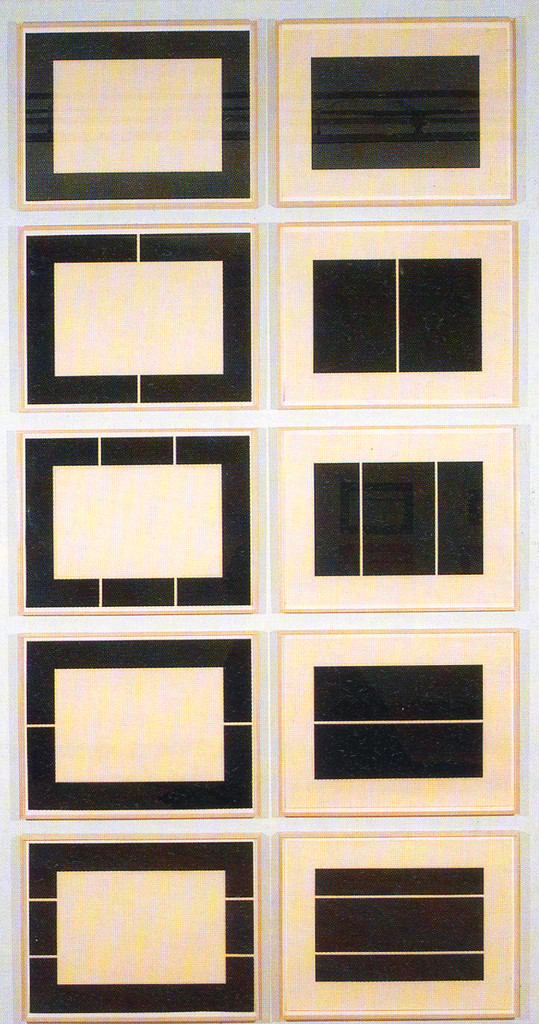
Untitled
Donald Judd
1988
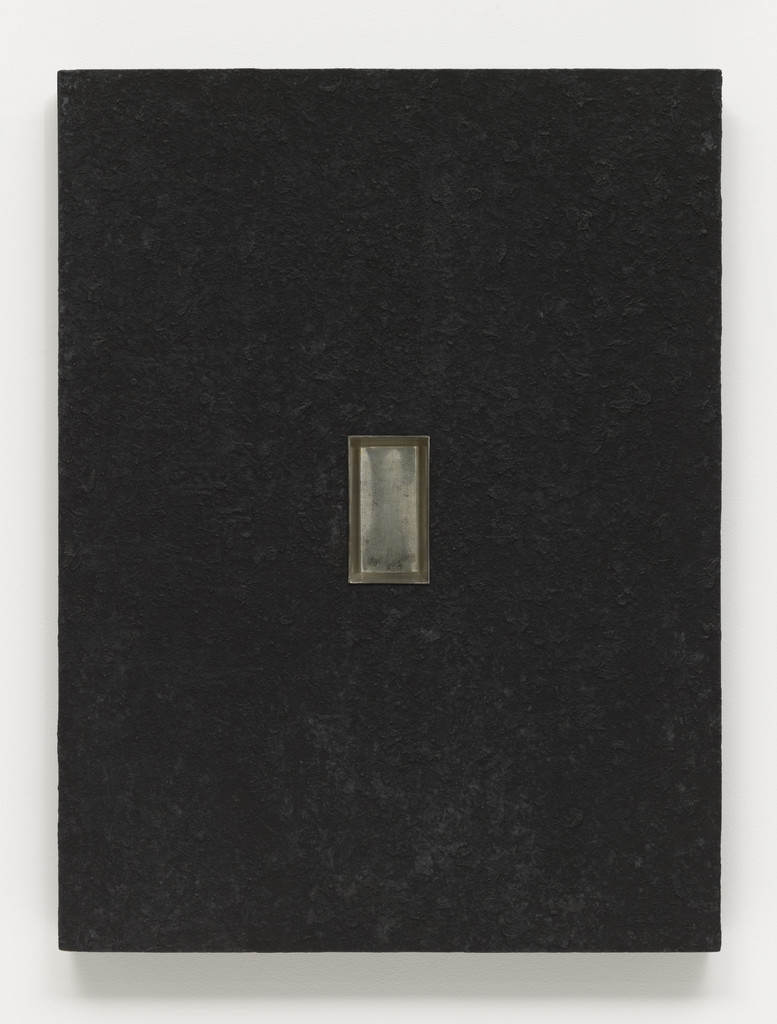
Untitled
Donald Judd
1961
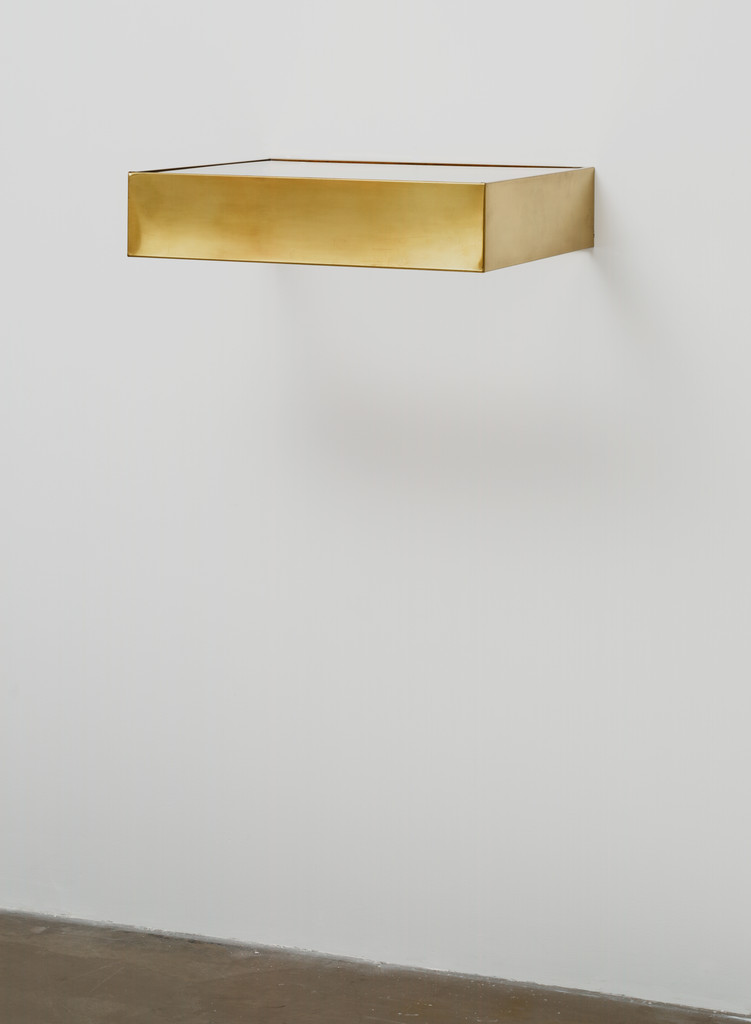
Untitled
Donald Judd
1969
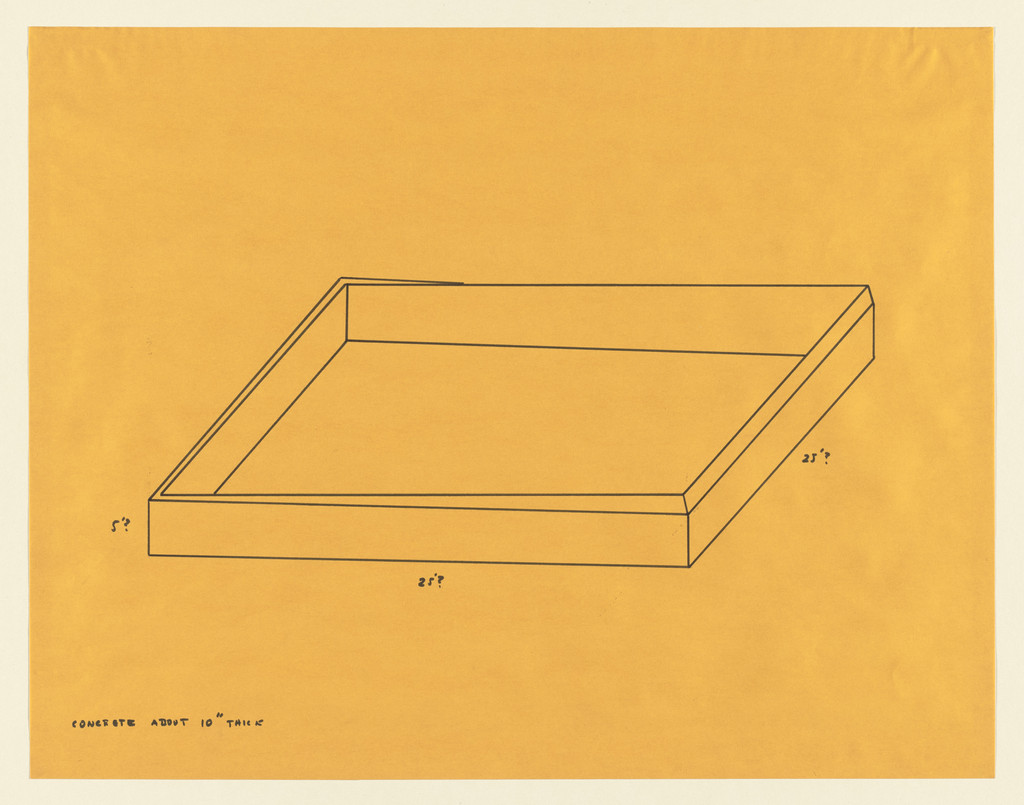
Untitled
Donald Judd
1971
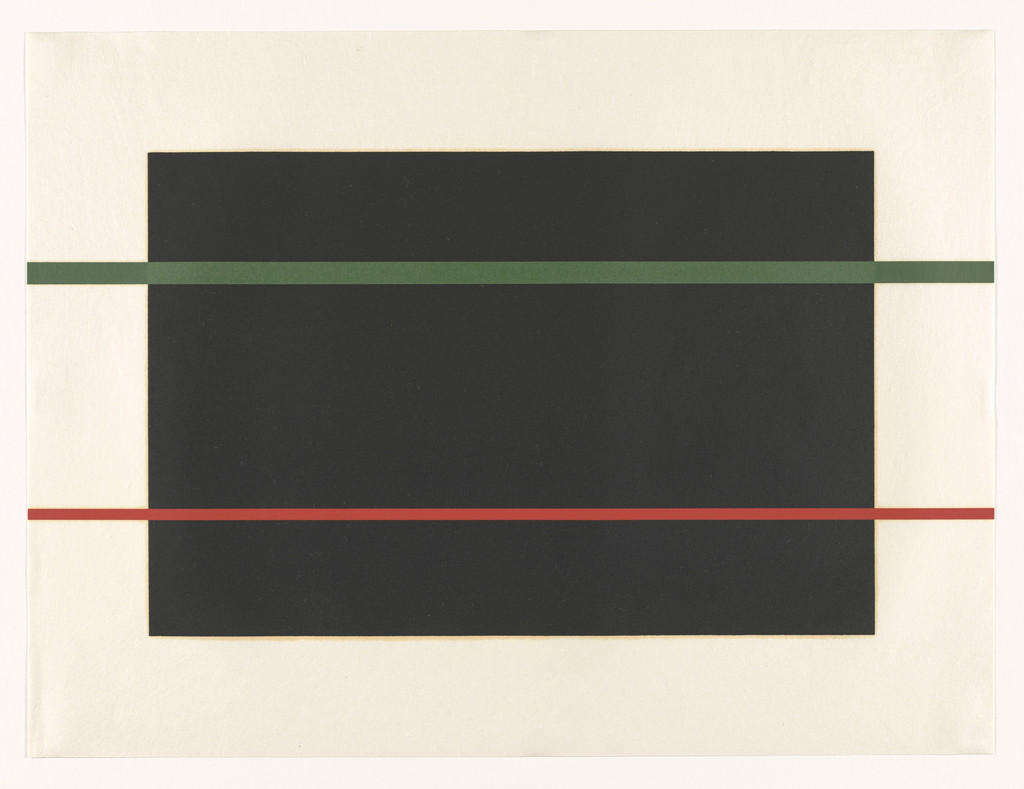
Untitled
Donald Judd
1990
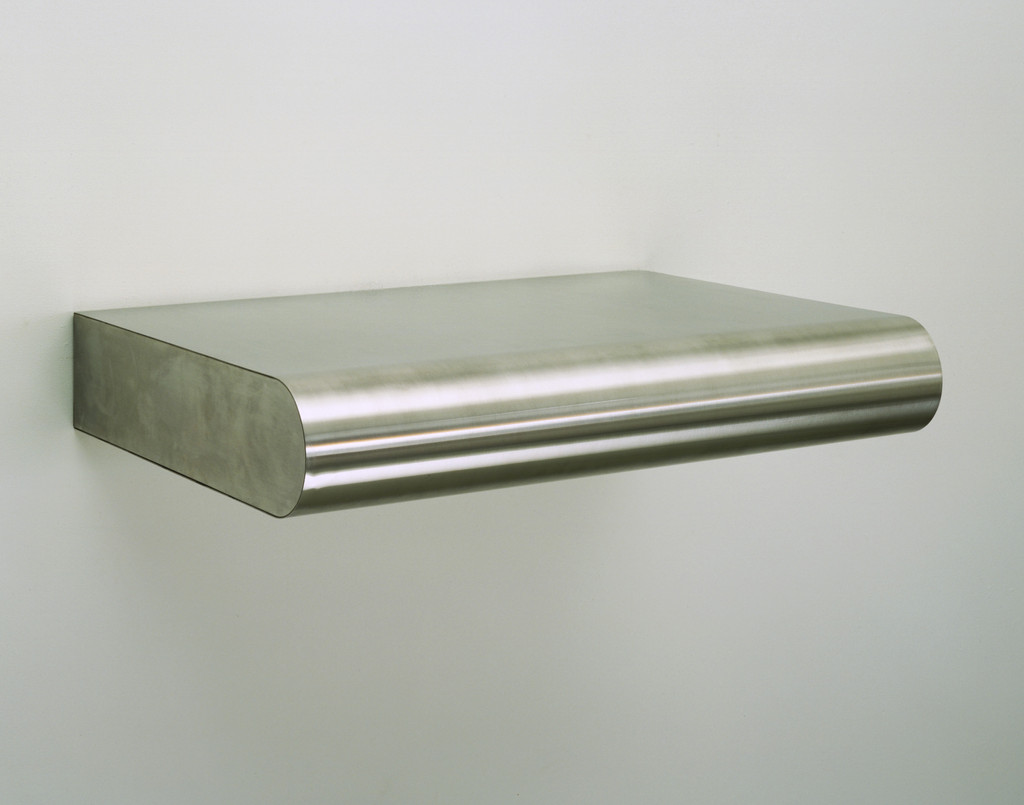
Untitled
Donald Judd
1967
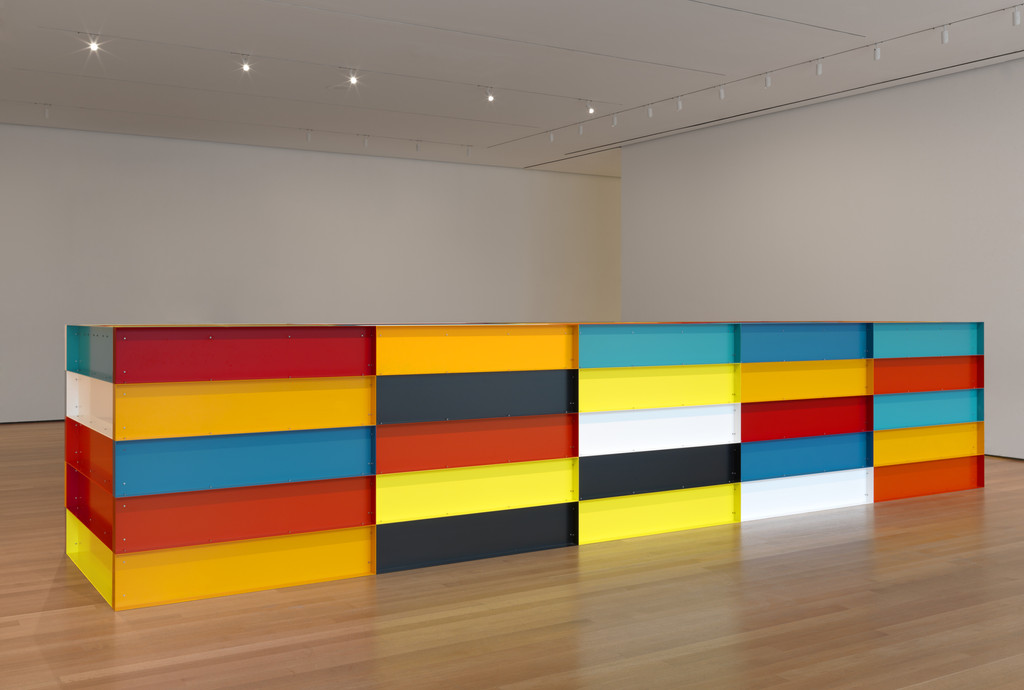
Untitled
Donald Judd
1991
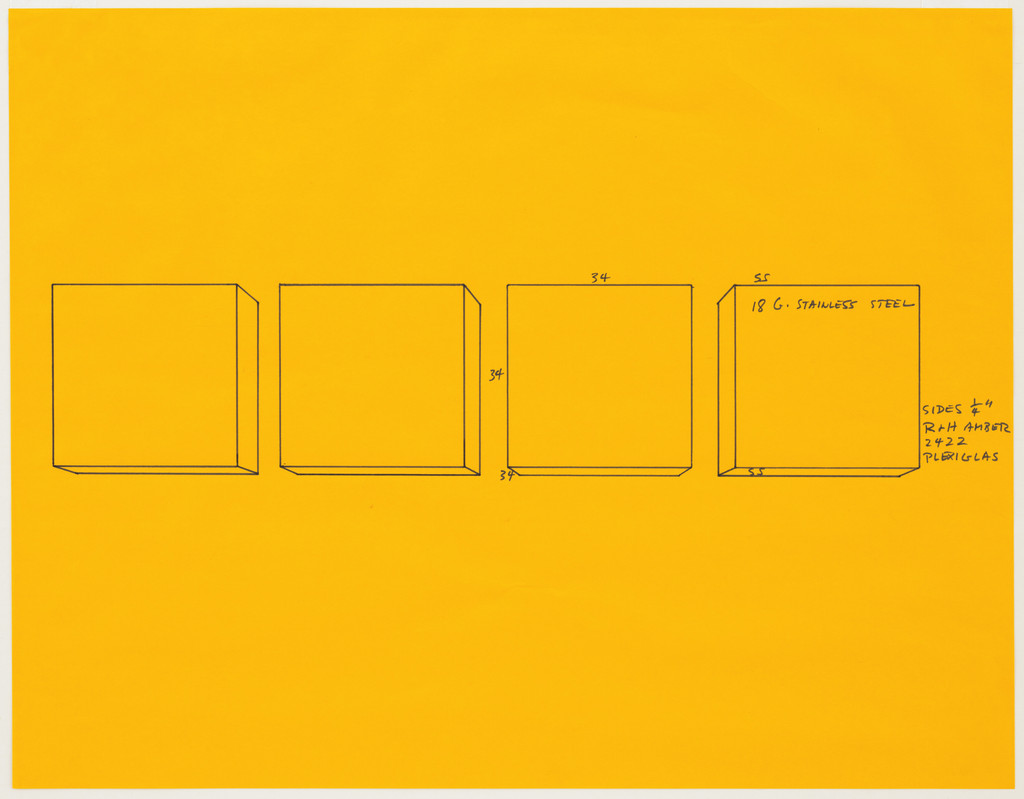
Untitled
Donald Judd
1966
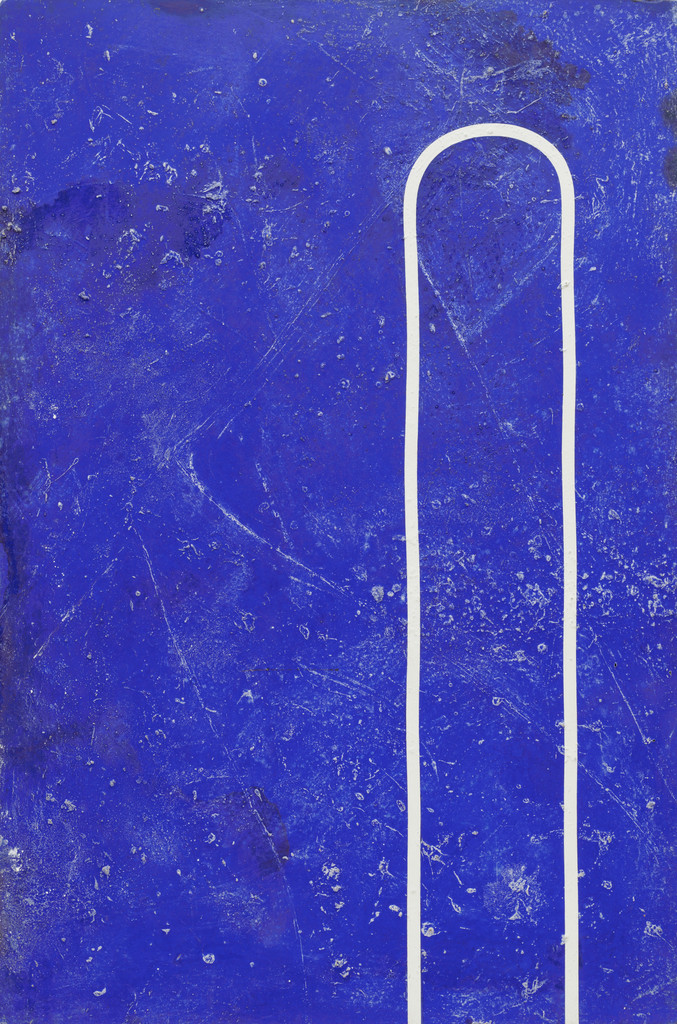
Untitled
Donald Judd
1961
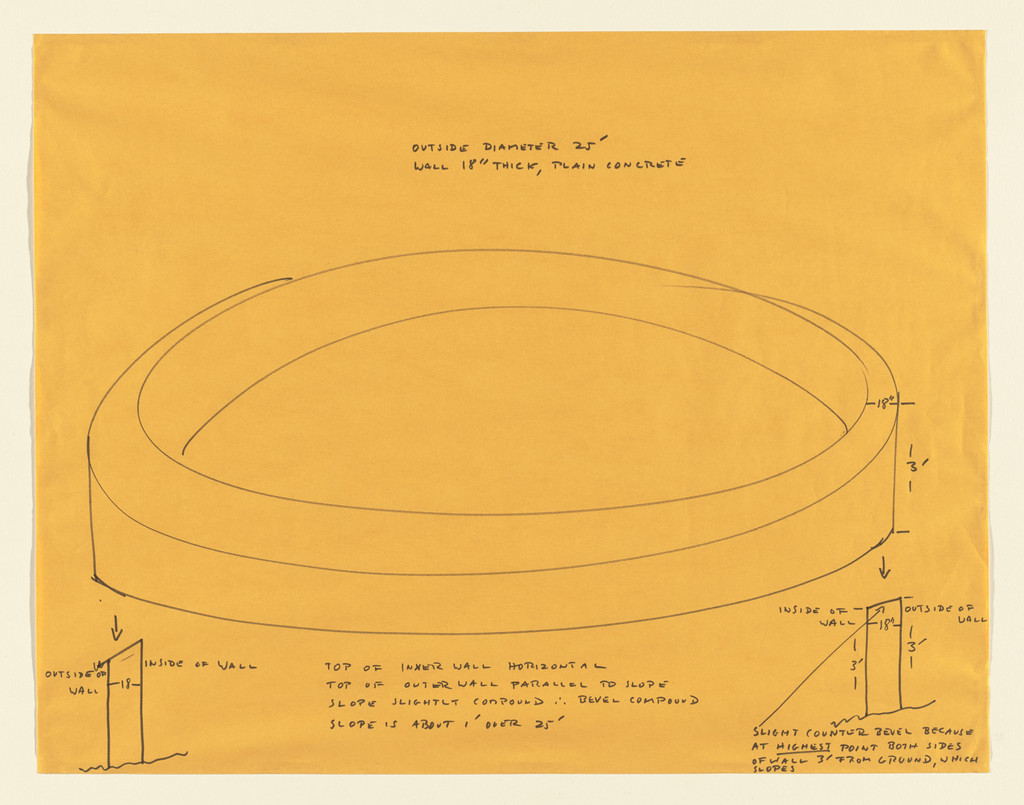
Untitled
Donald Judd
1971
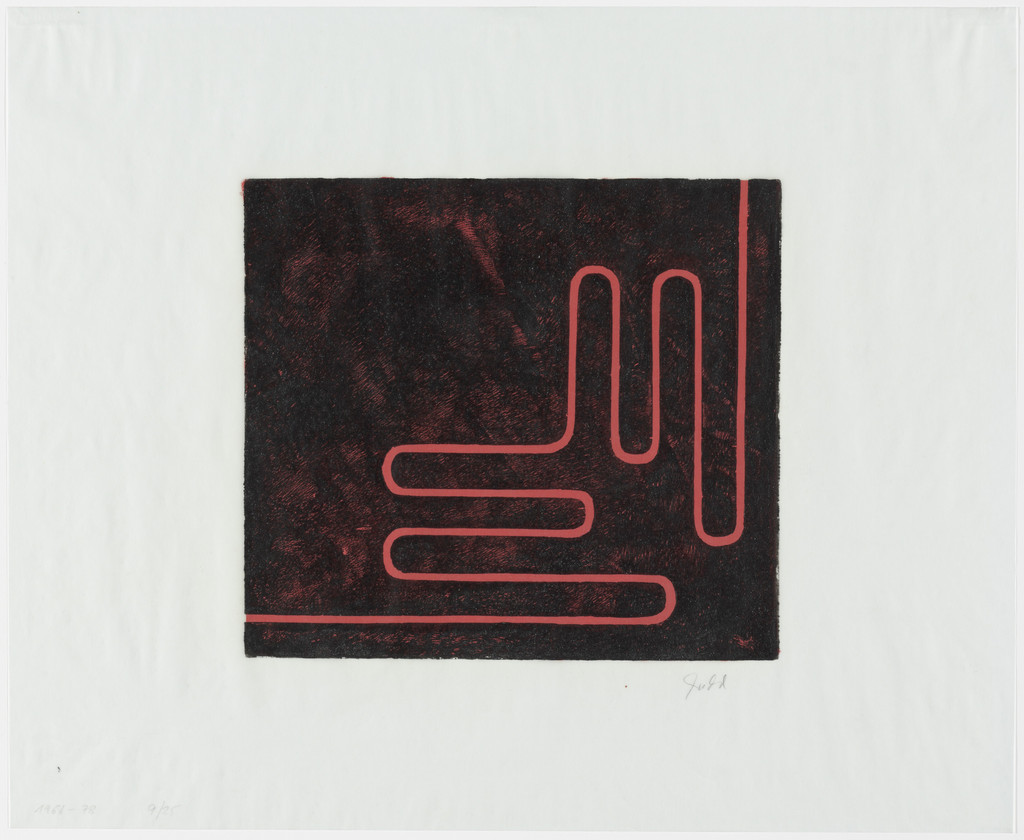
Untitled
Donald Judd
1961–78
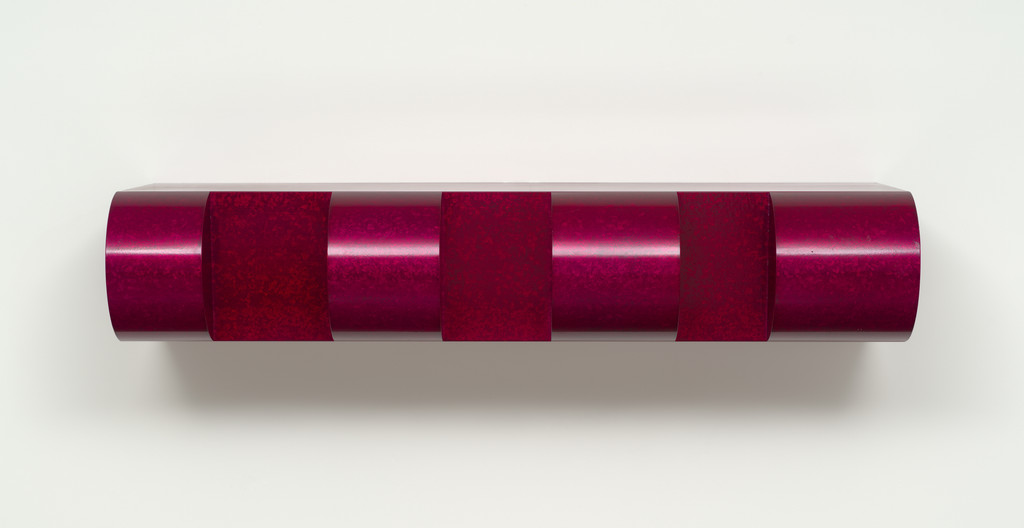
Untitled
Donald Judd
1967 (refabricated 1973-75)
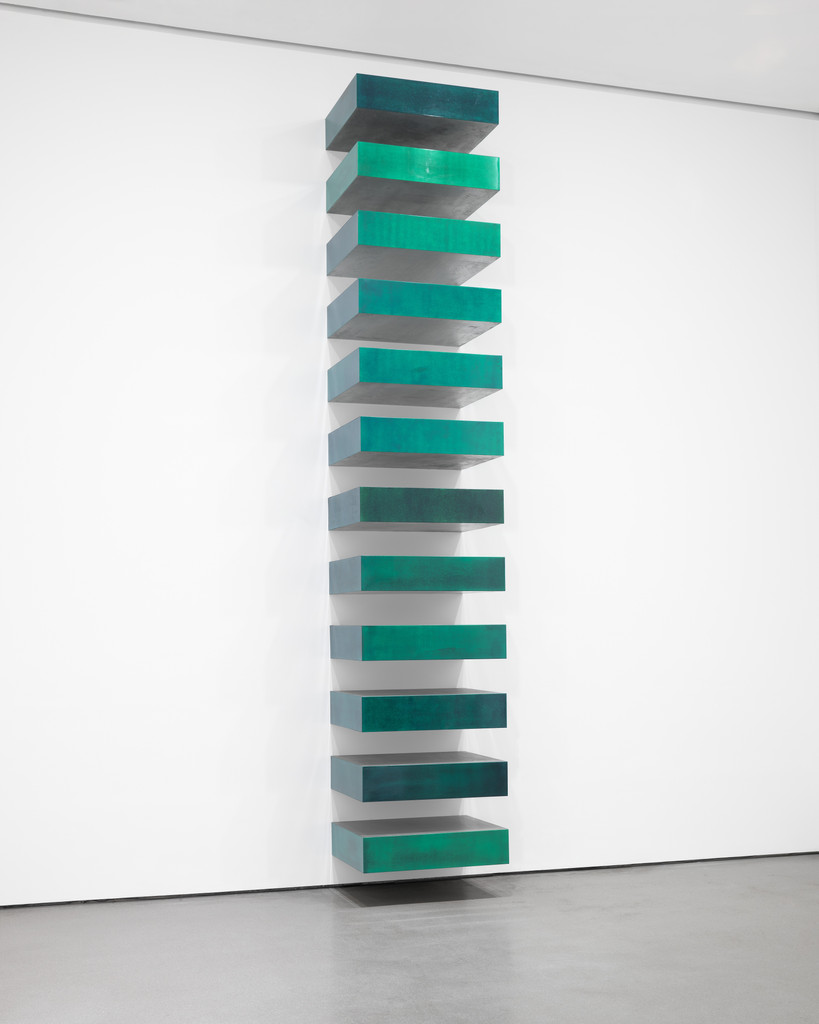
Untitled
Donald Judd
1967
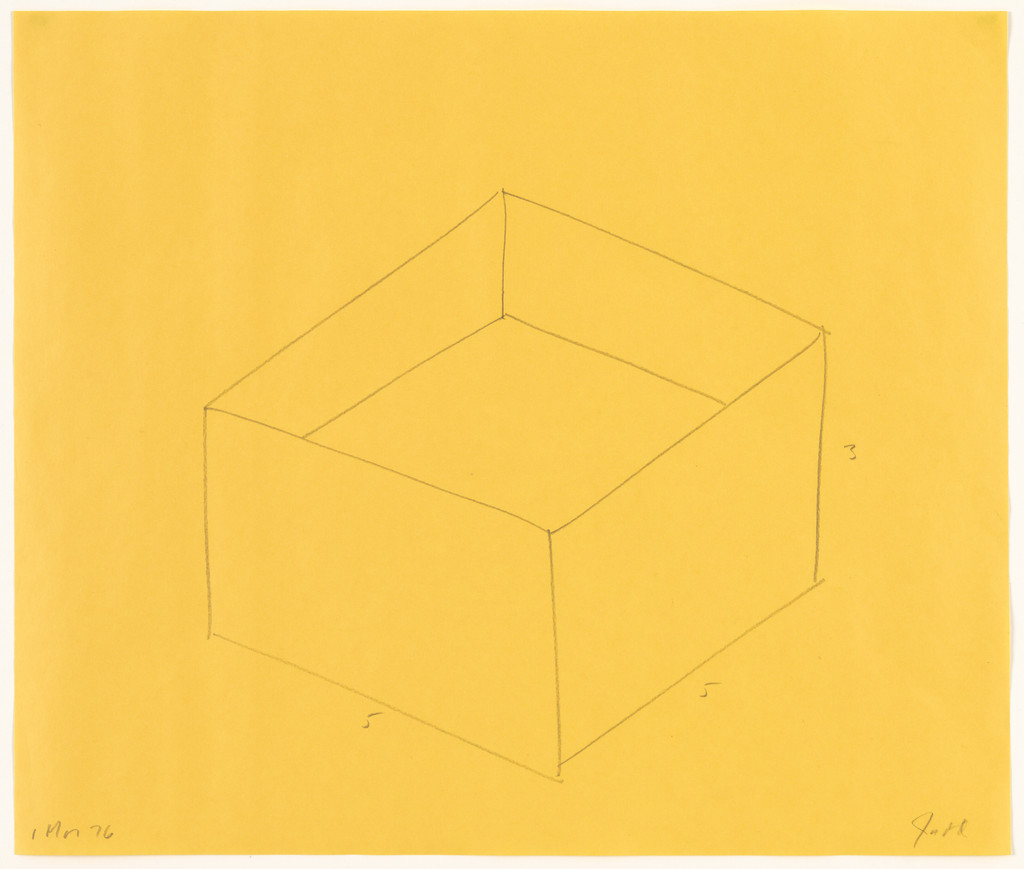
Untitled
Donald Judd
1976
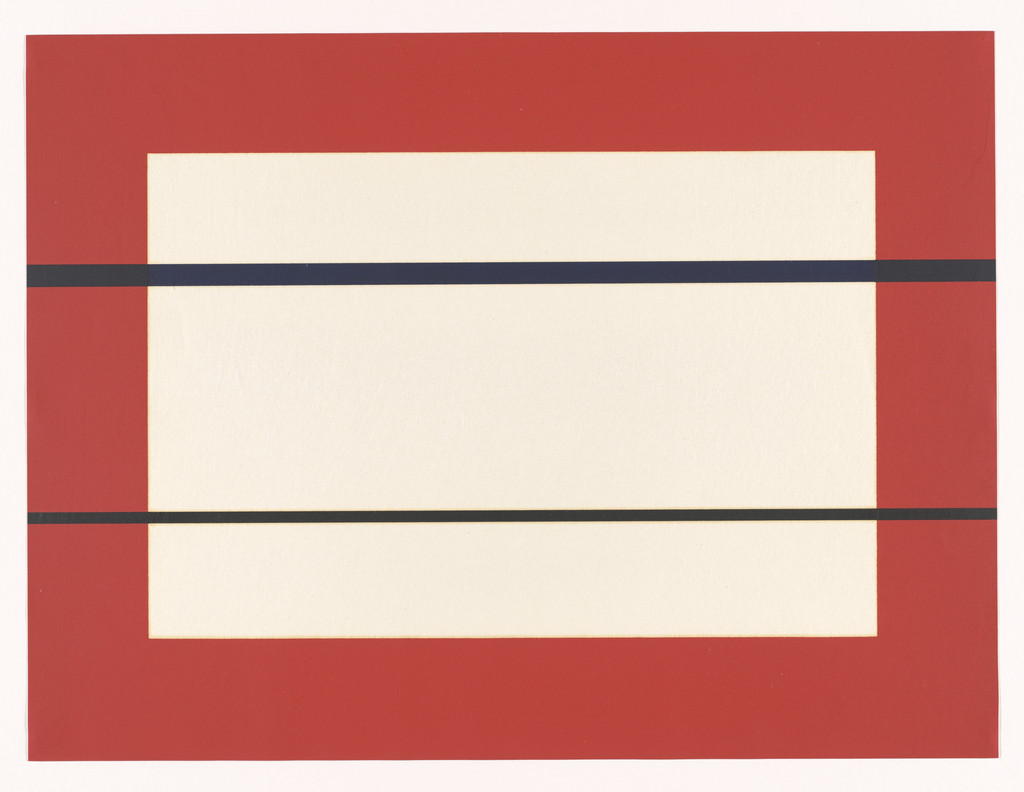
Untitled
Donald Judd
1990
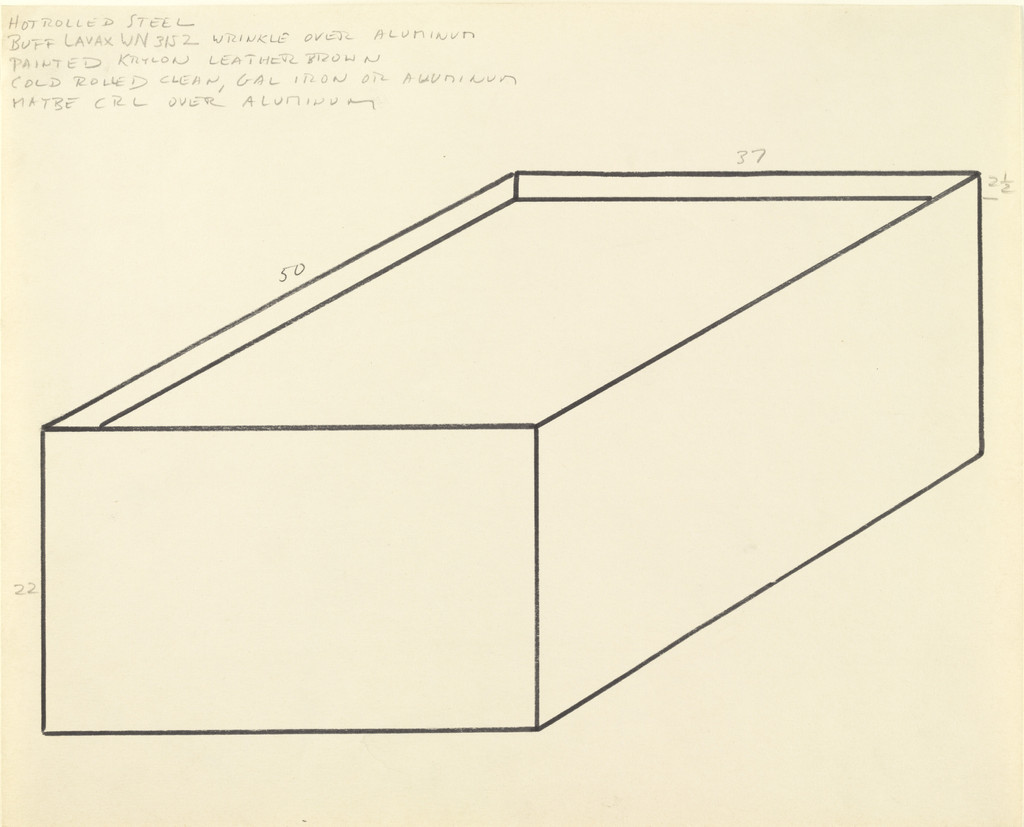
Untitled
Donald Judd
1965
Exhibitions
22 exhibitionsJun 28, 1967 – Sep 24, 1967
The 1960s: Painting and Sculpture from the Museum Collection
107 artists · 2 curators
Jul 03, 1968 – Sep 08, 1968
Art of the Real
19 artists · 1 curator
Sep 05, 1969 – Nov 11, 1969
Recent Acquisitions: Painting and Sculpture
8 artists
May 23, 1970 – Aug 31, 1970
Preliminary Drawings
27 artists · 1 curator
May 05, 1971 – Jul 06, 1971
Technics and Creativity: Selections from Gemini G.E.L.
14 artists · 1 curator
Mar 01, 1972 – May 29, 1972
Drawn in America
44 artists · 1 curator
Mar 22, 1973 – May 09, 1973
Prints of the Sixties
12 artists · 1 curator
May 21, 1975 – Sep 01, 1975
Prints by Sculptors
43 artists · 1 curator
Jan 23, 1976 – Mar 09, 1976
Drawing Now: 19551975
45 artists · 1 curator
Dec 07, 1976 – Feb 06, 1977
Rooms
32 artists
Apr 17, 1978 – Jul 04, 1978
Art for Corporations
34 artists
May 18, 1979 – Aug 07, 1979
Contemporary Sculpture: Selections from the Collection of The Museum of Modern Art
55 artists · 1 curator
Feb 13, 1980 – Apr 01, 1980
Printed Art: A View of Two Decades
82 artists · 1 curator
Mar 03, 1983 – May 15, 1983
Prints from Blocks: Gauguin to Now
128 artists · 1 curator
Apr 10, 1985 – Oct 27, 1985
Philip Johnson: Selected Gifts
20 artists · 2 curators
Oct 02, 1985 – Jan 07, 1986
Contrasts of Form: Geometric Abstract Art, 19101980
107 artists · 2 curators
Nov 06, 1986 – Mar 31, 1987
Contemporary Works from the Collection
46 artists · 1 curator
Dec 24, 1987 – Sep 12, 1988
Contemporary Works from the Collection
53 artists · 1 curator
Nov 17, 1988 – Mar 26, 1989
Abstractions
77 artists · 1 curator
Feb 24, 1989 – Sep 26, 1989
Contemporary Works from the Collection: American Sculpture from the 1960s
7 artists · 1 curator
Aug 18, 1989 – Nov 07, 1989
Recent Acquisitions
32 artists · 1 curator
Nov 13, 1989 – Mar 13, 1990
For 20 Years: Editions Schellmann
21 artists · 1 curator