
“[S]culpture, painting, architecture should not be used as wedges to split our experience of art and life; they are here to link, to correlate, to bind dream and reality.” — Frederick Kiesler
Throughout his career, Frederick Kiesler worked across mediums. He believed that “sculpture, painting, architecture should not be used as wedges to split our experience of art and life; they are here to link, to correlate, to bind dream and reality.” After studying painting and printmaking in Vienna in the early 1900s, he became known in Europe for his inventive stage designs, featuring mirrors and projections. In the course of working on these projects, he met and at times collaborated with artists such as El Lissitzky and László Moholy-Nagy. In 1923, Dutch artist Theo van Doesburg invited him to join de Stijl, making him the group’s youngest member. In 1926, after traveling to New York to co-organize the International Theatre Exposition at Steinway Hall, Kiesler and his wife immigrated to the United States and settled in the city. There, Kiesler helped spread the ideas of the European avant-garde, such as non-objective painting, abstraction, and the merging of art and life. He found work as a professor at Columbia University’s School of Architecture and as the director of scenic design at the Juilliard School of Music. In 1942, he was chosen to design collector and art dealer Peggy Guggenheim’s Art of This Century Gallery in New York, for which he planned every aspect, from an innovative method of installing paintings to its lighting, sculpture stands, and seating. In 1947, he designed the installation Salle Superstition for the Exposition Internationale du Surréalisme, organized by Marcel Duchamp and André Breton at the Galerie Maeght in Paris. In this exhibition, Kiesler also displayed his first work of sculpture, Totem for All Religions, a wood-and-rope construction that stands more than nine feet tall and simultaneously evokes a totem pole, a crucifix, and various astronomical symbols. Kiesler’s longest-running project was Endless House, a single-family dwelling whose biomorphic form and lack of corners strongly contrasted with the hard geometric edges that defined most modern architecture of the time. He sought to design a structure responsive to the occupants’ functional and spiritual requirements. He developed his ideas for the house over several decades, creating numerous sketches and models. Although plans were made to build a to-scale model in MoMA’s Sculpture Garden in 1958, they did not materialize, and the project remains unrealized. Nonetheless, Kiesler’s Endless House concept was highly influential and stands as a strong expression of his bold statement: “Form does not follow function. Function follows vision. Vision follows reality.”
Lily Goldberg, Collection Specialist, Department of Painting and Sculpture, 2016
Works in Collection
24 works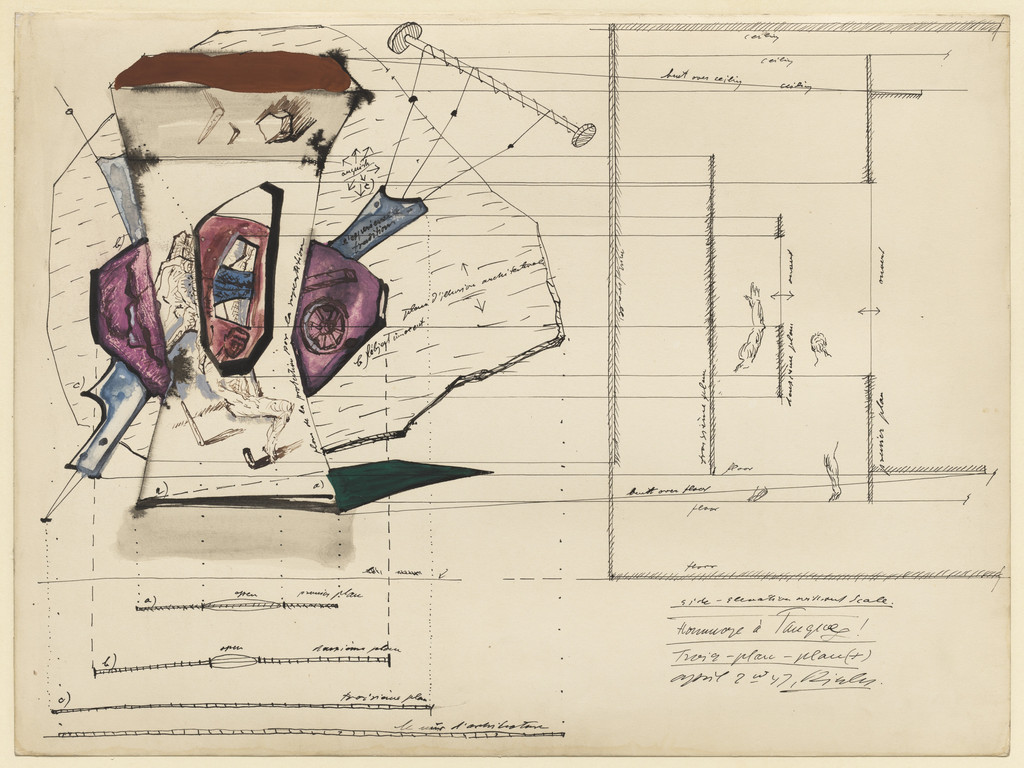
Architectural Plan for the Room of Superstitions
Frederick Kiesler
1947
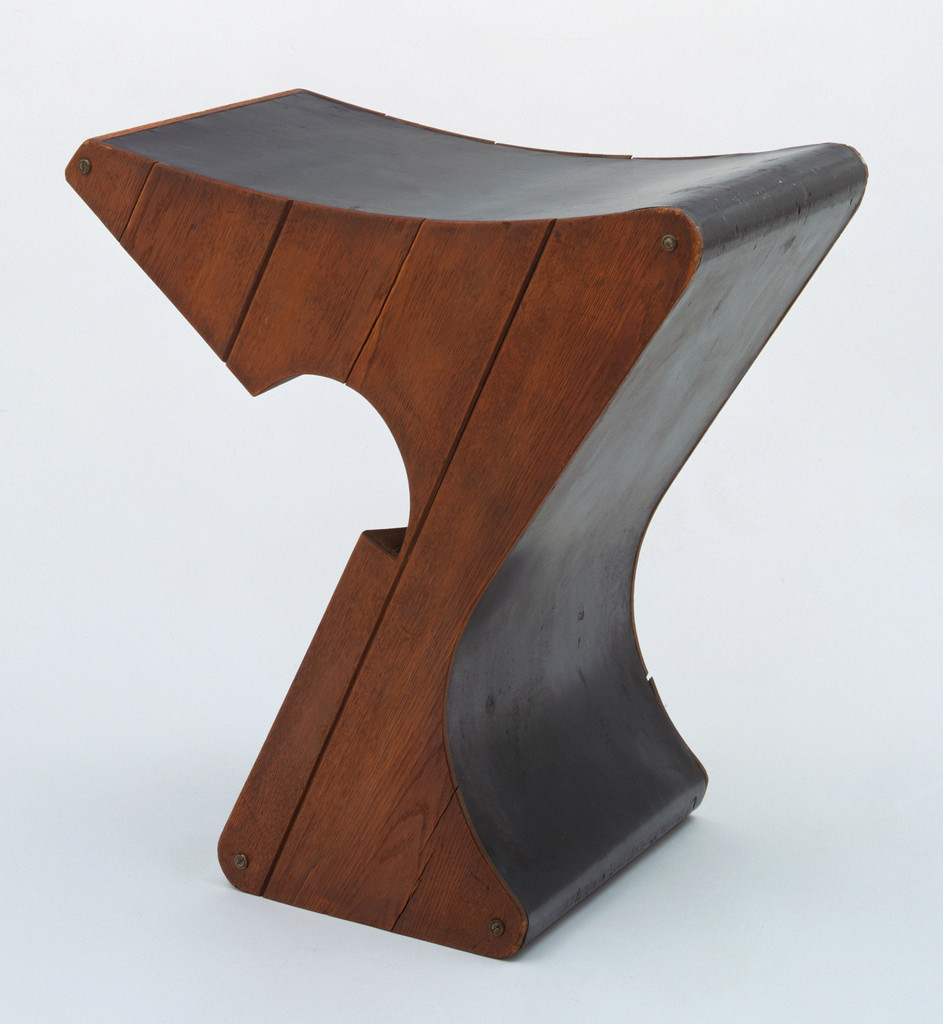
Chair-Pedestal-Picture Rack
Frederick Kiesler
c. 1942
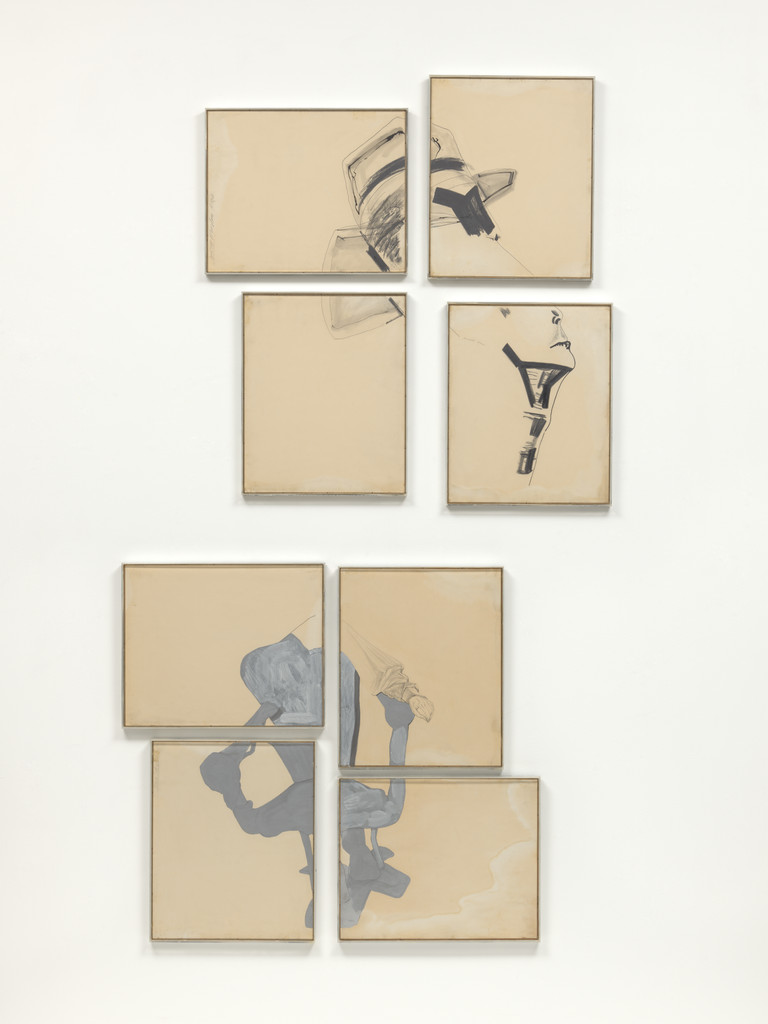
E. E. Cummings
Frederick Kiesler
1948
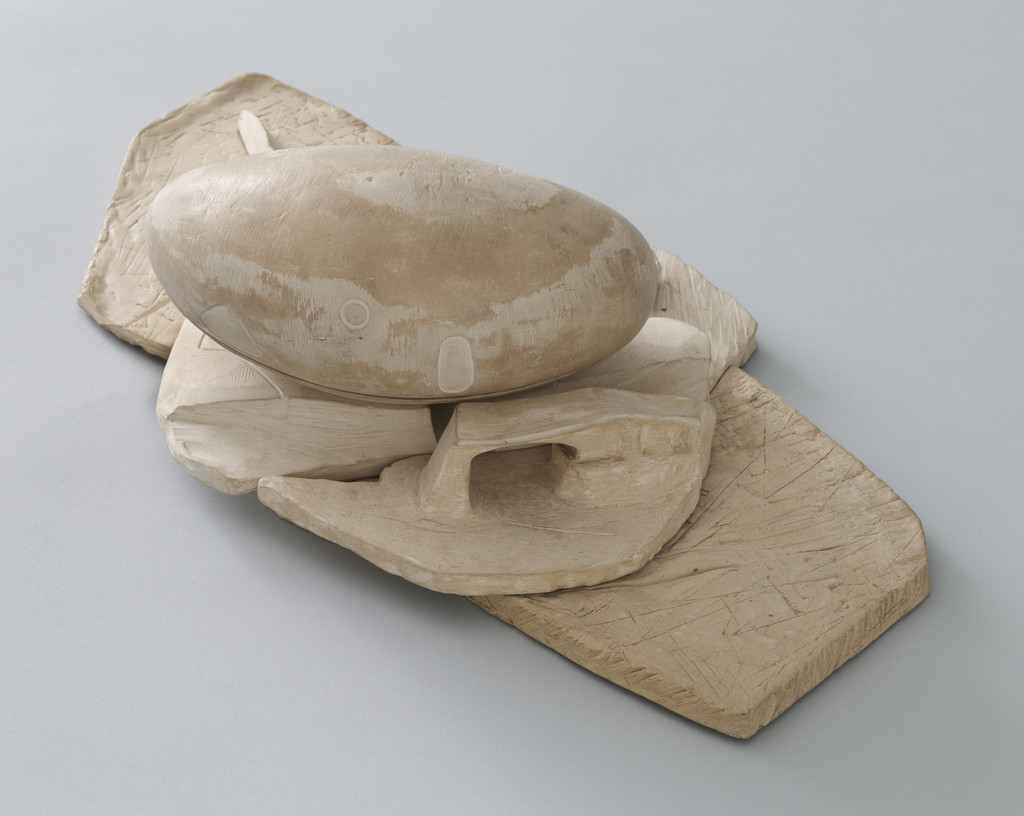
Endless House Project
Frederick Kiesler
1950–1960
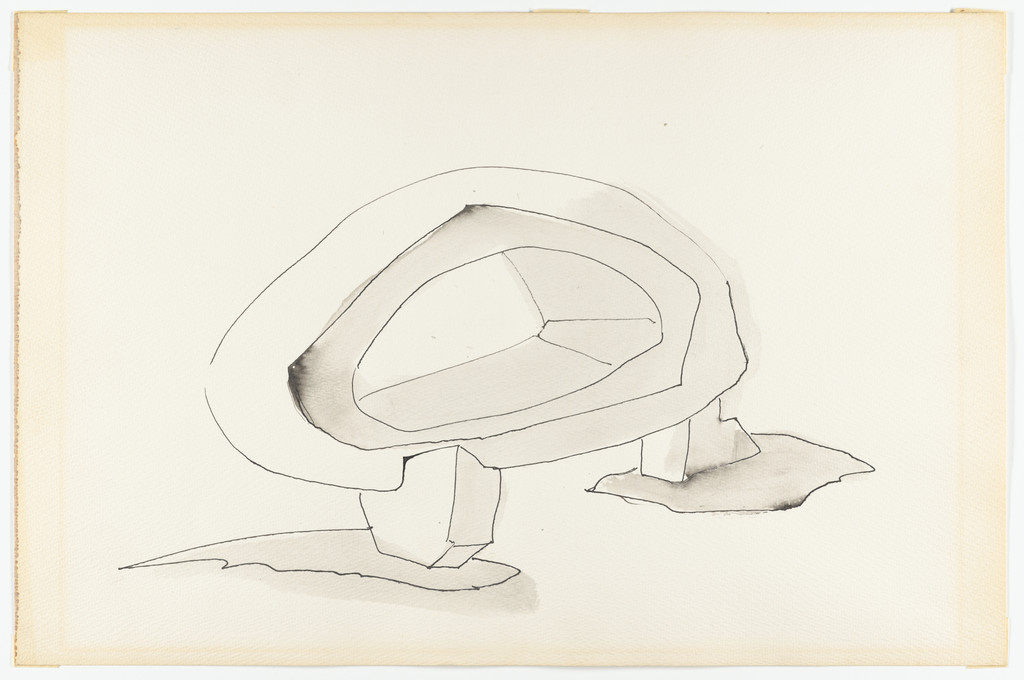
Endless House Project (Preliminary perspective, 1947)
Frederick Kiesler
1947–1960
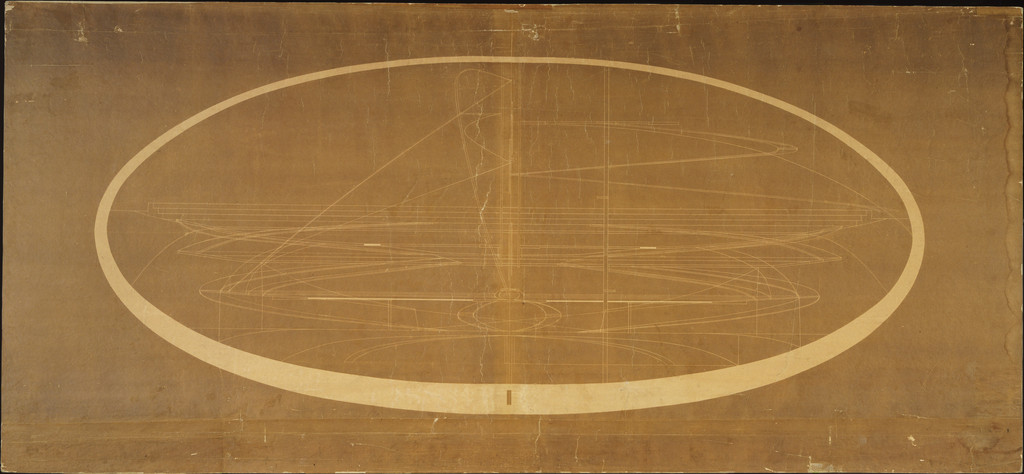
Endless Theater Project, Section
Frederick Kiesler
1924
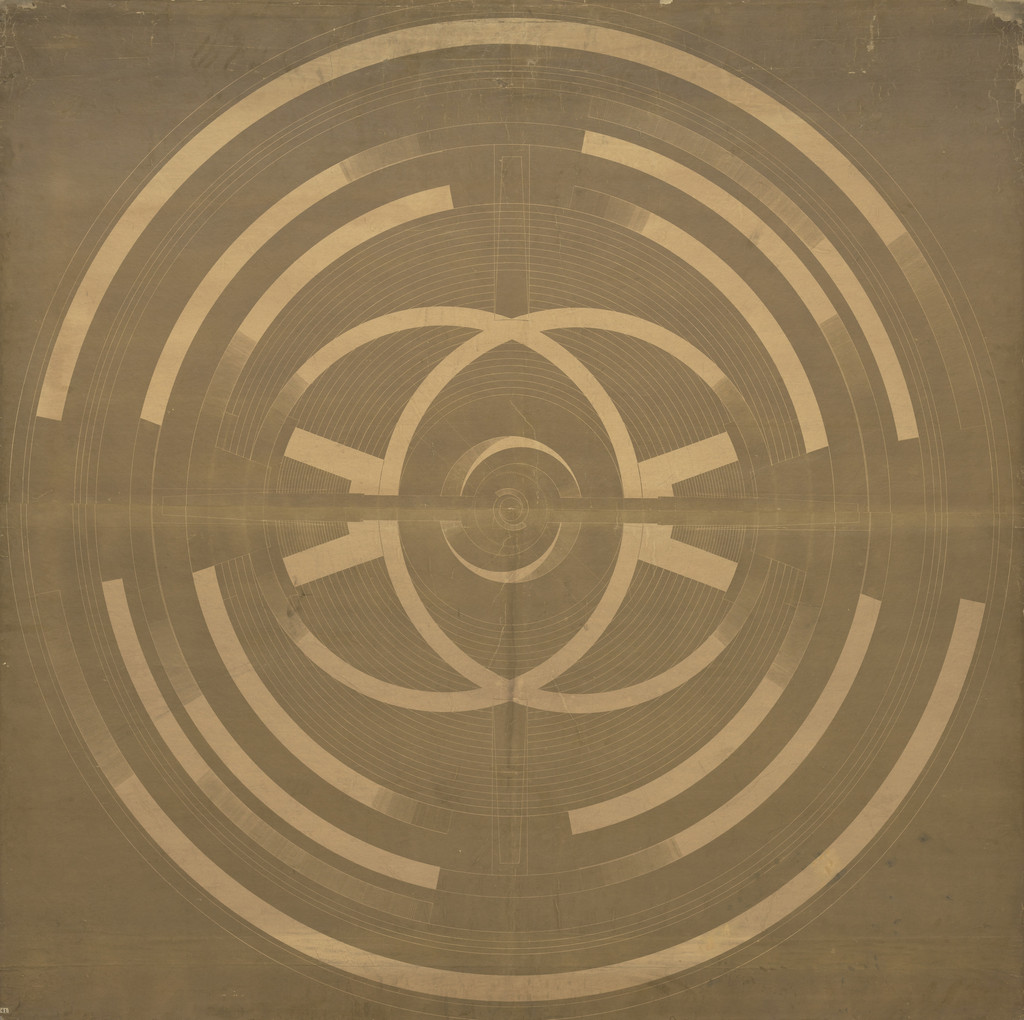
Endless Theatre Project, Plan
Frederick Kiesler
1924
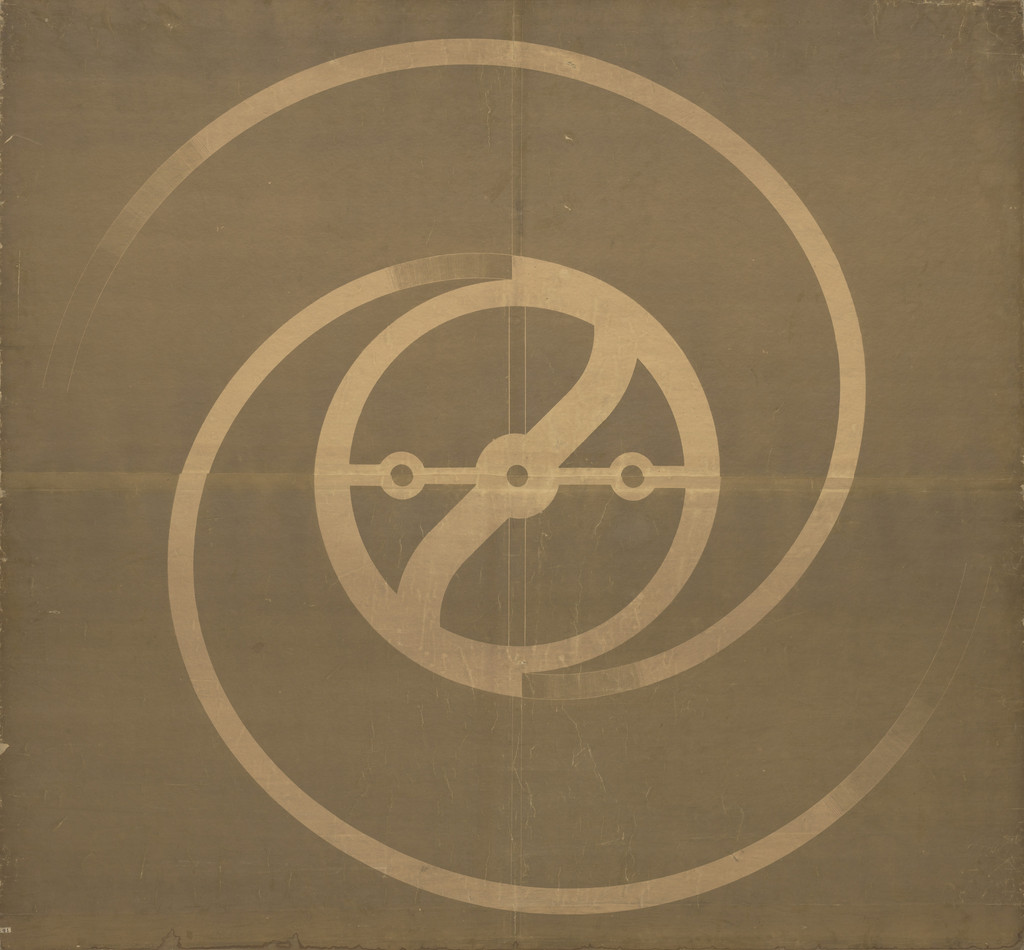
Endless Theatre Project, Plan
Frederick Kiesler
1924
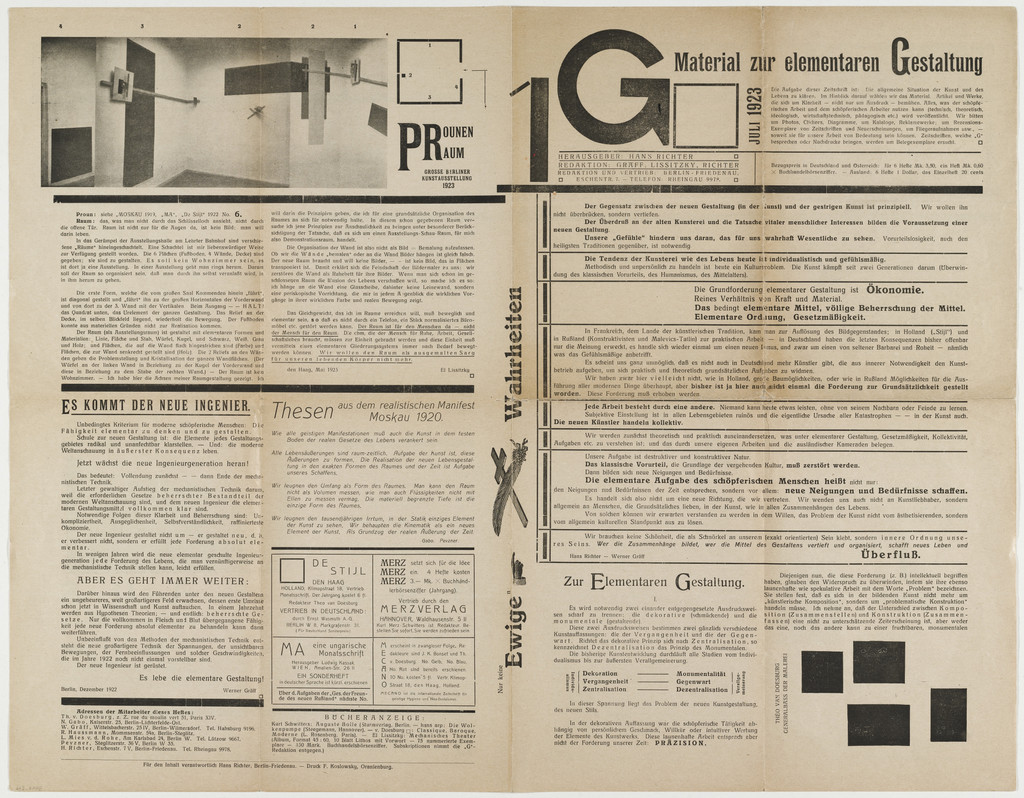
G: Material zur elementaren Gestaltung (Material for Elem...
Werner Graeff
1923
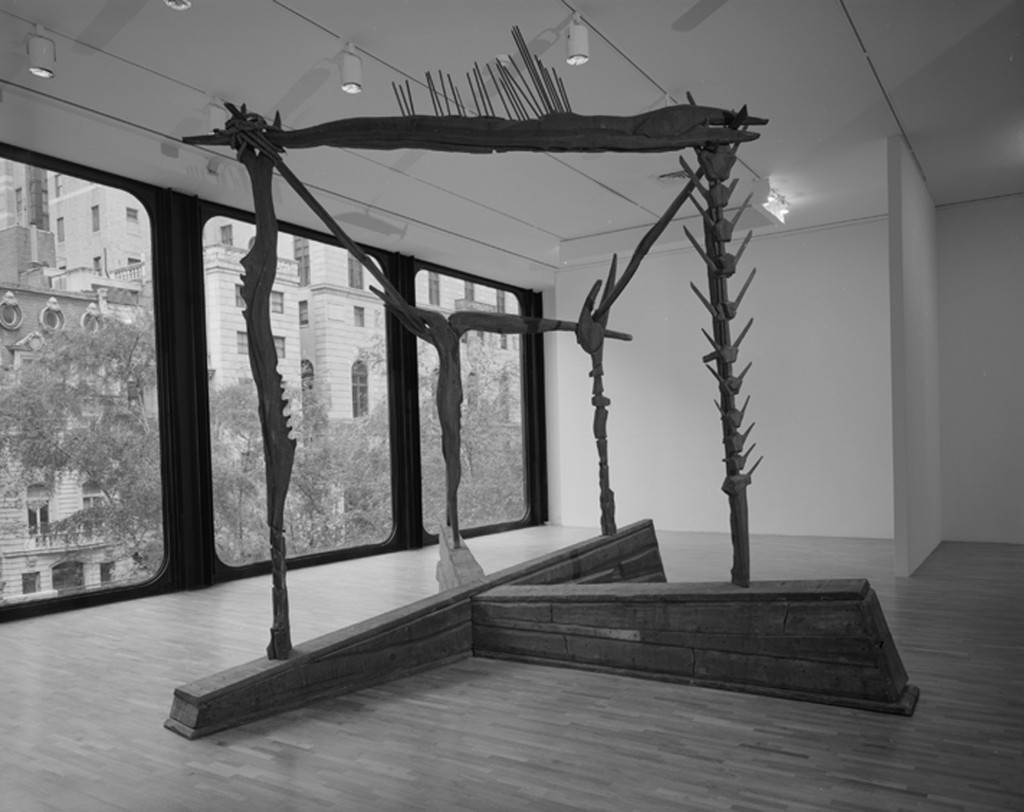
Galaxy
Frederick Kiesler
1947-48 (base remade 1951)
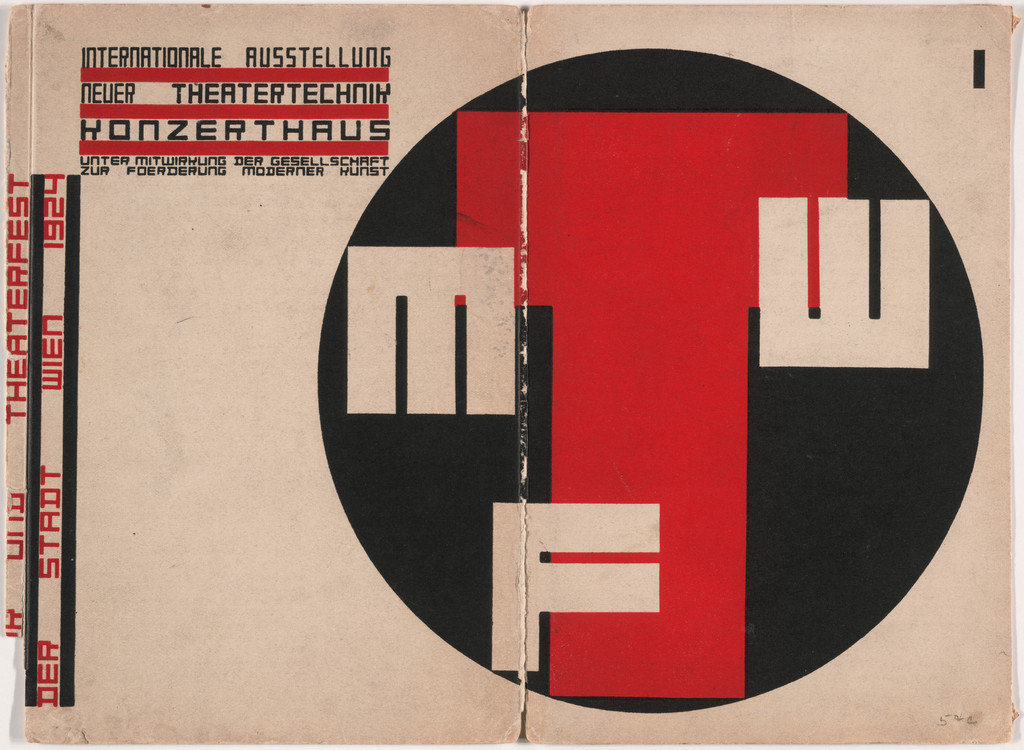
Internationale Ausstellung neuer Theatertechnik
Frederick Kiesler
1924
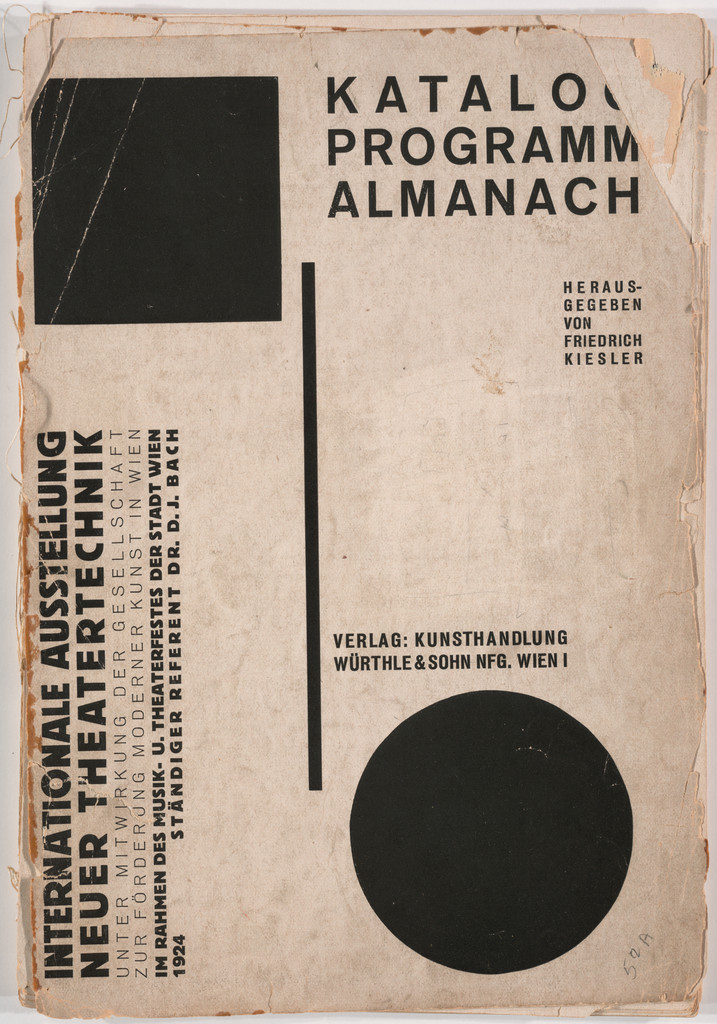
Internationale Ausstellung neuer Theatertechnik, Katalog,...
Frederick Kiesler
1924
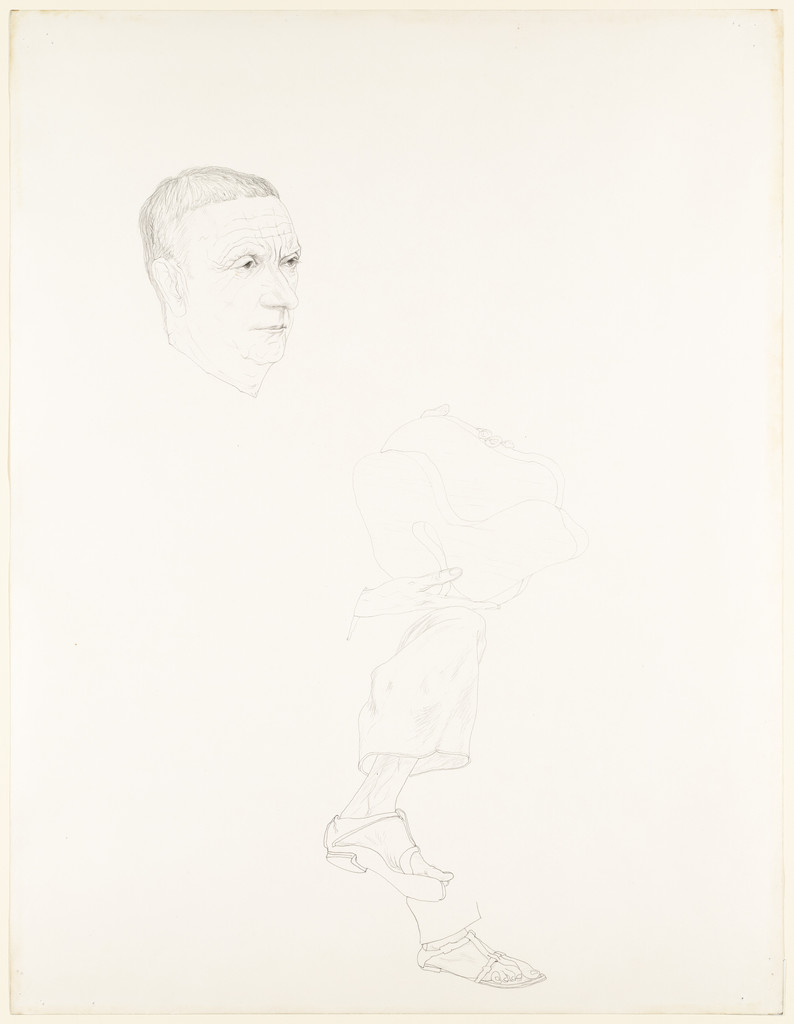
Jean Arp
Frederick Kiesler
(1947)
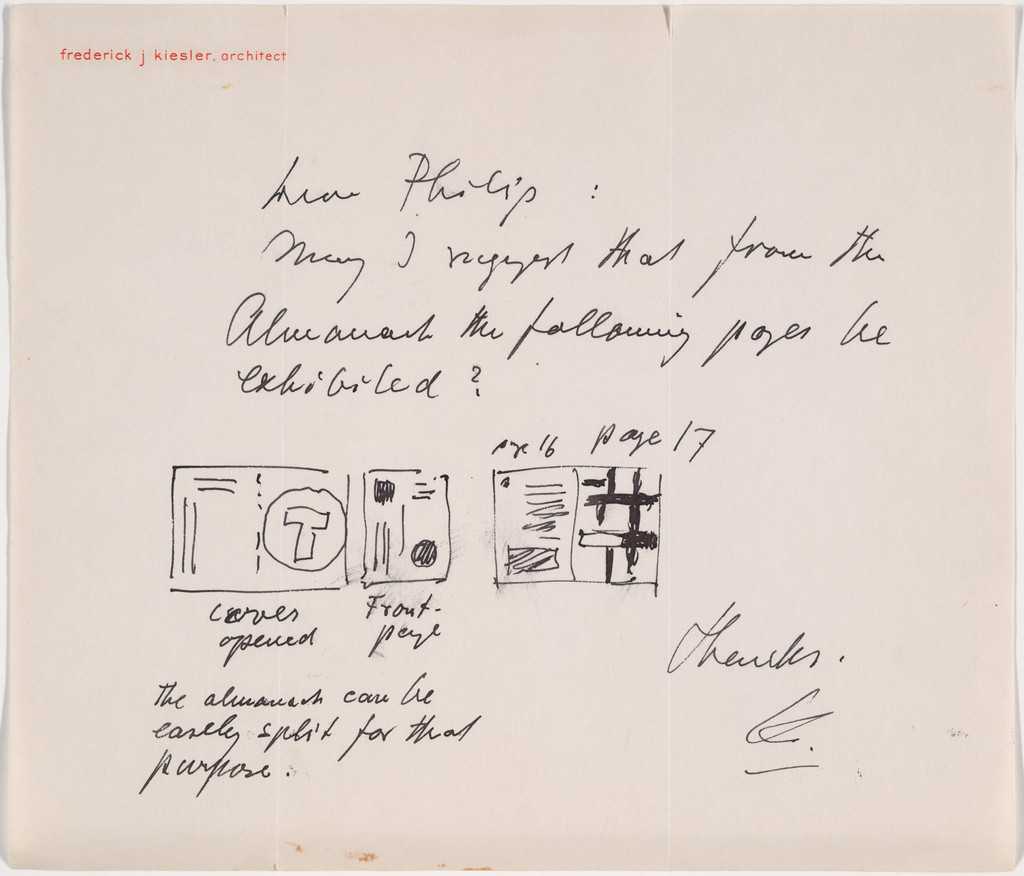
Letter to Philip Johnson
Frederick Kiesler
c.1952
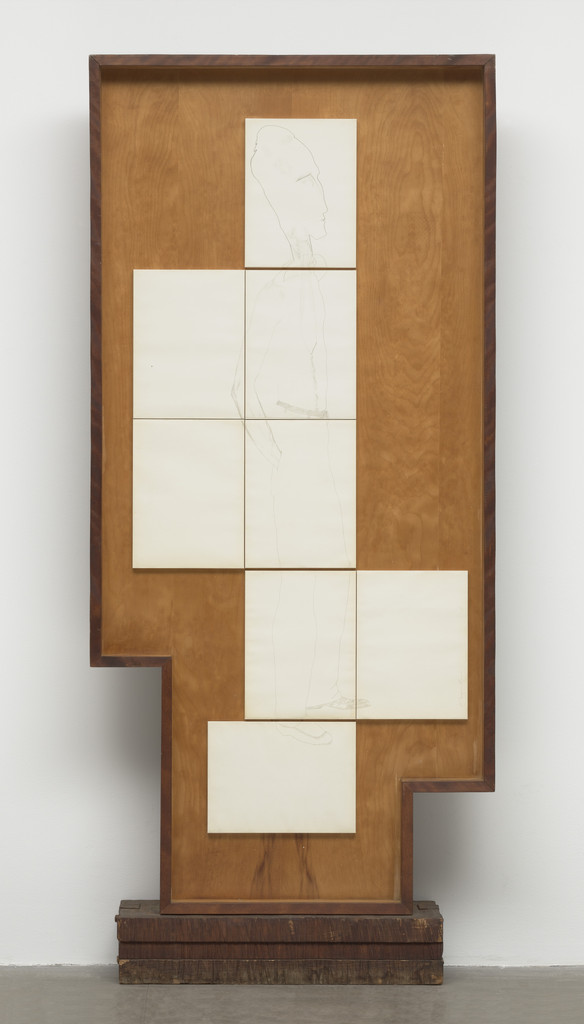
Marcel Duchamp
Frederick Kiesler
1947
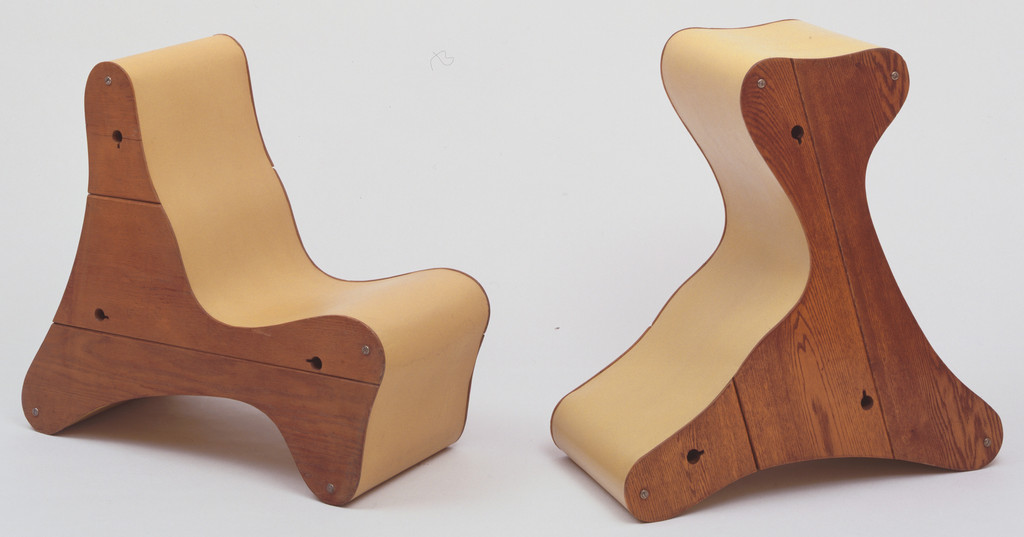
Multi-use Chair
Frederick Kiesler
1942
Multi-use Chair
Frederick Kiesler
1942
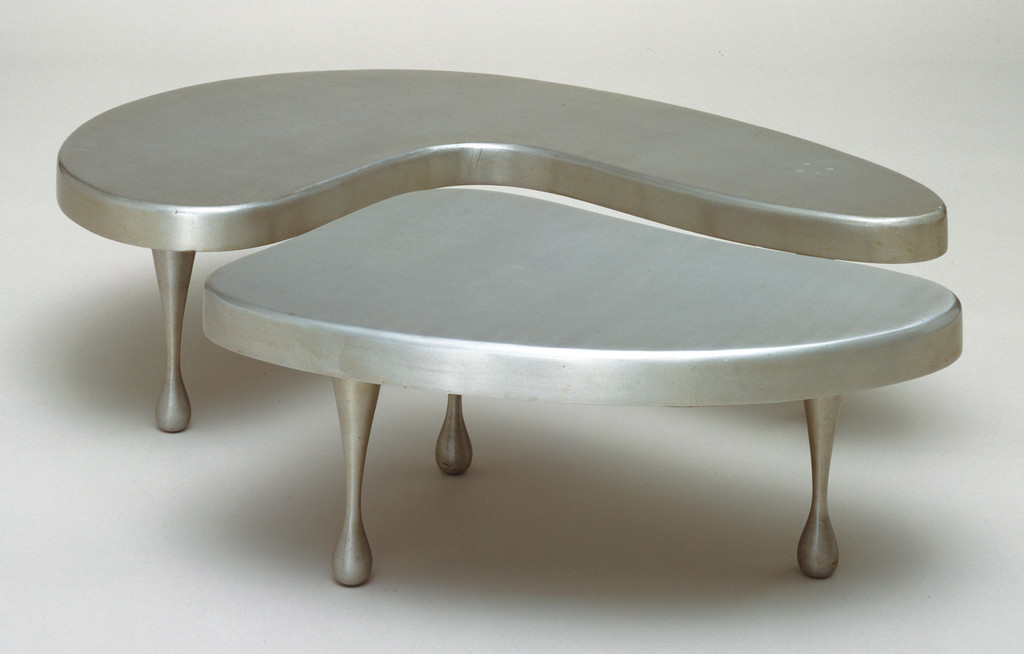
Nesting Coffee Table
Frederick Kiesler
1935-38
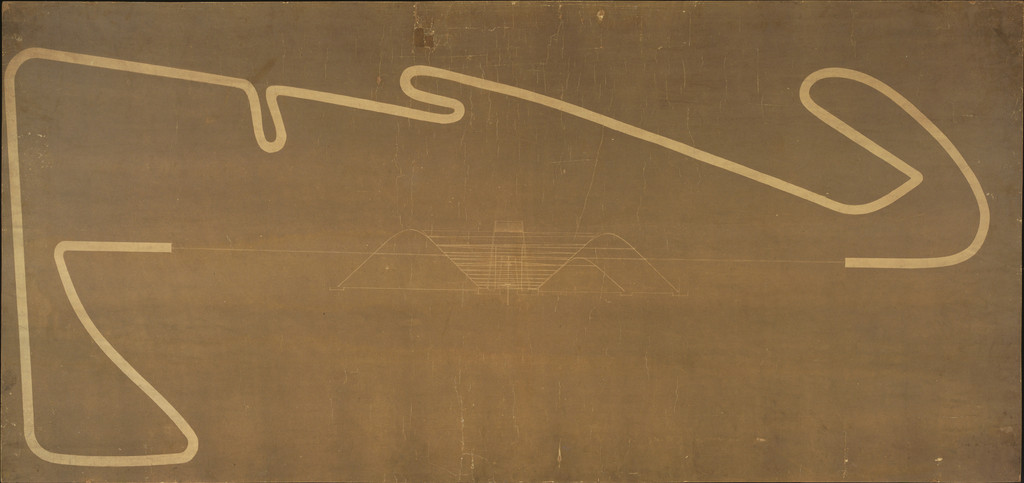
Place de la Concorde Project, Paris, France, Elevation
Frederick Kiesler
1925

Standing lamp
Frederick Kiesler
1933
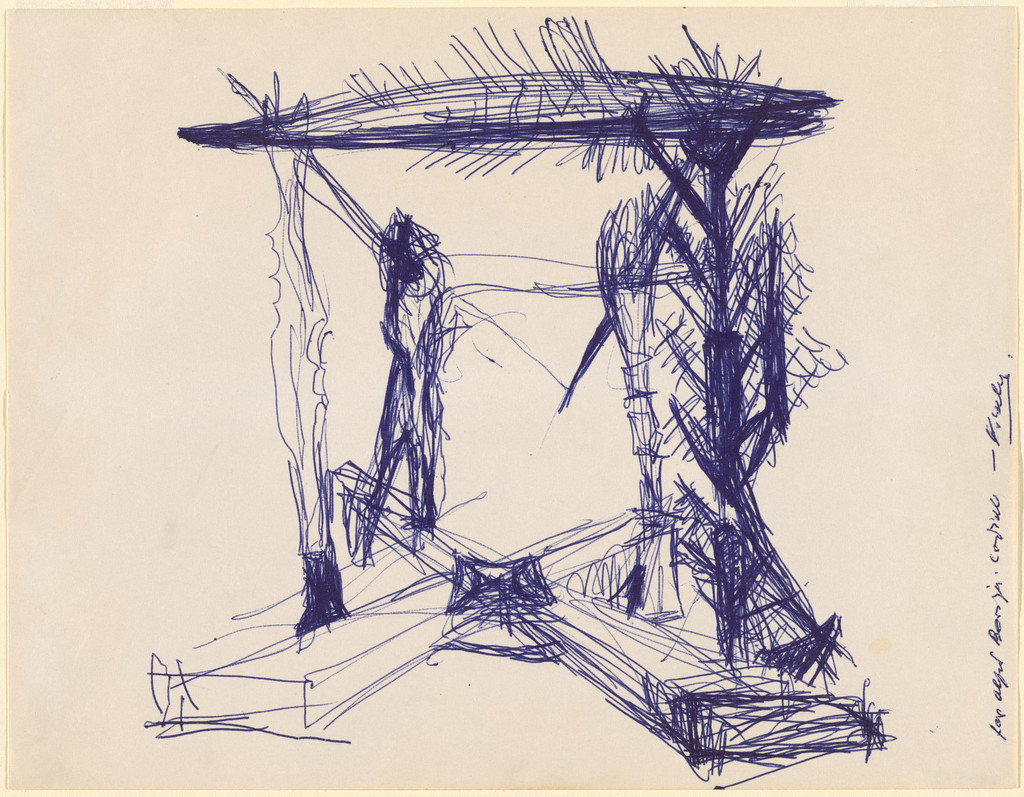
Study for Galaxy
Frederick Kiesler
1947-48
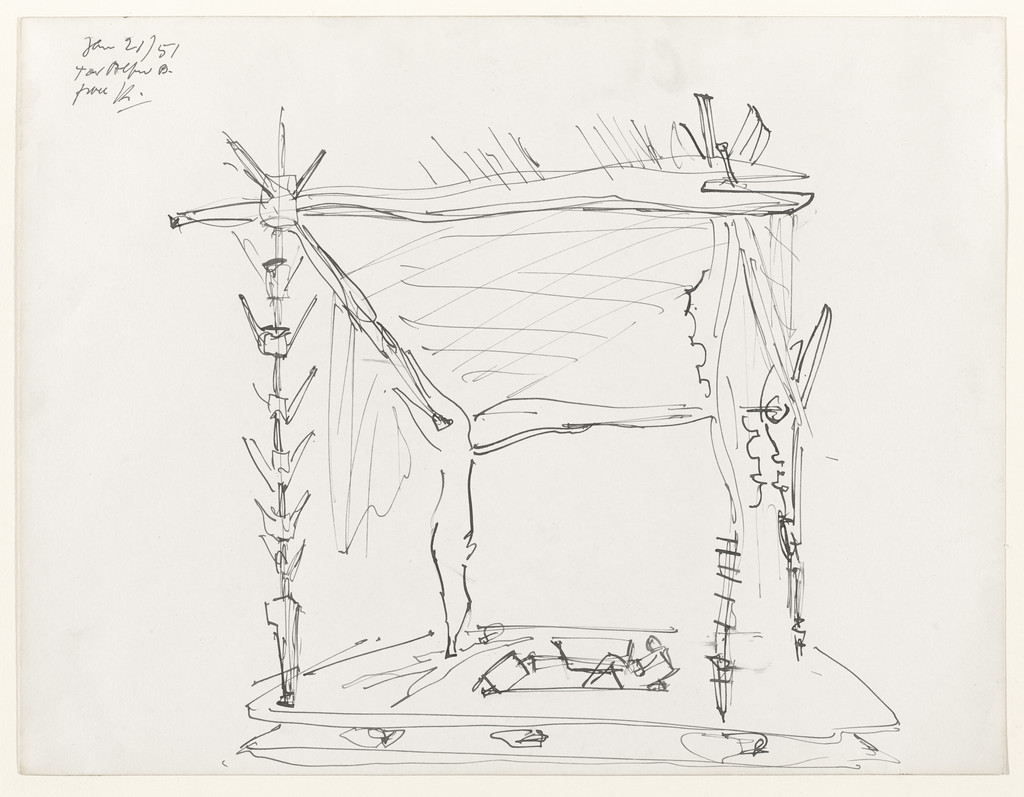
Study for Galaxy
Frederick Kiesler
(1947-48)
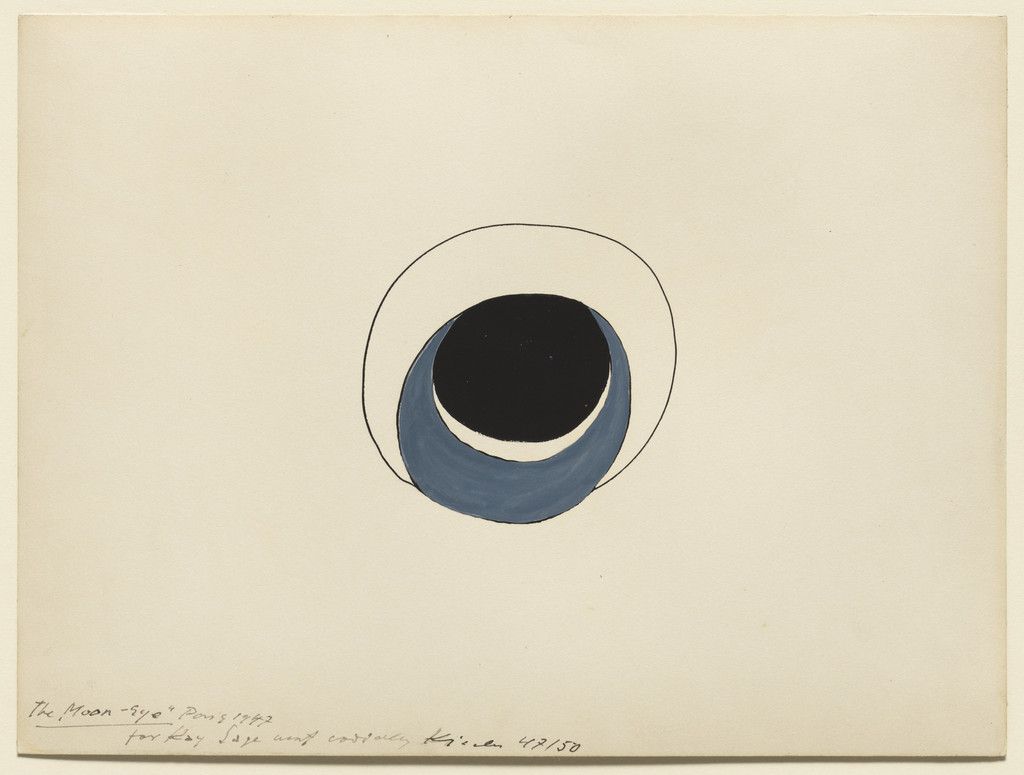
The Moon-Eye
Frederick Kiesler
1947
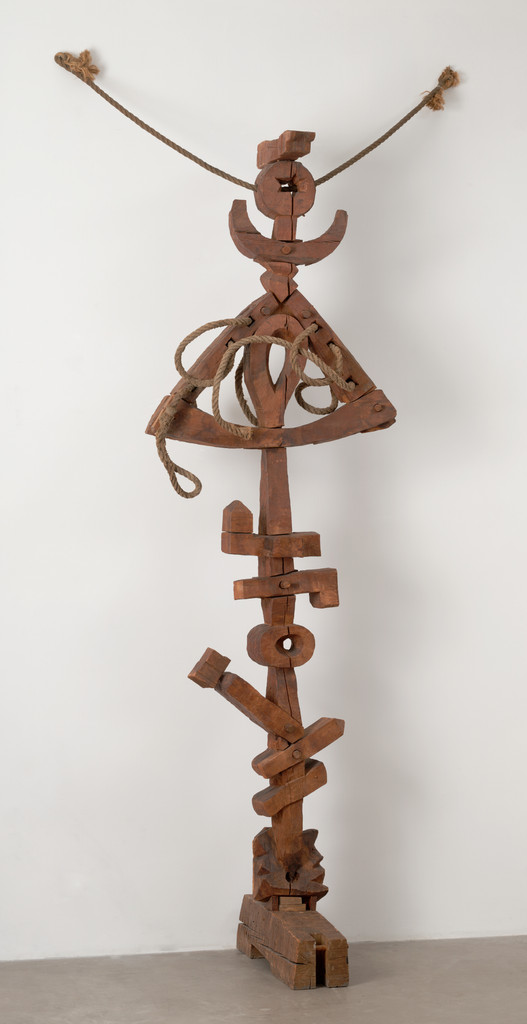
Totem for All Religions
Frederick Kiesler
1947
Exhibitions
30 exhibitionsFeb 09, 1932 – Mar 23, 1932
Modern Architecture: International Exhibition
67 artists · 1 curator
Mar 02, 1936 – Apr 19, 1936
Cubism and Abstract Art
113 artists · 1 curator
Jul 11, 1950 – Sep 05, 1950
Three Modern Styles
94 artists
Apr 09, 1952 – Jul 27, 1952
15 Americans
15 artists · 1 curator
Aug 26, 1952 – Oct 13, 1952
Two Houses: New Ways to Build
2 artists · 1 curator
Dec 16, 1952 – Feb 15, 1953
De Stijl
38 artists · 2 curators
Dec 22, 1953 – Feb 28, 1954
Recent Acquisitions, 19461953: Department of Architecture and Design
44 artists
Sep 29, 1960 – Dec 04, 1960
Visionary Architecture
17 artists · 1 curator
Aug 06, 1963 – Sep 29, 1963
60 Modern Drawings: Recent Acquisitions
45 artists · 1 curator
Sep 17, 1965 – Dec 14, 1965
Recent Acquisitions: Kay Sage Tanguy Bequest
12 artists · 1 curator
Dec 31, 1965 – Mar 20, 1966
Frederick J. Kiesler
1 artist
Apr 06, 1966 – Jun 12, 1966
Recent Acquisitions: Painting and Sculpture
70 artists · 2 curators
Oct 31, 1966 – May 08, 1967
Drawings from the Museum Collection
53 artists
Jun 26, 1967 – Nov 22, 1967
Drawings: Recent Acquisitions
45 artists
Jan 25, 1968 – Mar 10, 1968
Word and Image: Posters and Typography from the Graphic Design Collection of the Museum of Modern Art, 18791967
197 artists · 1 curator
Mar 27, 1968 – Jun 09, 1968
Dada, Surrealism and their Heritage
94 artists · 1 curator
Sep 25, 1968 – Nov 11, 1968
Architecture of Museums
37 artists · 1 curator
May 28, 1969 – Sep 01, 1969
Twentieth-Century Art from the Nelson Aldrich Rockefeller Collection
119 artists · 1 curator
Dec 24, 1969 – Mar 01, 1970
American Drawings and Watercolors: A Selection from the Collection
40 artists · 1 curator
May 23, 1970 – Aug 31, 1970
Preliminary Drawings
27 artists · 1 curator
Jun 05, 1970 – Sep 13, 1970
Recent Acquisitions V
24 artists · 1 curator
Mar 13, 1971 – Apr 26, 1971
Recent Acquisitions: 20th-Century Pioneers
5 artists · 1 curator
May 11, 1971 – Oct 19, 1971
A Selection of Drawings and Watercolors from the Museum Collection
58 artists · 1 curator
Jul 28, 1971 – Nov 01, 1971
Ways of Looking
132 artists · 1 curator
Sep 22, 1972 – Oct 29, 1972
Sculpture from the Collection
13 artists · 1 curator
Jun 13, 1974 – Sep 08, 1974
Seurat to Matisse: Drawing in France
79 artists · 1 curator
Jul 10, 1978 – Oct 03, 1978
Artists and Writers
62 artists · 1 curator
Mar 05, 1979 – May 29, 1979
The Stage Show
27 artists · 1 curator
May 18, 1979 – Jun 06, 1979
Thirty Sculptors' Drawings
29 artists · 1 curator
Nov 25, 1985 – Apr 15, 1986
Large Drawings
28 artists · 1 curator