
“Bad as it is, the world is potentially full of good photographs. But to be good, photographs have to be full of the world.” — Dorothea Lange and Daniel Dixon
In early March, 1936, Dorothea Lange drove past a sign reading, “PEA-PICKERS CAMP,” in Nipomo, California. At the time, she was working as a photographer for the Resettlement Administration (RA), a Depression-era government agency formed to raise public awareness of and provide aid to struggling farmers. Twenty miles down the road, Lange reconsidered and turned back to the camp, where she encountered a mother and her children. “I saw and approached the hungry and desperate mother, as if drawn by a magnet,” she later recalled. “She said that they had been living on frozen vegetables from the surrounding field and birds that the children killed.” Lange took seven exposures of the woman, 32-year-old Florence Owens Thompson, with various combinations of her seven children. One of these exposures, with its tight focus on Thompson’s face, transformed her into a Madonna-like figure and became an icon of the Great Depression and one of the most famous photographs in history. This image was first exhibited at The Museum of Modern Art in 1940, under the title Pea Picker Family, California; by 1966, when the Museum held a retrospective of Lange’s work, it had acquired its current title, Migrant Mother, Nipomo, California. Lange had little interest in classifying her photographs as art: she made them to effect social change. Although she had led a successful career as a portrait photographer in San Francisco throughout the 1920s, by 1933, at the height of the Great Depression, she began to photograph life outside her studio. On one early excursion, Graflex camera in tow, she visited a nearby breadline, which a woman known as the “White Angel” had set up to feed the legions of unemployed. This resulted in White Angel Bread Line, San Francisco, a photograph of a man turned away from the hungry crowd, his interlaced hands and set jaw often taken as representative of a collective despair. Lange became increasingly confident in her ability to use photography to confront the urgent circumstances around her, and others—including her future husband, the agricultural economist Paul Taylor—soon recognized her talent. In early 1935, on Taylor’s recommendation, Lange began to work for the California State Emergency Relief Administration. That summer, the agency was transferred to the RA, which had recently begun a photodocumentary project to draw attention to the plight of the rural poor. (In 1937, the RA would become the Farm Security Administration, or FSA.) Lange worked for the FSA periodically between 1935 and 1939, primarily traveling around California, the Southwest, and the South to document the hardships of migrant farmers who had been driven west by the twin devastations of the Great Depression and the Dust Bowl. On March 10, 1936, two of Lange’s photographs of the Nipomo pea pickers’ camp were published in The San Francisco News under the headline “Ragged, Hungry, Broke, Harvest Workers Live in Squallor [sic].” The photograph that became known as Migrant Mother was published in the paper the following day, on March 11, accompanying the editorial “What Does the ‘New Deal’ Mean To This Mother and Her Children?” The same day, the Los Angeles Times reported that the State Relief Administration would deliver food rations to 2,000 itinerant fruit pickers in Nipomo the next day. Lange’s commitment to social justice and her faith in the power of photography remained constant throughout her life. In 1942, with the United States recently entered into World War II, the government’s War Relocation Authority assigned her to document the wartime incarceration of Japanese Americans, a policy she strongly opposed. She made critical images, which the government suppressed for the duration of the war. Later, Lange accompanied Taylor to Asia, where she continued to take photographs, including ones of the legs, feet, and hands of dancers in Indonesia; she also traveled to Ireland for LIFE magazine. In an essay written with her son in 1952, Lange critiqued contemporary photography as being “in a state of flight,” seduced by the “spectacular,” “frenzied,” and “unique” at the expense of the “familiar” and “intimate.” It had become, she wrote, “more concerned with illusion than reality. It does not reflect but contrives. It lives in a world of its own.” Against this trend, she urged photographers to reconnect with the world—a call reflective of her own ethos and working method, which coupled an attention to aesthetics with a central concern for the documentary. “That the familiar world is often unsatisfactory cannot be denied, but it is not, for all that, one that we need abandon,” she argued. “We need not be seduced into evasion of it any more than we need be appalled by it into silence.… Bad as it is, the world is potentially full of good photographs. But to be good, photographs have to be full of the world.”
Natalie Dupêcher, independent scholar, 2018
Works in Collection
308 works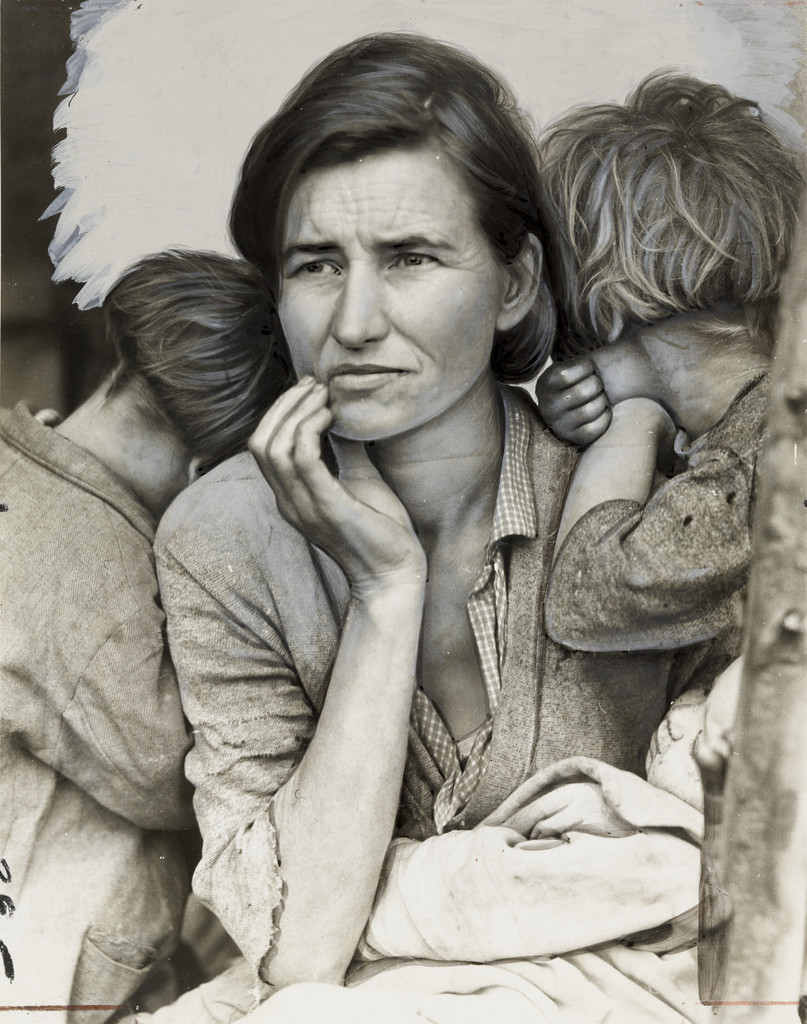
"A Destitute Mother: The Type Aided by the WPA"
Dorothea Lange
March 1936
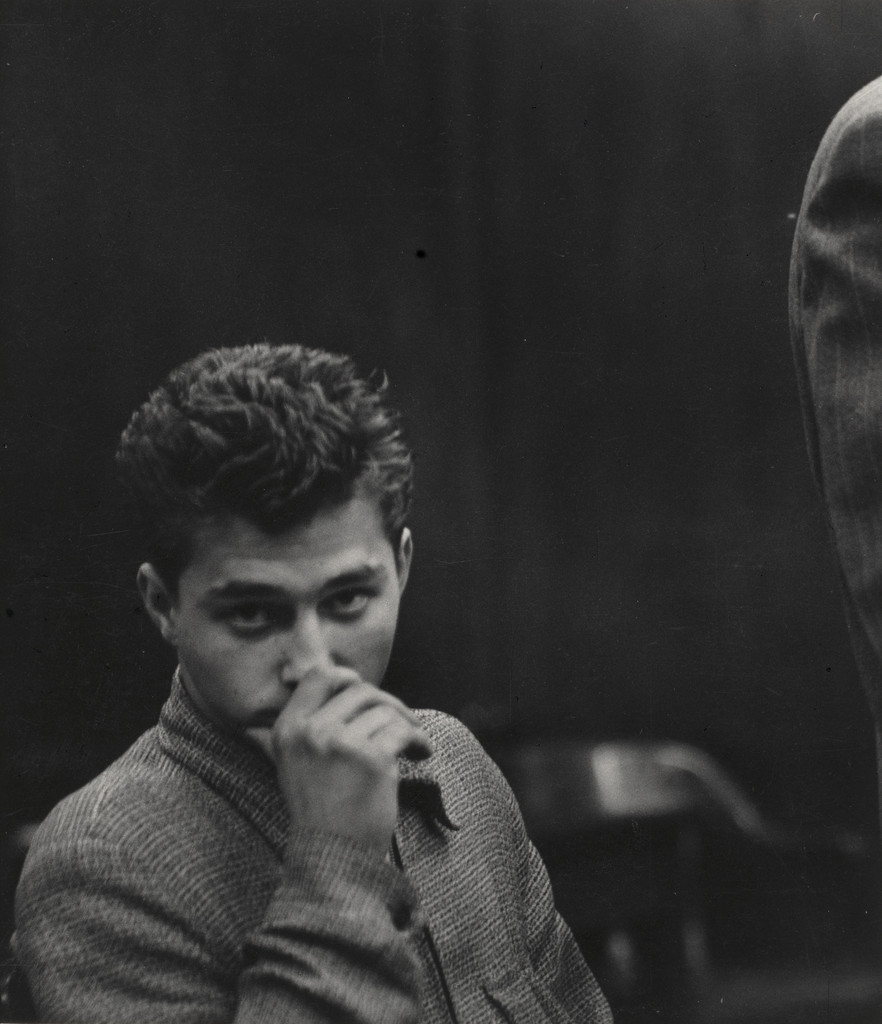
"Guilty, Your Honor," Alameda County Courthouse, California
Dorothea Lange
1955-57
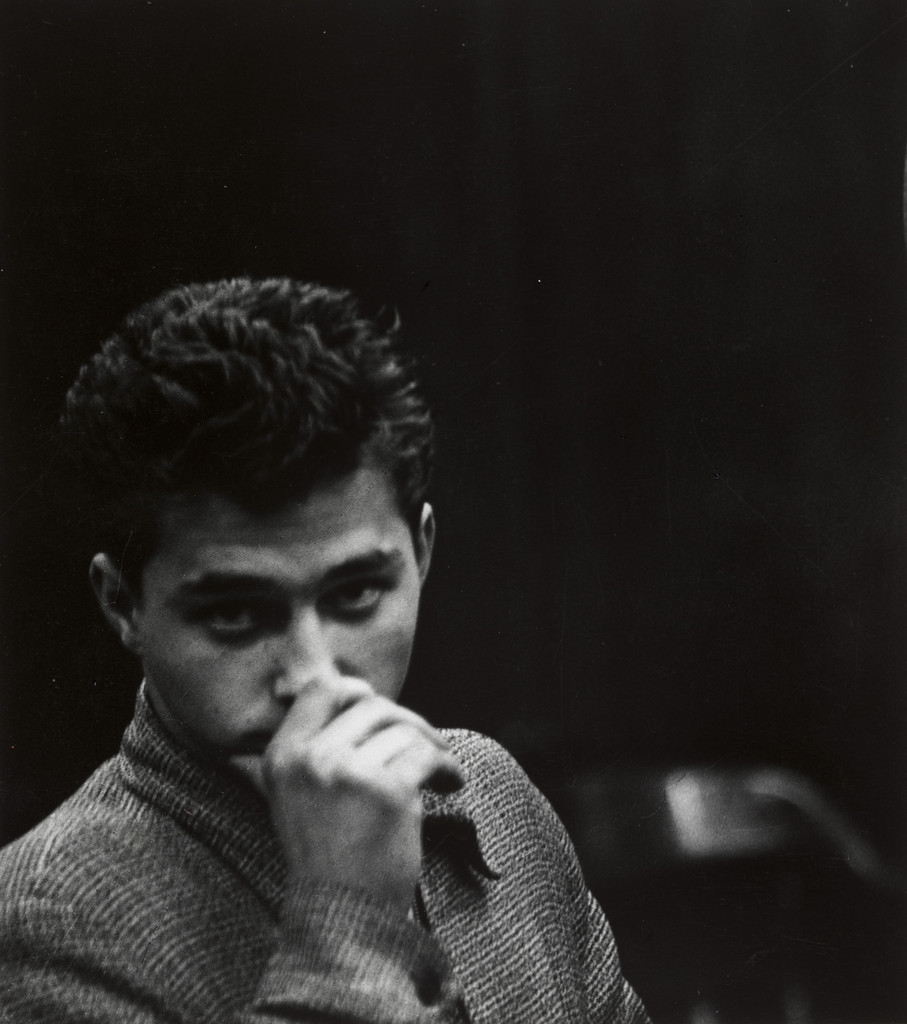
"Guilty, Your Honor," Alameda County Courthouse, California
Dorothea Lange
1957
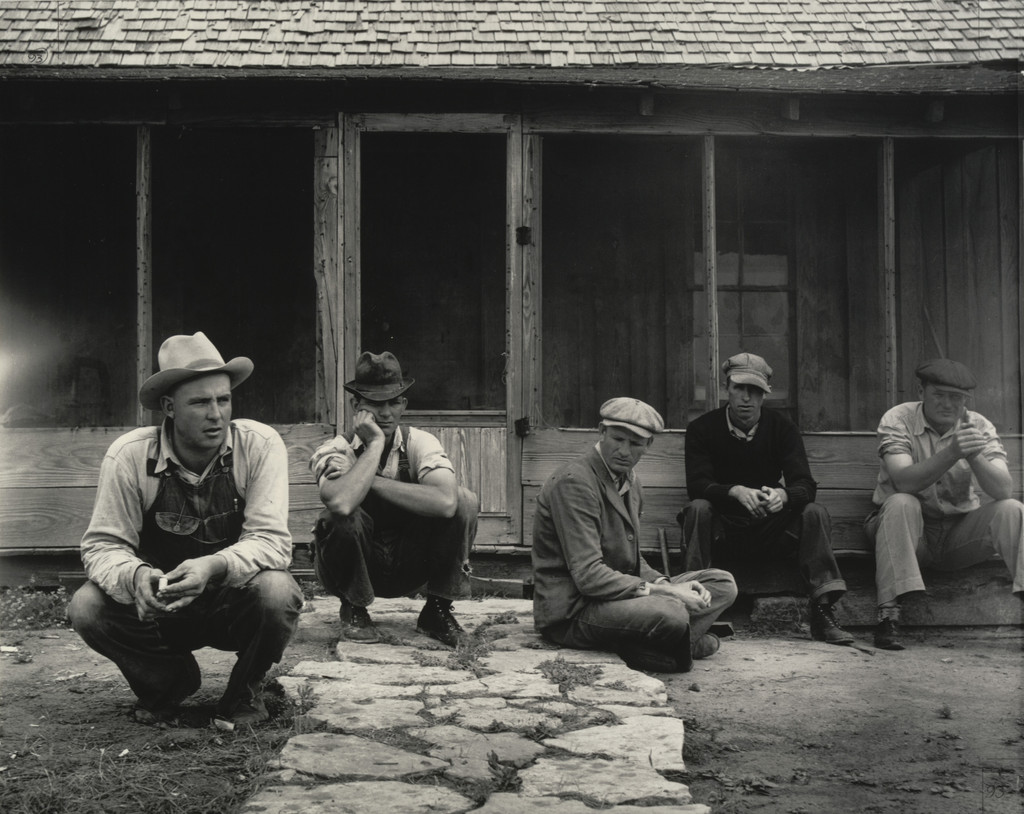
A Half-Hour Later, Hardeman County, Texas
Dorothea Lange
1937
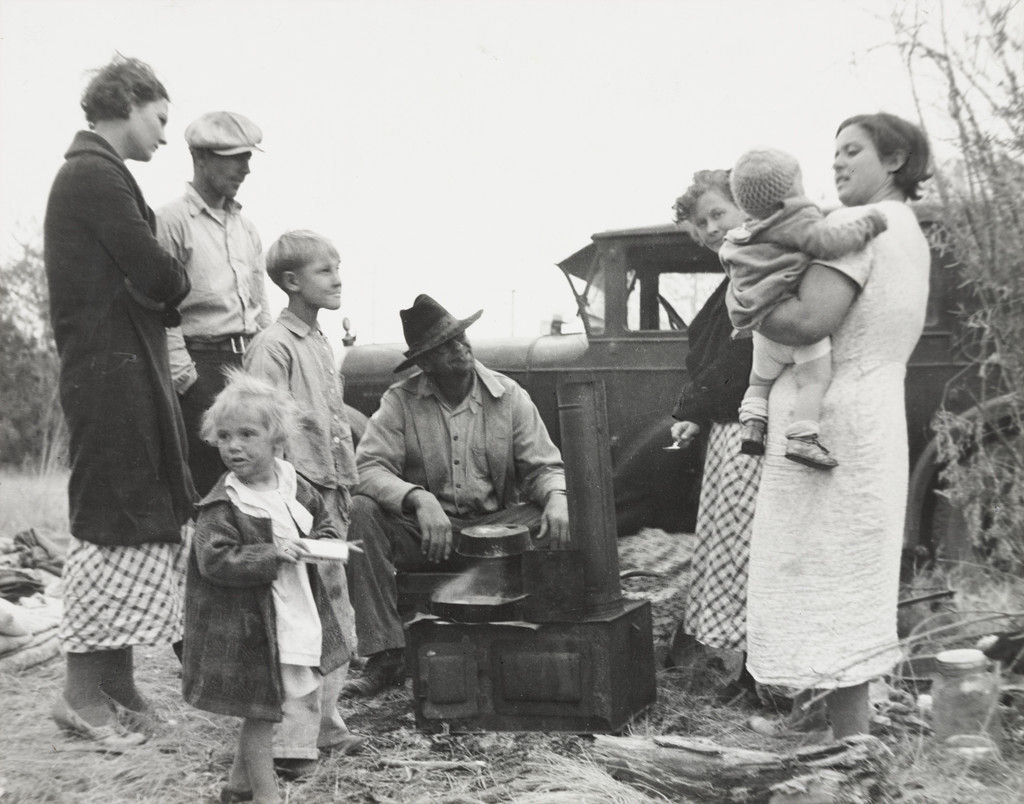
Along the Highway near Bakersfield, California
Dorothea Lange
November 1935
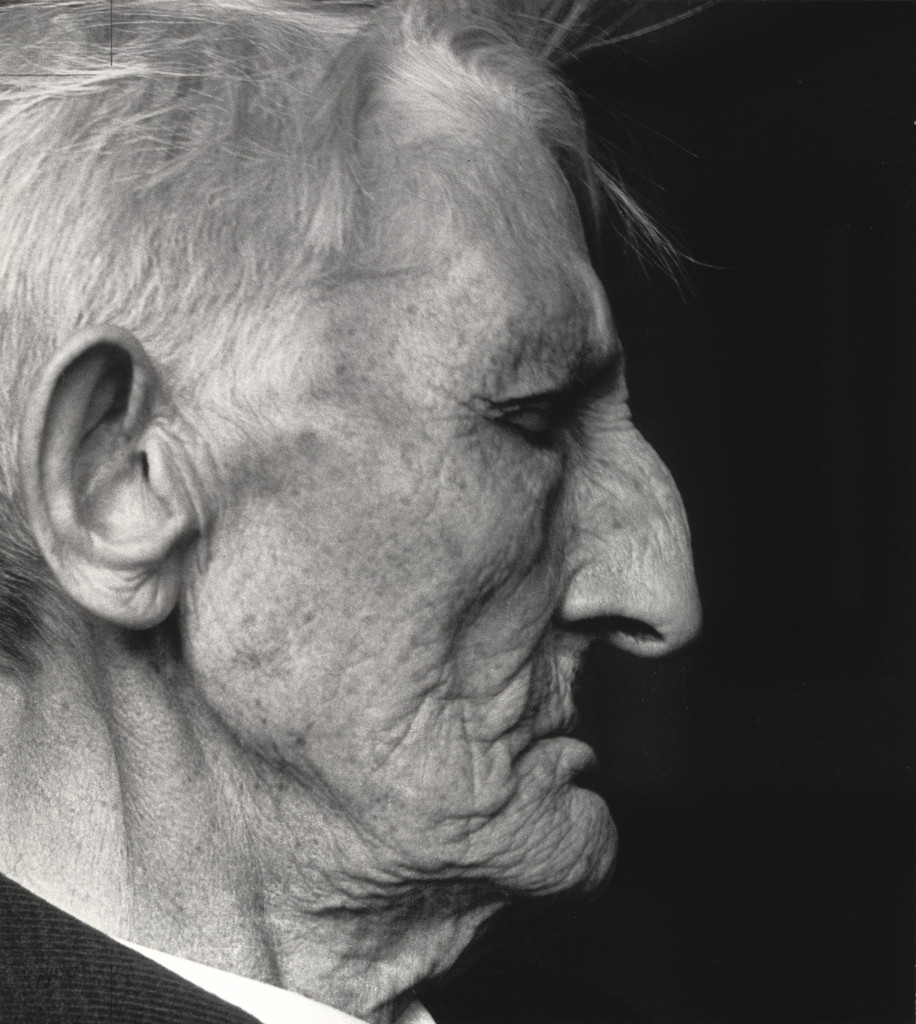
Andrew Furuseth, San Francisco
Dorothea Lange
1934
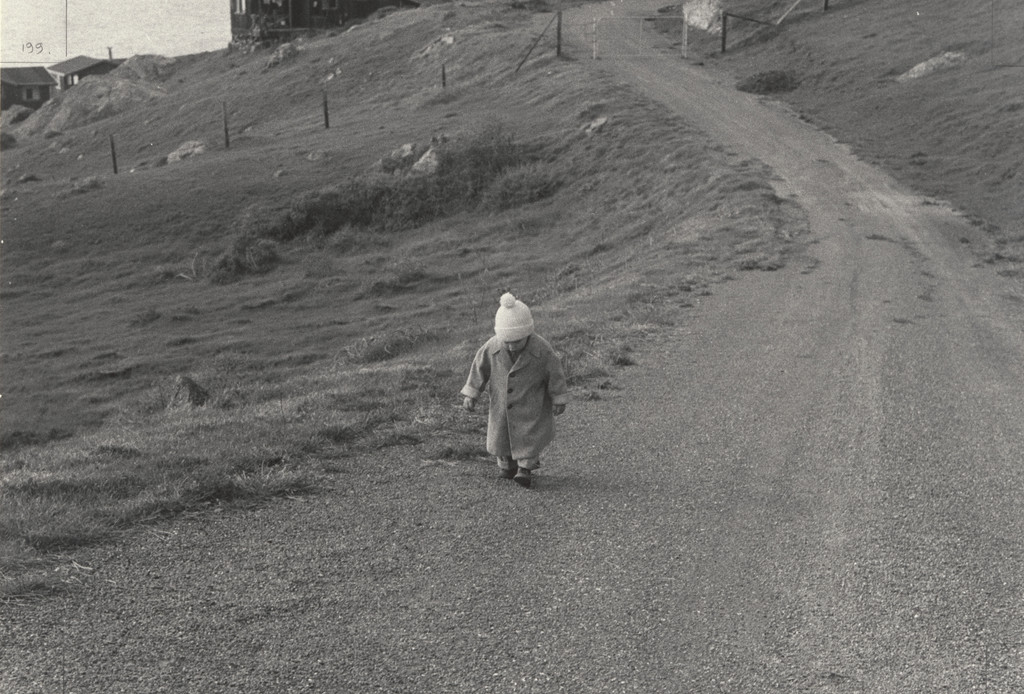
Andrew at Steep Ravine, Marin County, California
Dorothea Lange
1957
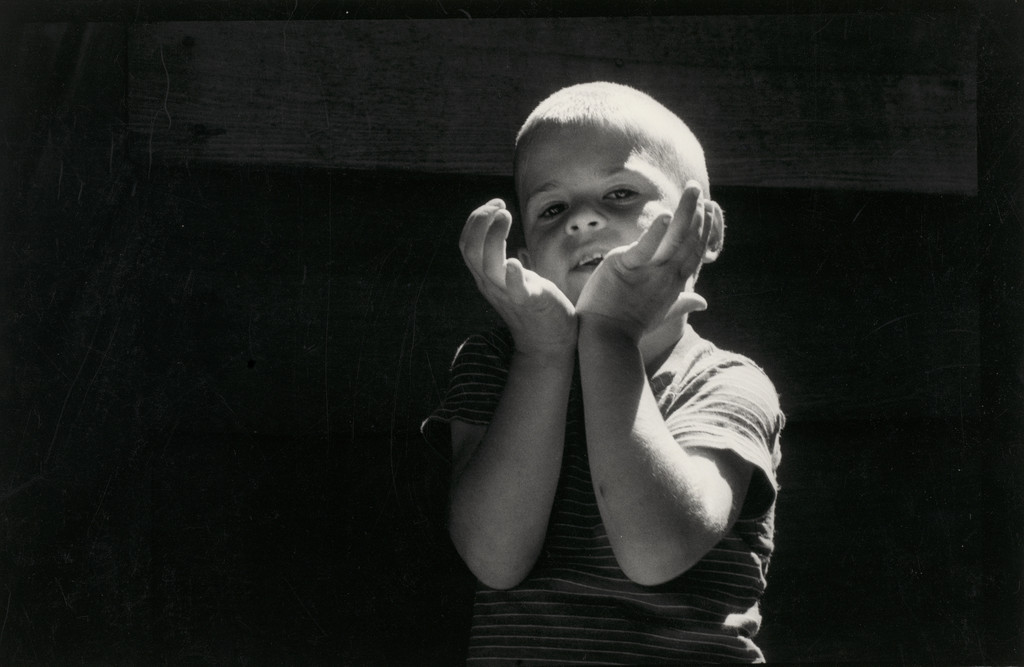
Andrew, Berkeley
Dorothea Lange
1959
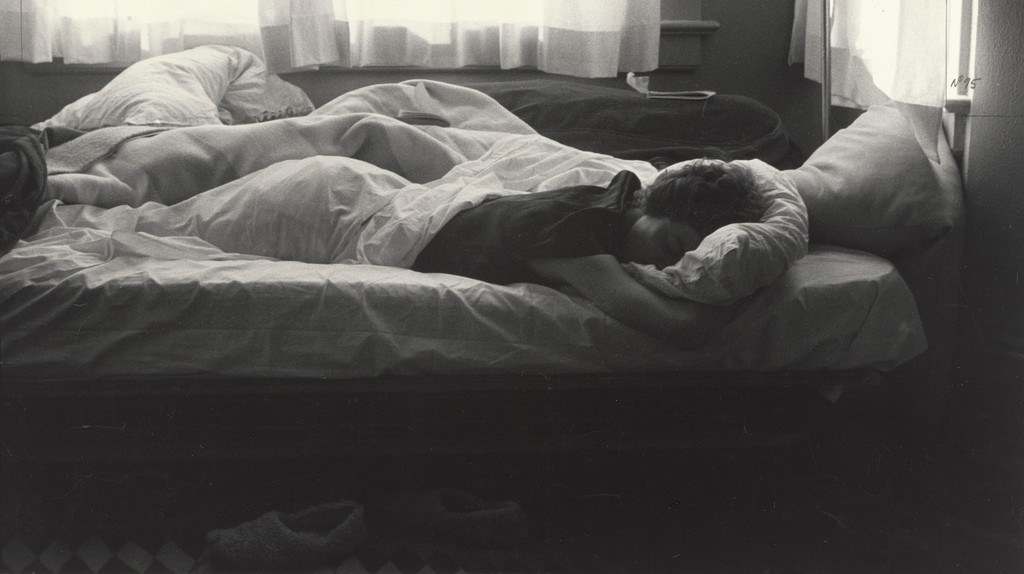
Apartment House Dweller, Bay Area, California
Dorothea Lange
1957
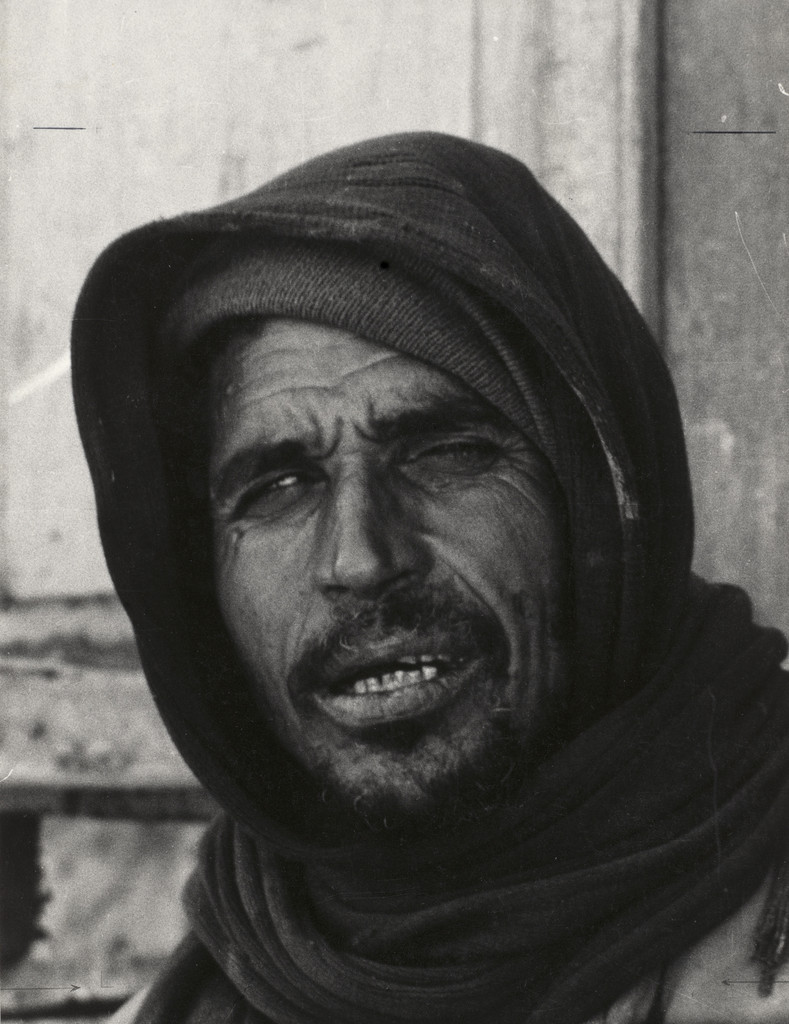
Arab, Egypt
Dorothea Lange
1963
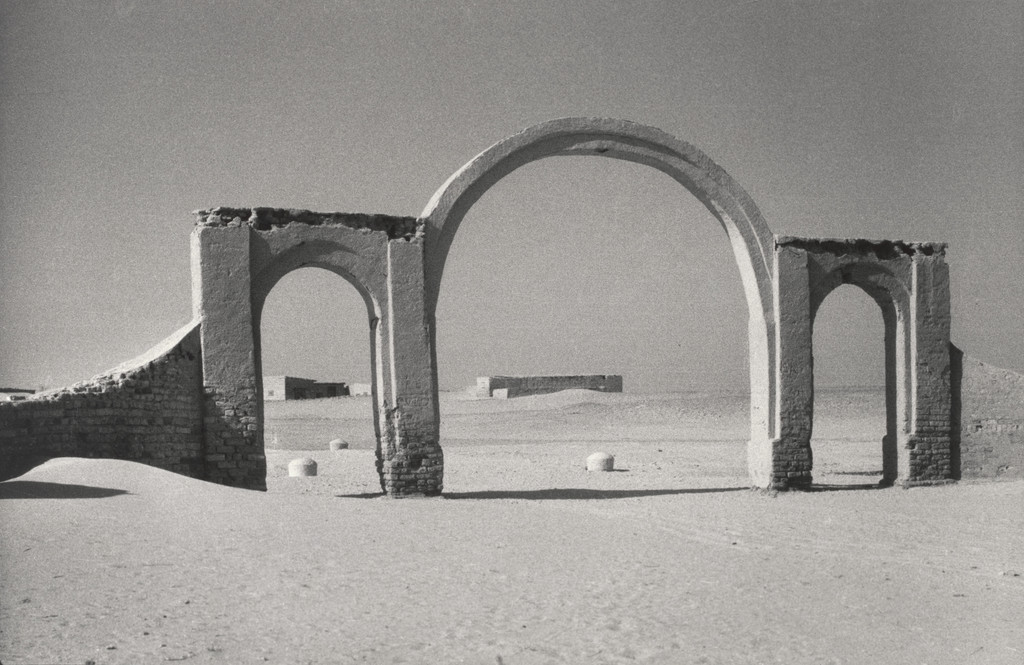
Arches, Egypt
Dorothea Lange
1963
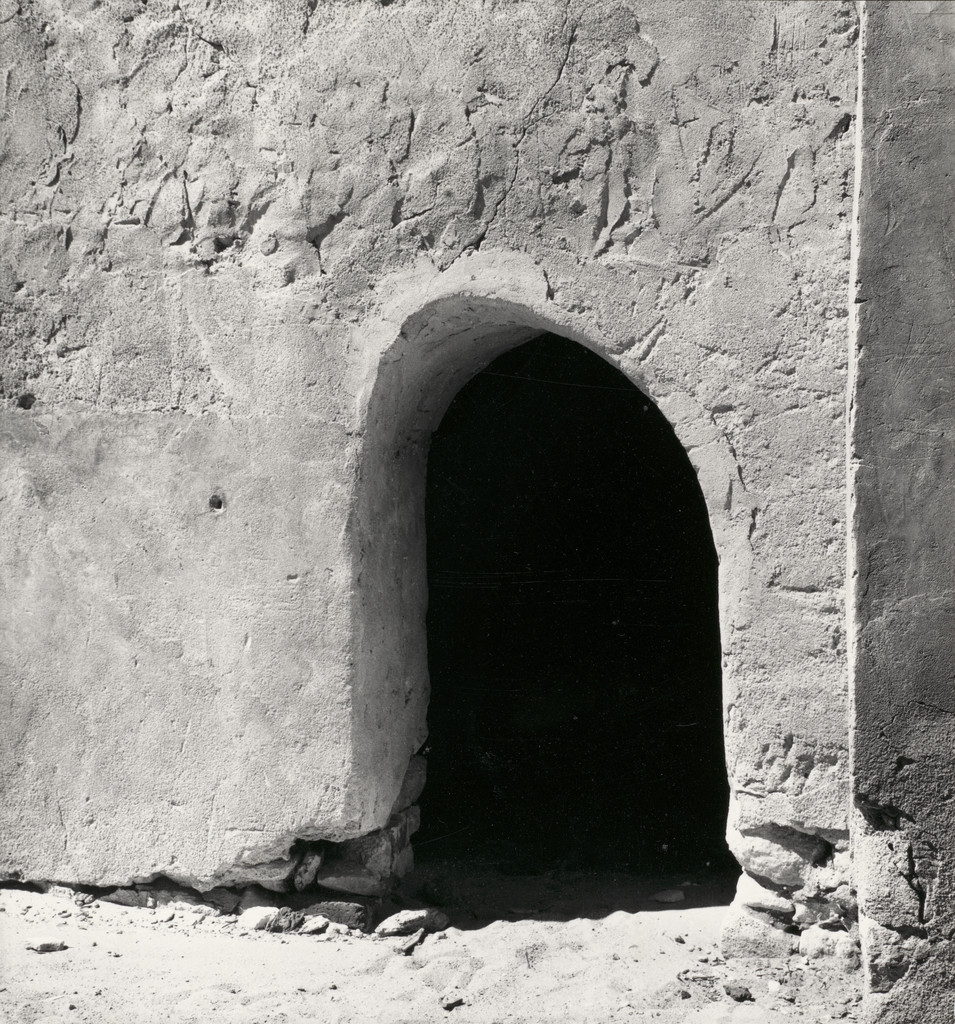
Architectural Detail, Upper Egypt
Dorothea Lange
1963
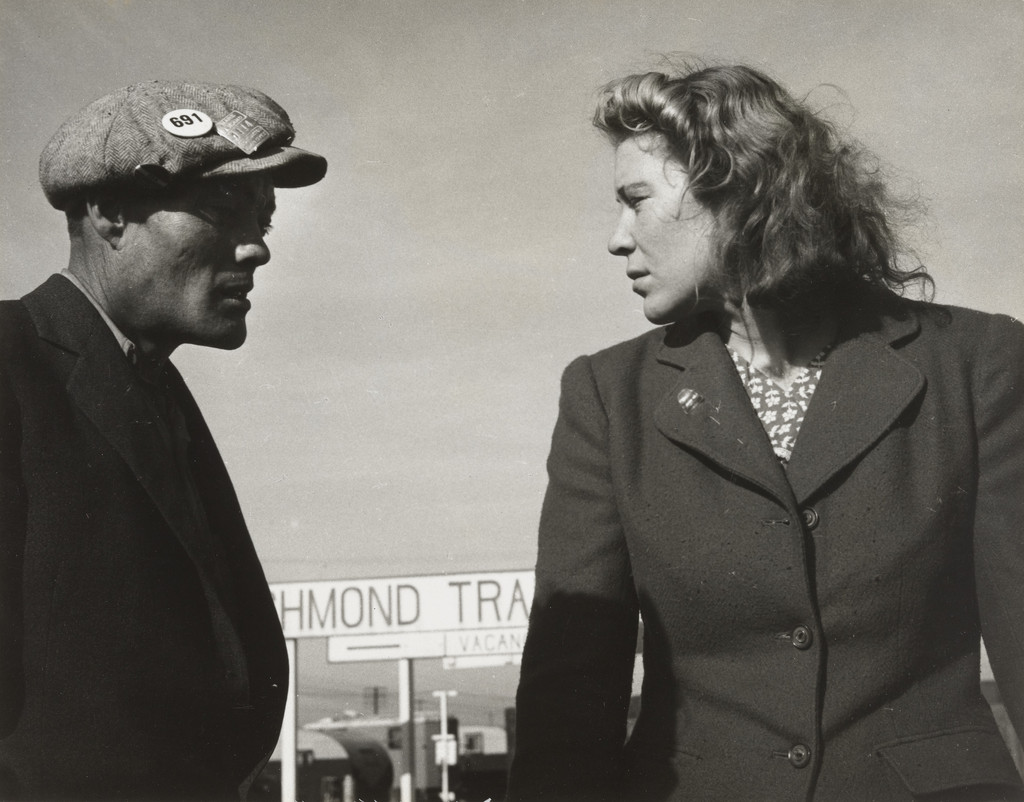
Argument in Trailer Court
Dorothea Lange
1944
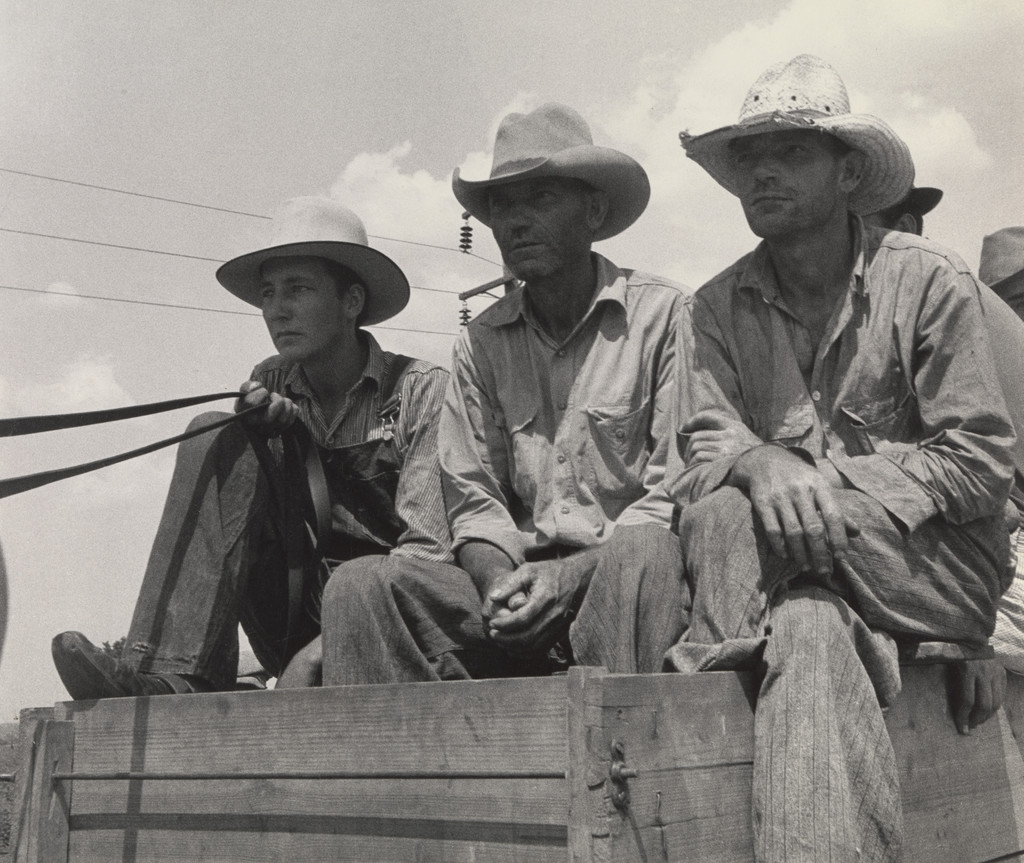
Arkansas Sharecroppers
Dorothea Lange
1936-37
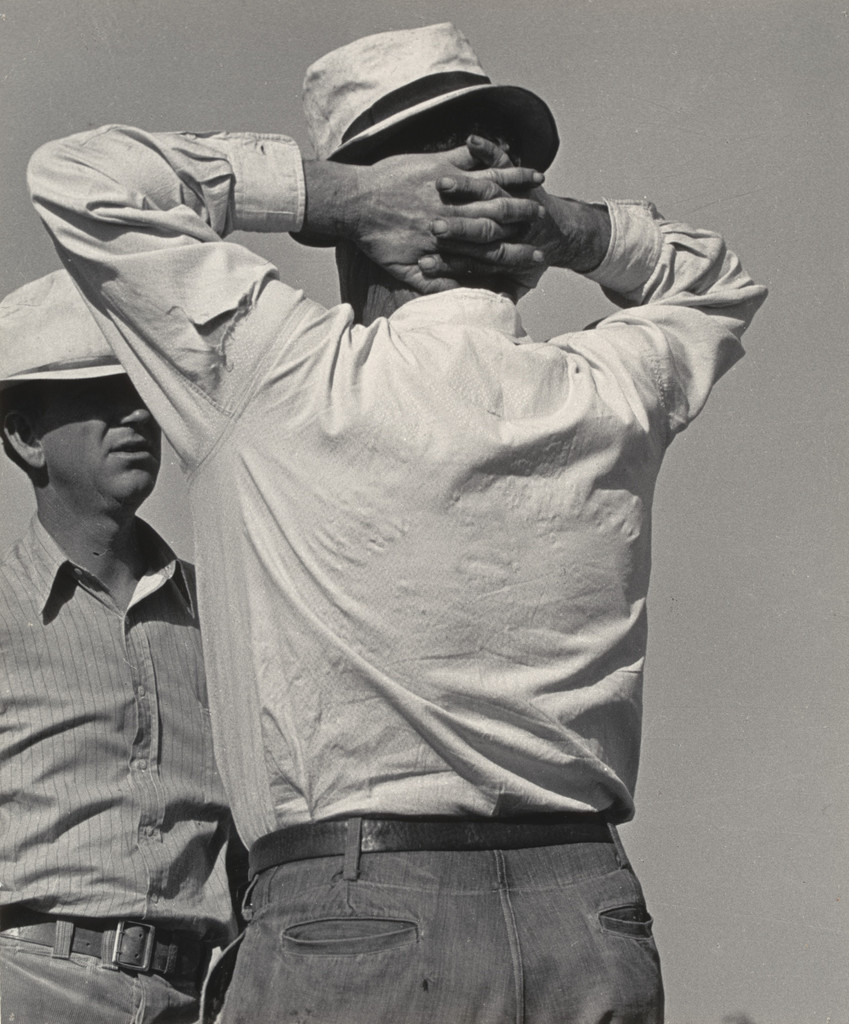
Back
Dorothea Lange
1938
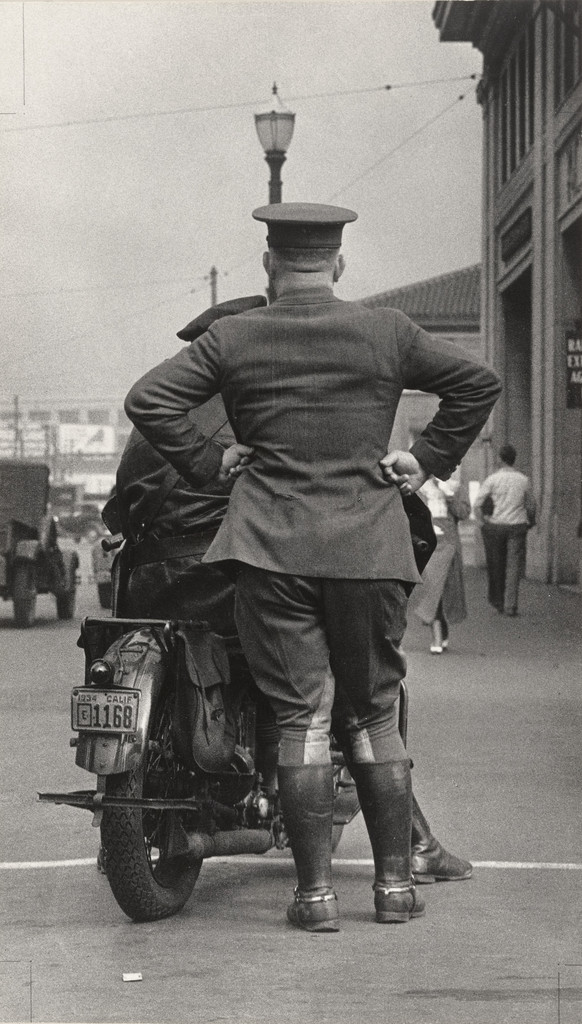
Back
Dorothea Lange
1934
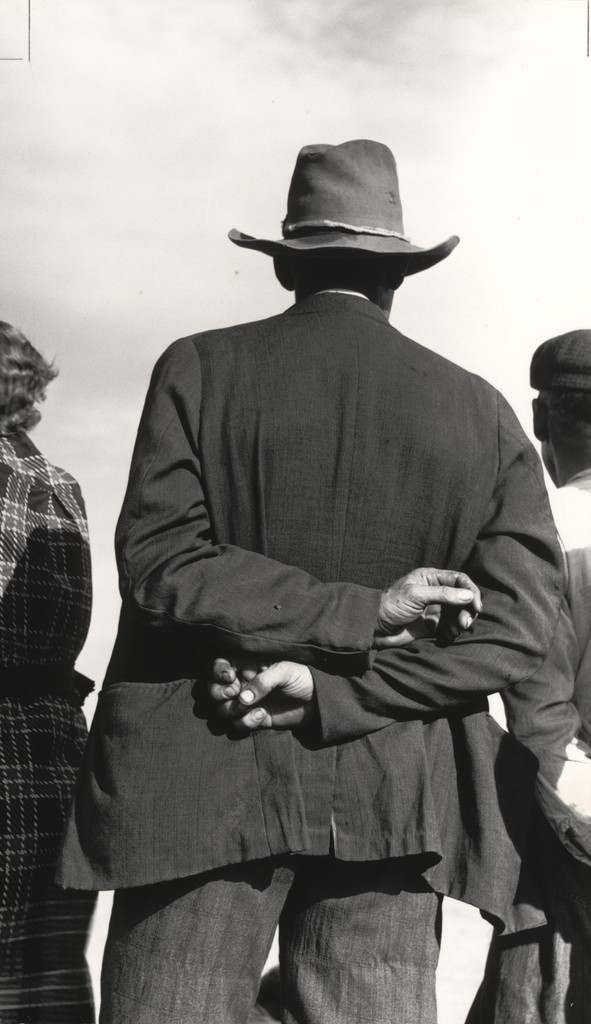
Back
Dorothea Lange
1935
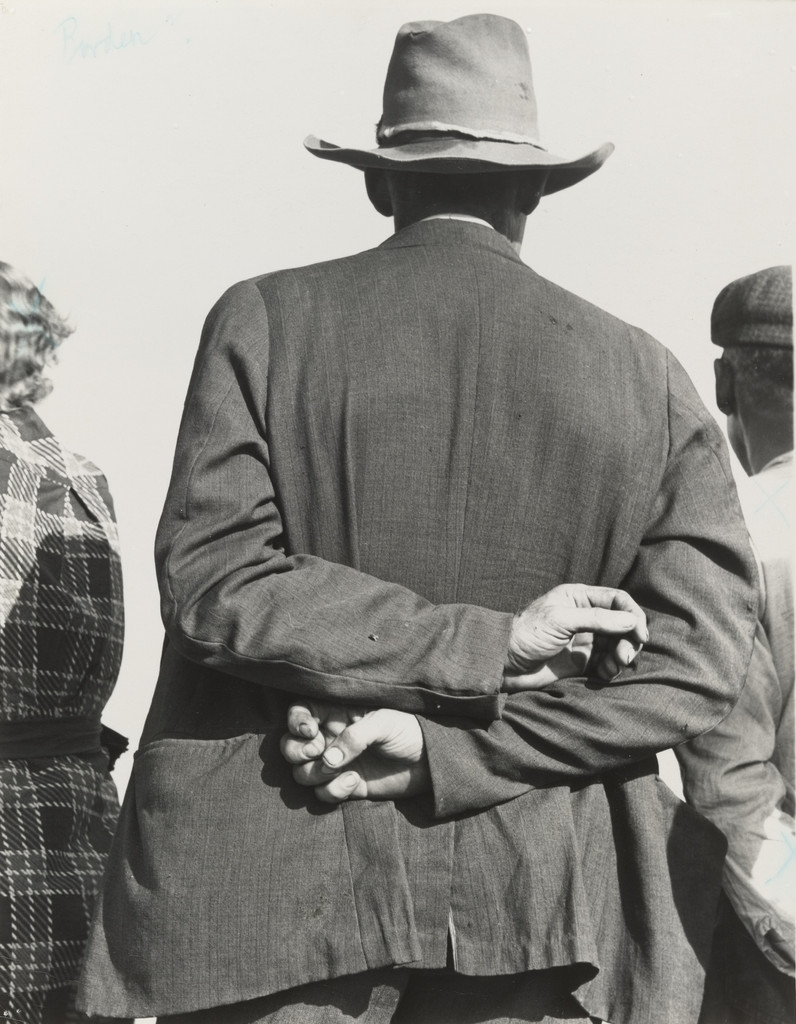
Back
Dorothea Lange
1935
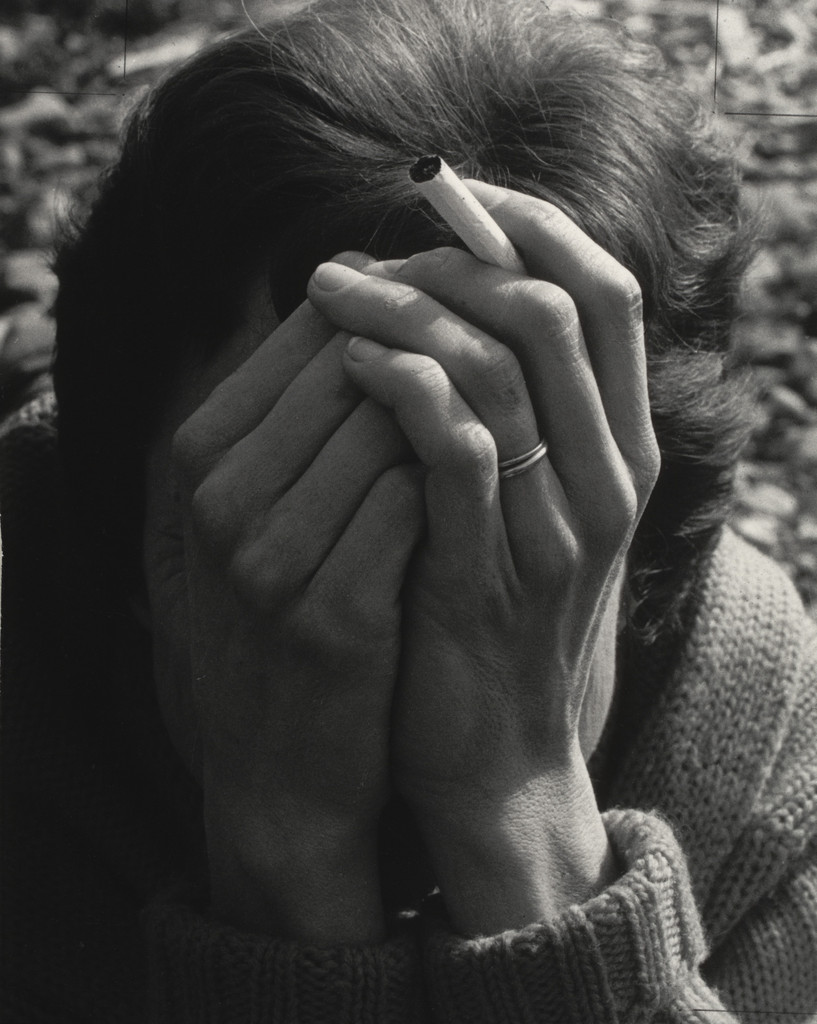
Bad Trouble over the Weekend
Dorothea Lange
1964
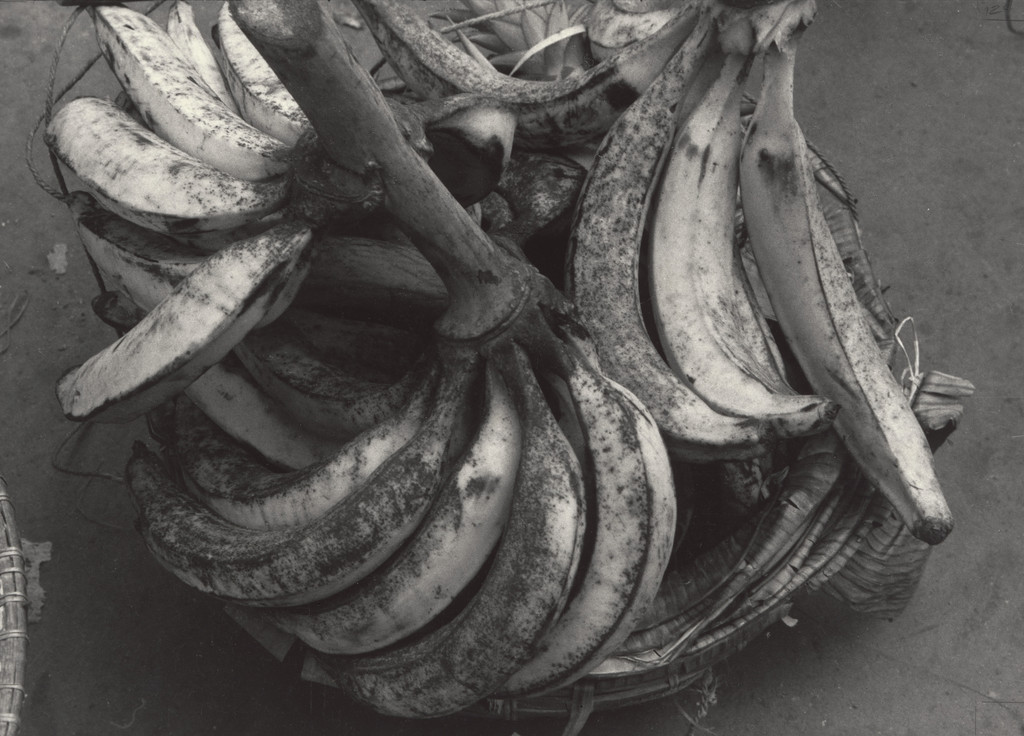
Bananas, Indonesia
Dorothea Lange
1958
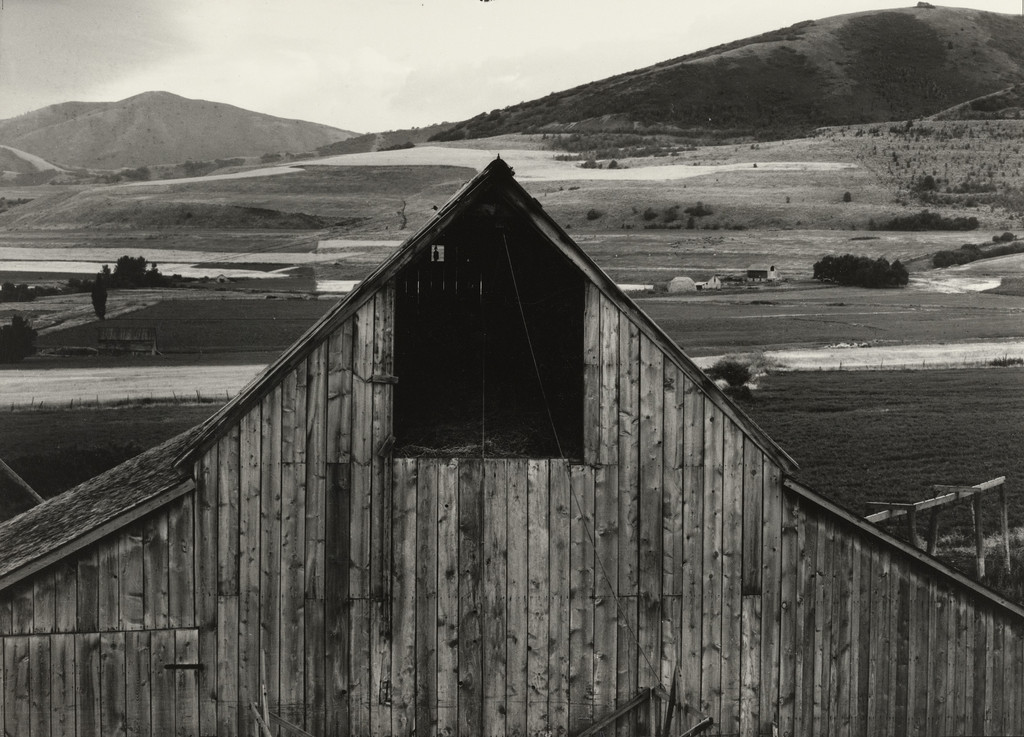
Barn, Utah
Dorothea Lange
1941
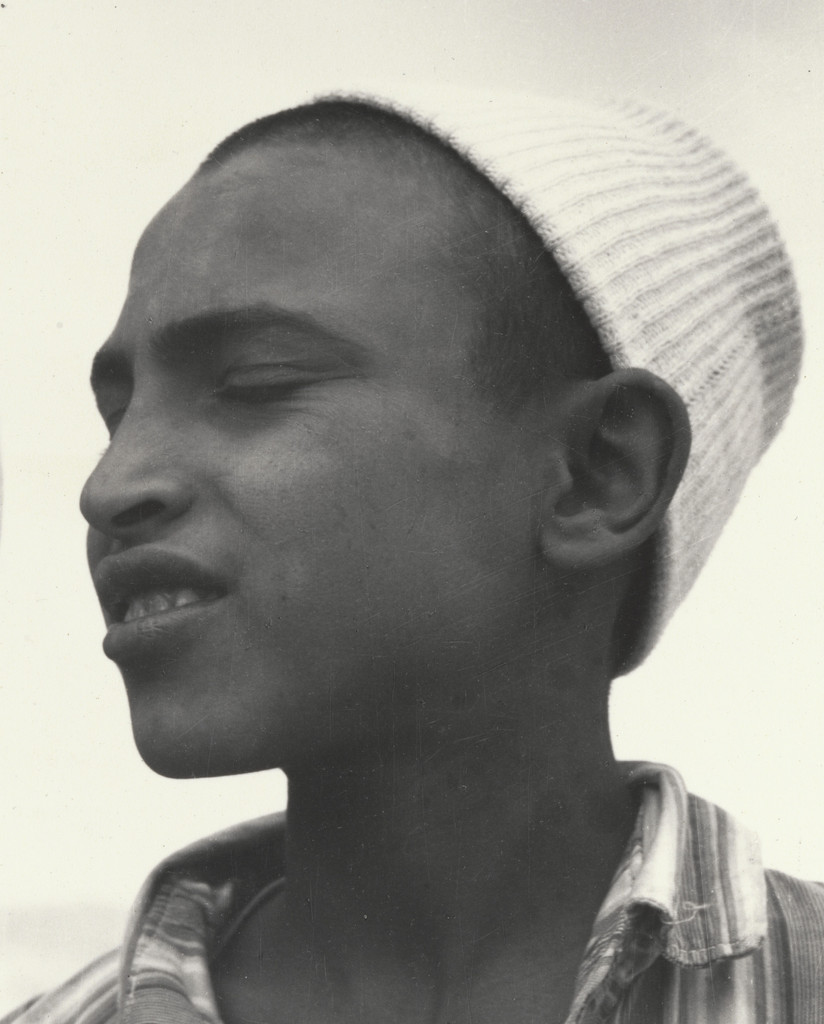
Bedouin Camp, Egypt
Dorothea Lange
1963
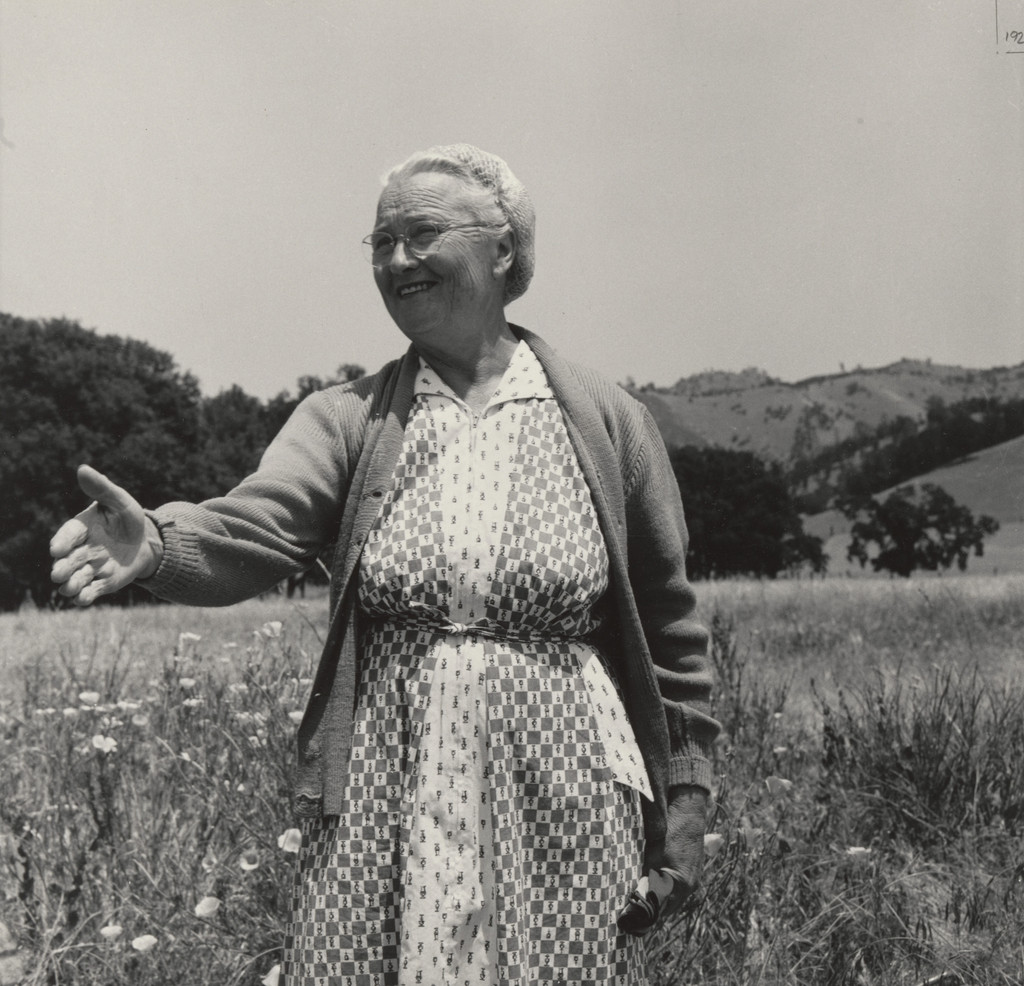
Berryessa Valley, Napa County, California
Dorothea Lange
1956
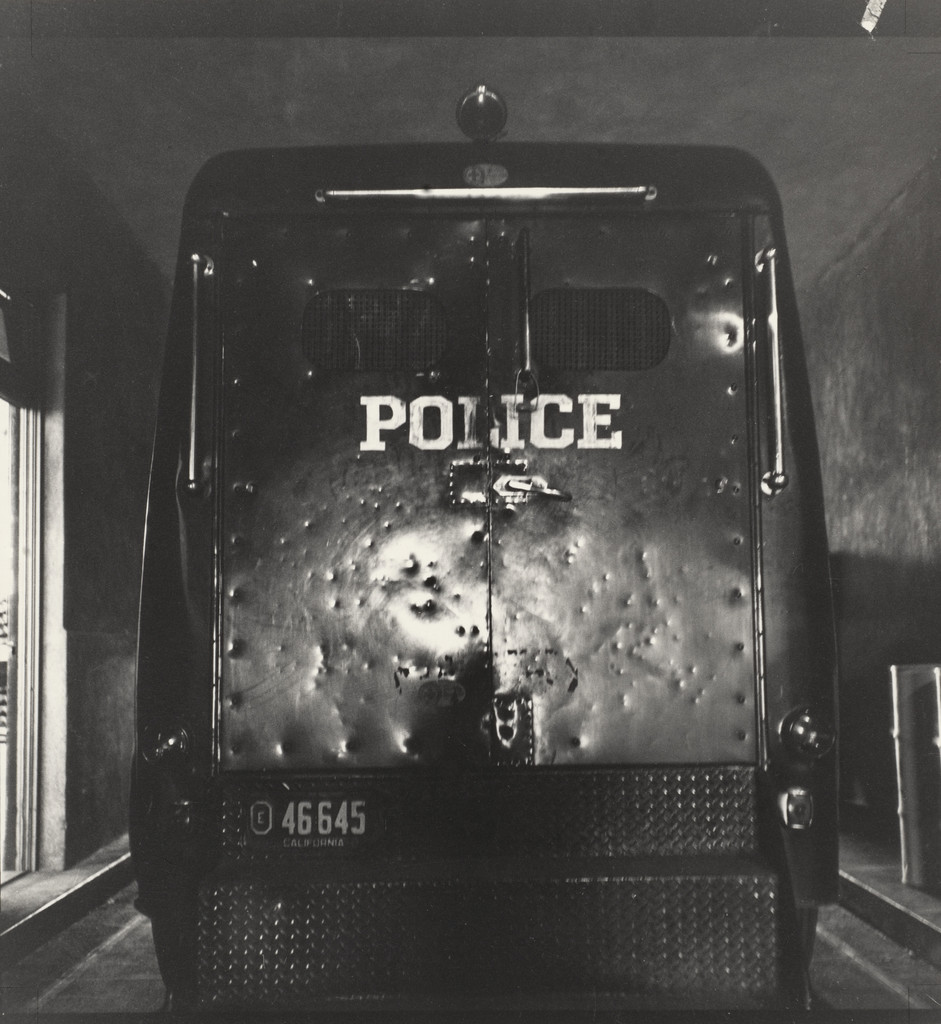
Black Maria, Oakland
Dorothea Lange
1955-57
Exhibitions
29 exhibitionsMay 24, 1938 – Jul 31, 1938
Three Centuries of American Art
247 artists · 7 curators
Dec 31, 1940 – Jan 12, 1941
Sixty Photographs: A Survey of Camera Esthetics
30 artists · 2 curators
Jan 13, 1942 – Feb 25, 1942
New Acquisitions: Photographs
13 artists
May 21, 1942 – Oct 04, 1942
Road to Victory
13 artists
Nov 04, 1943 – Dec 07, 1943
Portraits
38 artists
May 24, 1944 – Sep 17, 1944
Photography
63 artists · 1 curator
Jun 20, 1945 – Jun 23, 1946
The Museum Collection of Photographs
25 artists
Jul 27, 1948 – Sep 26, 1948
50 Photographs by 50 Photographers
50 artists · 1 curator
Feb 08, 1949 – May 01, 1949
The Exact Instant
200 artists · 2 curators
Oct 11, 1949 – Nov 15, 1949
Photographs by Margaret Bourke-White, Helen Levitt, Dorothea Lange, Tana Hoban, Esther Bubley, and Hazel-Frieda Larsen
6 artists · 1 curator
Aug 05, 1952 – Aug 18, 1952
Then and Now
54 artists · 1 curator
Nov 25, 1952 – Mar 08, 1953
Diogenes with a Camera II
6 artists
Jan 24, 1955 – May 08, 1955
The Family of Man
251 artists · 2 curators
Nov 26, 1958 – Jan 18, 1959
Photographs from the Museum Collection
273 artists · 1 curator
Nov 18, 1959 – Nov 29, 1959
30th Anniversary Special Installation - Towards the "New" Museum
140 artists
Apr 03, 1962 – May 15, 1962
50 Photographs by 50 Photographers
50 artists · 1 curator
Oct 18, 1962 – Nov 25, 1962
The Bitter Years: 19351941
13 artists · 2 curators
May 27, 1964
Edward Steichen Photography Center
130 artists · 1 curator
May 27, 1964 – Aug 23, 1964
The Photographer's Eye
105 artists · 1 curator
Mar 16, 1965 – May 16, 1965
The Photo Essay
67 artists · 2 curators
Jan 26, 1966 – Apr 10, 1966
Dorothea Lange
1 artist · 1 curator
Oct 25, 1967
Steichen Gallery Reinstallation
77 artists
Jul 01, 1971 – Sep 27, 1971
The Artist as Adversary
140 artists · 1 curator
Sep 07, 1971 – Nov 30, 1971
Photographs of Women
33 artists · 1 curator
Sep 11, 1974 – Dec 01, 1974
Public Landscapes
23 artists · 1 curator
Dec 21, 1979
Edward Steichen Photography Center Reinstallation
102 artists · 1 curator
Oct 23, 1980
Reinstallation of the Collection
129 artists
Jul 09, 1981 – Oct 04, 1981
American Landscapes
40 artists · 1 curator
Dec 12, 1985 – Mar 11, 1986
Variants
20 artists · 1 curator