
“I...am working directly with light itself.” — Man Ray
“I have finally freed myself from the sticky medium of paint, and am working directly with light itself.” So enthused Man Ray (born Emmanuel Radnitzky) in 1922, shortly after his first experiments with camera-less photography. He remains well known for these images, commonly called photograms but which he dubbed “rayographs” in a punning combination of his own name and the word “photograph.” Man Ray’s artistic beginnings came some years earlier, in the Dada movement. Shaped by the trauma of World War I and the emergence of a modern media culture—epitomized by advancements in communication technologies like radio and cinema—Dada artists shared a profound disillusionment with traditional modes of art making and often turned instead to experimentations with chance and spontaneity. In The Rope Dancer Accompanies Herself with Her Shadows, Man Ray based the large, color-block composition on the random arrangement of scraps of colored paper scattered on the floor. The painting evinces a number of interests that the artist would carry into his photographic work: negative space and shadows; the partial surrender of compositional decisions to accident; and, in its precise, hard-edged application of unmodulated color, the removal of traces of the artist’s hand. In 1922, six months after he arrived in Paris from New York, Man Ray made his first rayographs. To make them, he placed objects, materials, and sometimes parts of his own or a model's body onto a sheet of photosensitized paper and exposed them to light, creating negative images. This process was not new—camera-less photographic images had been produced since the 1830s—and his experimentation with it roughly coincided with similar trials by Lázló Moholy-Nagy. But in his photograms, Man Ray embraced the possibilities for irrational combinations and chance arrangements of objects, emphasizing the abstraction of images made in this way. He published a selection of these rayographs—including one centered around a comb, another containing a spiral of cut paper, and a third with an architect’s French curve template on its side—in a portfolio titled Champs délicieux in December 1922, with an introduction written by the Dada leader Tristan Tzara. In 1923, with his film Le Retour à la raison (Return to Reason), he extended the rayograph technique to moving images. Around the same time, Man Ray’s experiments with photography carried him to the center of the emergent Surrealist movement in Paris. Led by André Breton, Surrealism sought to reveal the uncanny coursing beneath familiar appearances in daily life. Man Ray proved well suited to this in works like Anatomies, in which, through framing and angled light, he transformed a woman’s neck into an unfamiliar, phallic form. He contributed photographs to the three major Surrealist journals throughout the 1920s and 1930s, and also constructed Surrealist objects like Gift, in which he altered a domestic tool (an iron) into an instrument of potential violence, and Indestructible Object (or Object to Be Destroyed), a metronome with a photograph of an eye affixed to its swinging arm, which was destroyed and remade several times. Working across mediums and historical movements, Man Ray was an integral part of The Museum of Modern Art’s exhibition program early on. His photographs, paintings, drawings, sculptures, films, and even a chess set were included in three landmark early exhibitions: Cubism and Abstract Art (1936); Fantastic Art, Dada, Surrealism (1936–37), for which one of his rayographs served as the catalogue’s cover image; and Photography, 1839–1937 (1937). In 1941, the Museum expanded its collection of his work with a historic gift from James Thrall Soby, an author, collector, and critic (and MoMA trustee) who had, some eight years earlier, acquired an expansive group of Man Ray’s most important photographs directly from the artist. Within this group were 24 first-generation, direct, unique rayographs from the 1920s that speak to Man Ray’s ambition, as he wrote in 1921, to “make my photography automatic—to use my camera as I would a typewriter.”
Natalie Dupêcher, independent scholar, 2017
Works in Collection
187 works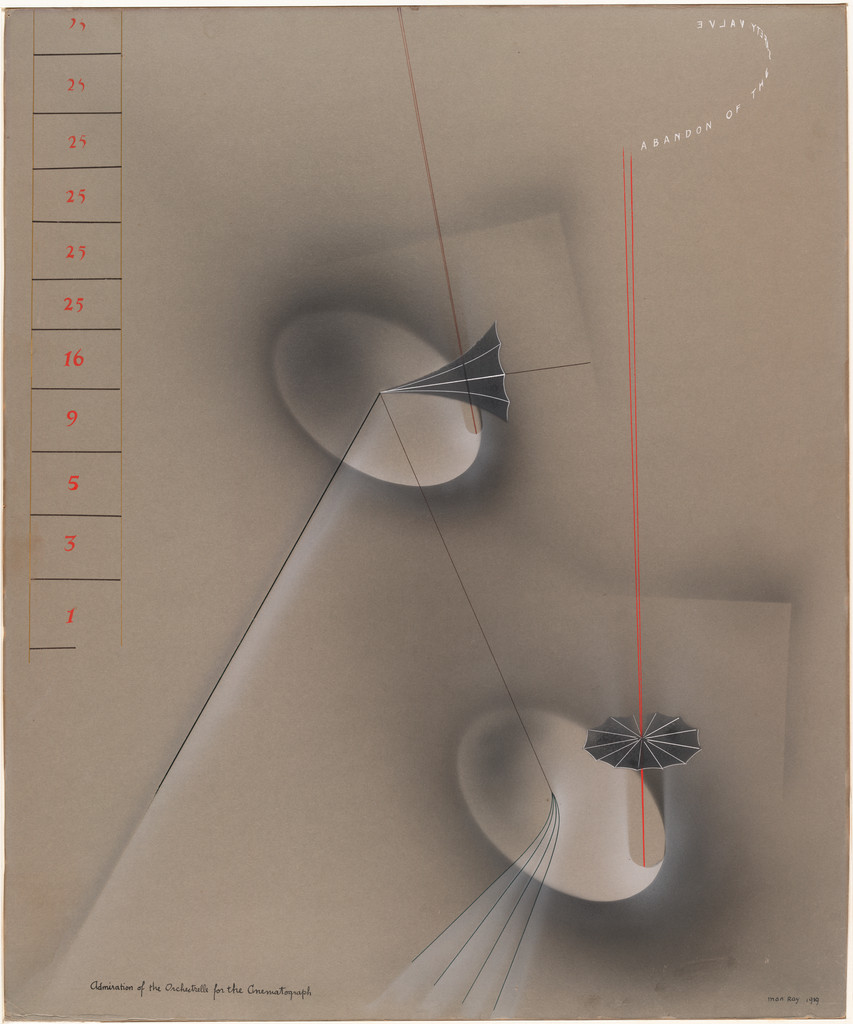
Admiration of the Orchestrelle for the Cinematograph
Man Ray (Emmanuel Radnitzky)
1919
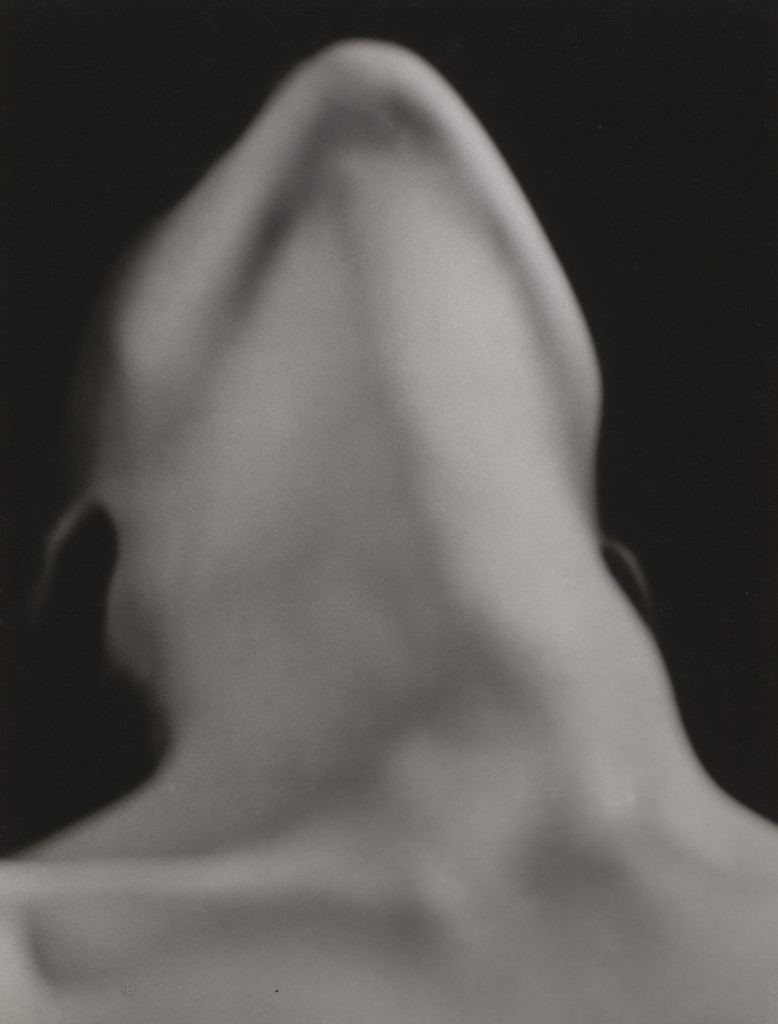
Anatomies
Man Ray (Emmanuel Radnitzky)
1929
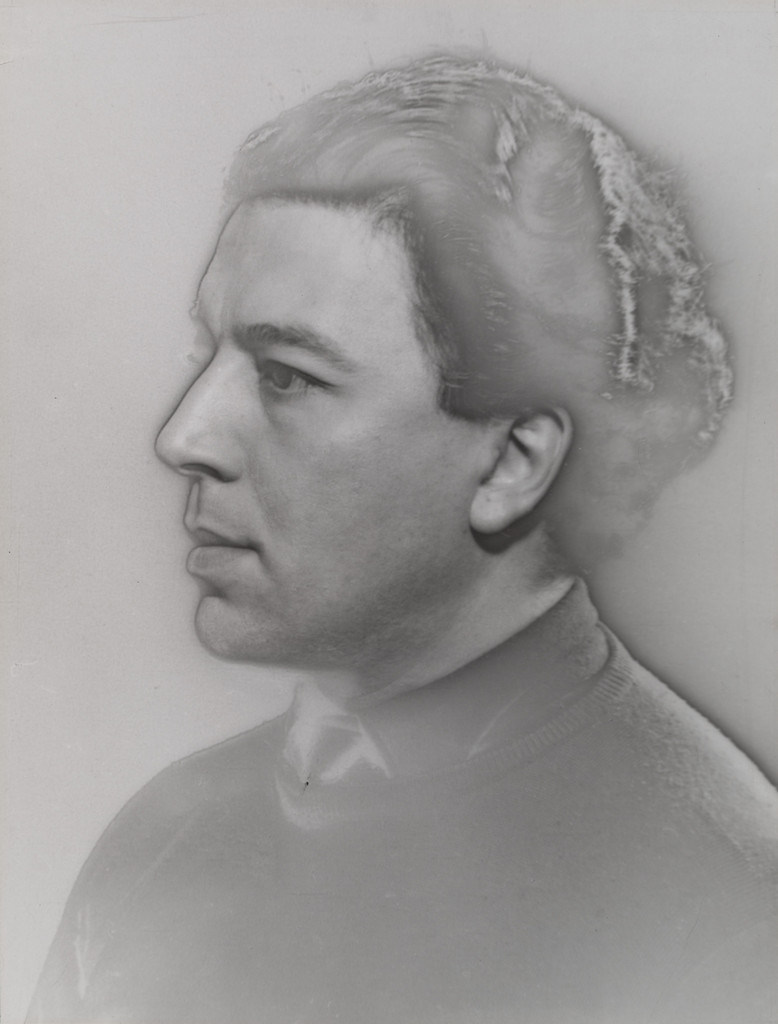
André Breton
Man Ray (Emmanuel Radnitzky)
1931
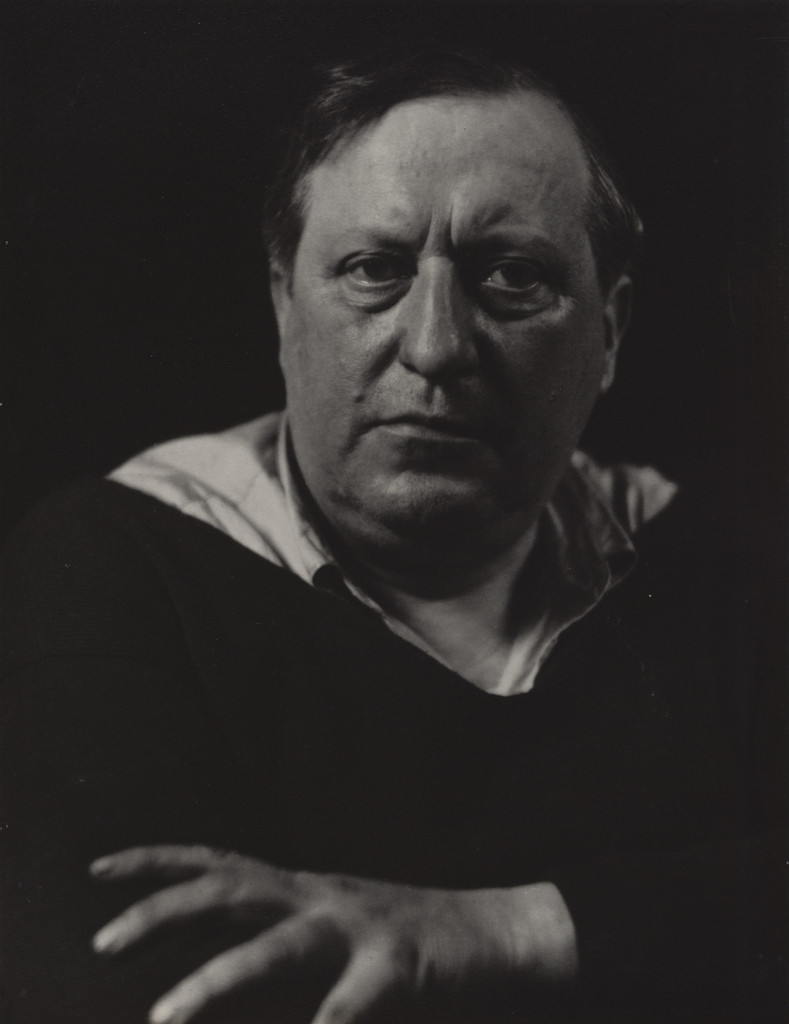
André Derain
Man Ray (Emmanuel Radnitzky)
1932
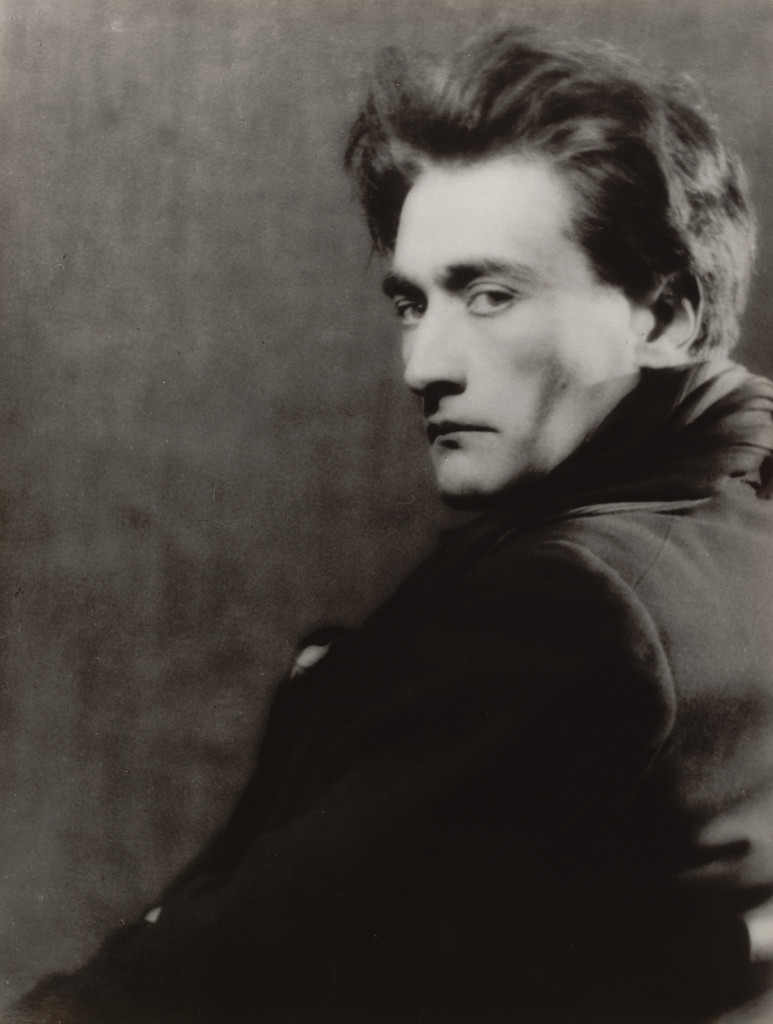
Antonin Artaud
Man Ray (Emmanuel Radnitzky)
1926
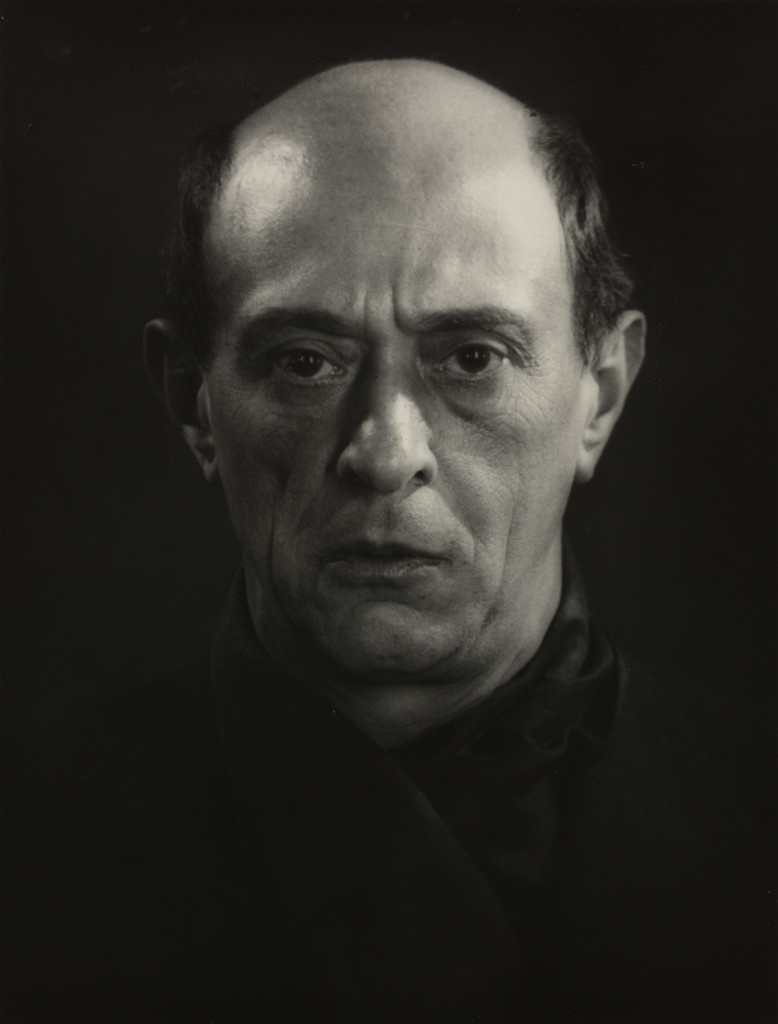
Arnold Schoenberg
Man Ray (Emmanuel Radnitzky)
1924
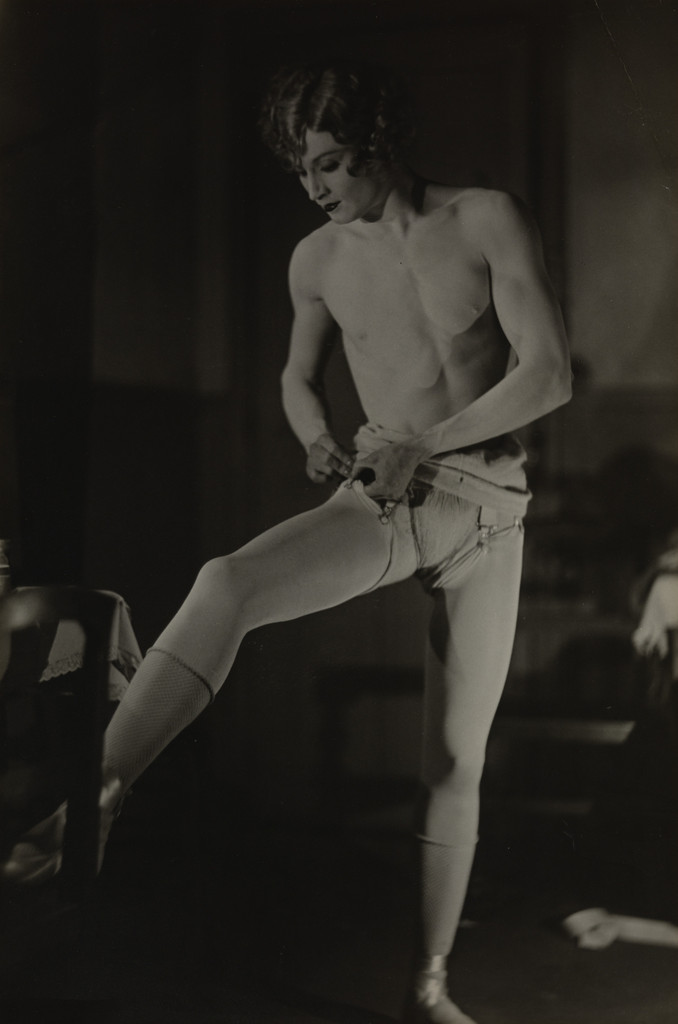
Barbette
Man Ray (Emmanuel Radnitzky)
1927
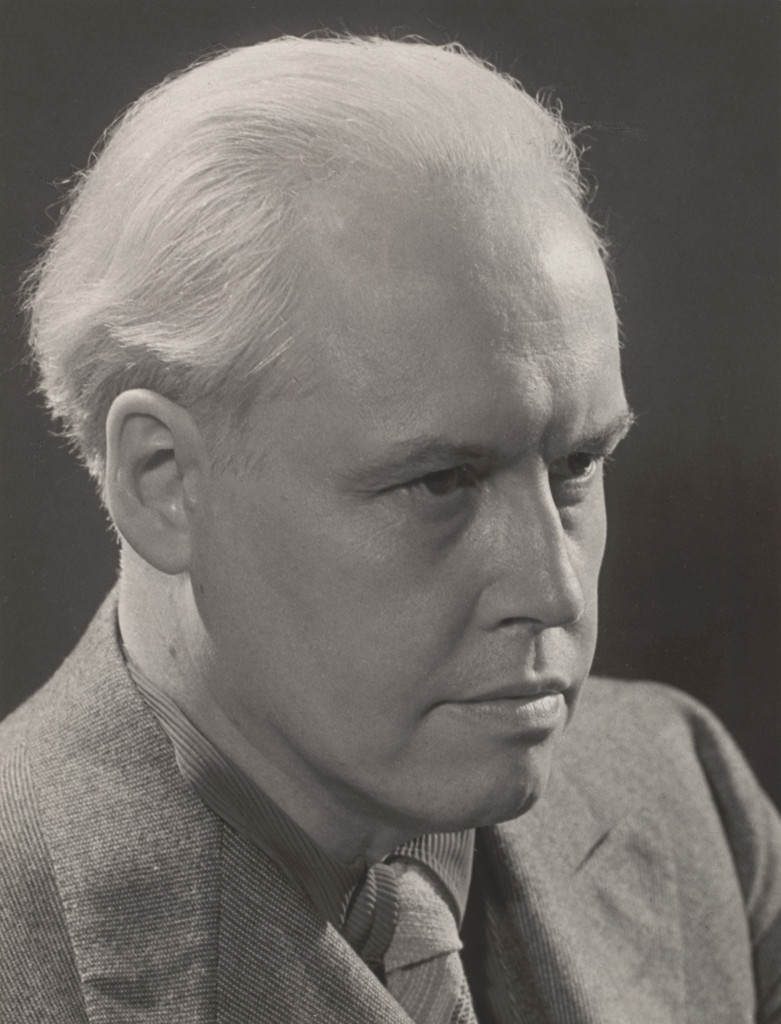
Carl Van Vechten
Man Ray (Emmanuel Radnitzky)
1929
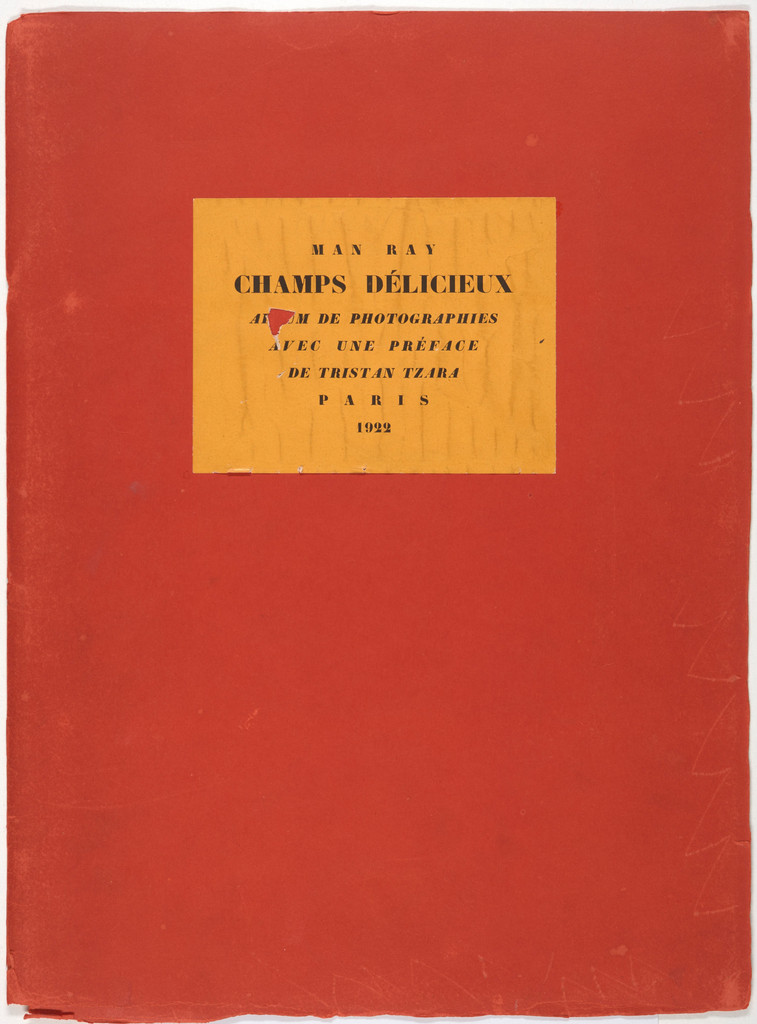
Champs Délicieux
Man Ray (Emmanuel Radnitzky)
1922
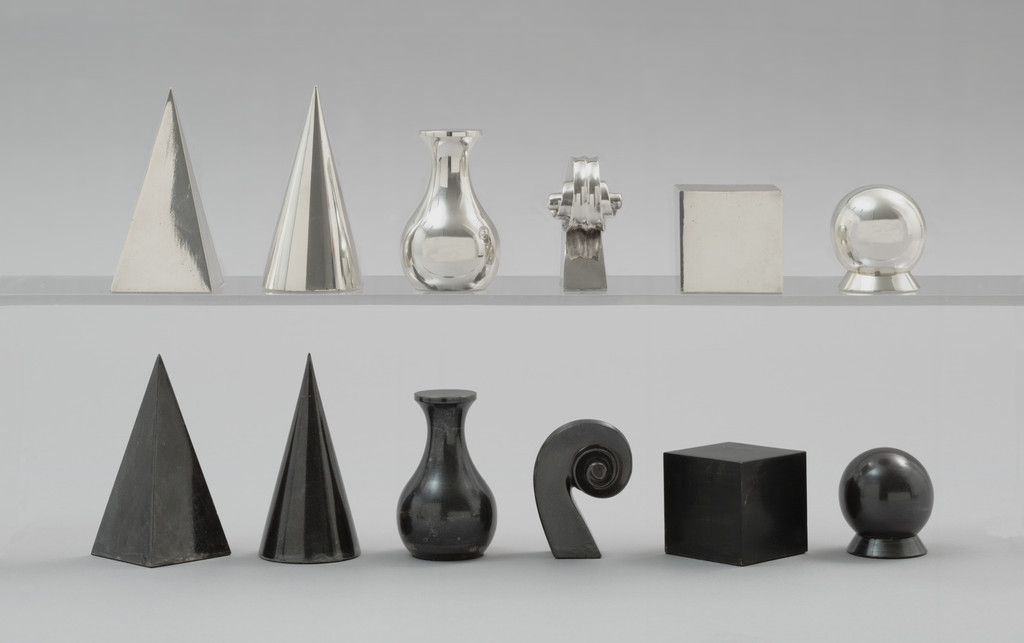
Chess Set
Man Ray (Emmanuel Radnitzky)
1920–1926
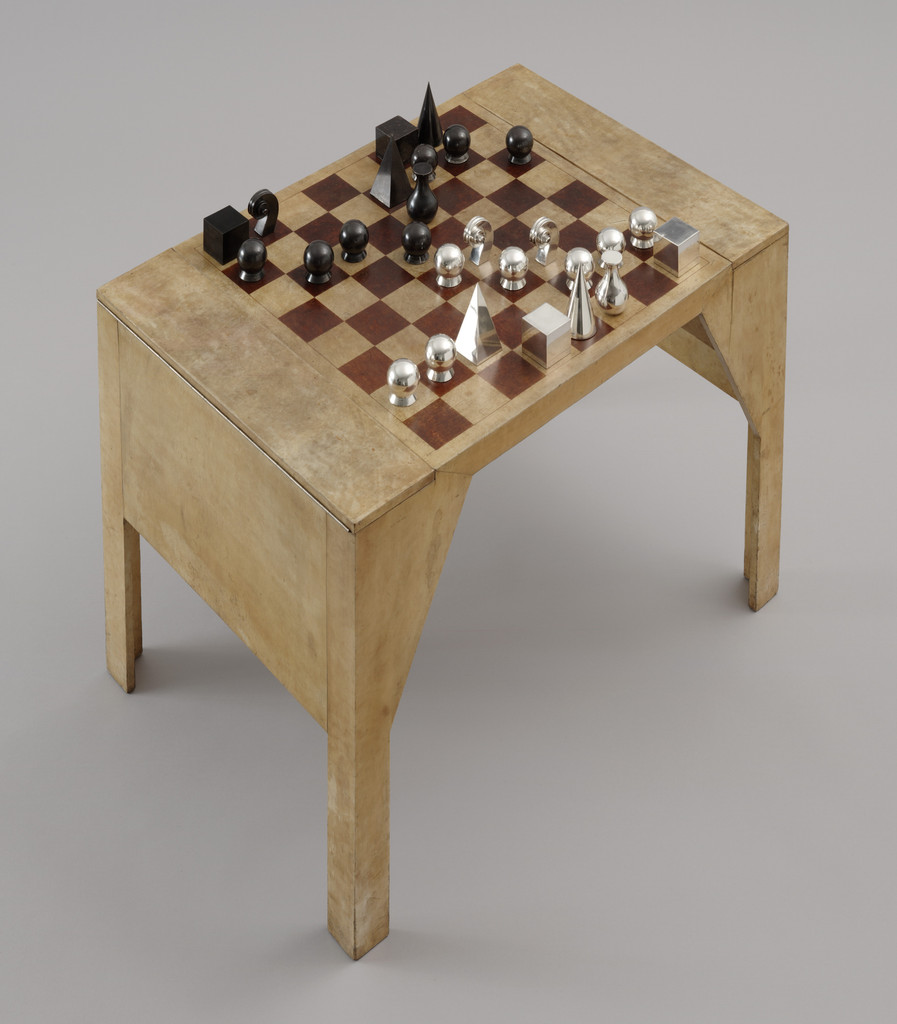
Chess Table
Man Ray (Emmanuel Radnitzky)
1929
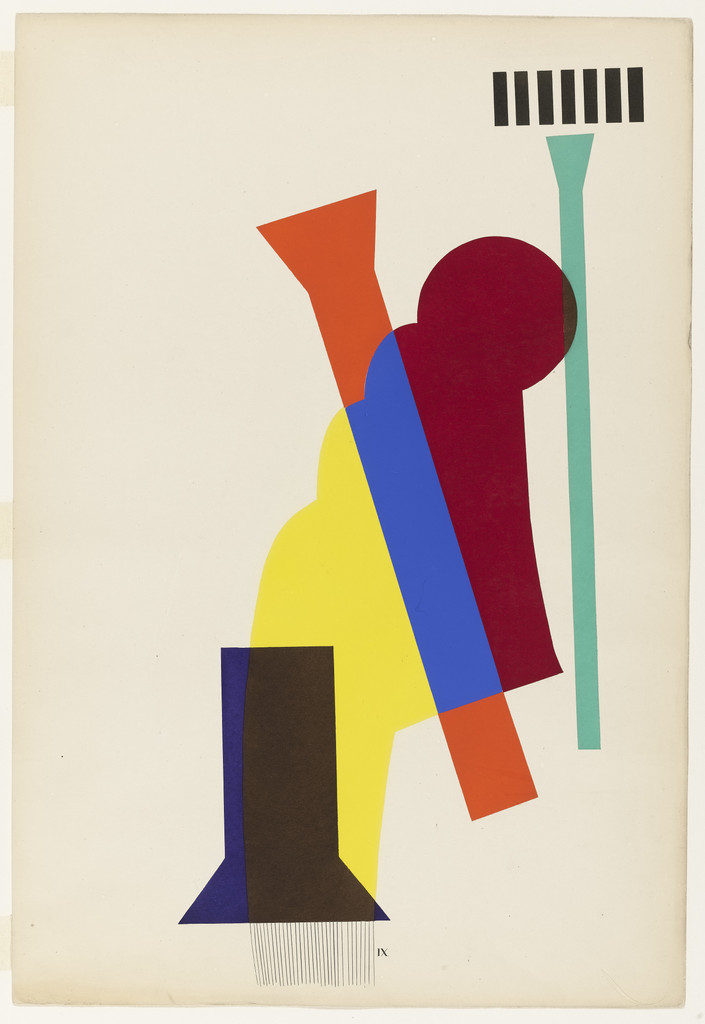
Concrete Mixer from Revolving Doors
Man Ray (Emmanuel Radnitzky)
1926
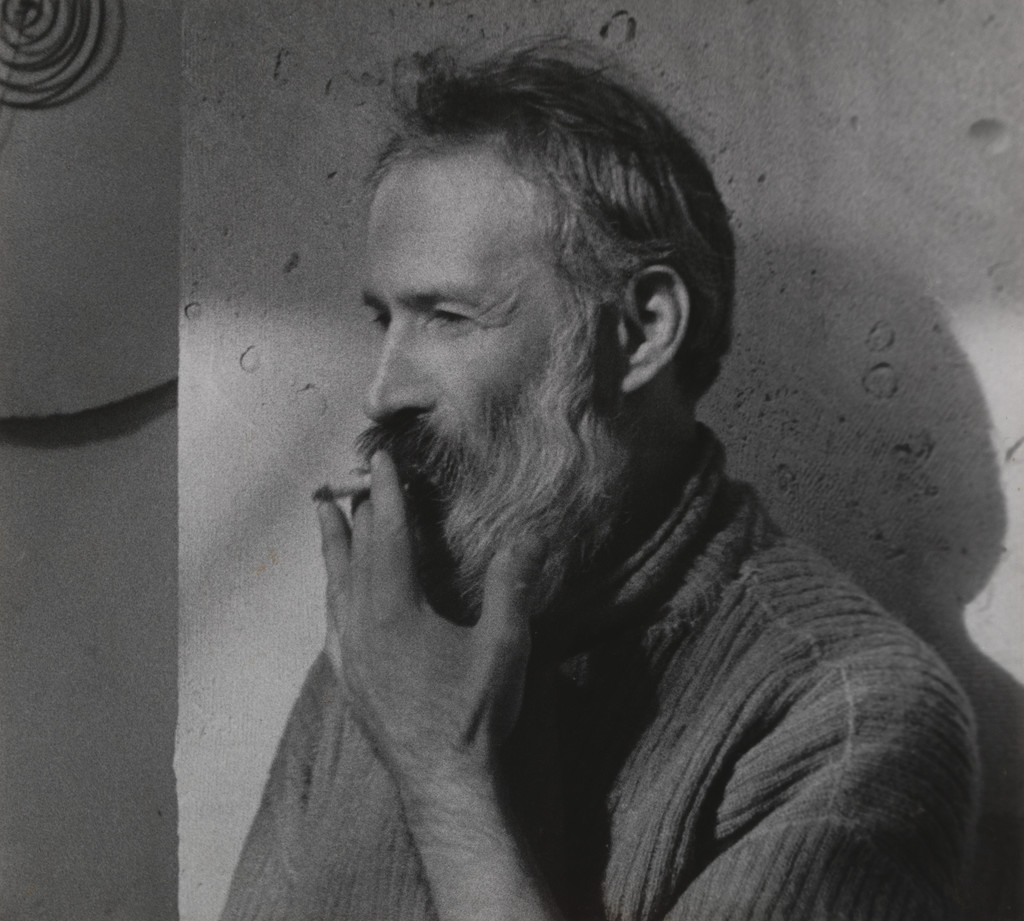
Constantin Brancusi
Man Ray (Emmanuel Radnitzky)
1925
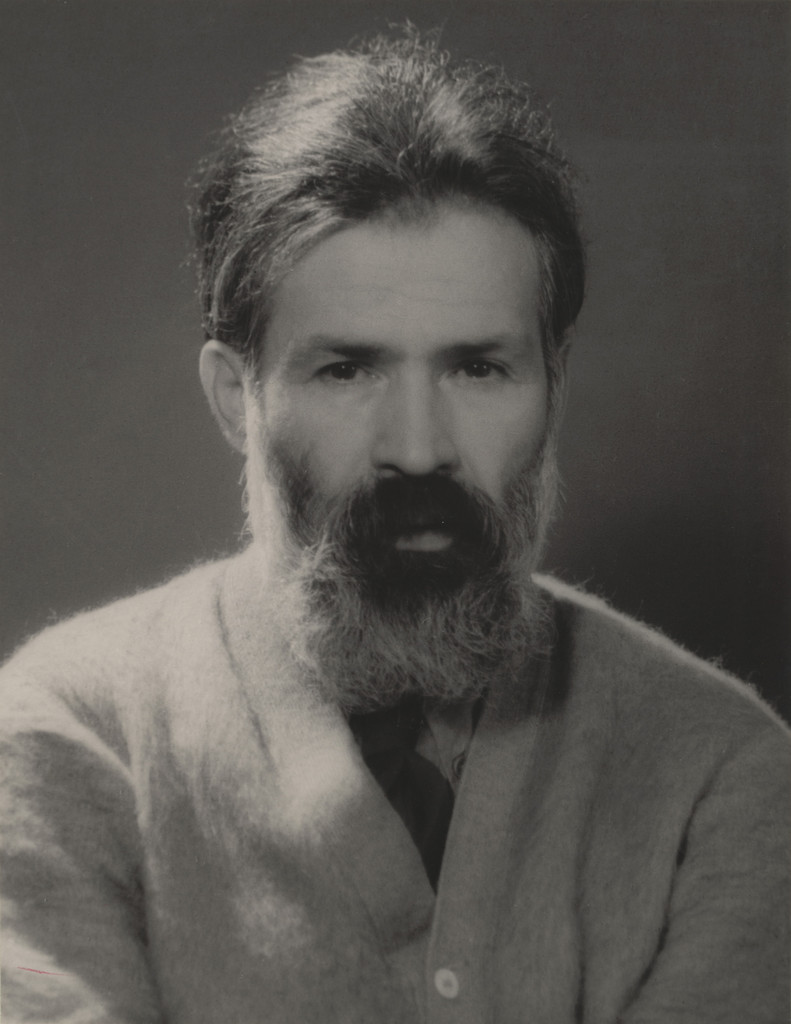
Constantin Brancusi
Man Ray (Emmanuel Radnitzky)
1926
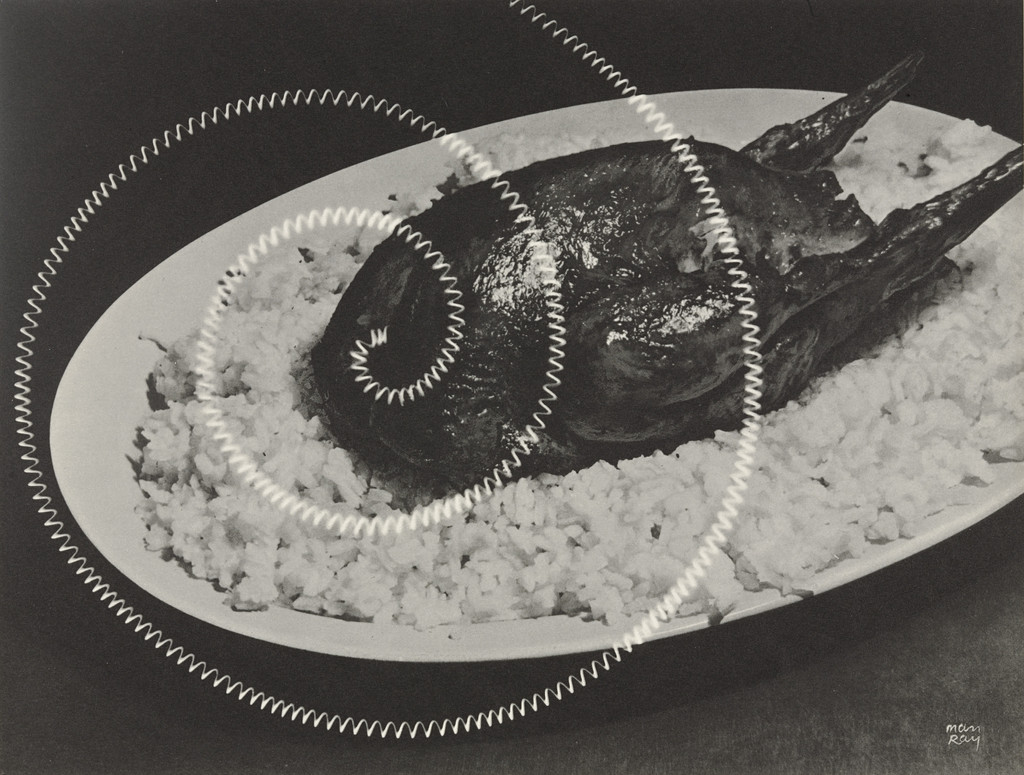
Cuisine (Kitchen)
Man Ray (Emmanuel Radnitzky)
1931
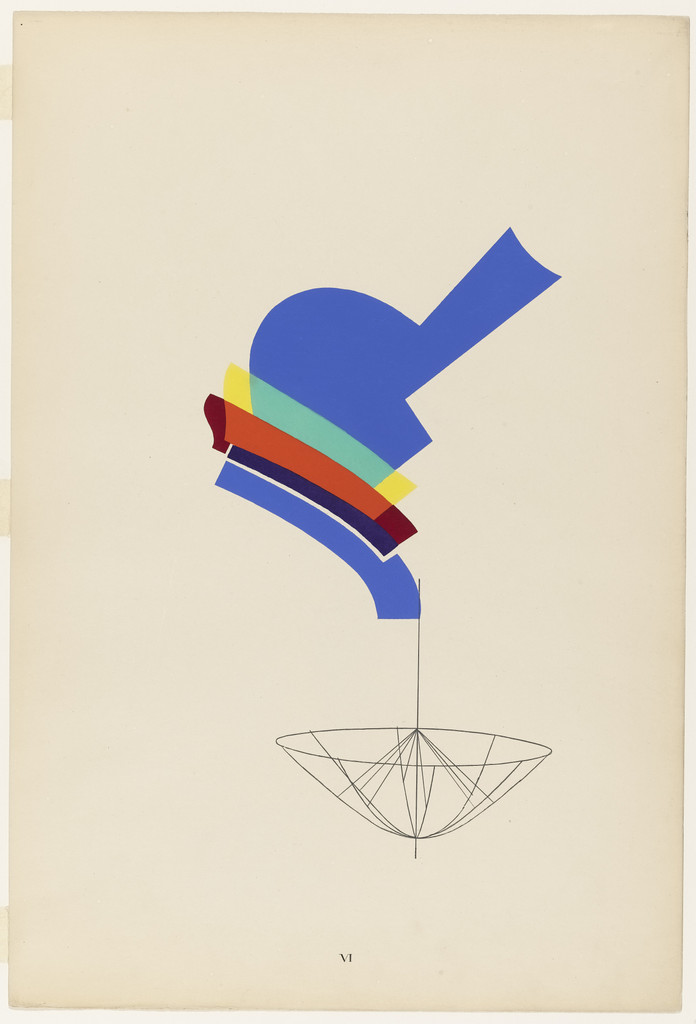
Decanter from Revolving Doors
Man Ray (Emmanuel Radnitzky)
1926
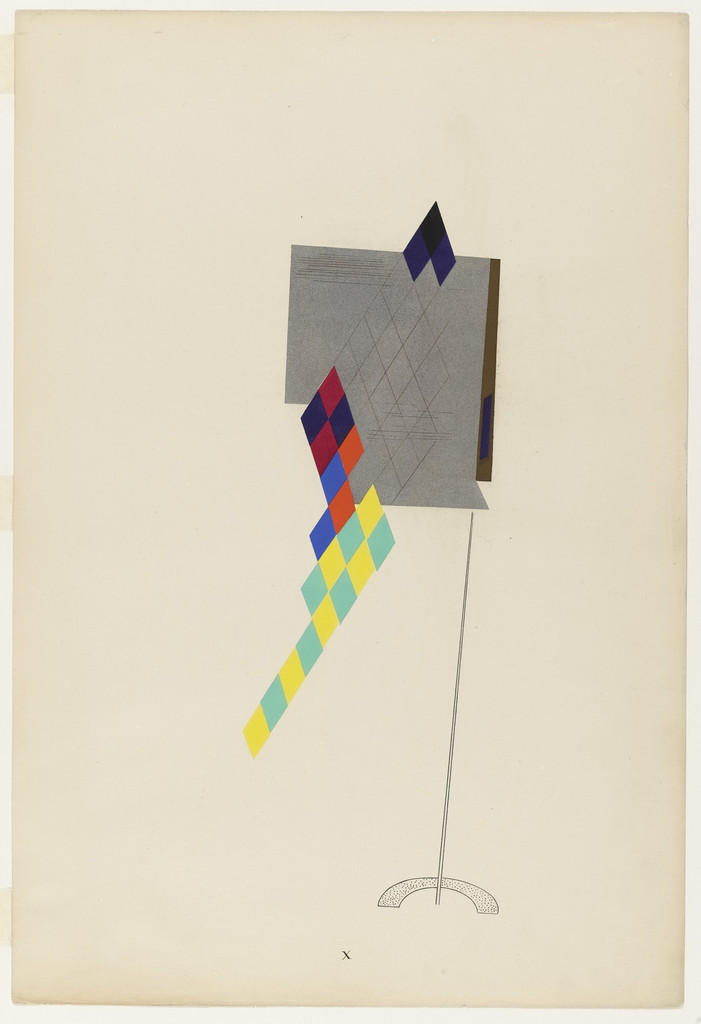
Dragonfly from Revolving Doors
Man Ray (Emmanuel Radnitzky)
1926
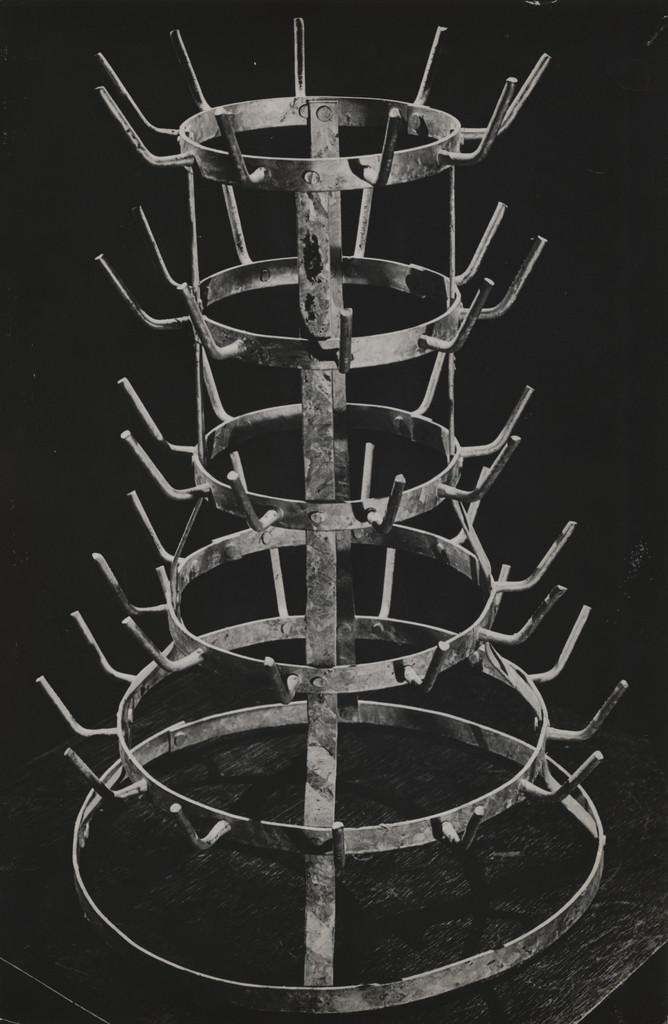
Duchamp "Ready Made"
Man Ray (Emmanuel Radnitzky)
1936
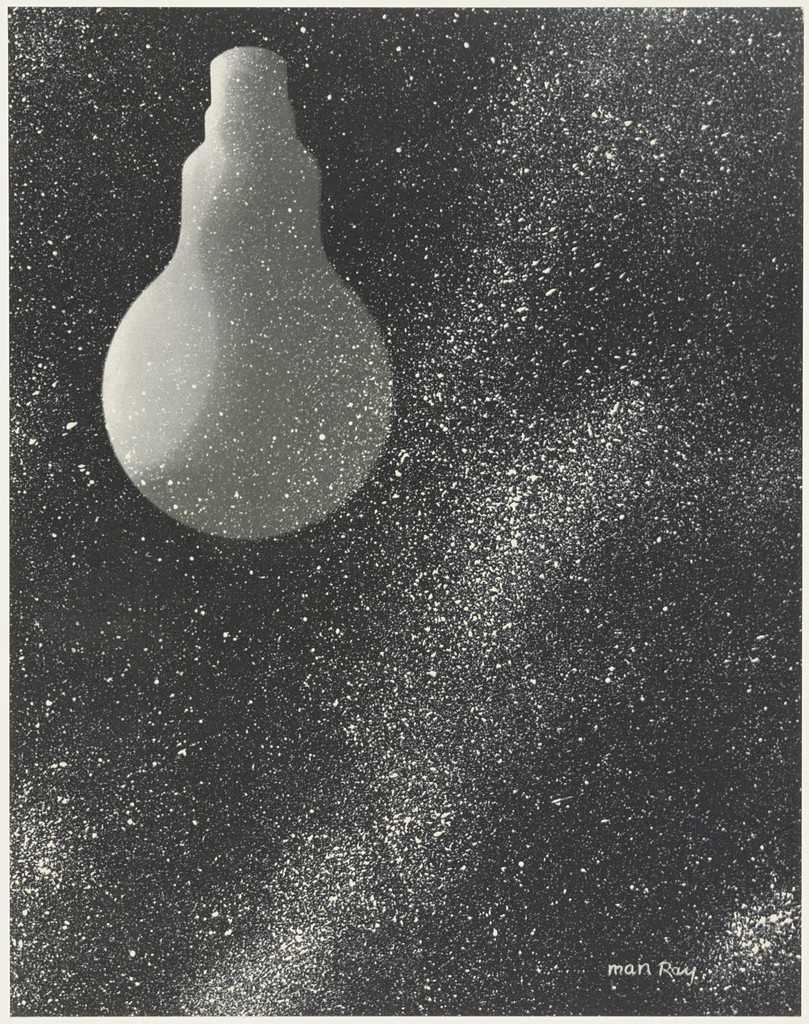
Electricité from the portfolio Electricité
Man Ray (Emmanuel Radnitzky)
1931
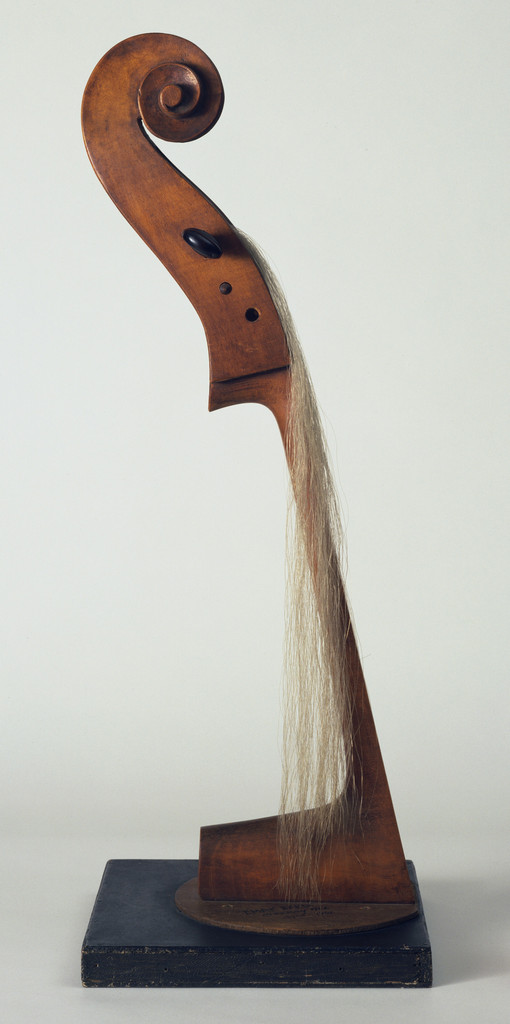
Emak Bakia
Man Ray (Emmanuel Radnitzky)
1962 (replica of 1926 original)
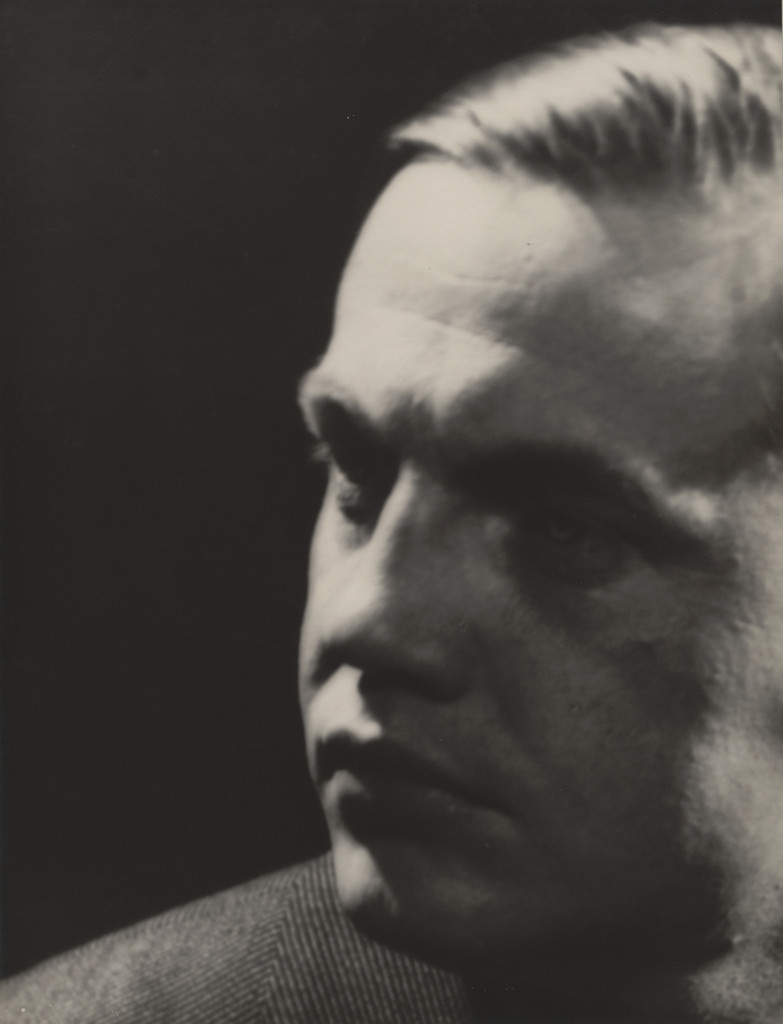
Georges Antheil
Man Ray (Emmanuel Radnitzky)
1925
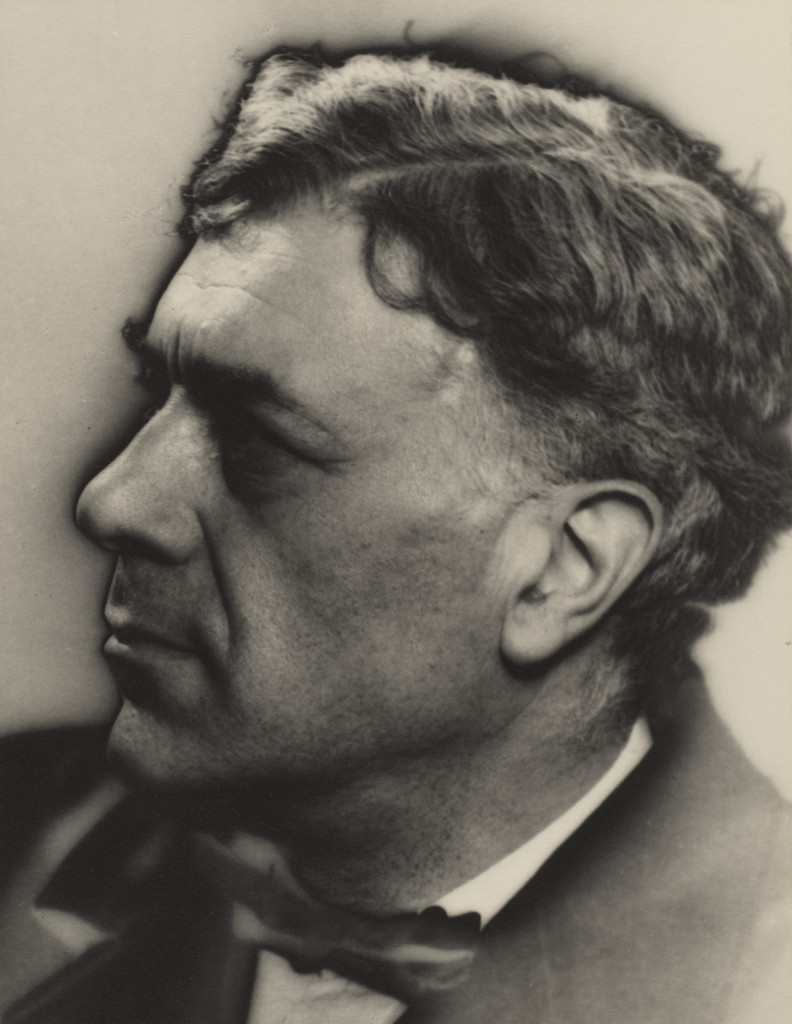
Georges Braque
Man Ray (Emmanuel Radnitzky)
1932
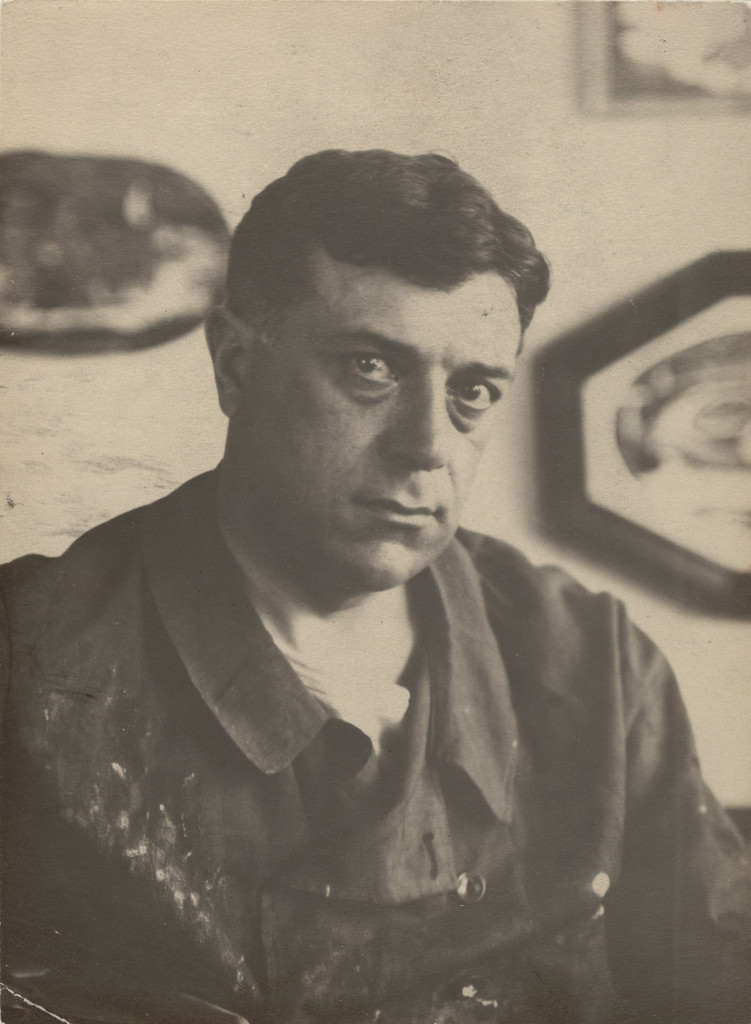
Georges Braque
Man Ray (Emmanuel Radnitzky)
1922
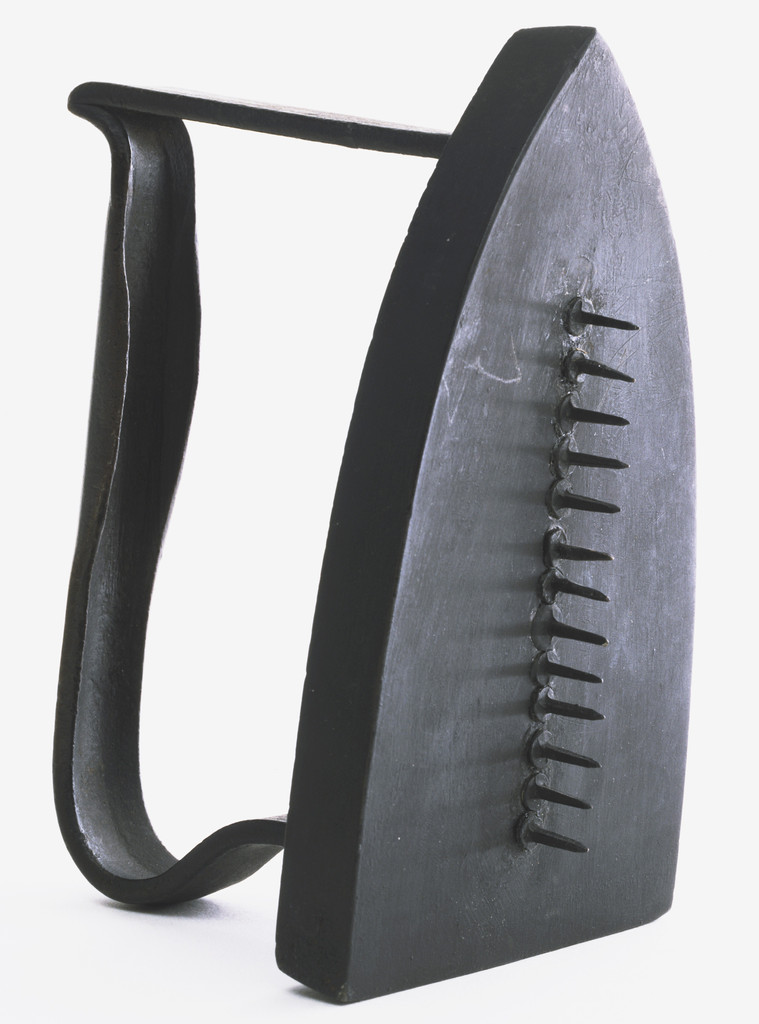
Gift
Man Ray (Emmanuel Radnitzky)
c. 1958 (replica of 1921 original)
Exhibitions
78 exhibitionsMar 02, 1936 – Apr 19, 1936
Cubism and Abstract Art
113 artists · 1 curator
Dec 07, 1936 – Jan 17, 1937
Fantastic Art, Dada, Surrealism
179 artists · 1 curator
Mar 17, 1937 – Apr 18, 1937
Photography 18391937
243 artists · 1 curator
May 24, 1938 – Jul 31, 1938
Three Centuries of American Art
247 artists · 7 curators
May 10, 1939 – Sep 30, 1939
Painting, Sculpture, Prints
154 artists
May 10, 1939 – Sep 30, 1939
Seven American Photographers
7 artists
Dec 31, 1940 – Jan 12, 1941
Sixty Photographs: A Survey of Camera Esthetics
30 artists · 2 curators
Jul 23, 1941 – Sep 29, 1941
New Acquisitions: Fantastic Art, Dada, Surrealism
18 artists
Jan 13, 1942 – Feb 25, 1942
New Acquisitions: Photographs
13 artists
Sep 16, 1942 – Nov 02, 1942
How to make a Photogram
11 artists · 2 curators
Dec 09, 1942 – Jan 24, 1943
Twentieth Century Portraits
159 artists · 1 curator
Nov 04, 1943 – Dec 07, 1943
Portraits
38 artists
May 24, 1944 – Sep 17, 1944
Photography
63 artists · 1 curator
Jun 20, 1945 – Feb 13, 1946
The Museum Collection of Painting and Sculpture
174 artists
Jun 20, 1945 – Jun 23, 1946
The Museum Collection of Photographs
25 artists
Apr 15, 1947 – Jun 01, 1947
Drawings in the Collection of The Museum of Modern Art
83 artists
Jul 27, 1948 – Sep 26, 1948
50 Photographs by 50 Photographers
50 artists · 1 curator
Dec 23, 1948 – Mar 13, 1949
American Paintings from the Museum Collection
115 artists · 1 curator
May 24, 1950 – Jul 25, 1950
Posters from the Bernard Davis Collection
7 artists
Jan 23, 1951 – Mar 25, 1951
Abstract Painting and Sculpture in America
79 artists · 1 curator
May 01, 1951 – Jul 04, 1951
Abstraction in Photography
105 artists · 1 curator
Jul 12, 1951 – Aug 12, 1951
12 Photographers
12 artists · 1 curator
Aug 05, 1952 – Aug 18, 1952
Then and Now
54 artists · 1 curator
Nov 25, 1952 – Mar 08, 1953
Diogenes with a Camera II
6 artists
Jun 23, 1953 – Oct 04, 1953
Summer Exhibition: New Acquisitions; Recent American Prints, 19471953; Katherine S. Dreier Bequest; Kuniyoshi and Spencer; Expressionism in Germany; Varieties of Realism
100 artists · 2 curators
Dec 22, 1953 – Feb 28, 1954
Recent Acquisitions, 19461953: Department of Architecture and Design
44 artists
Oct 19, 1954 – Feb 06, 1955
XXVth Anniversary Exhibition: Paintings from the Museum Collection
260 artists
Nov 26, 1958 – Jan 18, 1959
Photographs from the Museum Collection
273 artists · 1 curator
Dec 17, 1958 – Feb 23, 1959
20th Century Design from the Museum Collection
257 artists · 2 curators
Jul 15, 1959 – Oct 15, 1959
Drawings, Watercolors, Collages: New Acquisitions
36 artists · 1 curator
Nov 18, 1959 – Nov 29, 1959
30th Anniversary Special Installation - Towards the "New" Museum
140 artists
May 04, 1960 – Sep 18, 1960
Portraits from the Museum Collection
92 artists · 1 curator
Oct 11, 1960 – Jan 02, 1961
100 Drawings from the Museum Collection
74 artists · 1 curator
Dec 21, 1960 – Feb 05, 1961
Recent Acquisitions
222 artists · 3 curators
Oct 04, 1961 – Nov 12, 1961
The Art of Assemblage
144 artists · 1 curator
May 27, 1964
Painting and Sculpture from the Museum Collection
169 artists
May 27, 1964
Edward Steichen Photography Center
130 artists · 1 curator
Aug 02, 1965 – Sep 19, 1965
Glamour Portraits
14 artists · 1 curator
Jun 29, 1966 – Sep 05, 1966
The Object Transformed
20 artists · 1 curator
Oct 25, 1967
Steichen Gallery Reinstallation
77 artists
Jan 25, 1968 – Mar 10, 1968
Word and Image: Posters and Typography from the Graphic Design Collection of the Museum of Modern Art, 18791967
197 artists · 1 curator
Mar 19, 1968 – May 27, 1968
Photography as Printmaking
54 artists · 1 curator
Mar 27, 1968 – Jun 09, 1968
Dada, Surrealism and their Heritage
94 artists · 1 curator
Oct 22, 1968 – Nov 17, 1968
Tribute to Marcel Duchamp
2 artists
Jul 09, 1969 – Sep 28, 1969
Portrait Photographs
43 artists · 1 curator
Dec 24, 1969 – Mar 01, 1970
American Drawings and Watercolors: A Selection from the Collection
40 artists · 1 curator
Jun 04, 1970 – Sep 08, 1970
Photo Eye of the 20s
29 artists · 1 curator
May 05, 1971 – Jul 06, 1971
Technics and Creativity: Selections from Gemini G.E.L.
14 artists · 1 curator
May 11, 1971 – Oct 19, 1971
A Selection of Drawings and Watercolors from the Museum Collection
58 artists · 1 curator
Jul 06, 1971 – Sep 15, 1971
Summer Show
52 artists · 1 curator
Sep 07, 1971 – Nov 30, 1971
Photographs of Women
33 artists · 1 curator
Mar 01, 1972 – May 29, 1972
Drawn in America
44 artists · 1 curator
Mar 29, 1972
Permanent Collection
45 artists · 2 curators
Dec 02, 1972 – Jan 15, 1973
Unique/Multiples: Sculpture/Photos
26 artists · 2 curators
Mar 07, 1973 – Jun 04, 1973
Works on Paper
58 artists
Jul 11, 1973 – Sep 11, 1973
Collage and the Photo-Image
40 artists · 5 curators
Jun 13, 1974 – Sep 08, 1974
Seurat to Matisse: Drawing in France
79 artists · 1 curator
Aug 12, 1975 – Nov 16, 1975
Picture Puzzles
4 artists · 1 curator
May 06, 1976 – Jul 18, 1976
Photography: Recent Acquisitions, 19741976
33 artists · 1 curator
Aug 20, 1976 – Nov 14, 1976
Between World Wars: Drawing in Europe and America
66 artists · 1 curator
Nov 18, 1976 – Dec 07, 1976
Man Ray, 18901976
1 artist
Apr 18, 1977 – Jun 26, 1977
Artists by Artists
43 artists · 1 curator
Dec 15, 1977 – Mar 05, 1978
Arp on Paper
22 artists · 1 curator
Nov 14, 1979 – Jan 22, 1980
Art of the Twenties
167 artists · 1 curator
Nov 14, 1979 – Mar 16, 1980
In the Twenties: Portraits from the Photography Collection
19 artists · 1 curator
Dec 21, 1979
Edward Steichen Photography Center Reinstallation
102 artists · 1 curator
Oct 23, 1980
Reinstallation of the Collection
129 artists
Mar 19, 1981 – Jun 02, 1981
Recent Acquisitions: Drawings
65 artists · 1 curator
Oct 08, 1981 – Jan 03, 1982
Still Life
29 artists · 1 curator
Mar 01, 1982 – Mar 16, 1982
A Century of Modern Drawing, 18811981
59 artists · 1 curator
Mar 08, 1982 – Mar 01, 1983
Masterpieces from the Collection
19 artists · 2 curators
Oct 26, 1983 – Jan 03, 1984
The Modern Drawing: 100 Works on Paper from The Museum of Modern Art
81 artists · 1 curator
May 17, 1984
Selections from the Permanent Collection: Painting and Sculpture
59 artists · 2 curators
May 17, 1984
Selections from the Permanent Collection: Drawings
61 artists · 2 curators
Nov 15, 1984 – Mar 03, 1985
From the Gilman Collection: Photographs Preserved in Ink
25 artists · 1 curator
Nov 07, 1985 – Jan 07, 1986
Self Portrait: The Photographer's Persona, 18401985
58 artists · 1 curator
Jan 14, 1988 – Apr 17, 1988
Picturing "Greatness"
17 artists · 2 curators
Apr 06, 1989 – Aug 08, 1989
Master Prints from the Collection
102 artists · 1 curator