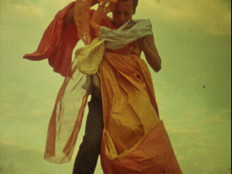
Tropicália
Countercultural resistance to the repressive authoritarian regime in Brazil during the mid-1960s helped fuel a vibrant movement in music and the arts called Tropicália. Espousing a spirit of freedom and playfulness, the artists associated with Tropicália rejected increasing prohibitions on civic life. In the visual arts, it also represented a shift away from Brazil’s earlier, more formal Neo-Concrete movement.Artist Hélio Oiticica coined the term Tropicália in 1967, using it as the title for an interactive installation featuring sand, palm trees, and simple structures. Oiticica’s work brought public spaces inside the museum while evoking Rio de Janeiro’s favelas and critiquing Brazil’s image as a tropical paradise. Other artists like Lygia Clark and Lygia Pape sought to engage the public as participants in their work, creating sensorial objects that they invited the public to enter, touch, manipulate, and even create for themselves.Musicians such as Os Mutantes, Caetano Veloso, and Gilberto Gil wrote satirical song lyrics and experimented with international rock and regional styles. The “Tropicalistas” distanced themselves from the melodic bossa nova of the early 1960s, which they associated with middle-class silence during the rise of authoritarianism. Tropicalista performances provided an outlet for audiences to express their desire for a more open society.In 1968 the government arrested many individuals associated with Tropicália, forcing leading artists and musicians into exile in London, Paris, and New York, where they brought the movement to wider global audiences.
Featured Works
9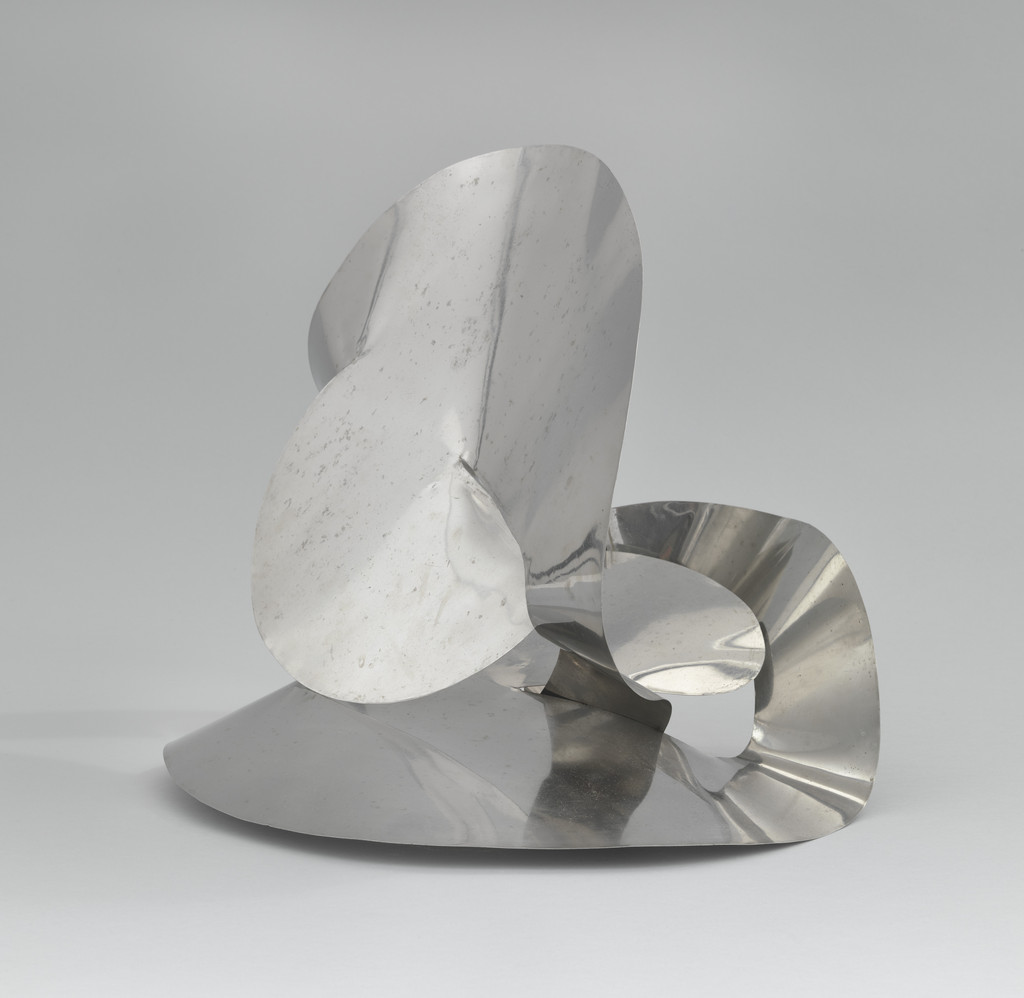
The Inside Is the Outside
Lygia Clark
1963
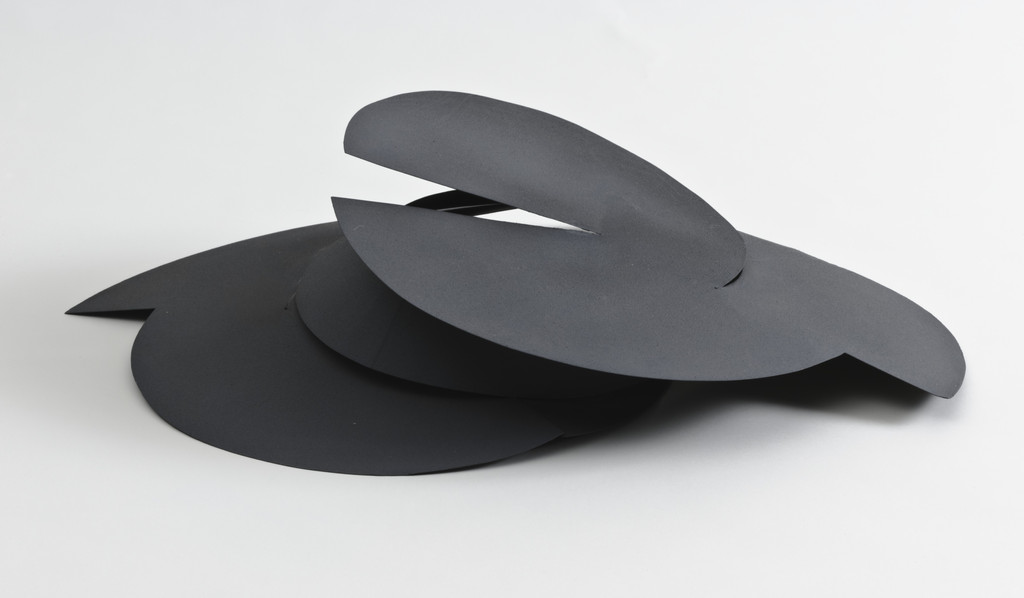
Poetic Shelter
Lygia Clark
1964
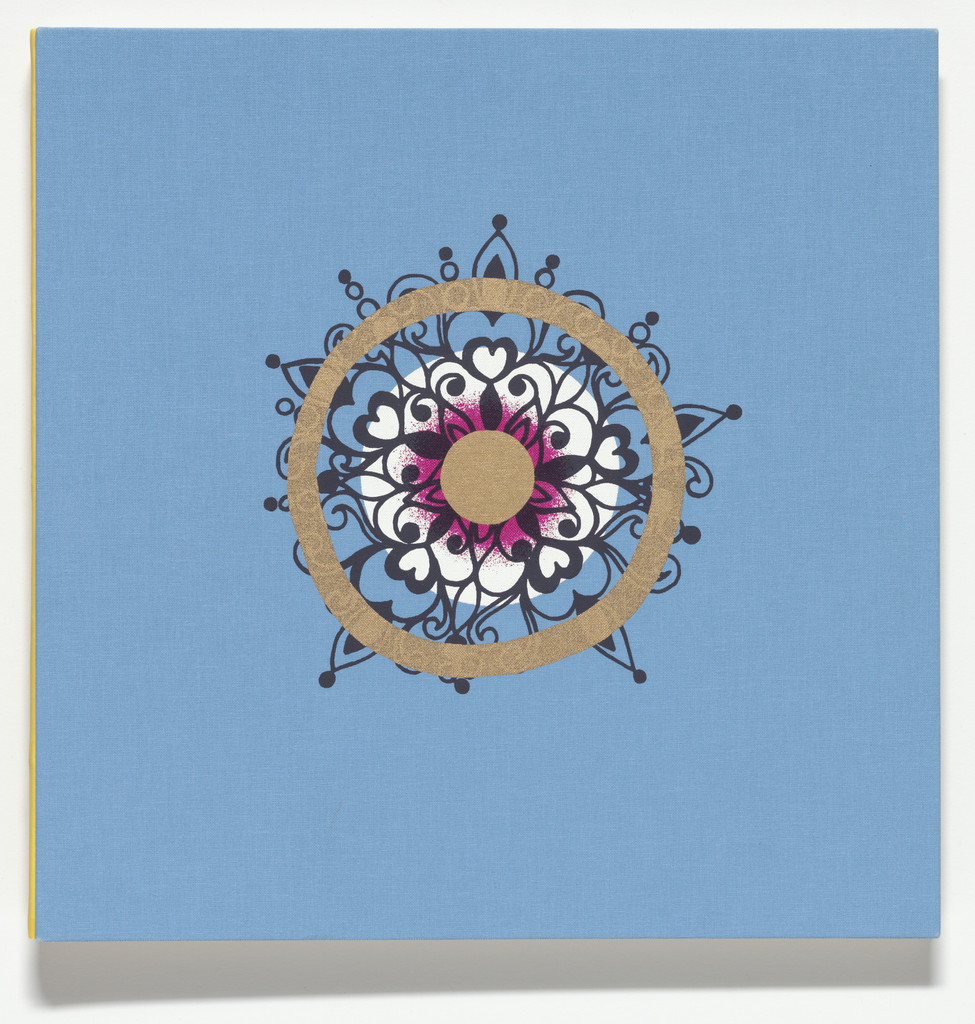
Coisa Linda
Beatriz Milhazes
2002
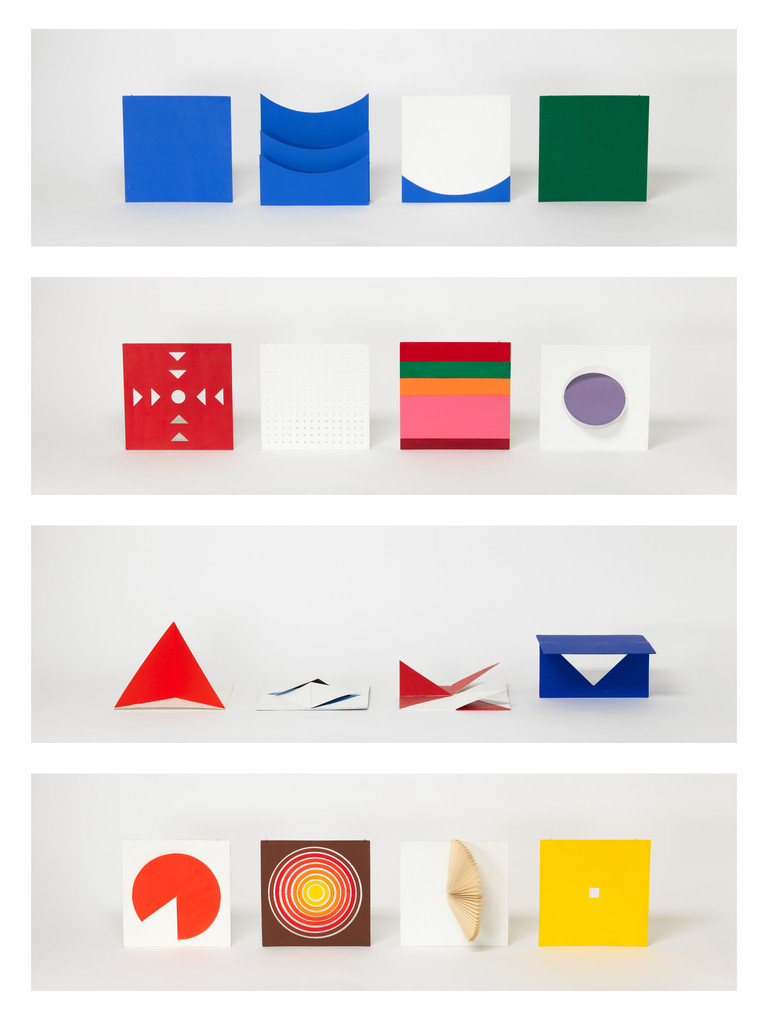
Book of Creation
Lygia Pape
1959–60
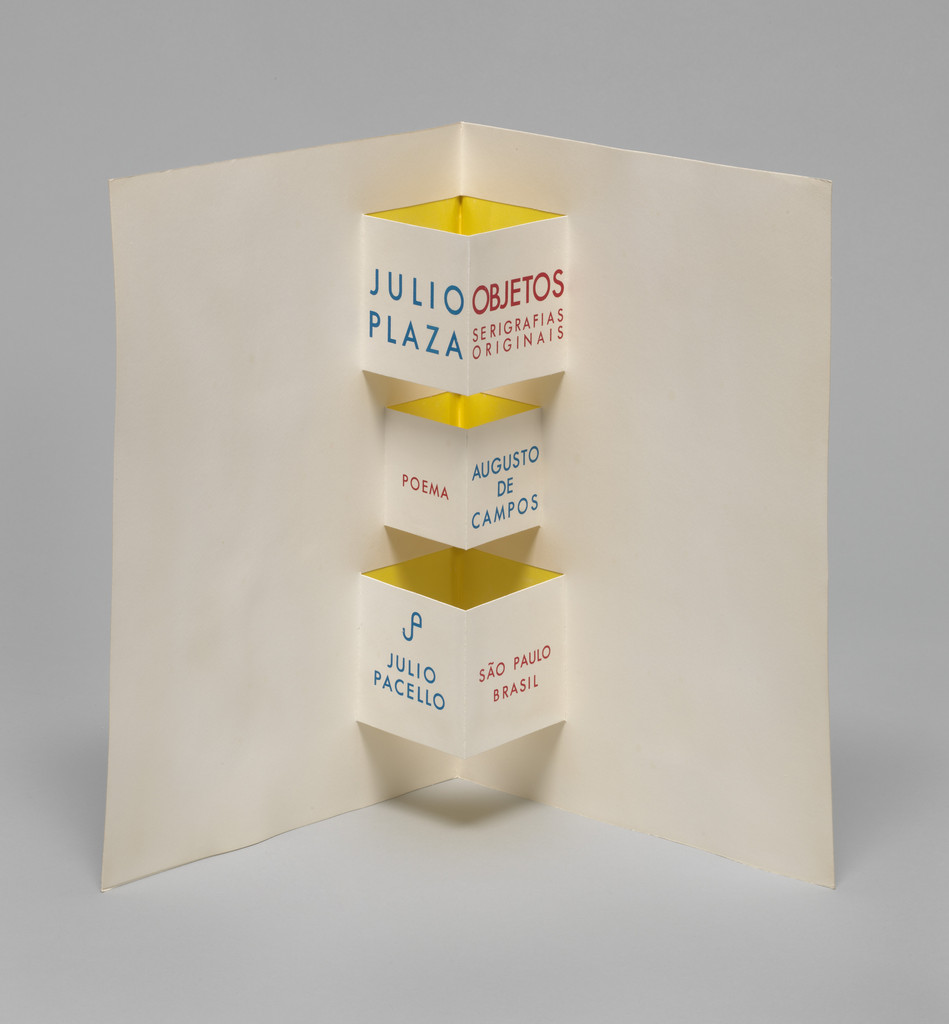
Objects (Objetos)
Julio Plaza
1968–69
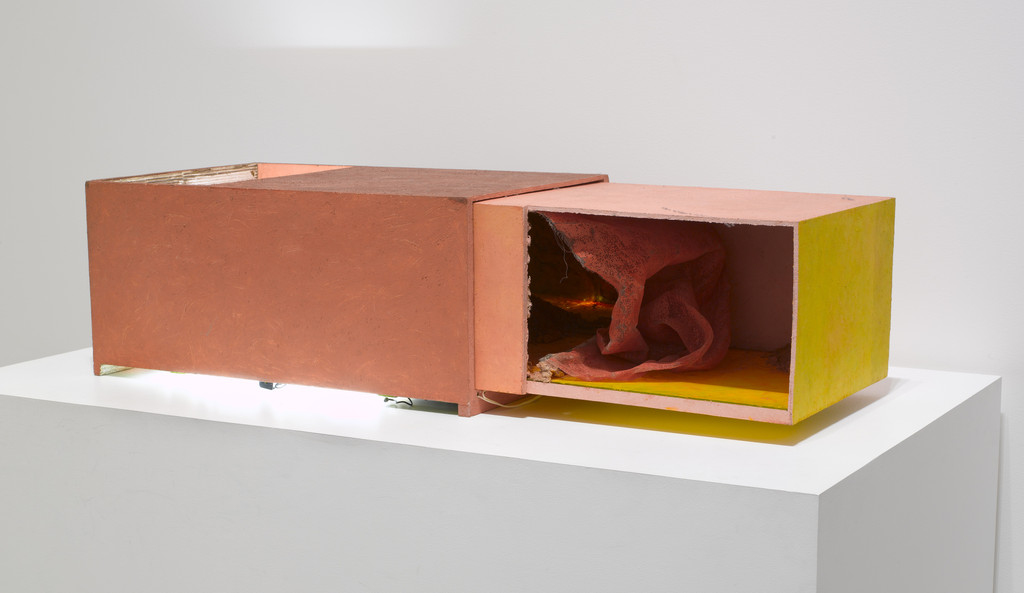
B16 – Bolide – Box 12, “Archeological”
Hélio Oiticica
1964-65
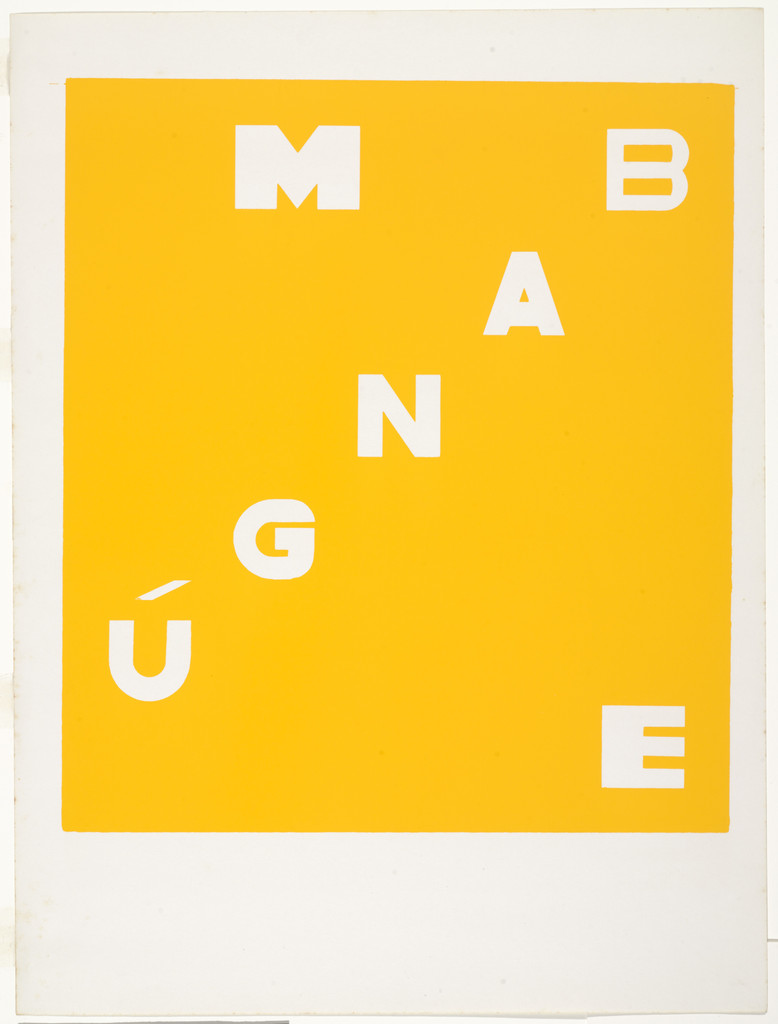
Mangue Bangú – excerpt from “Homage to Father” (Mangue Ba...
Hélio Oiticica
1972
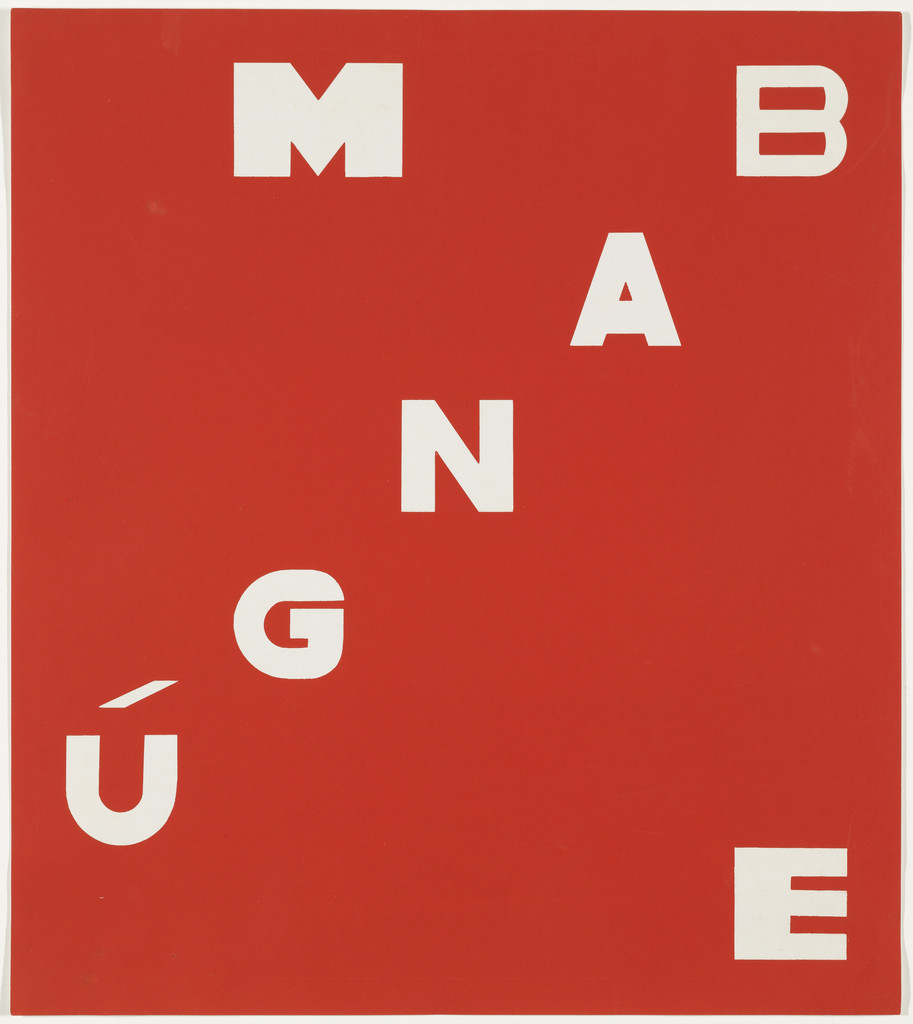
Mangue Bangú – excerpt from “Homage to Father” (Mangue Ba...
Hélio Oiticica
1972
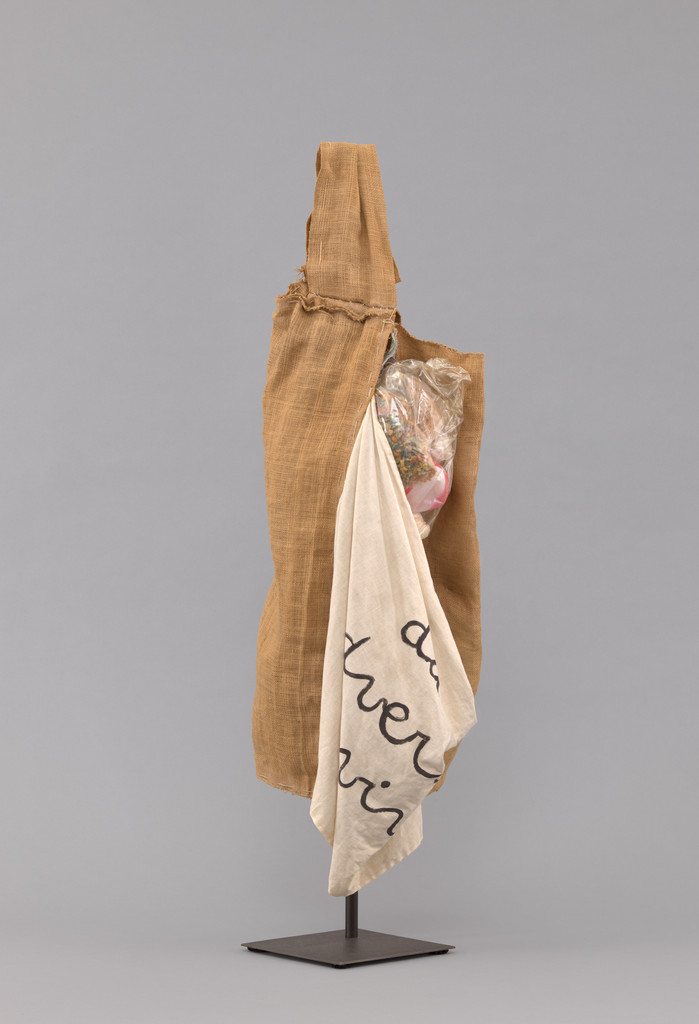
P16 Parangolé Cape 12 “From Adversity We Live”
Hélio Oiticica
1965 (reconstructed 1992)