
Chromogenic print
The dominant photographic color process of the 20th century is made up of three gelatin layers containing cyan, magenta, and yellow organic dyes. Together, these dyes produce a full-color image. From 1935 to the present day, the chromogenic process has been used to create a range of print, transparency, and film materials. Common branded products such as Kodacolor prints, introduced by Kodak in 1942, use the chromogenic process, as do materials produced by other companies such as Fuji and Agfa. Used by both professionals and nonprofessionals, chromogenic prints, also known as “C prints,” can be unstable and prone to color shift or fading.
Featured Works
12
Untitled from the series Real Life Dramas
Mary E. Frey
1984-87
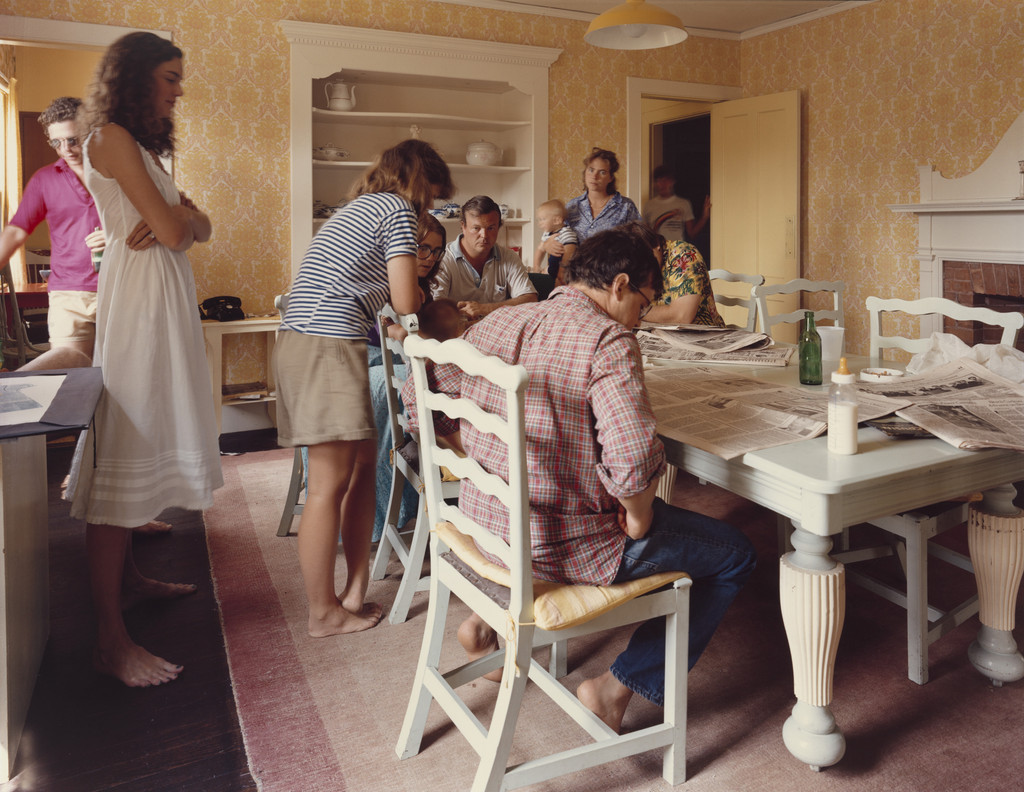
Sunday New York Times
Tina Barney
1982
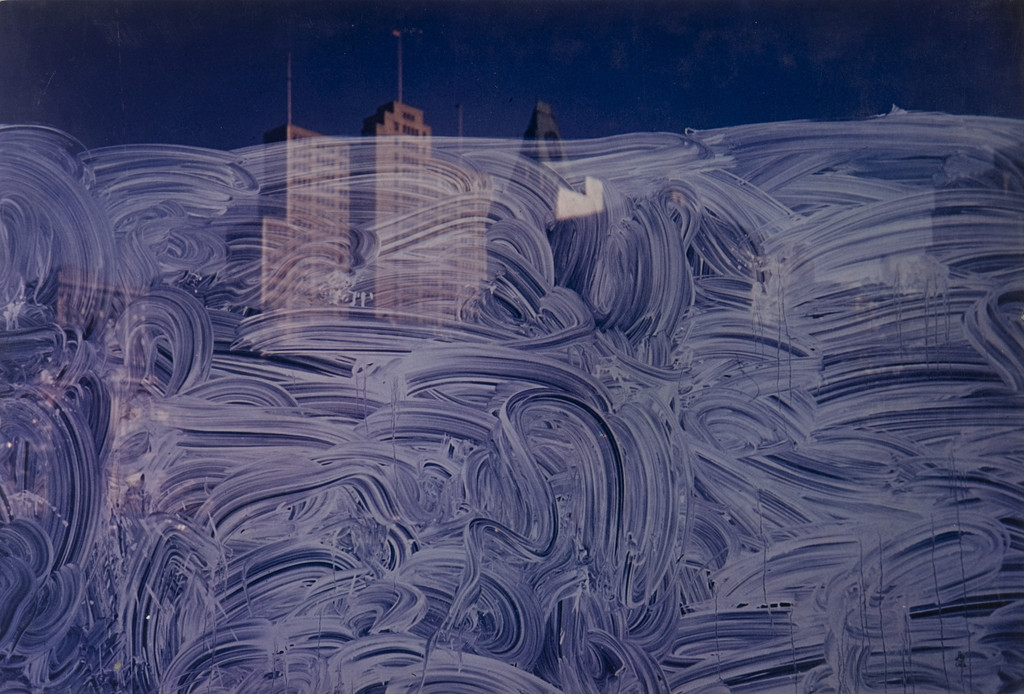
New York
Ernst Haas
1952
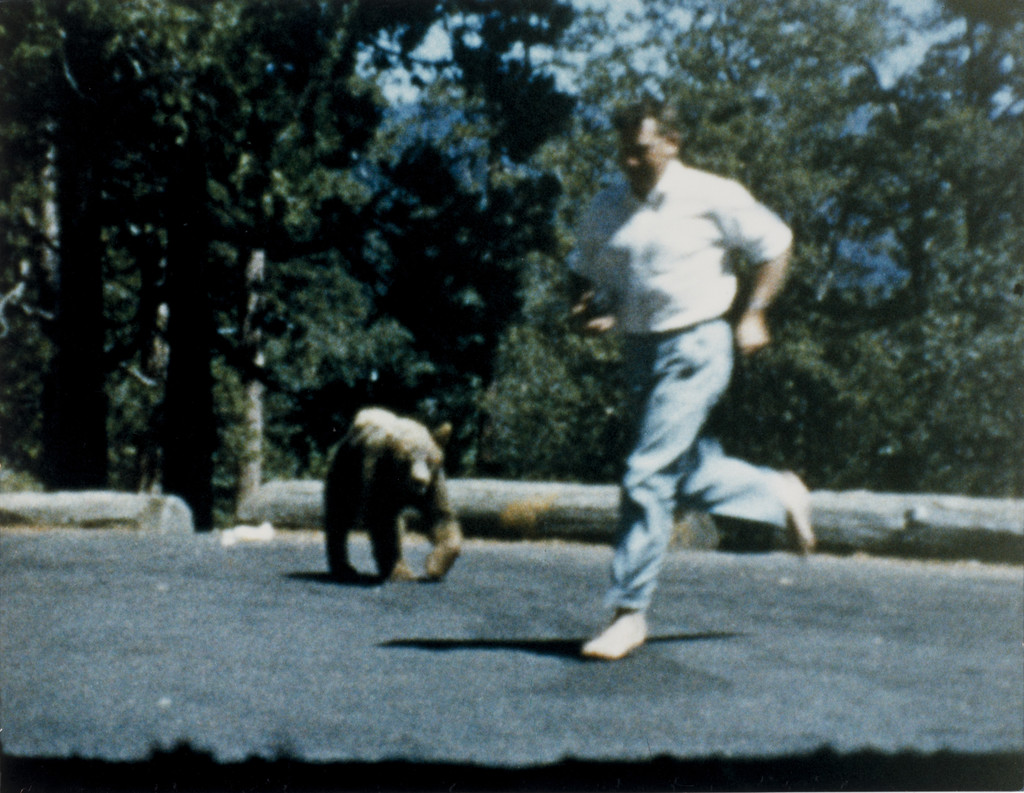
Film Still from the Sultan Family Home Movies
Larry Sultan
1943-72

New York
Helen Levitt
1971

Untitled
Unidentified photographer
c. 1950
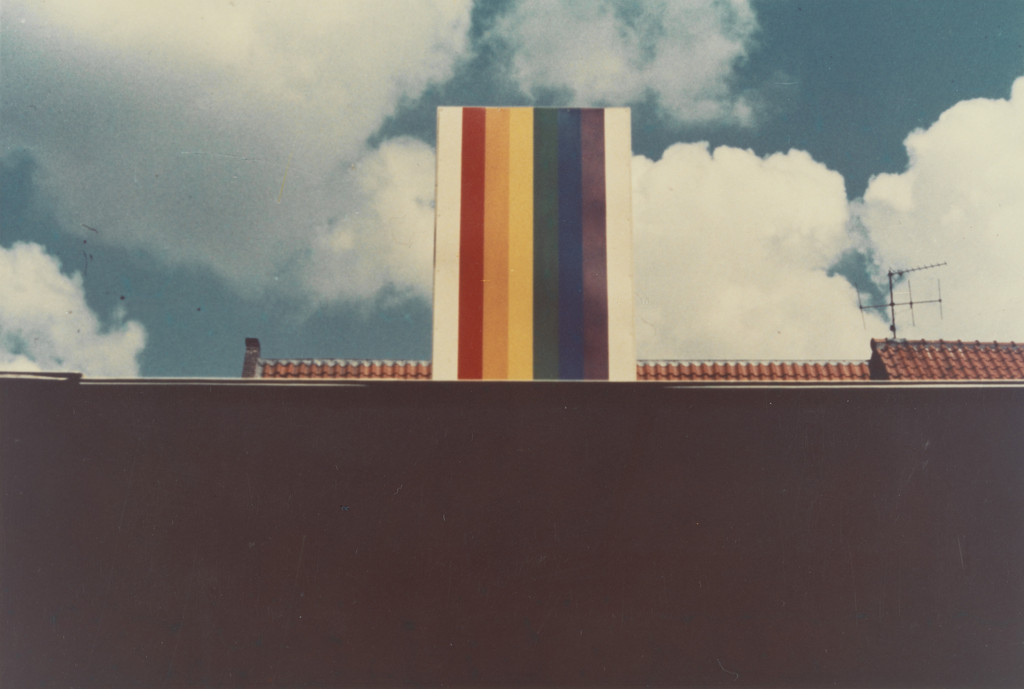
Harlem
Luigi Ghirri
1970s
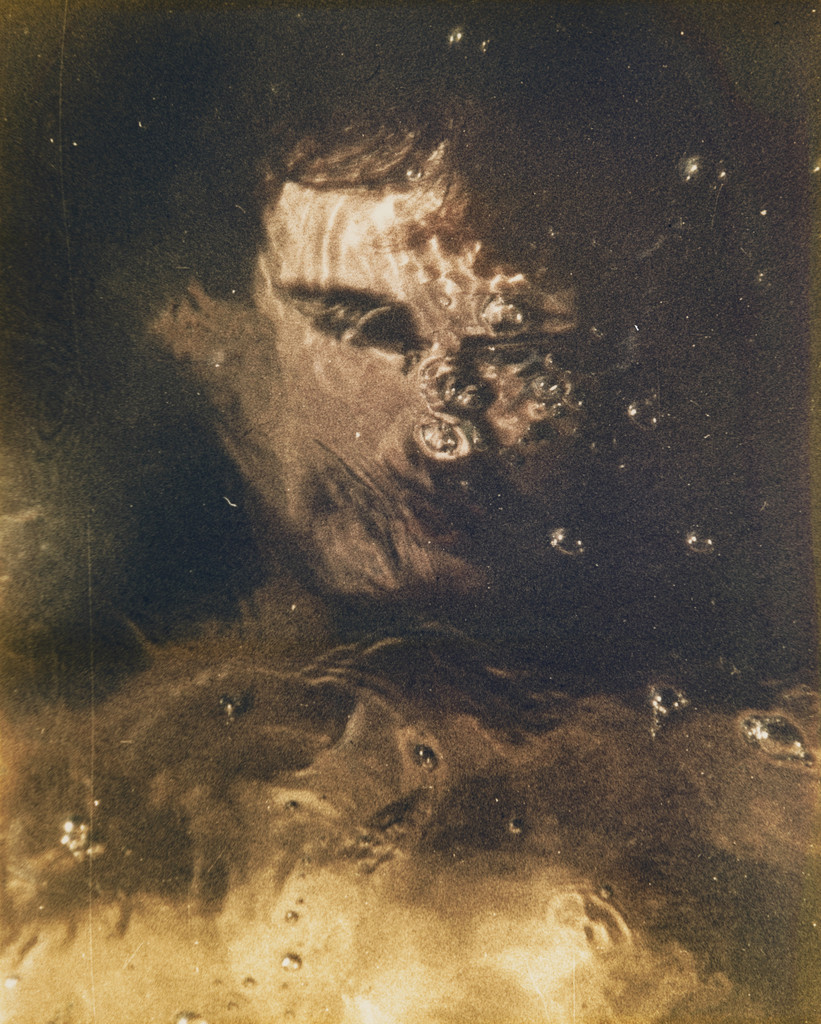
Ramsey (Lake Oswego)
Mark Morrisroe
1986

Red (Number One)
Xaviera Simmons
2016
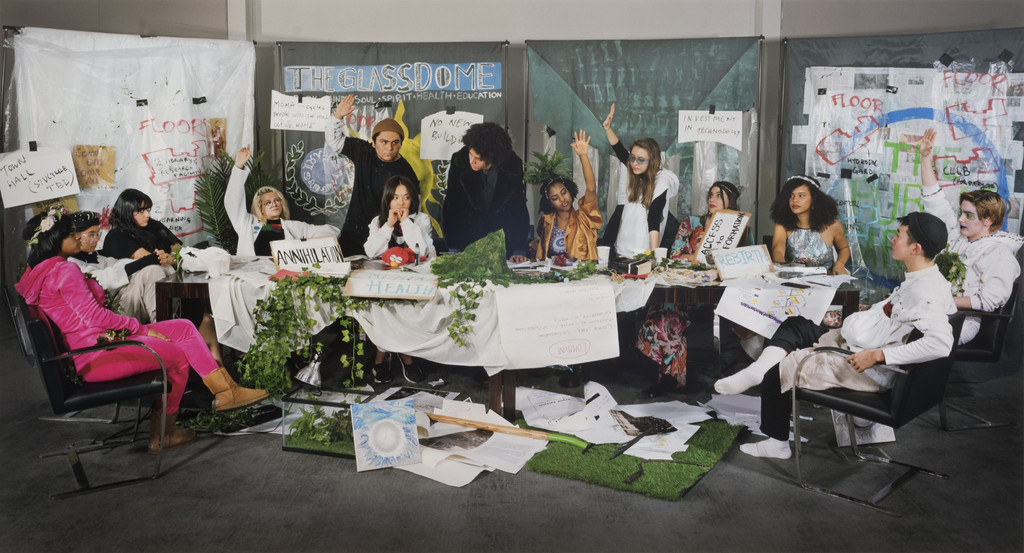
The Council
Adelita Husni-Bey
2018

Untitled
Unidentified photographer
c. 1960-70
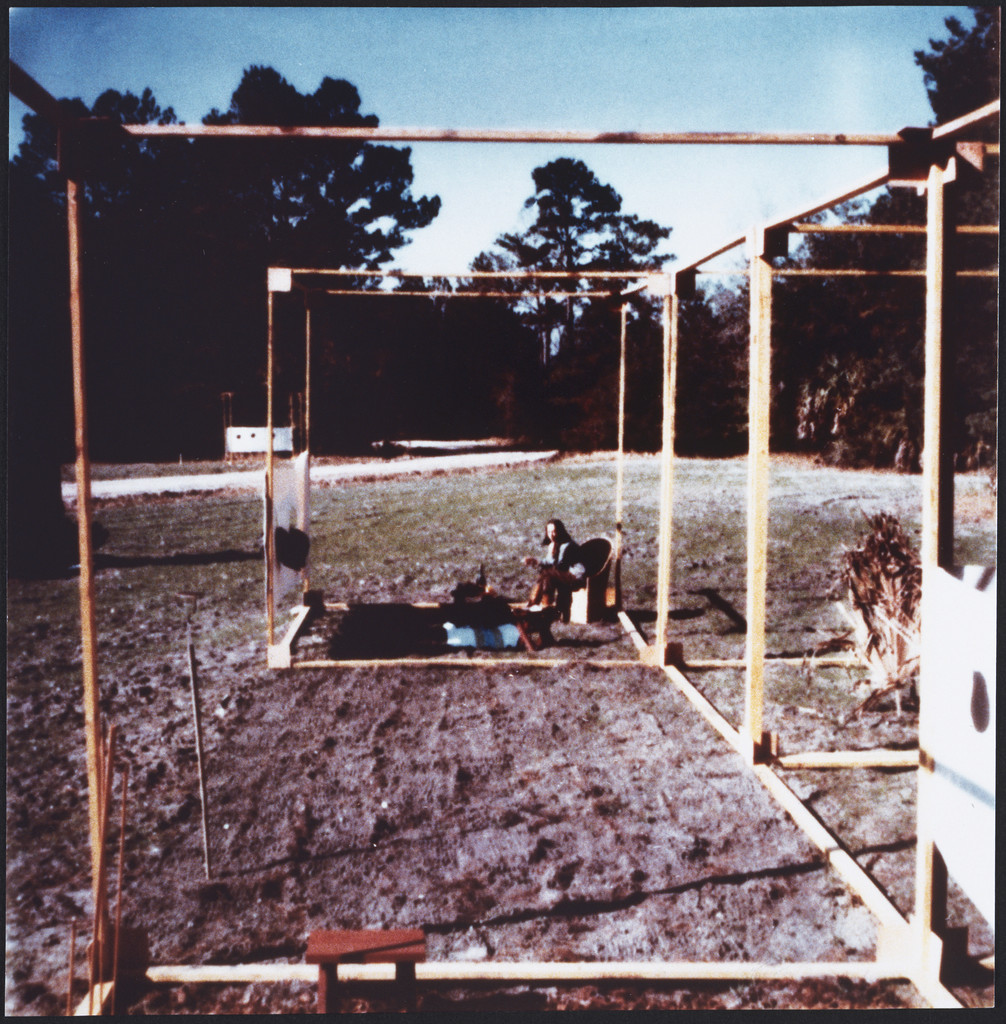
Generator Project, White Oak, Florida, Full-Scale On-Site...
Cedric Price
1978-80