
“The more you look at the same exact thing, the more the meaning goes away.” — Andy Warhol
Two exhibitions in 1962 announced Andy Warhol’s dramatic entry into the art world. In July, at the Ferus Gallery in Los Angeles, he exhibited his now-iconic Campbell’s Soup Cans. The work’s 32 canvases, each one featuring a different variety of the company’s 32 soups, were lined up in a single row on a ledge that wrapped around the gallery. “Cans sit on shelves,” the gallery director, Irving Blum, later said of the installation. “Why not?” The paintings marked a breakthrough for Warhol, who had previously worked as a commercial illustrator: they were among his first works based on consumer goods, and among the first to embrace serial repetition. Although he hand-painted each canvas, they were made to seem mechanically produced. Later that year, Warhol mounted an exhibition at New York’s Stable Gallery, displaying silkscreen prints with a flat uniformity that would become his signature style. The silkscreen, at the time primarily a commercial technique, allowed a theoretically endless number of repetitions and variations of his chosen subject. The exhibition included numerous portraits of legendary actress Marilyn Monroe, whose recent suicide sent shockwaves through American popular culture. In Gold Marilyn Monroe, Warhol memorialized Monroe by screening her face onto a gold-painted canvas, recalling the look of a Byzantine icon. Strategies drawn from printmaking, including multiplicity, mirroring, transfer, and replication, would prove central and enduring tenets in Warhol’s work. Throughout the 1960s, he continued to mine the world of celebrity for his art, creating images of stars and public figures so familiar that they were often known by only their first name: Elvis, Jackie, and, again, Marilyn. Likewise, his engagement with the subject of commodity culture signaled in Campbell’s Soup Cans would find a sculptural analogue in his boxes silkscreened with the labels of Campbell’s tomato juice, Brillo soap pads, and Heinz ketchup. “The more you look at the same exact thing, the more the meaning goes away, and the better and emptier you feel,” Warhol would remark. His Death and Disaster series, begun in 1963, tests that statement. In works like [Orange Car Crash Fourteen Times] (/collection/works/79223) and Electric Chairs, the force of repetition rendered the scenes at once banal and more emphatically traumatic. Warhol was also a pioneering and prolific filmmaker. His famous Screen Tests, made between 1964 and 1966, consist of 472 individual filmed portraits of visitors to his legendary studio, known as the Factory. A testament to his perennial interest in portraiture, the Screen Tests also advanced a new definition of film performance, starring non-professionals whose only task was to remain silent and still for the duration of a roll of film. Other works challenged the limits of audience attention, such as Empire, an eight-hour stationary shot of the Empire State Building. Drawing from a range of genres, Warhol also made scripted, feature-length films that delved into New York’s underground subcultures and turned the Factory’s collection of artists and misfits into “superstars.” By 1971, New York magazine had dubbed Warhol “The Zeitgeist incarnate,” declaring, “The images he leaves will be the permanent record of America in the sixties.” He had launched his own magazine, Interview, in 1969, and in the years that followed he circulated in the world of celebrity he had long represented in his art. In the 1980s, he returned to painting in works like the giant Rorschach. As suggested by Leonardo da Vinci, The Annunciation 1473, he also turned his creative attentions to art history itself. Two years after his death in 1987, MoMA mounted its first retrospective of his work. Since then, Warhol’s stature has only grown, as the influence of his work—in its merging of pop culture and fine art, its exploitation of the serial logic of the print, and his own canny media manipulation and self-fashioning—continues to reverberate.
Natalie Dupêcher, independent scholar, 2019
Works in Collection
237 works
11 Pop Artists
Allan D'Arcangelo
1966
1¢ Life
Pierre Alechinsky
1963–64, published 1964
7 Objects in a Box
Allan D'Arcangelo
1965–66, published 1966
A Gold Book
Andy Warhol
1957
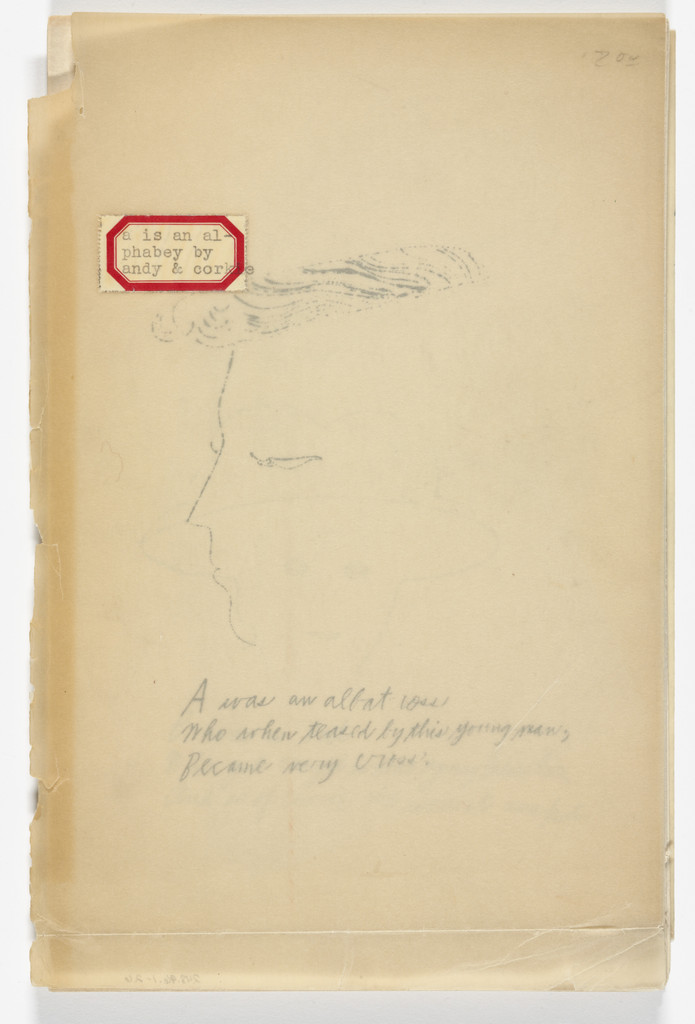
A Is an Alphabet
Andy Warhol
1953
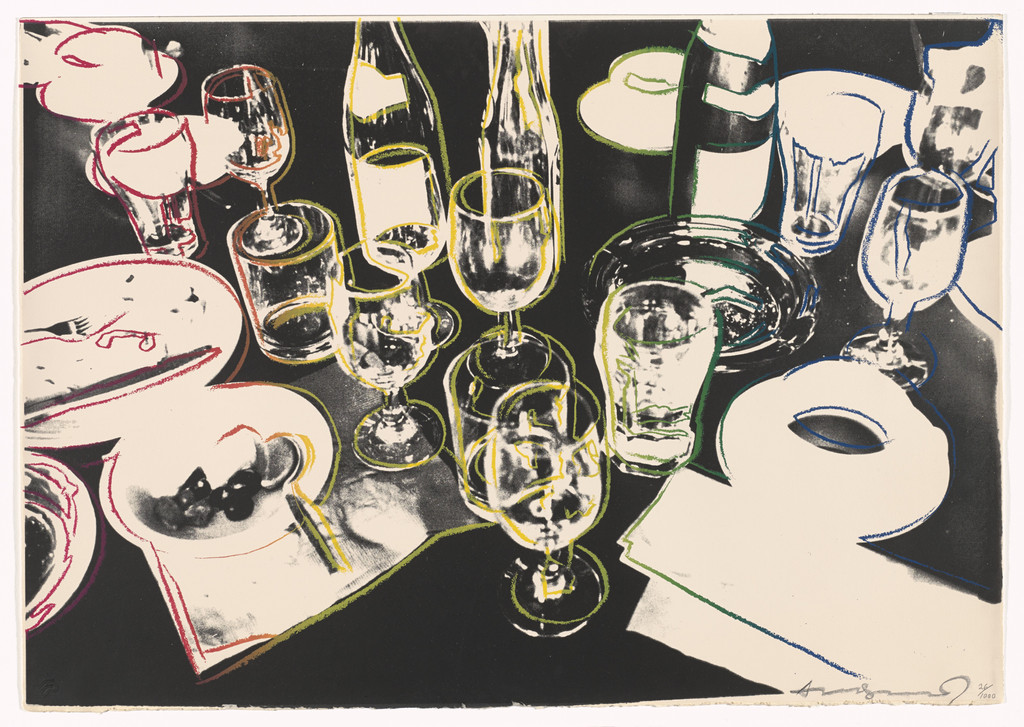
After the Party
Andy Warhol
1979
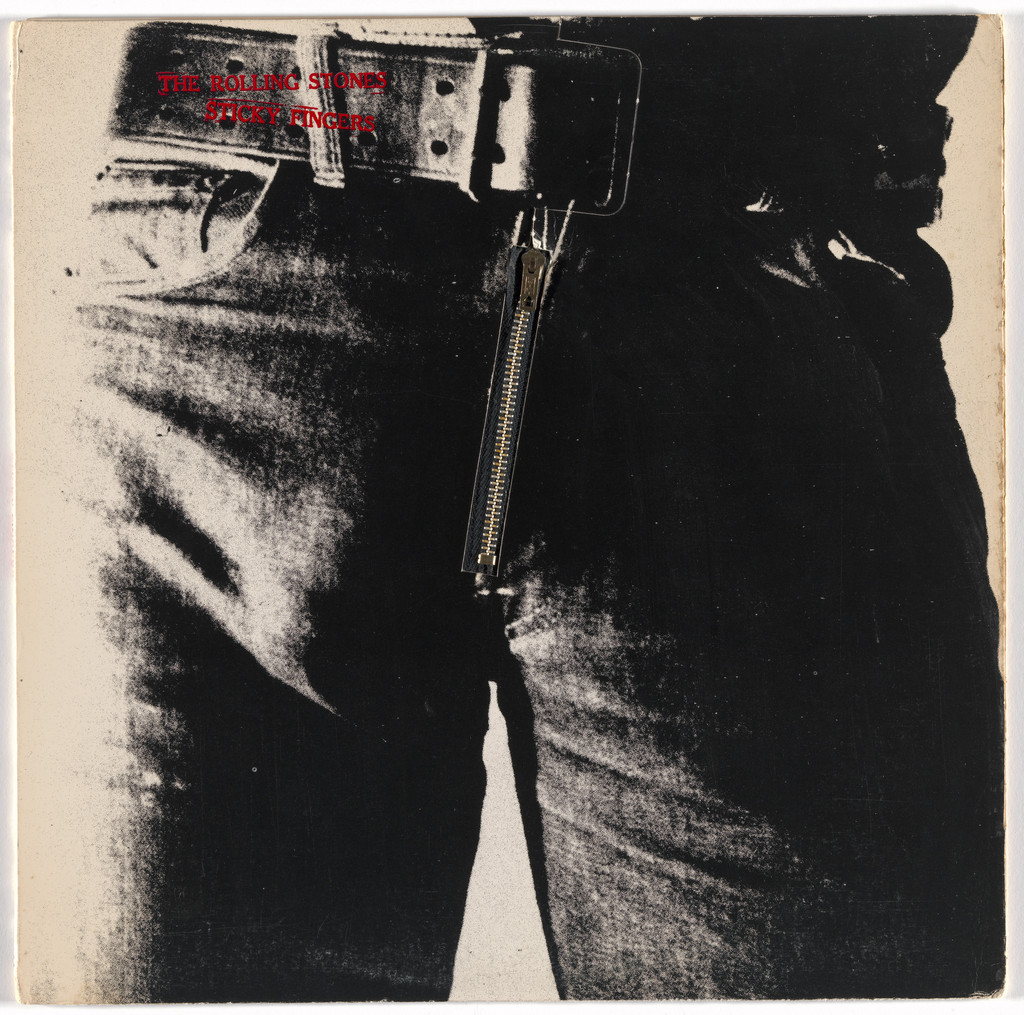
Album cover for The Rolling Stones, Sticky Fingers
Andy Warhol
1971
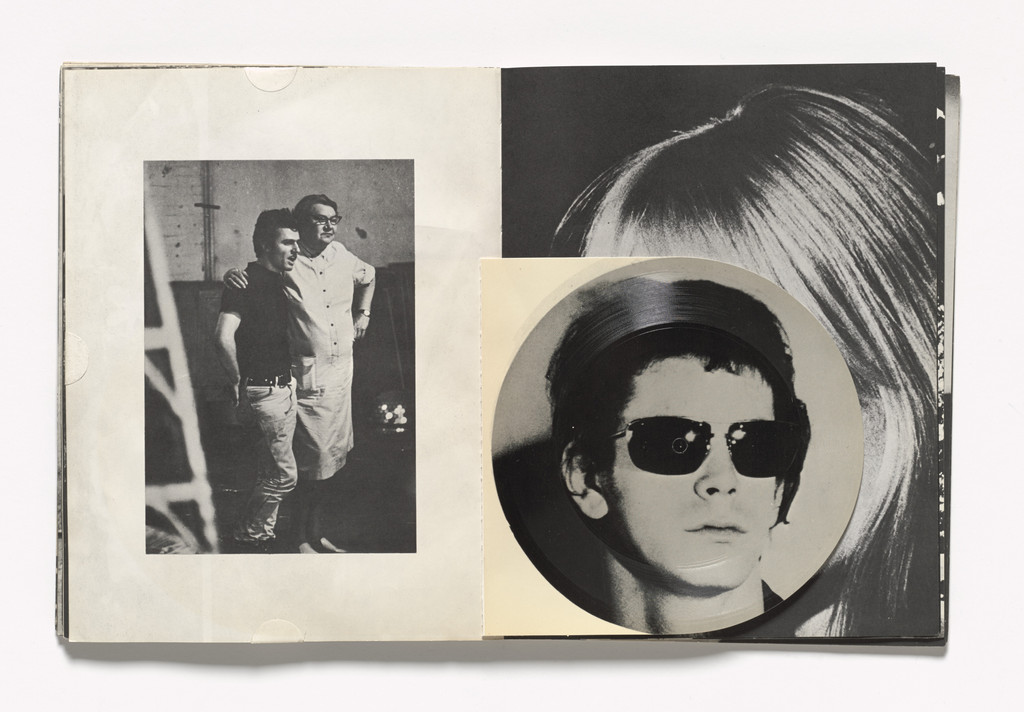
Andy Warhol's Index (Book)
Andy Warhol
1967
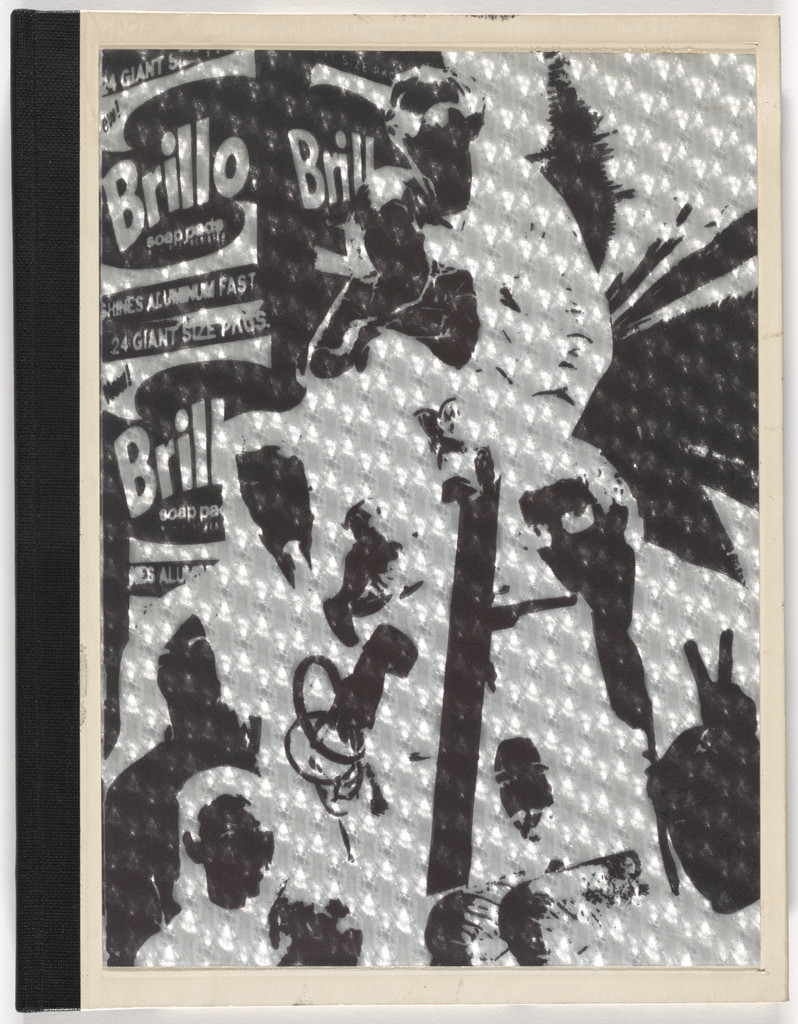
Andy Warhol's Index (Book)
Andy Warhol
1967
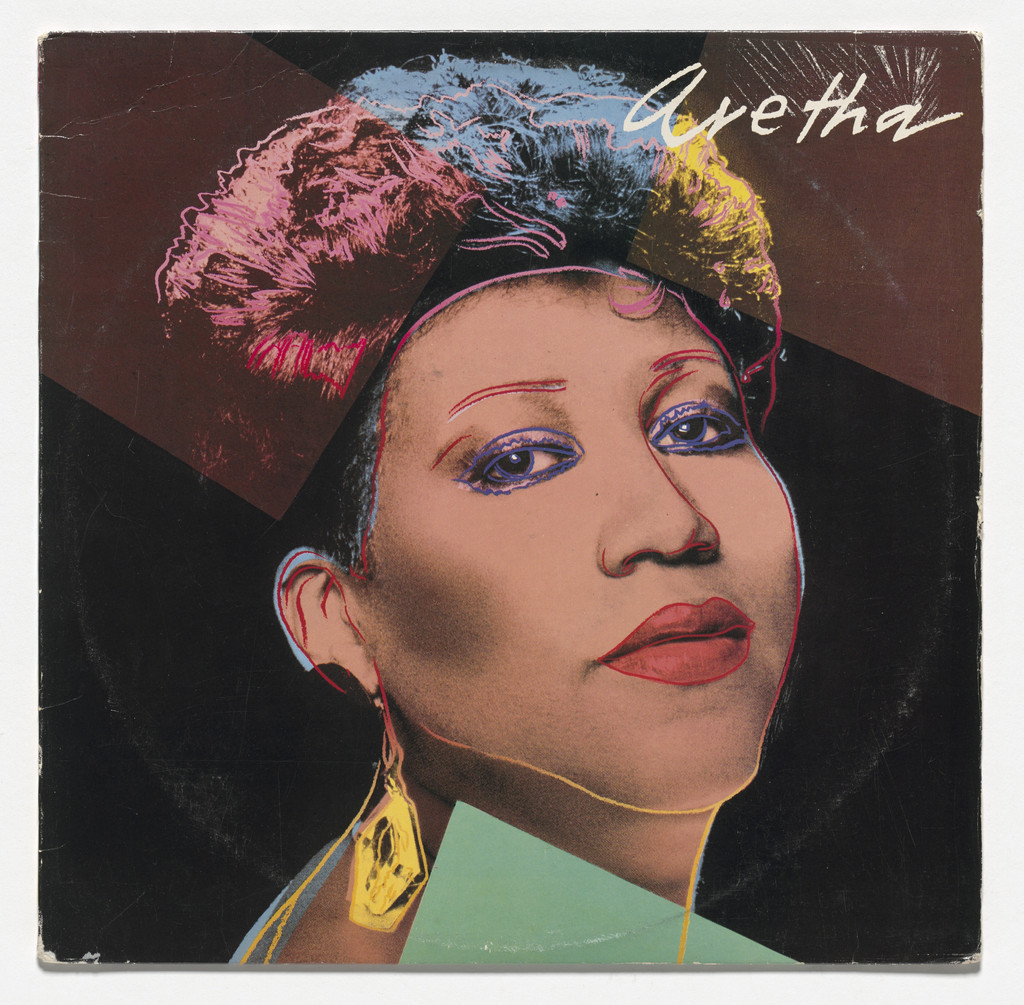
Aretha
Andy Warhol
1986
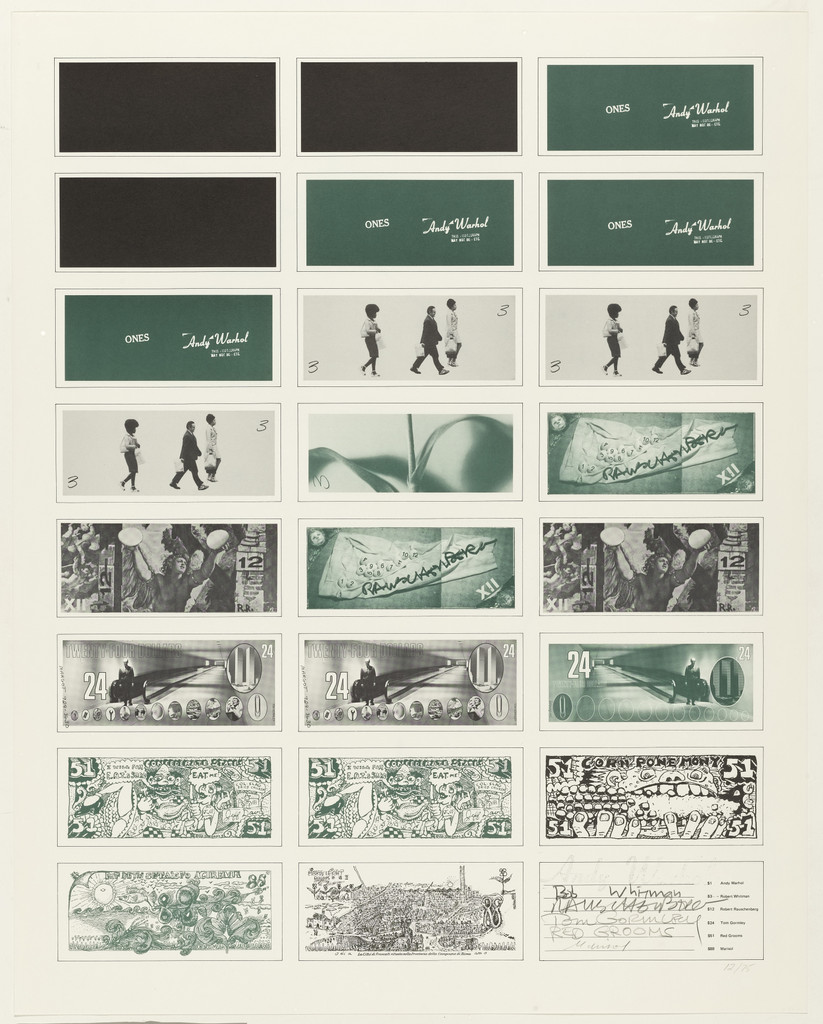
Art Cash
Tom Gormley
1971
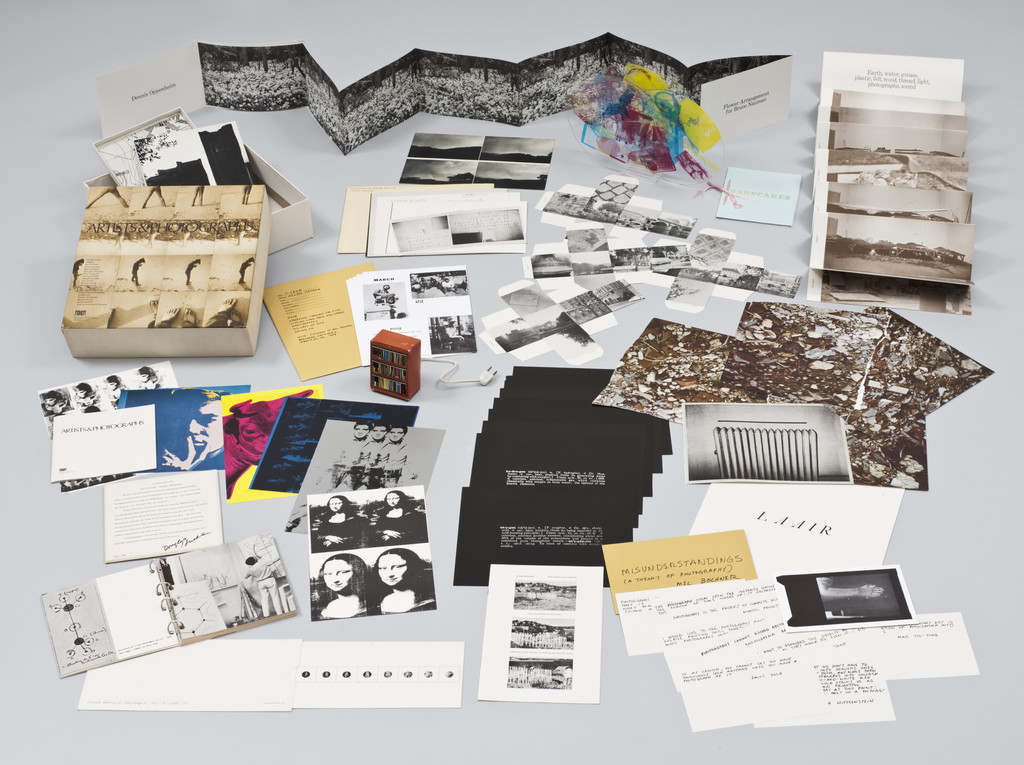
Artists & Photographs
Mel Bochner
1965–70, published 1970
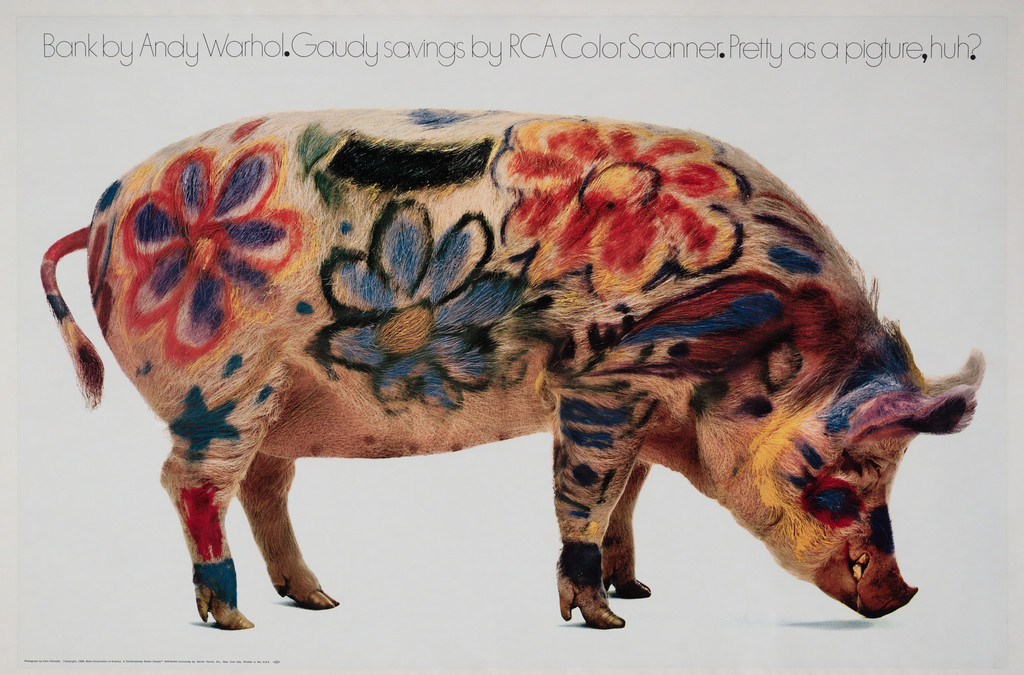
Bank by Andy Warhol. Gaudy Savings by RCA Color Scanner. ...
Andy Warhol
1968
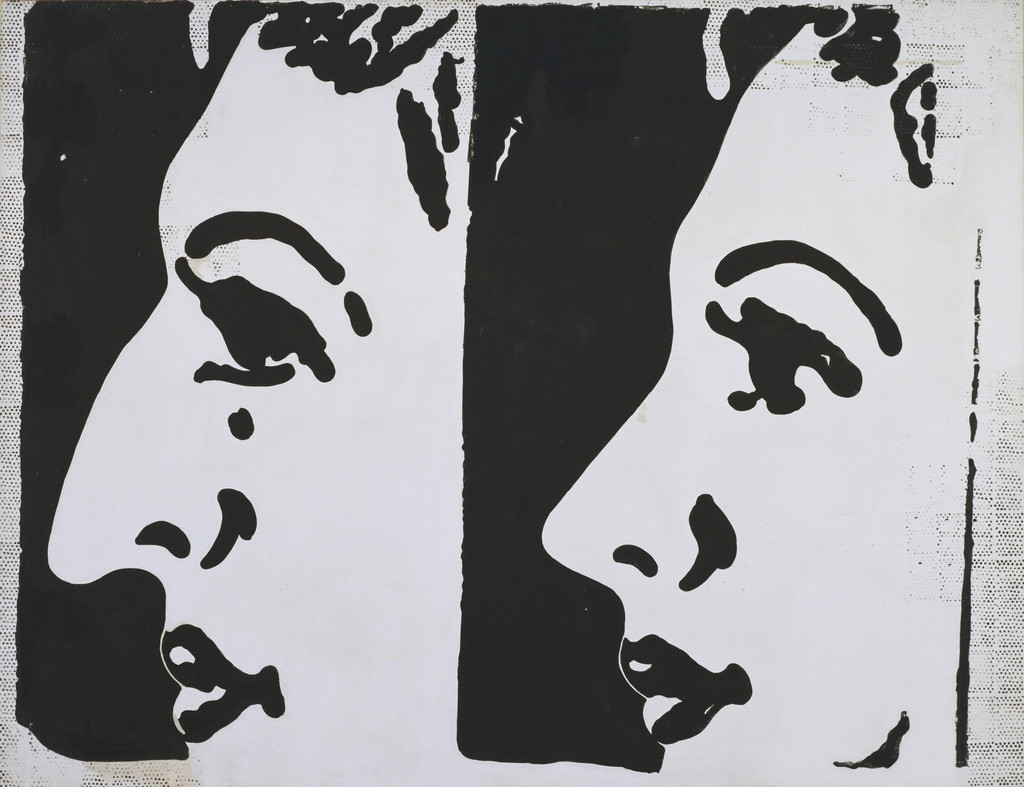
Before and After
Andy Warhol
1961
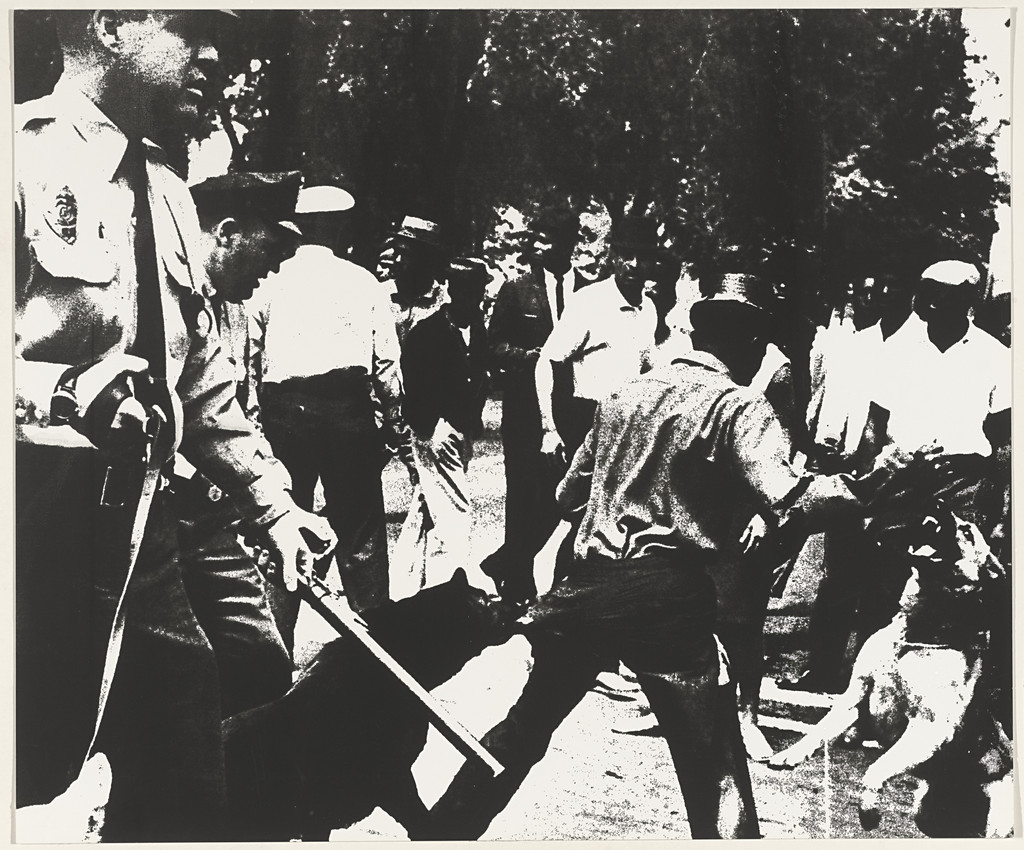
Birmingham Race Riot from X + X (Ten Works by Ten Painters)
Andy Warhol
1964
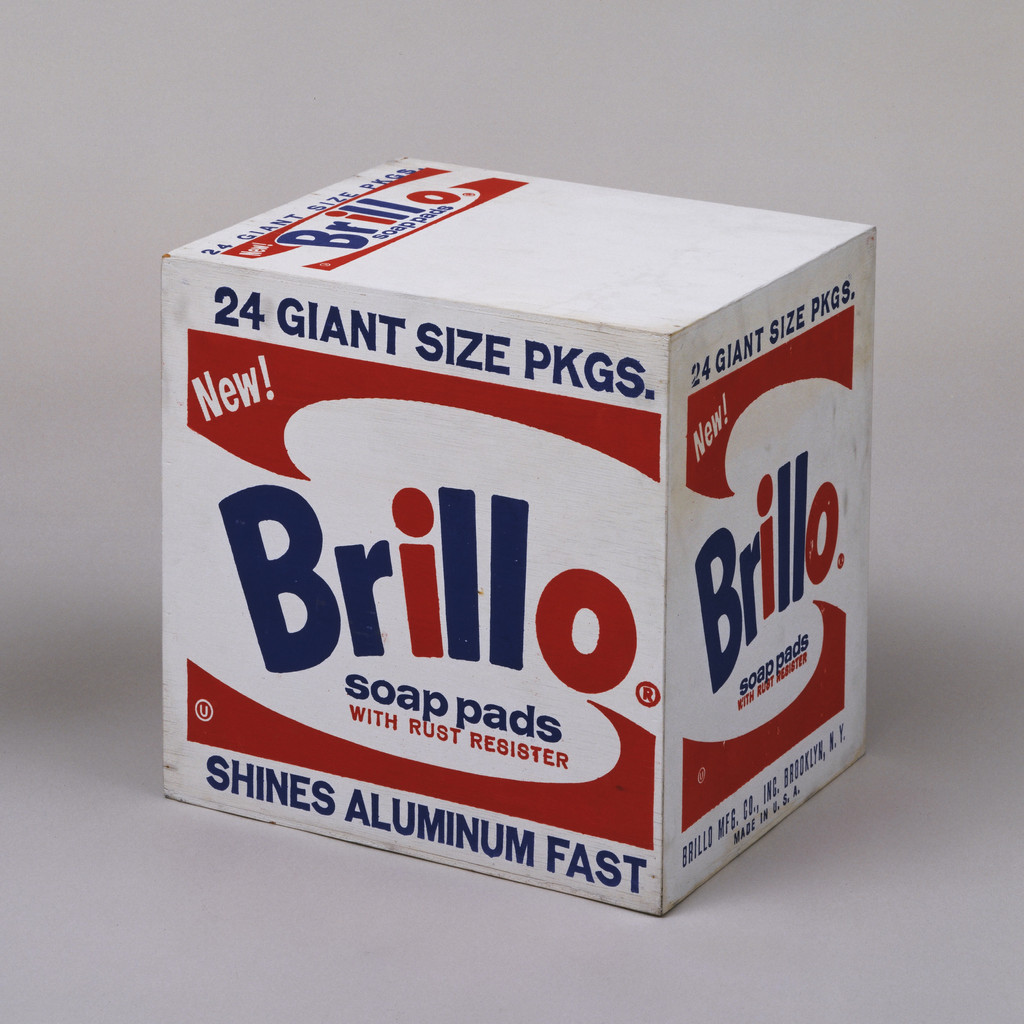
Brillo Box (Soap Pads)
Andy Warhol
1964
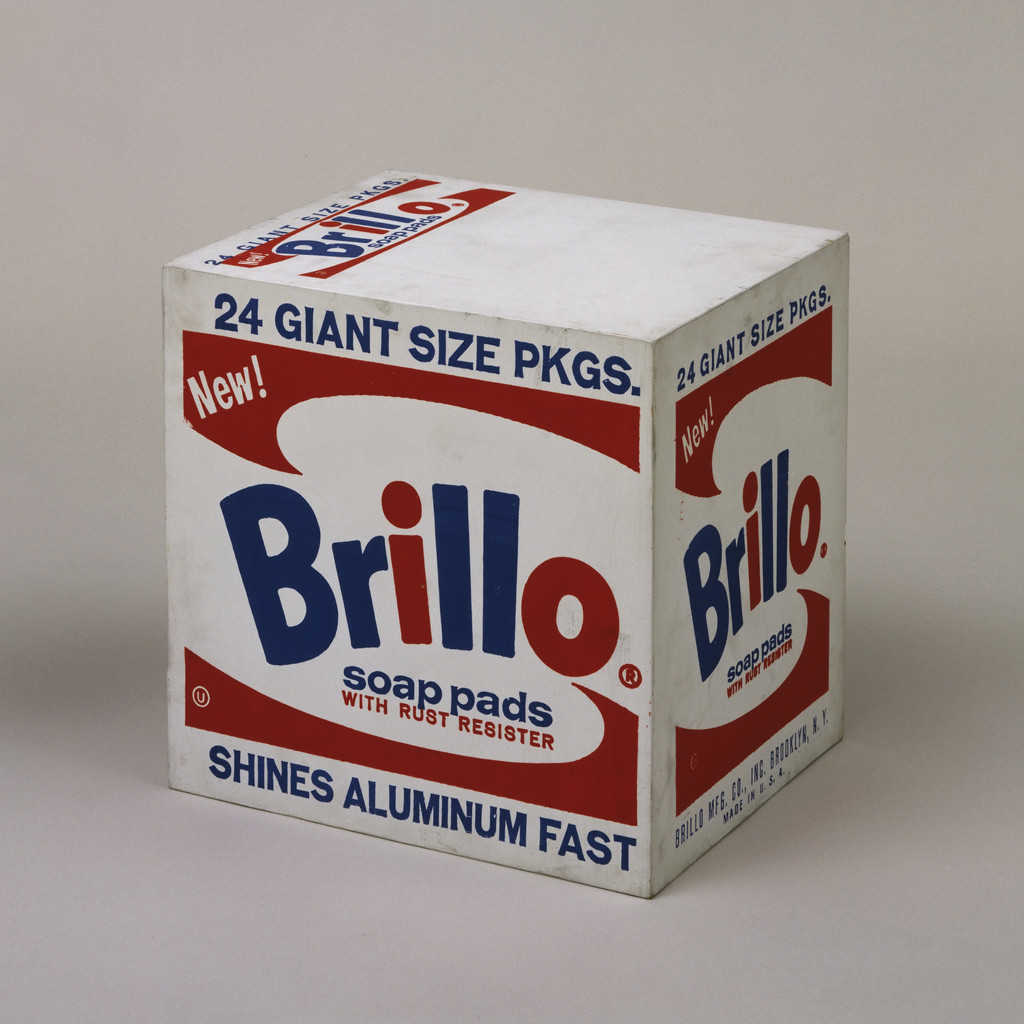
Brillo Box (Soap Pads)
Andy Warhol
1964
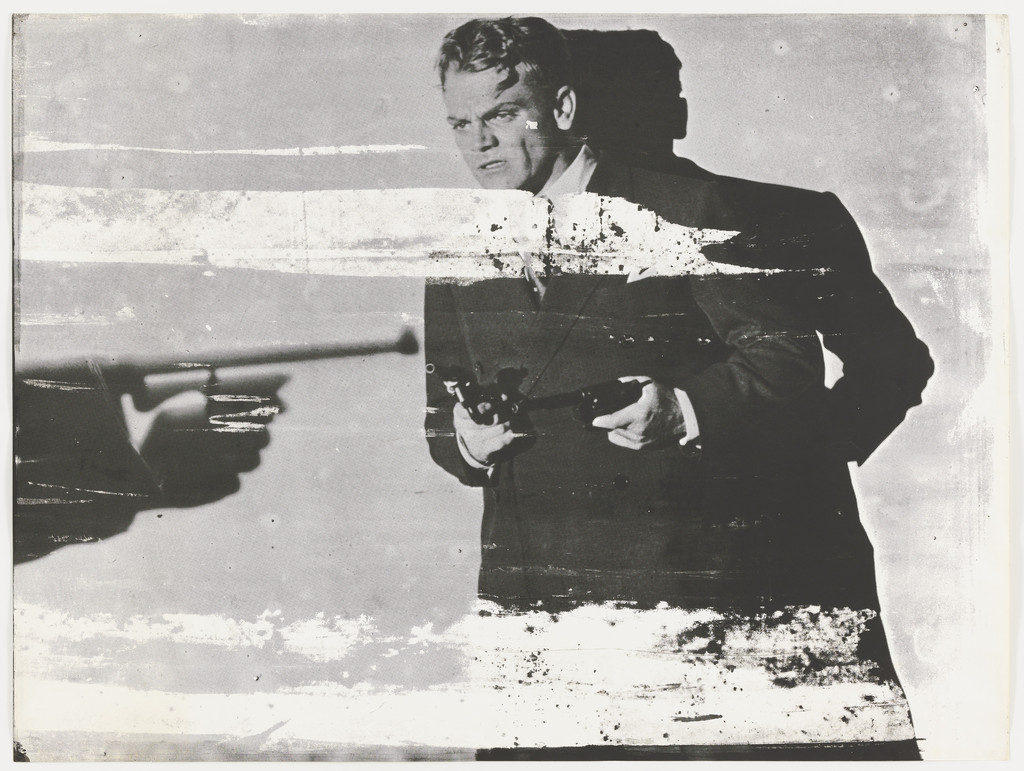
Cagney
Andy Warhol
1962
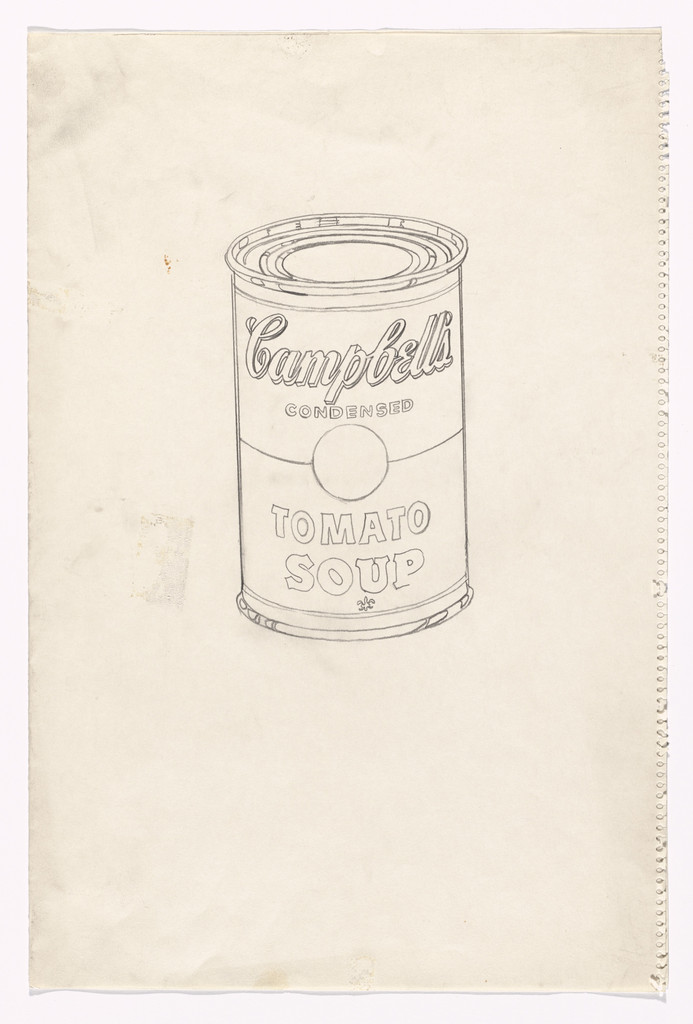
Campbell's Soup Can (Tomato)
Andy Warhol
(c. 1962)
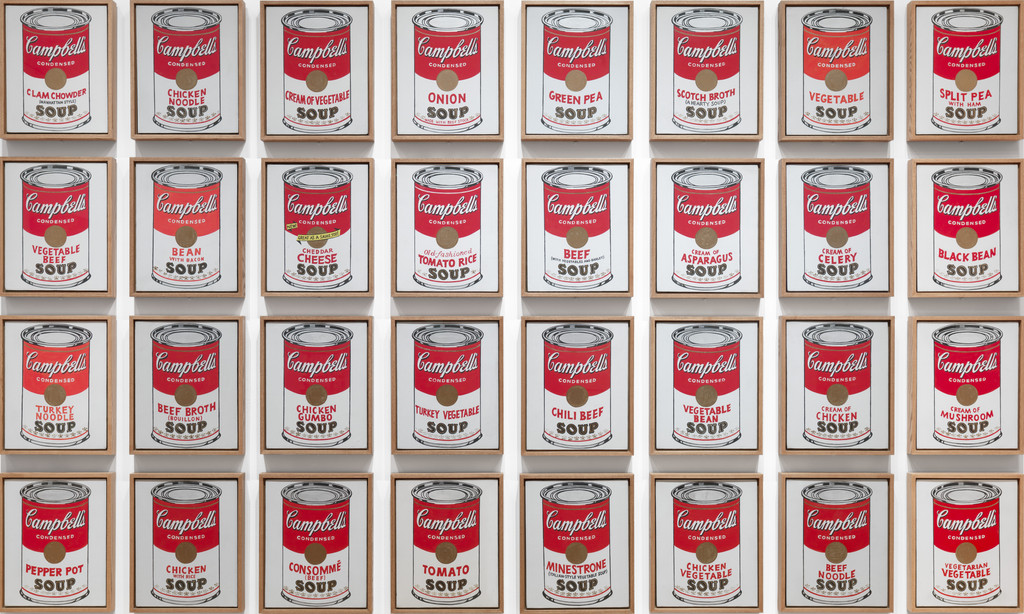
Campbell's Soup Cans
Andy Warhol
1962
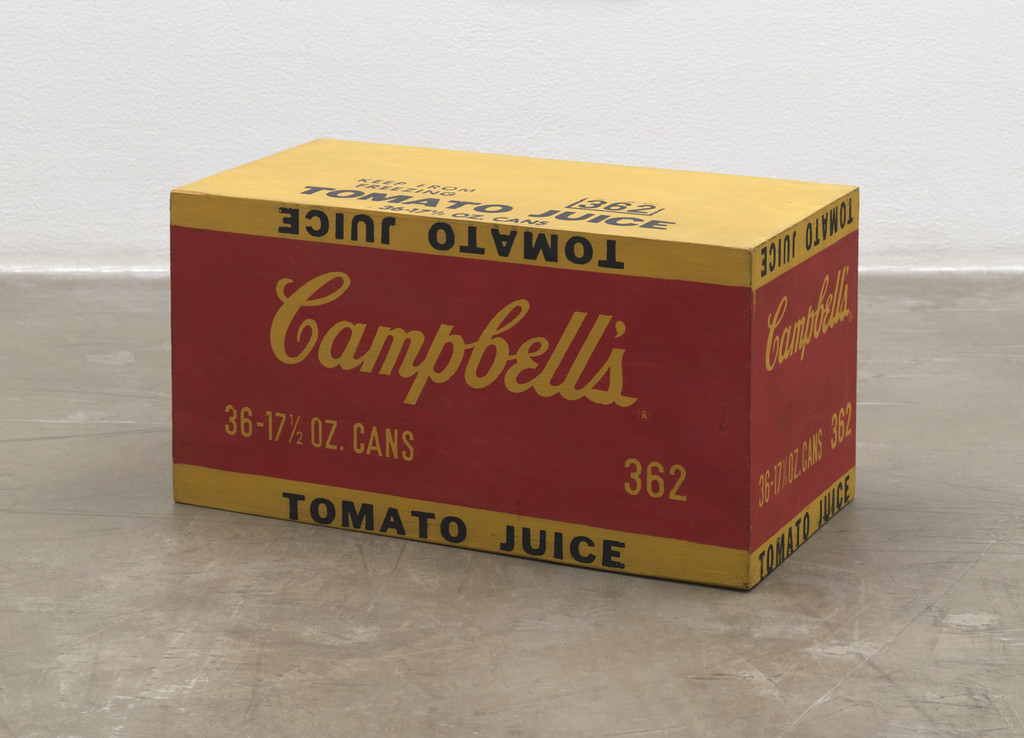
Campbell's Tomato Juice Box
Andy Warhol
1964
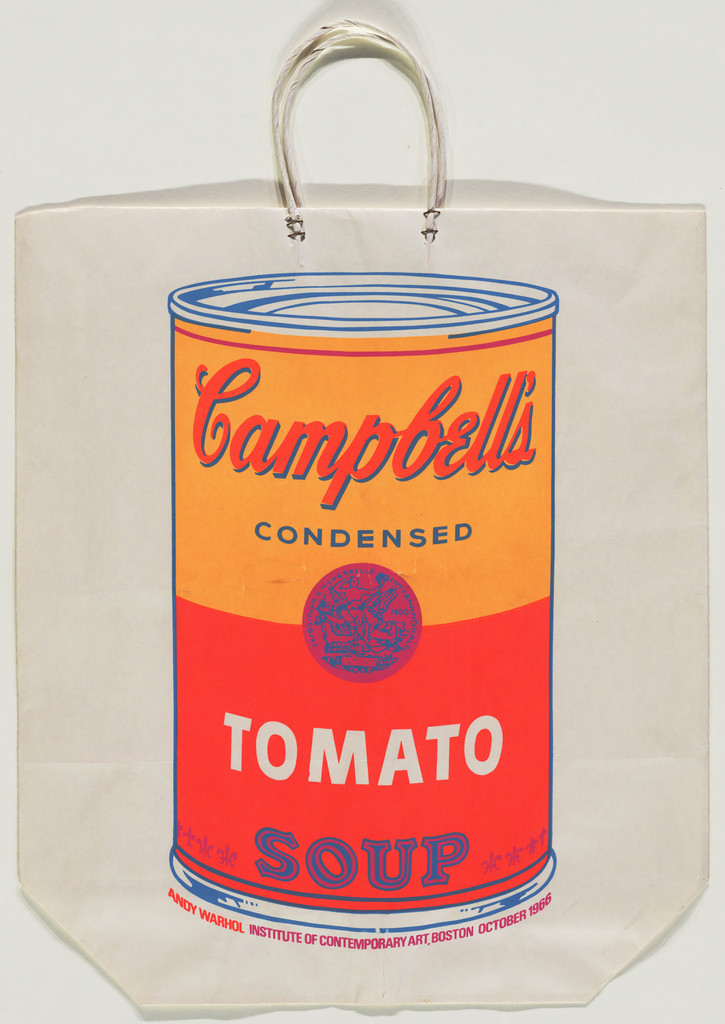
Campbell's Tomato Soup Shopping Bag
Andy Warhol
1966
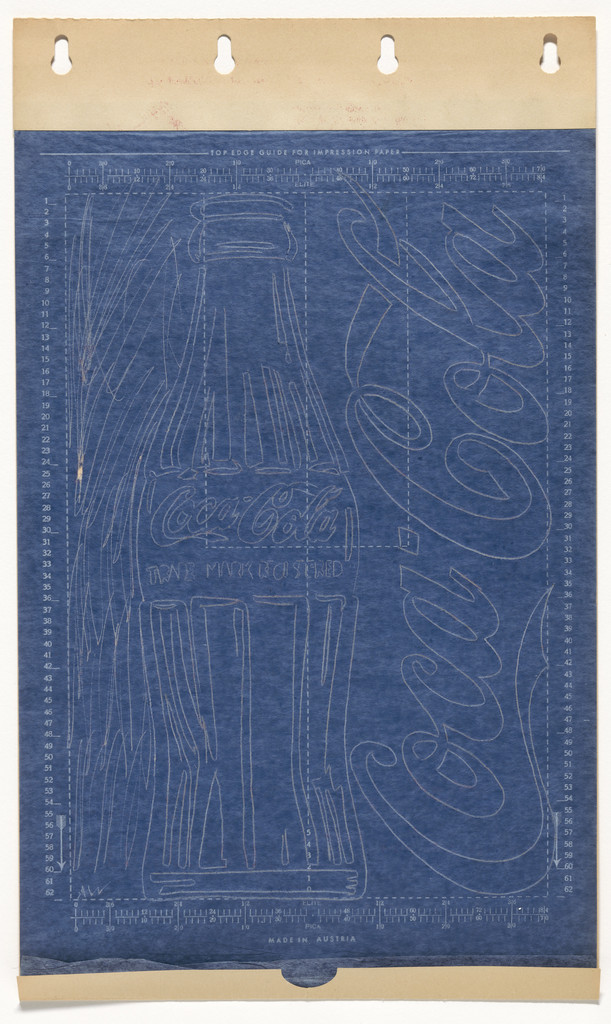
Coca-Cola
Andy Warhol
1962
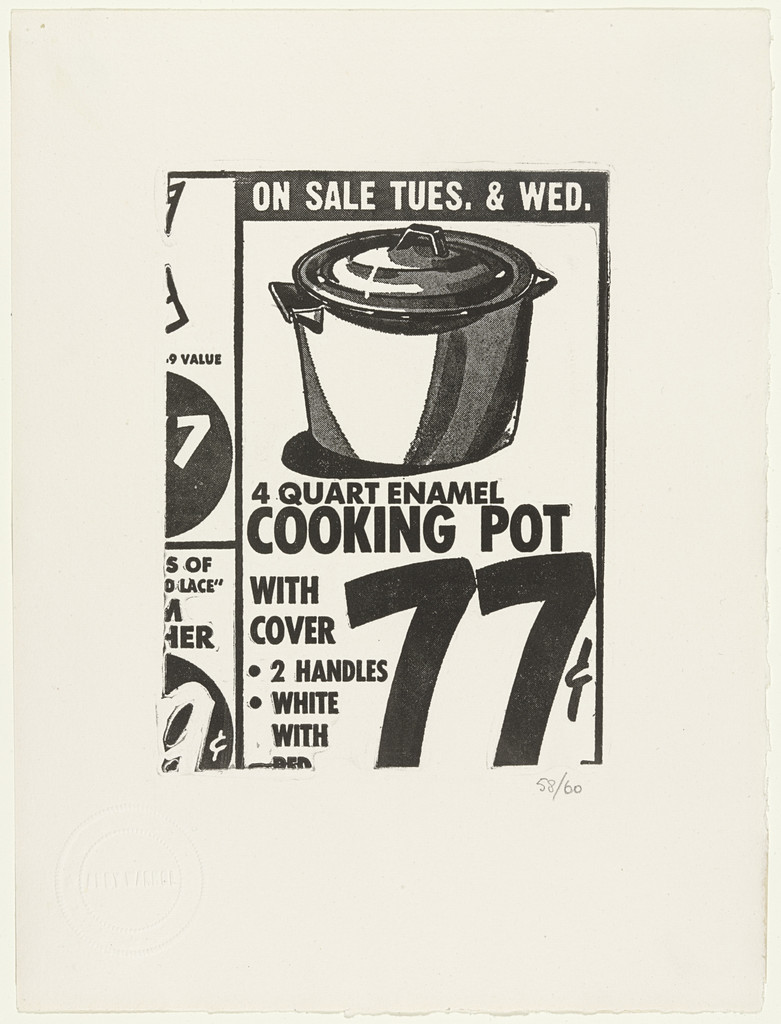
Cooking Pot (plate 18) from The International Anthology o...
Andy Warhol
1962, published 1964
Exhibitions
48 exhibitionsApr 25, 1956 – Aug 05, 1956
Recent Drawings U.S.A.
147 artists · 1 curator
May 27, 1964
Painting and Sculpture from the Museum Collection
169 artists
Feb 16, 1965 – Apr 25, 1965
Recent Acquisitions: Painting and Sculpture
87 artists
Apr 06, 1966 – Jun 12, 1966
Recent Acquisitions: Painting and Sculpture
70 artists · 2 curators
Nov 22, 1966 – Feb 06, 1967
Art in the Mirror
30 artists · 1 curator
Jun 28, 1967 – Sep 24, 1967
The 1960s: Painting and Sculpture from the Museum Collection
107 artists · 2 curators
Jan 17, 1968 – Mar 04, 1968
The Sidney and Harriet Janis Collection
55 artists · 1 curator
Jan 25, 1968 – Mar 10, 1968
Word and Image: Posters and Typography from the Graphic Design Collection of the Museum of Modern Art, 18791967
197 artists · 1 curator
May 23, 1970 – Aug 31, 1970
Pop Art Prints, Drawings, and Multiples
25 artists · 1 curator
Jul 02, 1970 – Sep 20, 1970
Information
75 artists · 1 curator
Jul 28, 1971 – Nov 01, 1971
Ways of Looking
132 artists · 1 curator
Mar 29, 1972
Permanent Collection
45 artists · 2 curators
Jun 26, 1972 – Sep 15, 1972
Prints for Collectors
36 artists · 1 curator
Mar 22, 1973 – May 09, 1973
Prints of the Sixties
12 artists · 1 curator
Jul 11, 1973 – Sep 11, 1973
Collage and the Photo-Image
40 artists · 5 curators
Sep 25, 1974 – Oct 20, 1974
Works from Change, Inc.
18 artists
Sep 11, 1975 – Dec 01, 1975
76 Jefferson
37 artists
Oct 03, 1975 – Jan 18, 1976
Printsequence
16 artists · 1 curator
Jan 23, 1976 – Mar 09, 1976
Drawing Now: 19551975
45 artists · 1 curator
Nov 23, 1976 – Feb 20, 1977
Prints: Acquisitions, 19731976
81 artists · 1 curator
Mar 17, 1977 – May 30, 1977
Bookworks
108 artists · 1 curator
Dec 01, 1977 – Feb 06, 1978
Posters in the Penthouse
9 artists
Jul 26, 1978 – Oct 02, 1978
Mirrors and Windows: American Photography Since 1960
101 artists · 1 curator
Nov 20, 1978 – Feb 19, 1979
Gold
29 artists
Mar 05, 1979 – May 29, 1979
The Stage Show
27 artists · 1 curator
Oct 01, 1979 – Nov 27, 1979
People Watching
19 artists
Feb 13, 1980 – Apr 01, 1980
Printed Art: A View of Two Decades
82 artists · 1 curator
Oct 23, 1980
Reinstallation of the Collection
129 artists
May 17, 1984
Selections from the Permanent Collection: Prints and Illustrated Books
99 artists · 2 curators
May 17, 1984
Selections from the Permanent Collection: Painting and Sculpture
59 artists · 2 curators
Dec 08, 1984 – May 20, 1985
Contemporary Drawings
38 artists · 1 curator
Apr 10, 1985 – Oct 27, 1985
Philip Johnson: Selected Gifts
20 artists · 2 curators
Sep 06, 1985 – Oct 15, 1985
Music Video: The Industry and Its Fringes
27 artists · 1 curator
Nov 07, 1985 – Jan 07, 1986
Self Portrait: The Photographer's Persona, 18401985
58 artists · 1 curator
Nov 21, 1985 – Apr 01, 1986
Contemporary Works from the Collection
40 artists · 1 curator
Dec 18, 1985 – May 20, 1986
American Prints: 19001960; Recent Acquisitions: Illustrated Books
98 artists · 1 curator
Feb 07, 1986 – Jul 08, 1986
Recent Acquisitions: Contemporary Prints
42 artists · 1 curator
Nov 06, 1986 – Mar 31, 1987
Contemporary Works from the Collection
46 artists · 1 curator
Apr 25, 1987 – Jun 13, 1987
Reinstallation of the Painting and Sculpture Collection
5 artists · 1 curator
May 22, 1987 – Jul 26, 1987
American Prints, 19601985
25 artists · 1 curator
Dec 24, 1987 – Sep 12, 1988
Contemporary Works from the Collection
53 artists · 1 curator
Jan 31, 1988 – Apr 19, 1988
Committed to Print
125 artists · 1 curator
Apr 01, 1988 – Jul 17, 1988
Rauschenberg, 34 Drawings for Dante's "Inferno" and Selections from the Drawings Collection
7 artists · 1 curator
Apr 01, 1988 – May 15, 1988
In Honor of Toiny Castelli: Drawings from the Toiny and Leo Castelli Collection
12 artists · 1 curator
Sep 29, 1988 – Jun 06, 1989
Contemporary Works from the Collection
4 artists · 1 curator
Feb 06, 1989 – May 02, 1989
Andy Warhol: A Retrospective
1 artist · 1 curator
Jun 24, 1989 – Mar 18, 1990
Contemporary Works from the Collection
28 artists · 1 curator
Nov 13, 1989 – Mar 13, 1990
For 20 Years: Editions Schellmann
21 artists · 1 curator